What is an Adjustable Power Supply and How to Choose One?
In the realm of electronics, an Adjustable Power Supply is a vital tool. This device allows users to modify voltage and current to meet their specific needs. Renowned expert Dr. John Smith, a noted electrical engineer, once stated, "Choosing the right Adjustable Power Supply can enhance efficiency and safety in any project."
Selecting an Adjustable Power Supply might seem straightforward. Yet, it requires consideration of various factors. For example, power ratings and output stability are crucial. Many users overlook the significance of load regulation. Understanding how these factors influence performance is essential for optimal results.
Moreover, the market offers numerous options, which can be overwhelming. An Adjustable Power Supply must match your particular applications. Users often find themselves regretting hasty decisions. Thus, investing time in research and analysis is wise. Ensuring you choose the right device can save future headaches and improve project outcomes.
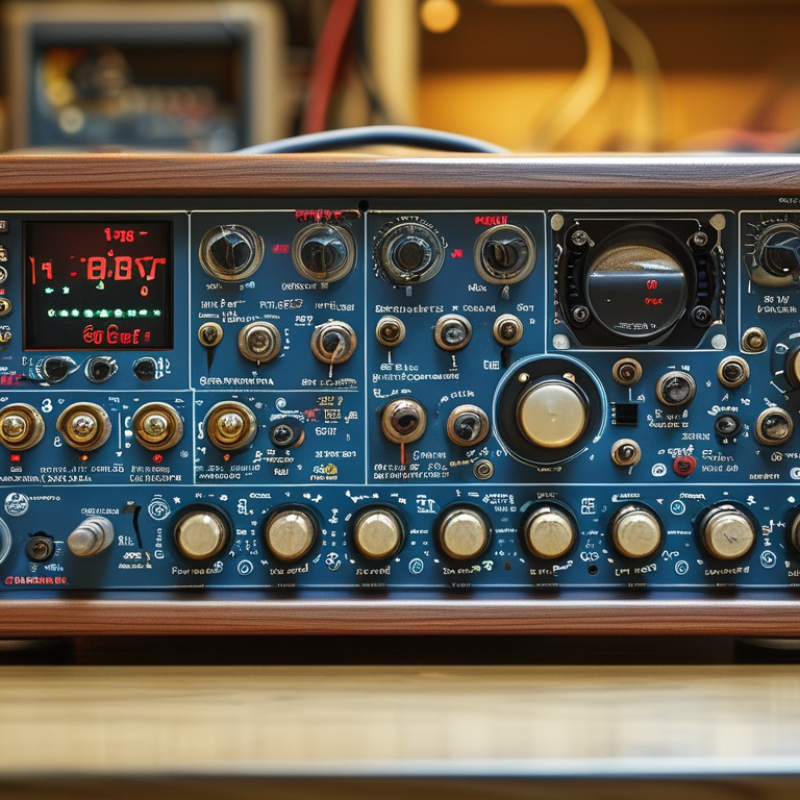
Understanding the Basics of Adjustable Power Supplies: Definitions and Types
Adjustable power supplies are essential tools for various electronic applications. They provide different voltage and current levels, making them adaptable to specific needs. Understanding the definitions and types can help in selecting the right one for your project.
There are two main types of adjustable power supplies: linear and switching. Linear power supplies offer clean, stable output but can be bulky and less efficient. On the other hand, switching power supplies are compact and energy-efficient, but they may introduce noise in the output. Knowing the differences can aid in making an informed choice.
When choosing an adjustable power supply, consider voltage range, current rating, and power handling. Each specification affects performance and suitability for different tasks. Reflecting on your specific requirements is vital. A mismatch could lead to inefficiencies or damage to your devices. Always aim for a balance between performance and practicality in your decision-making process.
FAQS
: Adjustable power supplies provide various voltage and current levels for different electronic applications.
They are linear and switching power supplies. Linear supplies offer stable output; switching supplies are efficient but may add noise.
Consider voltage range, current rating, and power handling. Mismatched specifications can cause damage to your devices.
They are widely used in research labs, automotive testing, and electronics manufacturing for various applications.
Higher efficiency minimizes energy waste and heat. A power supply with over 90% efficiency is ideal for many applications.
Load regulation measures how well a power supply maintains voltage under varying load conditions. Good regulation protects sensitive components.
Neglecting safety may lead to operational mistakes, damaging equipment or compromising the quality of results.
Regularly test your setup and collect feedback. Identifying performance gaps enables you to make necessary improvements.
Check for efficiency and load regulation ratings. These specifications help ensure the power supply meets your needs.
Proper training is crucial. Understanding voltage and current limits helps avoid mistakes and improves overall setup efficiency.
Conclusion
An Adjustable Power Supply is a versatile device that allows users to modify voltage and current outputs according to specific requirements, making it essential for various applications in electronics and testing. Understanding the types and basic functions of adjustable power supplies is crucial for selecting the right one. Key specifications such as output range, load regulation, and efficiency should be carefully evaluated to ensure optimal performance for the intended use.
Common applications of adjustable power supplies span multiple industries, from laboratories and manufacturing to telecommunications and research. Maintaining efficiency and performance involves regular monitoring, adherence to best practices in operation, and troubleshooting techniques to address any potential issues. By following these guidelines, users can maximize the reliability and lifespan of their Adjustable Power Supply, ensuring it meets their varying needs effectively.
