Featured Industrial AC-DC & DC-DC Solutions
Select from our premium range of highly efficient, rugged power converter modules optimized for industrial networks, automated manufacturing systems, and marine electronics.
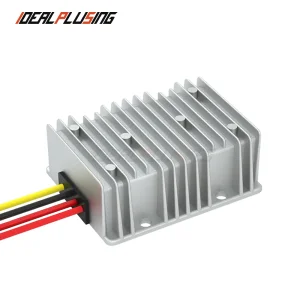
High Efficiency AC DC Converter 48V to 5V 12V 24V 36V 6A 8A 15A 75W 180W 192W Switching Power Supply for Industrial Automation
View Technical Specifications →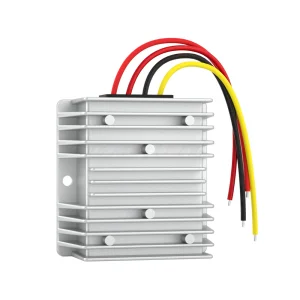
Open Frame PCB Mount AC DC Converter 48V to 5V 12V 24V 6A 10A 50W Embedded Switching Power Supply Board for Medical Electronics
View Technical Specifications →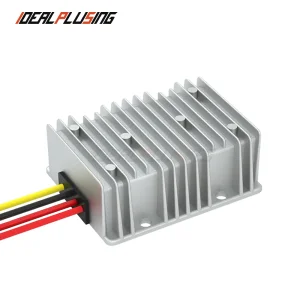
High Precision Programmable AC to DC Converter 40V to 36V 6A 216W Benchtop DC Power Supply with RS485 Communication 38-42V Input
View Technical Specifications →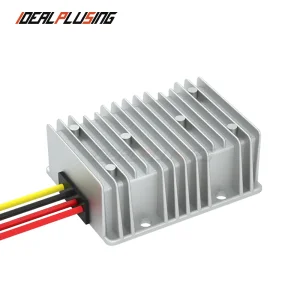
Weatherproof Heavy Duty AC to DC Converter 36V to 5V 12V 24V 8A 15A 75W 180W 192W Power Supply Module for Marine Security Camera
View Technical Specifications →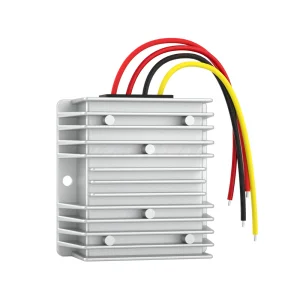
Single Phase 36V AC to DC Converter 5V 12V 24V 6A 10A 50W 120W 144W DIN Rail Mounted Power Supply for Telecom Backup Power 8-42V
View Technical Specifications →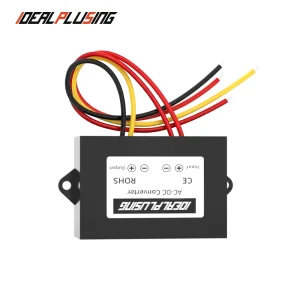
Ultra Compact DIN Rail AC DC Converter 36V to 5V 12V 24V 3A 15W 36W 72W Industrial Switching Power Supply for PLC Control System
View Technical Specifications →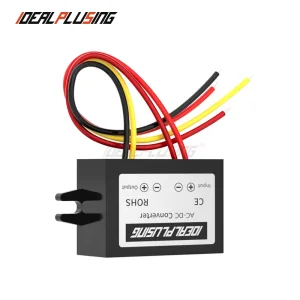
Heavy Duty 36V to 5V 12V 24V 1A 2A 3A 15W 24W SMPS Switching AC to DC Converter Module for CNC Laser Machine RoHS 8-42V
View Technical Specifications →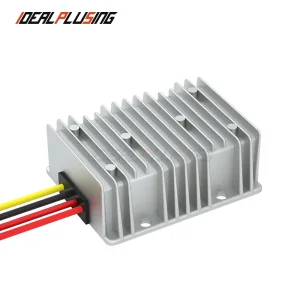
High Efficiency 24V to 5V 12V 15A 75W 180W Enclosed Switching AC DC Converter Power Supply for Industrial Automation CE 8-28V
View Technical Specifications →Global B2B Procurement Dynamics in Power Conversion
In modern industrial frameworks, procurement cycles for power electronics are dictated by three core imperatives: thermal density optimization, high efficiency metrics (such as DoE Level VI and CoC Tier 2 standards), and uncompromised MTBF (Mean Time Between Failures). Global procurement teams within Tier 1 automotive plants, marine exploration facilities, and telecommunication infrastructure demand highly standardized modular power supplies capable of operating seamlessly under wide input voltage ranges (e.g., 8V to 42V, or wide-input VAC phases).
Securing reliable custom engineering lines ensures that factories minimize downtime. Modern hardware infrastructure requires converters that not only convert energy but also mitigate electromagnetic interference (EMI) at the source. This shifts procurement dynamics toward vendors offering localized laboratory testing capability, certified EN 60601-1 compliance for medical environments, and automated diagnostic controls via RS485 or CAN-bus protocols.
Key Procurement Evaluation Criteria
- Thermal Adaptation: High convection performance or encapsulated design up to IP68.
- Input Flexibility: Multi-voltage acceptance allowing stable outputs under voltage sags.
- Digital Integration: On-board RS485 communication protocols for intelligent feedback telemetry.
- Compliance Standards: Direct compliance certifications matching CE, RoHS, and UL safety directives.
Macro-Level Industrial Solutions & Comprehensive Capabilities
Providing scalable, high-grade electrical architectures designed to bridge the gap between volatile input environments and sensitive operational loads.
Available in both Isolated and Non-isolated topologies. Supported input/output voltages span from 12VDC up to 1000VDC, with power configurations ranging from 1kW to 200kW. Optimized for electric drivetrains and renewable storage arrays.
Custom engineered switching power modules featuring ultra-wide output variations from 0V to 200kV, and current configurations from 0A to 20kA. These are robustly utilized in physics laboratories, electrostatic precipitators, and precision electrolysis.
Highly stable grid-tie and off-grid solutions utilizing pure sine wave technologies. Engineered for input DC voltages of 12VDC to 2000VDC, generating capacities of 100W to 500kW to power essential systems.
Single-phase and triple-phase high-precision variable frequency transformers. Handling input frequencies from 10Hz up to 500Hz, delivering outputs spanning 1kVA to 500kVA for testing compliance across global grids.
High-capacity aviation and maritime military ground support hardware. Providing variable dc outputs from 300 Amps up to 50,000 Amps designed specifically to withstand harsh atmospheric conditions and provide clean, low-ripple startup energy for modern aircraft and navy vessel fleets.
State-of-the-Art Production & Quality Control Flow
Our proprietary manufacturing ecosystem in Guangzhou, China, integrates over 20 collaborative advanced production plants, utilizing over 60 highly trained technicians and quality inspection engineers.



Our Standardized Manufacturing Process
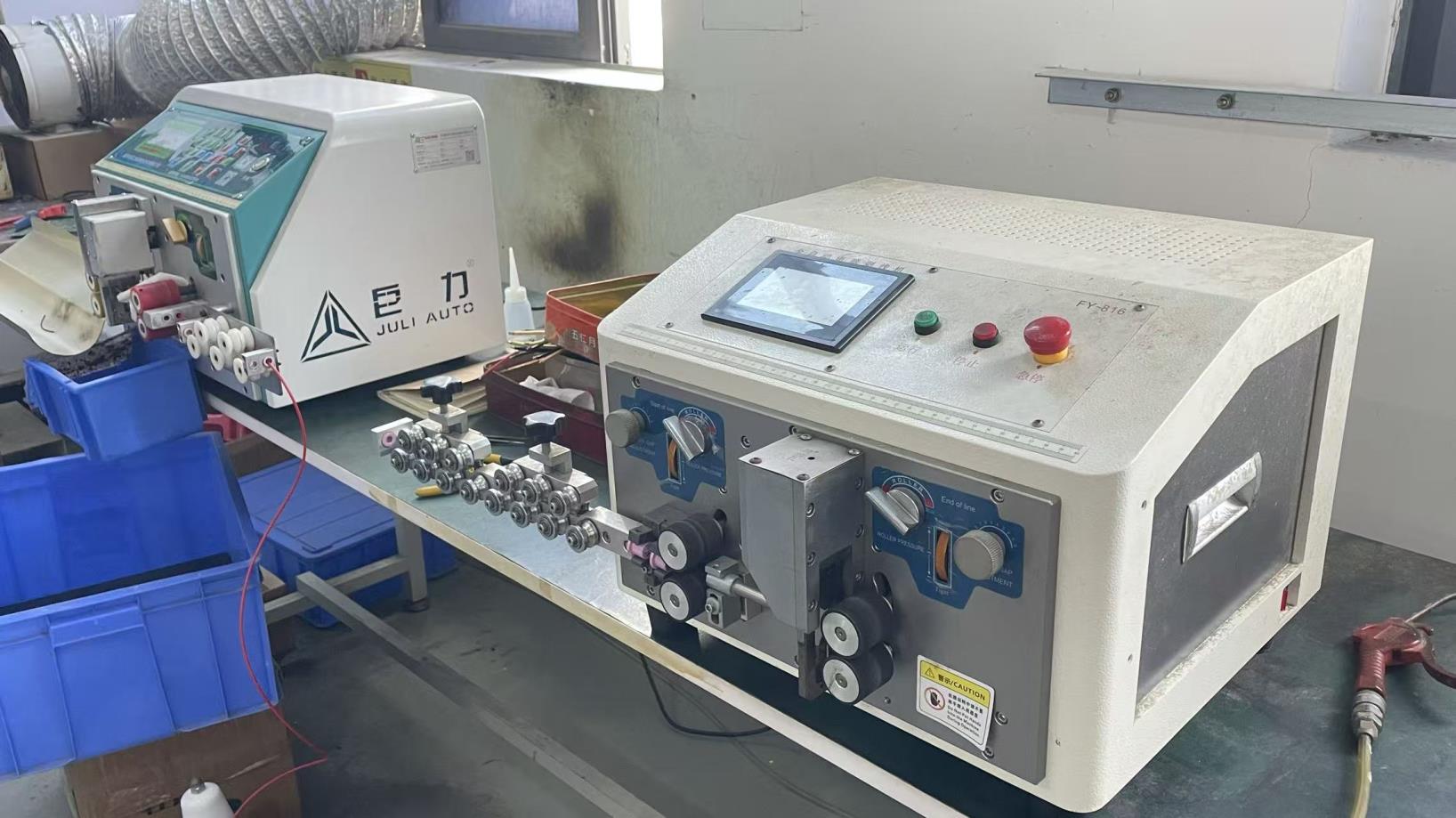 Wire Cutting
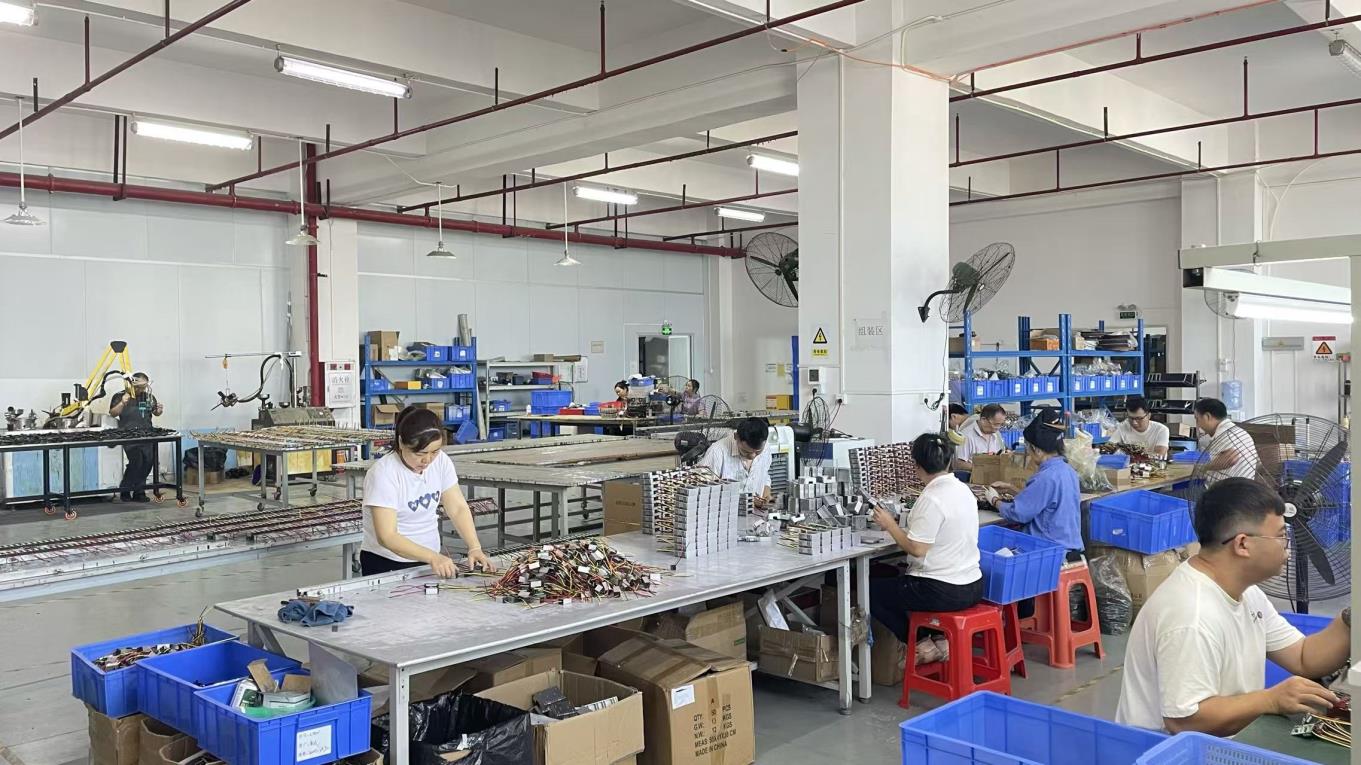 Plug-In
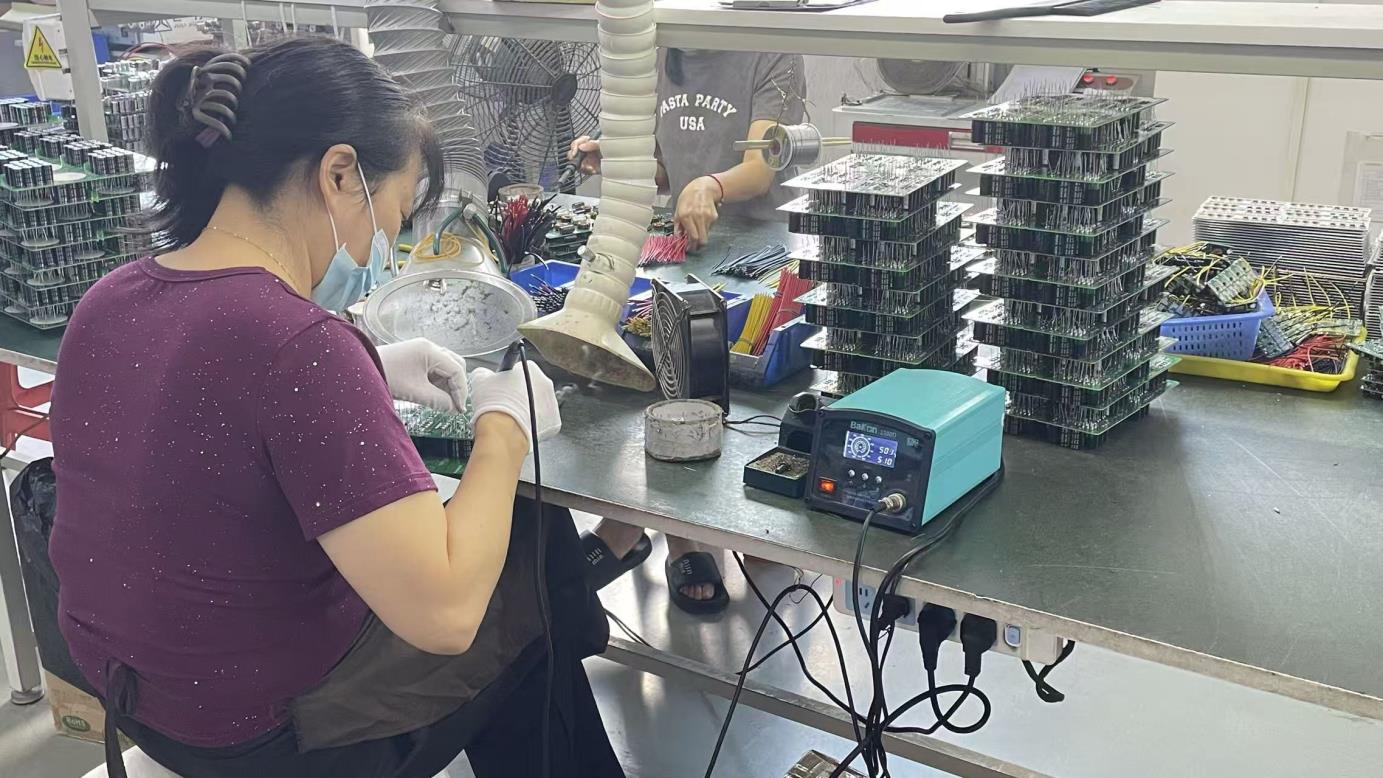 Soldering Tin
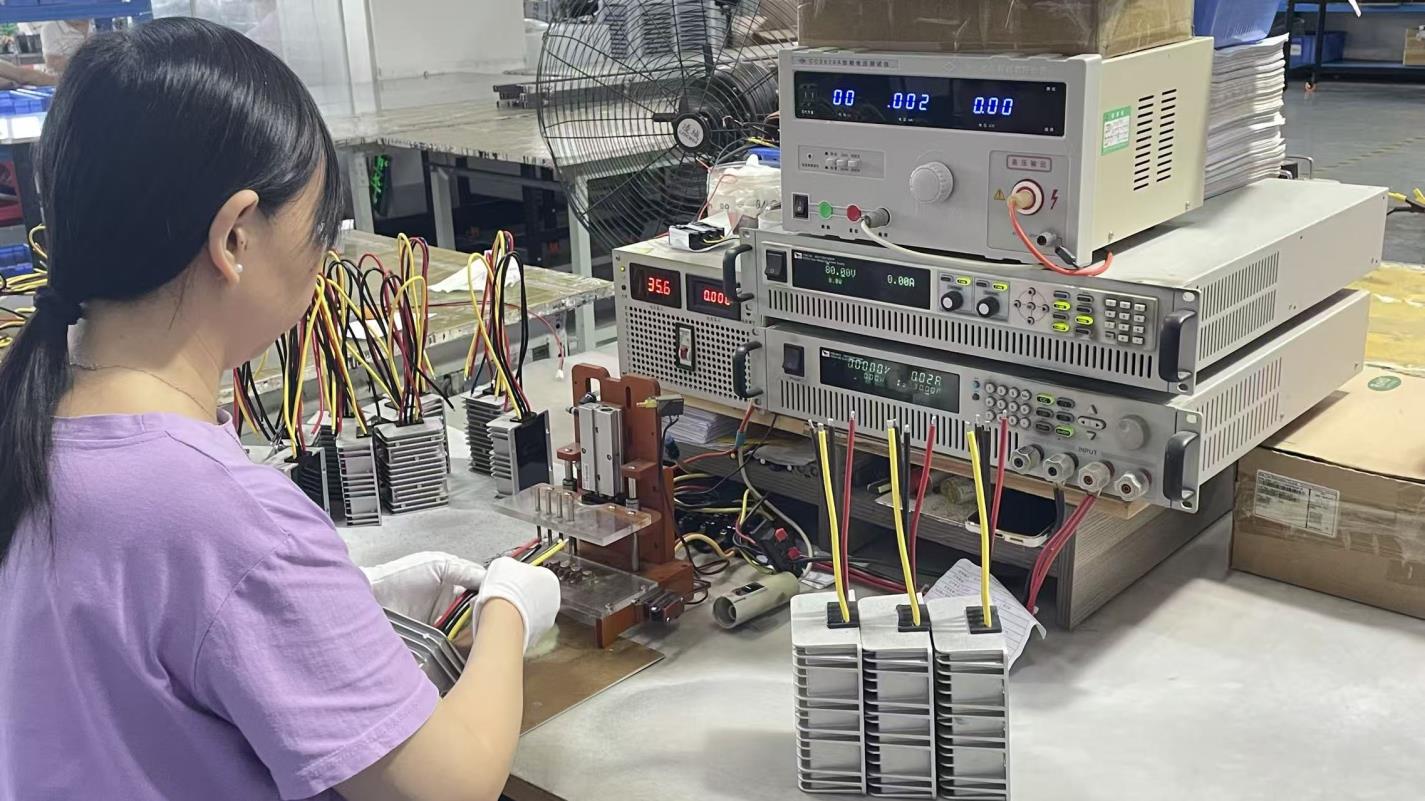 Test
Test
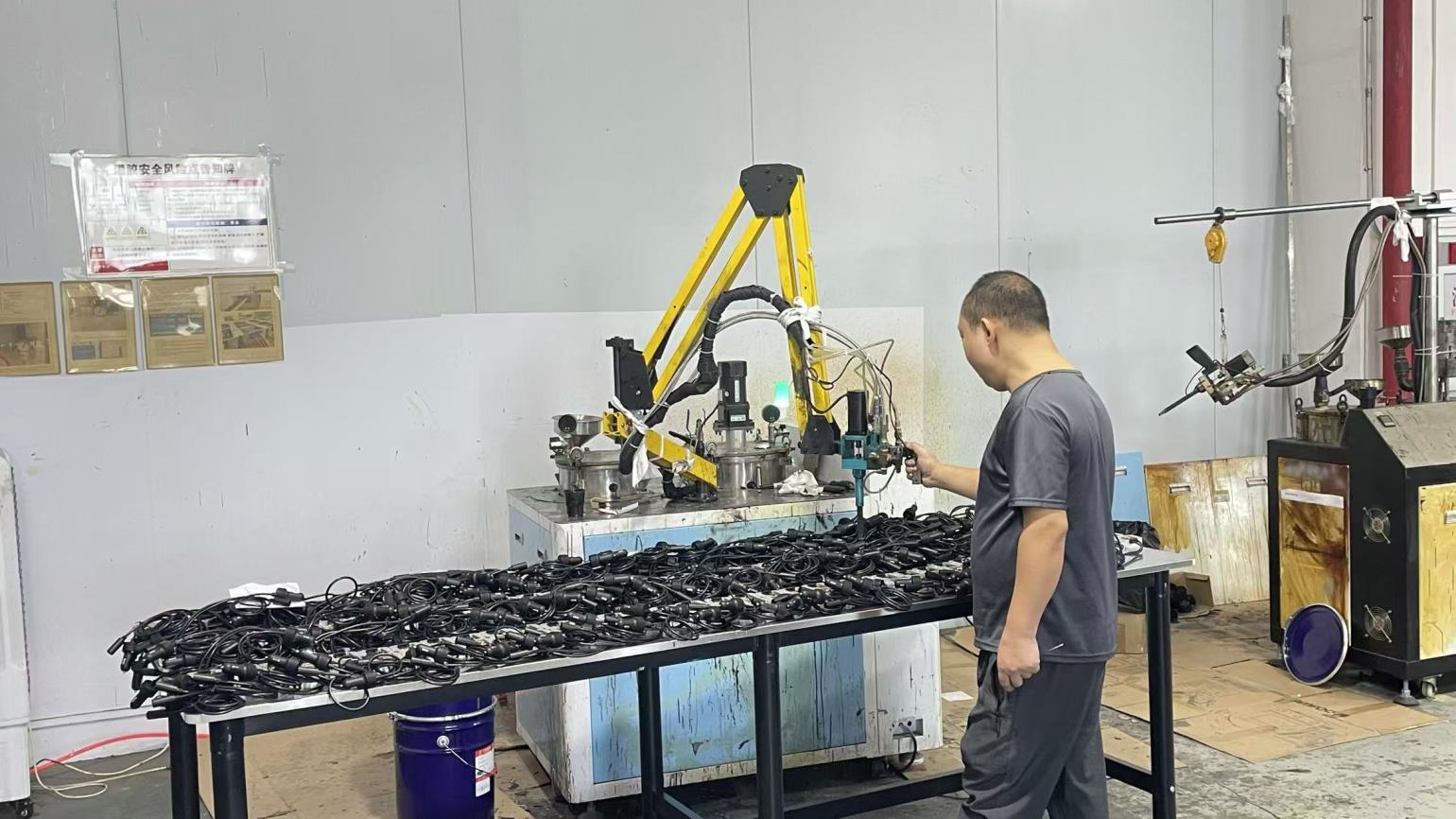 Glue Filling
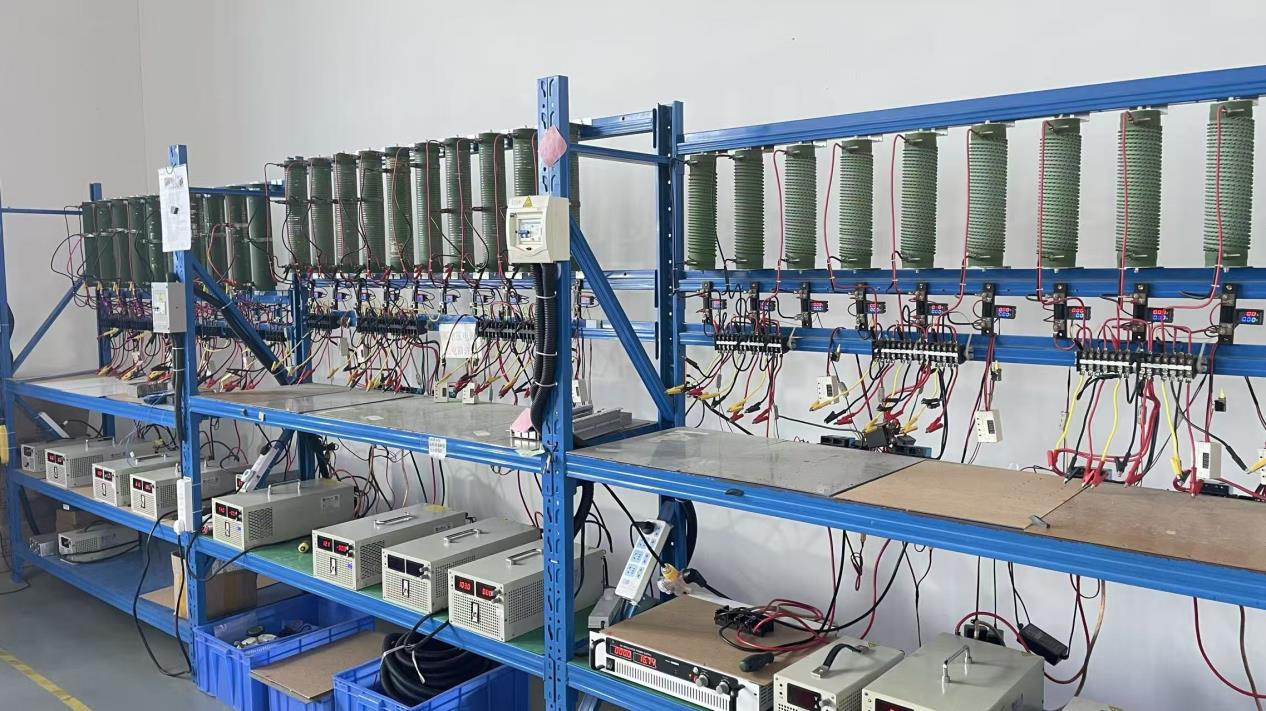 Burn-In Test
 Packaging
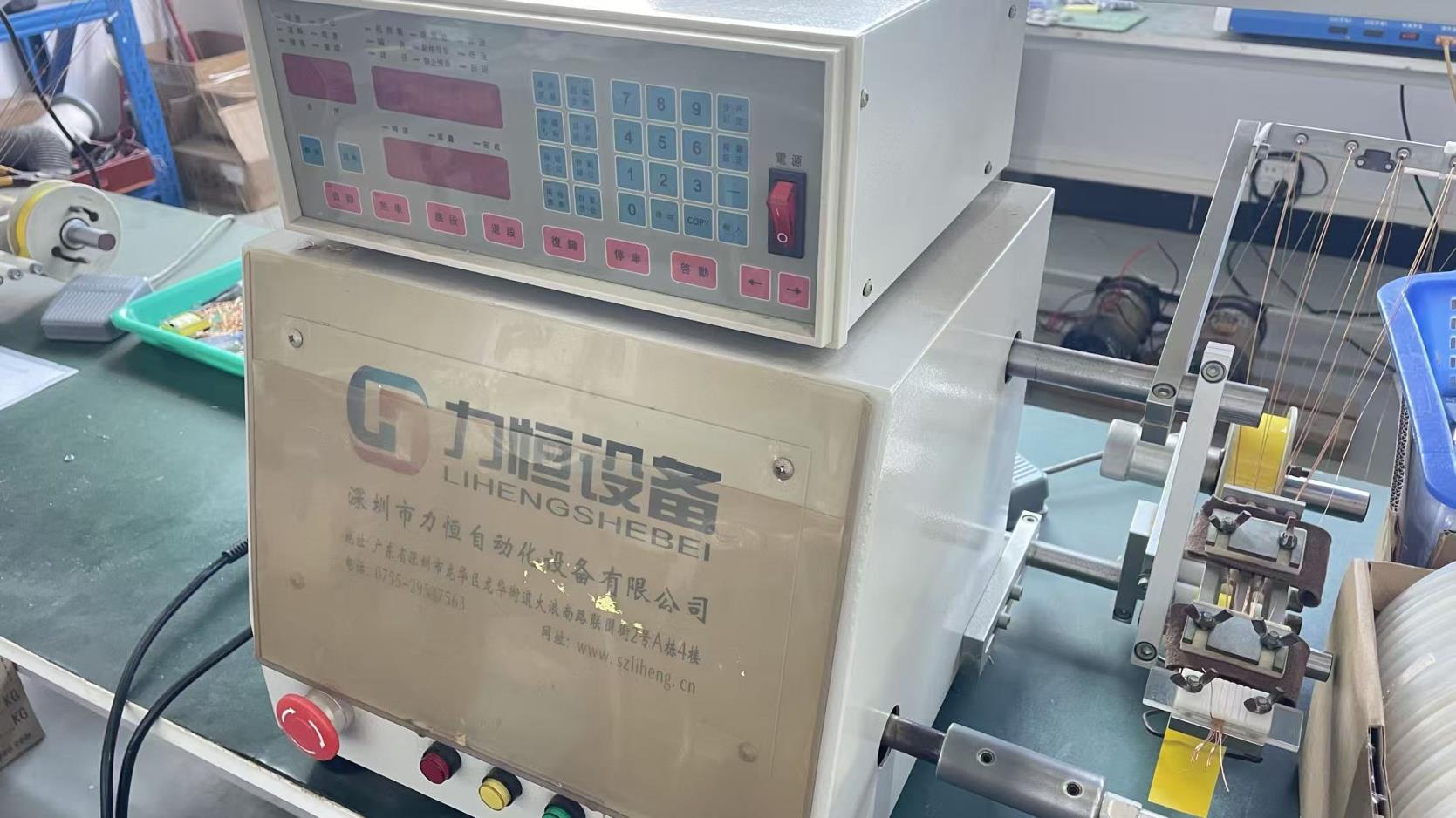 Winding Machine
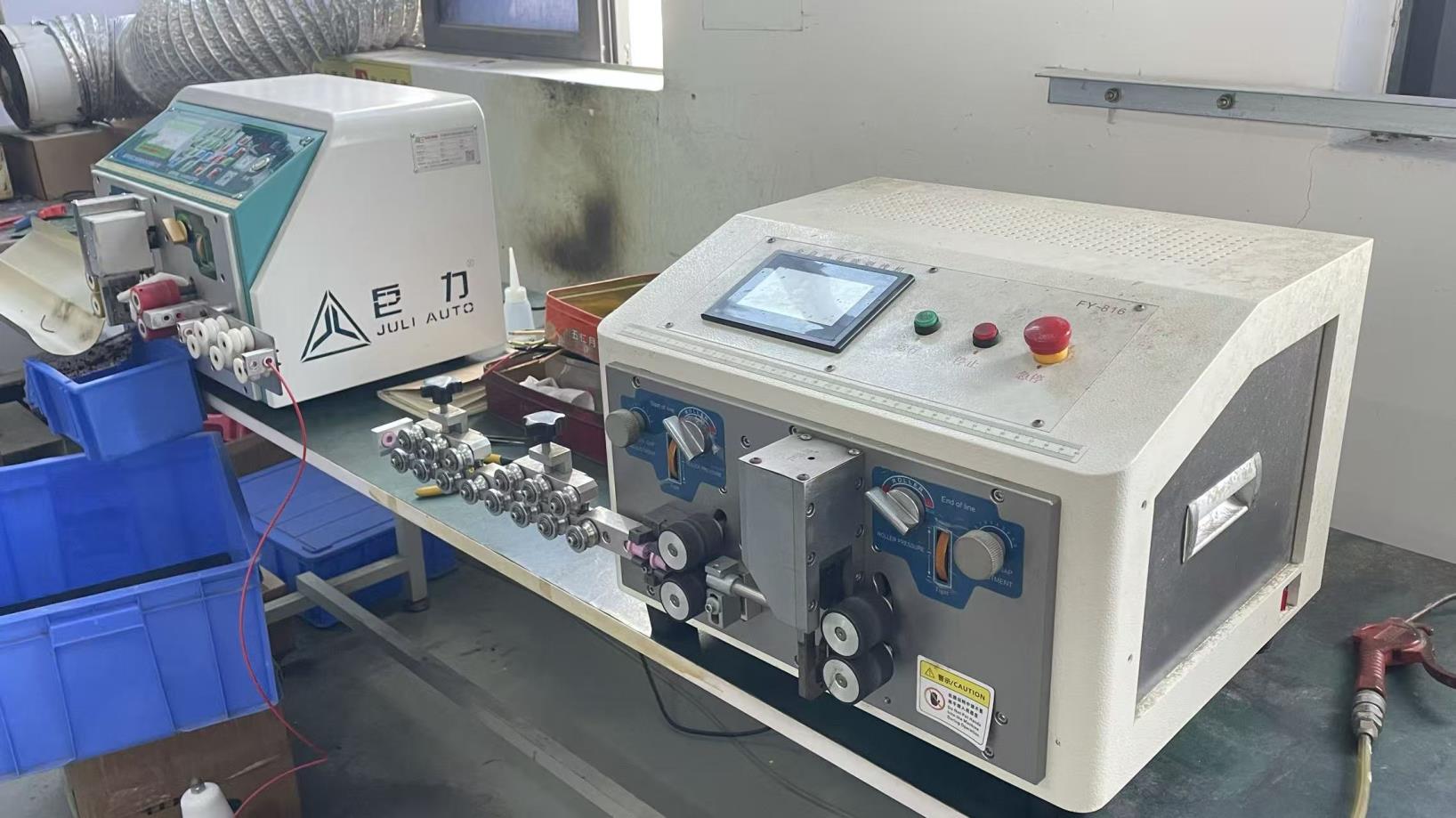 Wire Cutting Machine
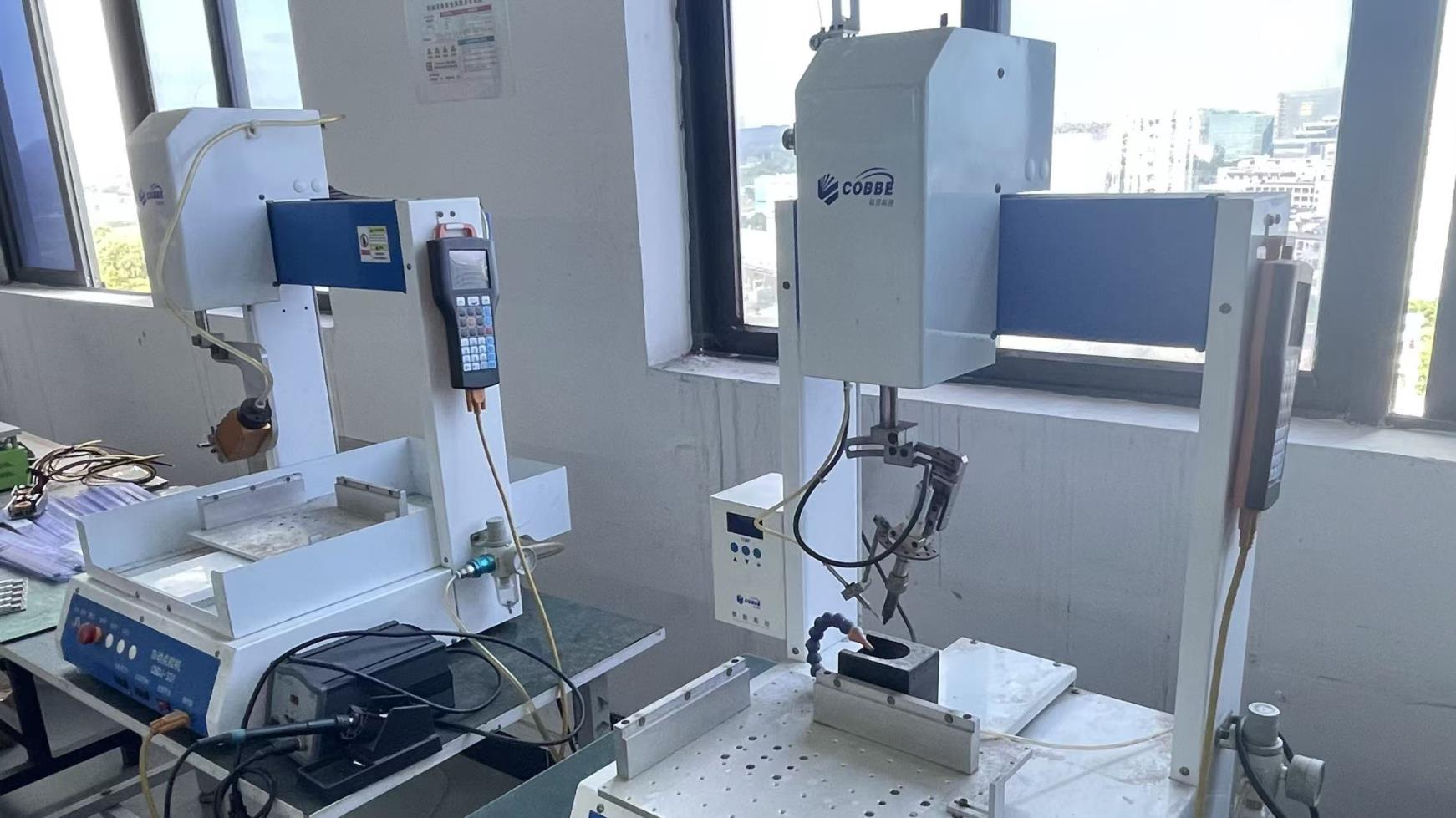 Automatic Soldering
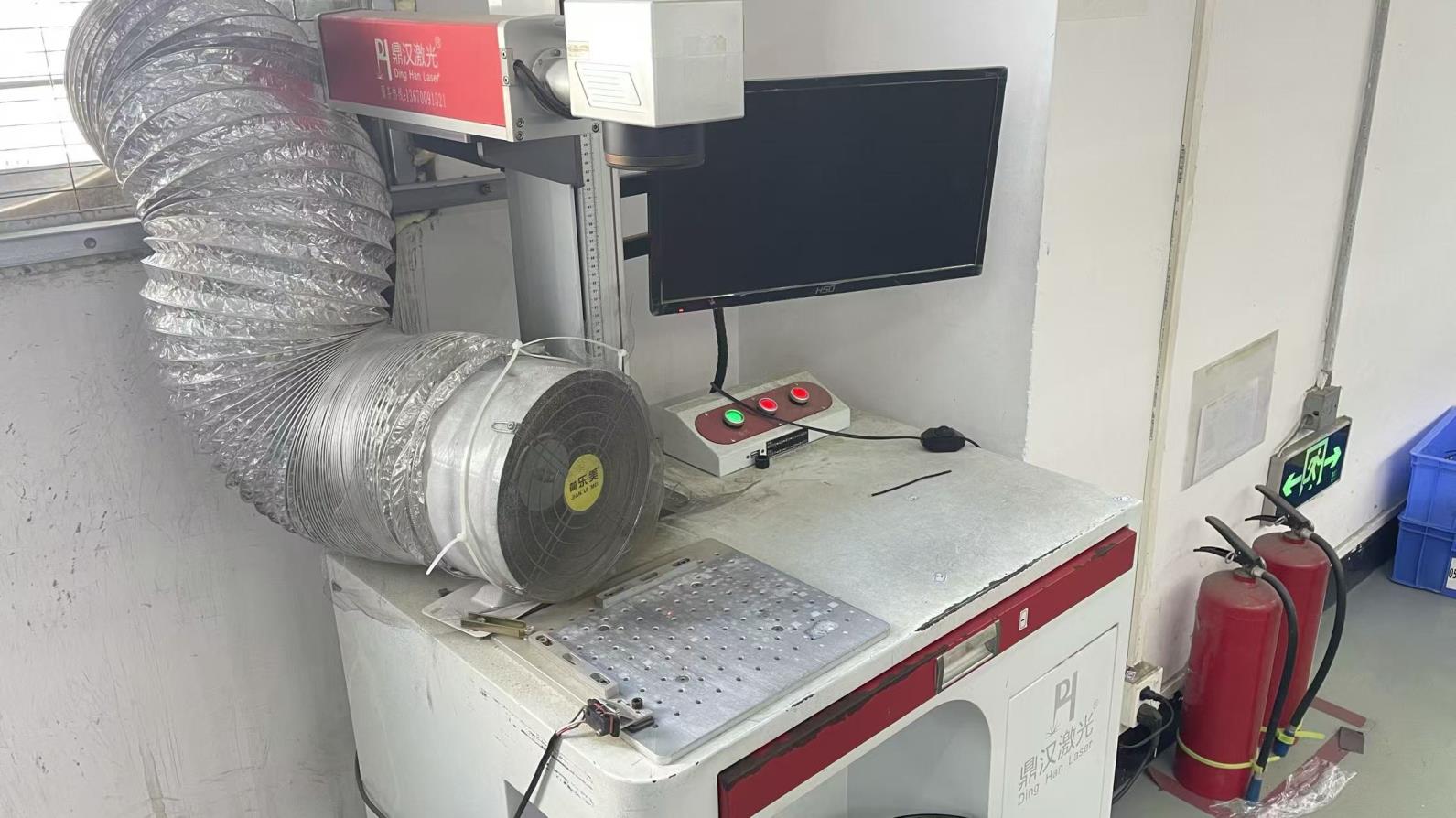 Laser Engraving
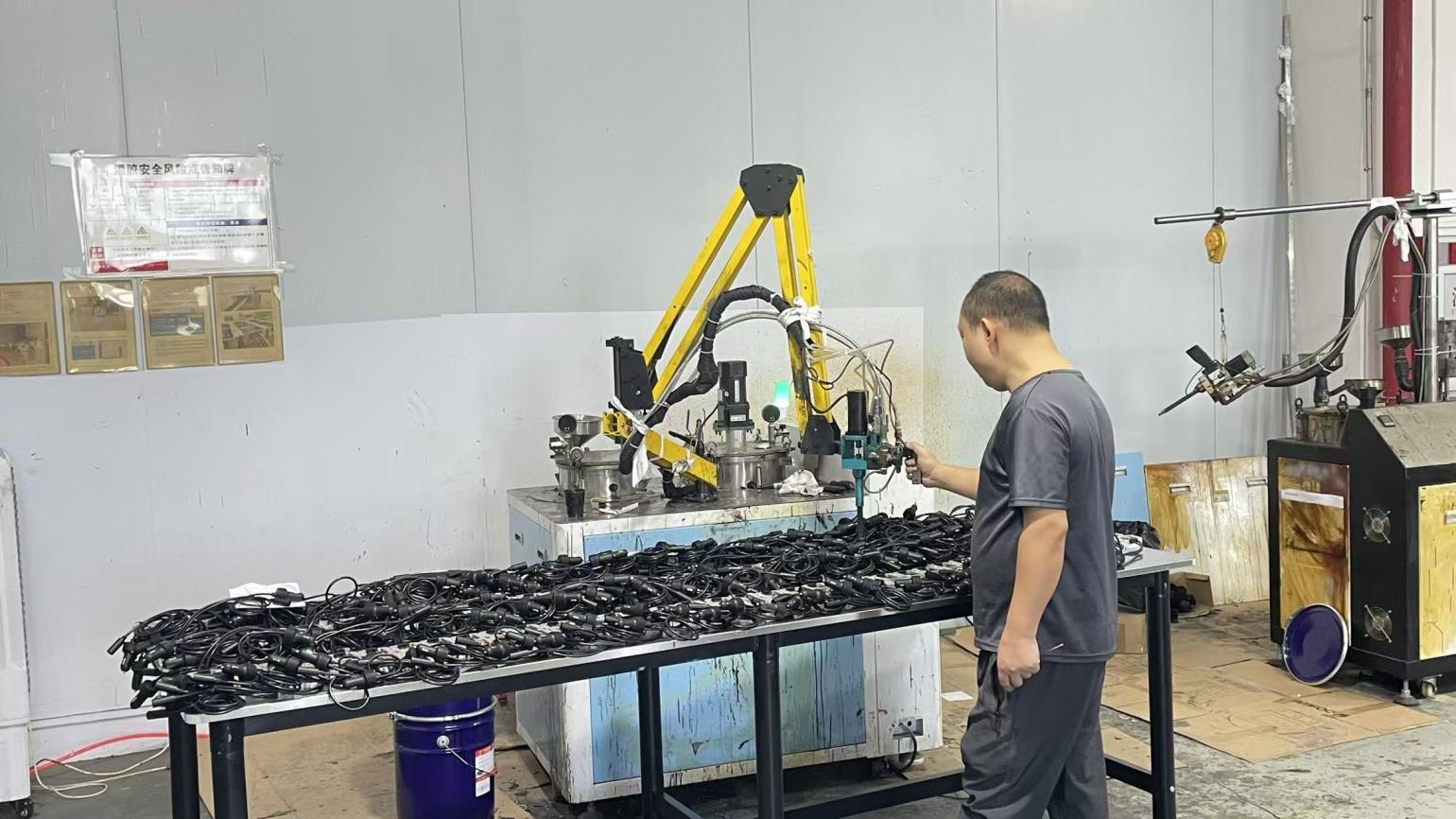 Canning Machine
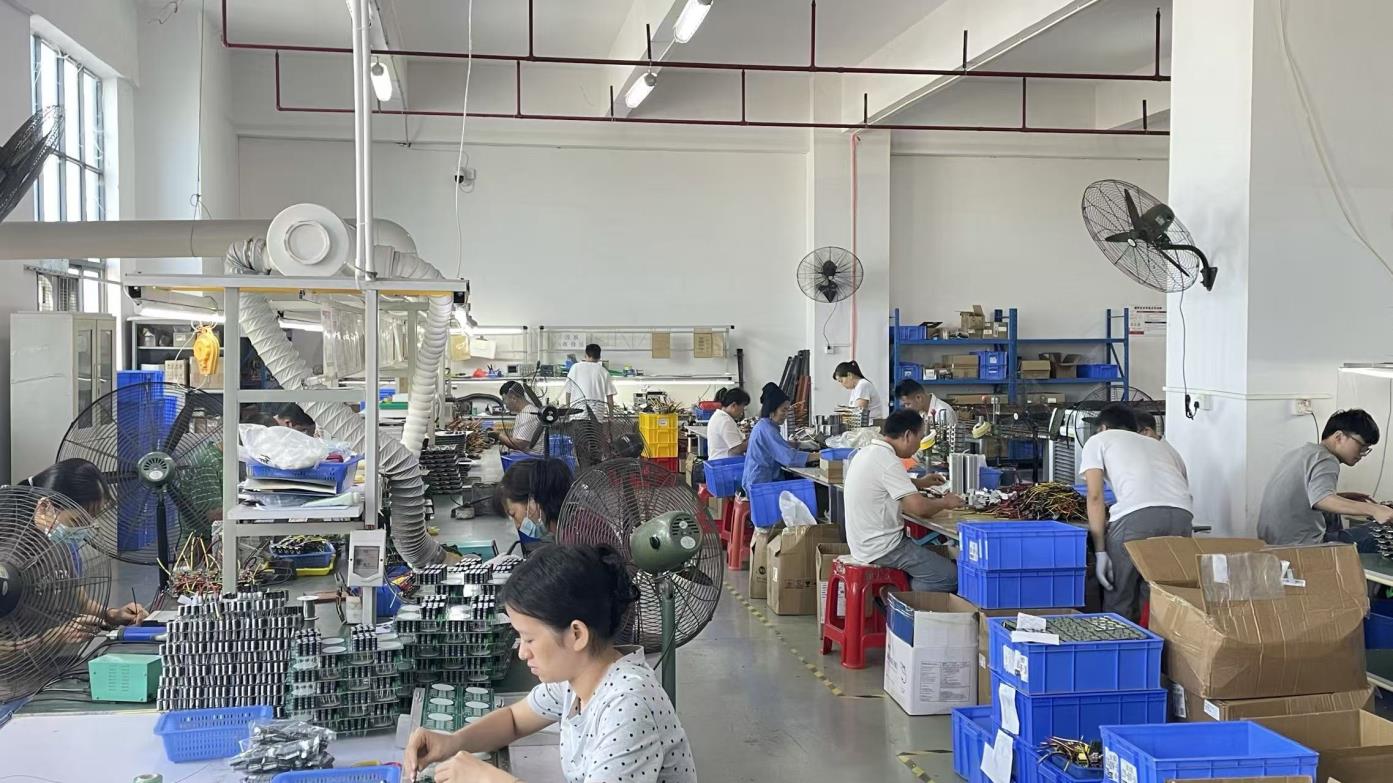 Final Assembly Line
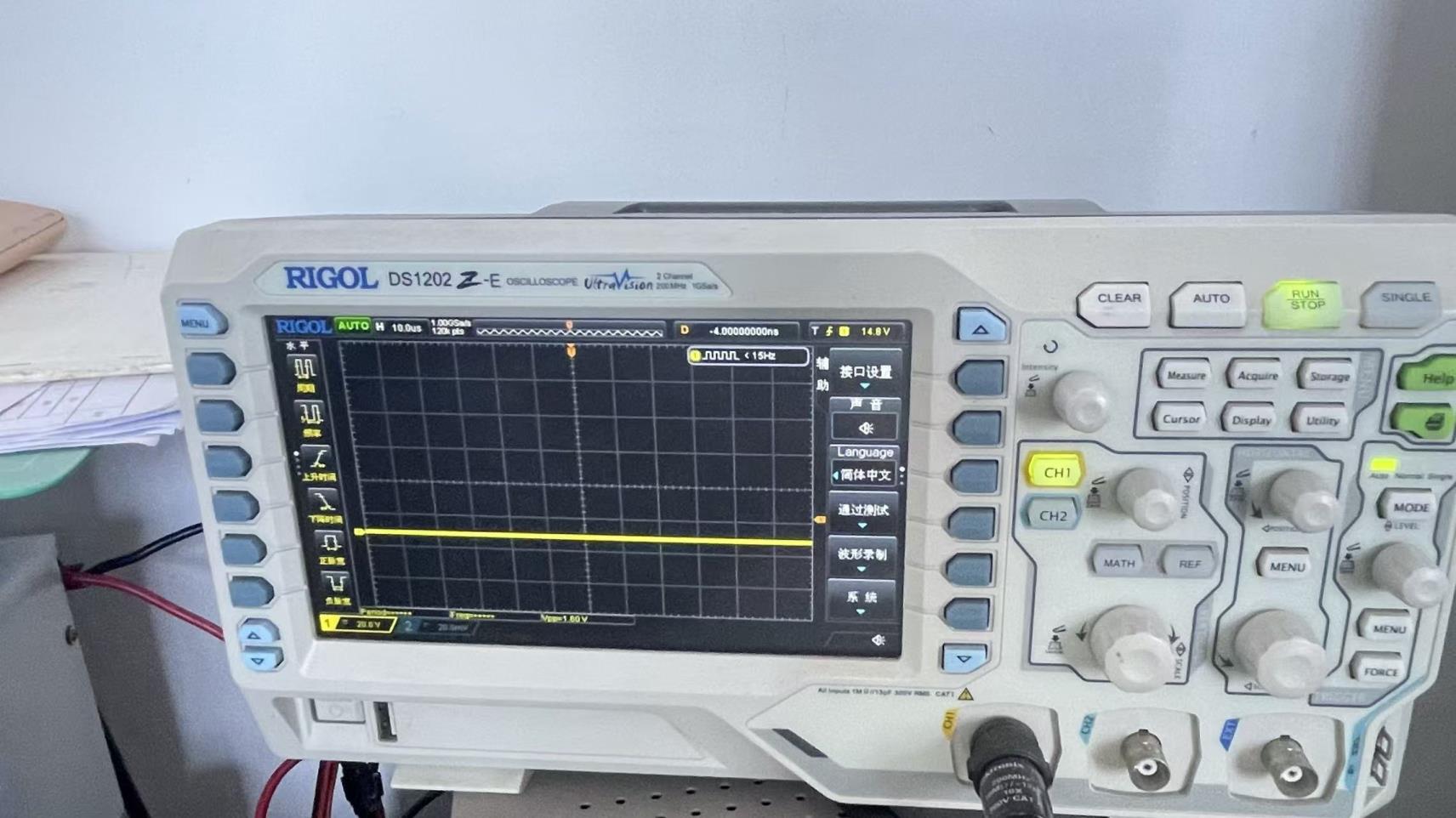
Metrology & Validation Suite
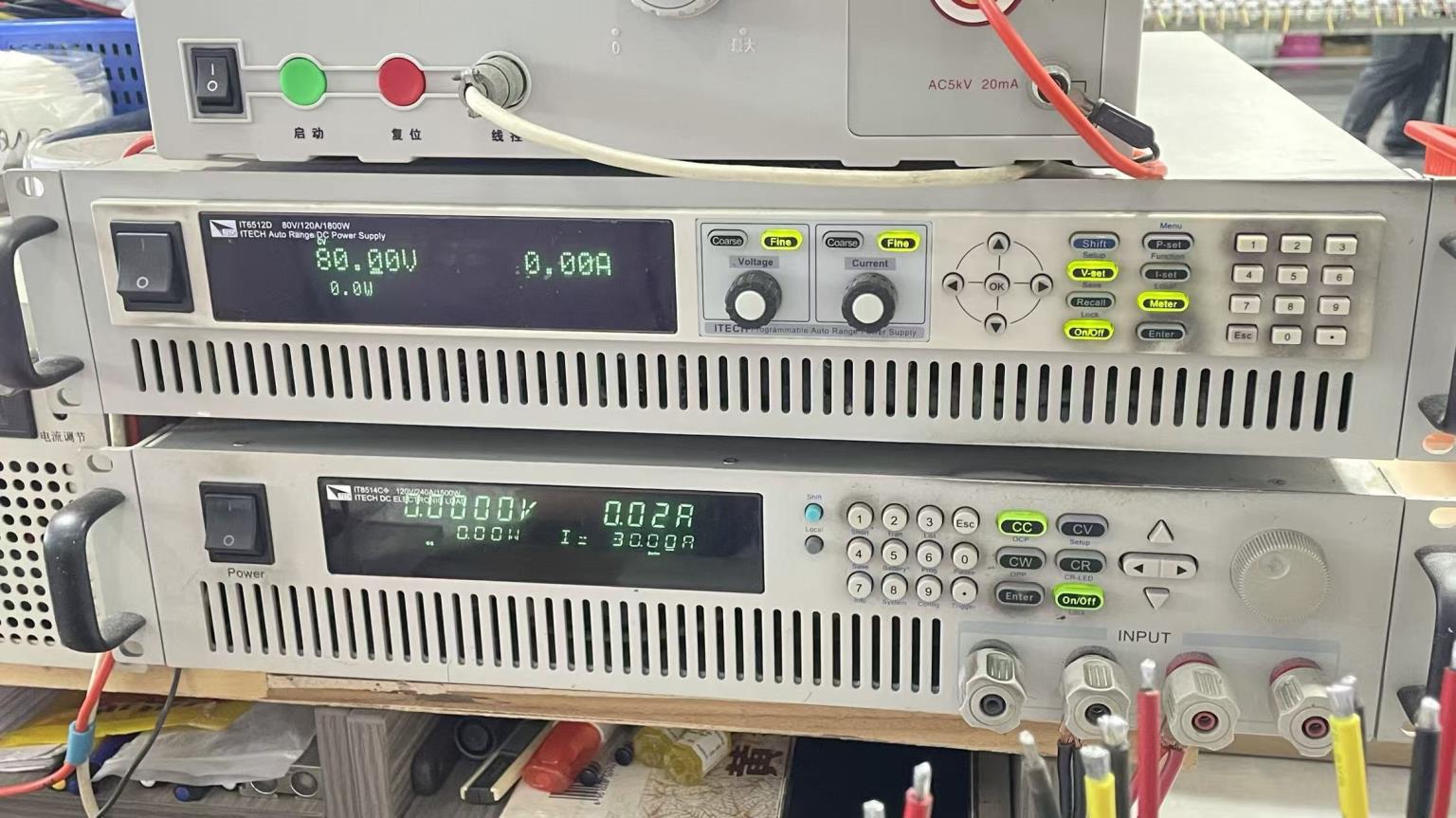 DC Power Supply Tester
 AC Withstand Voltage Tester
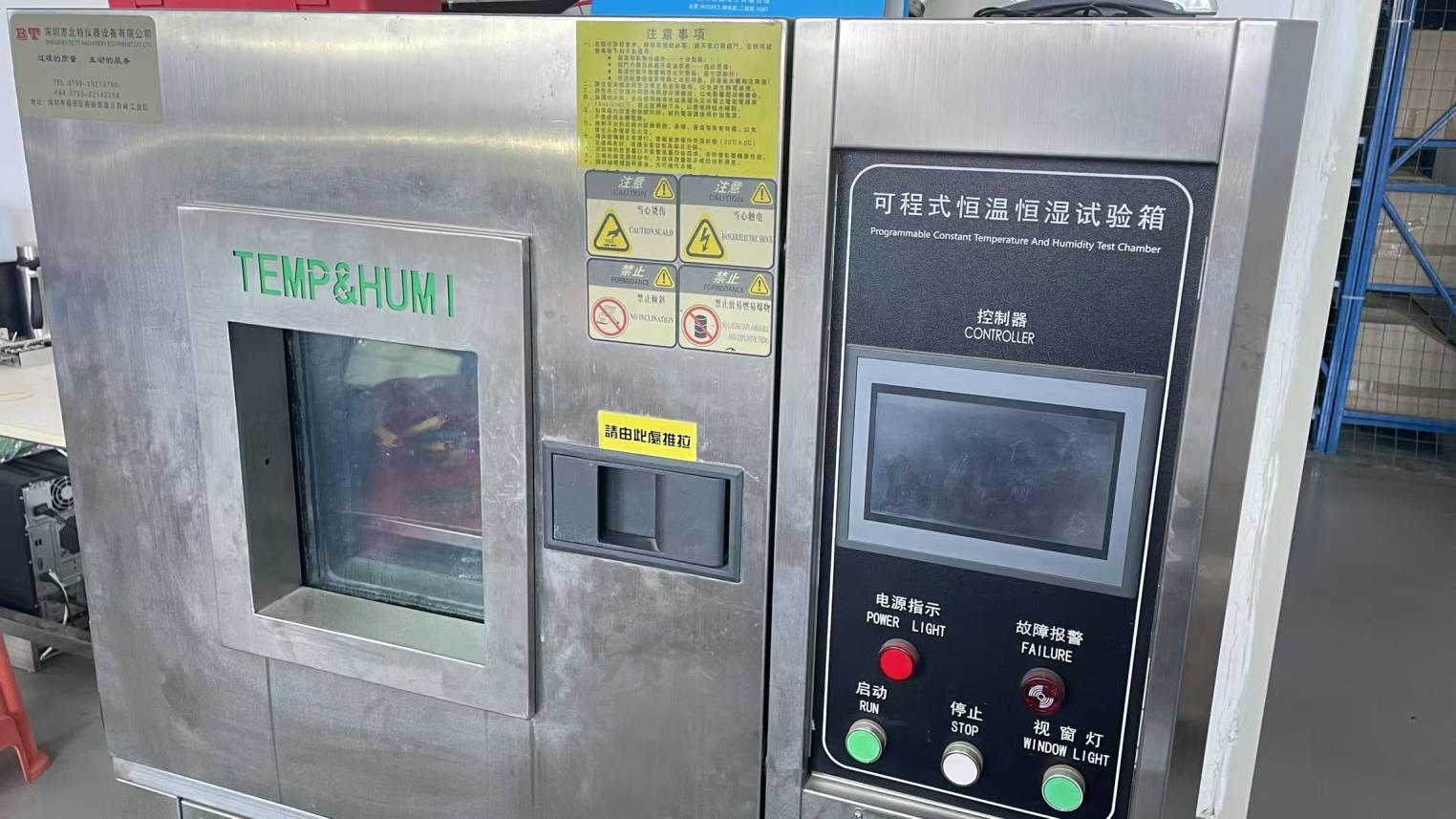 Environmental Chamber
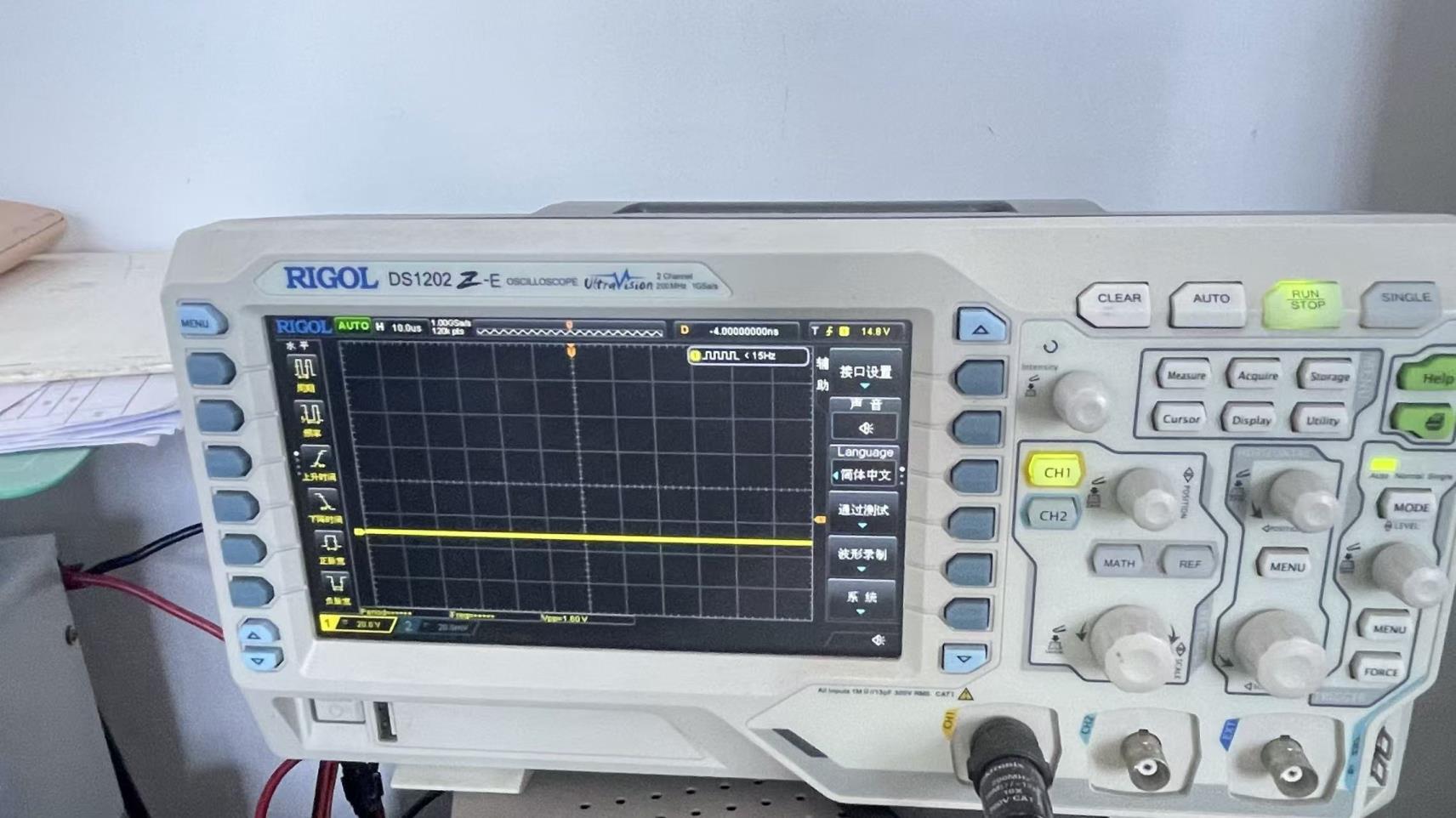 Optical Microscope
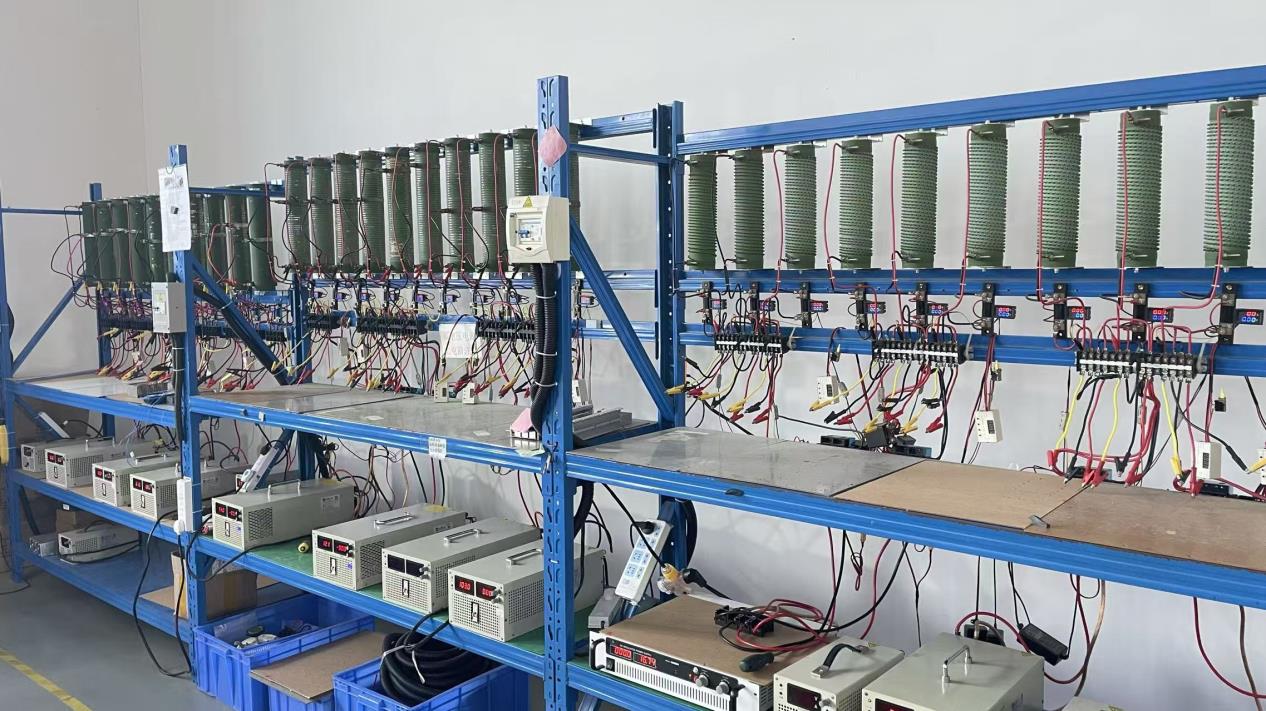 Aging & Stress Chamber
 Design & Schematics
Technical Roadmap & Next-Gen Power Engineering
The power semiconductor horizon is undergoing a monumental shift driven by wide-bandgap (WBG) materials. Silicon (Si) based topologies are rapidly hitting their thermodynamic limits in efficiency and frequency scaling. Our forward-looking engineering roadmap heavily implements Gallium Nitride (GaN) and Silicon Carbide (SiC) components to achieve up to a 5x increase in switching frequencies while lowering thermal load emissions by over 40%.
By transitioning standard industrial AC-DC converters to SiC Schottky barrier diodes and GaN FET structures, we drastically reduce reverse recovery losses. This yields power conversion efficiency coefficients exceeding 96.5% under variable load settings. High frequency switching also allows us to shrink the footprint of custom-molded high-frequency transformers and output chokes, achieving power density rates exceeding 45W/in³.
Digital Loop Control
Replacing conventional analog control loops with High-Speed DSPs (Digital Signal Processors) running adaptive PID algorithms. This results in transient response times under 100 microseconds for steps from 10% to 90% load.
Advanced Thermal Interface Materials (TIM)
Utilizing phase-change interface materials and direct-bonded copper (DBC) substrates. This ensures that the heat dissipation coefficient from junction-to-ambient remains below 0.5°C/W, avoiding thermal runaway in enclosed environments.
Planar Transformer Topologies
Integration of PCB-embedded planar magnetics. Planar structures lower leakage inductance below 0.1%, drastically mitigating high-frequency EMI emissions and simplifying design validation loops.
Global Compliance & Local Engineering Support
Deploying power supplies globally requires absolute compliance with national electrical grid frameworks and local safety legislation. Products engineered inside our Guangzhou facilities pass thorough design verification testing (DVT) and compliance routines matching requirements in the European Union, the Americas, and APAC territories.
From UL 62368-1 for audio/video, information, and communication technology equipment, to EN 60601-1-2 for medical electromagnetic compatibility, our systems are certified for hazardous environments. We specialize in providing custom-shielded units with low leakage current characteristics (under 100µA) tailored to sensitive clinical monitoring systems.
Furthermore, with 20+ specialized production factories under our direction, we offer Field Application Engineers (FAE) deployed to consult on custom enclosure designs, thermal calculation setups, and system-level EMI debugging on-site at your integration centers.
Certification & Verification Compliance Checklist
- CE Mark: LVD 2014/35/EU & EMC 2014/30/EU
- RoHS: Directive 2011/65/EU and 2015/863 Amendment
- FCC: Part 15 Class B Radiated & Conducted Emissions
- IP Ratings: IP65, IP67, & IP68 Dust/Waterproofing
- Isolation: Up to 4000VAC Input-to-Output Reinforced
High-Integrity Enclosed, Waterproof & Board-Mount Models
Explore waterproof LED drivers, high-reliability outdoor CCTV modules, and custom low-noise laboratory power units.
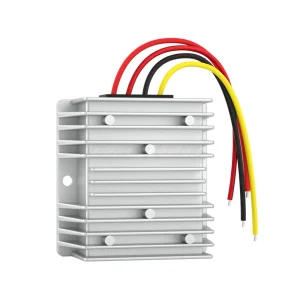
Waterproof IP67 24V to 5V 12V 24V 6A 10A 50W 120W 144W AC DC Converter 8-28V Switching Power Supply for Outdoor LED Driver
View Technical Specifications →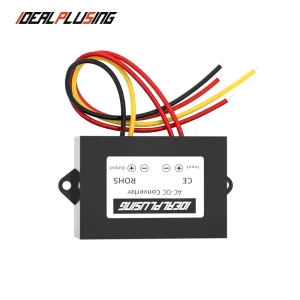
Reliable 24V to 12V 24V 2A 3A 5A 36W 48W 60W AC to DC Converter 10-28V Enclosed Power Supply for CCTV
View Technical Specifications →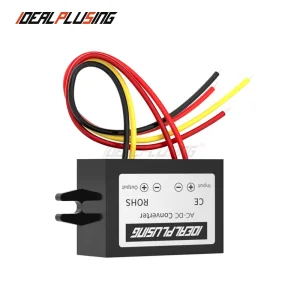
OEM Custom 24V to 5V 12V 24V 1.5A 3A 5A 15W 25W 36W 60W AC to DC Converter Stable Output Power Supply for Laboratory Research
View Technical Specifications →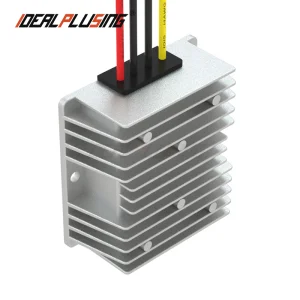
New Product 24vac to 24vdc 7.5a 180w Ac to Dc Power Supply Converter
View Technical Specifications →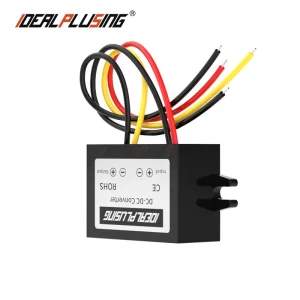
Good Quality Light Weight 24vac to 12vdc Converter 2A 24w
View Technical Specifications →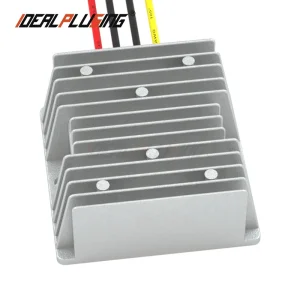
How to Change 24VAC to 24VDC 3A DC/AC DC Converter
View Technical Specifications →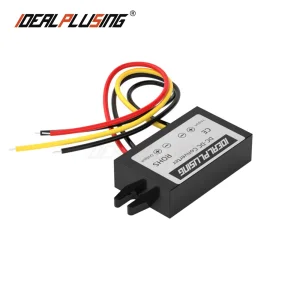
Waterproof IP68 24 Ac to 12 Dc Converter 5a 60w for Monitoring Use
View Technical Specifications →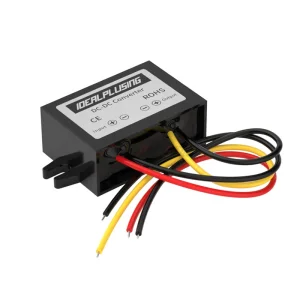
24VAC to 24VDC 1A 1.5A 36W AC DC Converter Buck Step Down Converter IP67 Dc Voltage Regulator Converter
View Technical Specifications →Frequently Asked Questions: Industrial AC-DC & DC-DC Design
Deep technological answers compiled by our chief power quality engineering officers.
Isolated power converters feature galvanic isolation between the input and output stages, using a high-frequency transformer. This prevents high-voltage surges from the source side from damaging sensitive output loads, protecting technicians and equipment. Non-isolated converters, on the other hand, share a common ground pathway. They are typically smaller, cheaper, and provide slightly higher efficiency levels but lack system-critical safety barriers.
Voltage fluctuations impose severe stress on switching MOSFETs and input smoothing capacitors. Rapid voltage spikes can cause avalanche breakdown in semiconductor junctions if they exceed rated design tolerances. Our design uses robust snubber circuits and wide input ranges (e.g. 8V to 42V) combined with high-grade metal oxide varistors (MOVs) to absorb voltage spikes. This ensures a stable MTBF rating exceeding 150,000 continuous operating hours under maximum load profiles.
To achieve high IP ratings, the internal PCB assembly is encased in a thermal-conductive polyurethane or silicone potting resin. This process prevents dust, moisture, and water penetration even during long-term immersion. Additionally, our housings are cast in anodized aluminum, which serves as a double function: providing environmental protection and acting as a heatsink to dissipate heat without needing internal cooling fans.
For digital systems integration and automated laboratory testing, our programmable benchtop converters support RS485 and RS232 interfaces, and can be customized with CAN-bus or Ethernet communication chips. Using standard Modbus protocols, engineers can remotely program voltage profiles, limit output currents, monitor temperature diagnostics, and capture telemetry in real-time from a PLC control system.
Yes. Because a 24VAC sinusoidal signal has a peak voltage of approximately 34V (24V * 1.414), a simple bridge rectifier and smoothing capacitor will produce about 33VDC. A buck switching regulator is then used to step down the raw DC voltage to a highly regulated, low-ripple 24VDC output. This dual-conversion process achieves over 90% efficiency while preventing thermal buildup.