Precision High Voltage AC Power Systems
Engineered for high stability, critical safety isolation, and robust thermal performance in continuous-duty industrial operations.
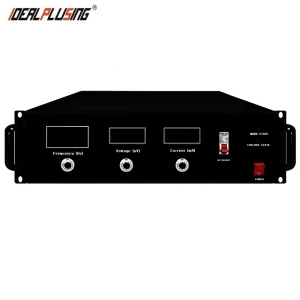
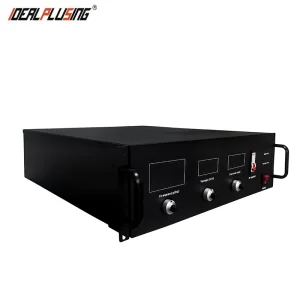
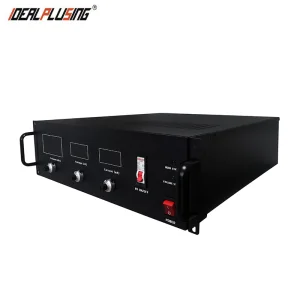
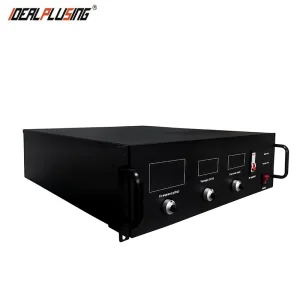
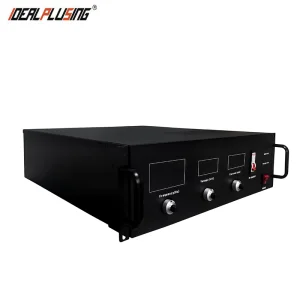
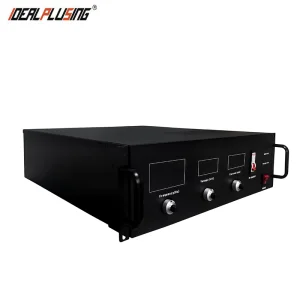
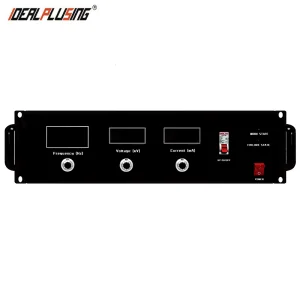
Industrial Power Topologies & Systems
Our core capabilities span high-power converters, inverters, and customized industrial power generation platforms.
DC-DC Converters
Isolated & non-isolated. Voltage range: 12VDC to 1000VDC. Power capacity: 1kW to 200kW.
AC-DC Power Supply
Variable output designs. Voltage range: 0V to 200kV. Current range: 0 to 20,000 Amps.
DC-AC Inverters
Continuous pure sine wave. DC Input: 12VDC to 2000VDC. Power range: 100W to 500kW.
AC-AC Power Source
Single & 3-phase systems. Frequency: 10Hz to 500Hz. Output capacity: 1kVA to 500kVA.
Ground Power Units
Heavy-duty AC-DC GPU. Output capacity starting from 300 Amps up to 50,000 Amps.
High Voltage Power Supply Engineering
An Industrial Guide to Topology Design, Thermal Management, and Safety Standards
1. Topological Architectures in Modern High Voltage Power Supplies
High voltage power supply (HVPS) engineering requires specialized topologies to step up voltages up to 200kV while minimizing switching losses, noise emission, and transient hazards. Unlike standard low-voltage switch-mode systems, HV designs must mitigate parasitic capacitance and corona discharge within transformer windings.
Our engineering utilizes resonant topologies—primarily LLC and phase-shifted full-bridge (PSFB) architectures. These converters enable Zero Voltage Switching (ZVS) or Zero Current Switching (ZCS), substantially reducing electromagnetic interference (EMI) and improving efficiency. In ultra-high voltage ranges, multi-stage Cockcroft-Walton voltage multipliers are integrated to step up output voltages without relying on bulky insulation matrices inside the main magnetic core.
2. Solving Dielectric Stress and Thermal Dissipation Challenges
Dielectric breakdown represents the single most common failure mode in high voltage systems. To counter this, our manufacturing utilizes advanced encapsulation and potting compounds, including electronic-grade silicones and epoxy resins. Under vacuum-canning processes, these materials displace air pockets, eliminating localized partial discharges that degrade winding insulation over time.
Thermal management is equally critical. Resonant converters operating at 20kHz to 50kHz reduce heat losses in the power switches. Extruded aluminum heat sinks combined with forced-air cooling prevent thermal runaway inside high-current IGBT switches. Thermal sensors monitor ambient temperature inside the chassis, adjusting active cooling dynamically.
3. Sourcing from China: The Guangzhou Factory Advantage
Guangzhou, China serves as a global hub for power electronics supply chains. Sourcing high voltage solutions directly from our factory offers distinct advantages:
- Vertical Integration: Access to primary raw materials, from high-frequency Litz wire and custom ferrite cores to silicon carbide (SiC) switches, speeds up R&D and lowers costs.
- Agile Customization: Out of our database of 10,000 different power models, modifications to voltage, current, and control interfaces can be implemented quickly.
- Robust Quality Assurance: Factory processes conform to ISO 9001. We maintain comprehensive testing equipment including optical microscopes and walk-in aging chambers.
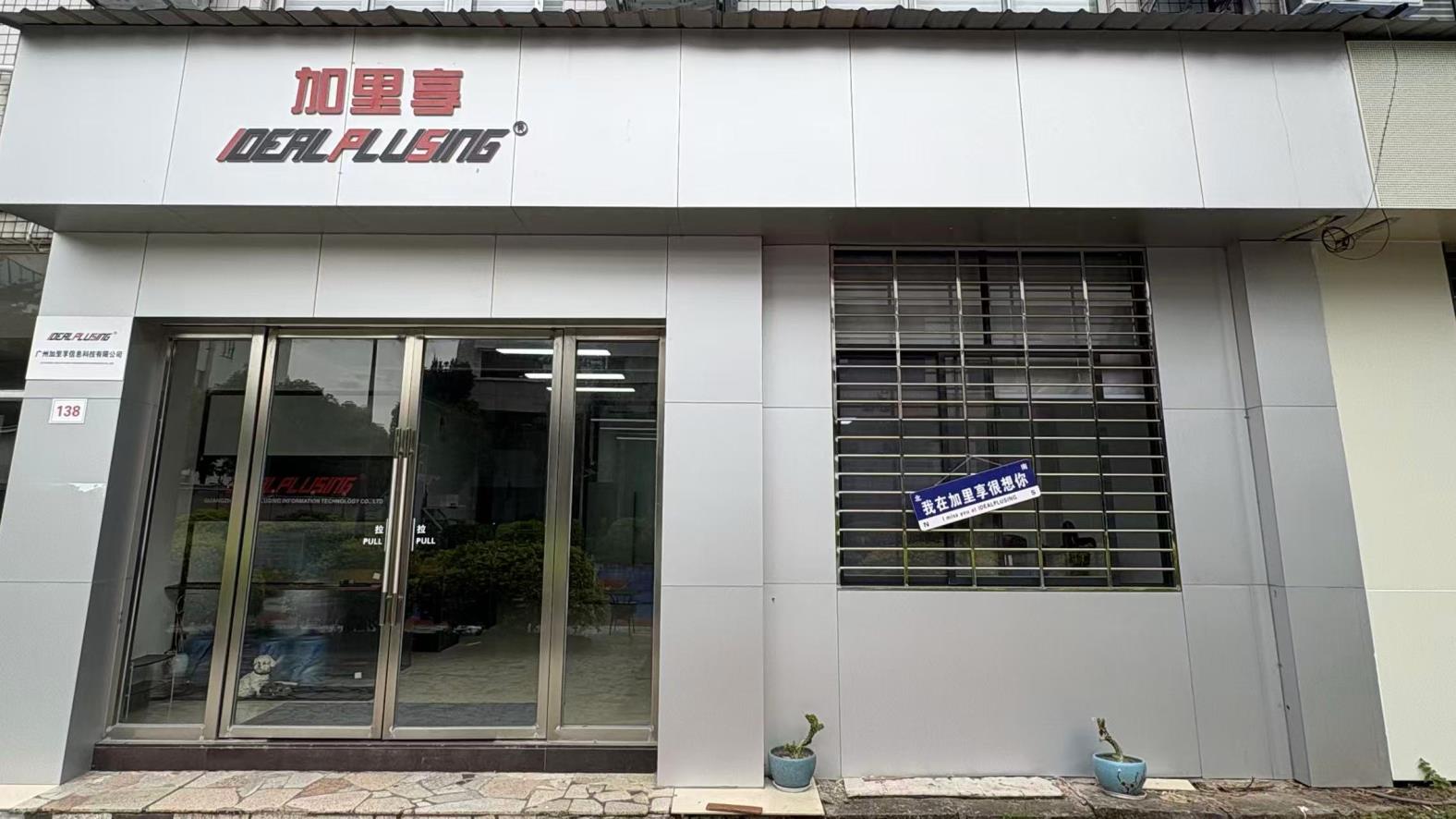
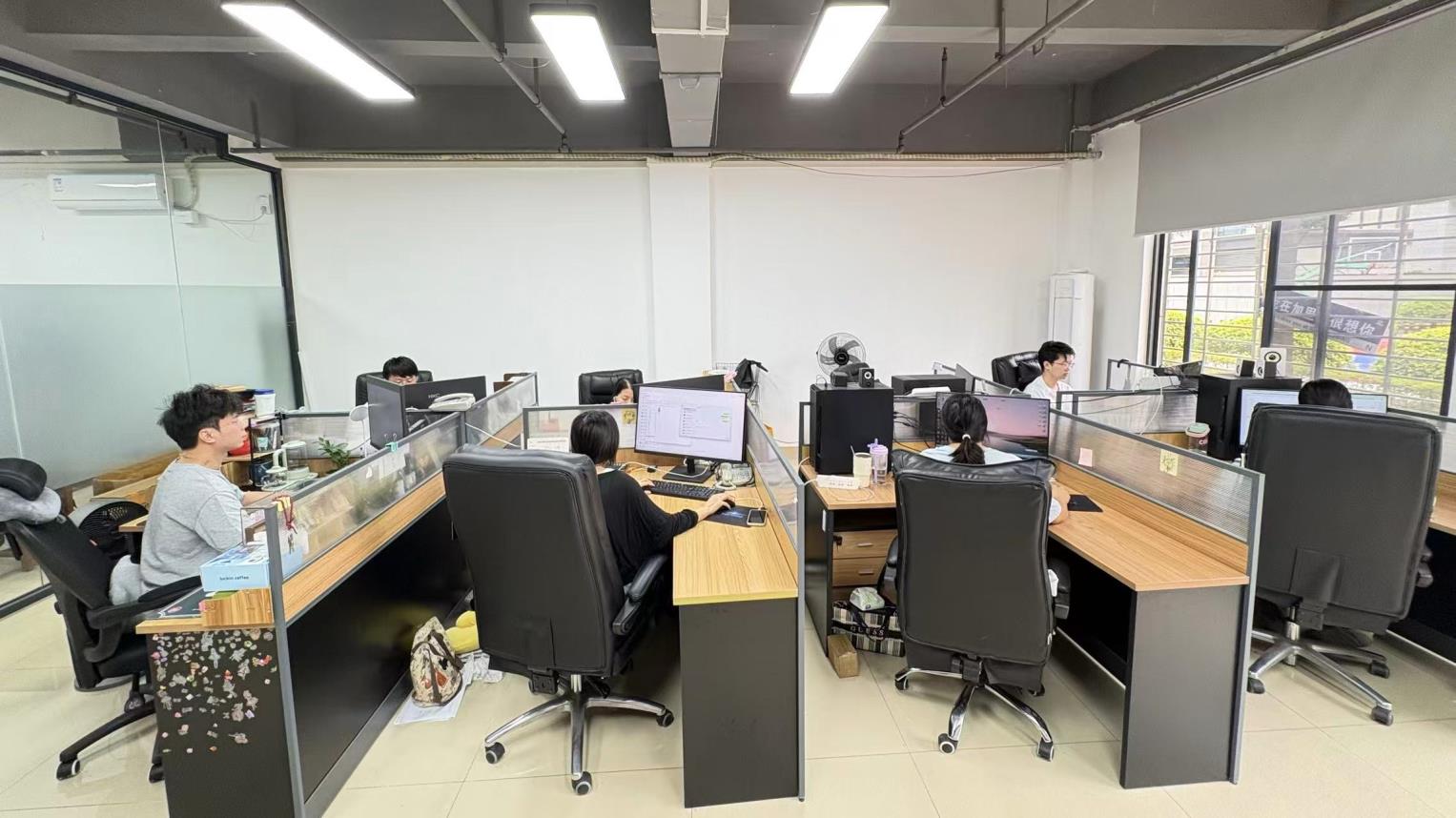
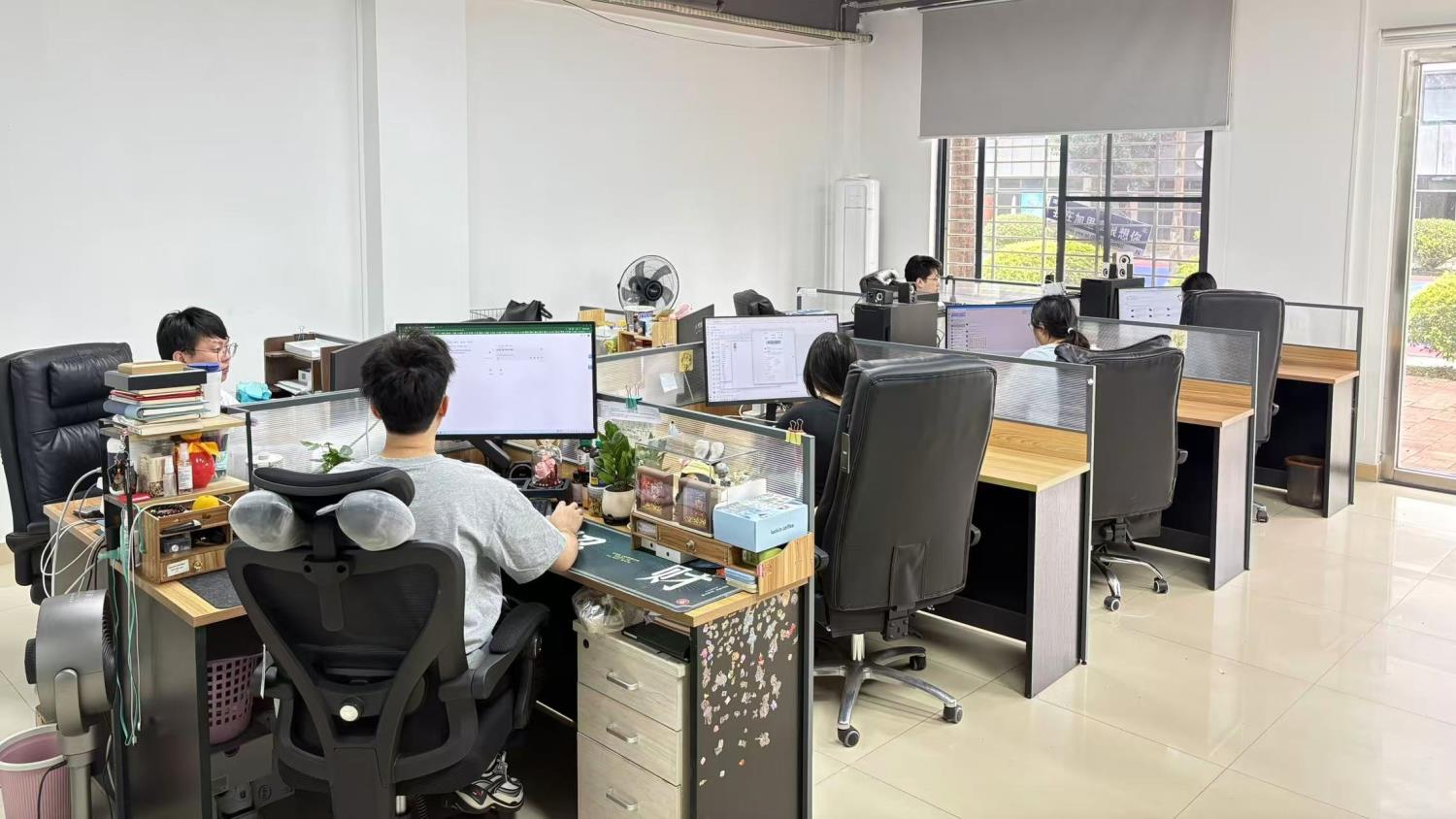
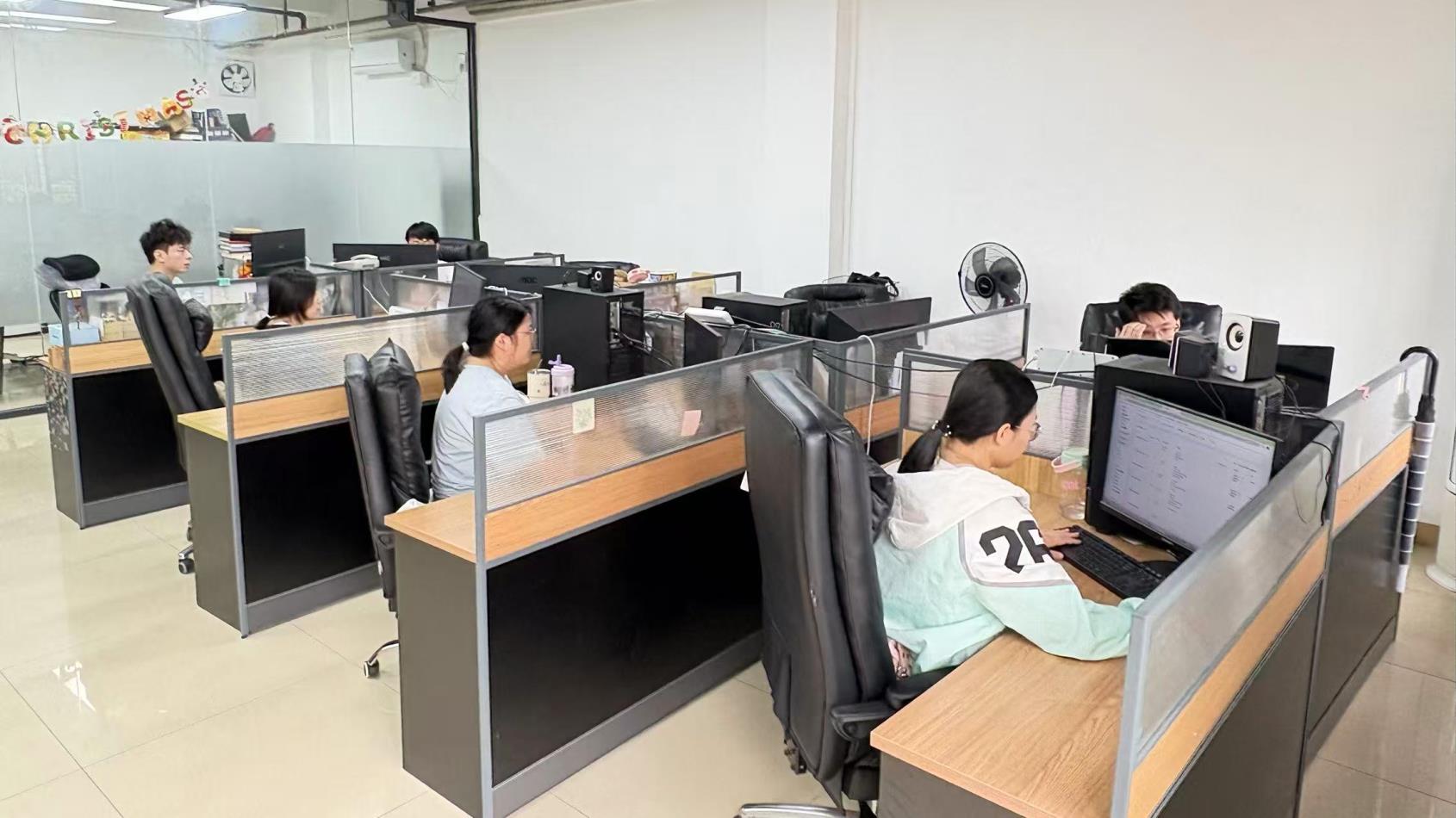
Inside Our Guangzhou Factory
An overview of our production facility, assembly line operations, and quality testing systems.
The Assembly & Processing Pipeline
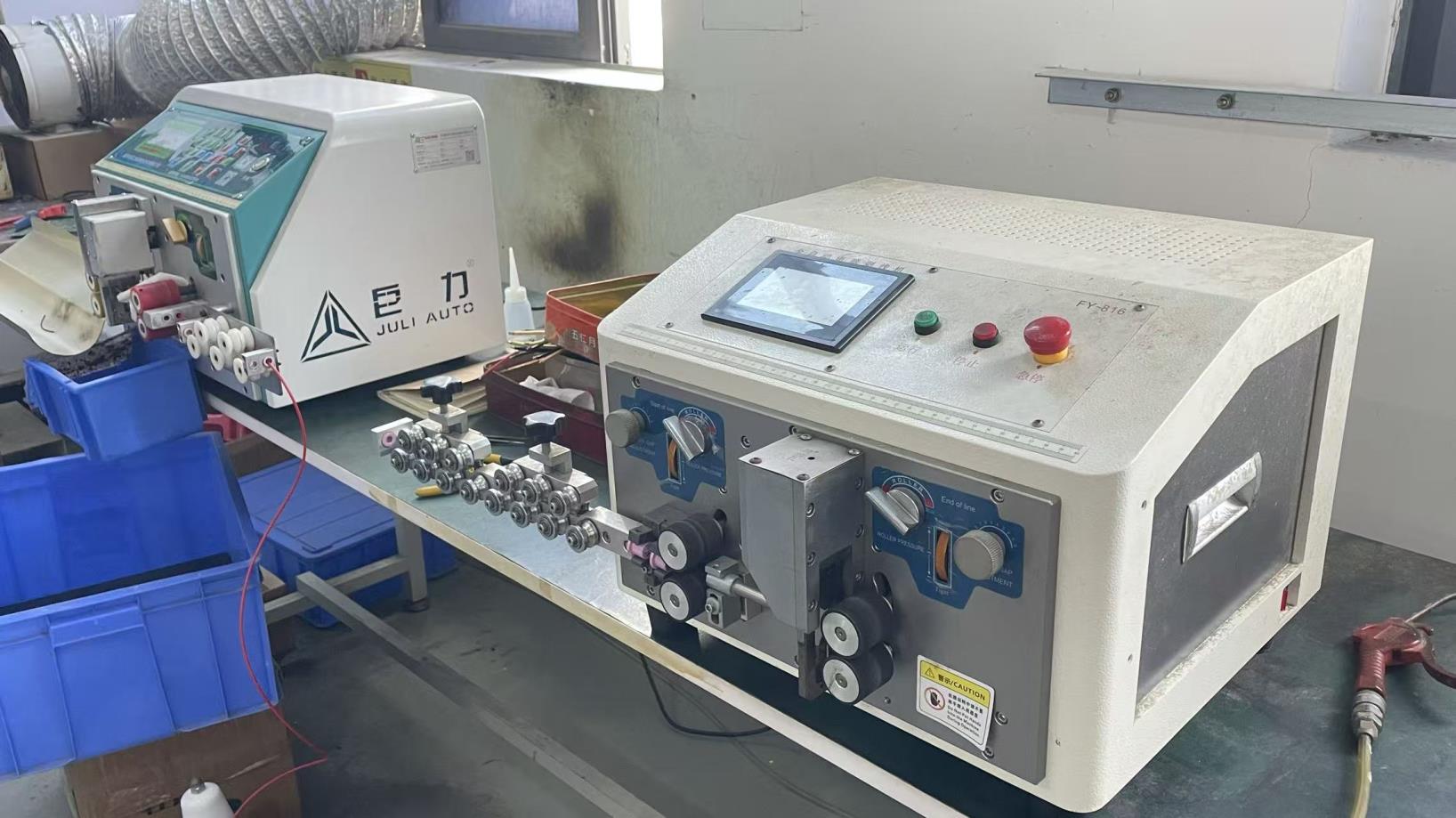 Wire Cutting
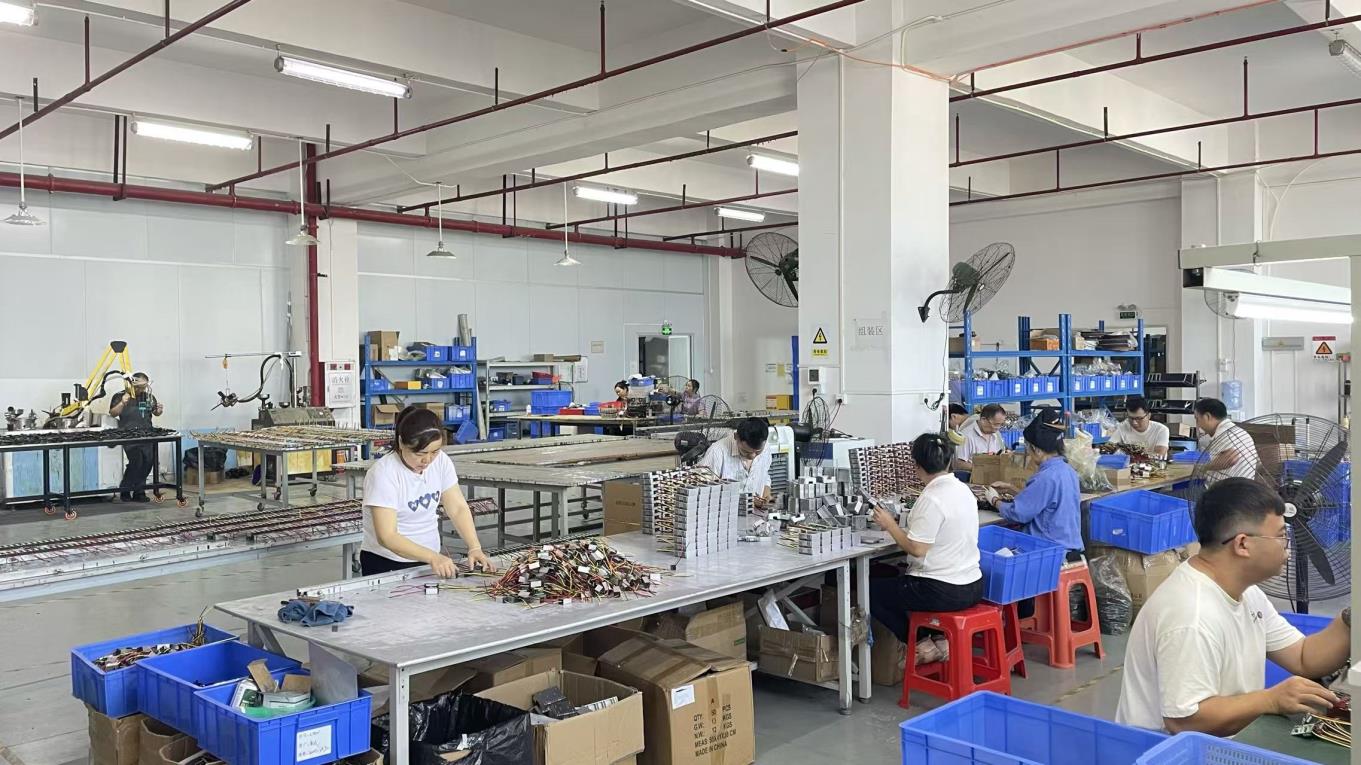 Plug-In
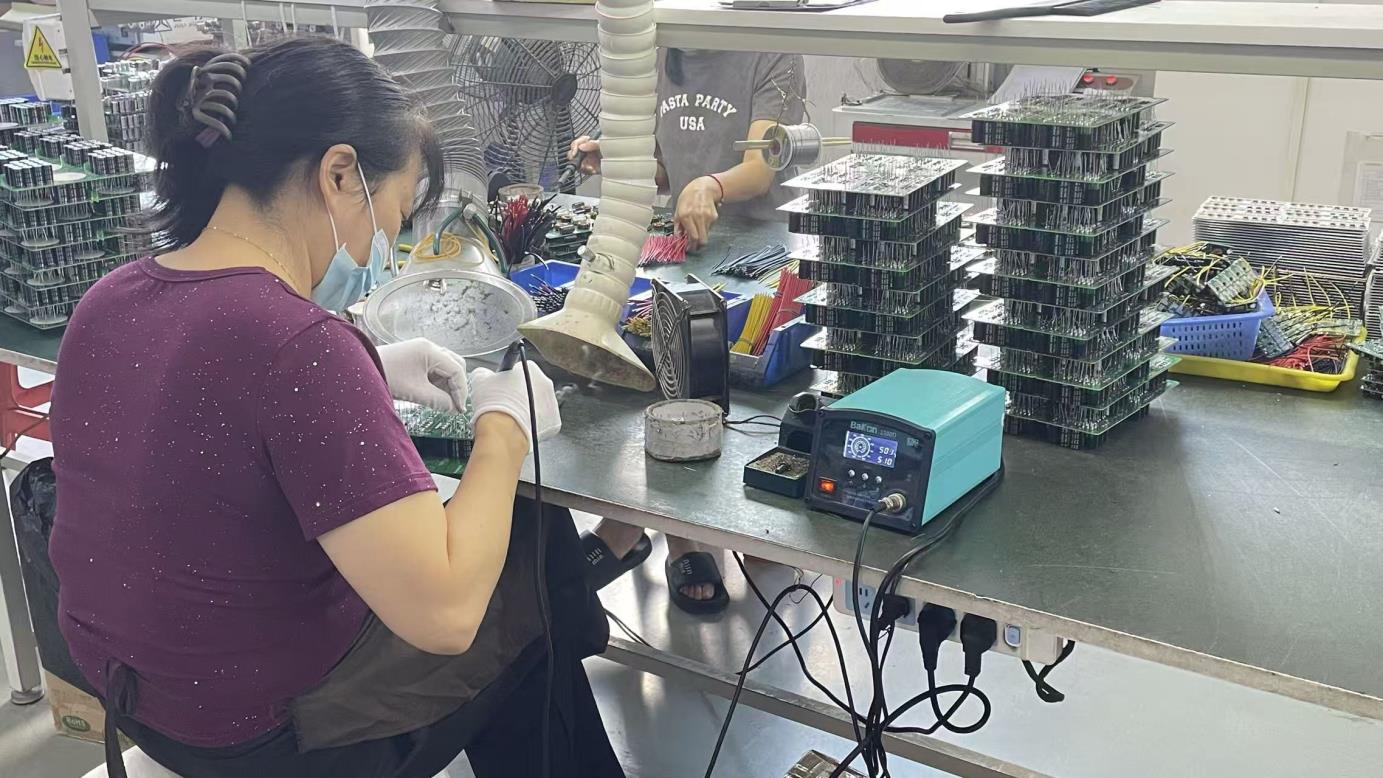 Soldering Tin
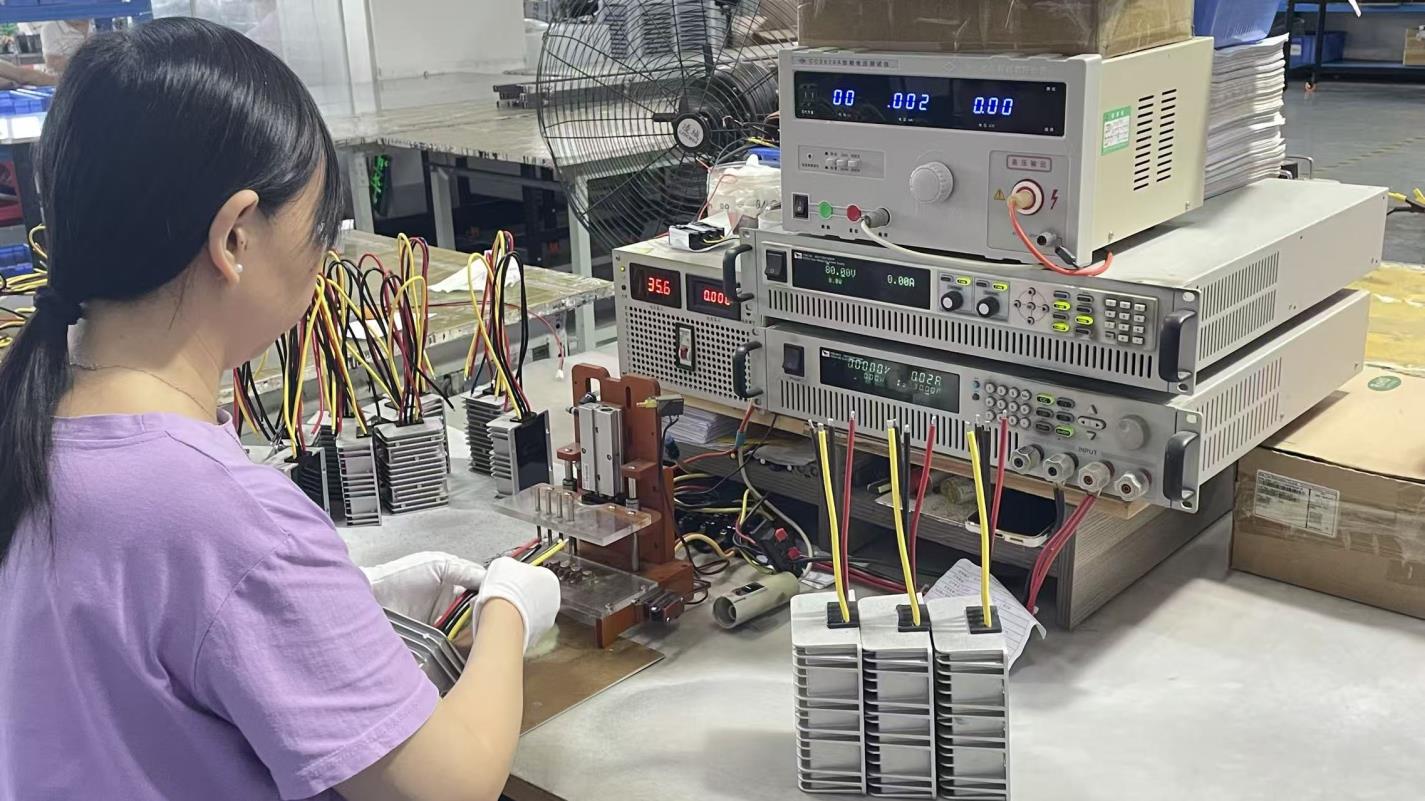 Functional Test
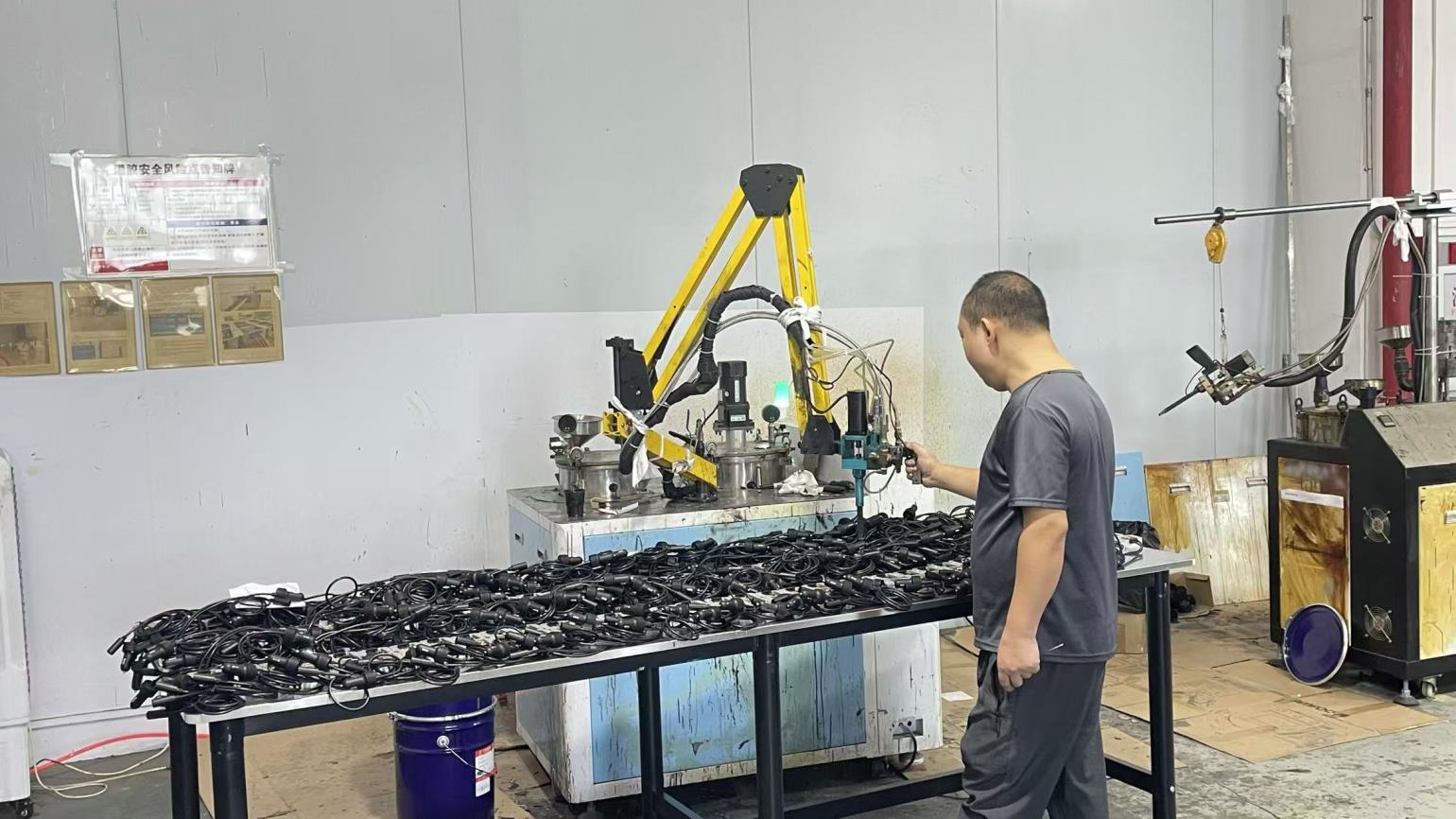 Glue Filling
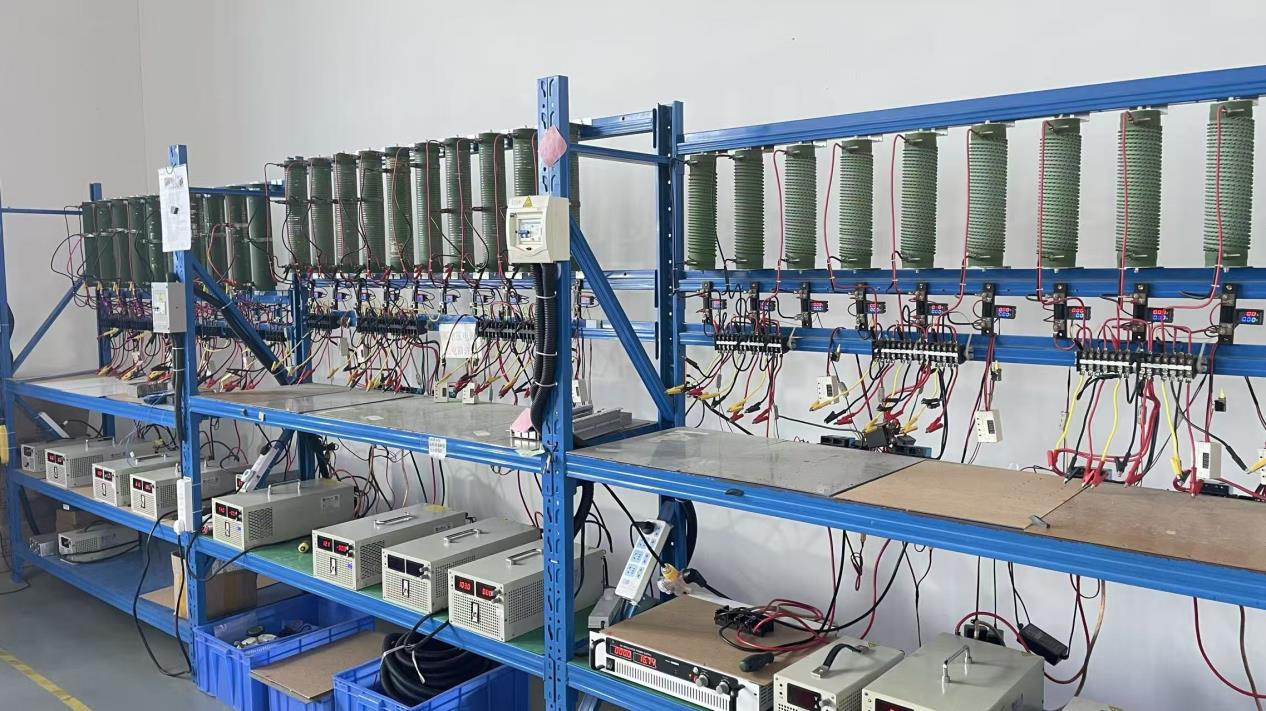 Burn-In Test
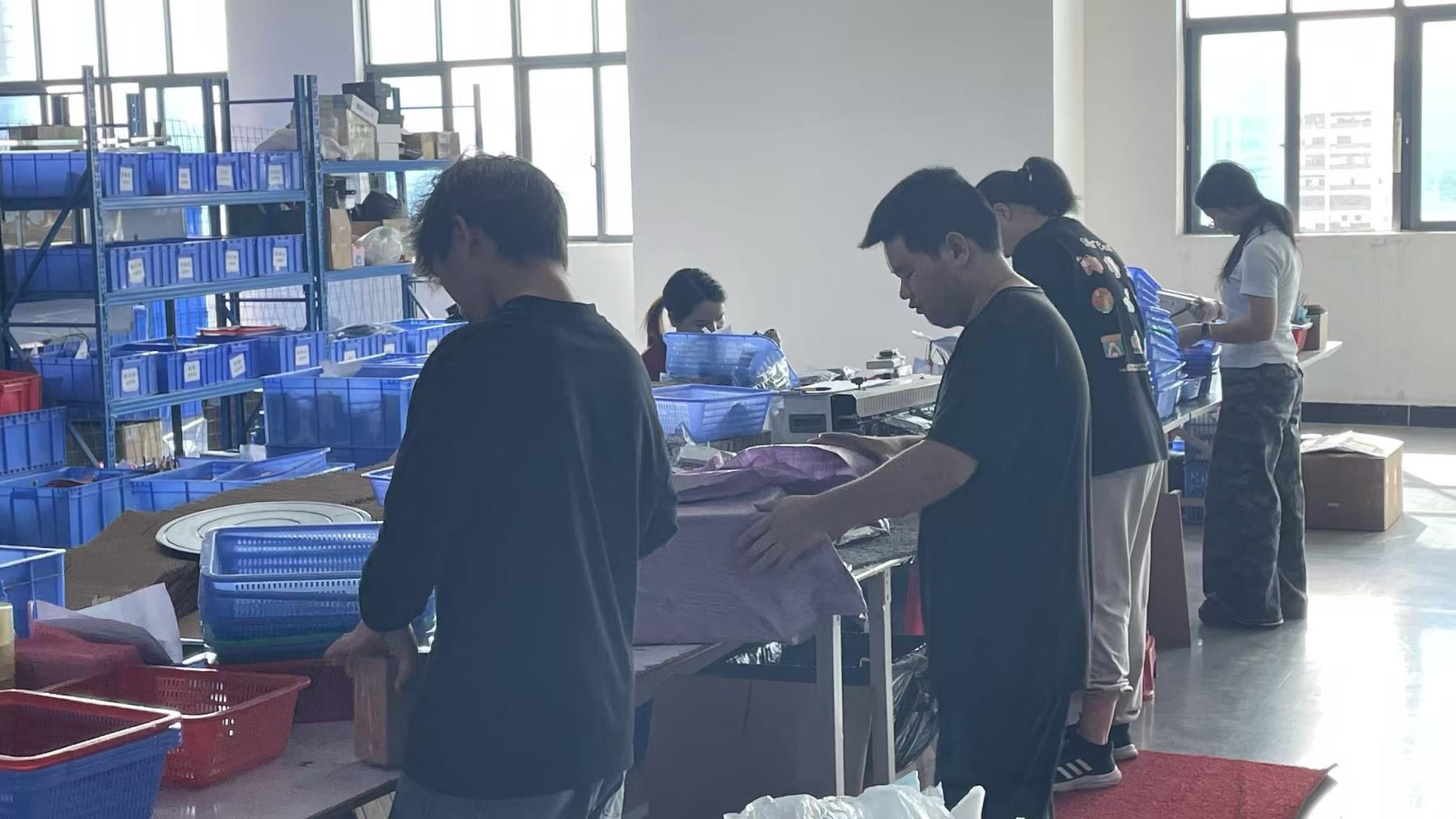 Packaging
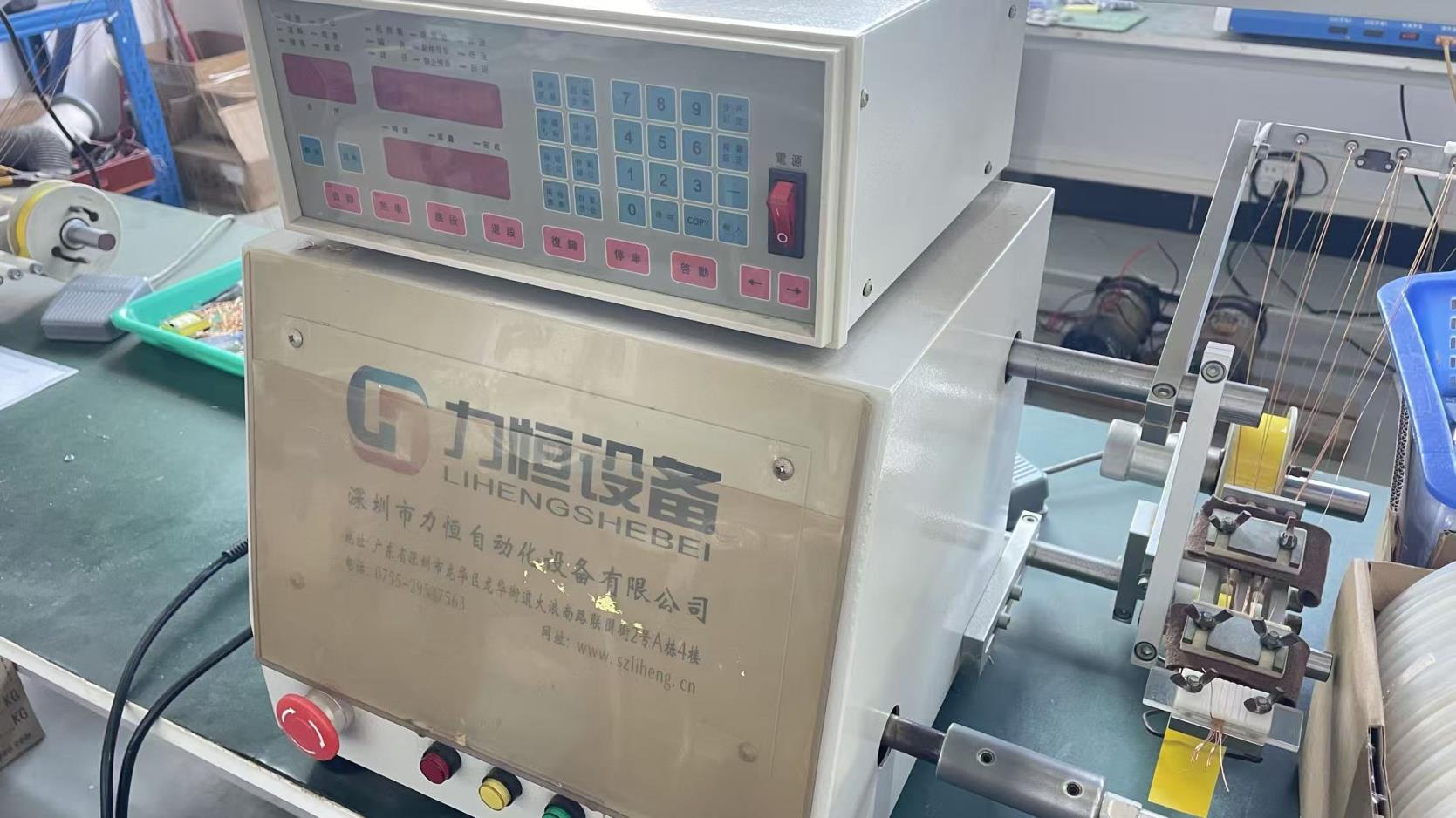 Winding Machine
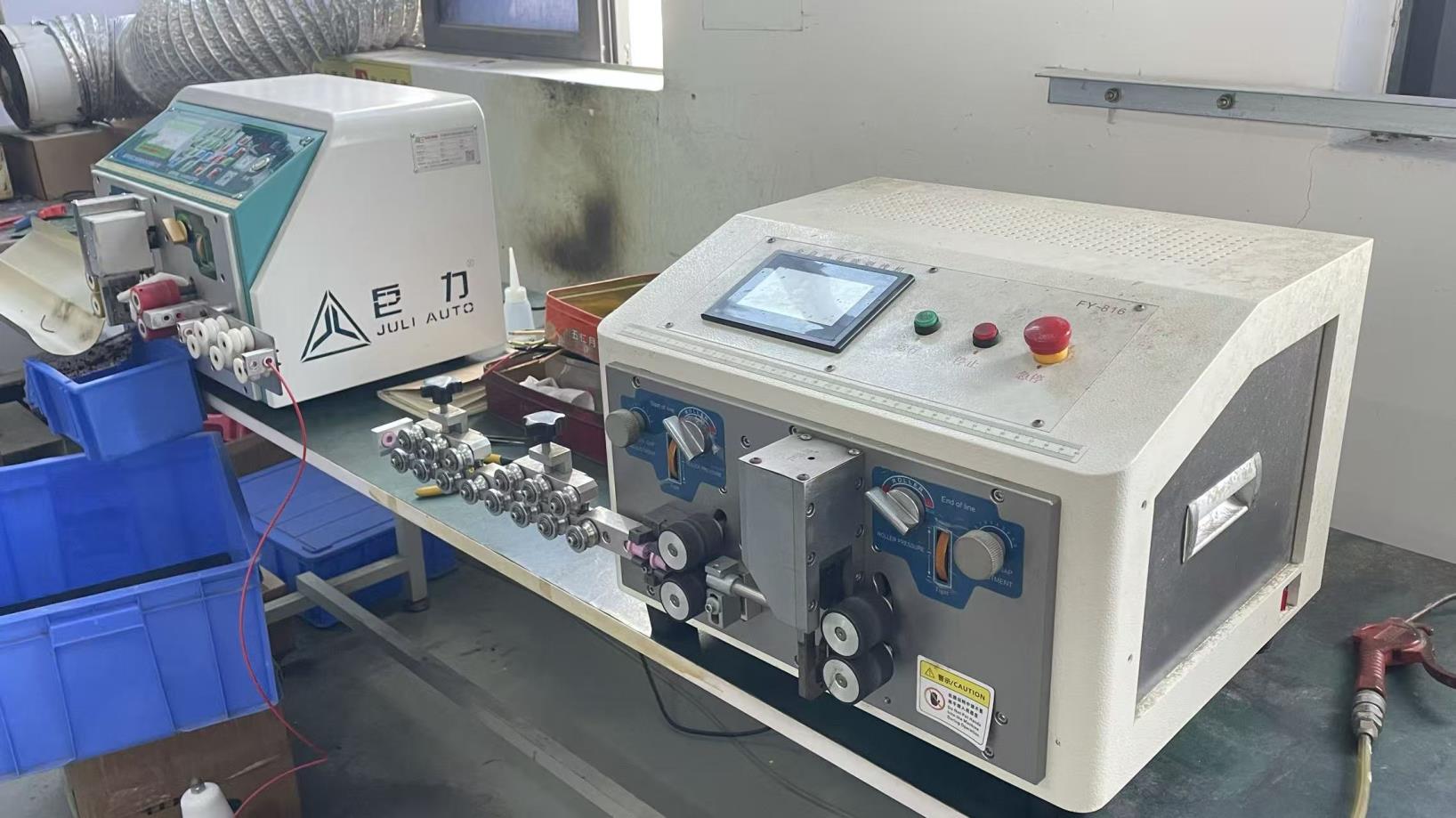 Wire Processing
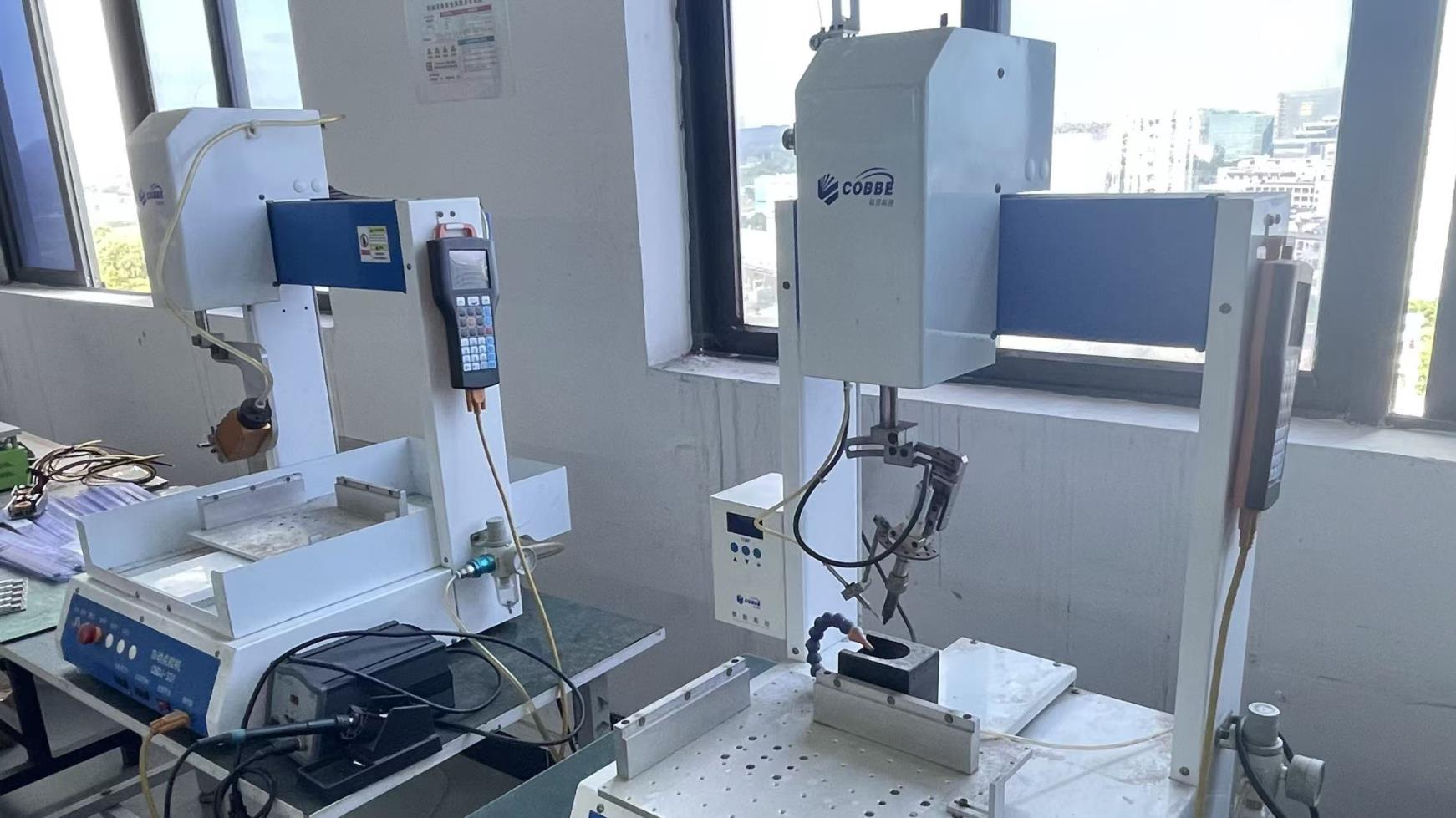 Auto Soldering
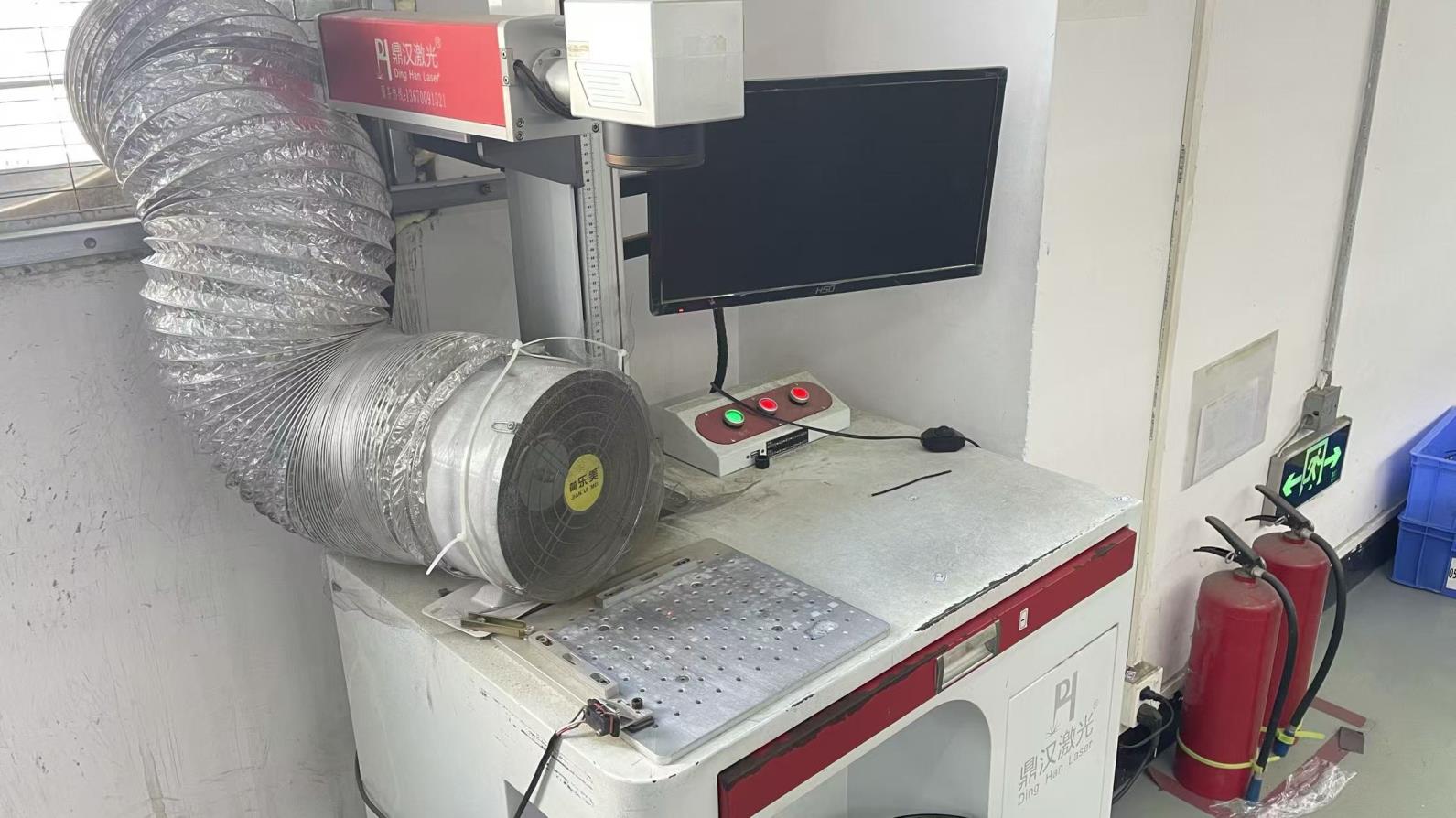 Laser Engraving
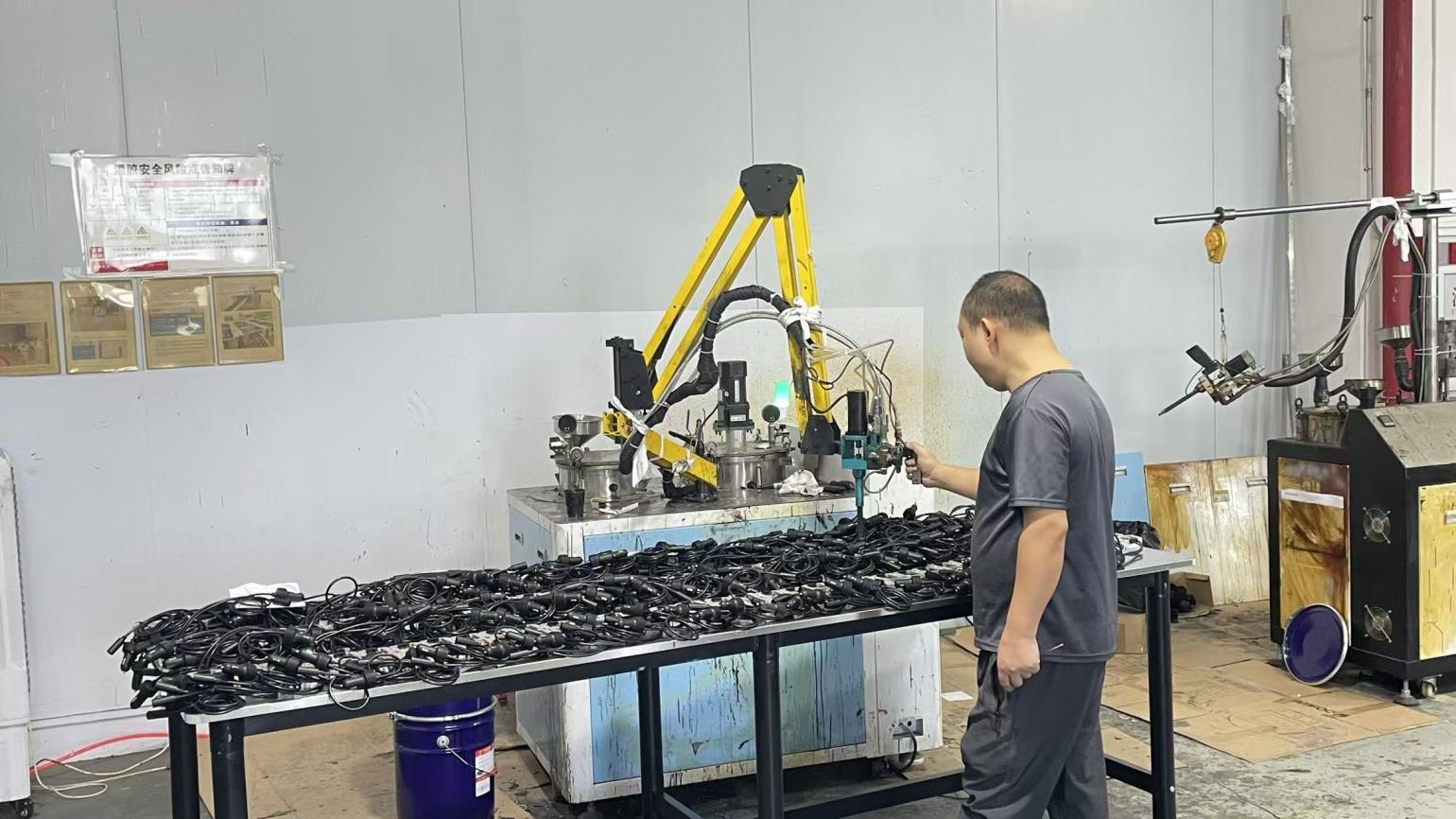 Canning Machine
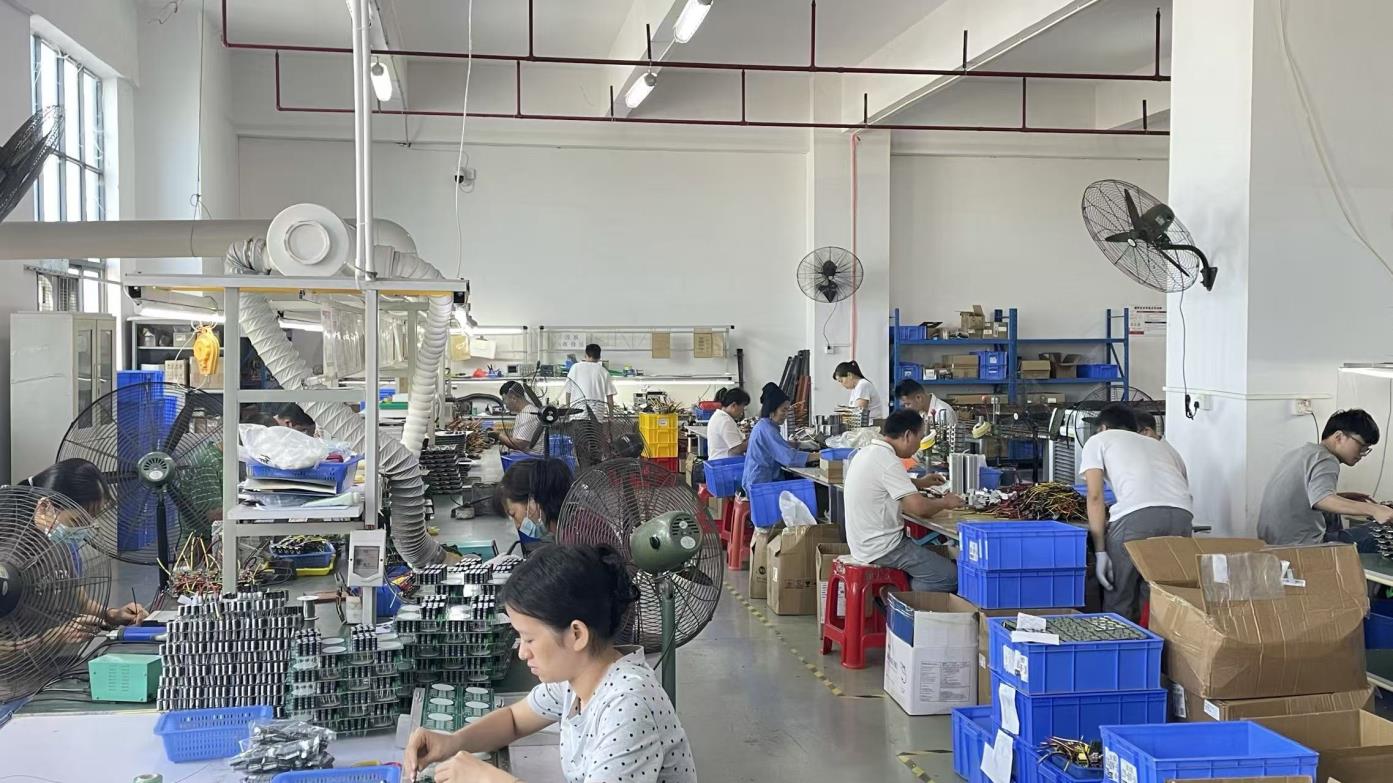 Assembly Line Integration
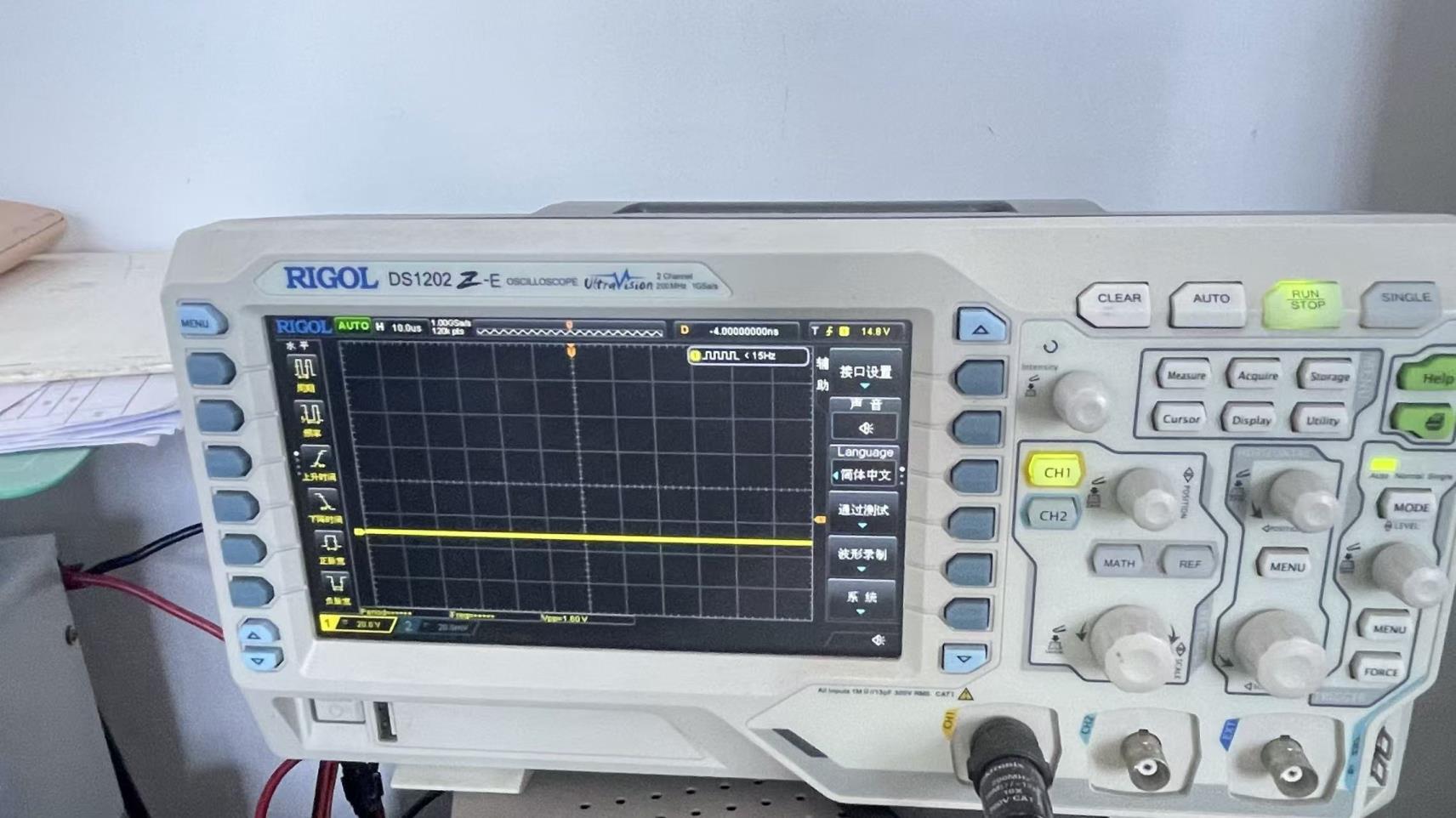
State-of-the-Art Testing & Calibration Instruments
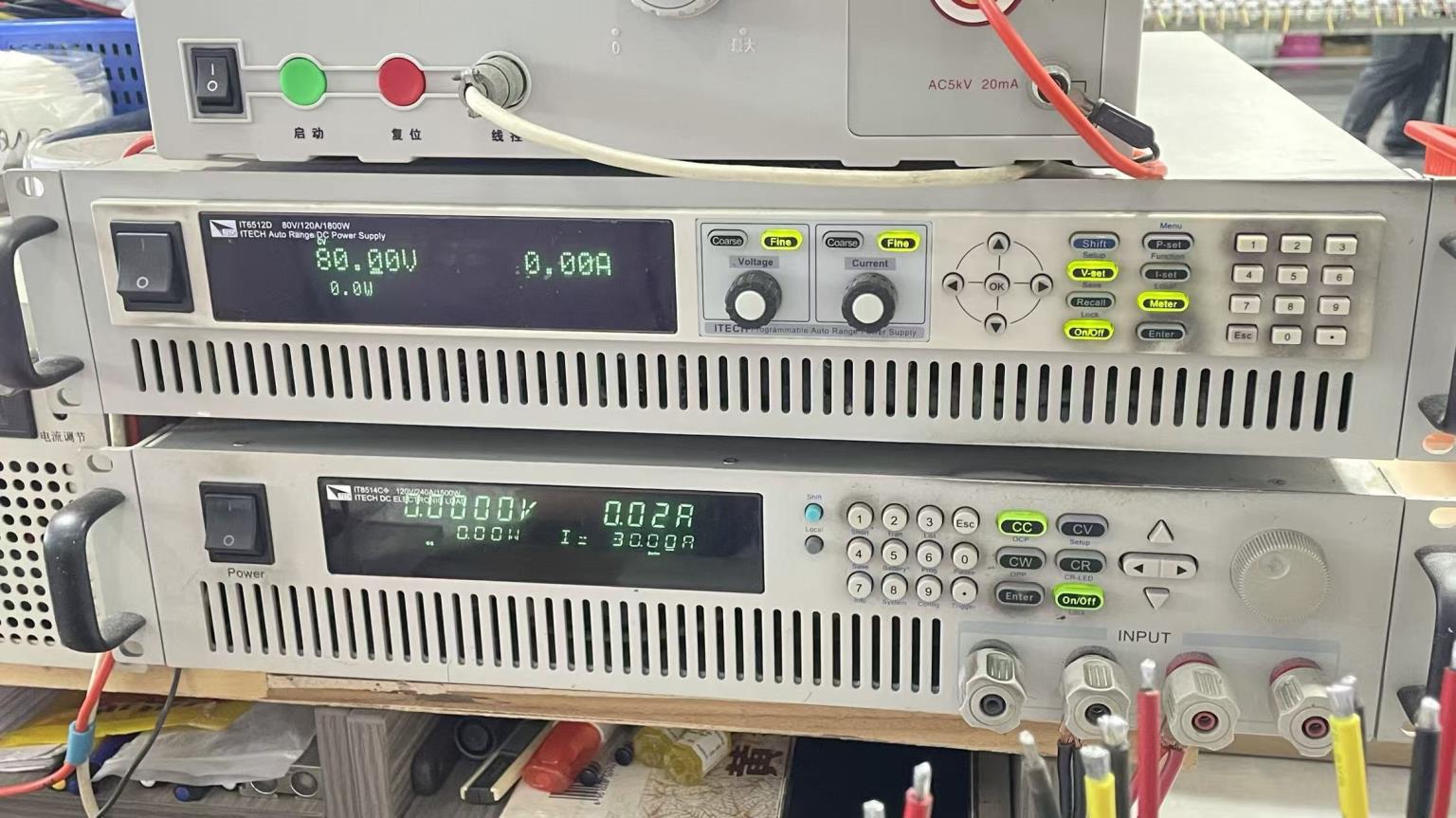 DC Power Tester
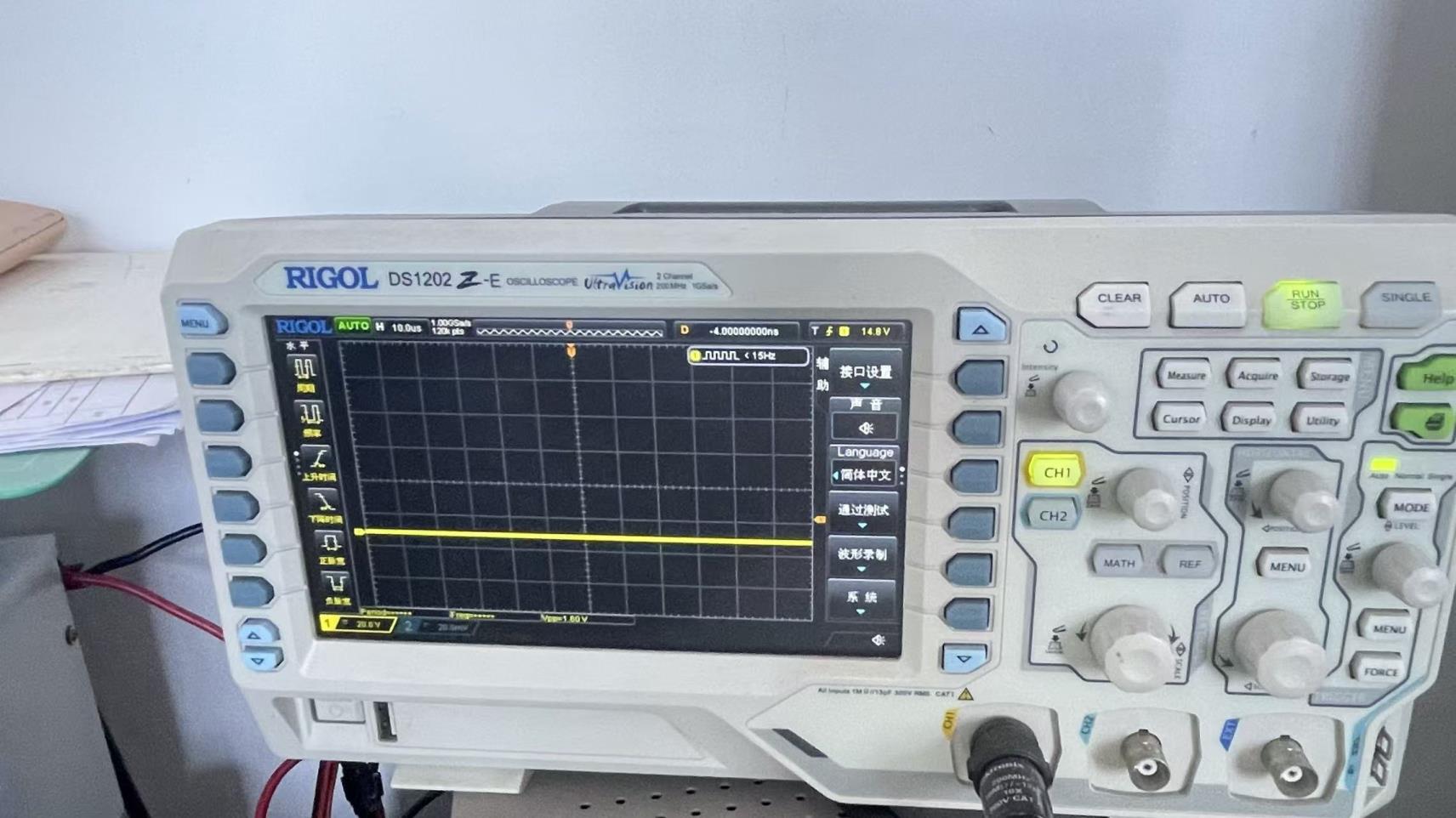 AC Withstand Tester
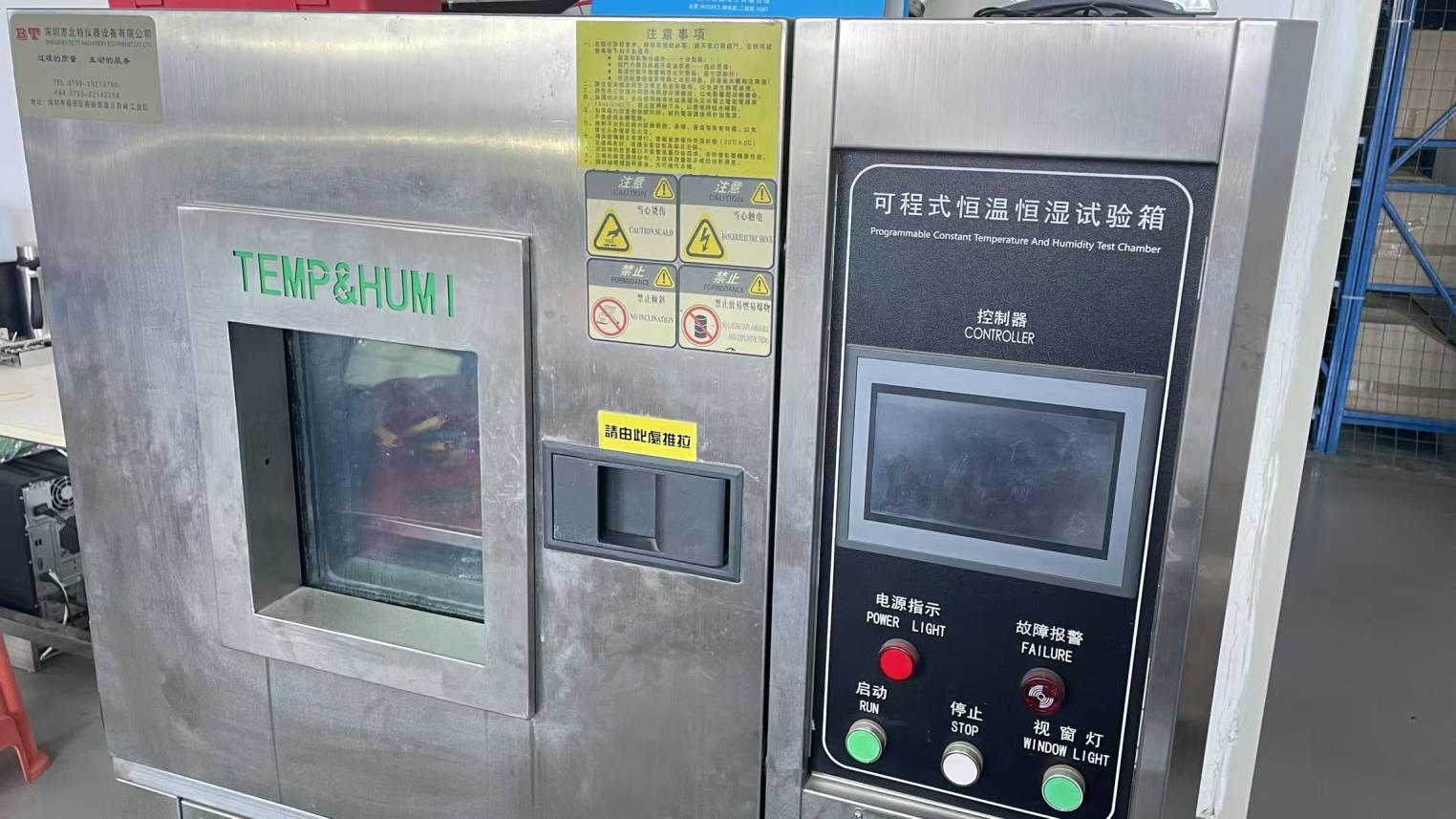 Climate Chamber
 Optical Microscope
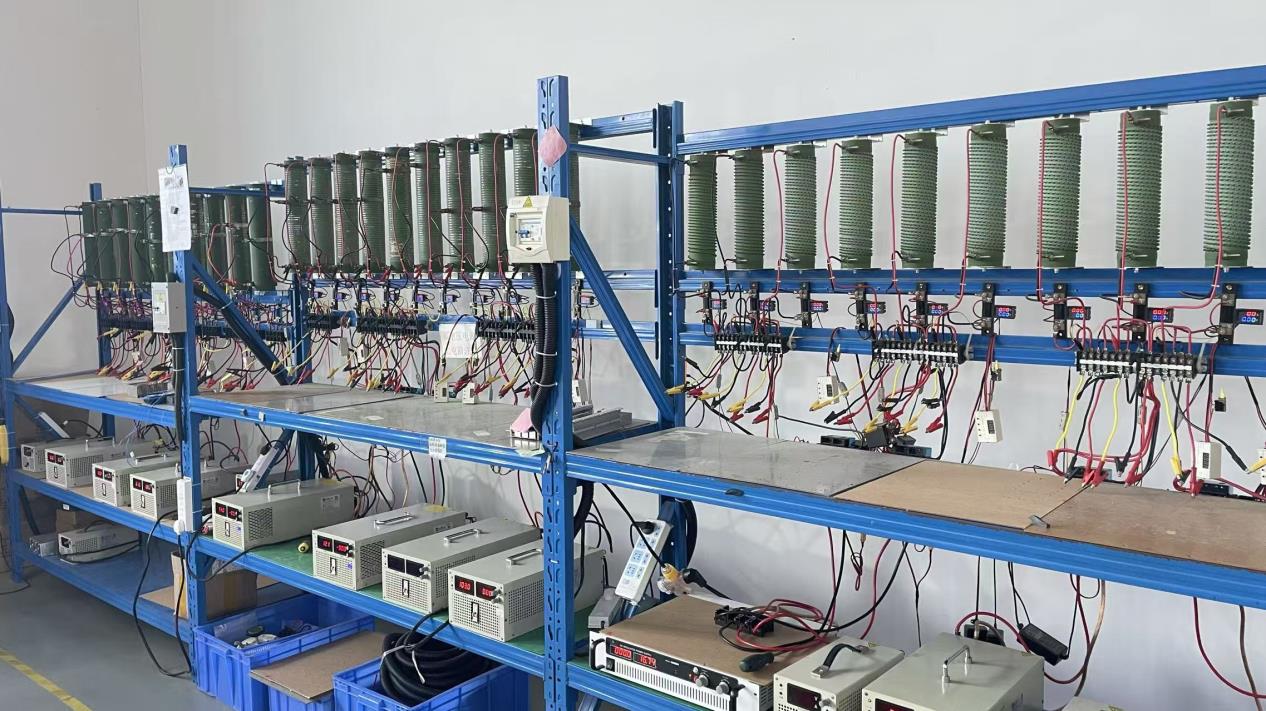 Aging Test Bay
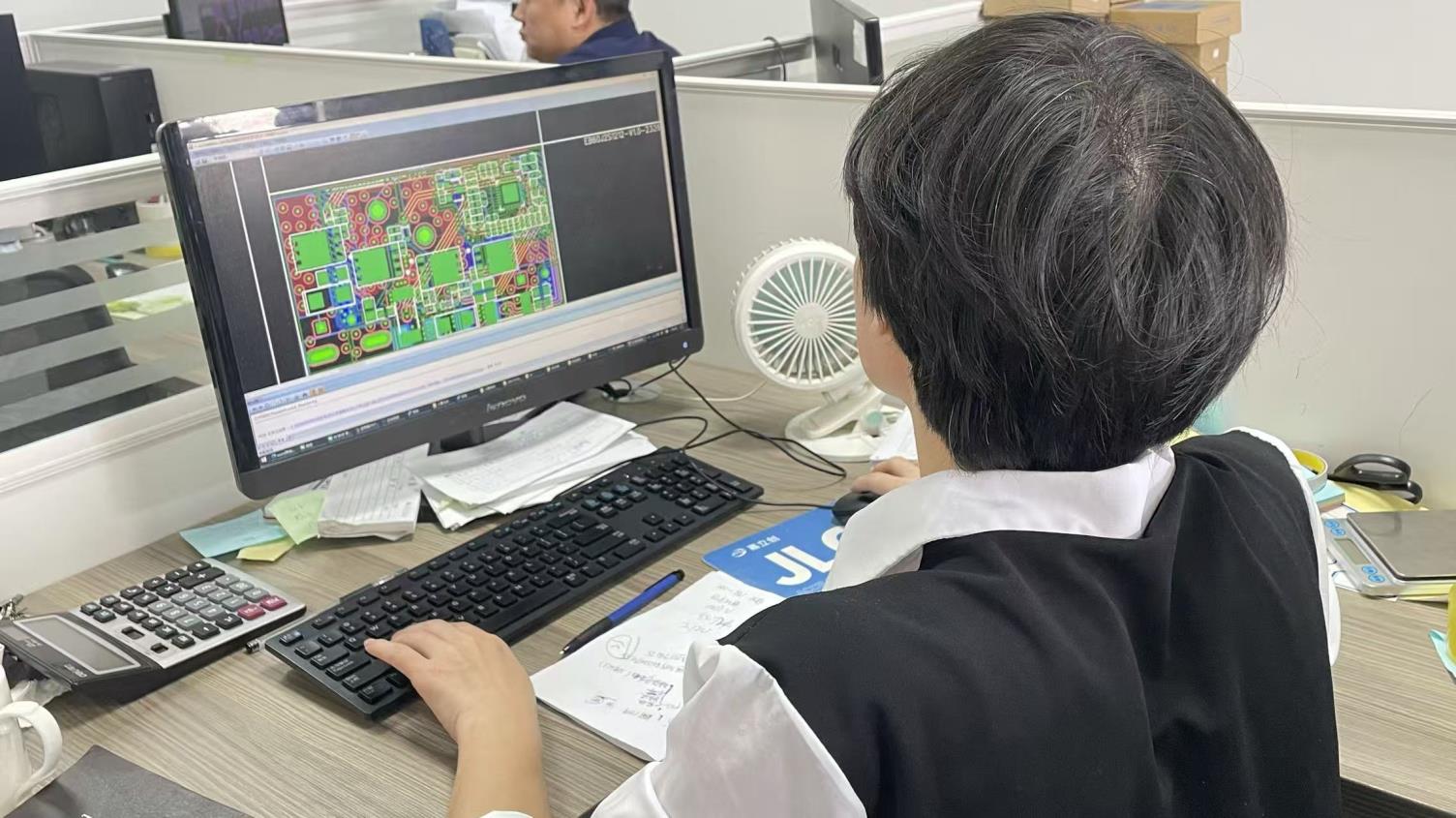 CAD Engineering & Design
4. Critical Application Scenarios & Engineering Integrations
High voltage power systems are not standard commodities; they must be integrated to align with specific physics-based processes. Below are key applications:
- Electrospinning: Relies on a highly stable high-voltage electrostatic field to draw polymer solutions into micro- or nano-fibers. Minor voltage fluctuations directly alter fiber diameter. Our electrospinning power modules provide regulated, low-ripple (sub-0.1%) outputs up to 50kHz to ensure structural fiber consistency.
- Plasma Generation: Demands sustained arc networks under high-frequency AC configurations (e.g., 20kHz to 50kHz). Power supplies must manage rapid impedance drops when the gas ignites into a plasma state, requiring constant-current regulating loops.
- Insulation and Cable Testing: Cable aging and dielectric testing require continuous high voltage AC stress. Safety features, such as overcurrent latch-off and high-resolution leakage current monitoring (measured in microamps), prevent damage to test fixtures during breakdown.
- Industrial Arc Welding: Demands specialized frequency modulation to stabilize arc plasma. Dynamic feedback loops prevent power drops during load shifts.
5. Global Procurement Blueprint for Enterprise Sourcing
When specifying high-voltage power supplies for procurement, engineering departments should evaluate:
- Line and Load Regulation: Output stability during input fluctuation and load transitions.
- Ripple and Noise: Expressed as a percentage of the total output voltage. Lower ripple prevents process interference in sensitive analytical systems.
- Protective Features: Instant-shutdown short circuit protection, arc protection, overvoltage limits, and thermal latching.
- Analog and Digital Controls: Options for RS485, Modbus, or Ethernet integration alongside standard 0-10V analog programming interfaces.
Expert Engineering Q&A
Addressing core technical questions from engineering leads and procurement managers.
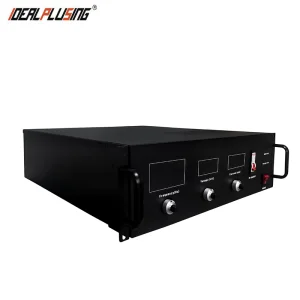
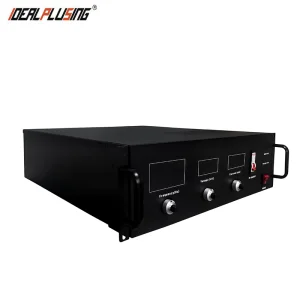
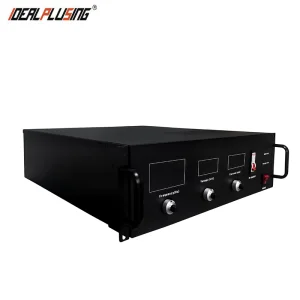
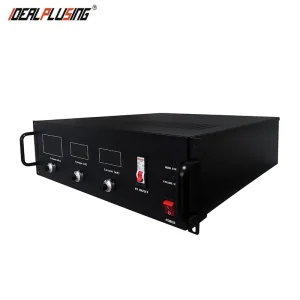
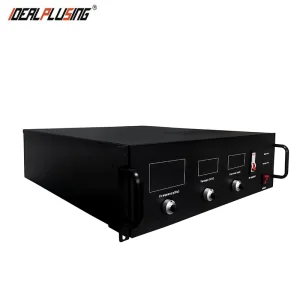
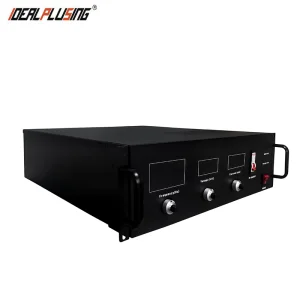
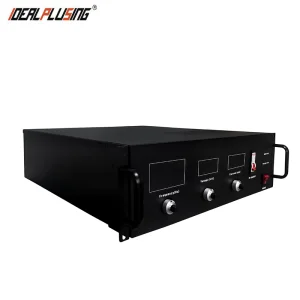
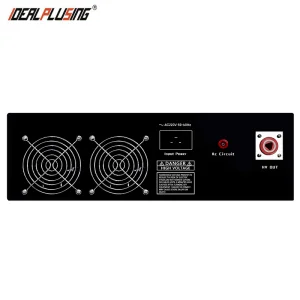
Specialized High Voltage Power Modulators
Designed for electrospinning systems, high-stress cable testing, and industrial process control.
Connect with Our Engineering Team
Discuss your custom electrical specifications, enclosure constraints, and testing parameters with our system design engineers.
Request Technical Quotation