DC-DC Isolate Type converters are essential in modern electronics. They provide electrical isolation between input and output, enhancing safety and performance. Buyers often seek these converters for their unique advantages.
One main benefit is improved efficiency. With less energy loss, devices run cooler and last longer. This is vital in applications requiring reliable power sources. The reliability of DC-DC Isolate Type converters makes them a top choice for critical systems.
Yet, some users may overlook their complexity. Understanding specifications can be challenging. Buyers should evaluate their specific needs carefully. Sometimes, the ideal choice may not be the most obvious one. Inconsistencies between requirements and product features can lead to issues. Thus, thorough research is important before making a decision.
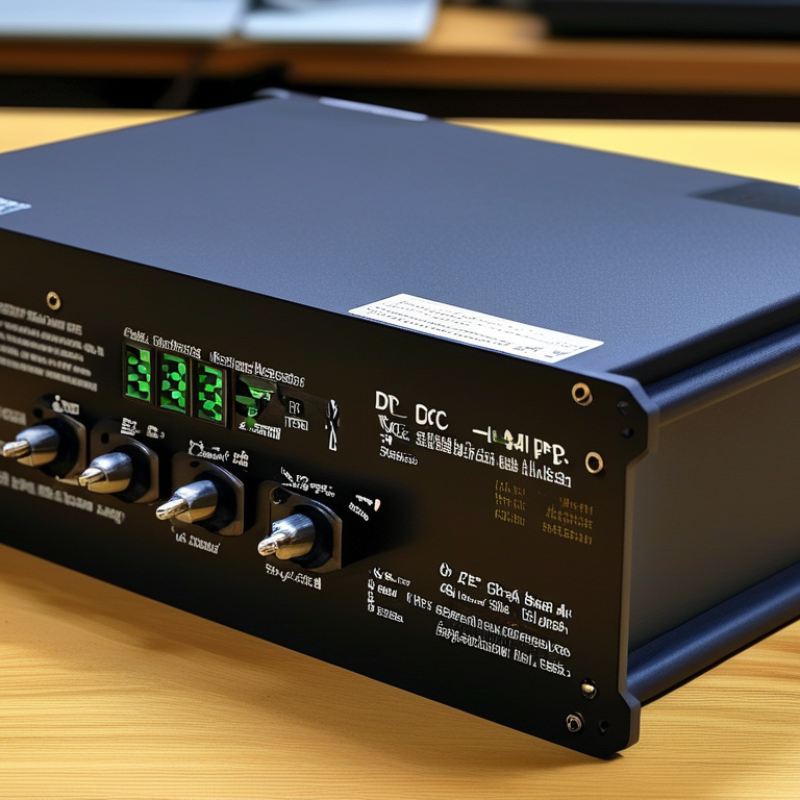
A DC-DC isolate type converter is an essential device in modern electronics. It separates the input and output circuits while efficiently converting direct current (DC) voltage levels. This feature offers safety and stability in various applications, particularly in telecommunications and renewable energy systems. Reports from the Global Market Insights indicate that the DC-DC converter market is projected to grow by 6% annually, highlighting its rising importance.
The functionality of these converters often includes voltage regulation and electrical isolation. In scenarios where sensitive components are involved, isolation ensures that fluctuations in the input do not affect the output. For example, in photovoltaic systems, DC-DC isolated converters help optimize energy conversion without risking damage to connected loads. Industry professionals frequently recommend this technology due to its reliability and efficiency.
On the downside, implementing an isolated converter can be complex. It may introduce additional costs and require more space than non-isolated designs. Buyers should weigh these factors against the benefits. Even with potential drawbacks, the advantages often outweigh the challenges, especially in critical applications requiring stability and safety.
DC-DC isolated converters offer crucial benefits in various applications, particularly in industrial and renewable energy sectors. These devices provide electrical isolation between input and output, which enhances safety and reliability. They are capable of stepping up or stepping down voltage levels while maintaining separation. This feature is crucial in power supply design, especially in scenarios where sensitive components require protection from electrical noise.
The key features of DC-DC isolated converters include high efficiency, compact size, and broad input voltage range. In recent reports, industry analysis indicates that these converters operate with efficiencies exceeding 90%, reducing energy waste significantly. Such efficiency is paramount for applications where thermal management is a concern. Moreover, many converters are designed to handle a wide range of input voltages, making them versatile across various systems. This adaptability is a strong reason for buyers to consider these devices in their projects.
Design complexities may arise, though. Integrating these converters into existing systems can be challenging due to layout restrictions and voltage compatibility issues. Additionally, the need for careful selection of components to match performance specifications can be daunting. Understanding the intricacies of isolation requirements and load conditions is vital. Buyers must weigh these factors carefully while assessing their needs against the benefits offered by isolated converters.
Isolated DC-DC converters are essential components in various electronic systems. They allow for efficient power transfer while providing electrical isolation between input and output. This feature is particularly beneficial for protecting sensitive devices from voltage spikes and ground loops. When buyers explore isolated converters, they should consider their operational stability and the reduced noise levels they offer.
Choosing isolated DC-DC converters can improve safety and reliability in a circuit. For instance, in medical devices, electrical isolation prevents harmful shocks to patients. This not only enhances the safety aspect but also boosts device performance. Buyers may find that investing in quality converters results in longer lifespan and reduced maintenance costs, ultimately leading to savings.
However, not all buyers may fully understand the complexities of these converters. Some might overlook parameters like efficiency ratings or thermal management aspects. It's crucial to evaluate these factors closely. Insufficient research can lead to purchasing the wrong type. This can result in system inefficiencies or failures. Awareness and understanding of these details can significantly aid buyers in making informed decisions, ensuring their systems operate optimally.
DC-DC isolated converters play a vital role in improving efficiency across various industries. These converters are crucial for applications requiring stable voltage levels, especially in sectors like telecommunications and renewable energy. According to a report by Grand View Research, the global DC-DC converter market is expected to reach $10.5 billion by 2027, growing at a CAGR of 5.3%. This growth highlights the increasing demand for reliable power solutions.
In the automotive industry, DC-DC isolated converters are essential in electric vehicles (EVs) for managing battery systems. They ensure stable voltage for critical components, thereby enhancing safety and performance. The International Energy Agency projected that the number of electric cars on the road could exceed 230 million by 2030. This rise demands efficient power management, benefiting from isolation techniques to reduce electromagnetic interference.
Healthcare is another sector where DC-DC isolated converters are crucial. They provide safe, regulated power for medical devices, minimizing risks of electric shocks. A report from Market Research Future indicates that the medical electronics sector will grow significantly, necessitating power systems that prioritize safety and reliability. The need for precision in surgical environments underscores the importance of these converters, yet it also raises questions about compliance and standardization in rapidly evolving technologies.
When choosing a DC-DC isolate type converter, consider several critical factors. The application's voltage requirements should guide your selection. Ensure the converter can handle the input and output voltage levels your project demands. This is crucial for safety and efficiency.
Another important element is the load current. Selecting a converter with an adequate current rating prevents overheating and potential failure. A mismatch here can lead to performance issues. Keep an eye on thermal management. Overheating can shorten the lifespan of the device, so consider cooling solutions if necessary.
**Tips:** Always review the datasheet before purchase. Look for efficiency ratings. Higher efficiency minimizes energy waste and heat production. Don’t forget about size and mounting options. A compact design may suit limited spaces, while ease of installation is vital for practical application.
Also, consider isolation voltage ratings. This affects how well the component can resist accidental voltage spikes. Ignoring this aspect can lead to unexpected breakdowns. Double-check compatibility with surrounding components to ensure smooth operation.
| Feature | Description | Benefits | Considerations |
|---|---|---|---|
| Isolation | Provides electrical isolation between input and output | Increases safety and protects sensitive components | Ensure isolation voltage rating meets application needs |
| Efficiency | Conversion efficiency from one voltage level to another | Reduces energy losses, saving power and cost | Select converters with high efficiency for better performance |
| Voltage Range | Input and output voltage specifications | Meets specific operational requirements of devices | Match voltage range with application to avoid failure |
| Size | Physical dimensions of the converter | Space-saving in compact electronic designs | Consider layout and space constraints in applications |
| Thermal Management | Handling heat dissipation during operation | Prevents overheating and extends lifespan | Ensure adequate cooling mechanisms are in place |
: These converters provide electrical isolation between input and output, enhancing safety and reliability.
High efficiency, over 90%, reduces energy waste and minimizes heat, essential for thermal management.
Voltage requirements, load current, thermal management, and isolation voltage ratings are critical factors.
An inadequate current rating can cause overheating and potential failure, impacting overall performance.
Overheating shortens the device's lifespan. It's vital to consider cooling solutions when necessary.
Always review the datasheet for efficiency ratings, size, and mounting options to match your specific needs.
These ratings ensure the component resists voltage spikes, preventing unexpected failures from accidental spikes.
Yes, layout restrictions and voltage compatibility can complicate integration into existing systems.
Selecting the wrong components can lead to performance issues; careful consideration is necessary.
Yes, a compact design is important for limited spaces, but ease of installation also matters.
DC-DC Isolate Type converters are specialized devices designed to transfer electrical power between two circuits while maintaining electrical isolation. These converters are characterized by their ability to provide voltage regulation and protection against voltage spikes, ensuring stable operation in various applications. Key features include high efficiency, compact design, and the capability to handle a wide range of input and output voltages.
The benefits of using DC-DC Isolate Type converters for buyers are significant, including enhanced safety, improved system performance, and minimized electromagnetic interference. They find applications across multiple industries, such as telecommunications, renewable energy, and automotive. When choosing a DC-DC Isolate Type converter, it is essential to consider factors like output power requirements, environmental conditions, and load regulations to ensure optimal performance and reliability.
