In today's rapidly evolving market, the demand for efficient Microwave Power Supply solutions is increasing. Businesses aim to minimize costs while boosting quality. This balance can be challenging in global sourcing. Companies often overlook essential factors, such as supplier reliability and product specifications.
Understanding the technical requirements of Microwave Power Supply is crucial. Poor sourcing decisions can lead to delays and inefficient operations. Yet, many manufacturers struggle to find the right suppliers who meet their standards. Sourcing globally brings its own set of complexities. Language barriers and cultural differences can add to the confusion.
It is vital to develop a clear sourcing strategy. Building long-term relationships with trusted suppliers can enhance reliability. Regular audits and performance evaluations help ensure quality. While these steps seem simple, many businesses falter in execution. Learning from past experiences can pave the way for better outcomes.
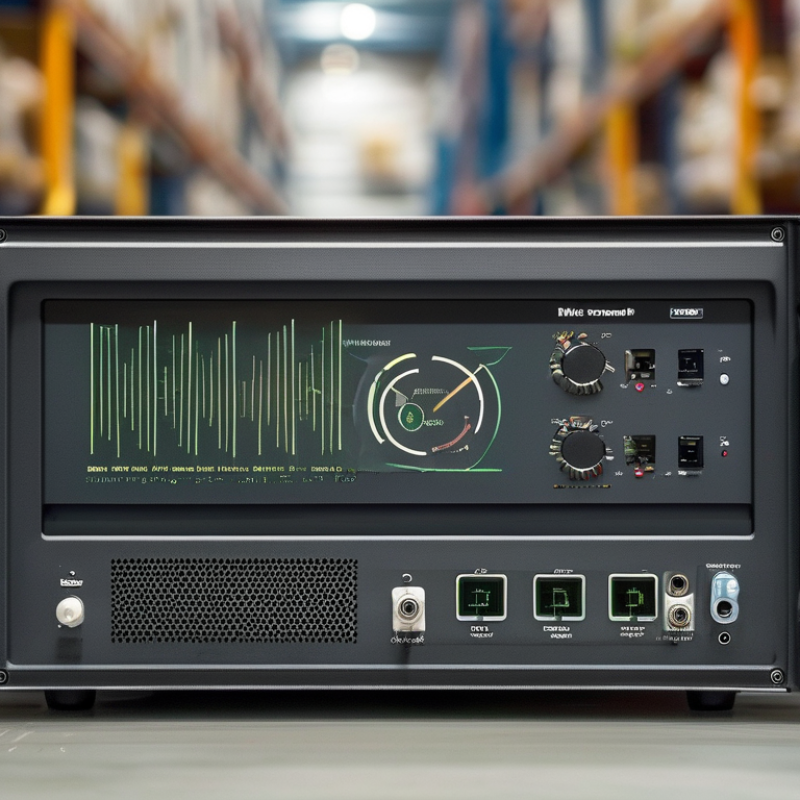
The microwave power supply market is evolving rapidly in 2023. With the increasing demand for energy-efficient solutions, companies are shifting their strategies. Sustainability has become a primary focus. Manufacturers are looking into innovative designs. This trend may affect costs and efficiency.
Emerging technologies are reshaping this landscape. New semiconductor devices are enhancing performance. However, sourcing these components globally can pose challenges. Quality control remains an ongoing concern. It's essential to work with reliable suppliers. Companies must stay educated on industry standards and certifications.
Not every approach will yield positive results. It’s crucial to assess the market regularly. Trends can shift quickly, leading to missteps if not monitored closely. An agile supply chain can help mitigate these risks. Emphasizing collaboration and communication can foster better sourcing decisions, ultimately leading to improved outcomes.
This bar chart illustrates the projected global market growth for microwave power supply technologies based on industry data and trends in 2023. The data shows a comparison of market sizes in millions of dollars across different regions.
When sourcing microwave power supplies globally, several key factors come into play. First, understanding local regulations is crucial. Different regions have varying standards for electronic components. For instance, the International Electrotechnical Commission (IEC) sets guidelines that enhance safety and performance, which can vary among countries. Companies must ensure compliance to avoid costly setbacks.
Another important consideration is the availability of raw materials. The global supply chain for microwave components relies heavily on materials like copper and silicon. According to a report from the International Energy Agency, fluctuations in these raw material prices can impact production costs significantly. Therefore, sourcing strategies should account for potential disruptions and consider backup suppliers.
Finally, evaluating the reliability of suppliers is essential. Some manufacturers may offer lower prices, but quality can suffer. A report by Frost & Sullivan highlights that 40% of electrical failures stem from poor component quality. Companies should conduct thorough assessments and audits of potential suppliers. Taking the time to evaluate these factors can lead to more reliable sourcing decisions in the long run.
Evaluating supplier reliability for microwave power supplies is critical.
First, understanding metrics is key. Look for suppliers who are transparent about their production processes. Reliability often correlates with consistent quality. Check the historical performance of potential suppliers. Their track record should reflect a commitment to quality assurance.
Consider lead times and delivery schedules. Suppliers who meet deadlines build trust. Frequent delays can indicate poor management. Assess customer reviews as well; they offer real-world insights into supplier performance. A company’s responsiveness to issues is telling. Quick resolutions often signal strong relationships with clients.
Monitoring certifications is essential. Suppliers need proper certifications to ensure compliance with industry standards. Certification processes can be difficult; not all suppliers prioritize this. It may not always be feasible to check all metrics before committing. Reflecting on these aspects can help refine sourcing strategies. Balancing caution with necessary risk can create strong partnerships.
In the realm of microwave power supply sourcing, cost-effectiveness holds paramount importance. Balancing quality and budget is a complex task. It's essential to identify what truly matters in your sourcing strategy. High-quality components can lead to reduced long-term costs, even if the initial expense is higher. This approach demands a thorough assessment of performance, longevity, and service support.
Consider these crucial tips when sourcing microwave power supplies. First, conduct detailed market research. Understand your options and potential suppliers. Create a checklist of necessary specifications. This ensures you do not overlook critical features. Evaluate suppliers based on reliability and past customer feedback. Transparency in sourcing is vital; ensure clarity in pricing and warranty terms.
As you assess costs, be mindful of potential hidden expenses. Shipping fees can alter the bottom line. High import duties can create budget overruns. Revisit your sourcing habits frequently. Reflect on past decisions to make informed choices. Regular evaluations enhance sourcing efficiency and strengthen supplier relationships. Quality should never be compromised for cost, yet sometimes compromises are inevitable. Finding that balance is a continuous journey.
As industries increasingly rely on microwave power technology, efficiency becomes paramount. Innovations are emerging quickly, with many engineers exploring new designs. These advancements focus on increasing power output while reducing energy consumption. Improved magnetron designs and solid-state devices are gaining attention. These technologies promise higher efficiency and enhanced reliability.
A significant trend is the integration of smart technology. Microwaves can now adapt their output automatically. By adjusting to load variations, these systems minimize energy wastage. Sensors provide real-time feedback, allowing for more precise control. However, implementation can be challenging. Adapting existing infrastructures requires careful planning.
Another area for improvement is material science. The development of more heat-resistant materials can prolong equipment life. This shift requires ongoing research and collaboration. While the benefits are clear, there remains uncertainty about scalability and costs. The potential for innovation is vast, but it also invites scrutiny on sustainability and long-term viability.
| Dimension | Value |
|---|---|
| Average Efficiency (%) | 90 |
| Cooling Methods Available | Air, Water, Liquid Cooling |
| Frequency Range (GHz) | 2.45 - 5.8 |
| Common Applications | Heating, Drying, Materials Processing |
| Emerging Innovations | Solid-State Microwave Sources, Smart Integration |
| Market Growth Rate (%) | 15 |
| Key Challenges | Cost, Size, Thermal Management |
: Different regions have varying standards for electronic components. Compliance helps avoid costly setbacks.
Key materials include copper and silicon. Fluctuations in their prices can significantly affect production costs.
Some suppliers offer lower prices, but quality can suffer. Poor component quality leads to electrical failures.
Balance quality with budget. High-quality components may reduce long-term costs despite higher initial expenses.
Detailed market research provides insight into options and potential suppliers. It helps avoid overlooking critical features.
Shipping fees and high import duties can impact the overall budget. Always account for these expenses.
Yes, frequent evaluations help improve sourcing efficiency. Reflecting on past decisions aids in making better choices.
Quality should never be compromised, but sometimes compromises are unavoidable. Finding balance is ongoing.
Clarity in pricing and warranty terms builds trust with suppliers. Open communication is essential for good relationships.
Evaluating past customer feedback on suppliers can enhance reliability. It helps in choosing the right partnerships.
The article "Microwave Power Supply Tips for Efficient Global Sourcing" provides a comprehensive overview of the current trends and considerations in the microwave power supply market for 2023. It highlights the importance of evaluating supplier reliability through specific metrics, ensuring organizations can select trustworthy providers in this specialized sector. Additionally, the article emphasizes the necessity of conducting a cost-effectiveness analysis to strike a balance between quality and budget, which is crucial for successful sourcing.
Looking ahead, the piece discusses future innovations in microwave power technology that are set to impact efficiency. As advancements continue to shape the landscape, stakeholders in the microwave power supply market must stay informed about these trends to enhance their sourcing strategies and improve operational performance.
