In the world of power management, the DC-DC Step Down Converter plays a crucial role. This device efficiently reduces the voltage from a higher level to a lower one. It finds applications in various fields, from consumer electronics to renewable energy systems. Ensuring efficiency in power solutions is vital, as it directly affects performance and battery life.
Choosing the right DC-DC Step Down Converter can be challenging. There are many options available on the market. Factors such as voltage output, current capacity, and thermal performance need careful consideration. Some converters excel in specific applications while falling short in others. It’s important to analyze the requirements of your project thoroughly before making a decision.
Many users may overlook the details that affect efficiency. For example, inadequate thermal management can lead to overheating. A converter that is not well-matched to its load can result in wasted energy. Always keep an eye on these factors. The goal is to select a converter that maximizes performance while minimizing energy loss.
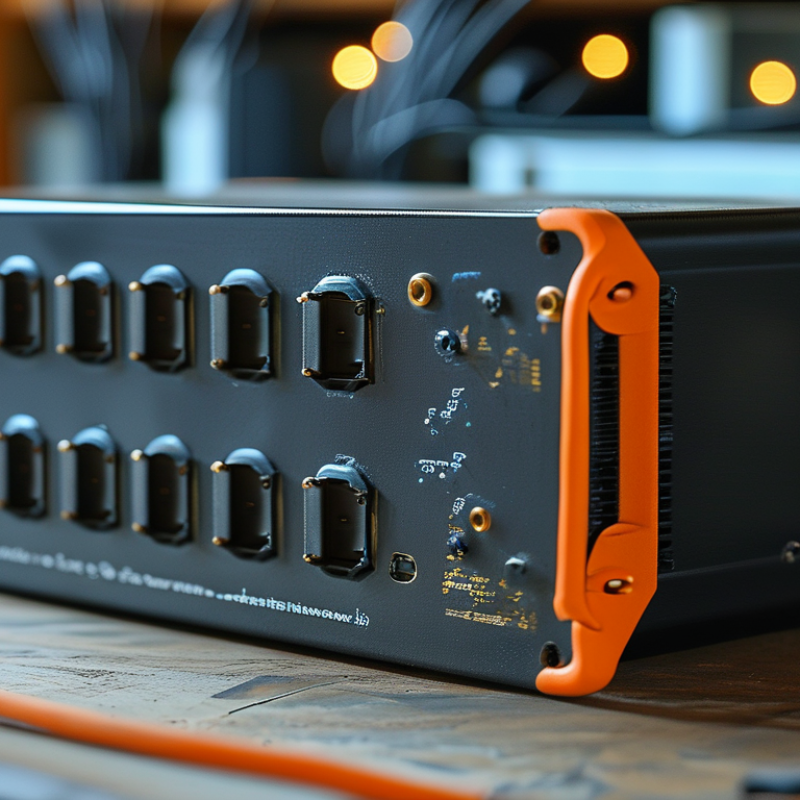
Overview of DC-DC Step Down Converters and Their Importance
DC-DC step down converters are vital for modern electronic devices. They efficiently reduce voltage levels while maintaining power quality. These converters are essential for ensuring that sensitive components receive the correct voltage. This functionality is crucial in smartphones, laptops, and numerous other devices.
One key factor in selecting a DC-DC step down converter is efficiency. An efficient converter minimizes energy loss during voltage conversion. This is important for battery-operated devices where power conservation is critical. Understanding load requirements and operating conditions will help in making the right choice.
Many people overlook thermal management, which can affect performance. A converter's ability to manage heat directly impacts its longevity. Failure to consider this aspect can lead to overheating, which diminishes efficiency and may result in component failure. Careful assessment and testing can help prevent these issues.
Key Features to Consider When Selecting a Step Down Converter
When selecting a DC-DC step-down converter, several key features should be weighed carefully. Efficiency is paramount. As indicated by recent reports from the International Energy Agency, converters with efficiency ratings above 90% are becoming industry standards. This threshold can significantly reduce energy loss, which is crucial for battery-operated devices. When power efficiency improves, the overall thermal management also becomes less challenging, enhancing the longevity of sensitive components.
Load regulation capability is another critical factor. It ensures that the output voltage remains consistent as the load changes. A well-regulated output is essential for powering microcontrollers and analog devices. According to a study by the Institute of Electrical and Electronics Engineers, poor load regulation can lead to 15% to 20% performance degradation in sensitive applications. Moreover, this can provoke unexpected resets or even permanent damage.
Flexibility in the input voltage range is essential. Many applications require converters that can handle various input voltages. A broad range helps ensure that a converter can adapt to different power sources, enhancing its usability across diverse applications. However, it’s important to consider the trade-off between input range and efficiency. While a wider input range might seem beneficial, it can sometimes compromise overall performance. Balancing these features can lead to better design decisions in power solutions.
Top 10 Recommended DC-DC Step Down Converters for Efficiency
When it comes to designing efficient power solutions, DC-DC step down converters play a crucial role. These devices regulate voltage by converting a higher voltage to a lower one, ensuring optimal performance for various applications in the electronics industry. According to a recent report by MarketsandMarkets, the DC-DC converter market is projected to reach $8.3 billion by 2026, driven by the growing demand for portable devices and electric vehicles.
Choosing the right DC-DC step down converter can significantly impact energy efficiency. Factors such as conversion efficiency, load regulation, and thermal performance are essential. It’s essential to consider that many converters operate below 90% efficiency, leading to wasted energy and excess heat. For applications where every watt counts, meticulous evaluation of specification sheets is vital.
Tip: Always check the thermal characteristics of a converter. High temperatures can degrade performance and lifespan.
Another important metric is the static and dynamic load response time. Some converters may struggle to maintain output stability during rapid load changes. This inconsistency can lead to system failures in sensitive applications. Understanding the trade-offs between cost, efficiency, and reliability will ultimately optimize your power solution design.
Tip: Conduct real-world tests on converter performance rather than solely relying on datasheets. This insight can uncover unexpected inefficiencies.
Comparison of Specifications and Performance Among Top Converters
When it comes to choosing DC-DC step-down converters, specifications play a crucial role. Efficiency ratings, input and output voltage ranges, and load capabilities should be considered carefully. Look for converters that offer high efficiency—typically above 90%. This can save energy and reduce heat generation. Models with integrated circuitry often provide compact designs, making them suitable for space-constrained applications.
Performance metrics such as transient response and line regulation also vary between models. A good transient response helps maintain output voltage during sudden load changes. This characteristic is vital for sensitive electronics. Additionally, examining thermal performance can reveal how well a converter manages heat. Poor thermal management can lead to failures or inconsistencies.
In reviewing the top models, some stand out for their reliability. They may have slightly lower efficiency ratings, but their long-term performance is trustworthy. This balance of trade-offs often requires careful consideration. While raw specifications matter, real-world performance should guide your final choice. Ultimately, understanding the nuances in specifications ensures better decisions for power efficiency.
Top 10 DC-DC Step Down Converters for Efficient Power Solutions
| Model |
Input Voltage Range (V) |
Output Voltage (V) |
Max Output Current (A) |
Efficiency (%) |
Switching Frequency (kHz) |
Package Type |
| Converter A |
4.5 - 16 |
1.2 |
10 |
92 |
500 |
QFN-9 |
| Converter B |
4.5 - 60 |
3.3 |
5 |
90 |
300 |
SOIC-8 |
| Converter C |
3 - 75 |
5 |
15 |
87 |
400 |
TSSOP-16 |
| Converter D |
4.5 - 36 |
1.8 |
8 |
91 |
600 |
BGA-16 |
| Converter E |
6 - 32 |
2.5 |
10 |
93 |
350 |
DFN-10 |
| Converter F |
5 - 60 |
3.3 |
20 |
89 |
250 |
SOT-23 |
| Converter G |
10 - 40 |
1.2 |
12 |
94 |
550 |
LQFP-32 |
| Converter H |
4.5 - 25 |
2.5 |
6 |
88 |
200 |
QFN-16 |
| Converter I |
5 - 28 |
1.5 |
7 |
90 |
450 |
SOIC-14 |
| Converter J |
4.5 - 36 |
2.0 |
9 |
92 |
600 |
MSOP-10 |
Applications and Use Cases for Step Down Converters in Modern Electronics
The demand for efficient power solutions in modern electronics has never been higher. Step down converters, also known as buck converters, play a crucial role in this landscape. These devices reduce voltage levels while maintaining high efficiency, making them vital for applications in smartphones, laptops, and electric vehicles. According to a recent market report, the global DC-DC converter market is projected to reach $20 billion by 2026, driven primarily by advancements in energy-efficient technologies and growing demand for battery-powered solutions.
In consumer electronics, step down converters are essential for optimizing battery life. They ensure that devices operate at lower voltages without sacrificing performance. This is particularly important as manufacturers design thinner and lighter devices. A study showed that buck converters can achieve efficiency ratings above 95%, substantially reducing energy loss. This not only enhances device performance but also contributes to longer operational lifespans.
While the advantages are clear, challenges also exist in the implementation of these converters. Thermal management remains a complex issue. Managing heat dissipation in crowded printed circuit boards can lead to design errors. Additionally, the trade-off between size and performance can limit their application in ultra-compact devices. As technology evolves, ongoing research is vital to address these concerns and improve the reliability of step down converters in various applications.
FAQS
: It converts a higher voltage to a lower one for various applications.
Inefficient converters can waste energy, affecting performance and generating heat.
An efficiency rating above 90% is typically desirable for better energy savings.
High temperatures can degrade a converter's performance and lifespan over time.
The static and dynamic load response time is crucial for maintaining output stability.
Testing can reveal unexpected inefficiencies not apparent on datasheets.
Efficiency ratings, transient response, and thermal management can differ significantly.
Yes, some may prioritize long-term reliability over raw efficiency numbers.
Careful consideration of specifications, along with real-world performance, is necessary.
It can lead to failures or inconsistencies in voltage output across applications.
Conclusion
DC-DC Step Down Converters are essential components in modern electronics, enabling efficient voltage regulation and power management. These converters are crucial for stepping down higher input voltages to lower levels suitable for various applications, ensuring devices operate efficiently and reliably. When selecting a DC-DC Step Down Converter, it's important to consider key features such as input/output voltage range, efficiency, load capability, and thermal performance to meet specific requirements.
The article highlights a comprehensive overview of the top 10 recommended DC-DC Step Down Converters, showcasing their specifications and performance metrics. This comparison not only helps in identifying the most efficient options but also illustrates their diverse applications in consumer electronics, industrial automation, and renewable energy systems. Understanding these converters' roles can significantly enhance power solutions in various technological advancements.
