1 / 5
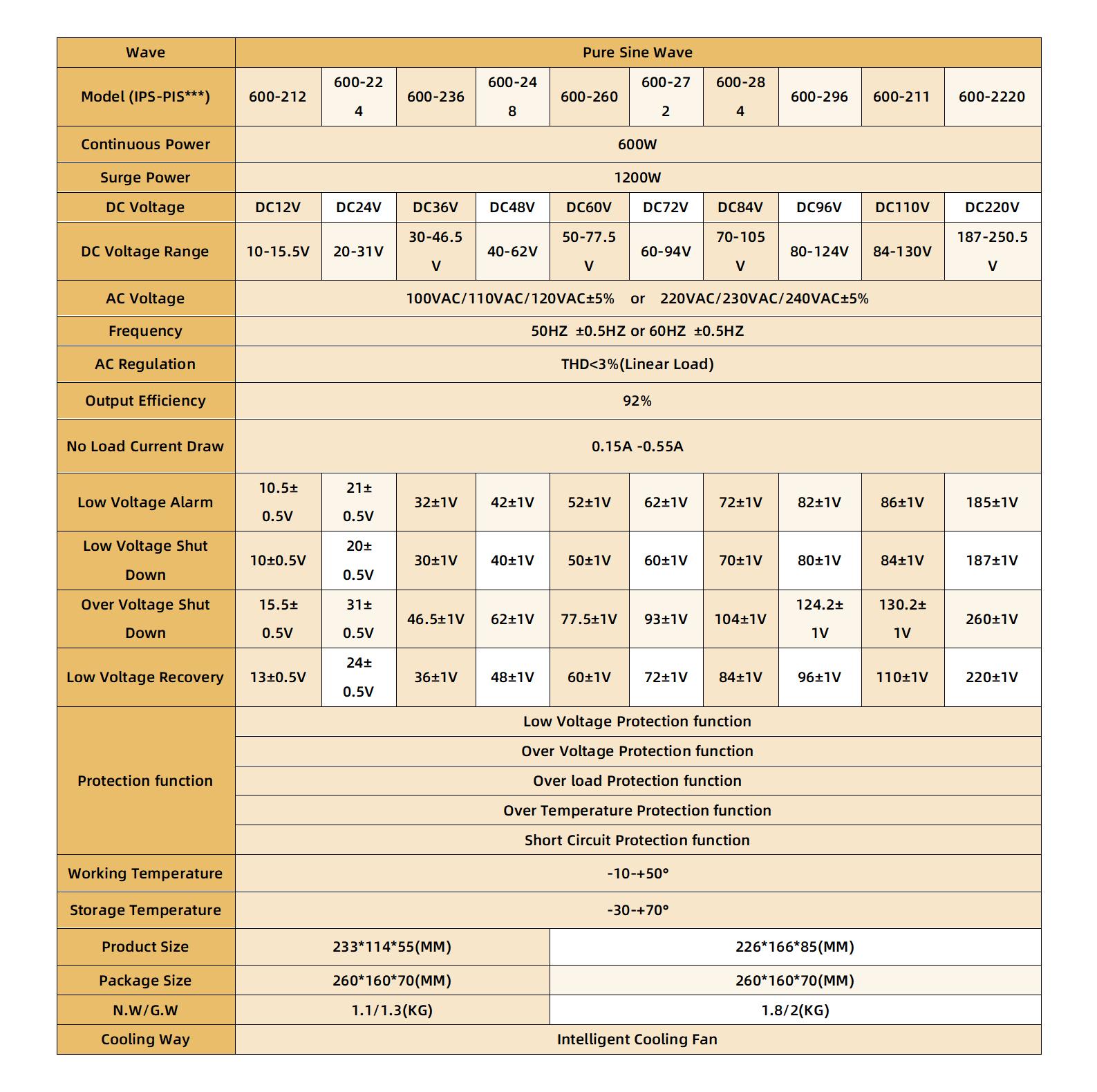
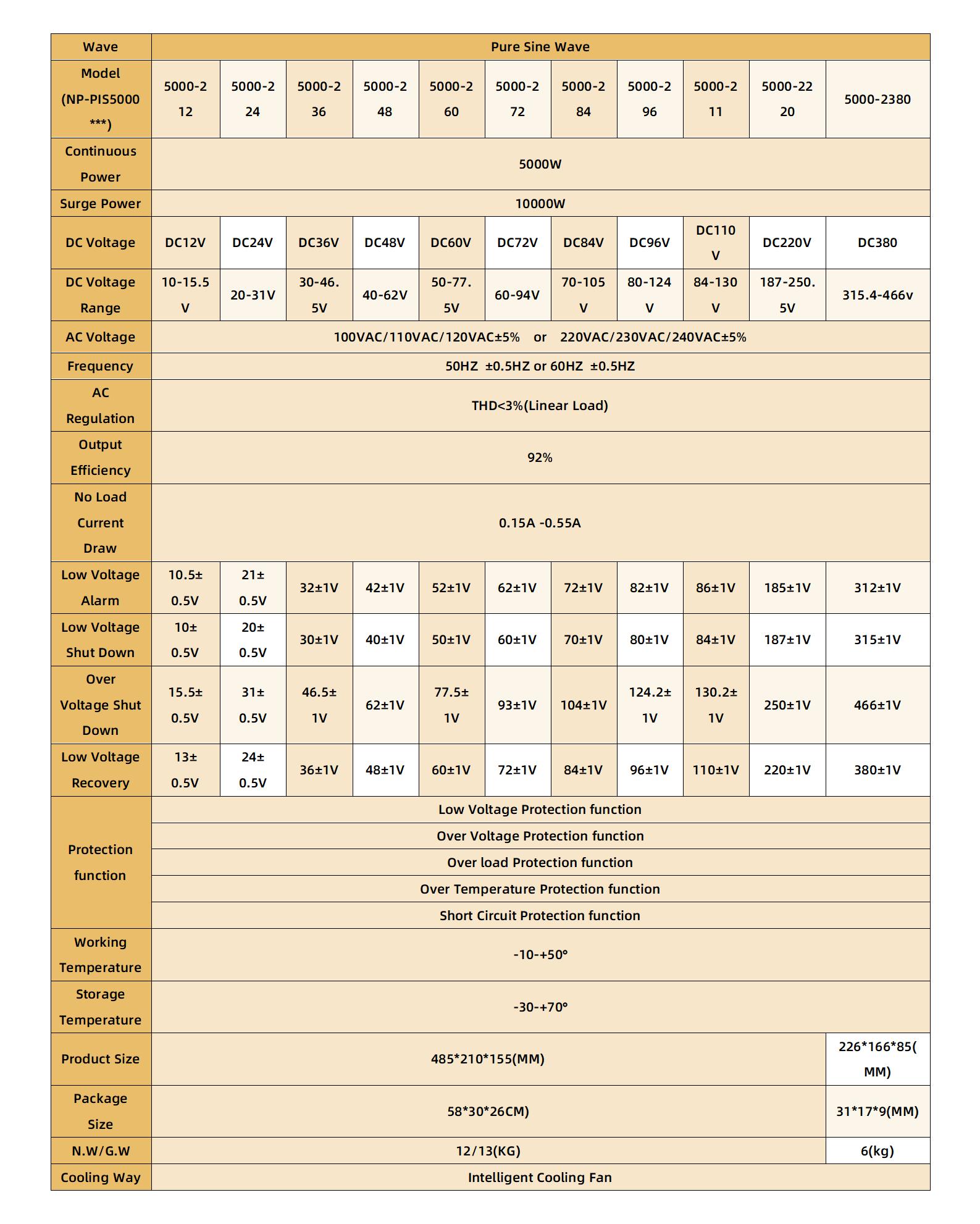
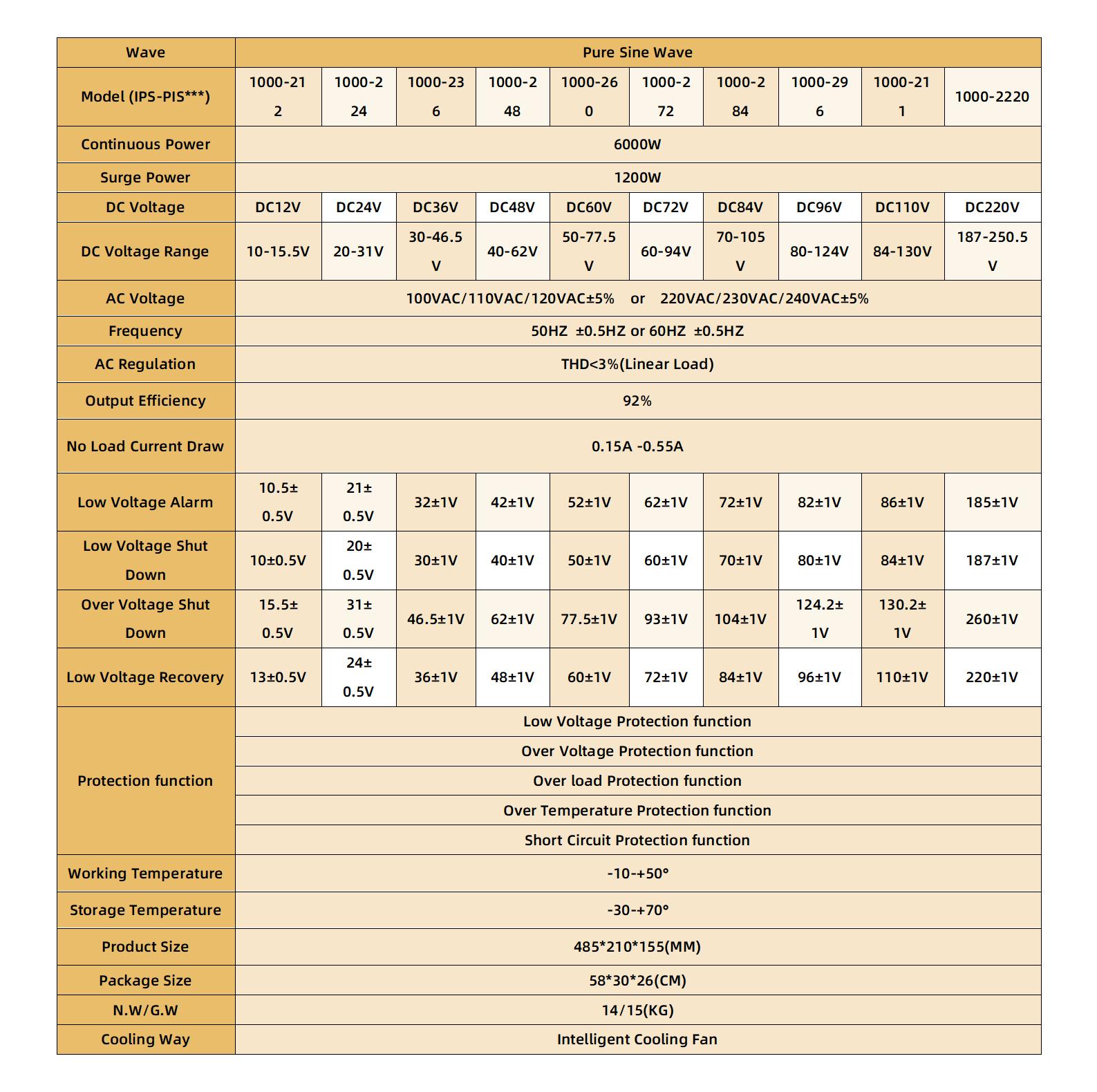
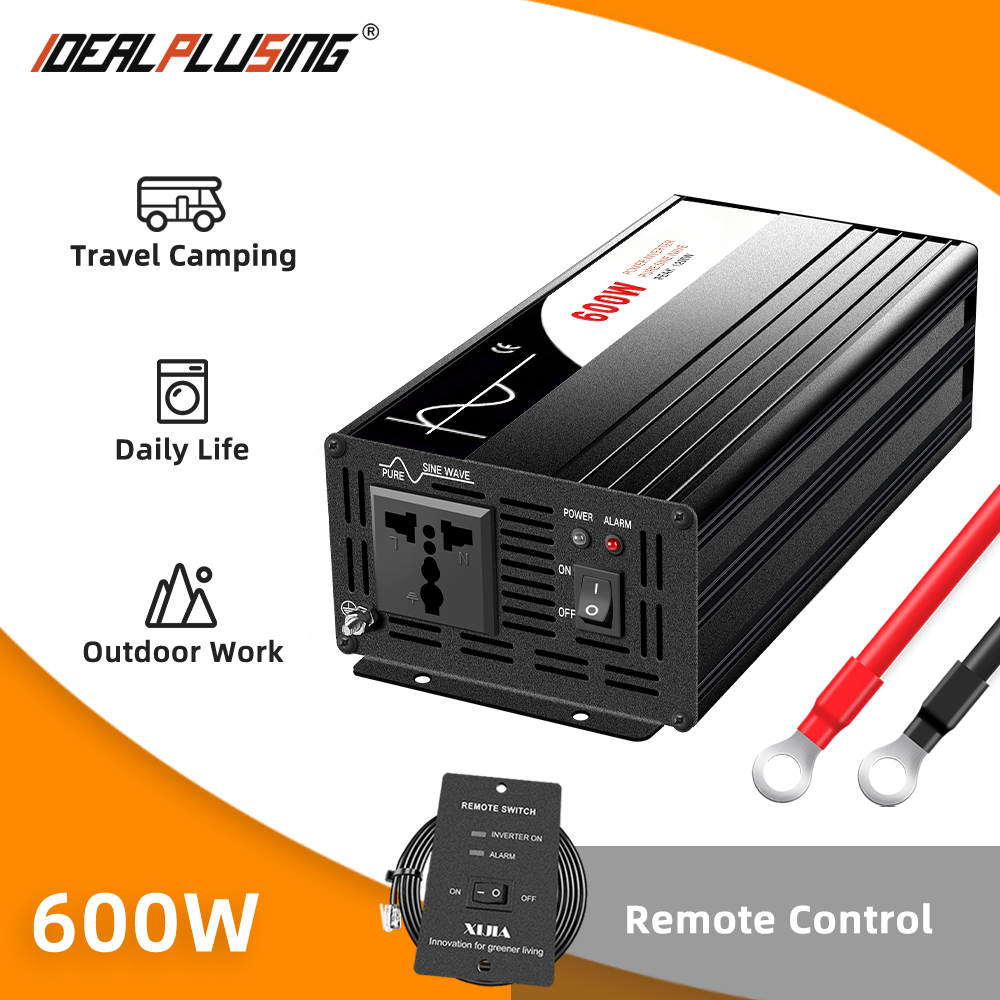
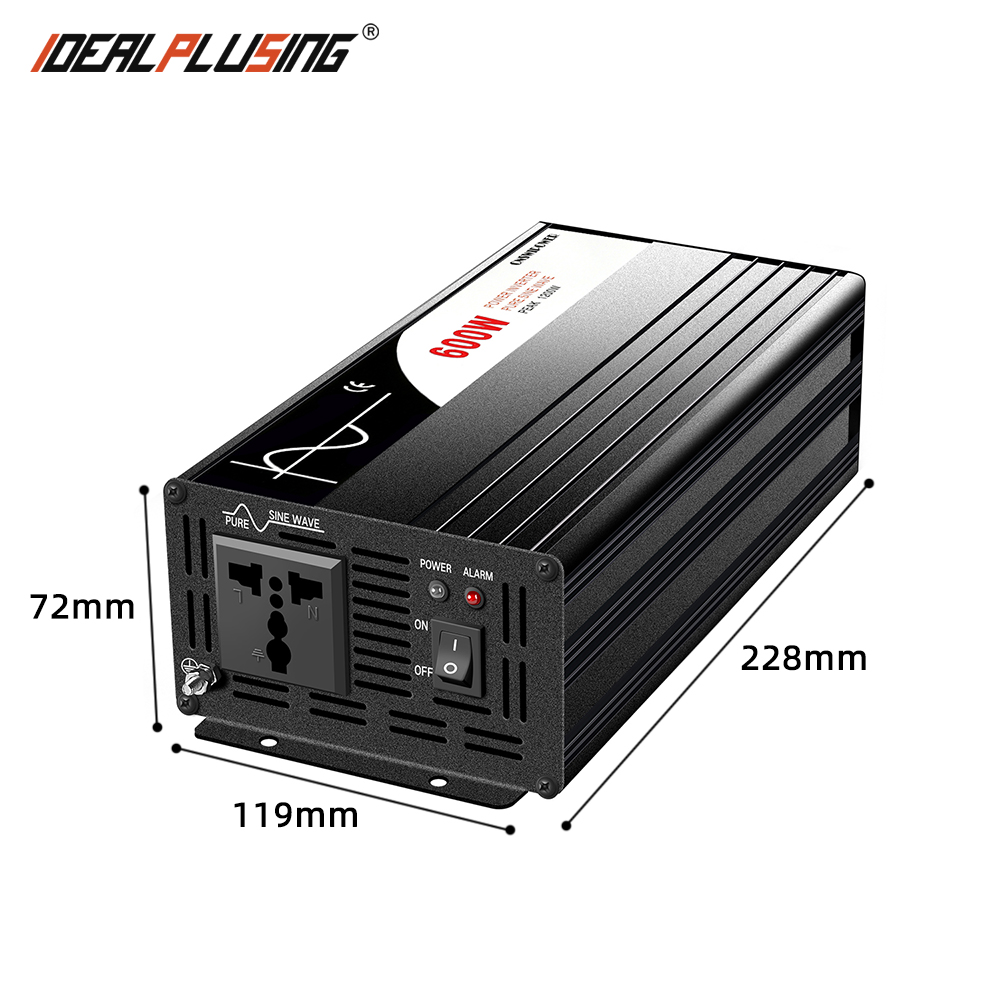
600W
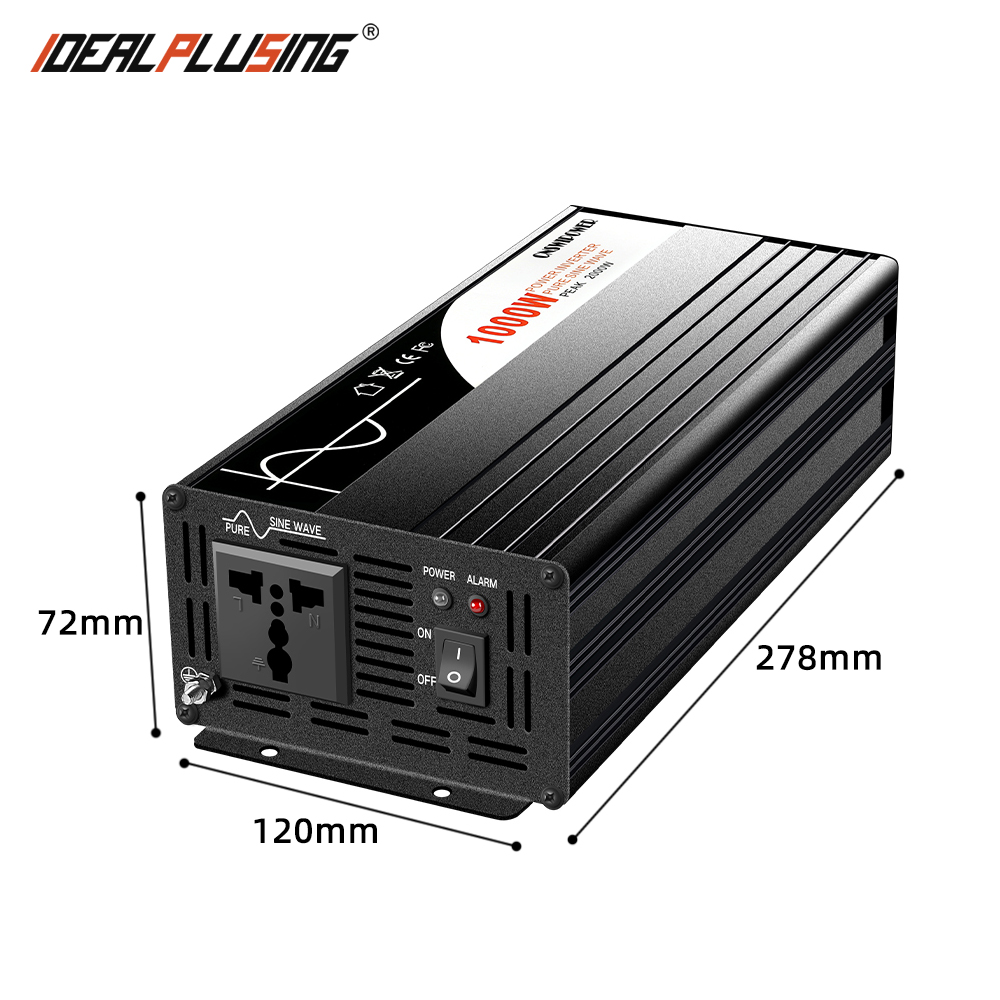
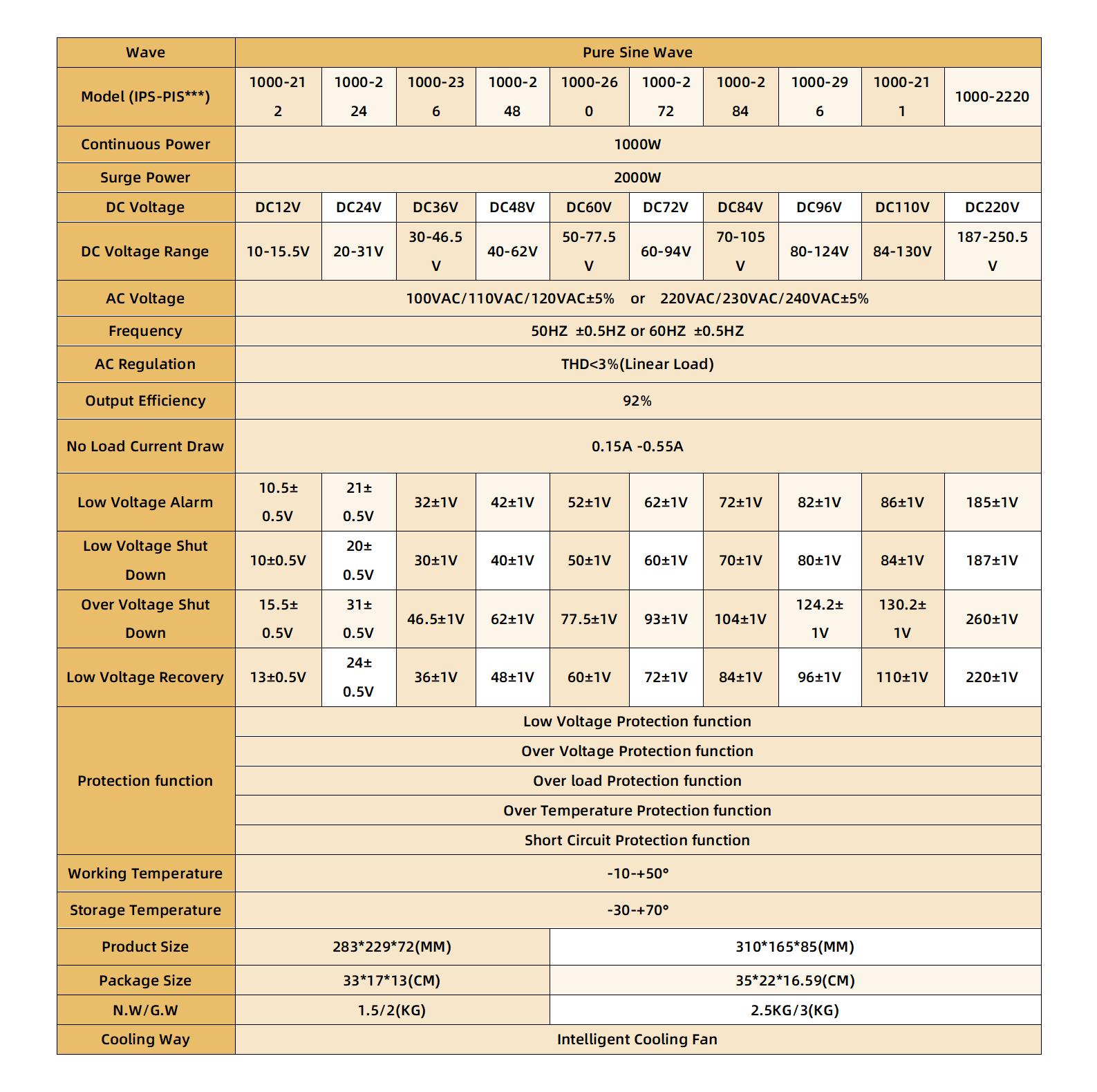
1000W
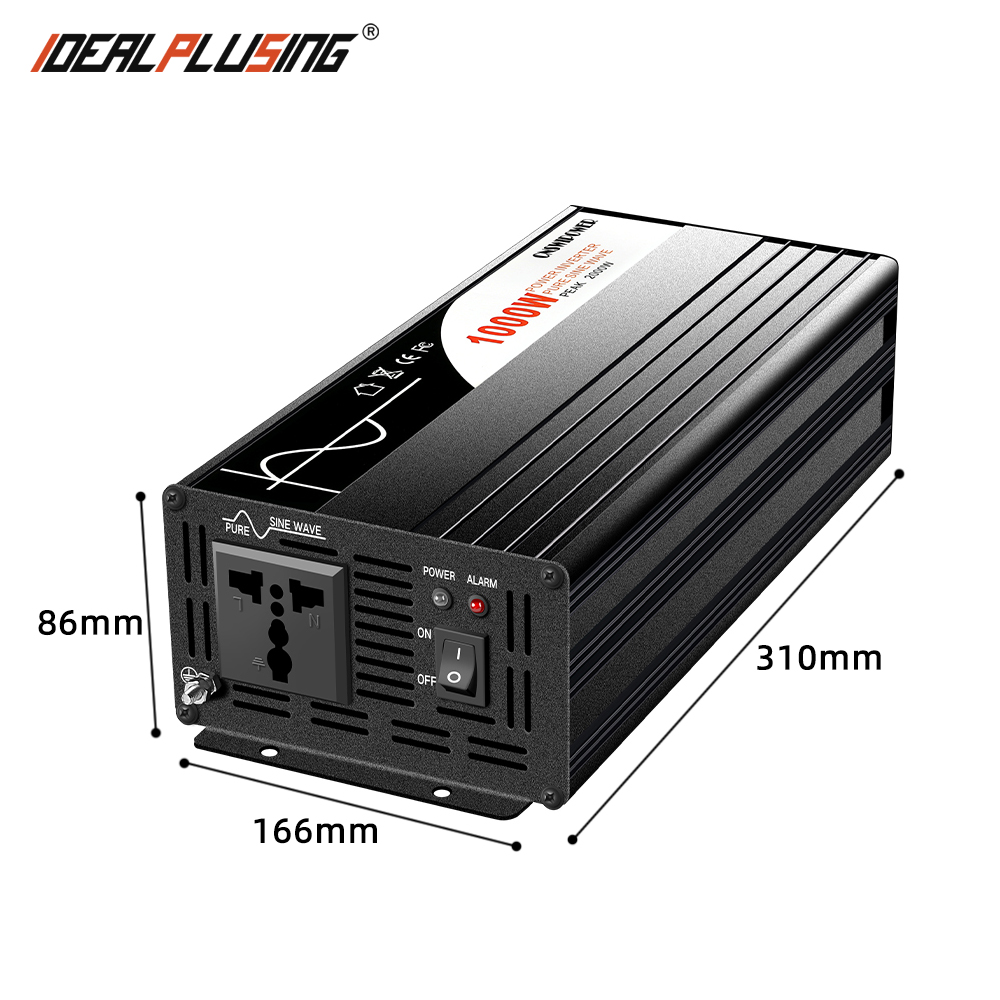
1000W (Compact)
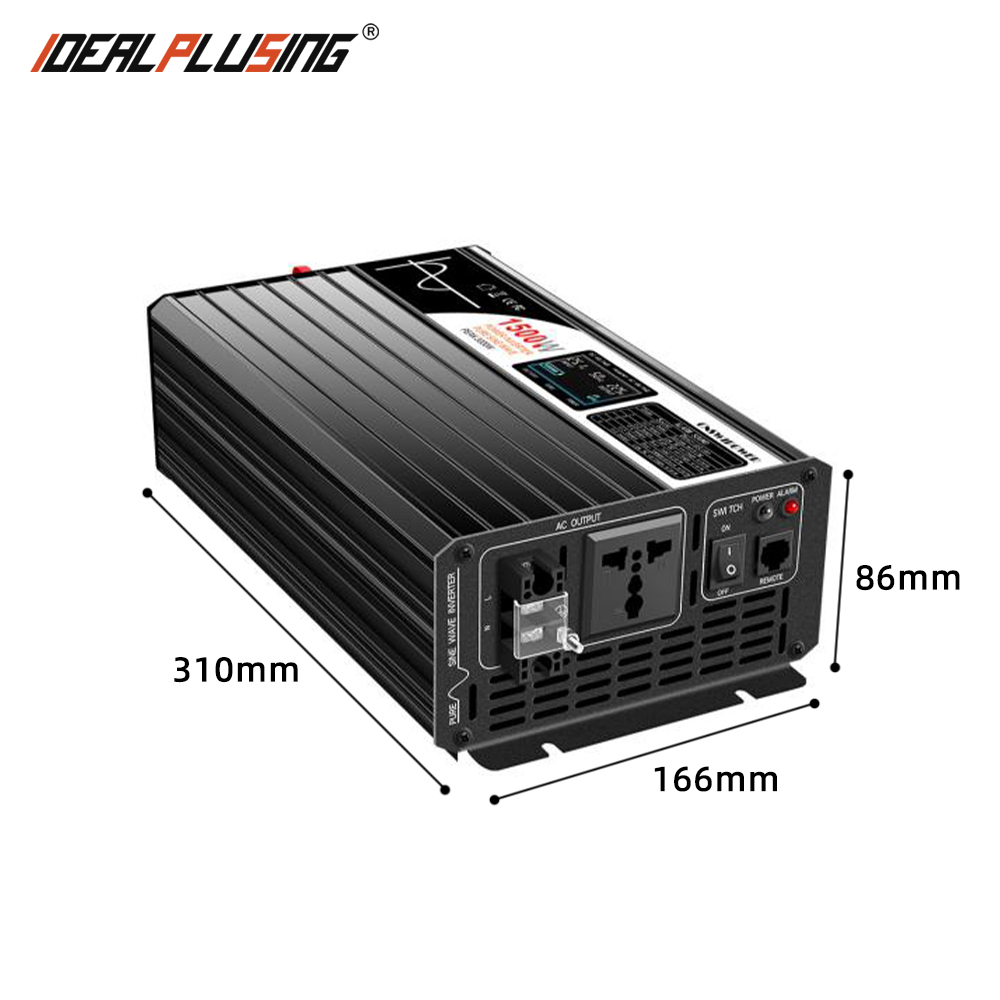
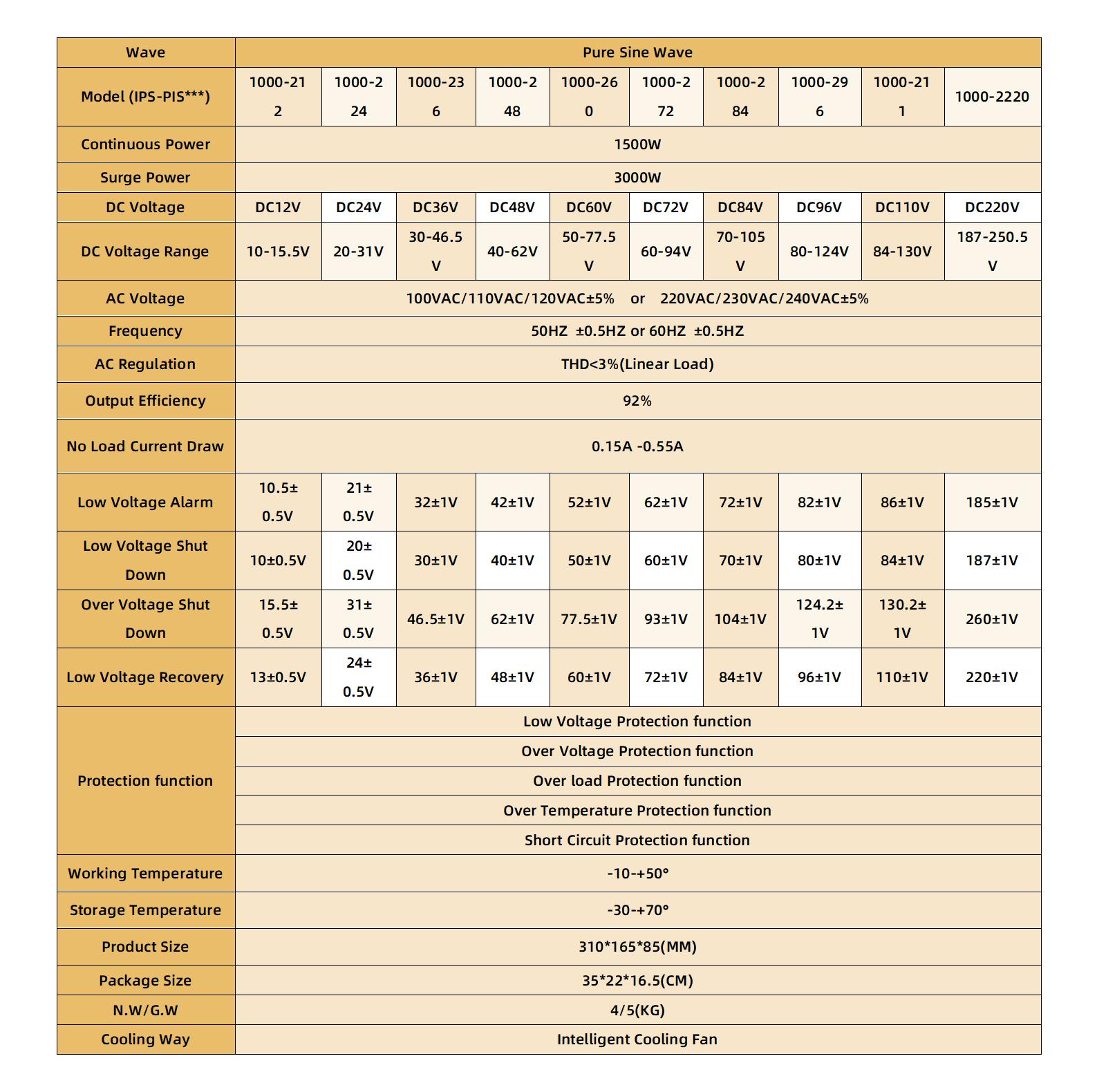
1500W
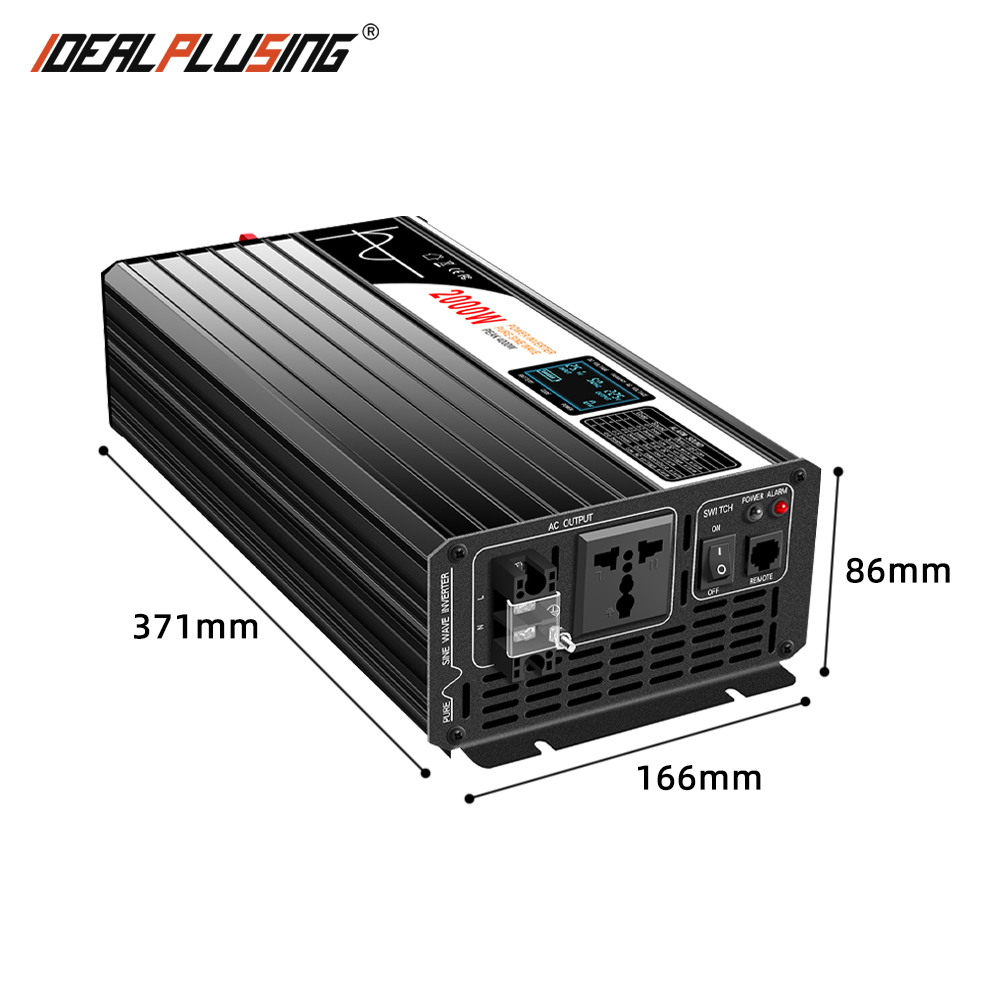
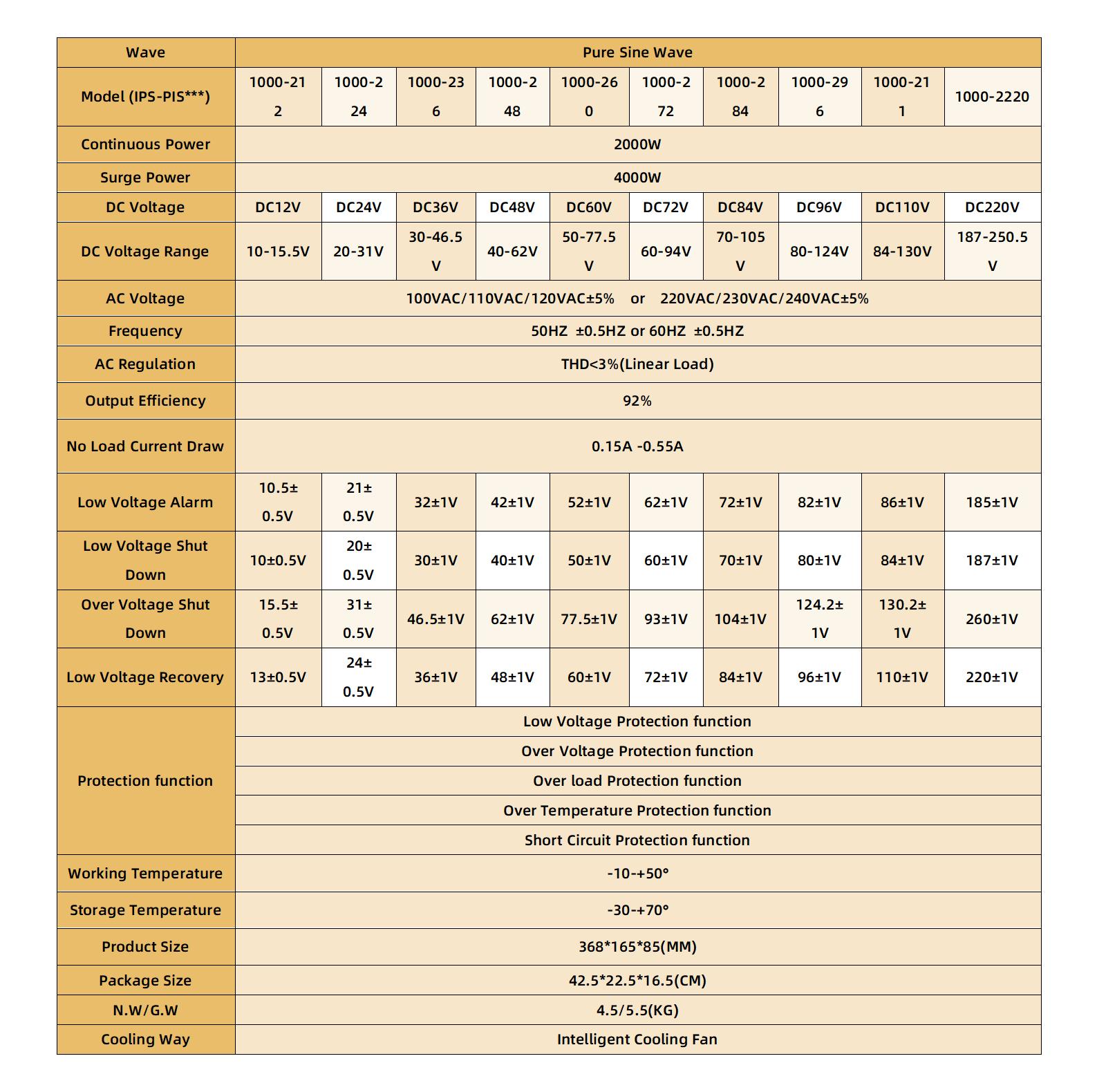
2000W
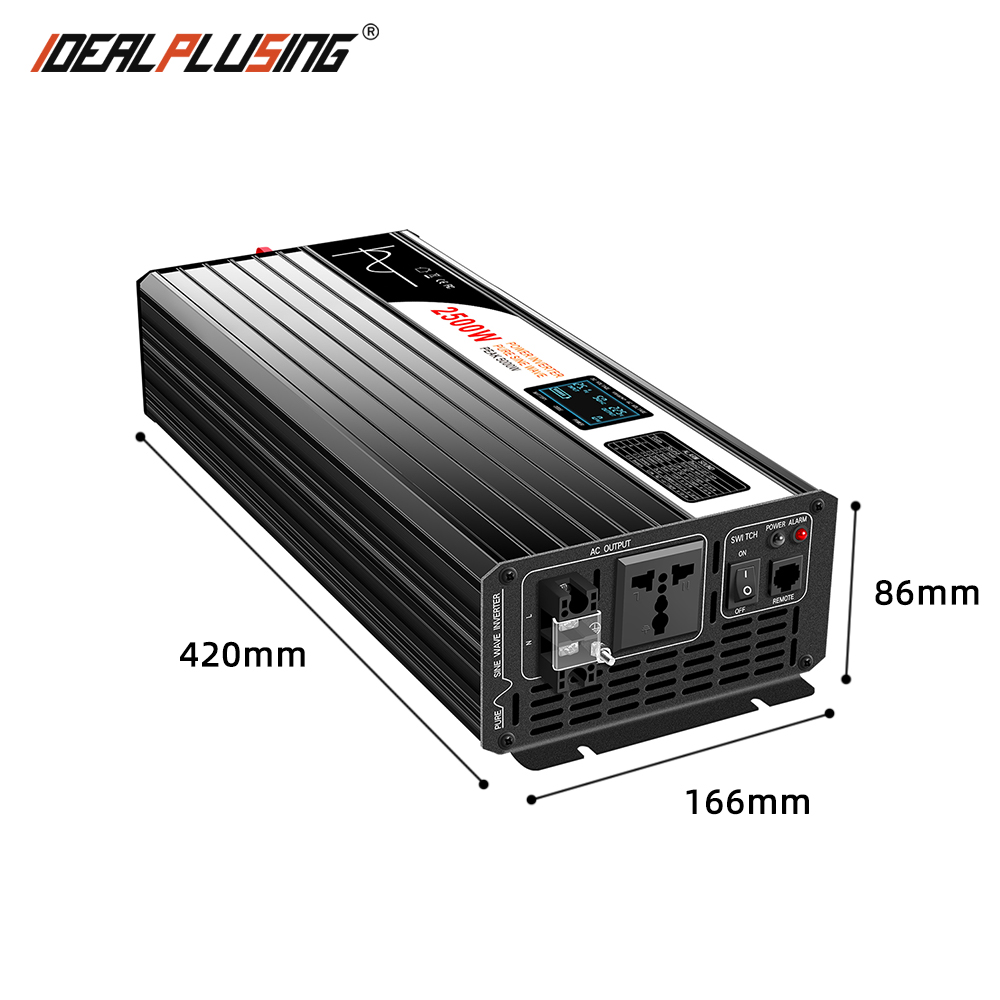
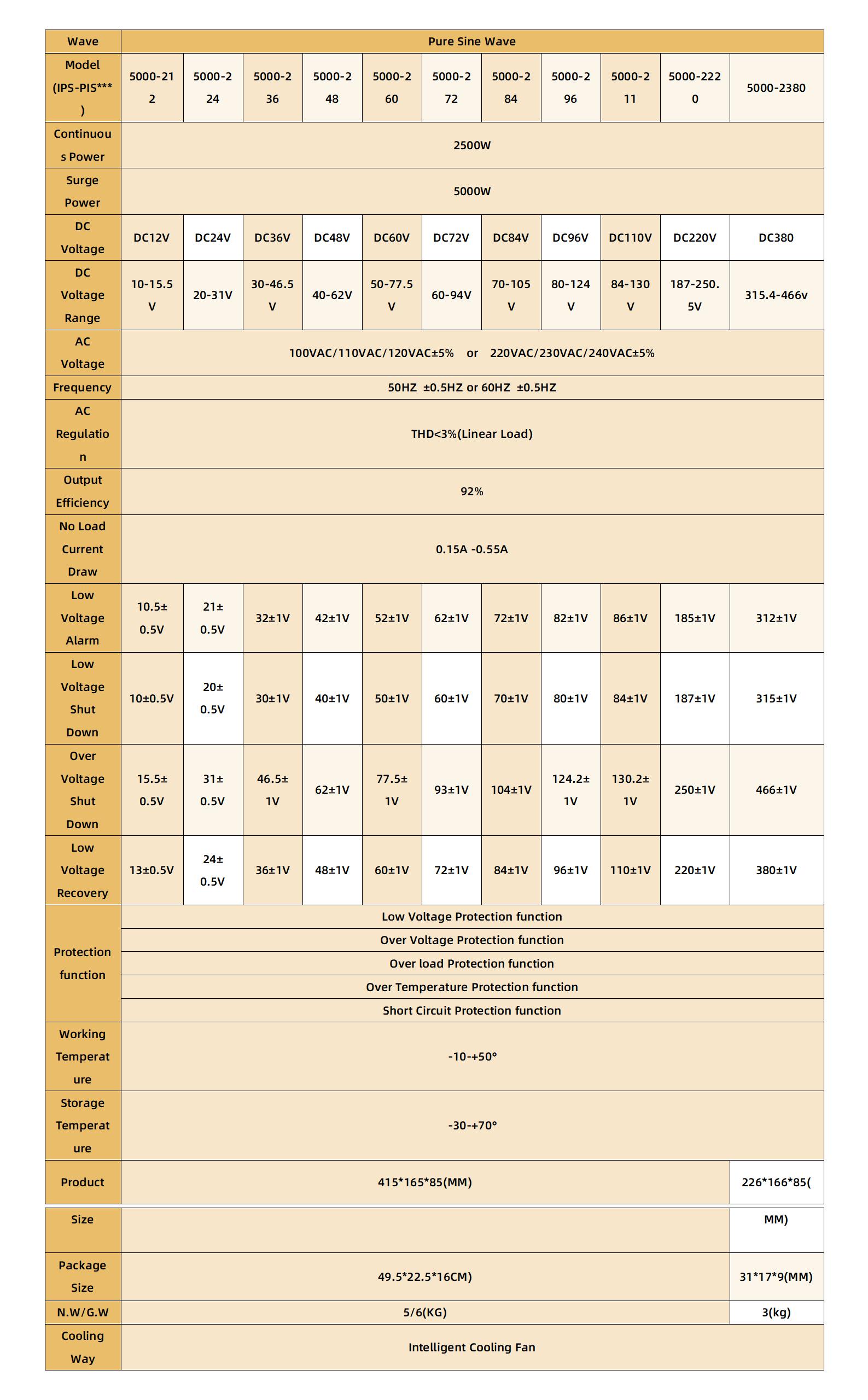
2500W
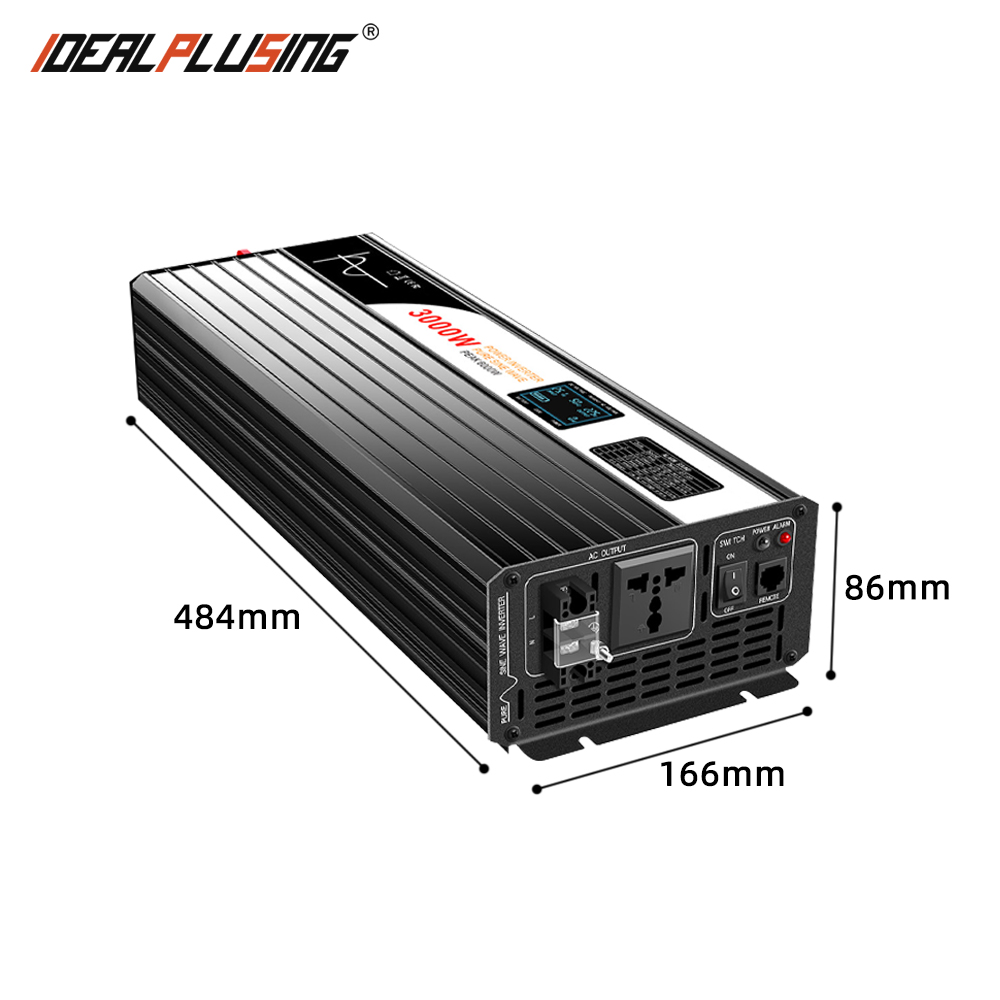
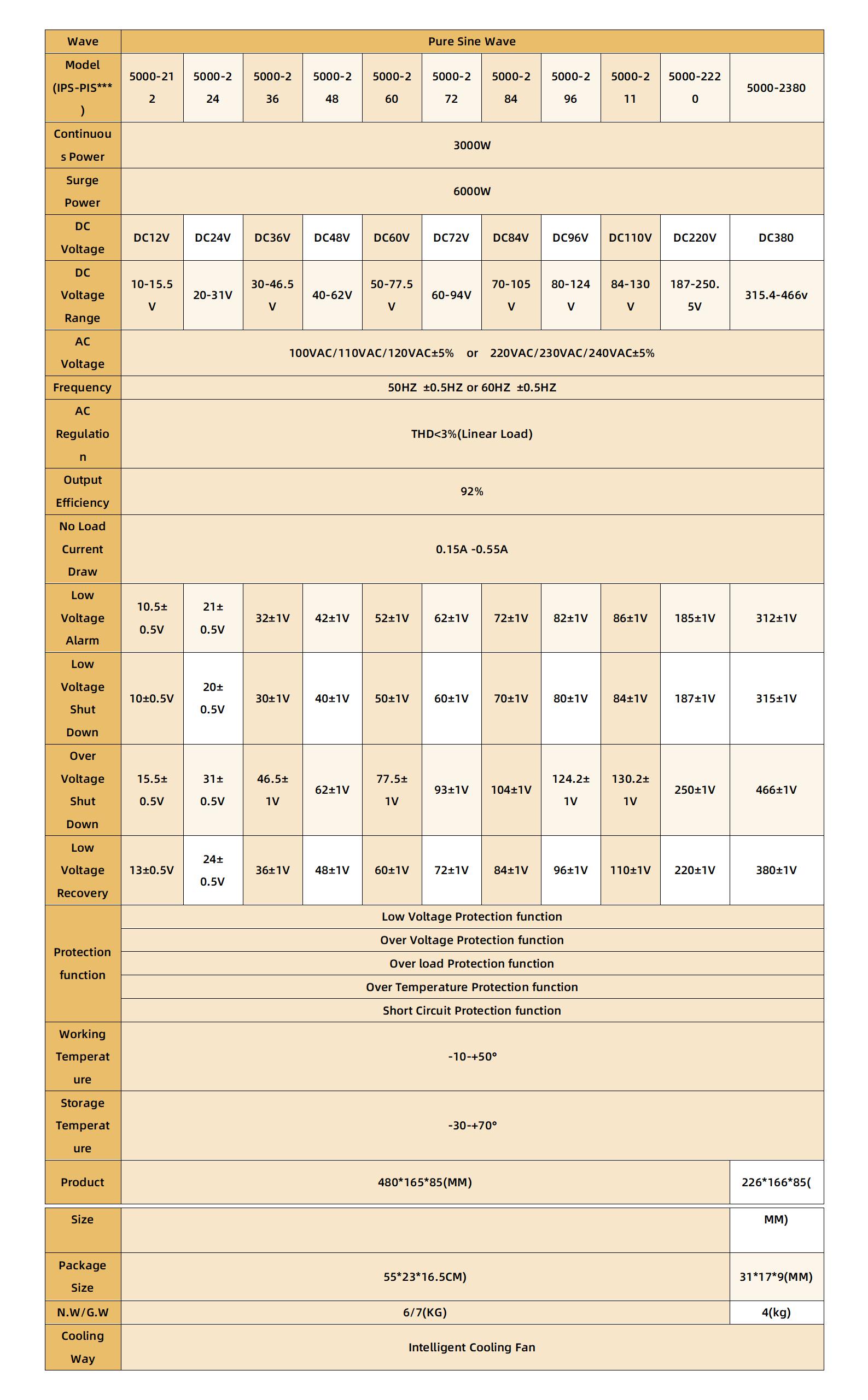
3000W
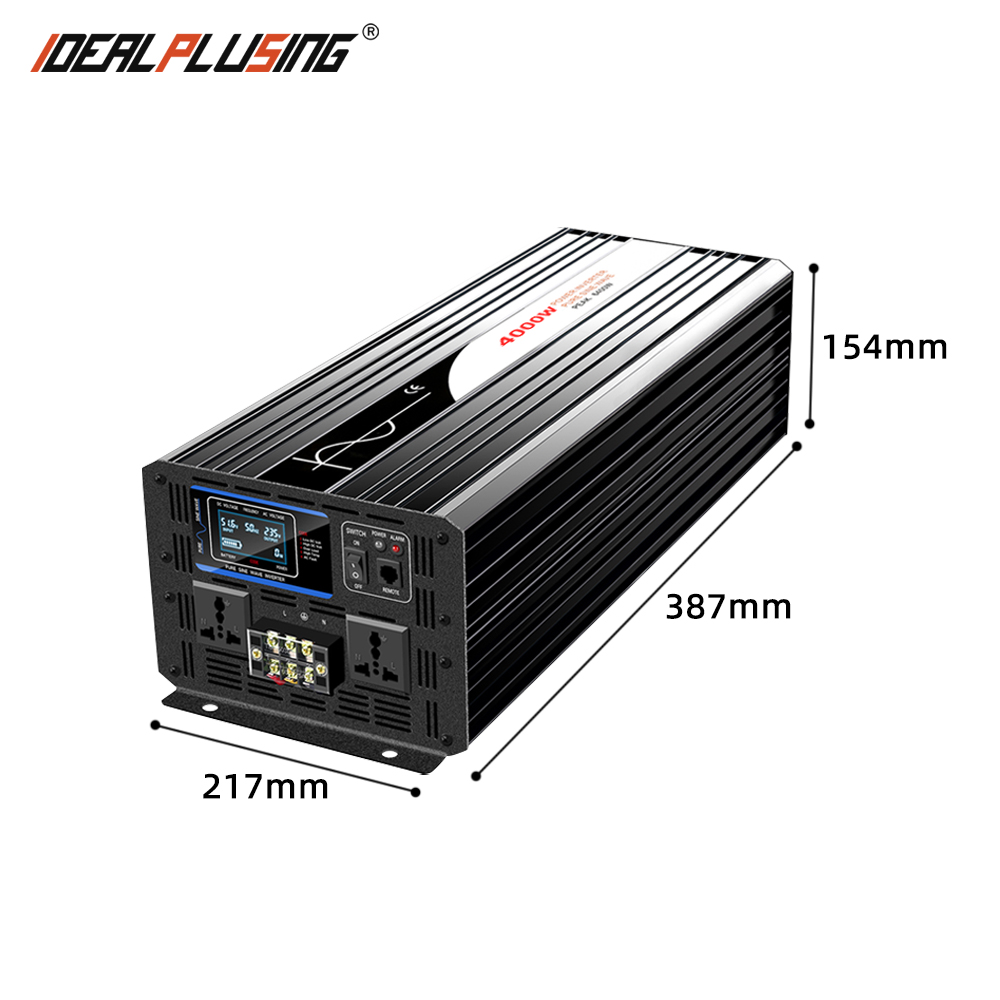
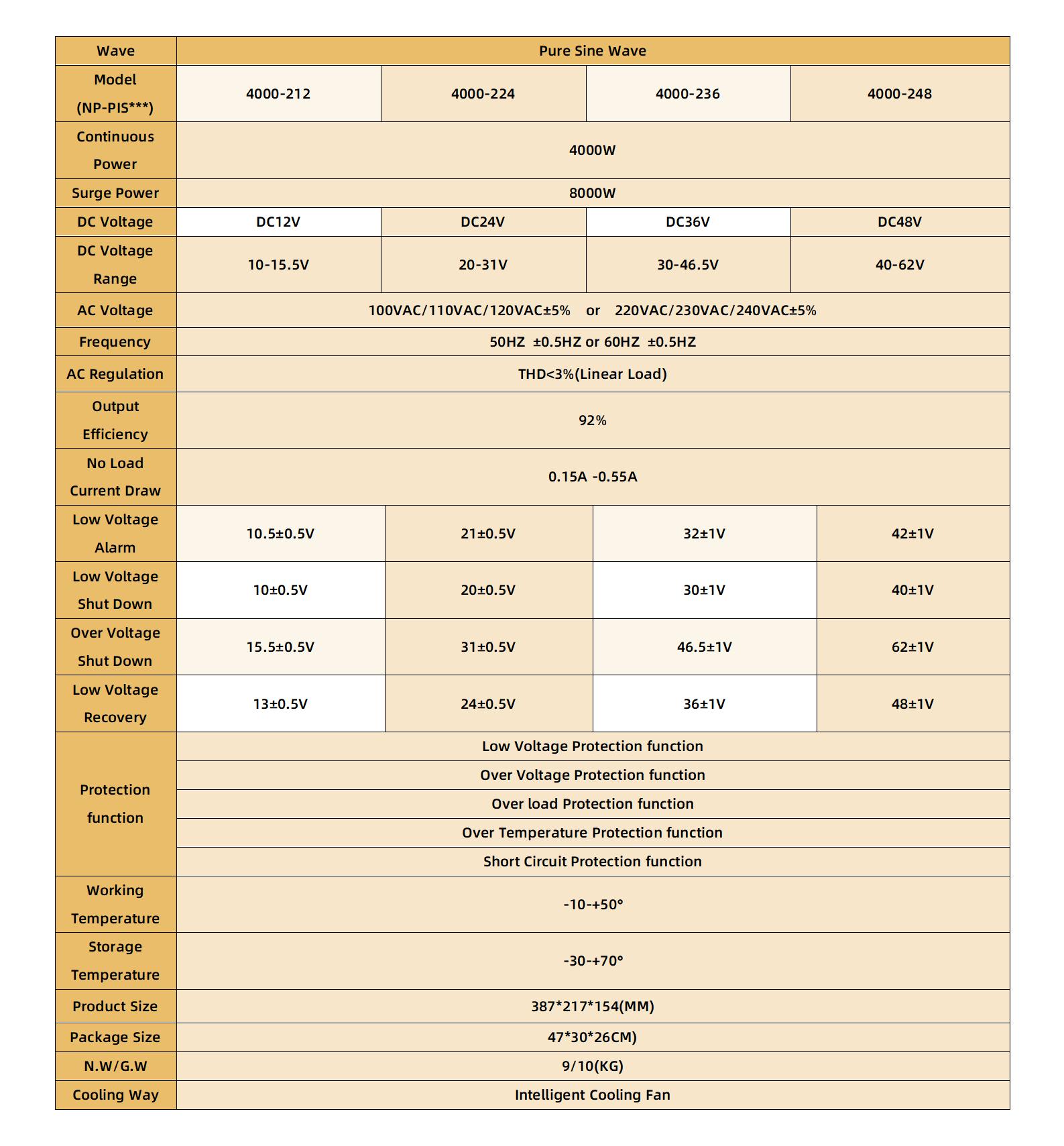
4000W
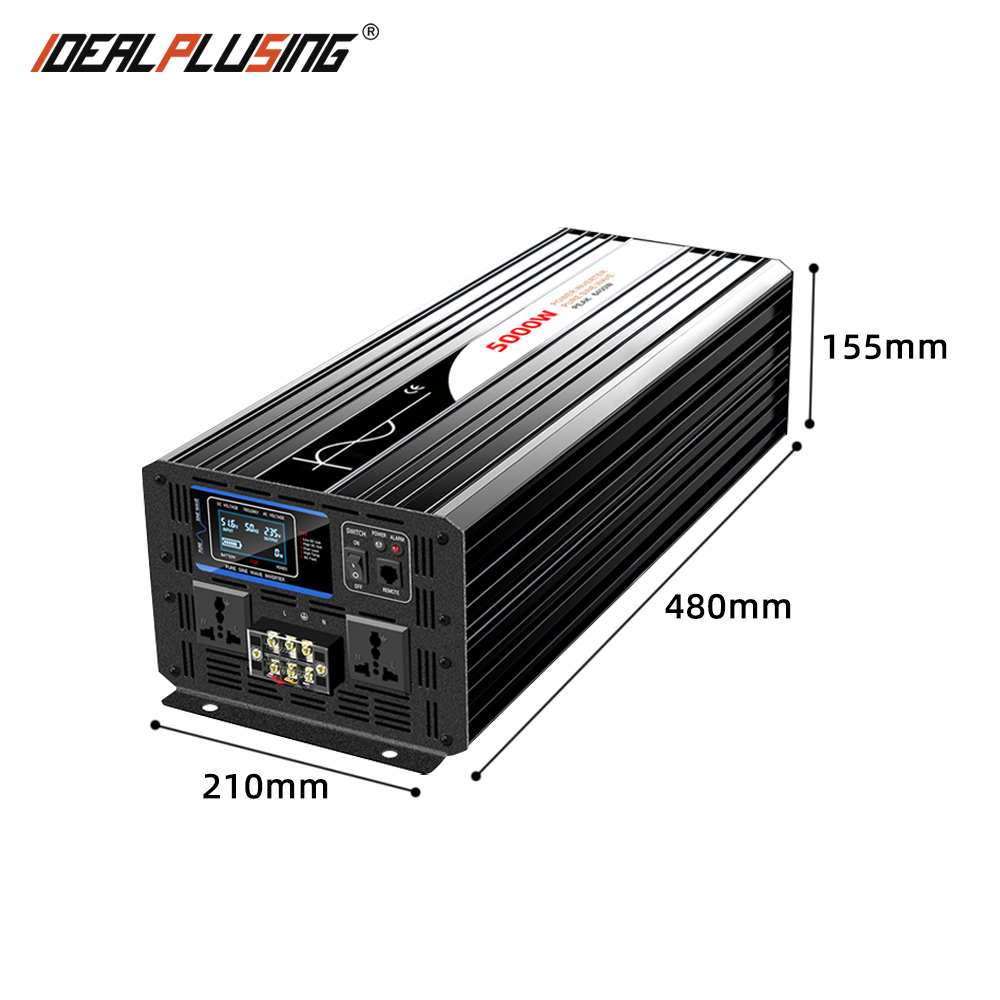
5000W
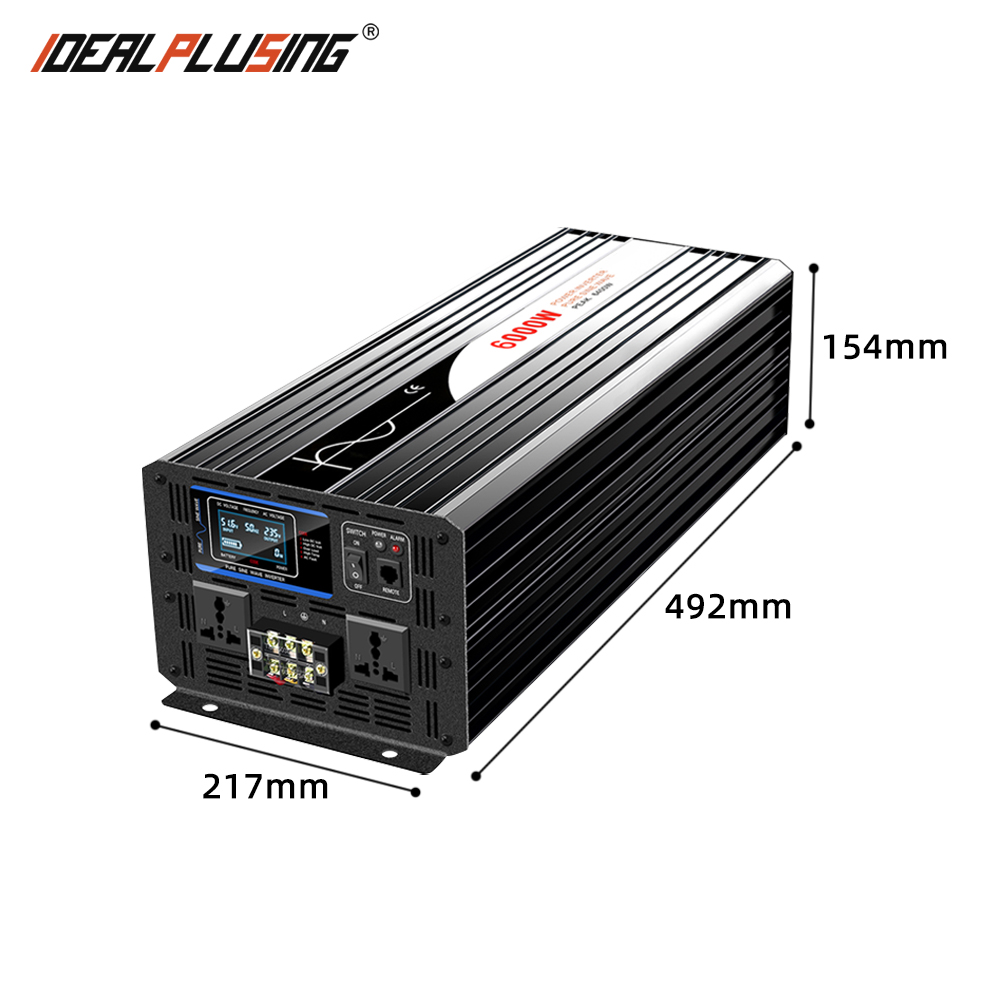
6000W
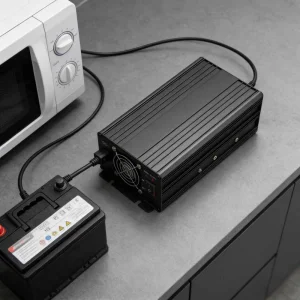
Refers to a pure resistive load that works through a resistor-like component. That is, when there is no phase difference between the load current and the load voltage compared to the power supply, the load is resistive, such as an ordinary incandescent lamp (filament). It always attracts a constant power (watt). Representative appliances: Incandescent lamps, induction cookers, fans, computers, microwave ovens. For example: a nominal 2000W induction cooker can be driven by a 2000W inverter!
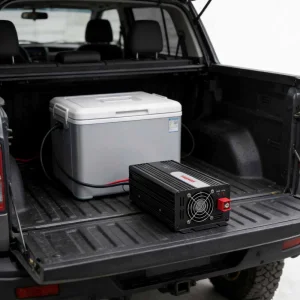
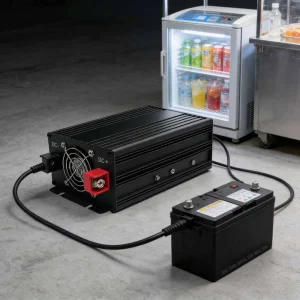
Refers to high-power electrical products made using electromagnetic induction, such as motors, compressors, relays, etc. These products require a much larger starting current (about 3-7 times) than normal operation. For example, a refrigerator consuming 150W can have a starting power of more than 1000W. Peak voltage spikes can easily cause inverter overload. Representative appliances: Refrigerators, washing machines, air conditioners, water pumps, electric tools.
Generally refers to a load with capacitance parameters where voltage lags current. Representative loads: Switching power supplies, energy-saving lamps, electric vehicle charging power supplies, etc.
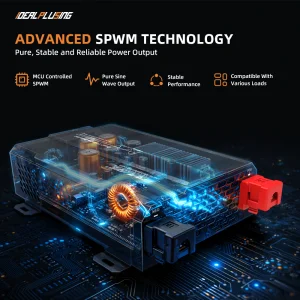
1. Waveform quality: Pure sine wave is consistent with grid power, high quality, and low harmonic content. Modified wave is between square and sine, containing more harmonics.
2. Efficiency and cost: Modified wave inverters are cheaper and often have high conversion efficiency but generate more heat. Sine wave inverters are more complex and expensive.
3. Application scope: Sine wave is suitable for precision equipment and all household appliances. Modified wave is for cost-sensitive, non-precision applications.
4. Load adaptability: Sine wave inverters can meet all AC load applications. Modified wave has poor adaptability and may not support high-quality requirements.
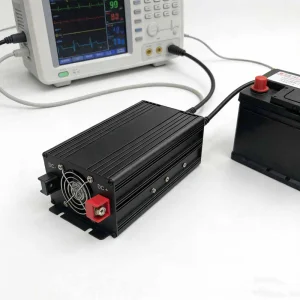
5. Impact on equipment: Sine wave provides clean power for medical and lab equipment. Modified wave may cause high-frequency interference to communication and precision devices.