1 / 5
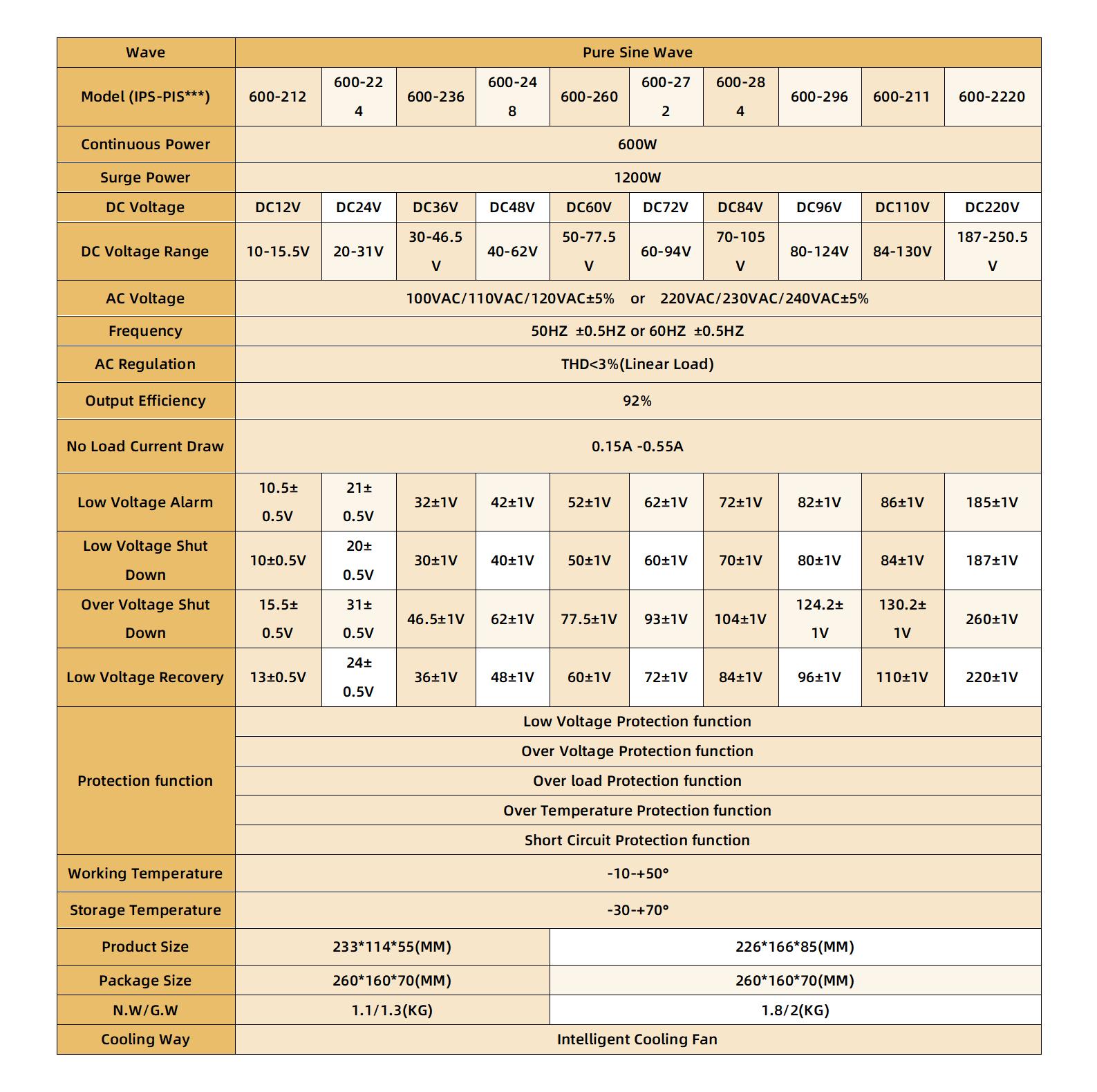
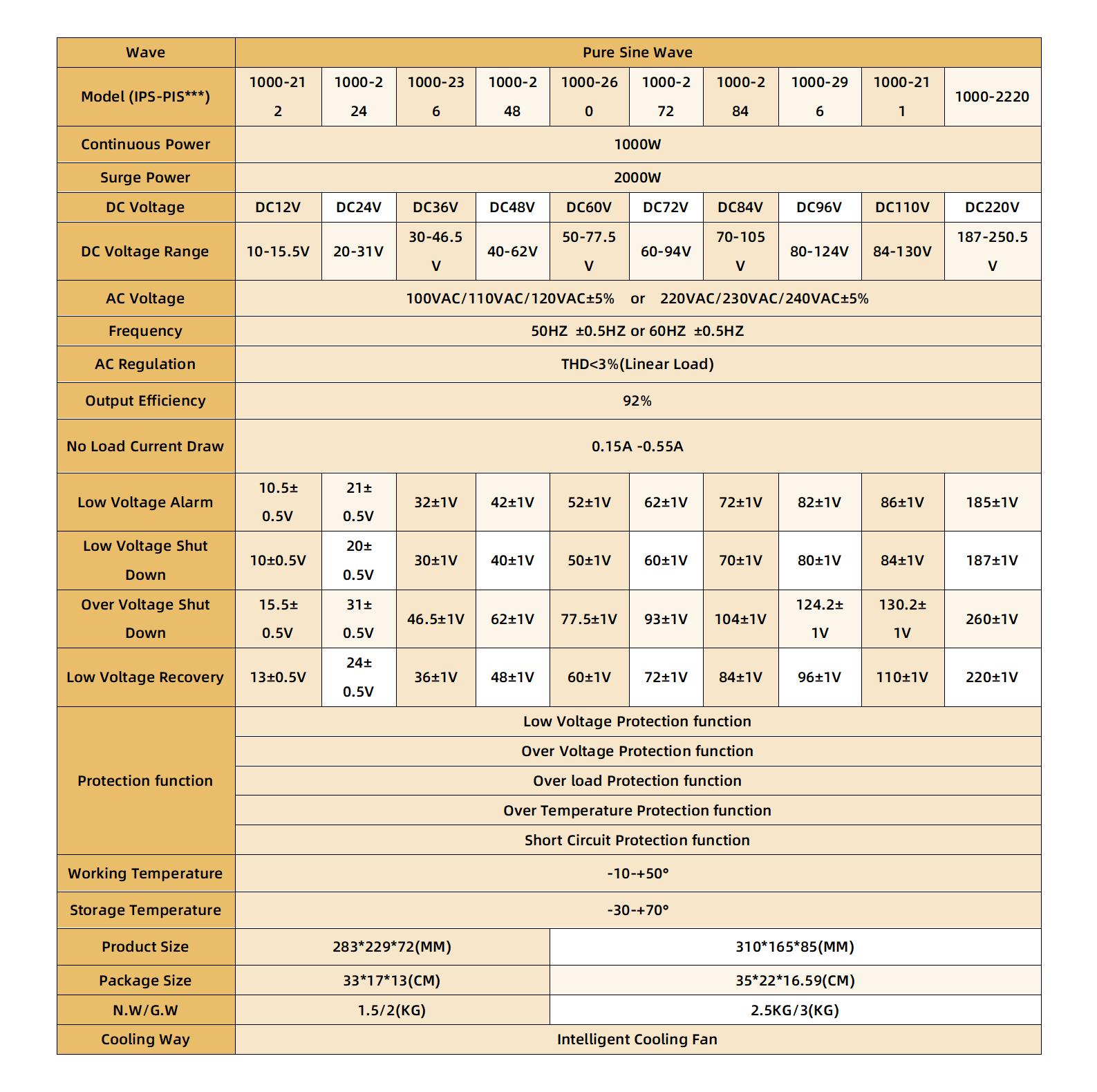
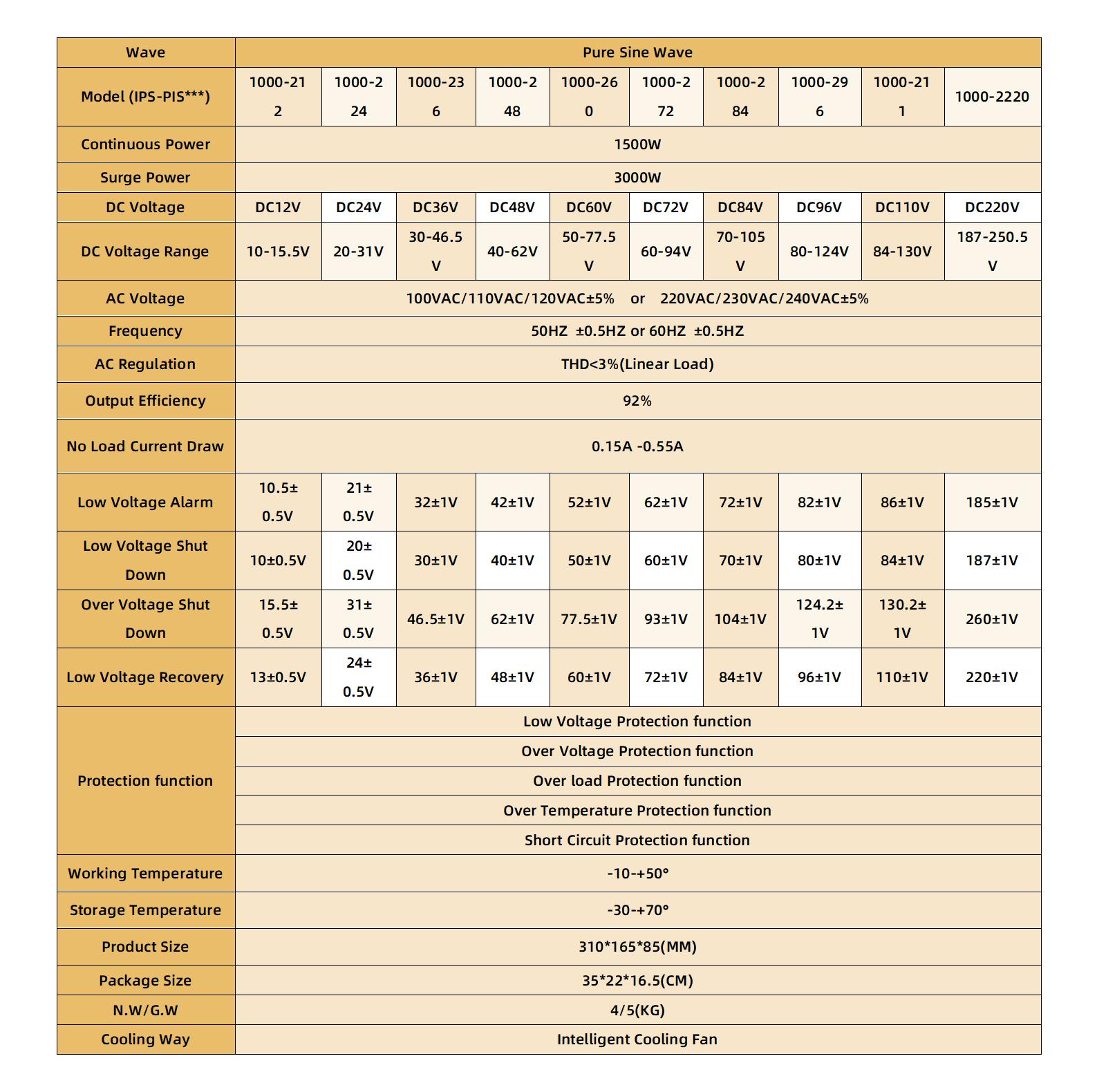
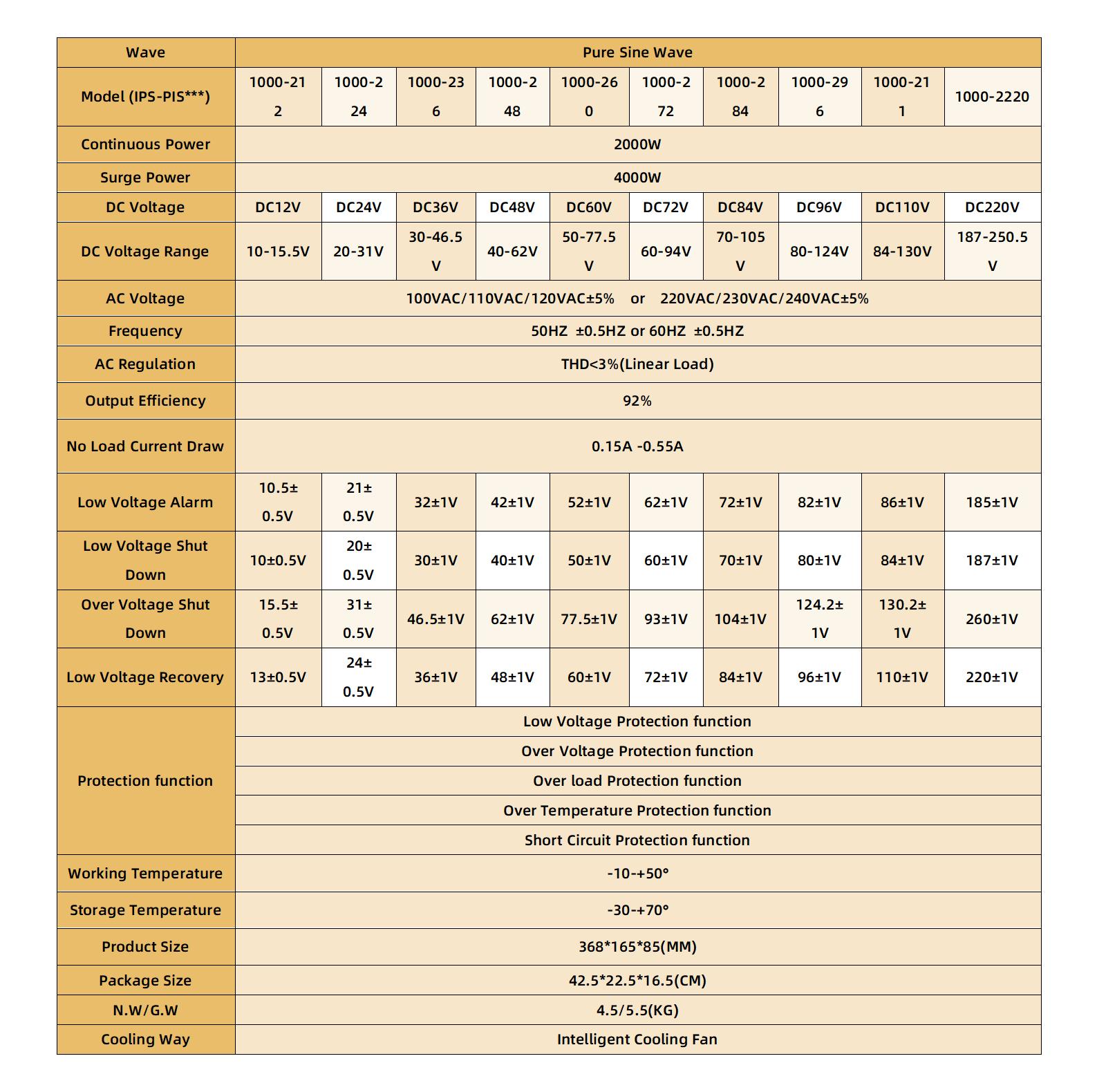
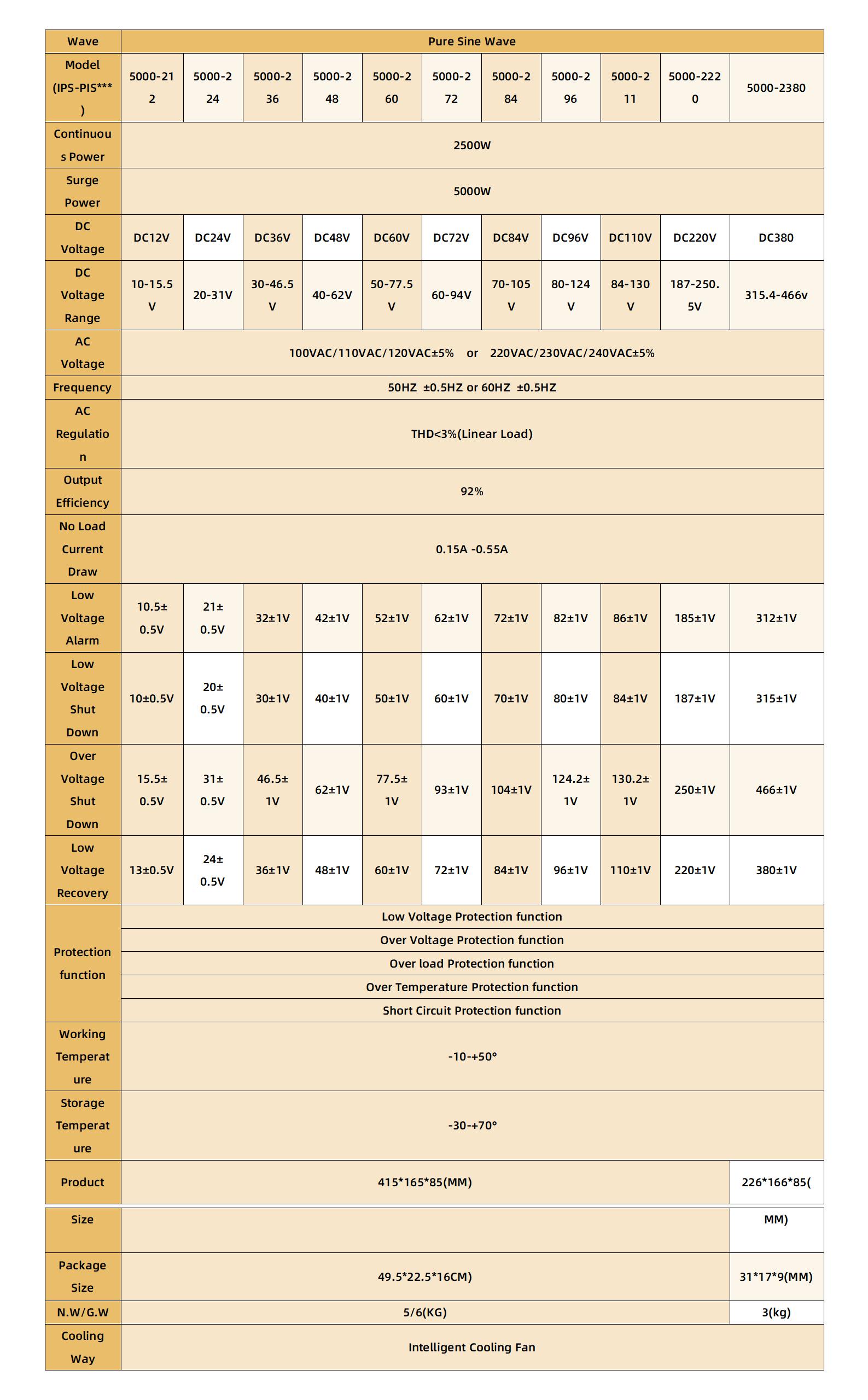
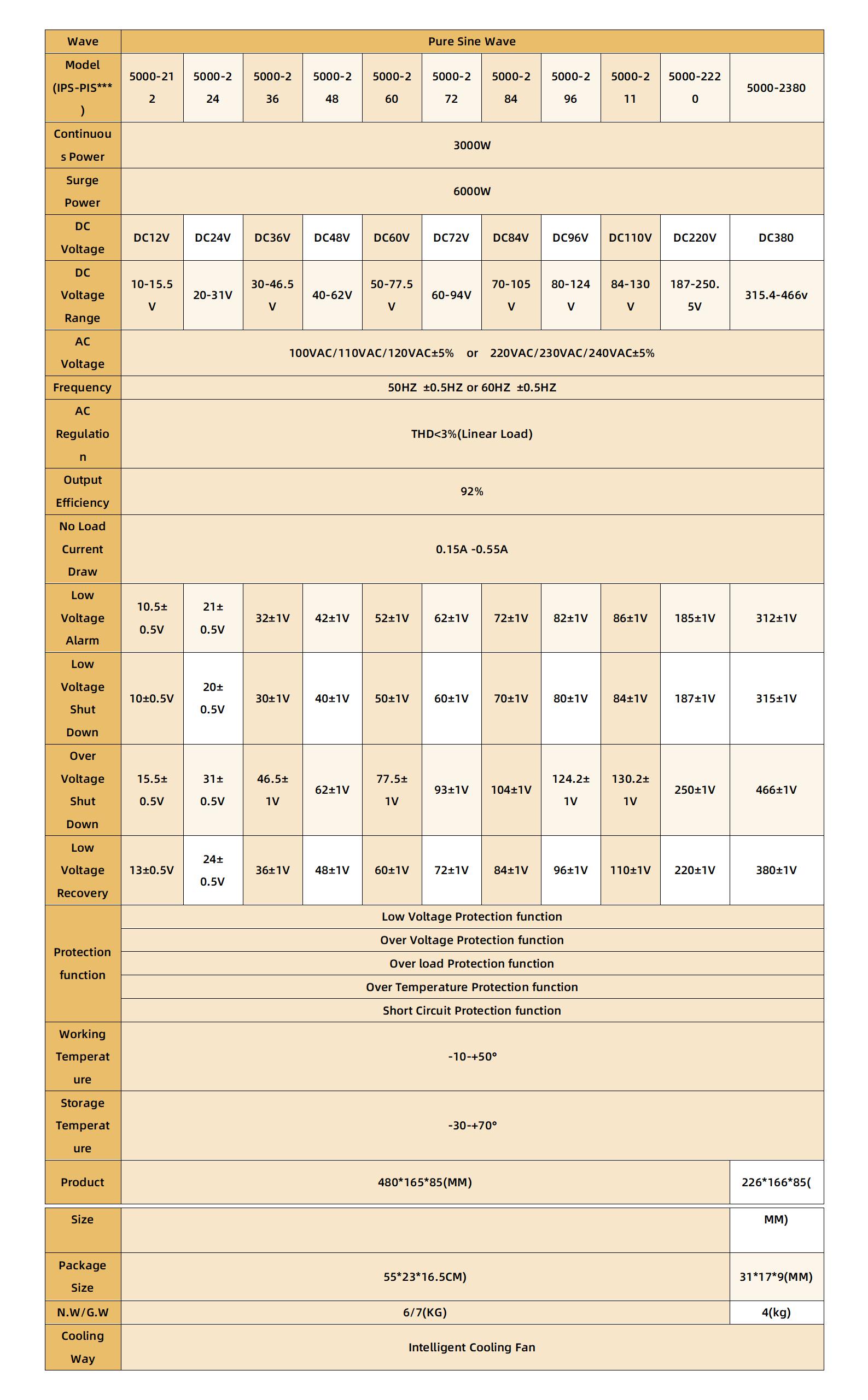
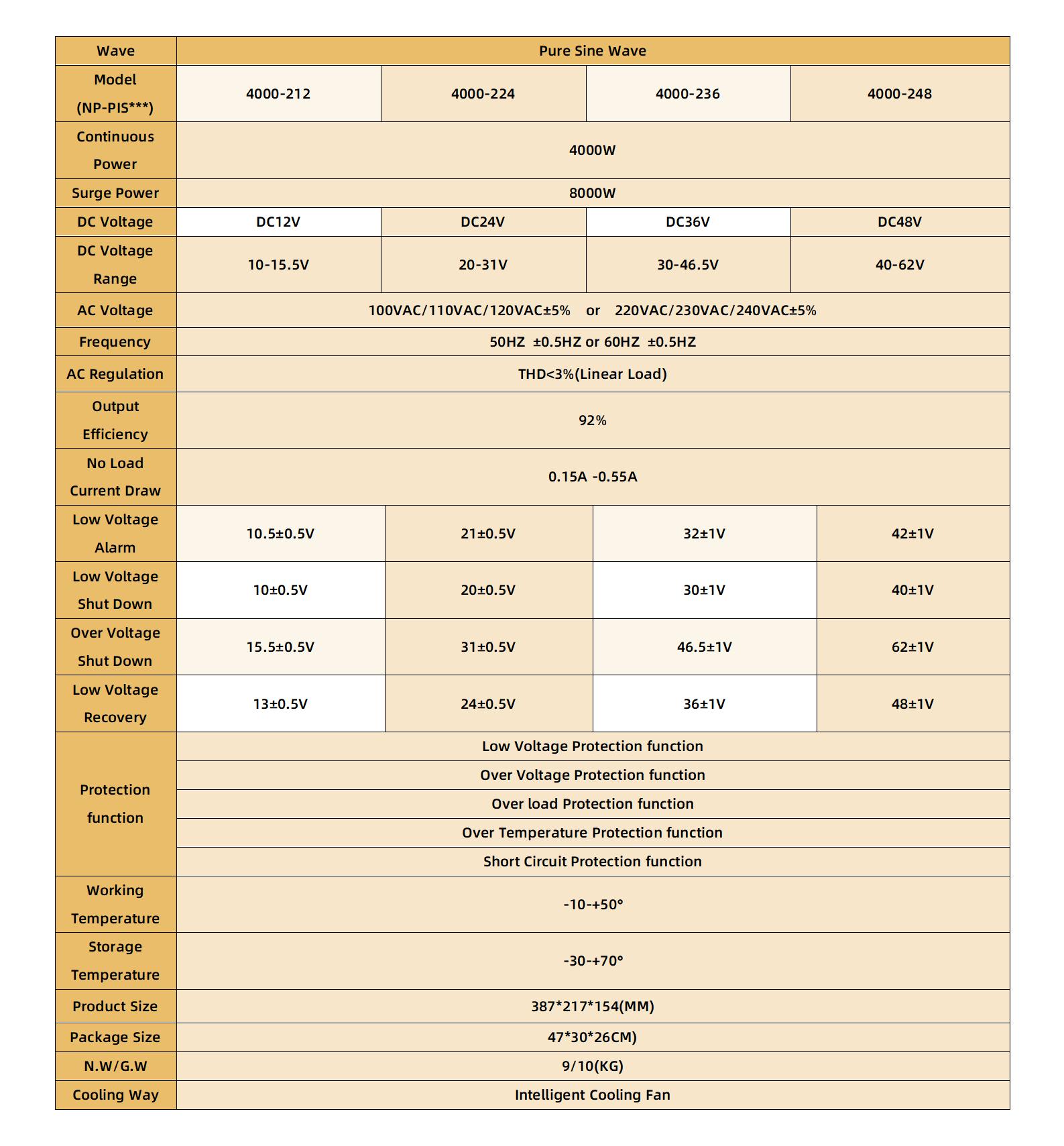
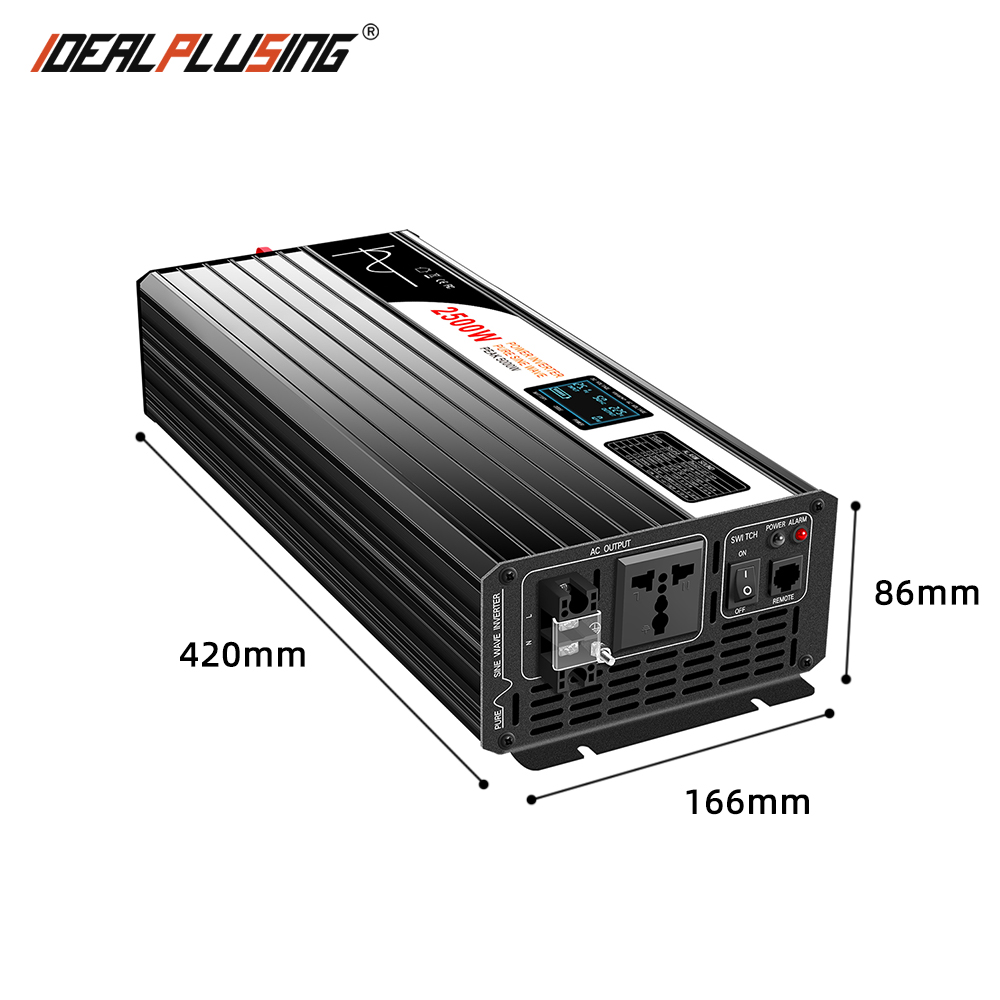
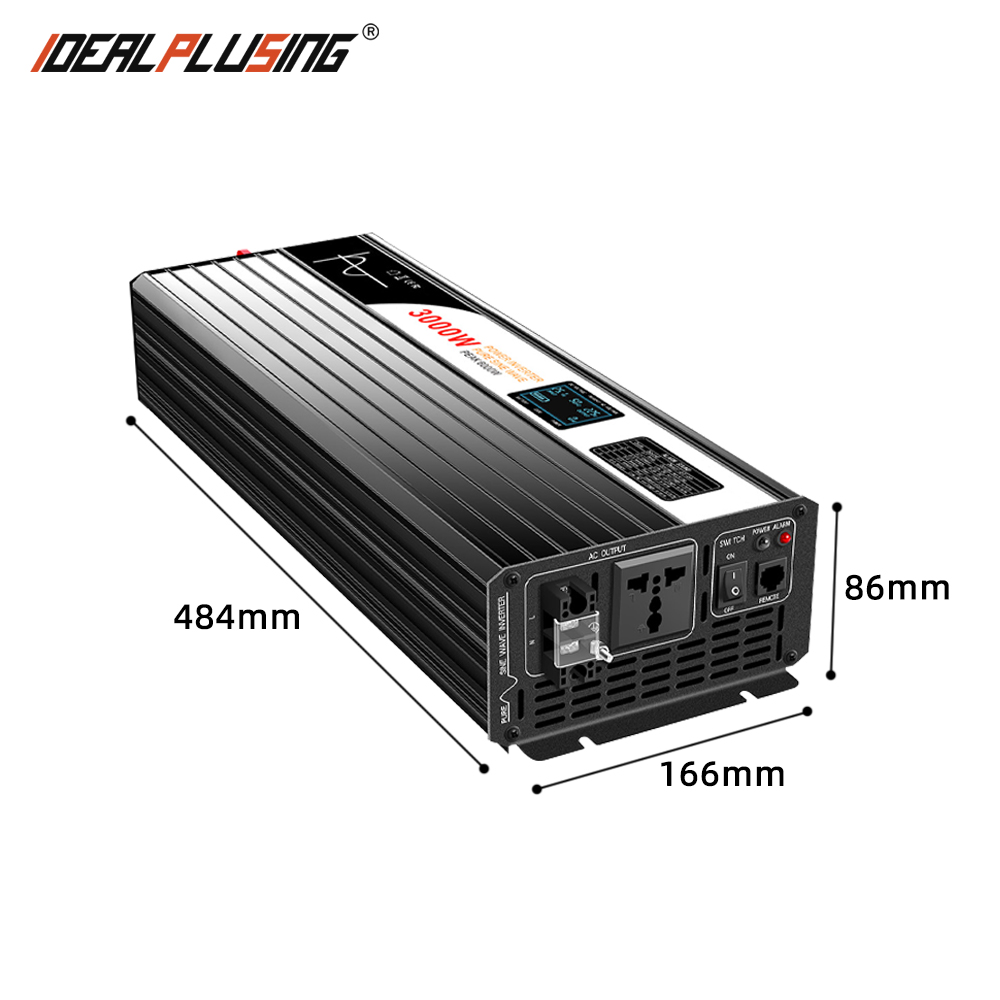
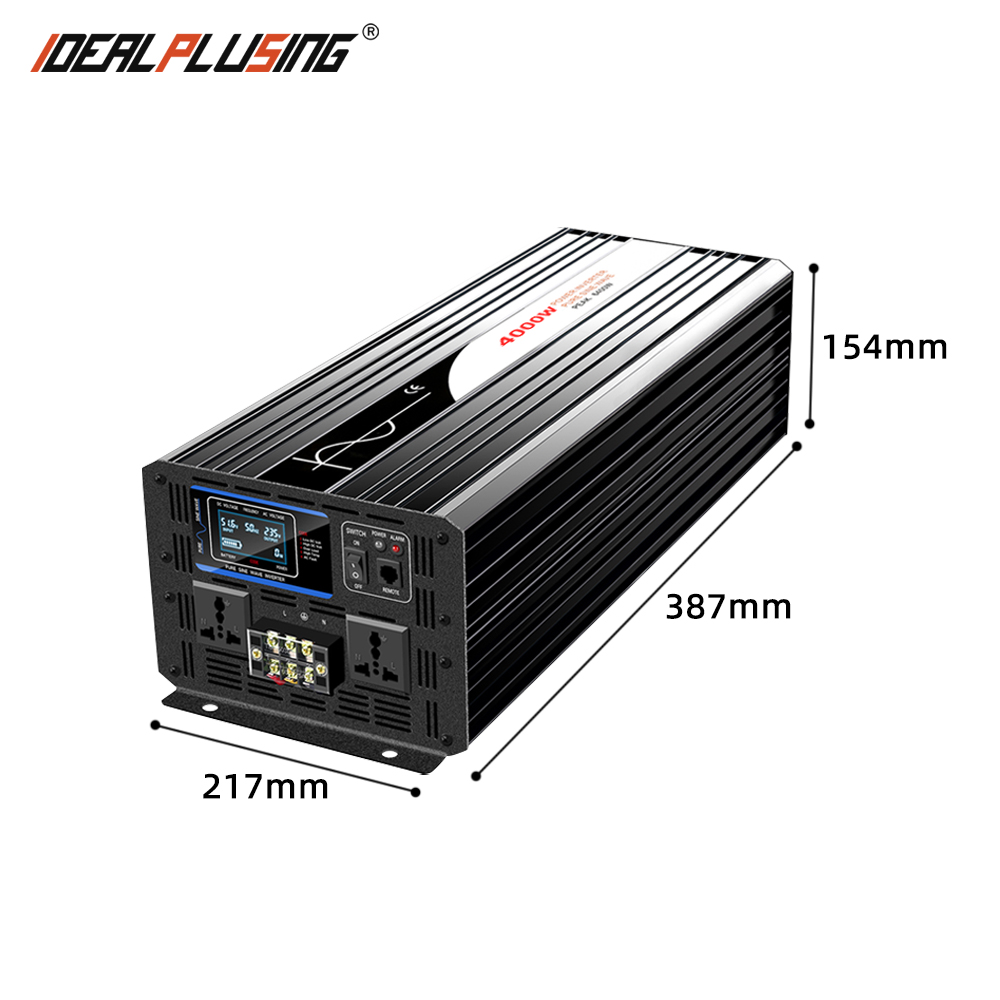
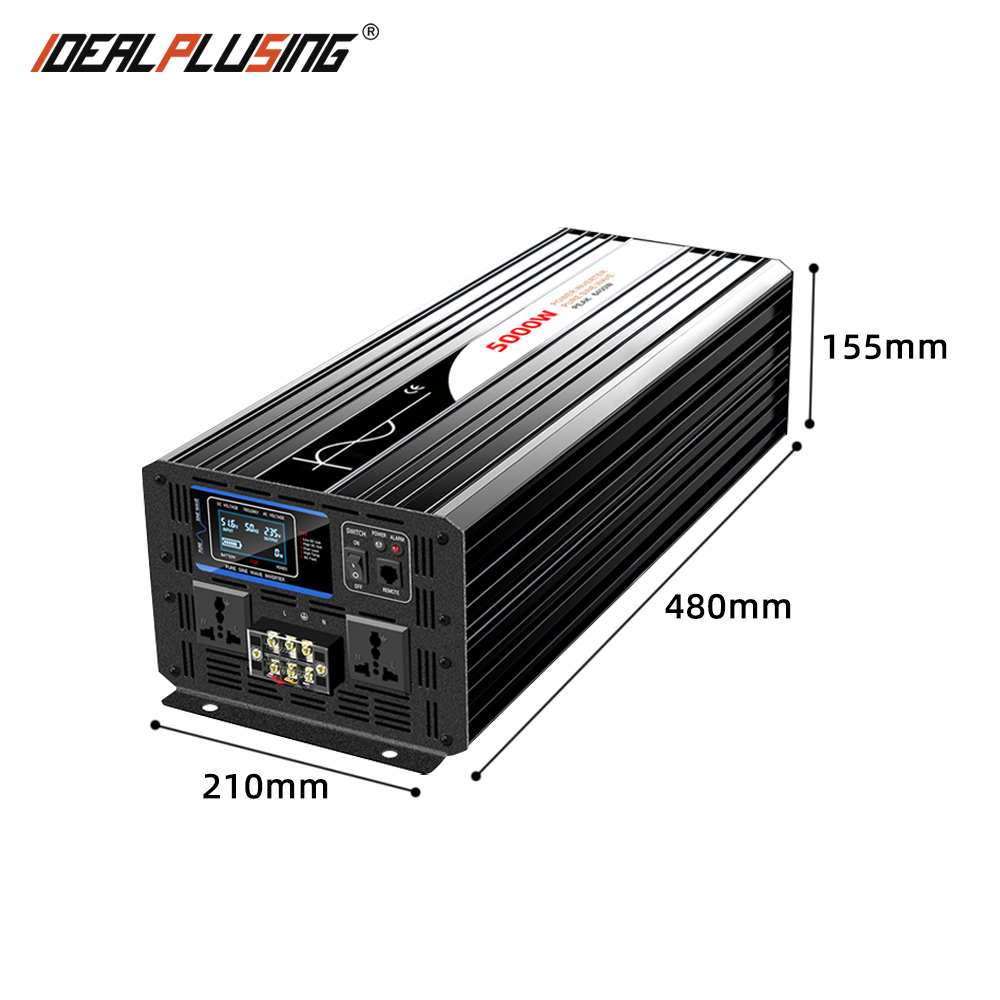
Inverter load notes (for reference only)
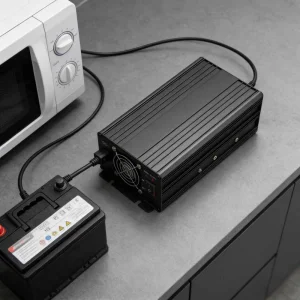
Resistive load: Refers to a pure resistive load that works through a resistor-like component. Such as an ordinary incandescent lamp, induction cookers, fans, computers, microwave ovens, etc. A nominal 2000W induction cooker can be driven by a 2000W inverter!
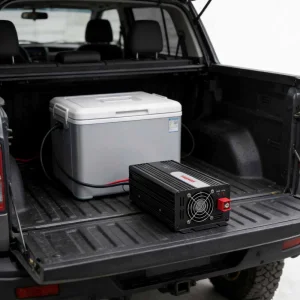
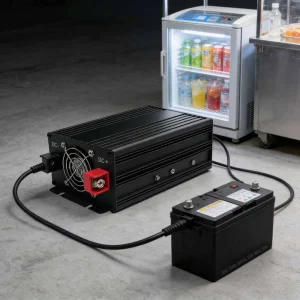
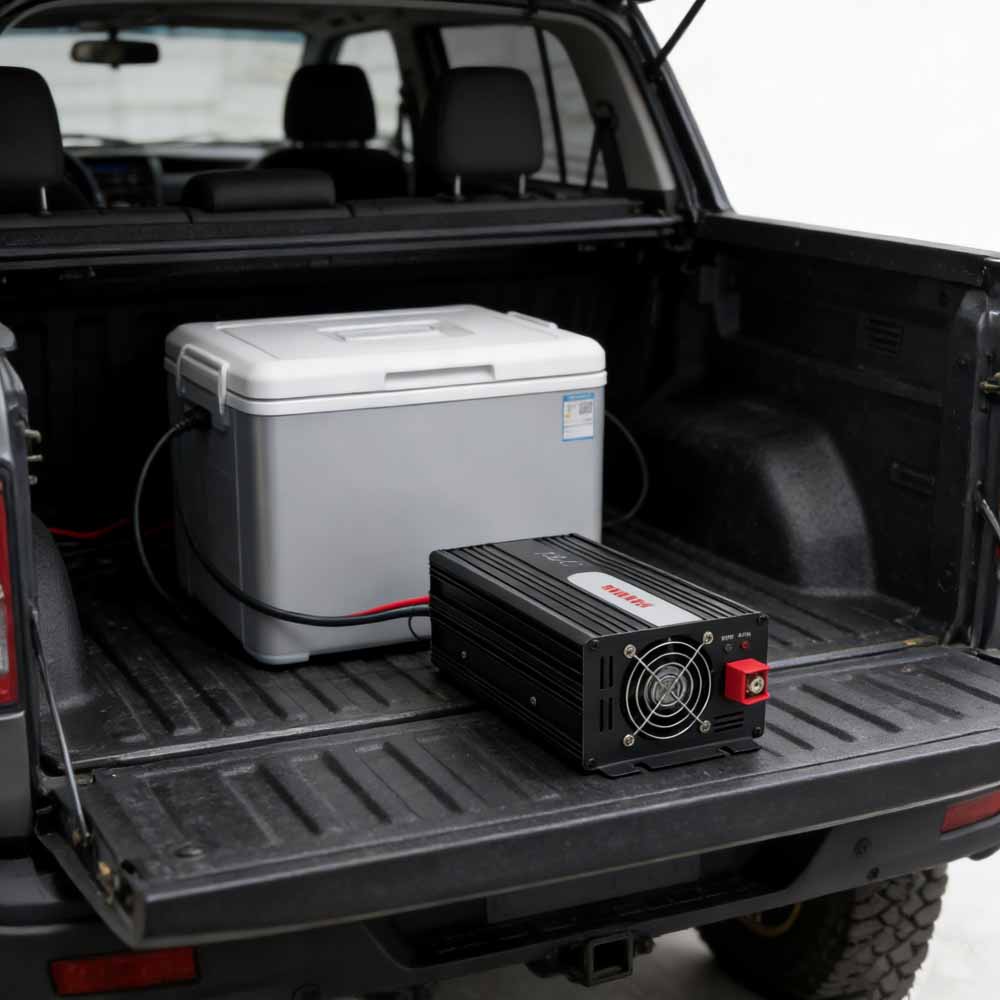
Inductive load: High-power products like motors, compressors, and relays. These require a starting current (about 3-7 times) larger than normal operation. Representative appliances: refrigerators, washing machines, air conditioners, water pumps.
Capacitive load: Loads with capacitance parameters where voltage lags current. Representative loads: switching power supplies, energy-saving lamps, etc.
1. Waveform quality: Pure sine wave inverters generate AC consistent with grid power, ensuring low harmonic content. Modified wave inverters contain more harmonics and are less smooth.
2. Efficiency and cost: Modified wave inverters are usually lower cost and have high conversion efficiency. Sine wave inverters involve complex control circuits and are typically more expensive.
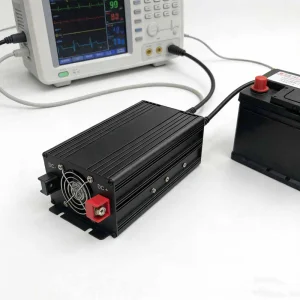
3. Application scope: Sine wave inverters are essential for precision equipment and medical devices. Modified wave inverters are suitable for general lighting and cost-sensitive applications.
4. Load adaptability: Sine wave inverters can meet all AC load applications. Modified wave inverters may cause high-frequency interference to communication and precision equipment.