1 / 5
The prices shown on this page are for reference only. The final transaction price will be recalculated and quoted based on your actual needs, purchase quantity, and market conditions. The online prices are for your preliminary budget reference only and do not constitute a final transaction commitment. We always adhere to the principle of integrity and avoid price misrepresentation. Thank you for your understanding and trust.
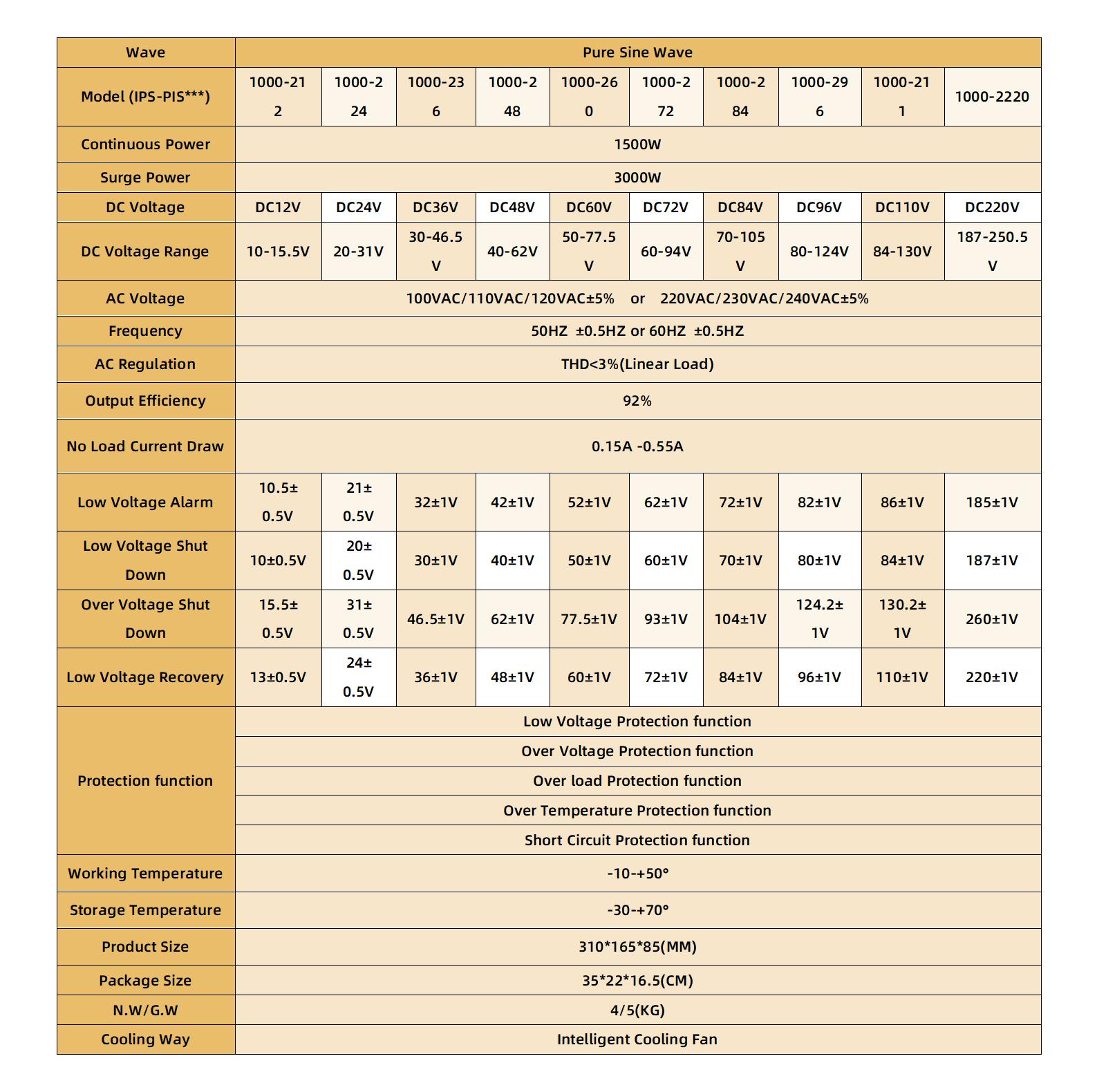
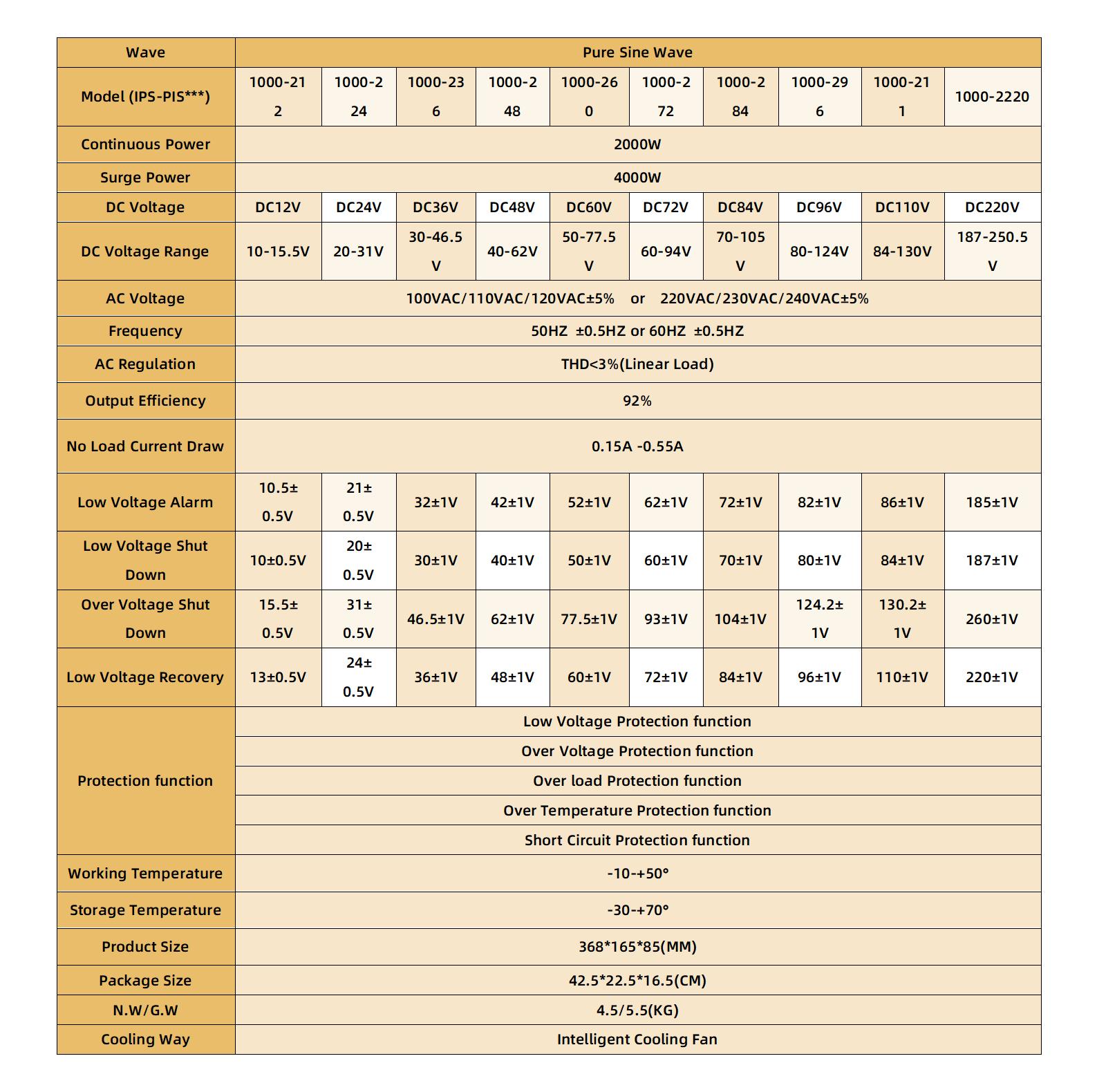
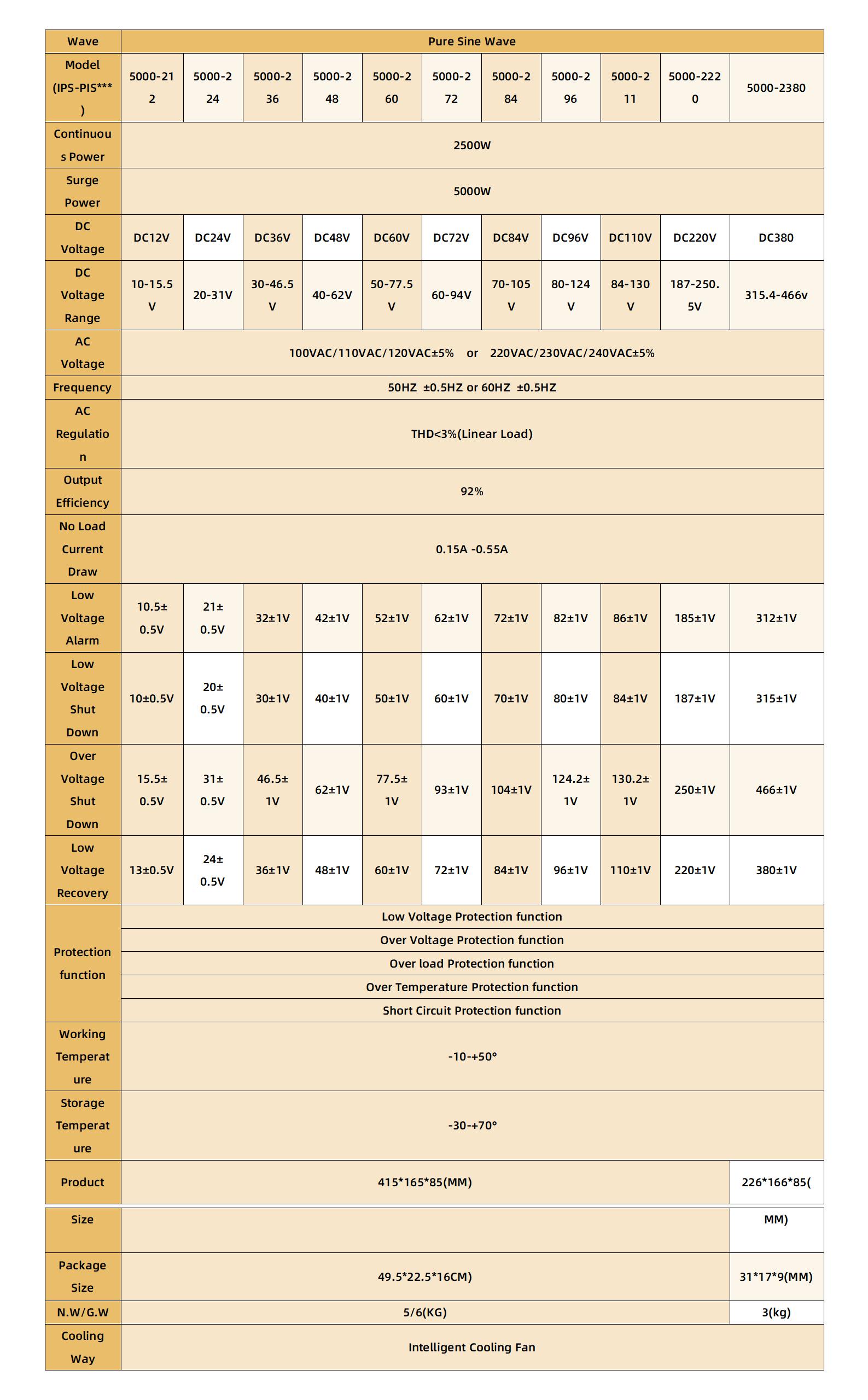
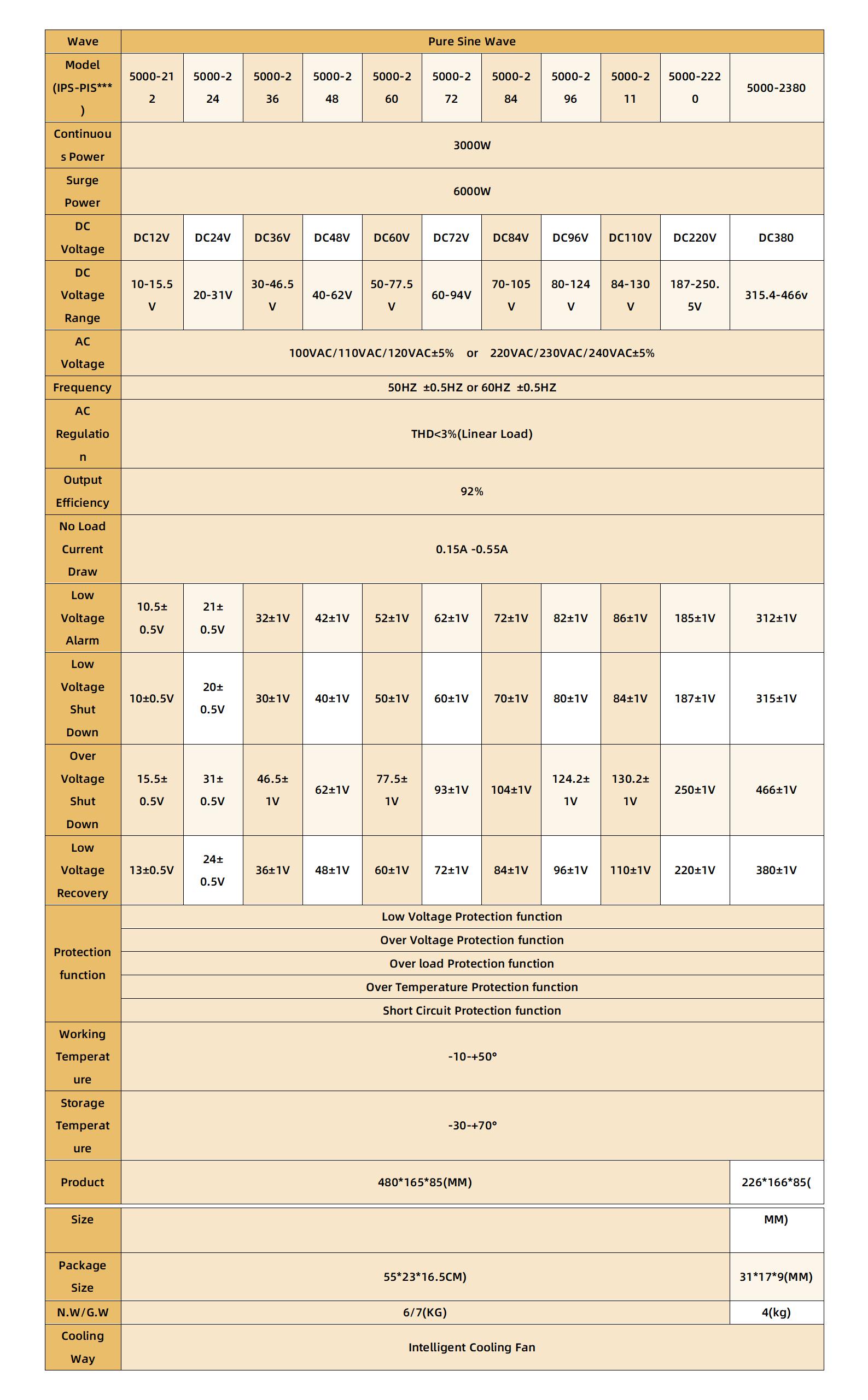
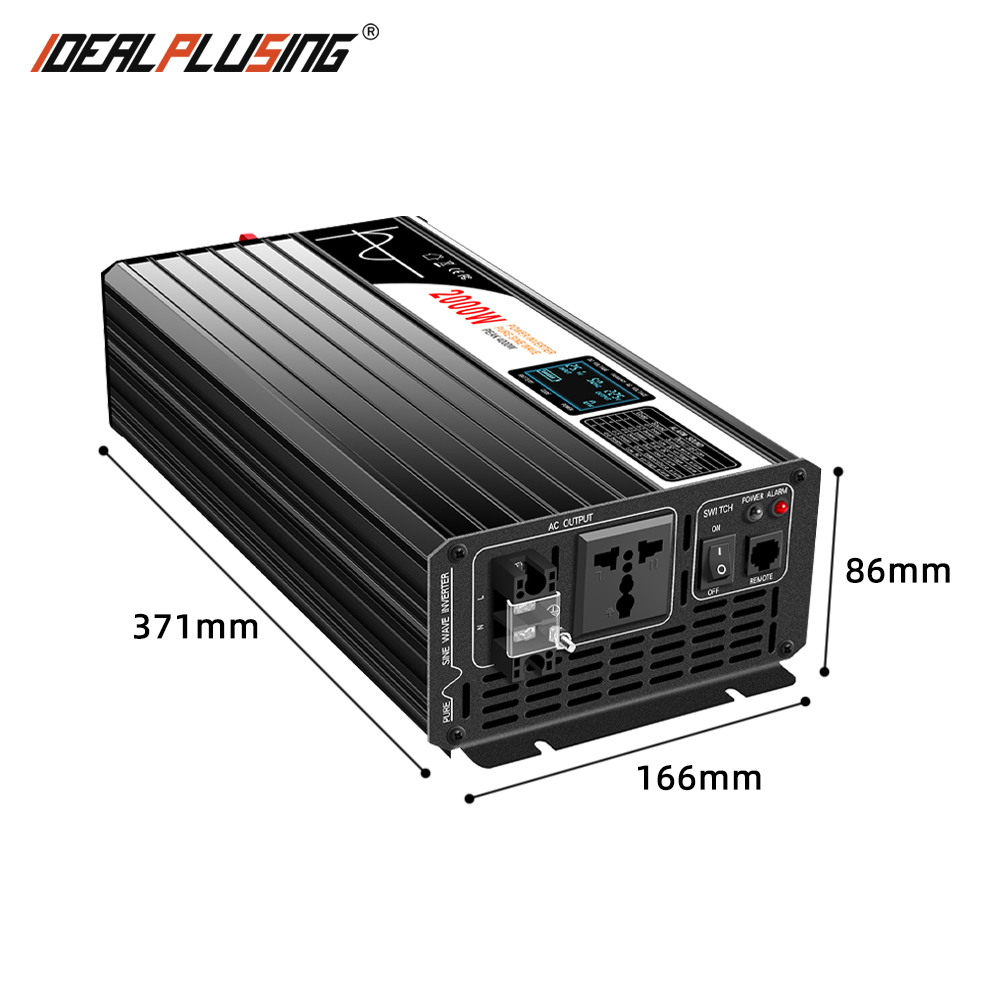
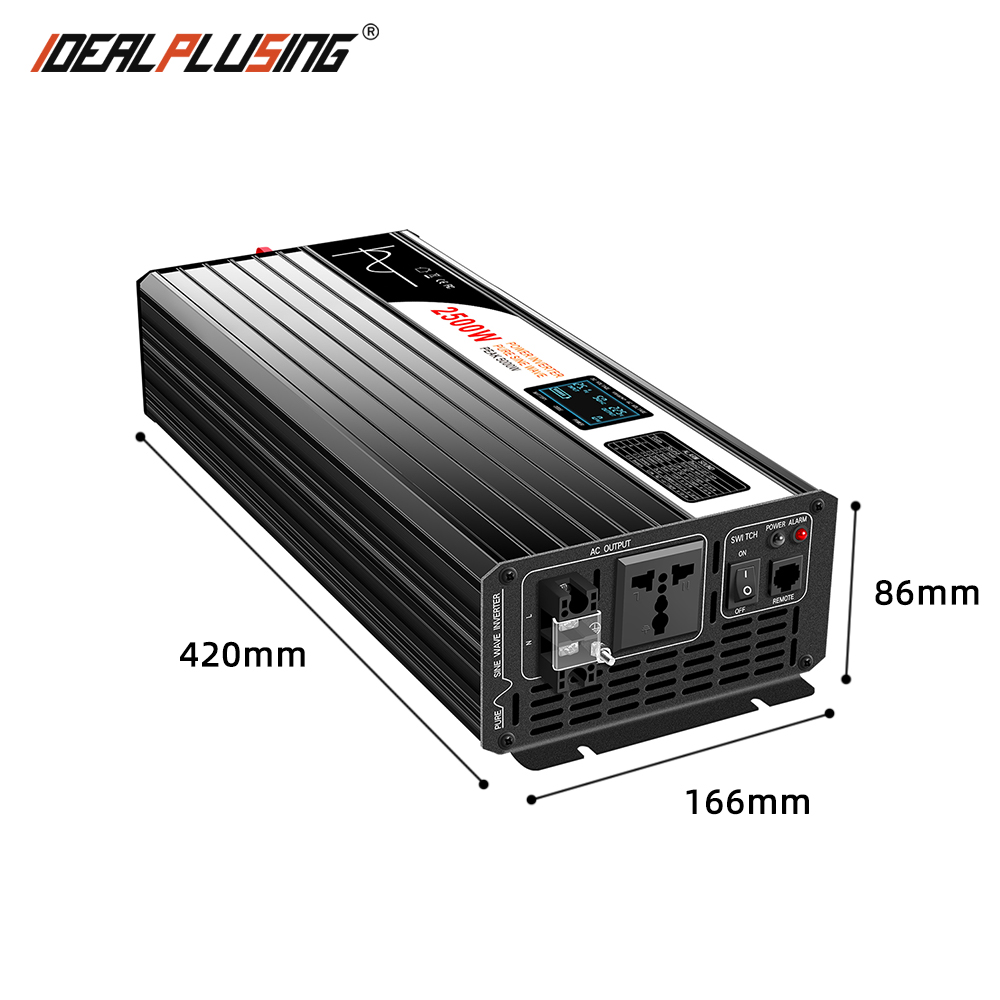
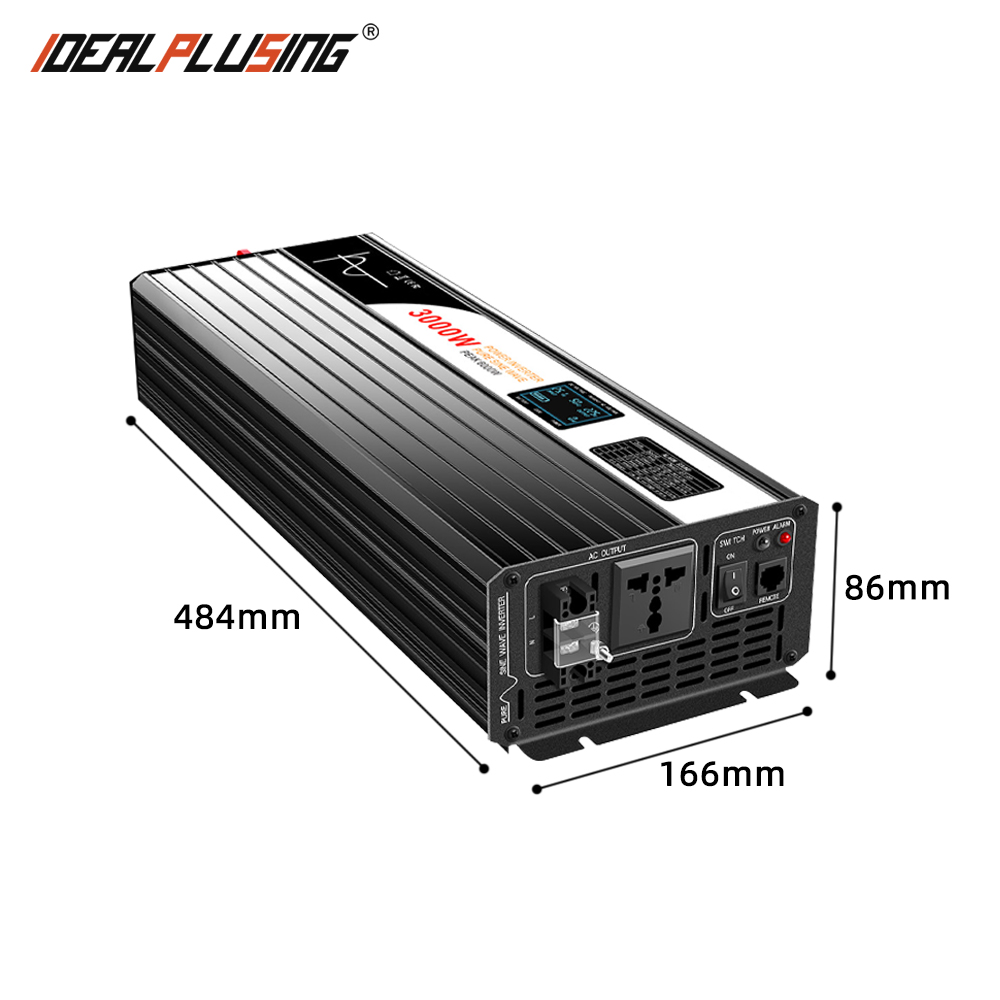
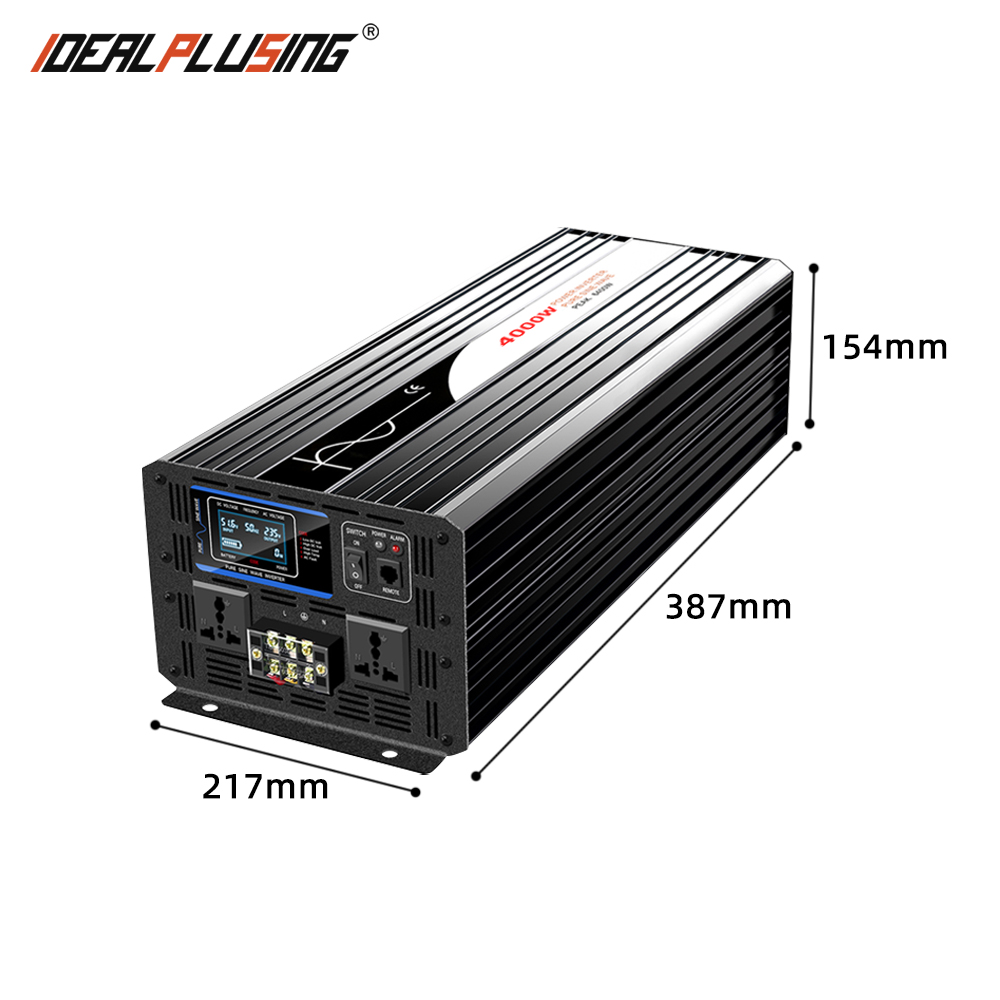
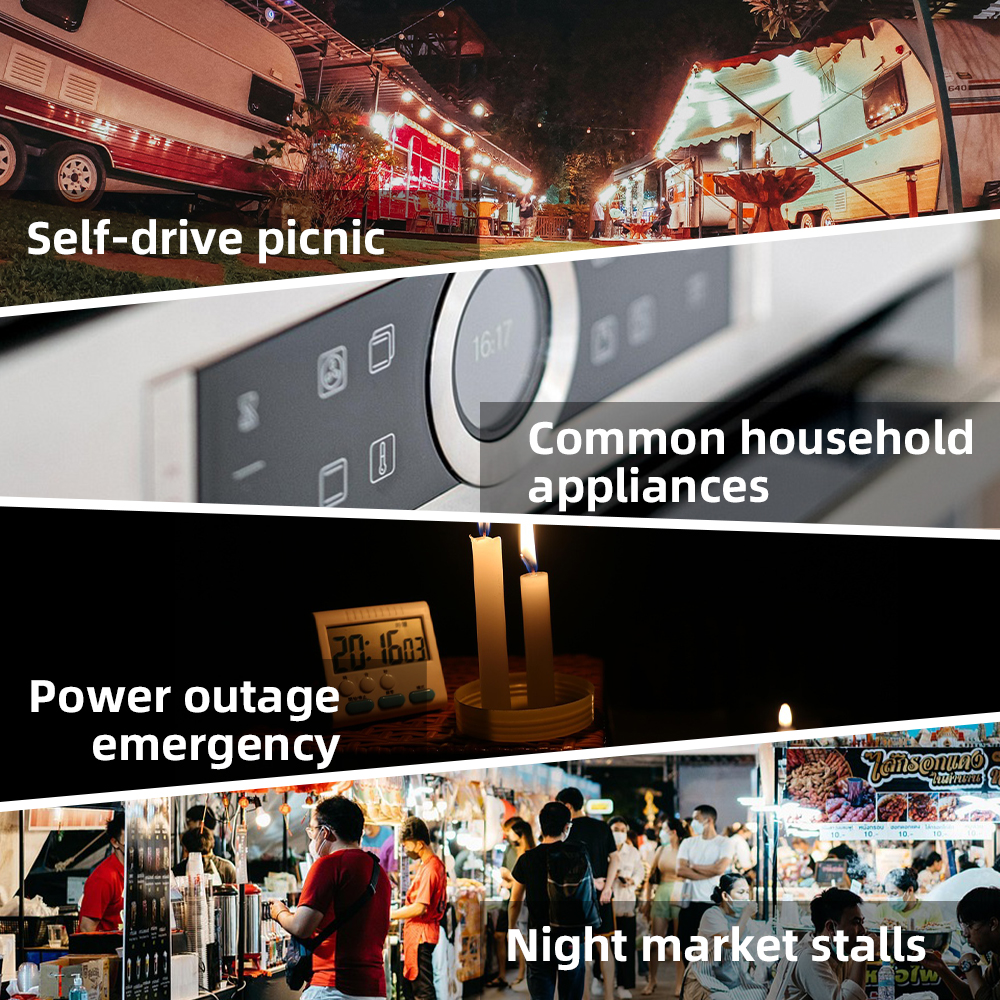
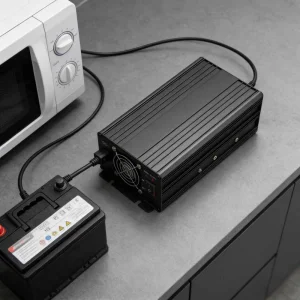
Refers to a pure resistive load that works through a resistor-like component. Examples include ordinary incandescent lamps, induction cookers, fans, computers, and microwave ovens. A nominal 2000W induction cooker can be driven by a 2000W inverter.
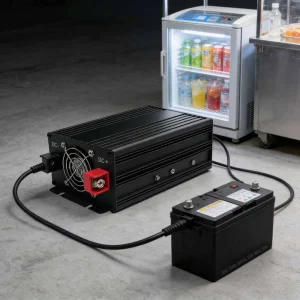
Requires a much larger starting current (about 3-7 times). Examples: refrigerators, washing machines, air conditioners, water pumps, and electric tools. A 150W refrigerator may have a starting power of more than 1000W.
A load with capacitance parameters where voltage lags current. Examples include switching power supplies, energy-saving lamps, and electric vehicle charging power supplies.
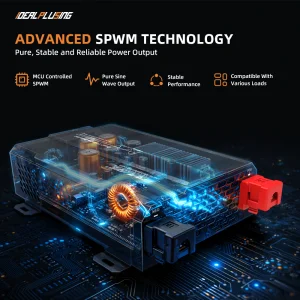
1. Waveform Quality: Sine wave inverters generate pure AC consistent with grid power. Modified wave inverters contain more harmonics.
2. Efficiency & Cost: Modified waves are simpler and cheaper; Sine waves are more complex but provide better protection for sensitive electronics.
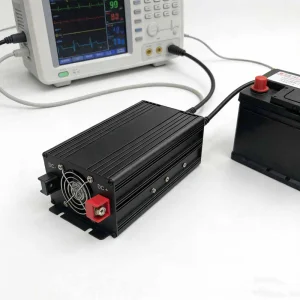
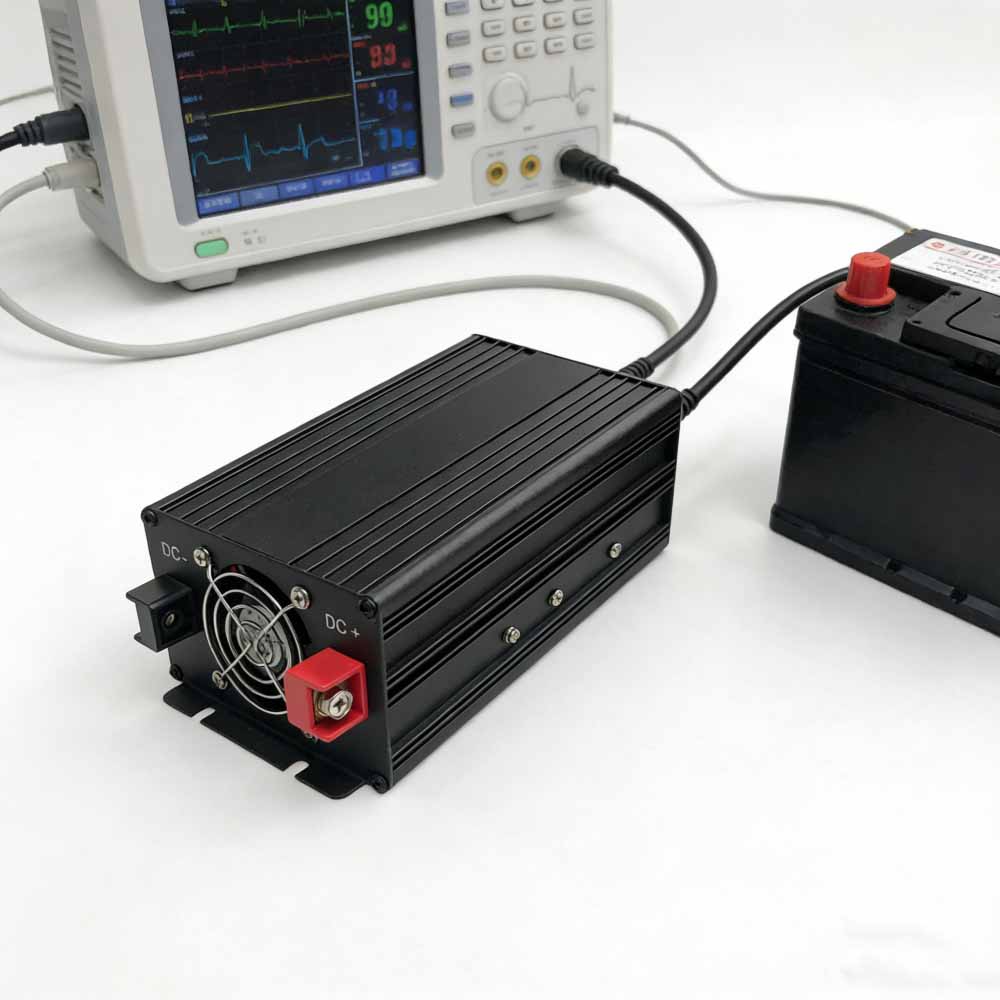
3. Application Scope: Sine wave inverters are suitable for precision equipment, medical devices, and all household appliances.
4. Load Adaptability: Sine wave inverters meet all AC load applications, while modified waves have poor adaptability for sensitive equipment.