Premium Energy Solutions
Explore our high-performance power supply conversion modules deployed across key industrial segments worldwide.
Redefining Energy Efficiency: The Regenerative Power Supply Paradigm
Traditional industrial load testing is notoriously energy-intensive, converting precious electrical energy into massive amounts of waste heat that requires costly cooling infrastructure. Regenerative power supplies (bidirectional power systems) revolutionize this process. Instead of dissipating energy, they recycle it back to the local grid or plant infrastructure with up to 95% efficiency.
By leveraging advanced digital control loop structures and wide-bandgap (SiC/GaN) semiconductor topologies, our regenerative power conversion systems support seamless transitions between source and sink modes. This bidirectional capability reduces electricity footprints, mitigates thermal loads in laboratories, and scales back utility costs, making it a critical component for EV powertrain testing, battery cycling, and grid integration development.
Global Market Trends in Bidirectional Power Conversion
A deep-dive analysis of the shifting landscape in industrial and commercial power electronics.
Grid-Tie Regulation & Compliance
Increasing global mandates require industrial equipment to minimize electrical noise. Modern regenerative power units incorporate IEEE 1547 and EN 50549 grid-compliant front-ends with ultra-low Total Harmonic Distortion (THD < 3%), ensuring clean energy feedback without polluting localized networks.
Silicon Carbide (SiC) Integration
Transitioning from traditional silicon MOSFETs to Silicon Carbide (SiC) allows for higher switching frequencies. This results in incredibly dense power module footprints, reduced cooling requirements, and exceptionally fast transient response times during load changes.
Automotive and Smart Grid Intersect
The rise of Vehicle-to-Grid (V2G) topologies has heightened the demand for bidirectional power supply hardware capable of simulating vehicle batteries and discharging back into grid networks to evaluate micro-inverters.
Our Comprehensive Power Supply Architecture & Engineering Scope
With an intensive background in system engineering, we design and produce a vast array of standardized and tailored topologies, matching rigid demands from 12V up to 2000V levels.
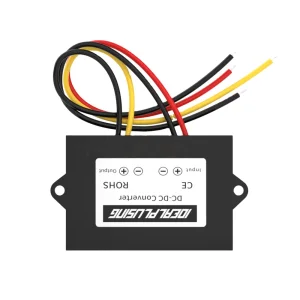
DC-DC Converter System
Configurability: Isolated and Non-isolated topologies.
Voltage Scope: 12VDC to 1000VDC.
Output Range: 1kW to 200kW modules.
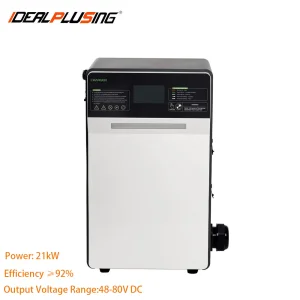
AC-DC Power Supplies
Voltage Capability: 0 to 200kV ultra-high voltage limits.
Current Scope: High-amperage systems up to 20,000 Amps.
DC-AC Power Inverters
Input Range: 12VDC to 2000VDC bus compatibility.
Active Load Power: 100W up to 500kW centralized systems.
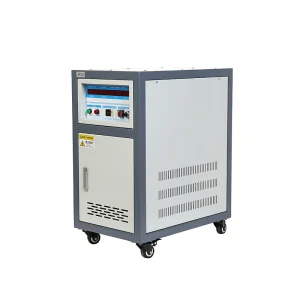
AC-AC Power Sources
Phase Output: Single Phase & 3-Phase options.
Frequency Spectrum: 10Hz to 500Hz variable options.
Capacity Limits: 1kVA to 500kVA setups.
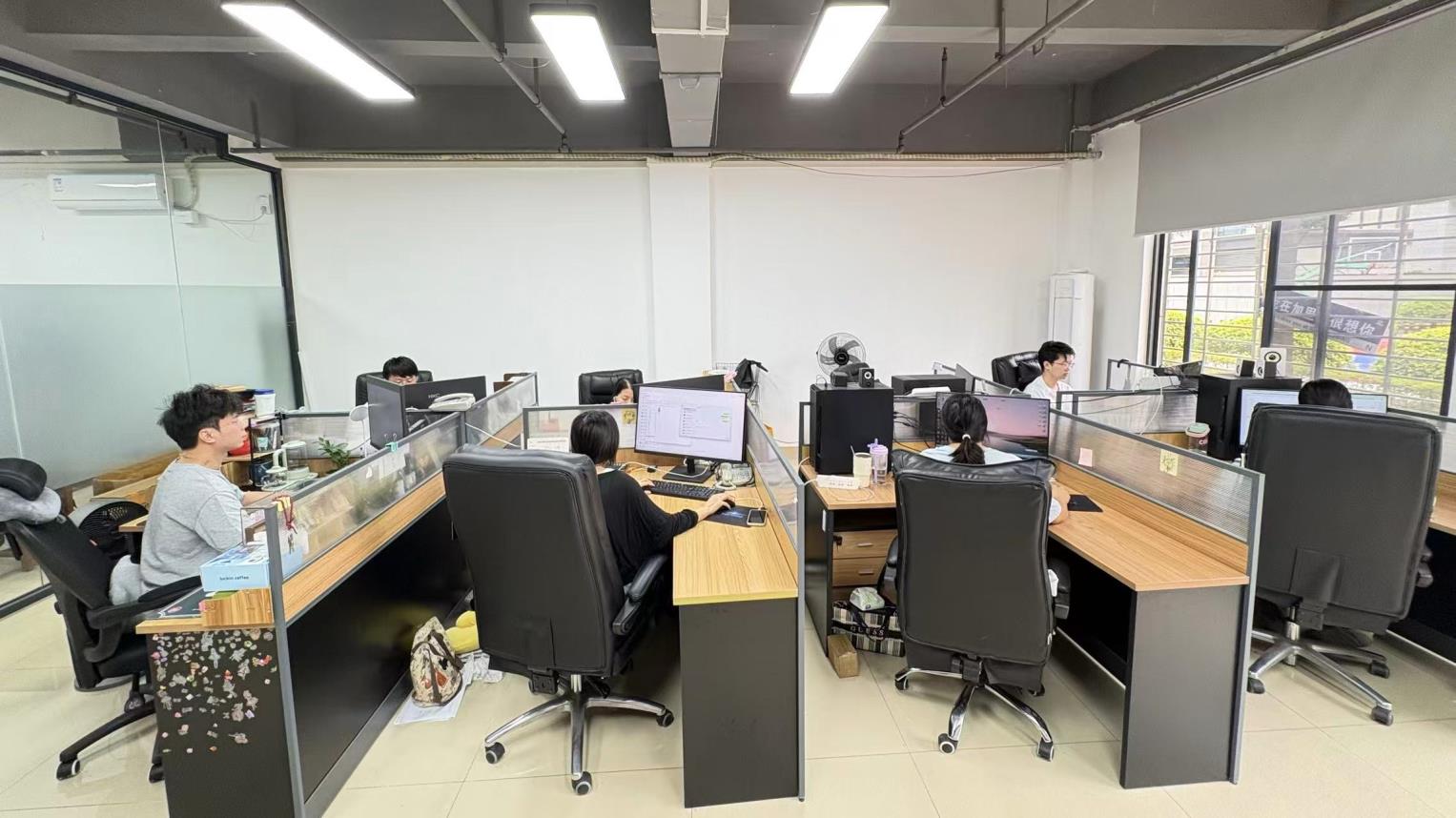
China Factory 4.0: Unmatched Supply Chain Resilience & Lean Delivery
Based in the manufacturing powerhouse of Guangzhou, China, our advanced factory integrates vertical supply chain systems that guarantee shorter lead times and high material consistency. Supported by a network of over 20 specialized partner factories, we scale production smoothly from custom lab prototypes to massive industrial rollouts.
Our operation is built on the rigorous philosophy of "Leading Technology, Reliable Quality, Satisfactory Service & Customers First!" We manage our manufacturing ecosystem through precise control loops—from component sourcing to final functional stress testing. This approach minimizes defect rates and ensures long-term operational reliability.
Skilled system technicians, R&D engineers, and QA control specialists.
Tailor-made systems matching local voltage grids and unique power requirements.
End-to-End Production Process & Testing Capabilities
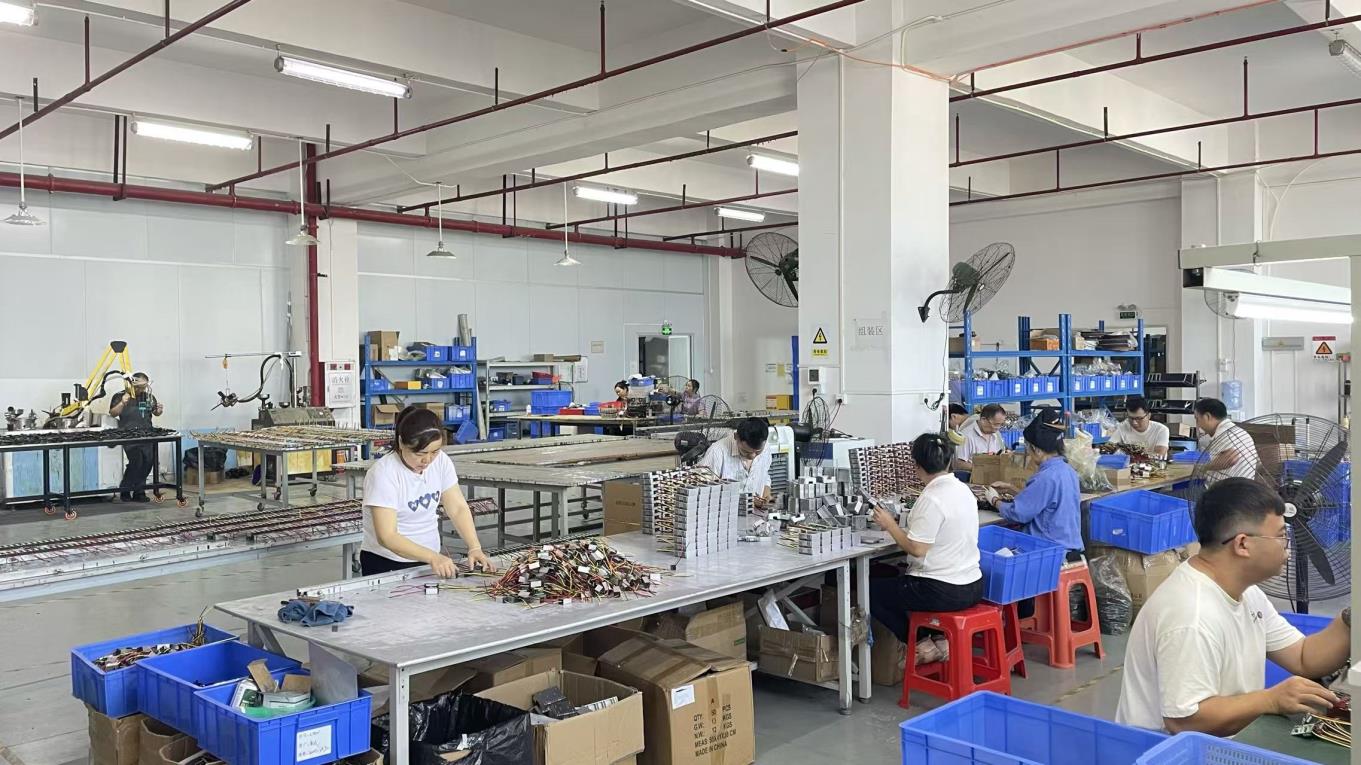
A step-by-step view into our production floor, where modern equipment meets expert craftsmanship.
Manufacturing Workflow
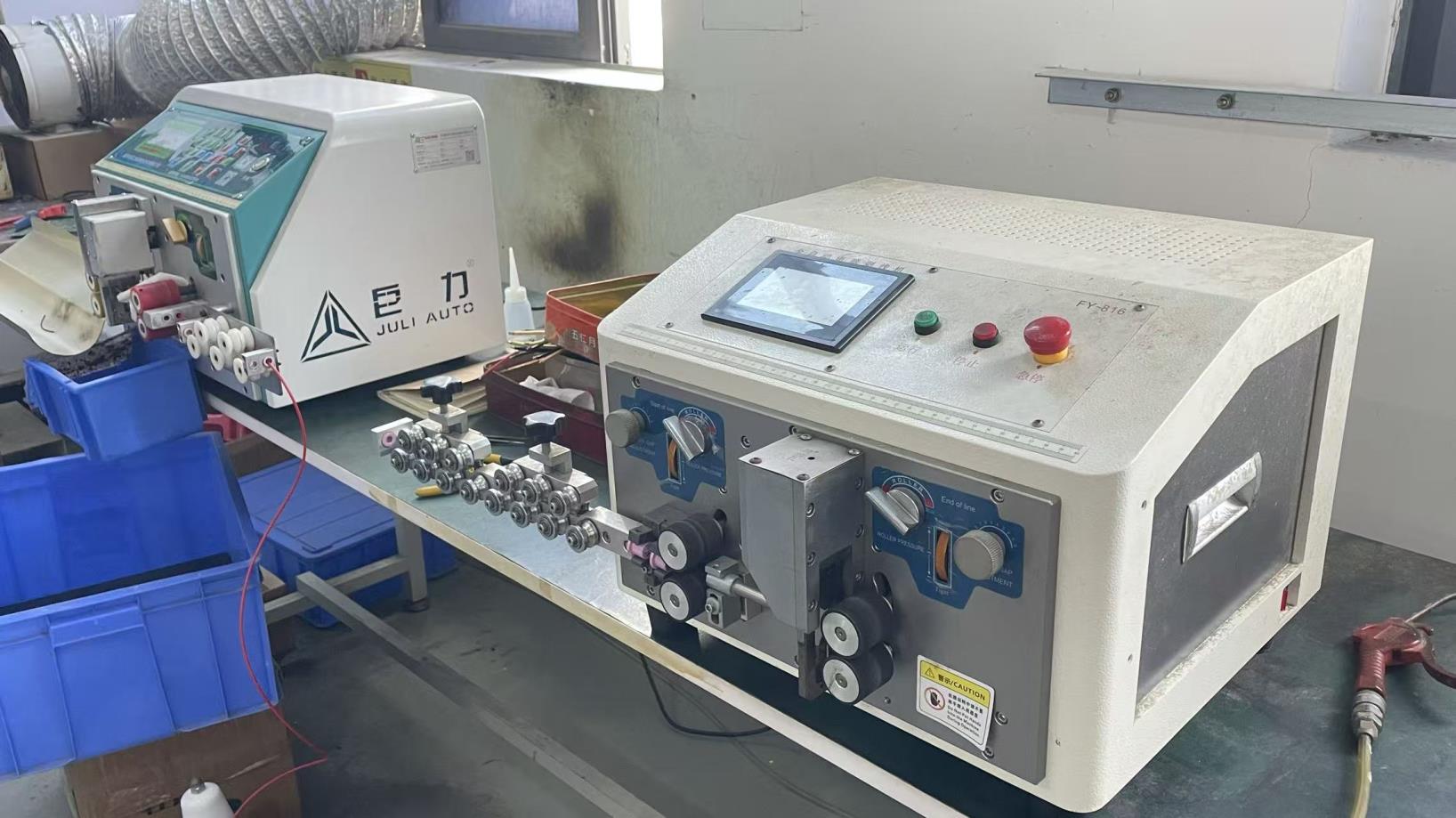
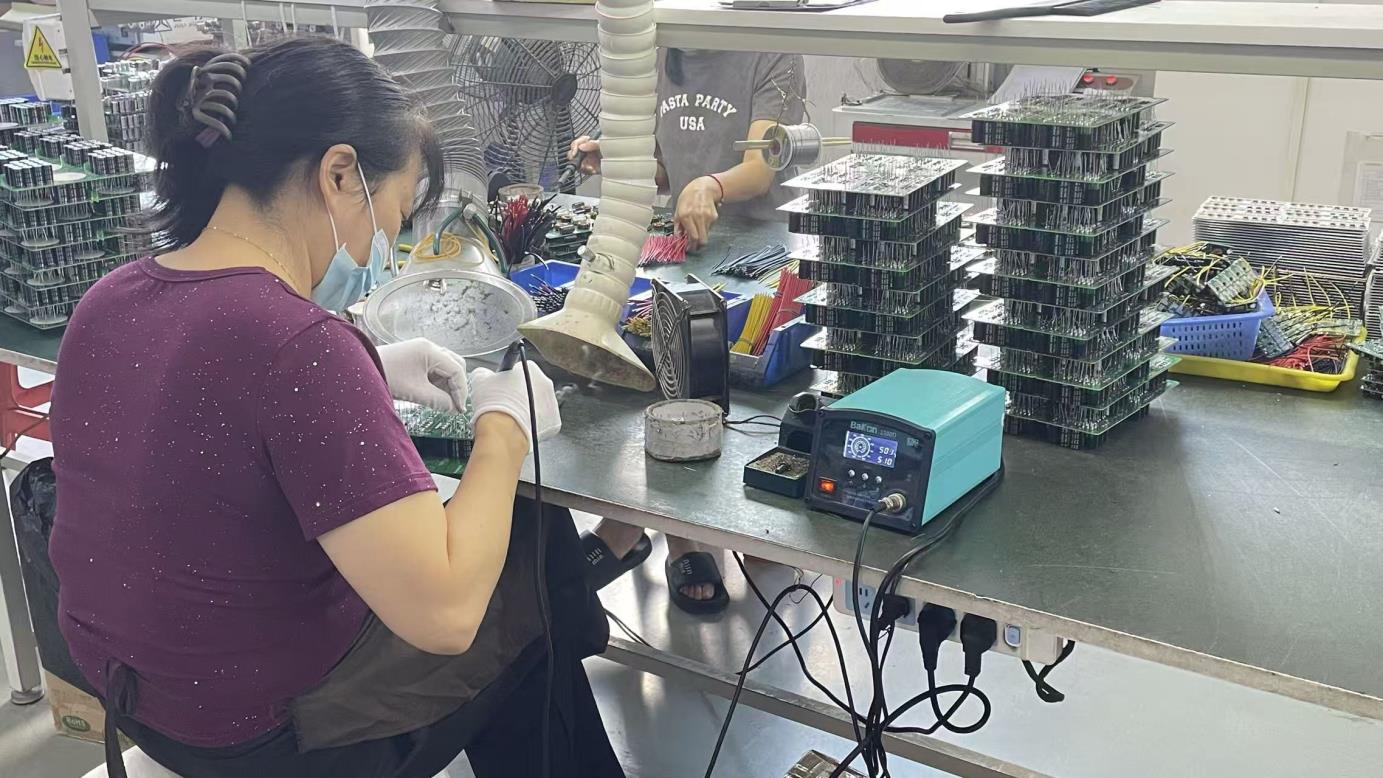
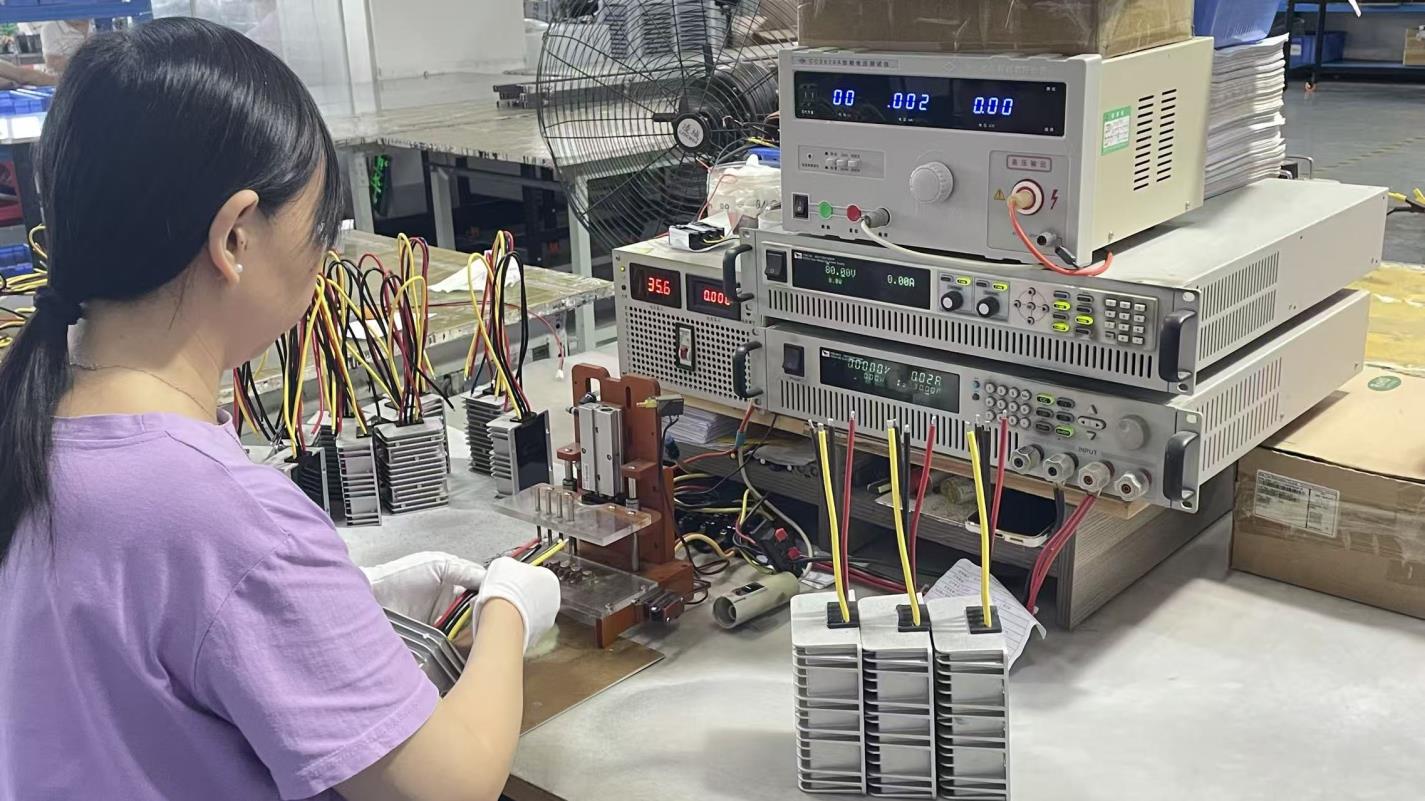
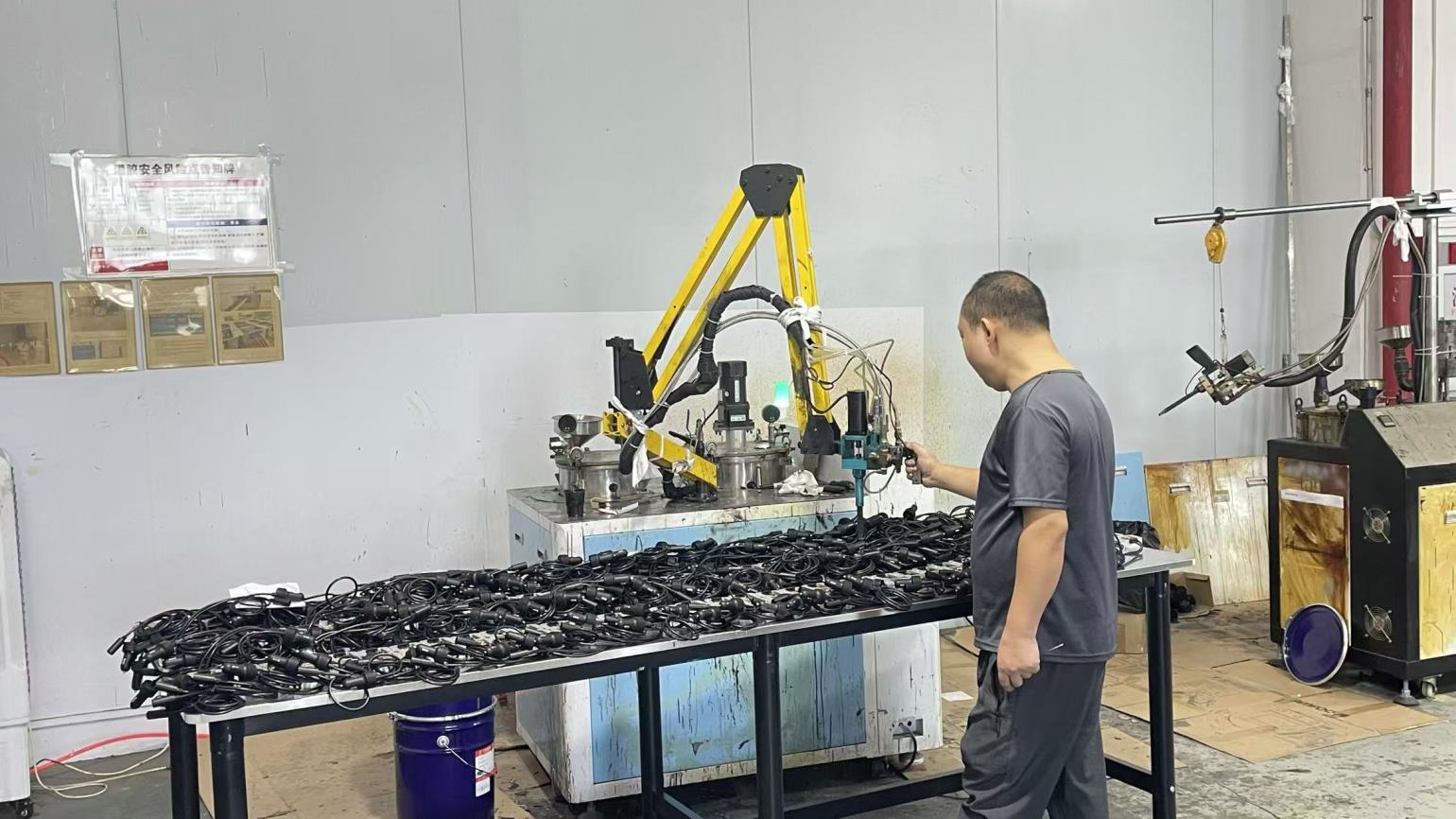
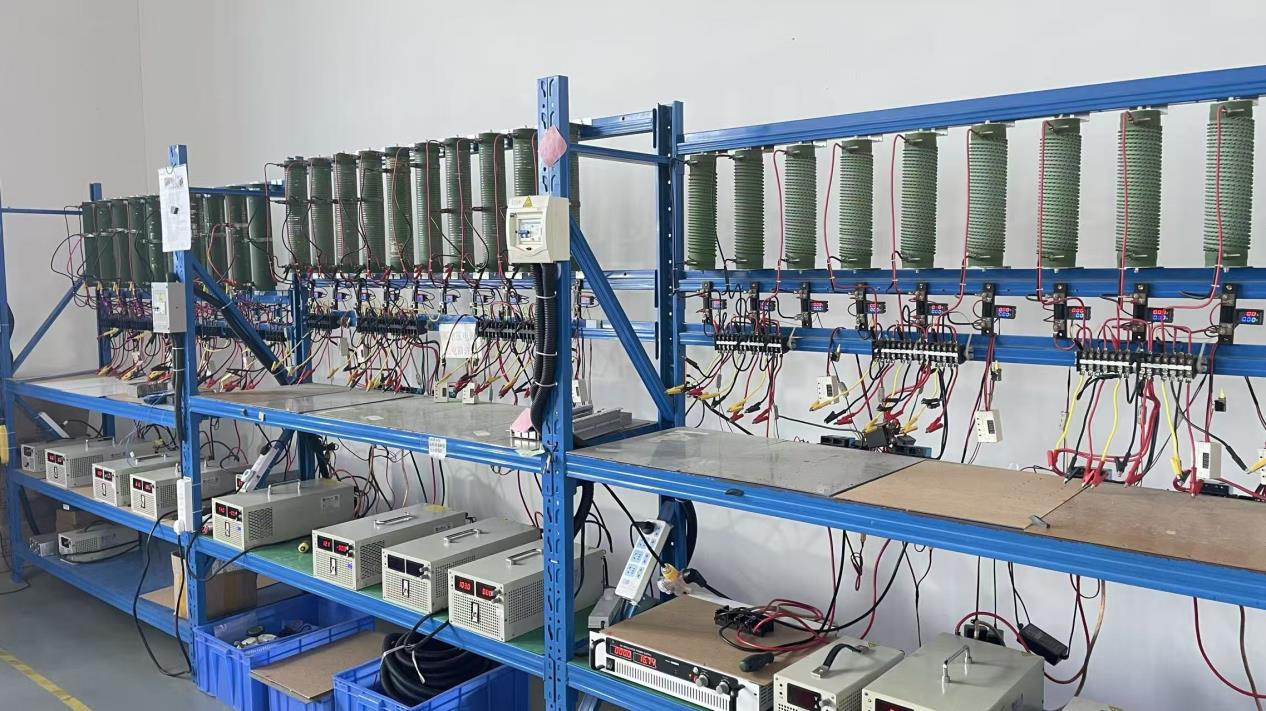
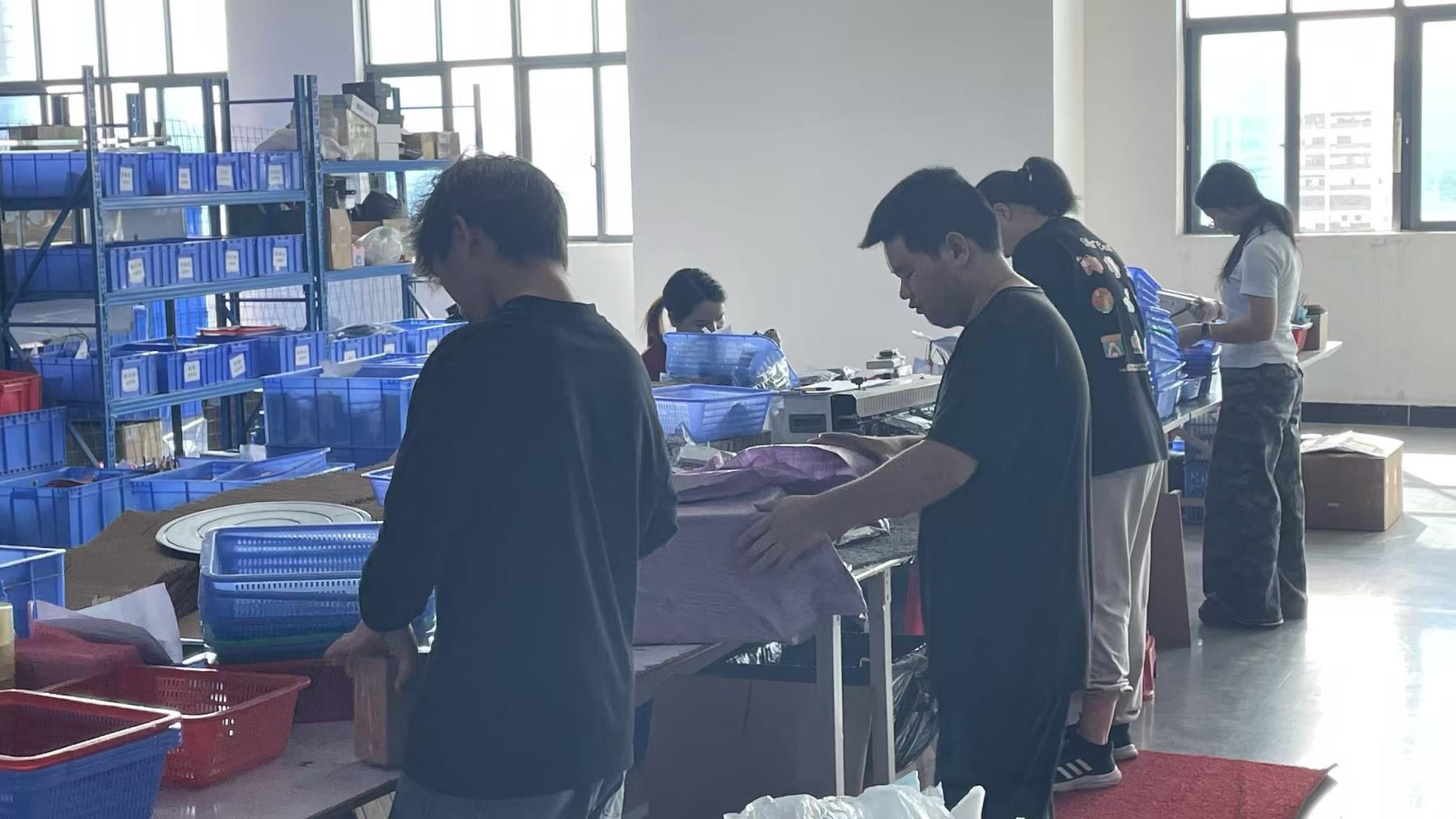
On-Site Precision Machinery
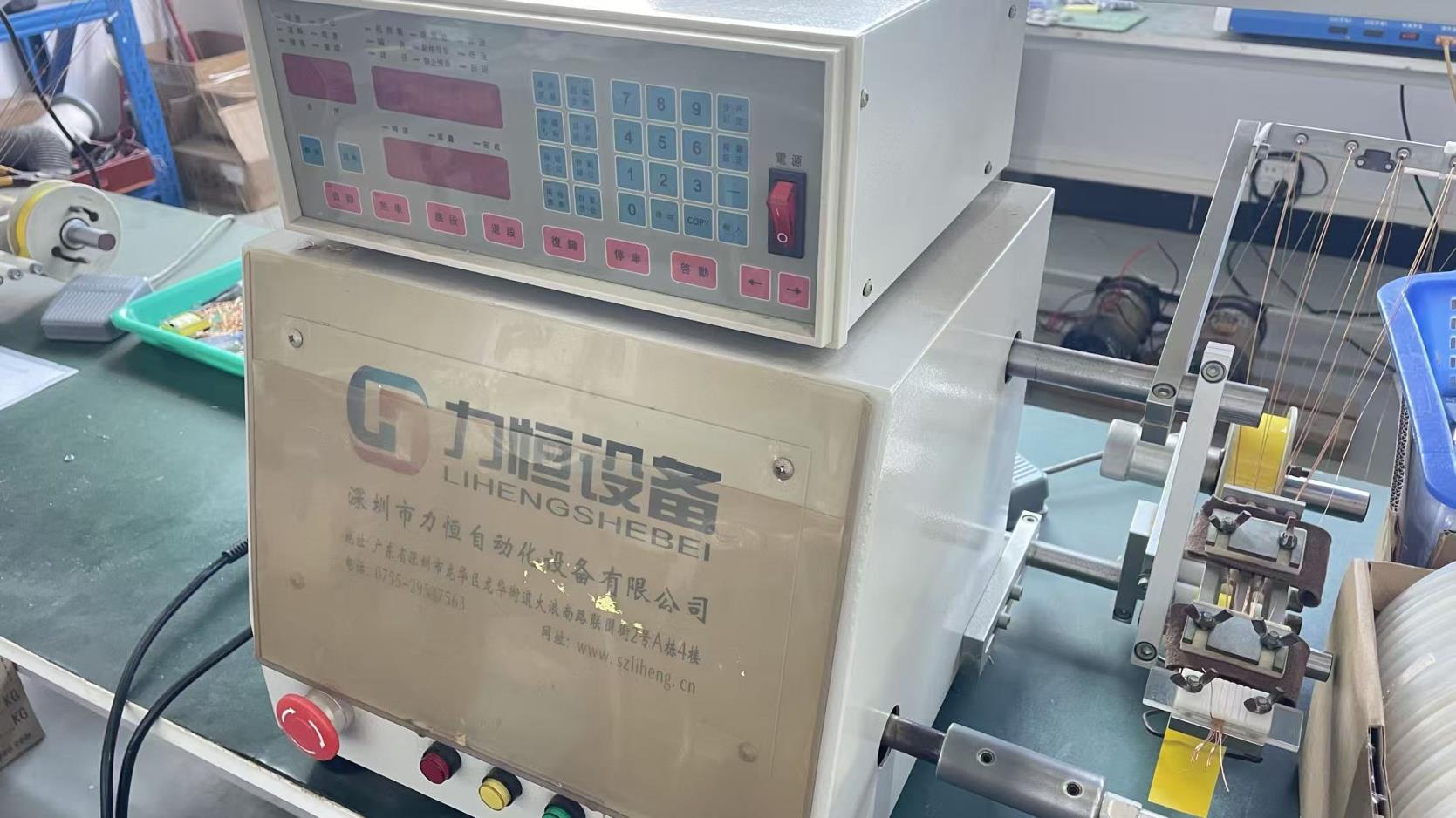
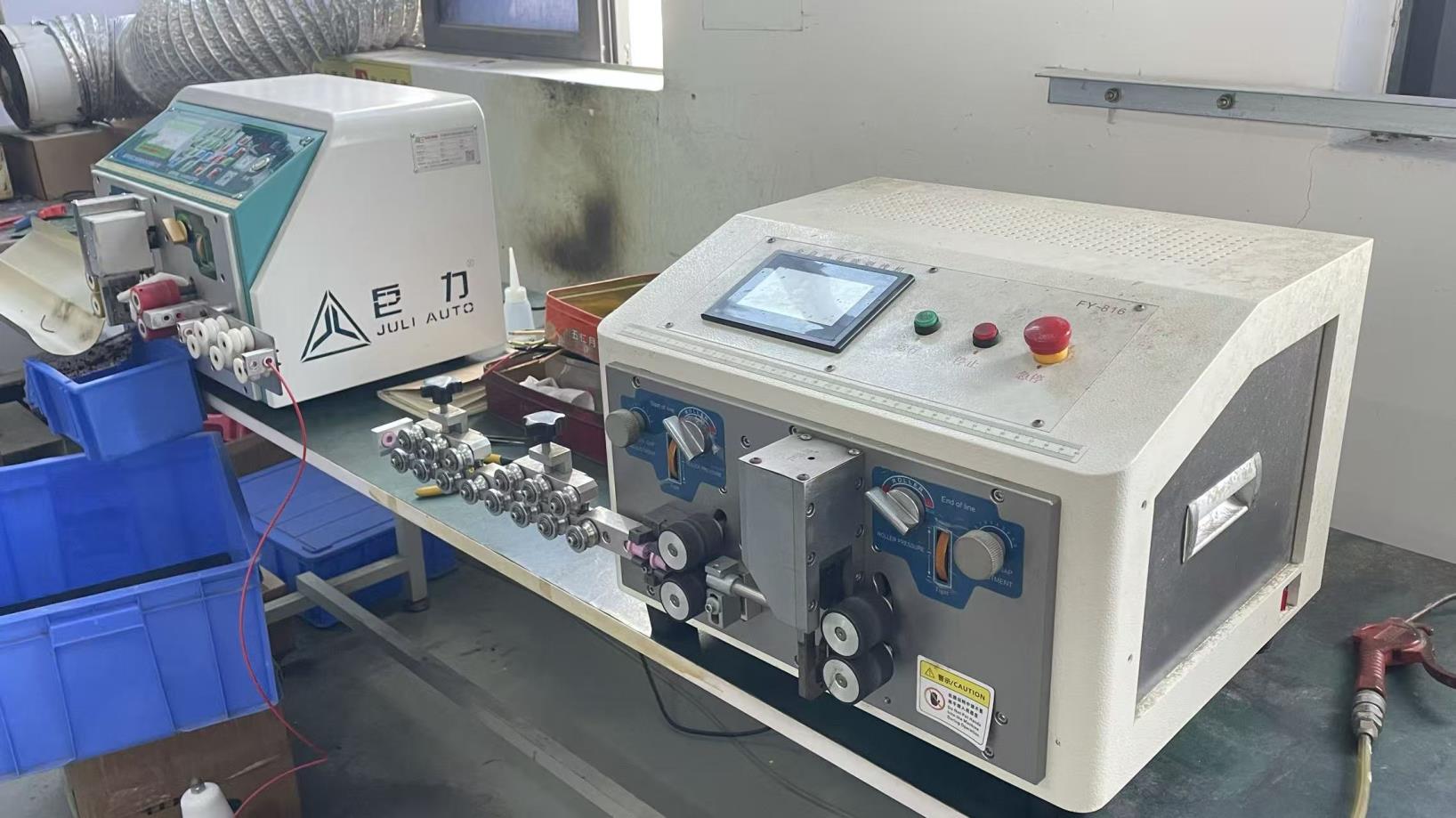
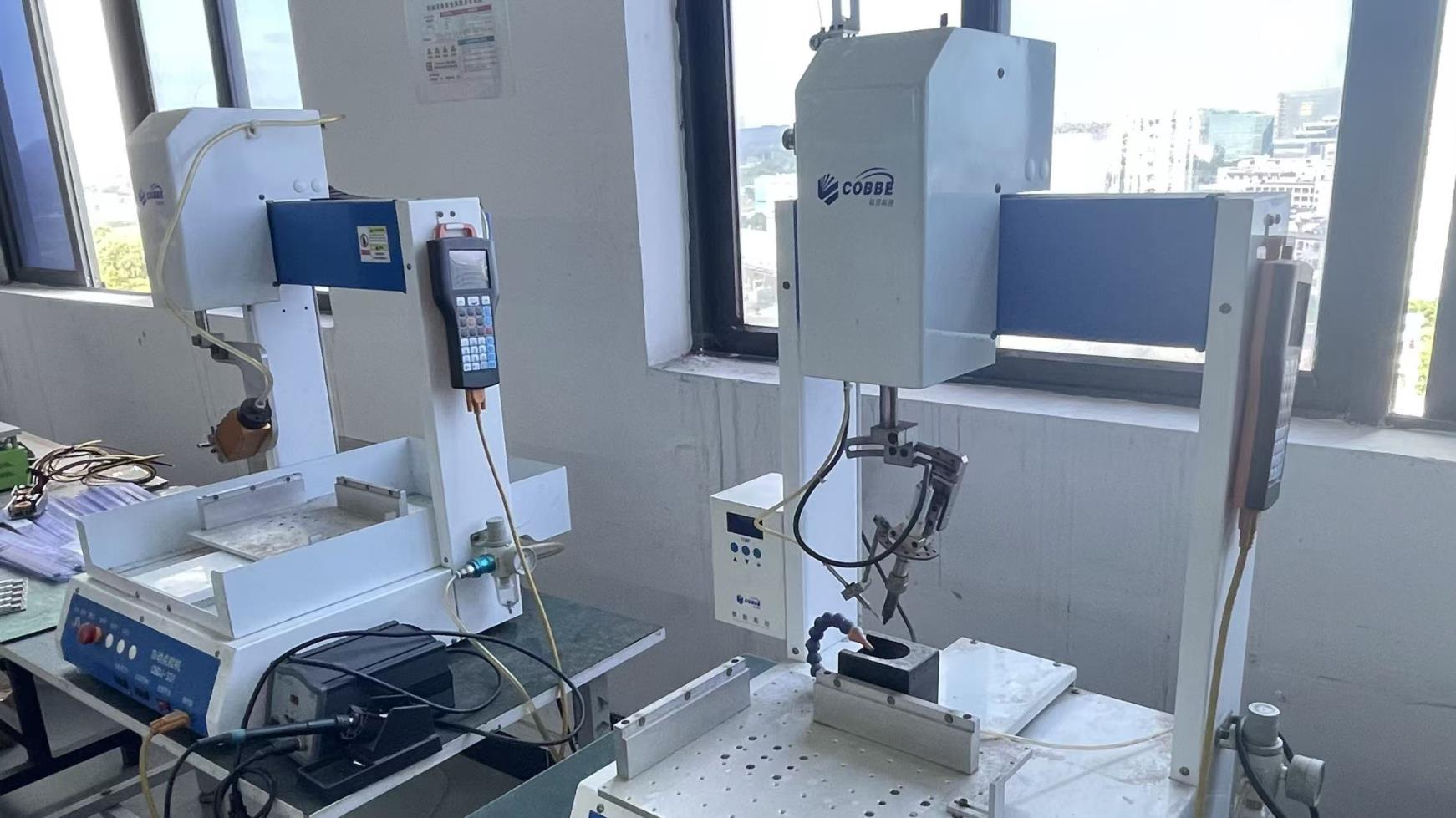
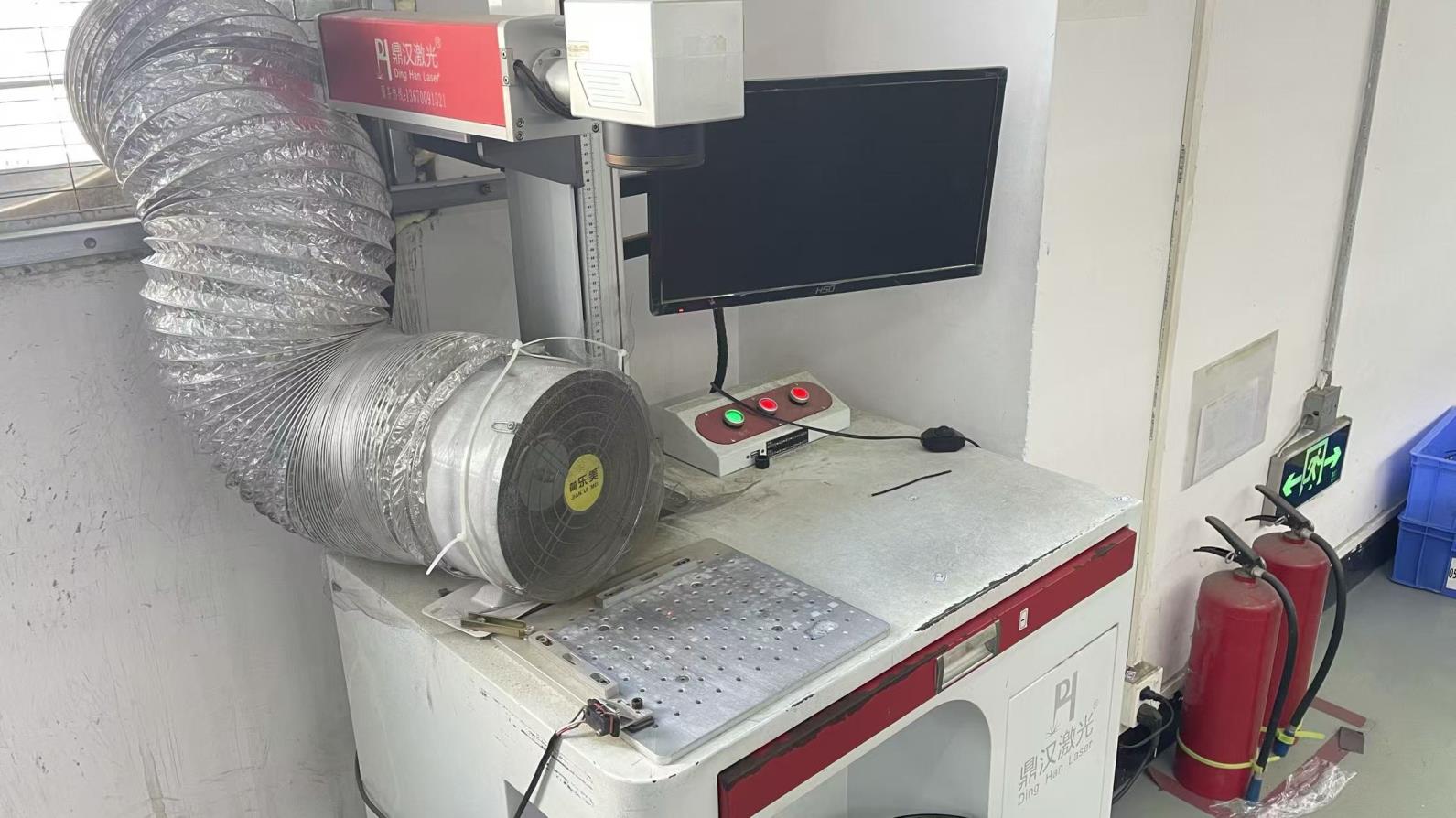
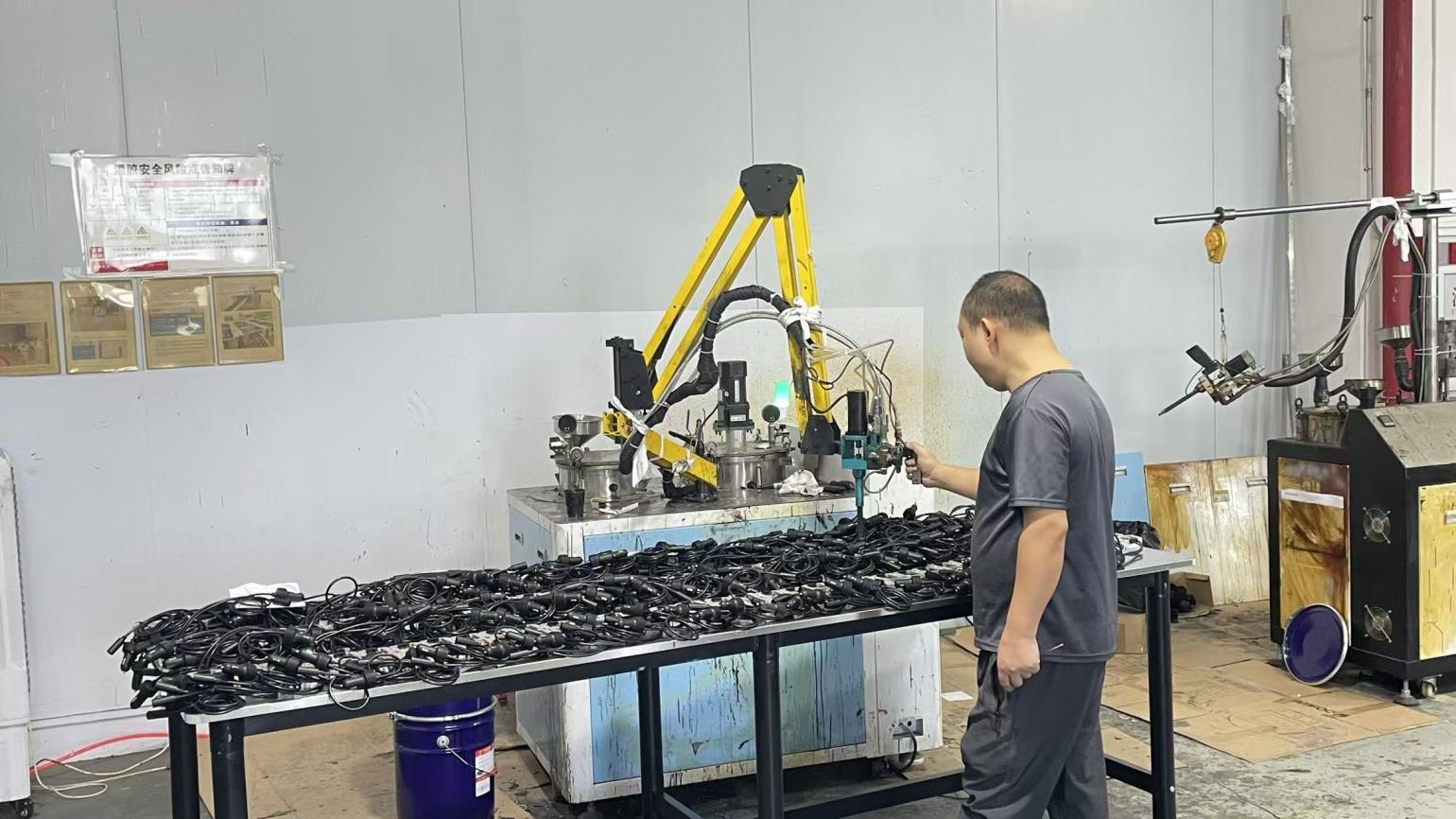
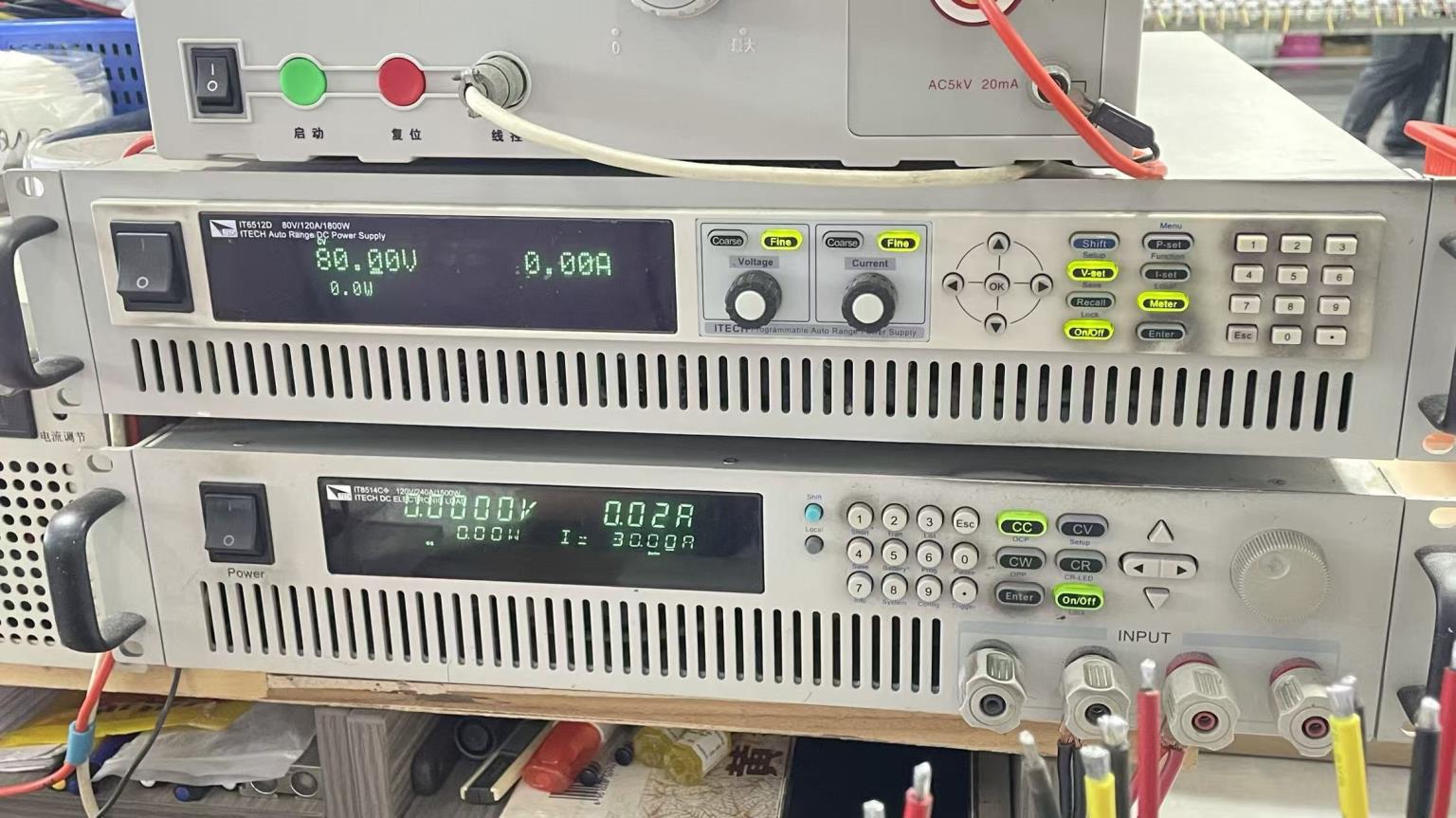
Advanced Testing & Quality Assurance Equipment
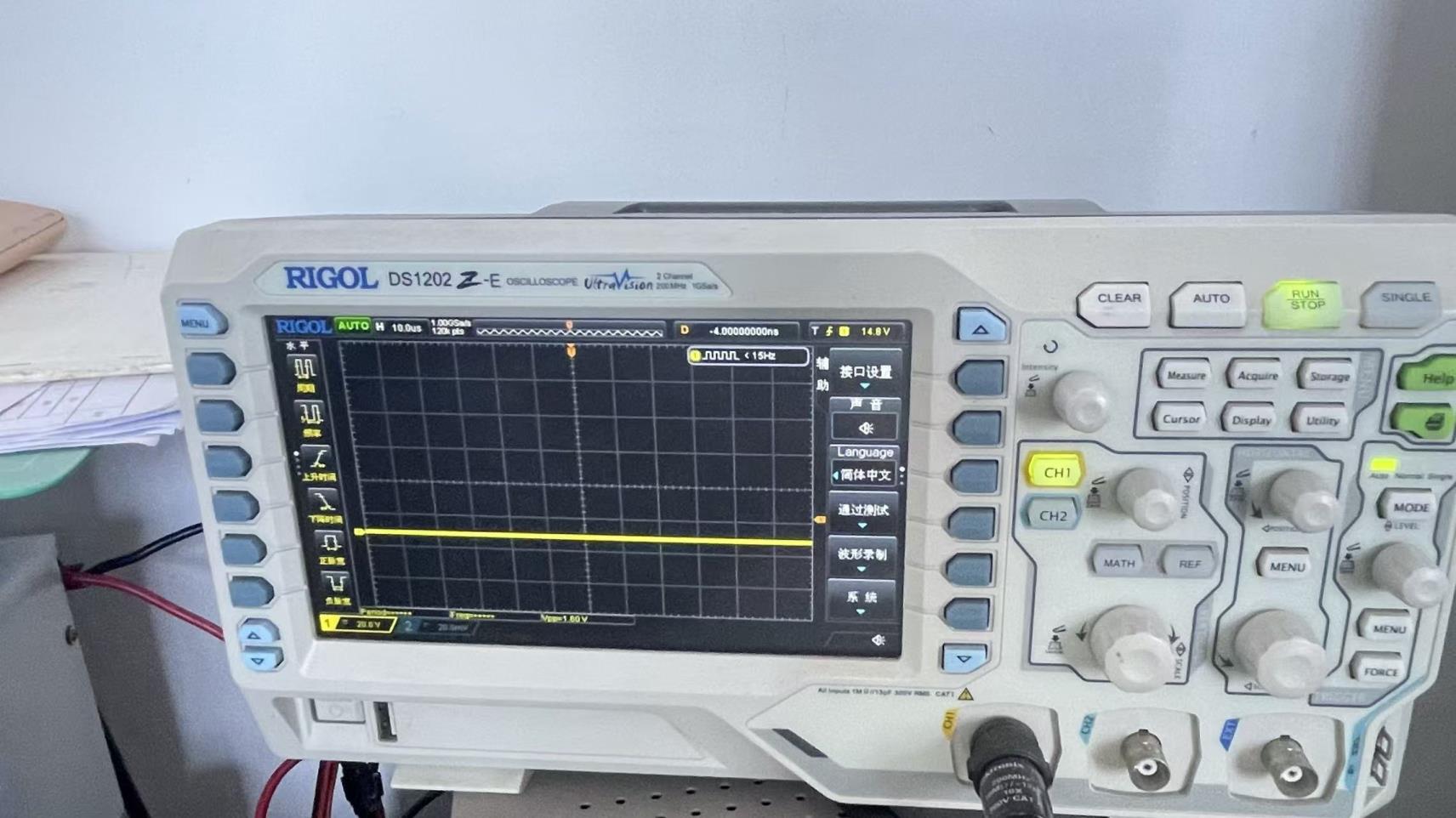
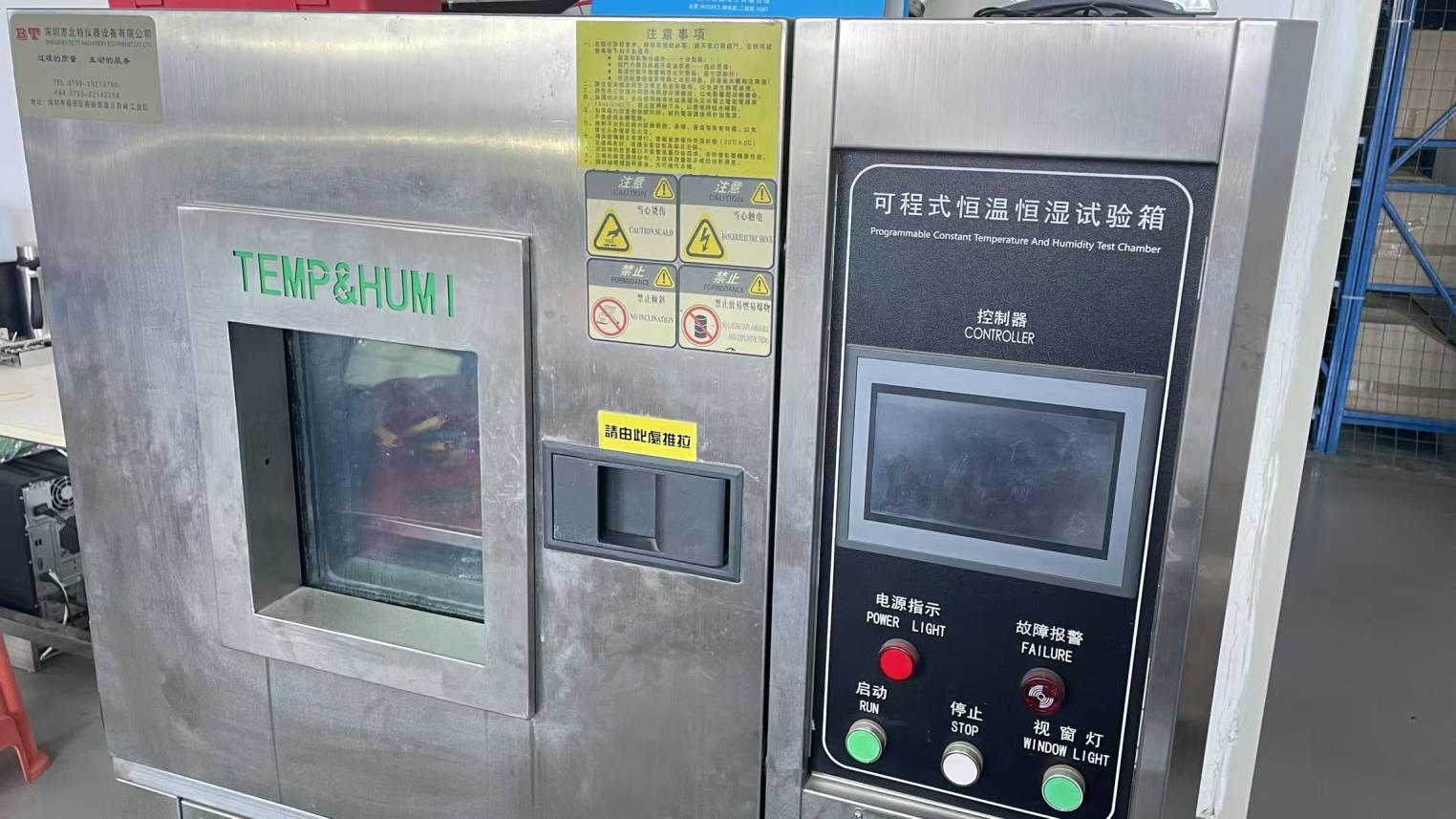
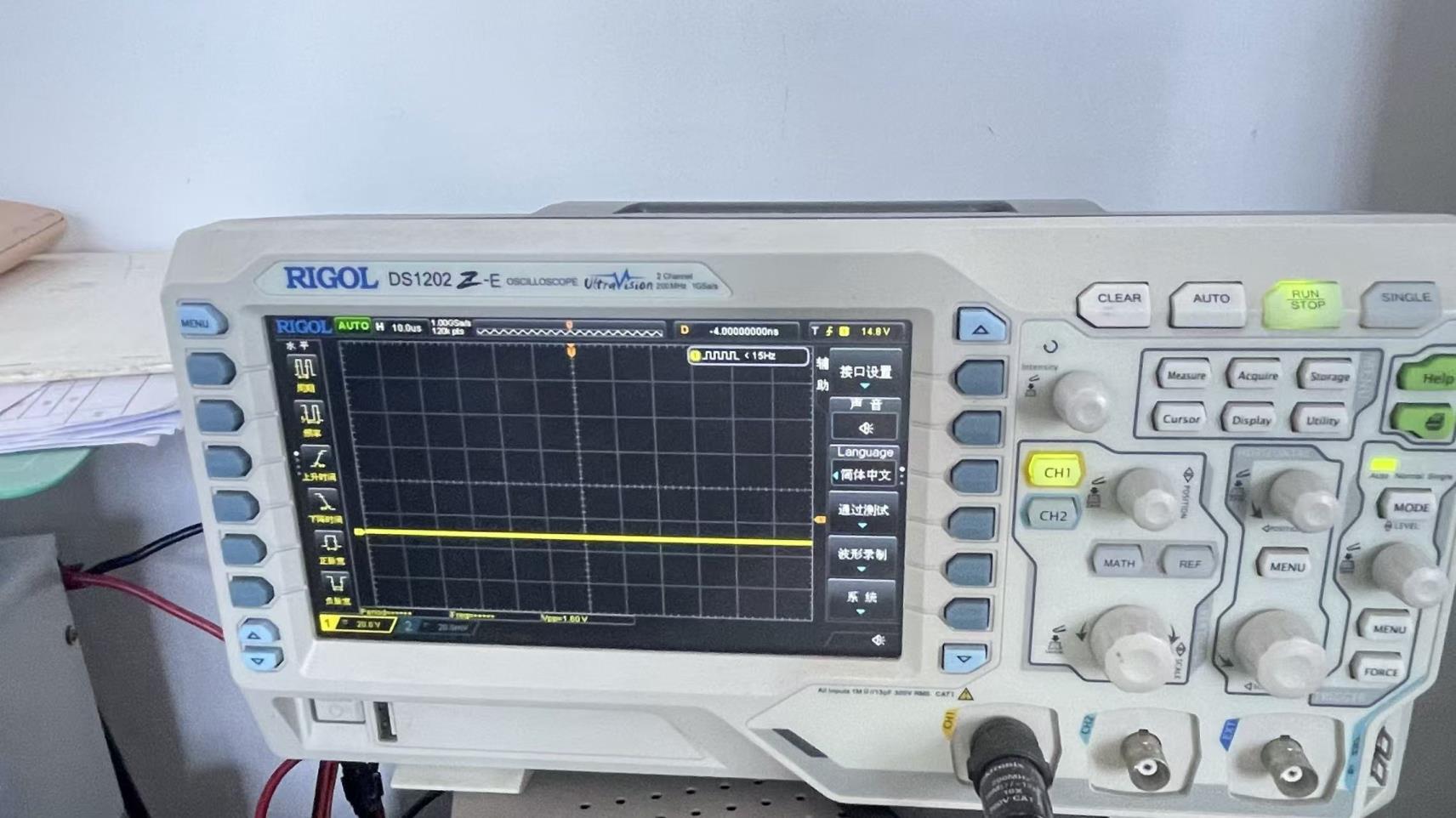
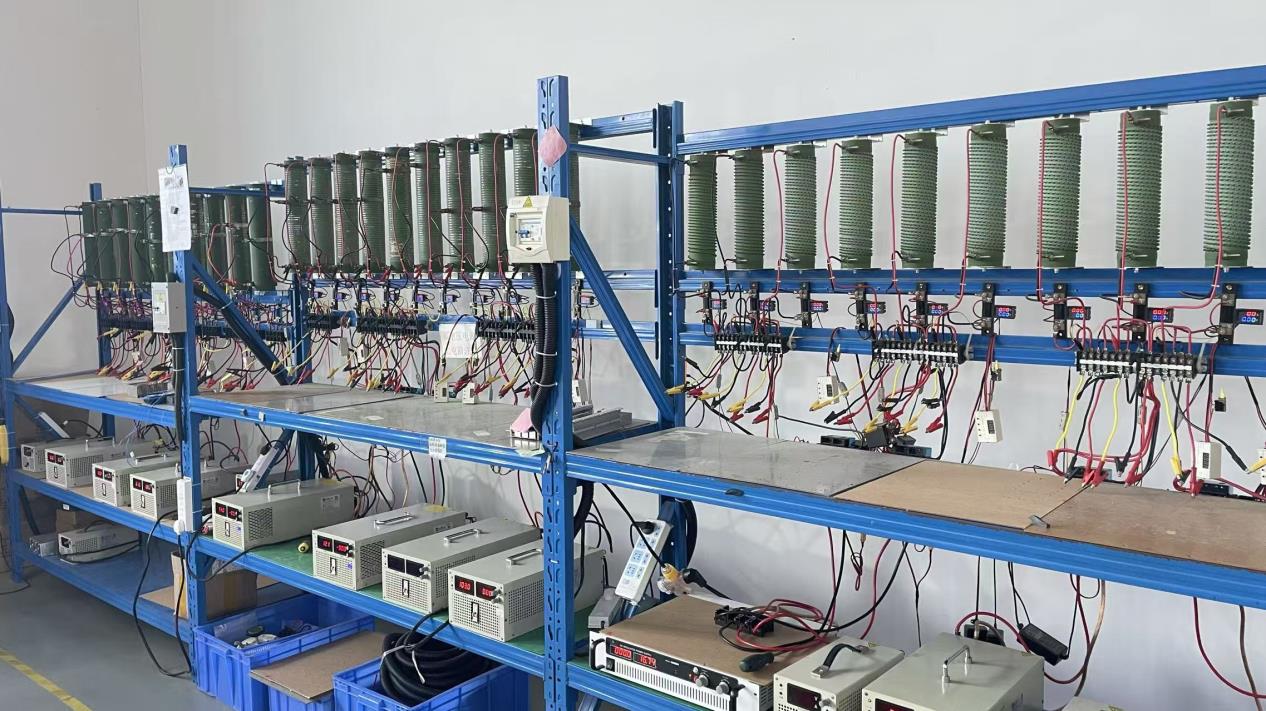
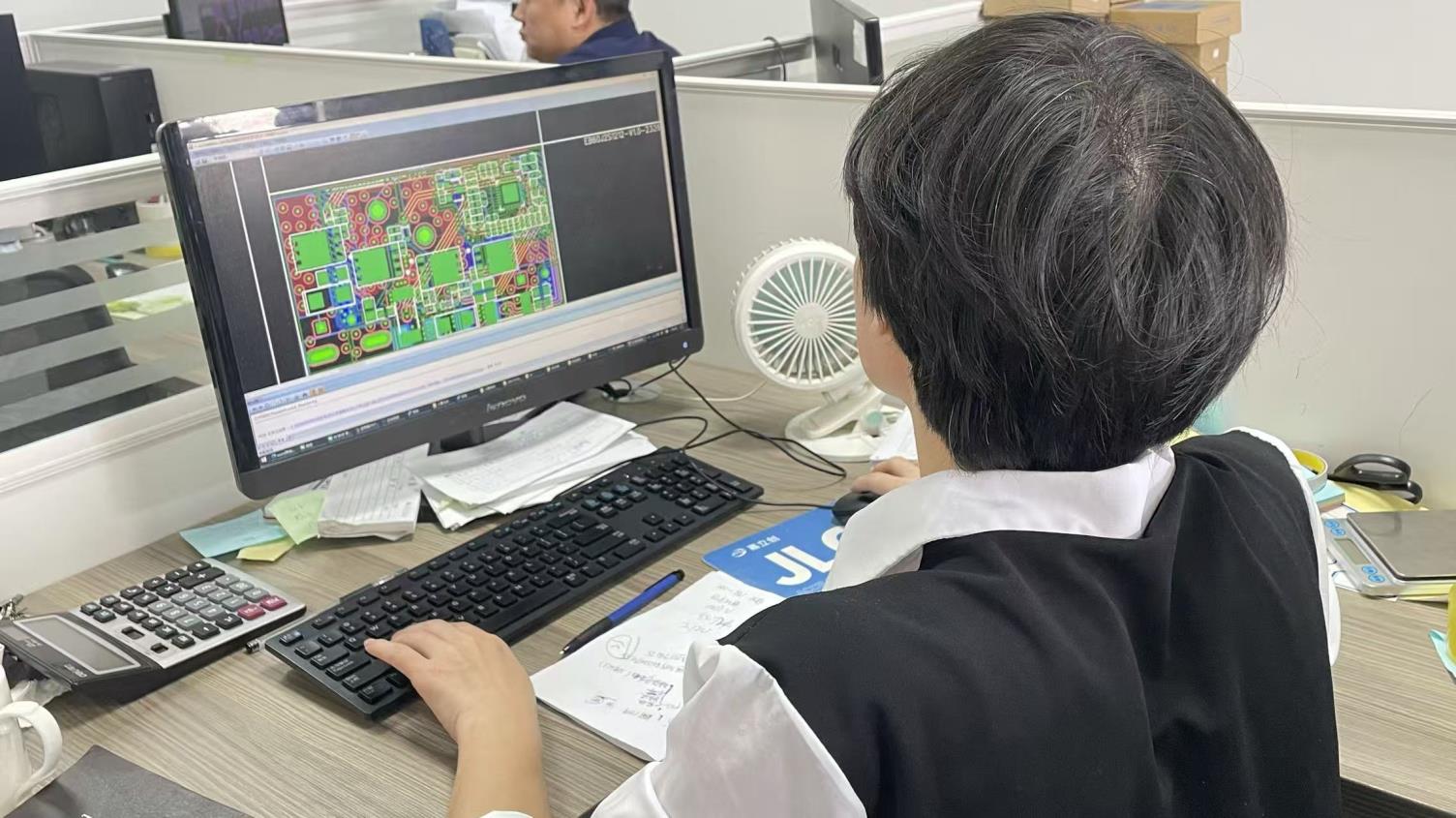
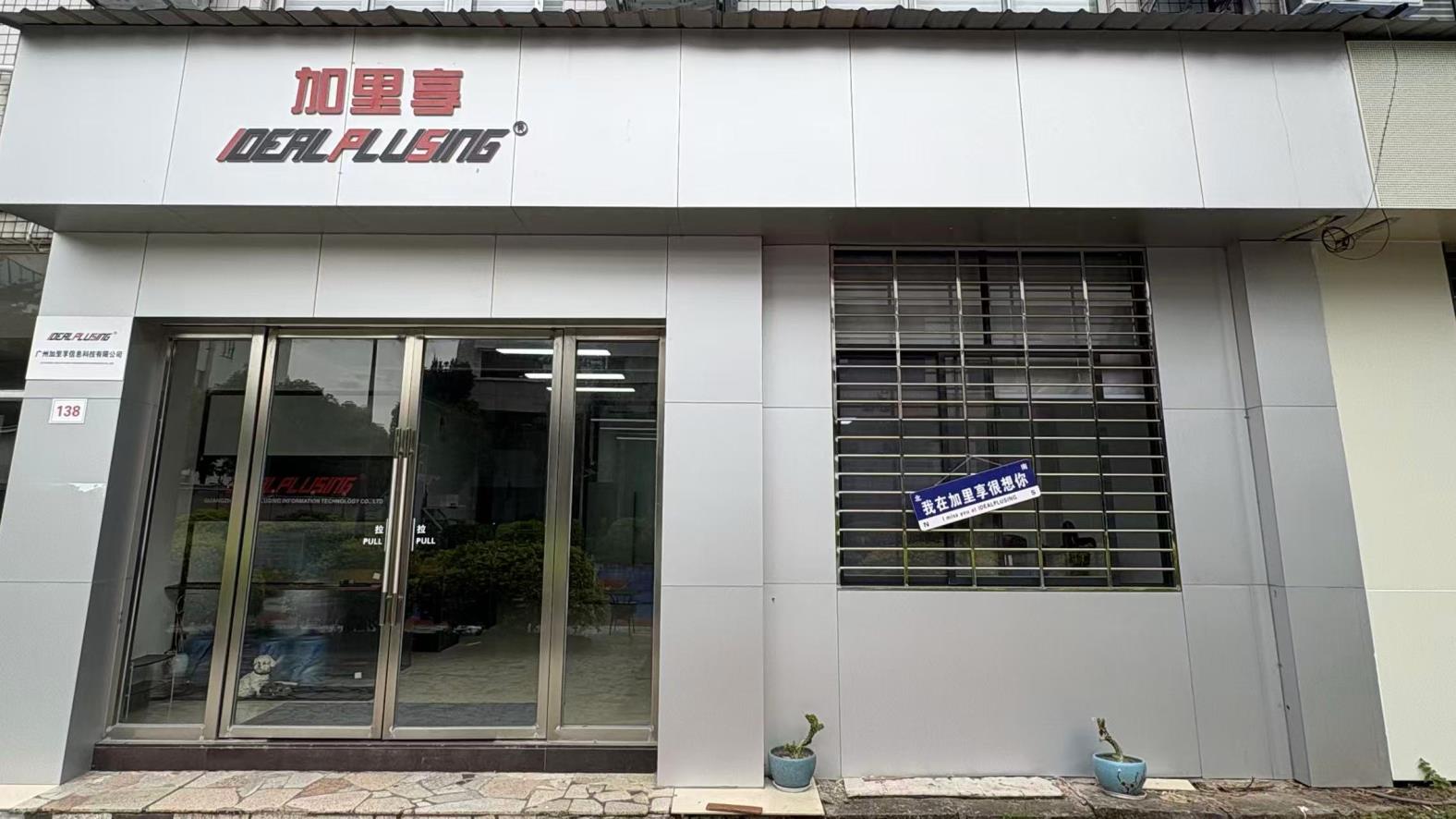
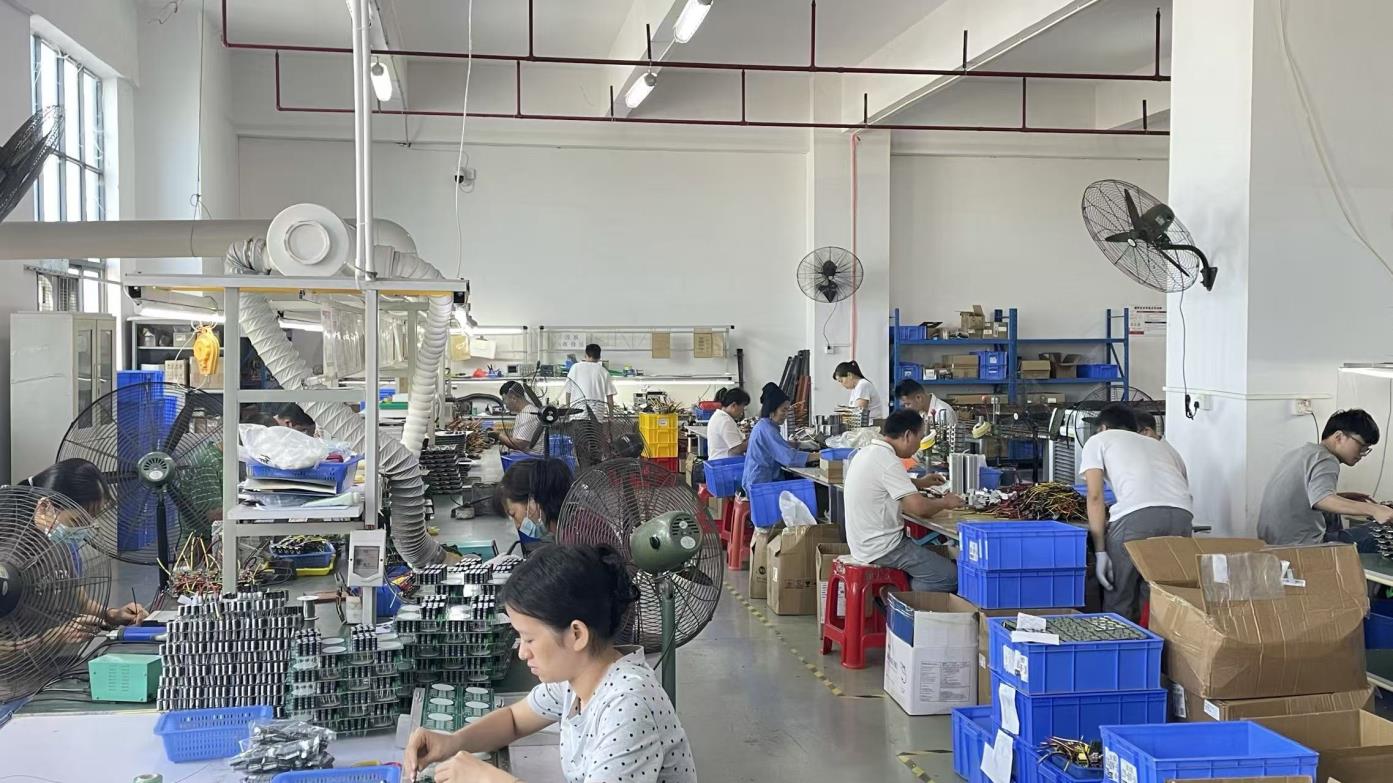
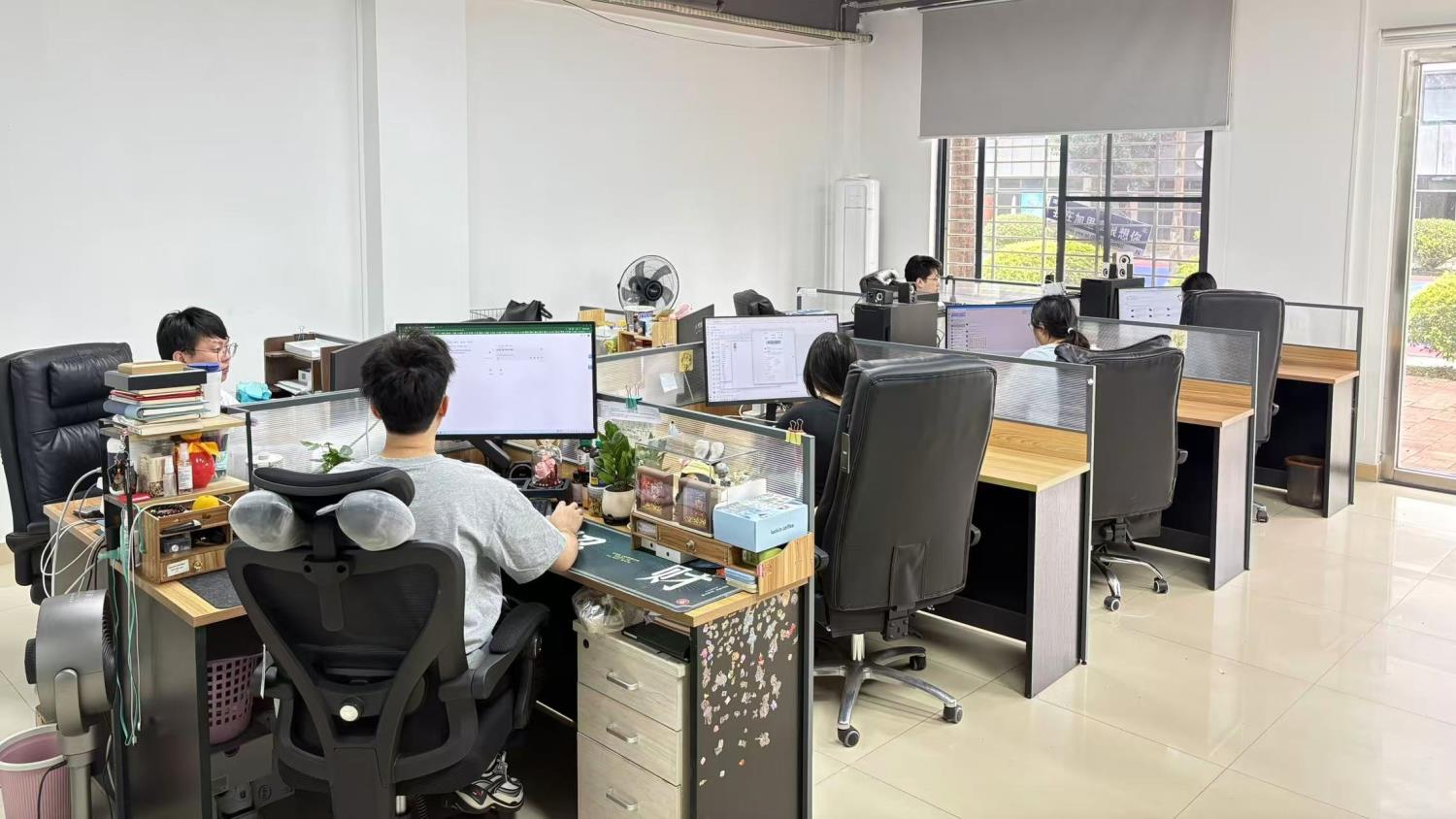
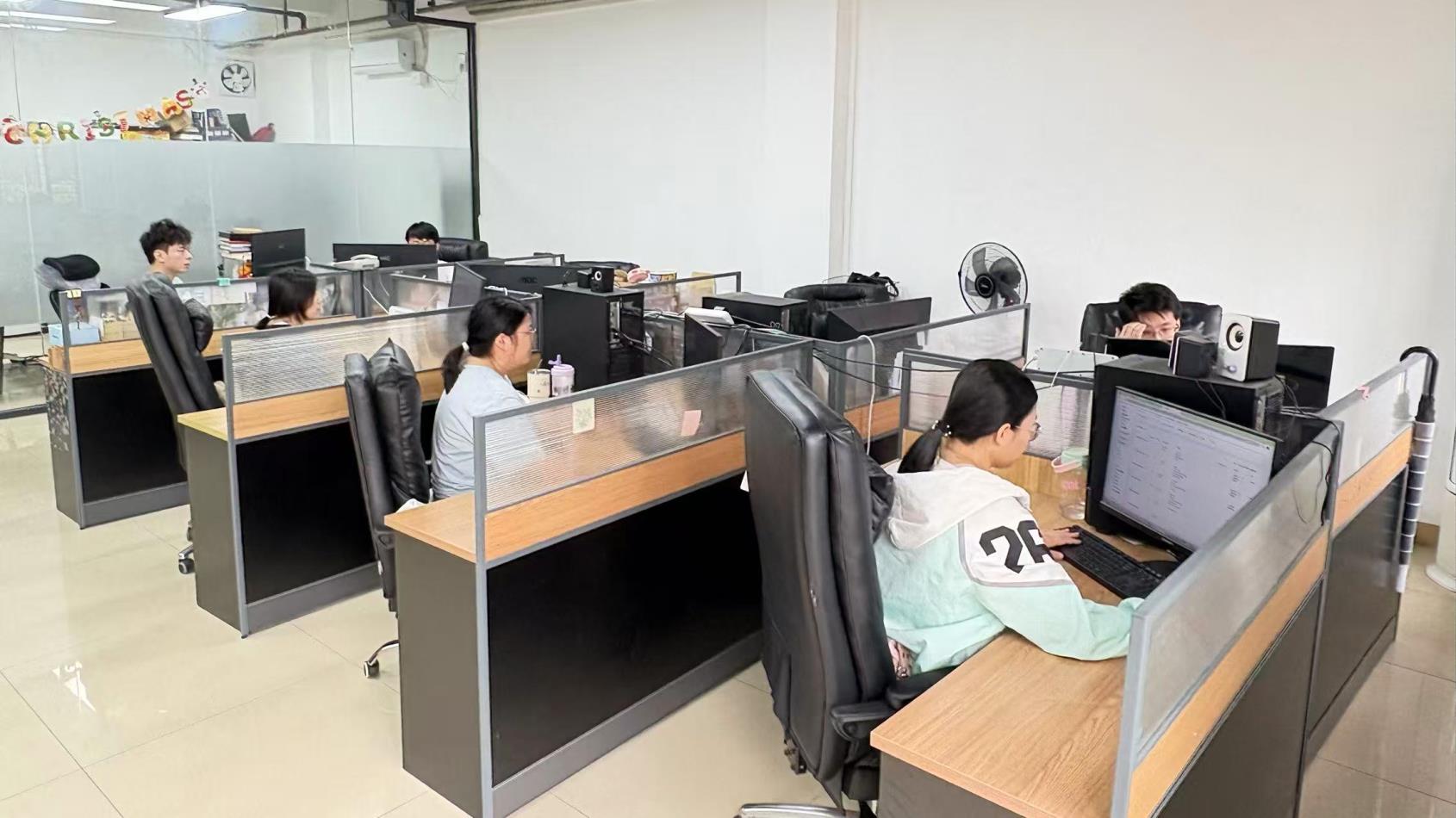
Guangzhou Manufacturing Facilities
A closer look at our infrastructure, showing where our power architectures are designed, tested, and assembled.
Industrial Application Scenarios
How global industries apply our bidirectional and regenerative power supplies to improve efficiency.
1. EV Battery & Drivetrain Testing
During deceleration testing, vehicle motors feed energy back into the system. A regenerative power supply acts as a bidirectional battery emulator, absorbing this excess energy and feeding it back to the facility's grid. This eliminates the need for large resistive load banks and reduces localized cooling demands.
2. Aerospace Power Systems (400Hz Systems)
Aircraft and ground support networks operate on a precise 400Hz frequency. Our specialized three-phase frequency converters simulate these onboard power grids, allowing avionics systems to undergo stress testing and validation under controlled, real-world conditions.
3. Renewable Energy Inverter Emulation
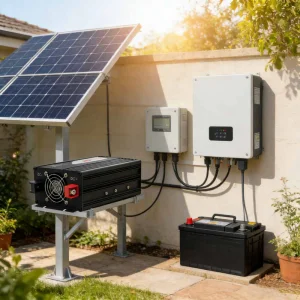
Testing solar or wind inverters requires simulating dynamic PV arrays. Our programmable high-power systems replicate these varying inputs, testing the inverter's Maximum Power Point Tracking (MPPT) performance while feeding the converted energy back to the grid for recovery.
4. Industrial Automation & Burn-In Lines
During the burn-in phase of high-voltage devices, components run continuously at high loads. Regenerative systems recover the power consumed by these devices during testing, turning energy loss into recycled power that lowers facility operating costs.
Regenerative Power Supply Technical FAQ
Professional answers to common engineering questions about regenerative power design, integration, and thermal management.
Specialized Power Converters & Testing Equipment
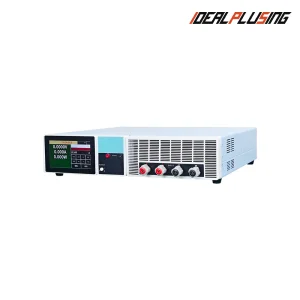
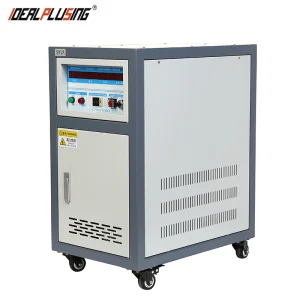
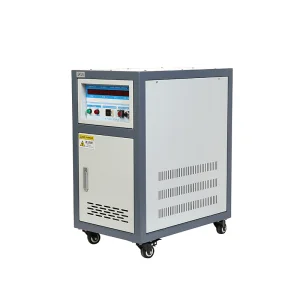
Explore our industrial-grade power converters, programmable chargers, and electronic loads designed for long-term reliability.