1 / 5
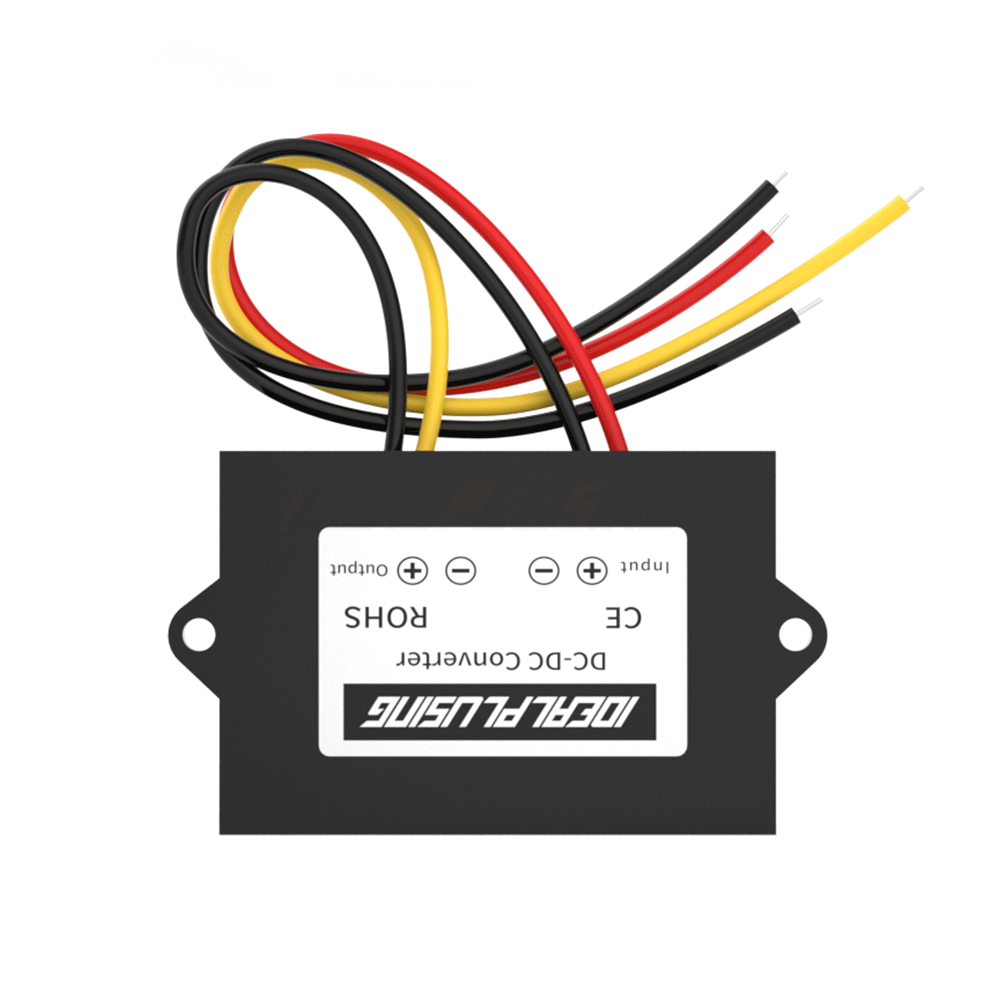
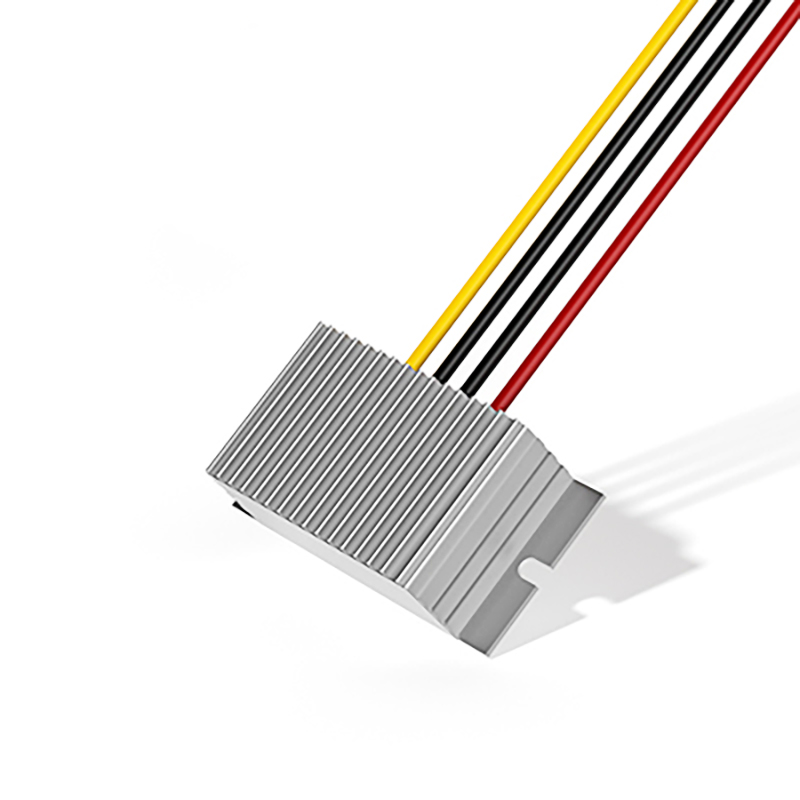
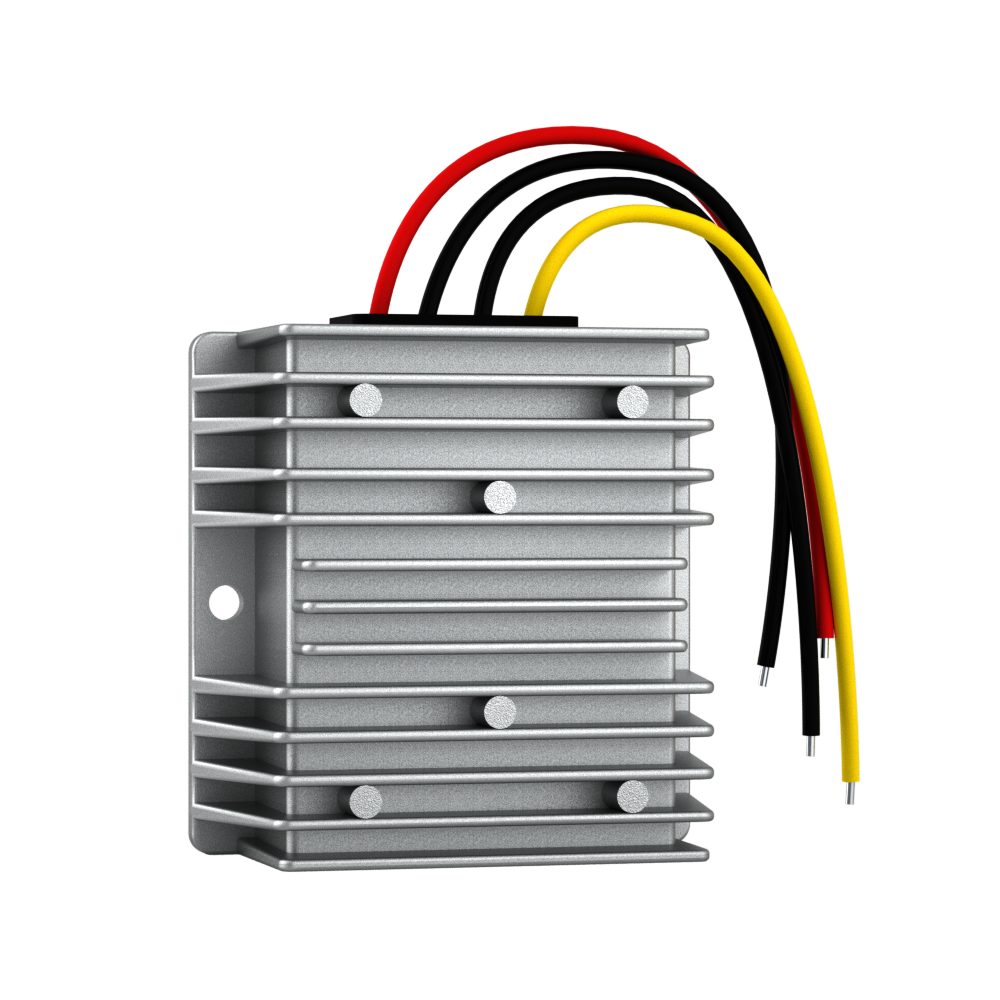
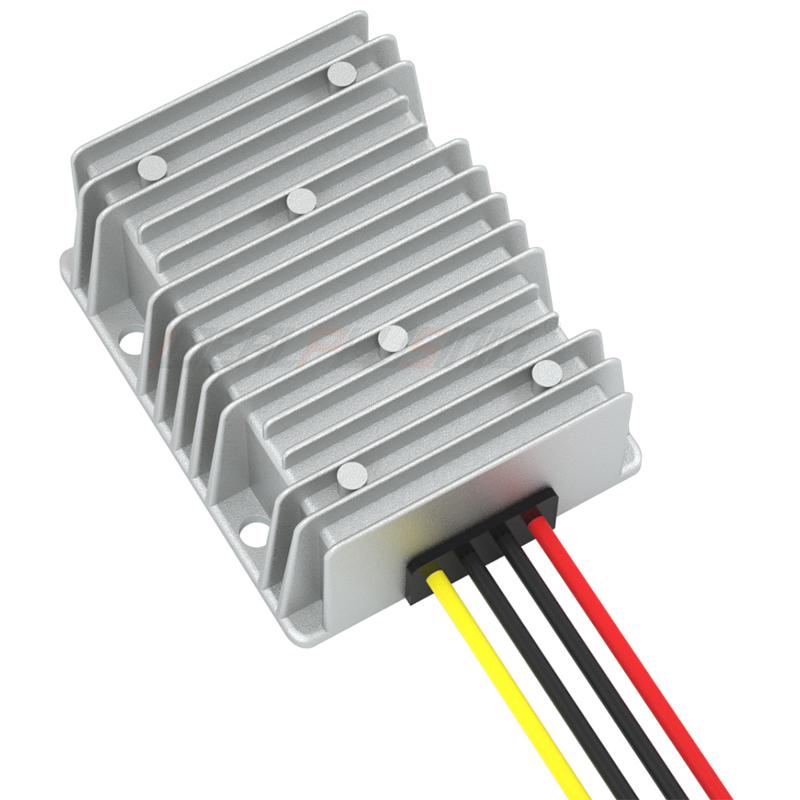
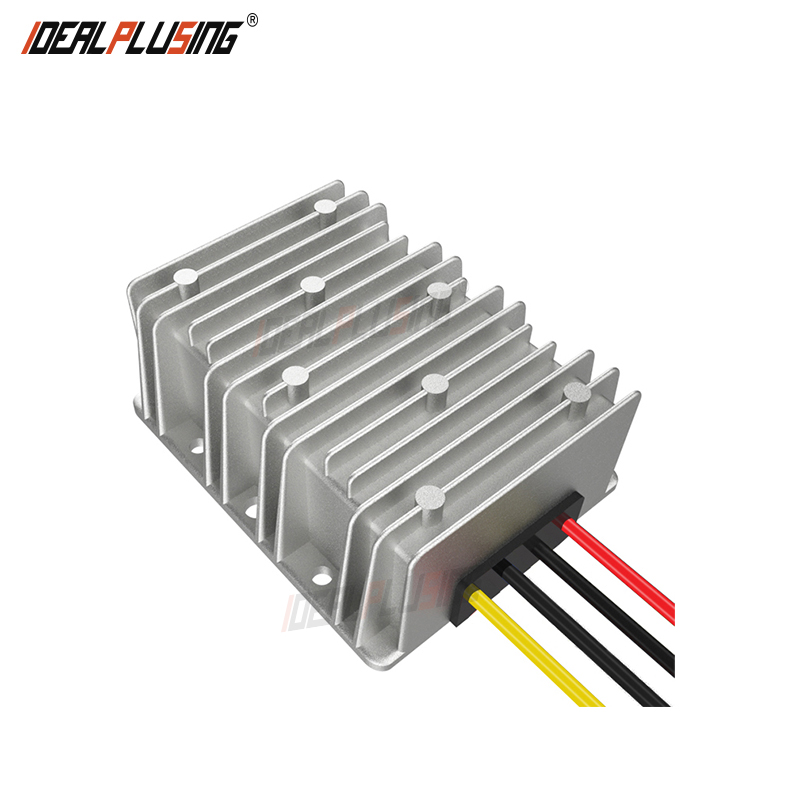
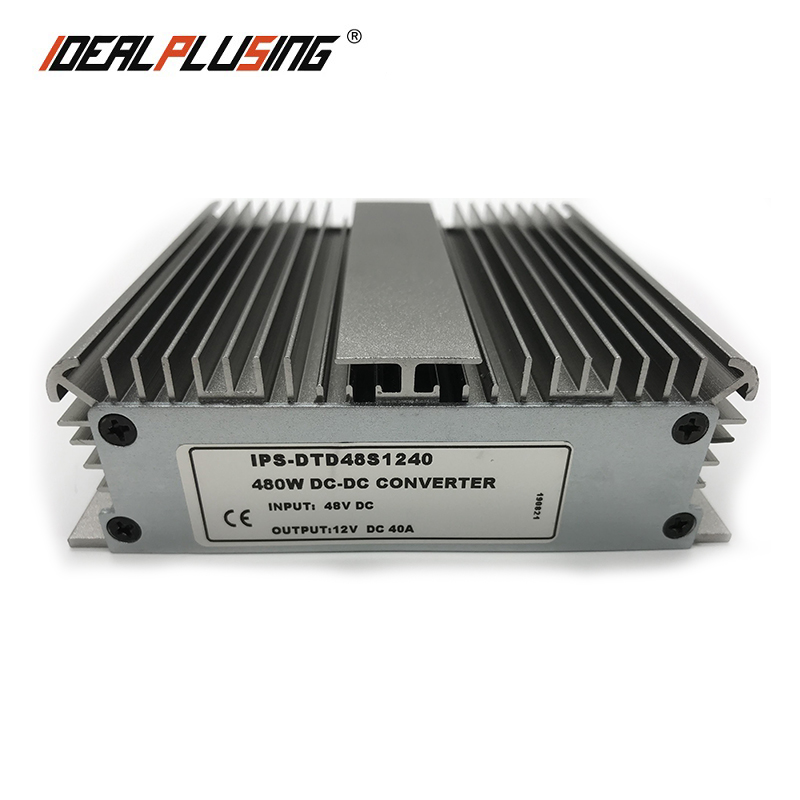
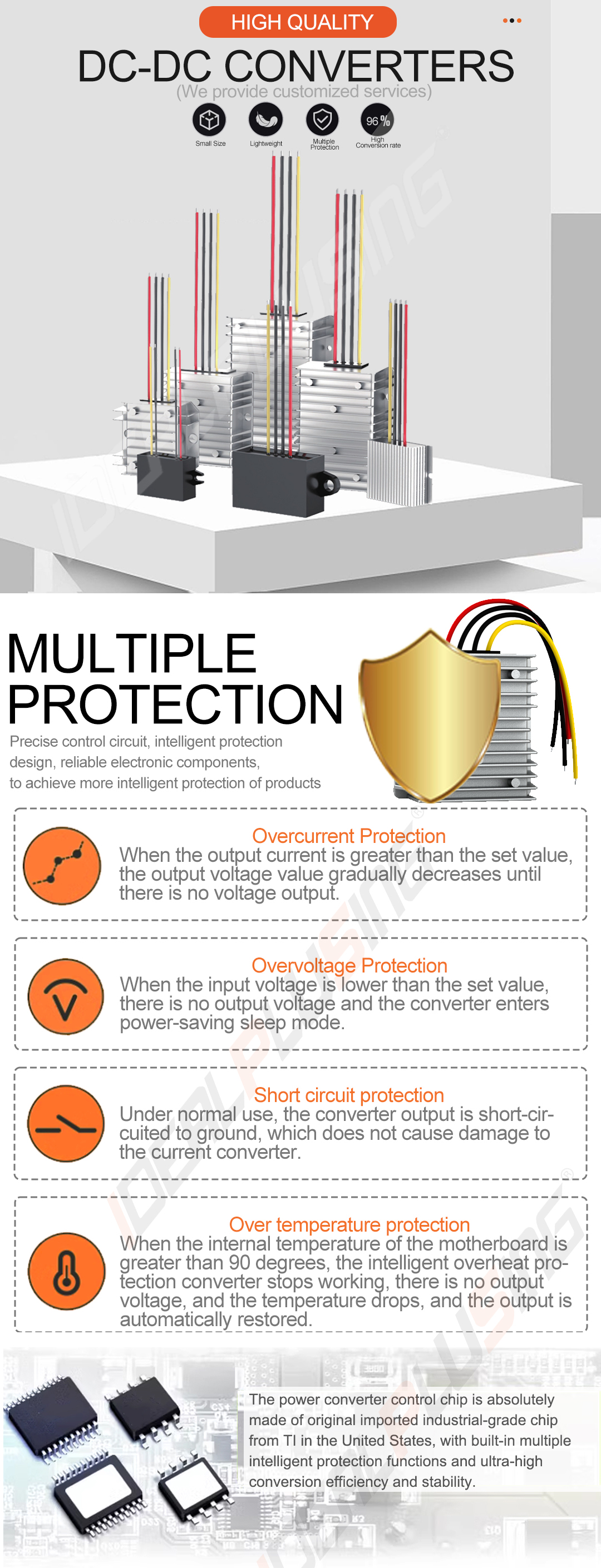
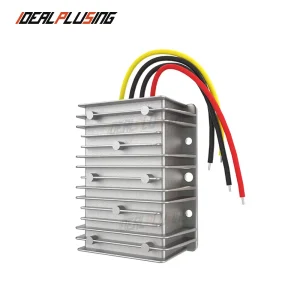
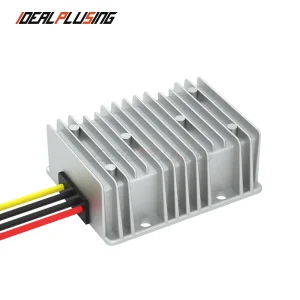
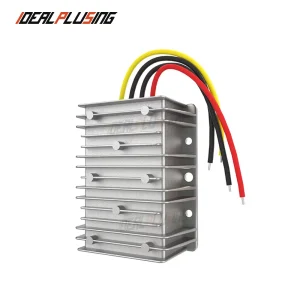
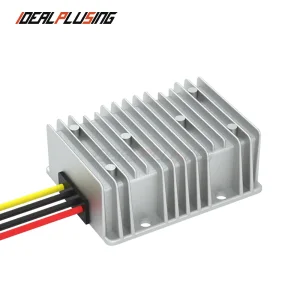
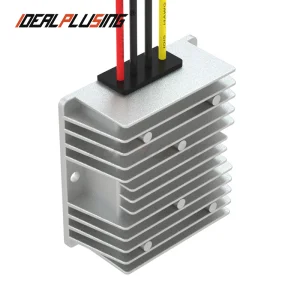
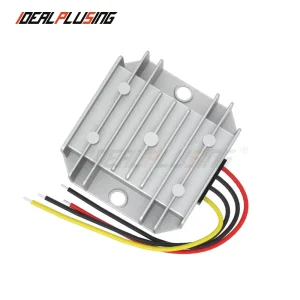
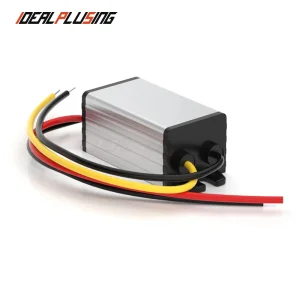
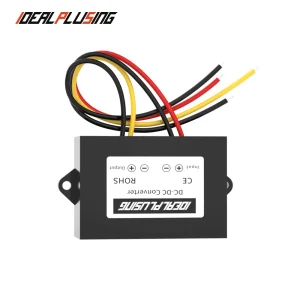
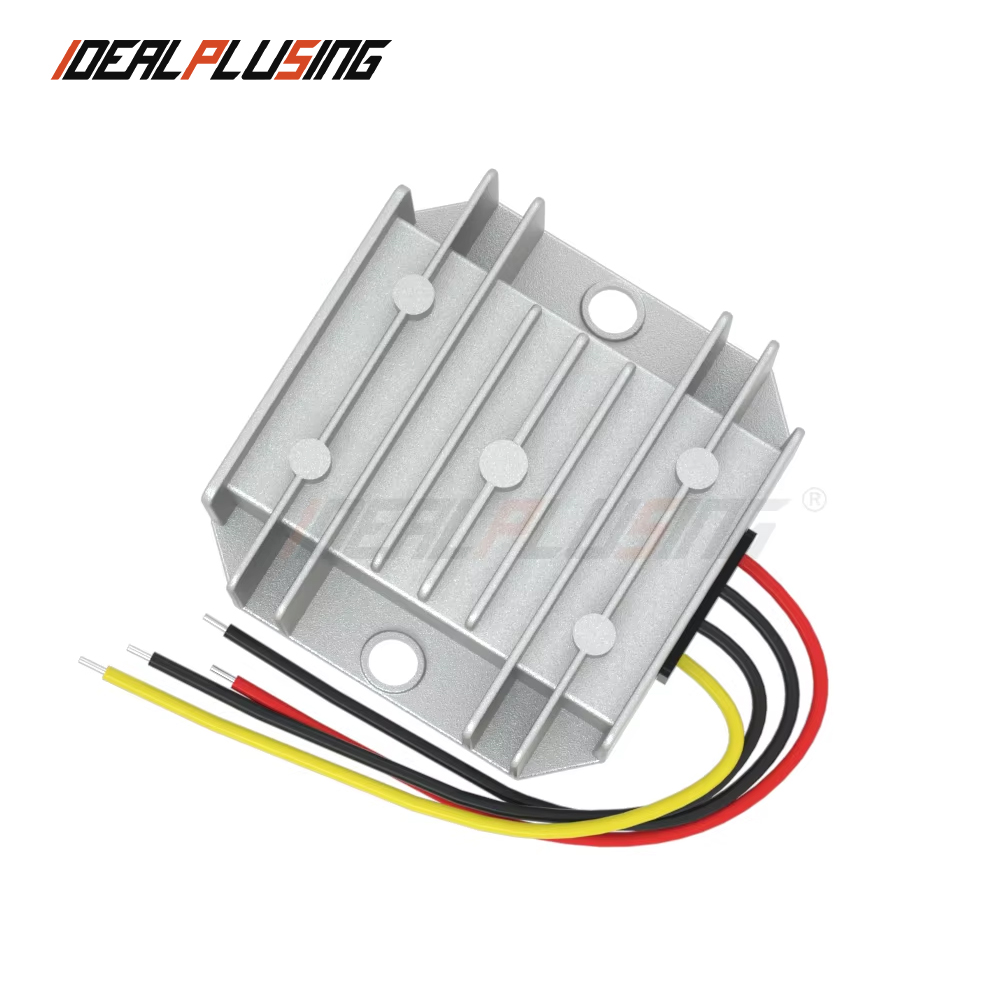
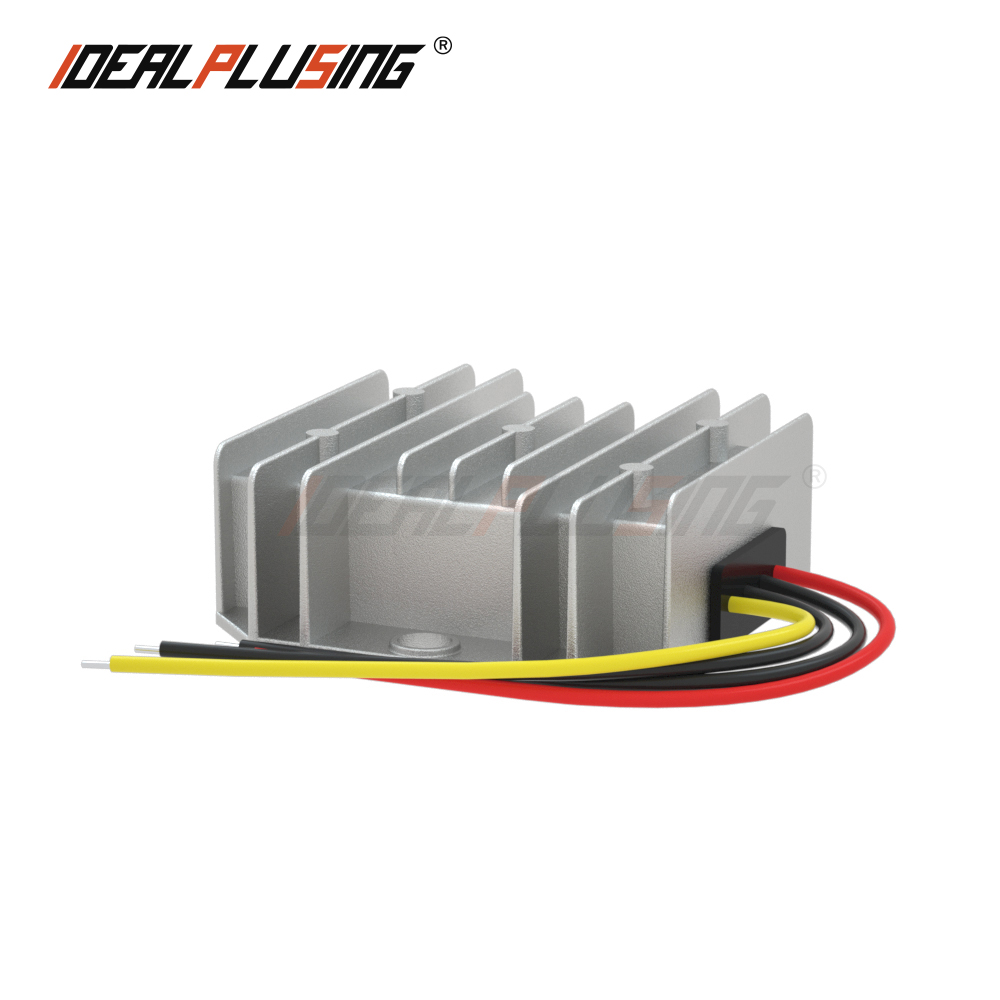
A DC/DC converter is a voltage converter which can effectively output fixed voltage after converting input voltage. These converters are essential for stabilizing power in various electronic systems. They are categorized into Boost, Boost & Buck, and Buck types, adopting PWM or PFM control based on demand.
PWM control provides high efficiency with low noise, while PFM control excels in low power consumption for long-term use under small loads. Currently, these converters are widely used in mobile devices, digital cameras, and portable media players.
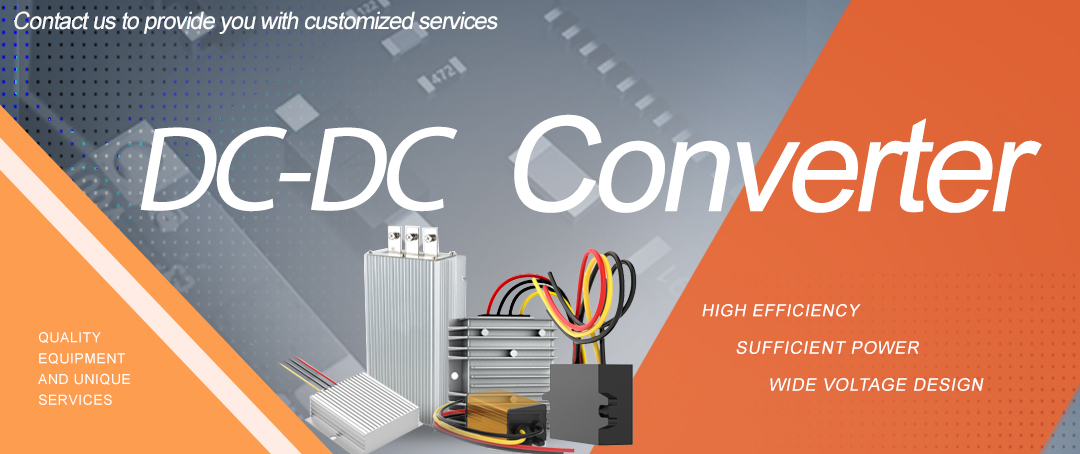
Research and development focused on DC to DC modules, rectifiers, and inverters. Personalized, efficient, and reliable solutions for all industries.
Specializing in custom ranges from 1V to 1000V DC and 1A to 1000A current outputs.
Options available for both isolated and non-isolated converter designs to suit specific safety and performance requirements.
| Parameter | Details |
|---|---|
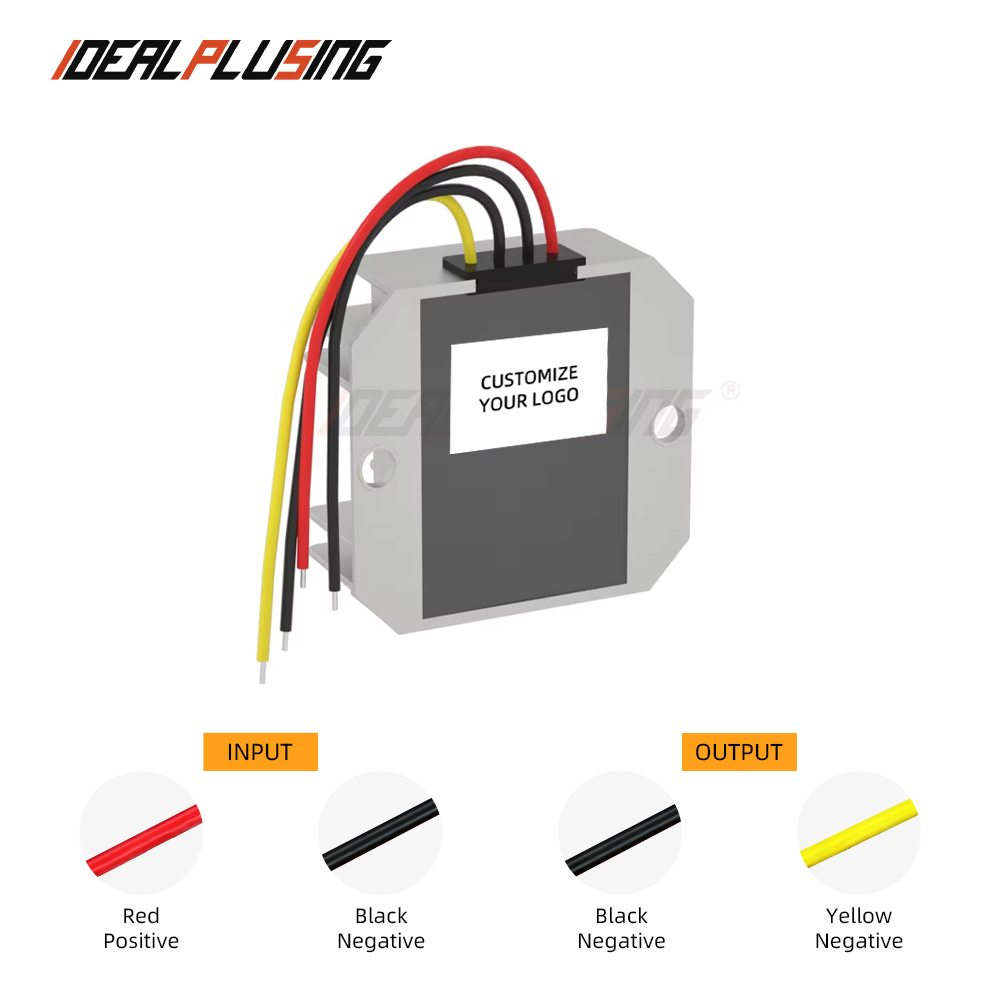
| Type | Non-isolate |
| Model | IPS-DTD10-36S243 |
| Input Voltage | 10-36VDC |
| Output Voltage | 24VDC |
| Output Current | 3Amps |
| Output Power | 72Watts |
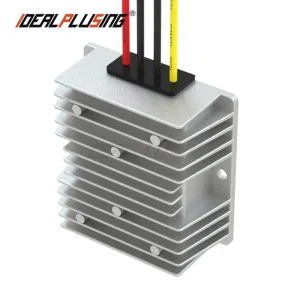
| Shell Material | Aluminum |
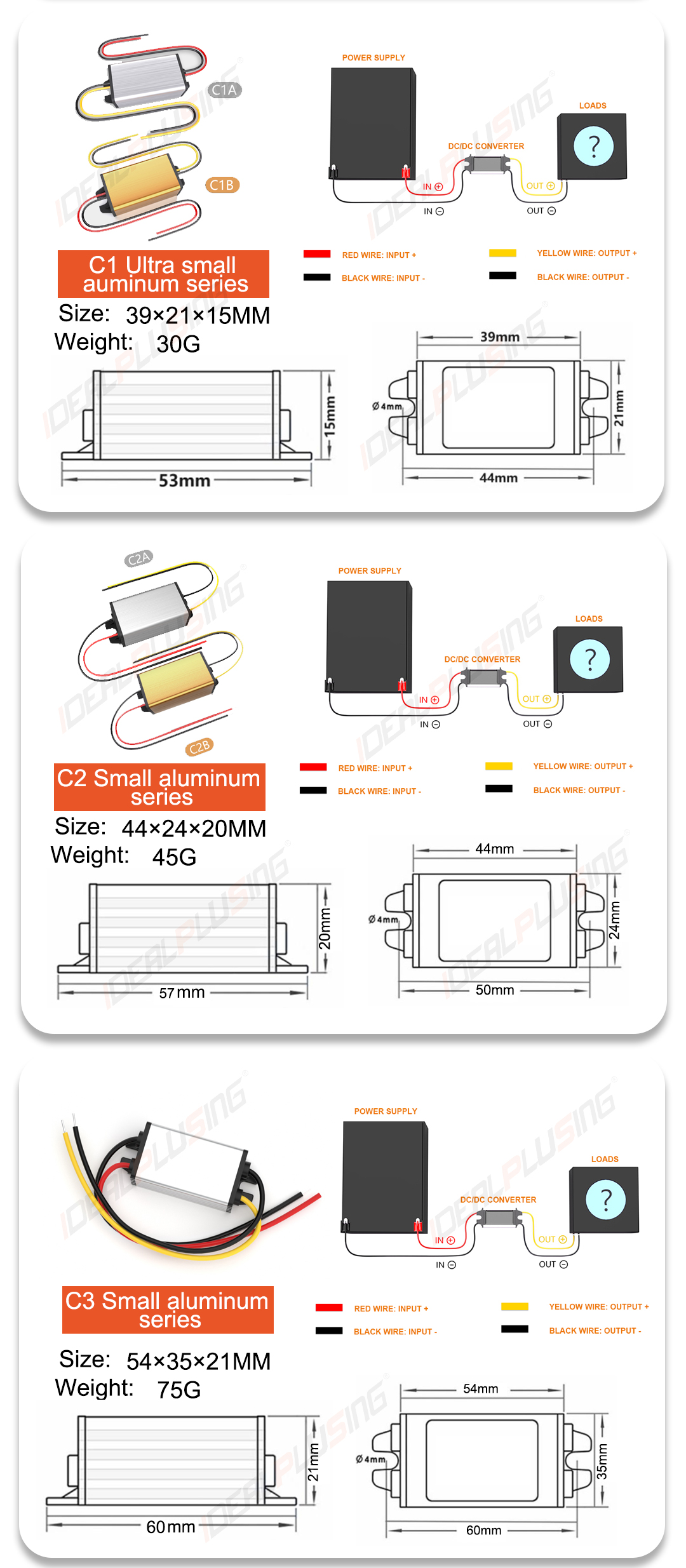
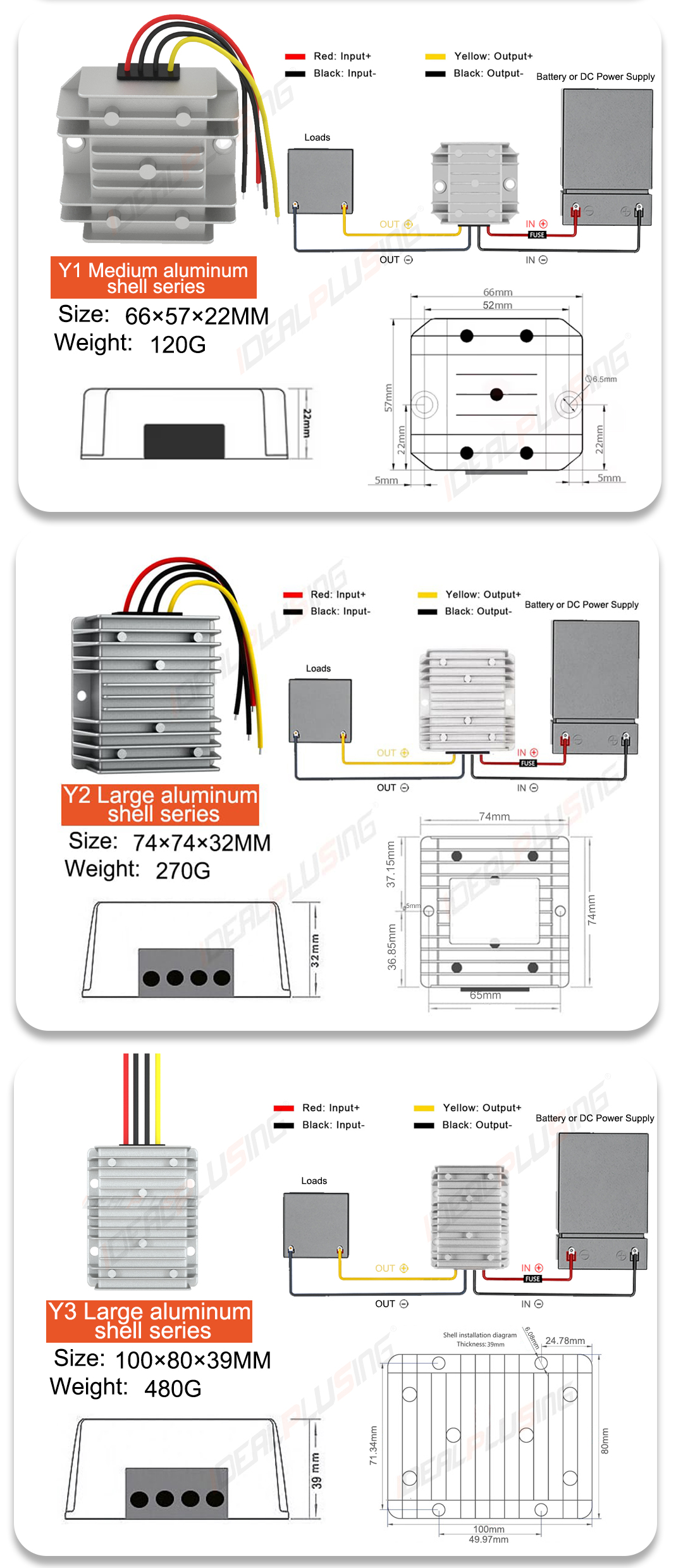
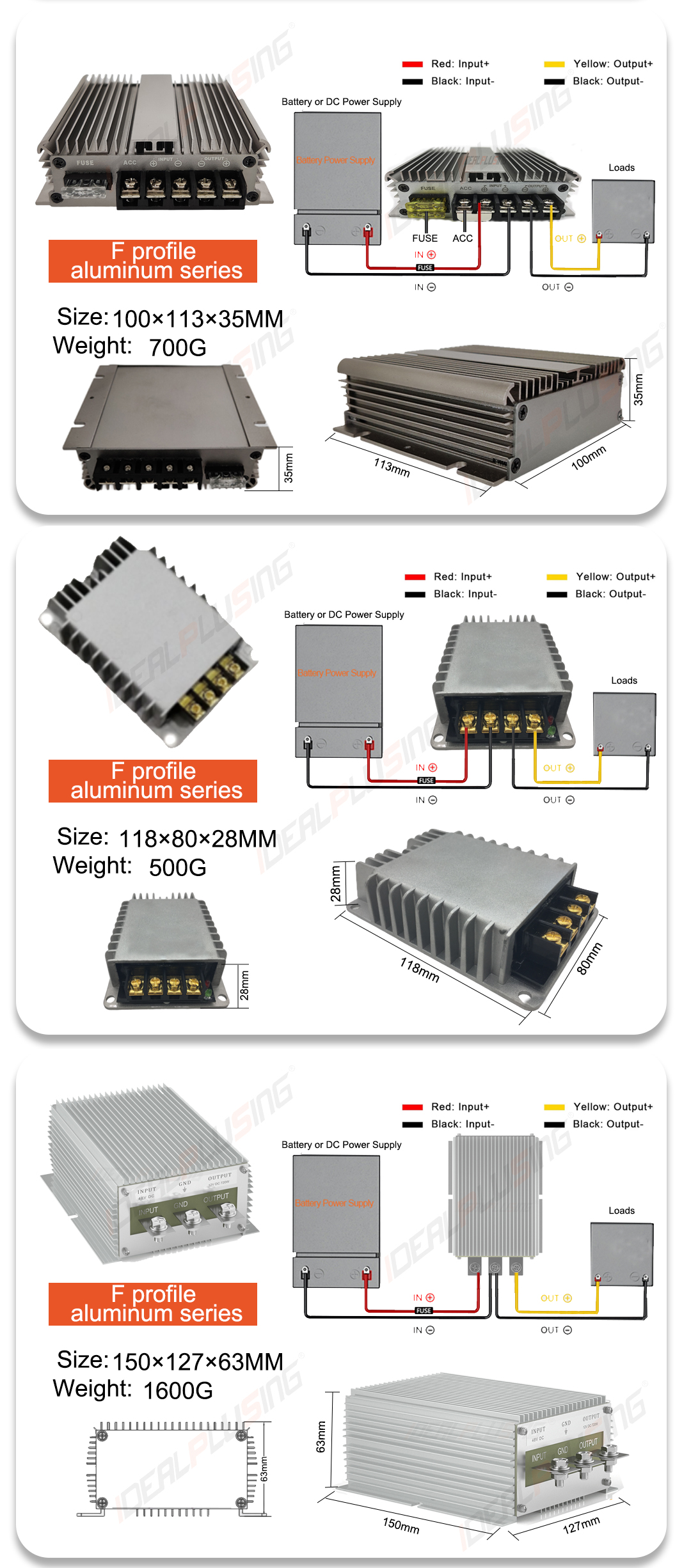
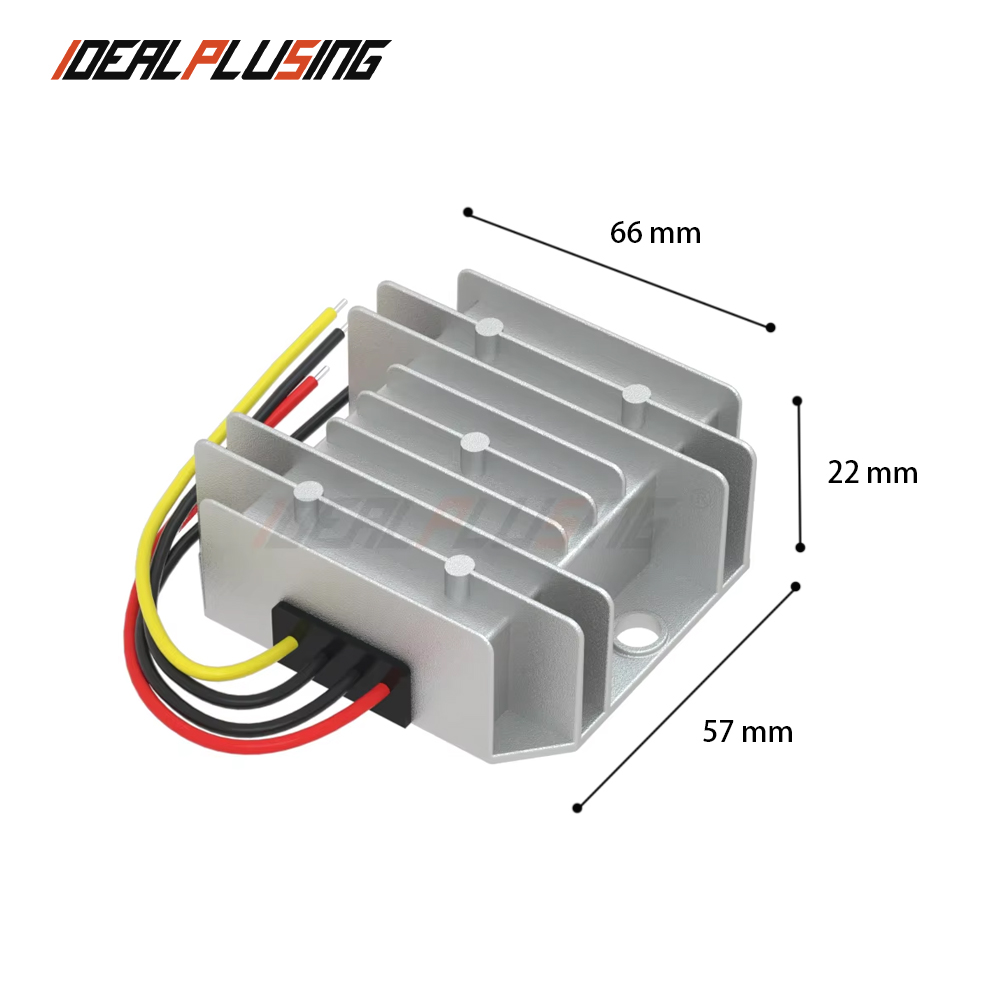
| Size | 66*57*22MM |
| Net Weight | 130G |
| Waterproof Level | IP67 |
| NON-ISOLATED SERIES | |||
|---|---|---|---|
| Type | Model/Series | Input to Output | Output Current Options |
| DC-DC Boost | IPS-DTD12S15** | 12V to 15V | 1/2/3/4/5/8/10/12/15A |
| IPS-DTD12S24** | 12V to 24V | Up to 50A | |
| IPS-DTD12S48** | 12V to 48V | 1 to 20A | |
| IPS-DTD24S48** | 24V to 48V | 2 to 40A | |
| DC-DC Buck | IPS-DTD1224S5** | 12/24V to 5V | Up to 60A |
| IPS-DTD24S12** | 24V to 12V | Up to 100A | |
| IPS-DTD48S24** | 48V to 24V | 1 to 50A | |