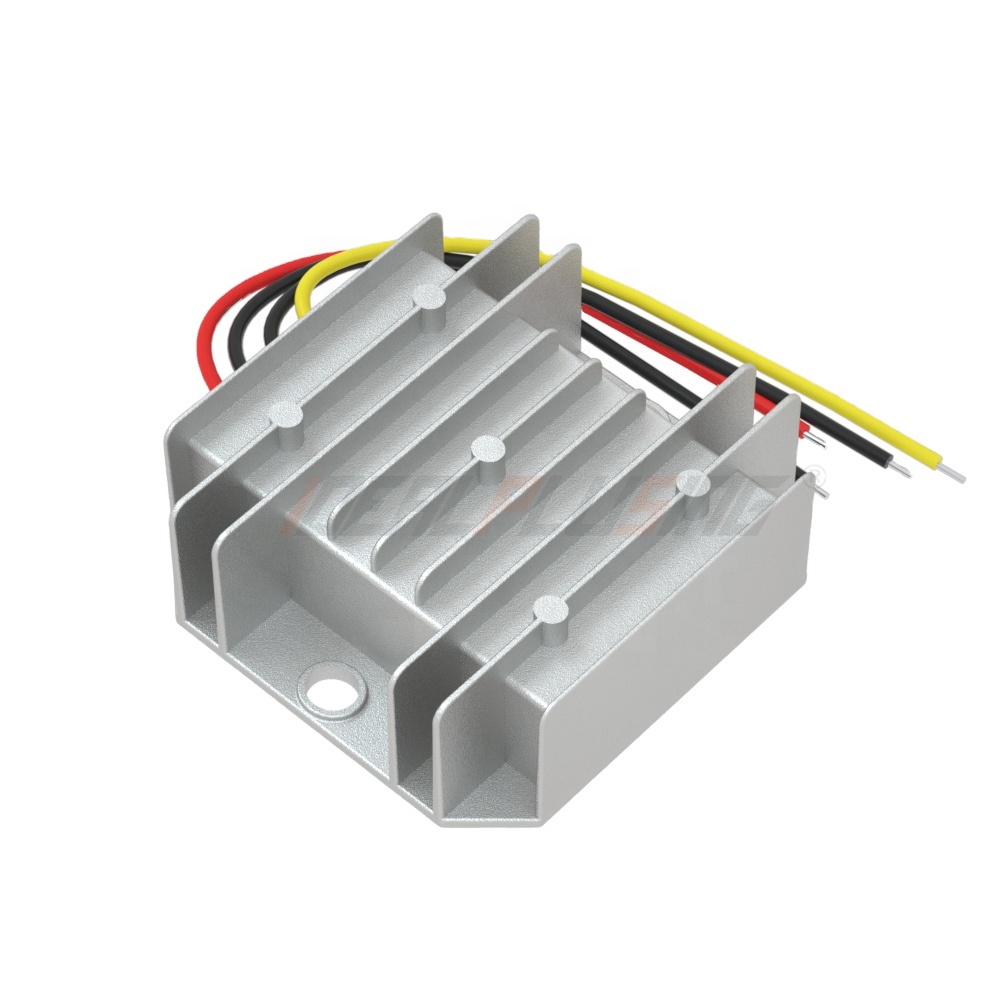
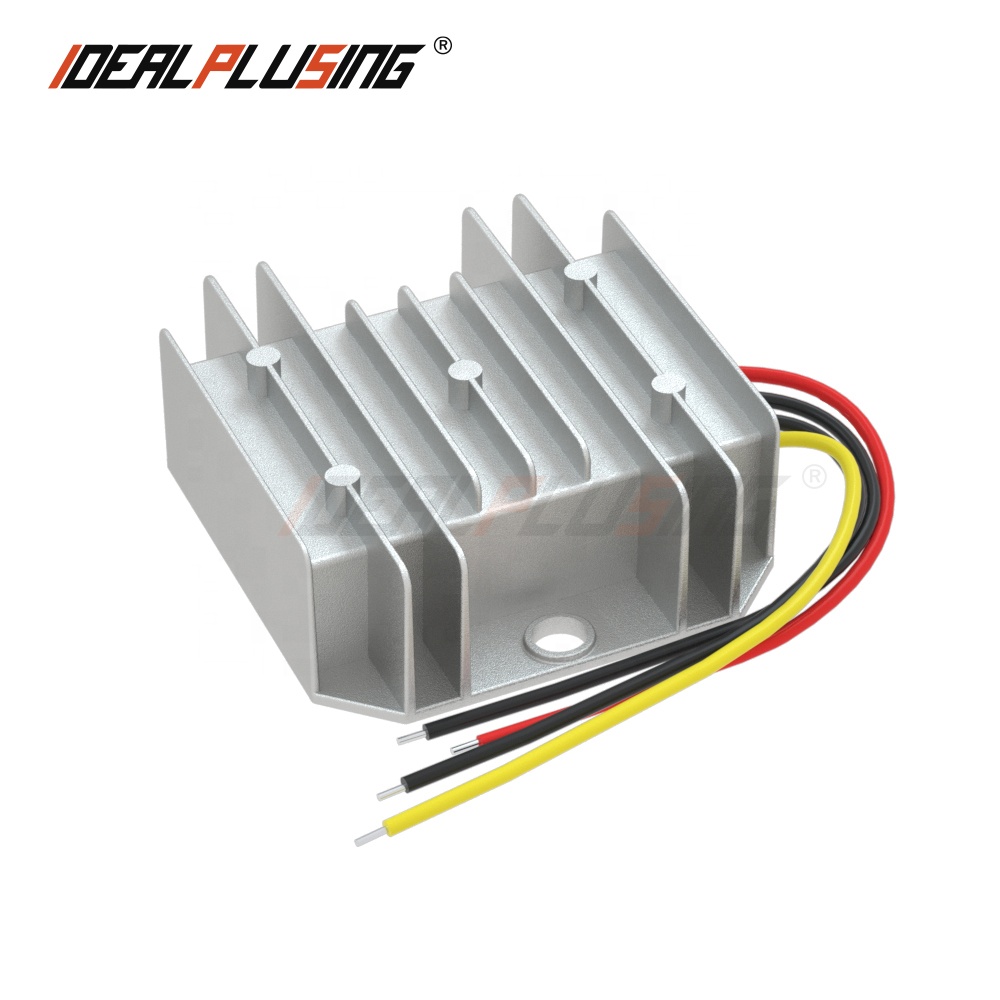
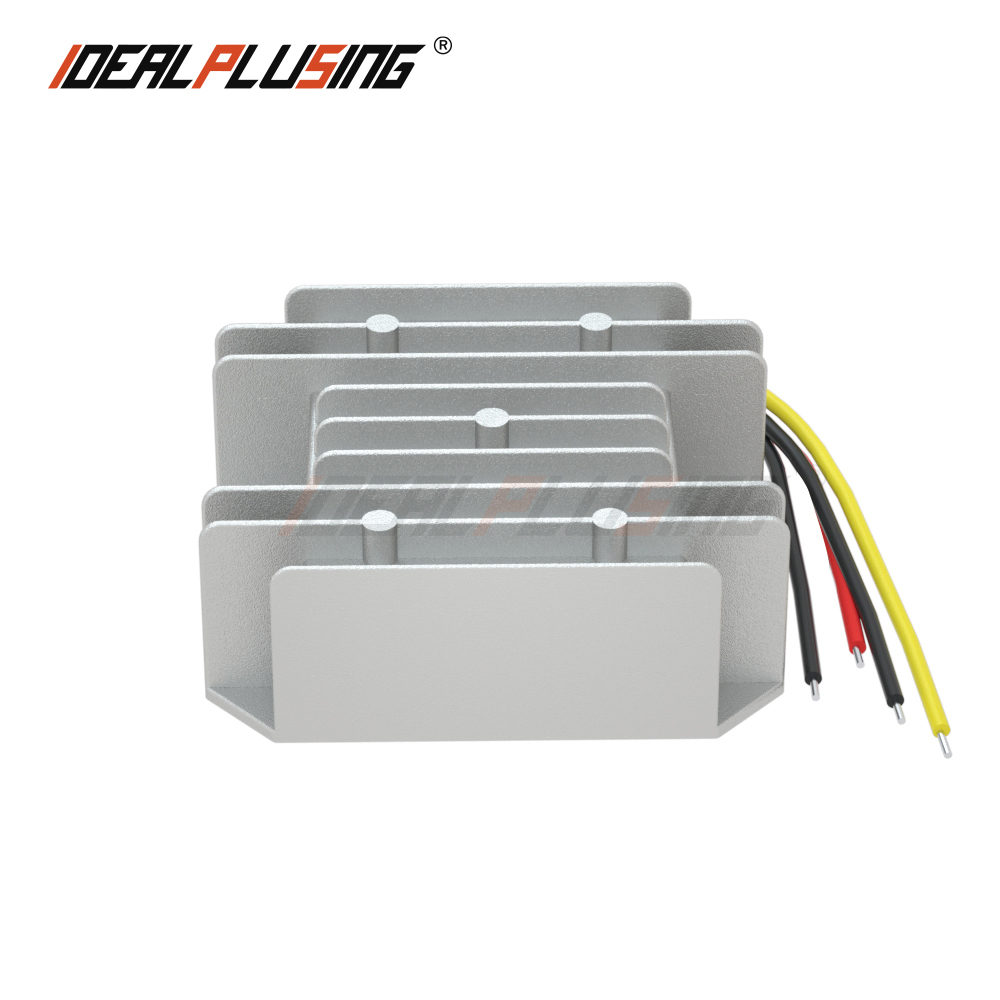
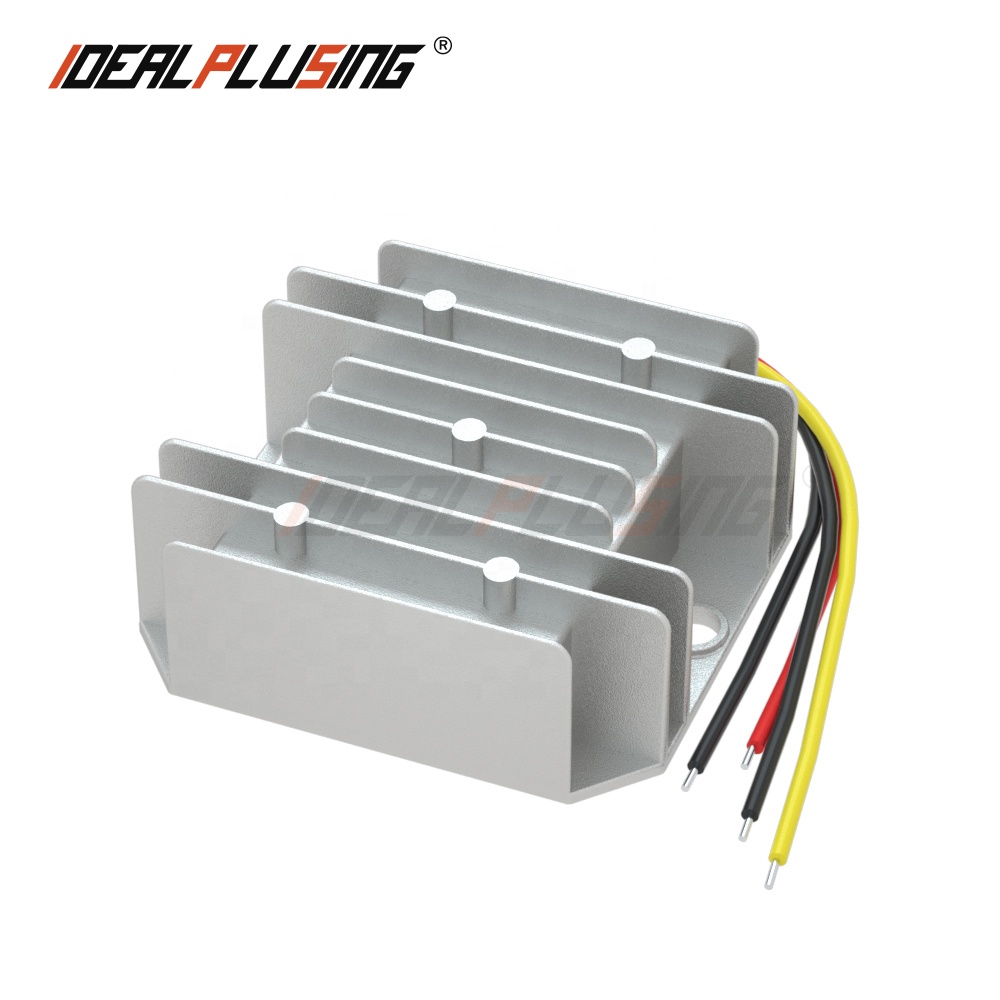
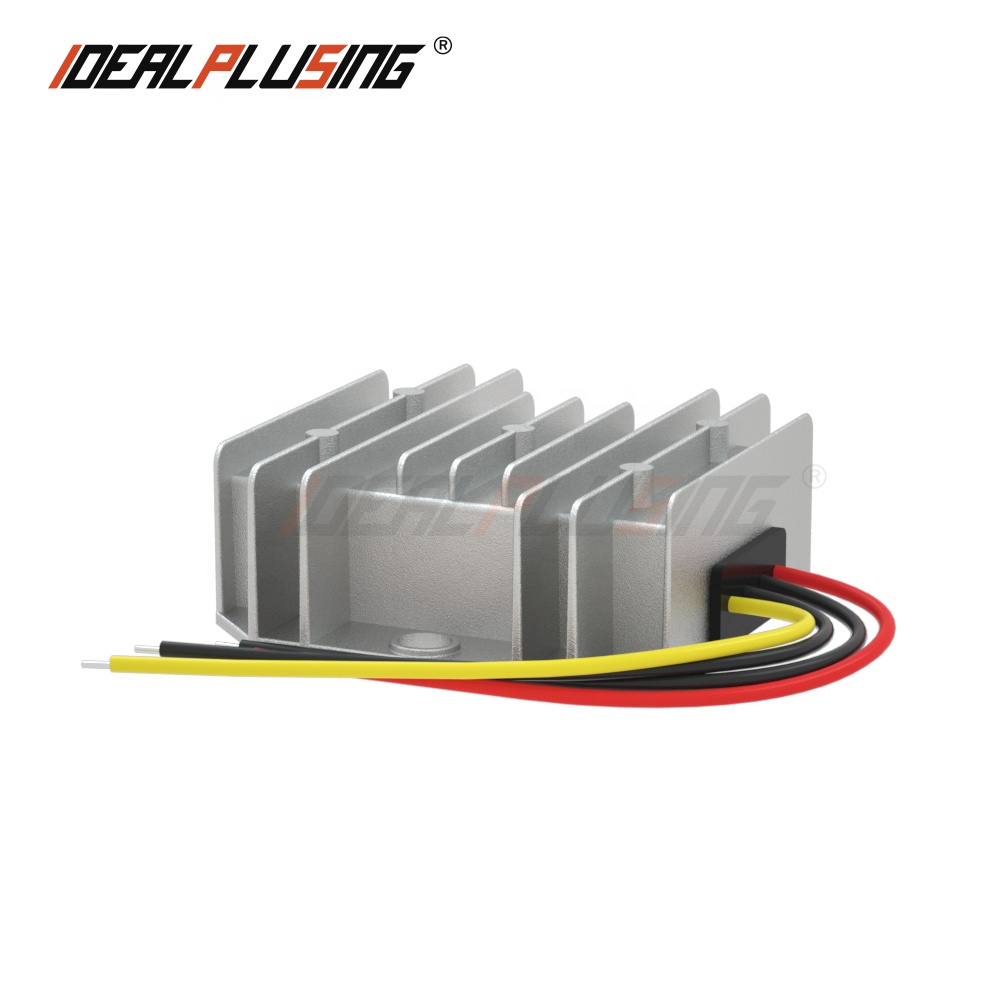
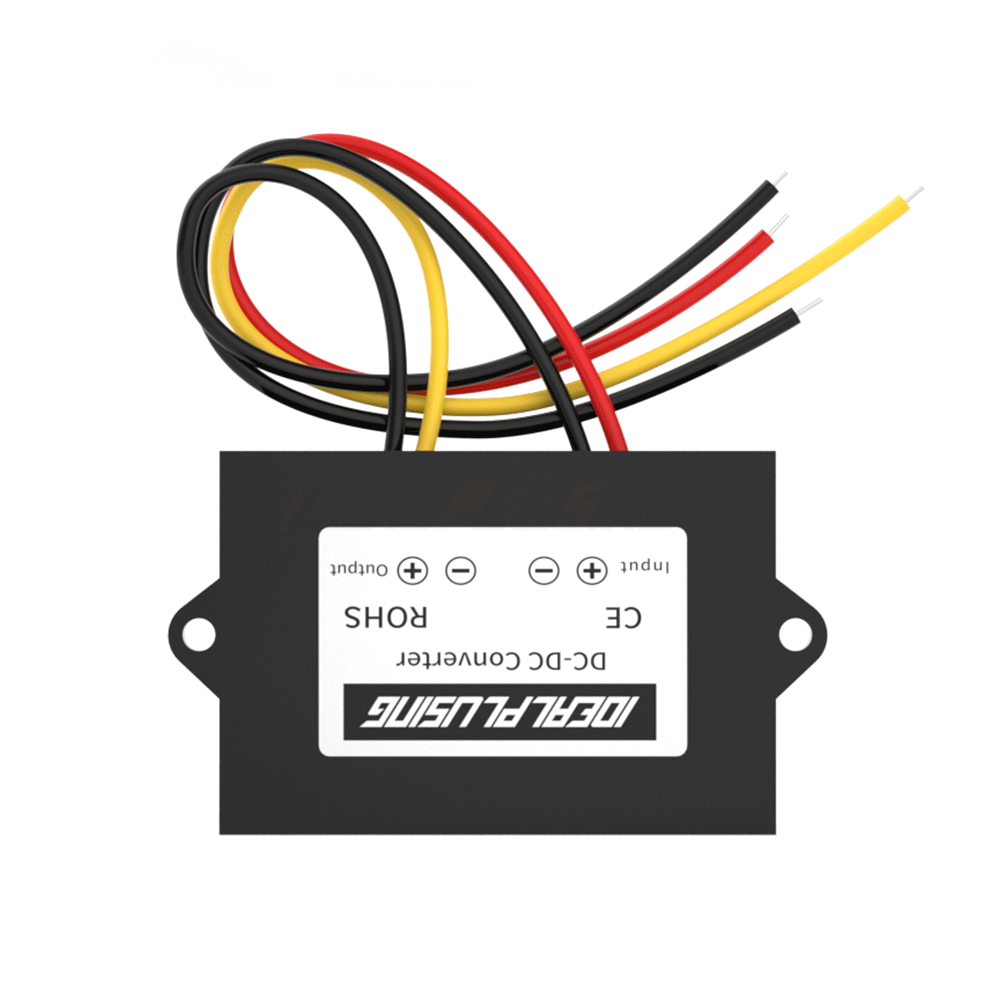
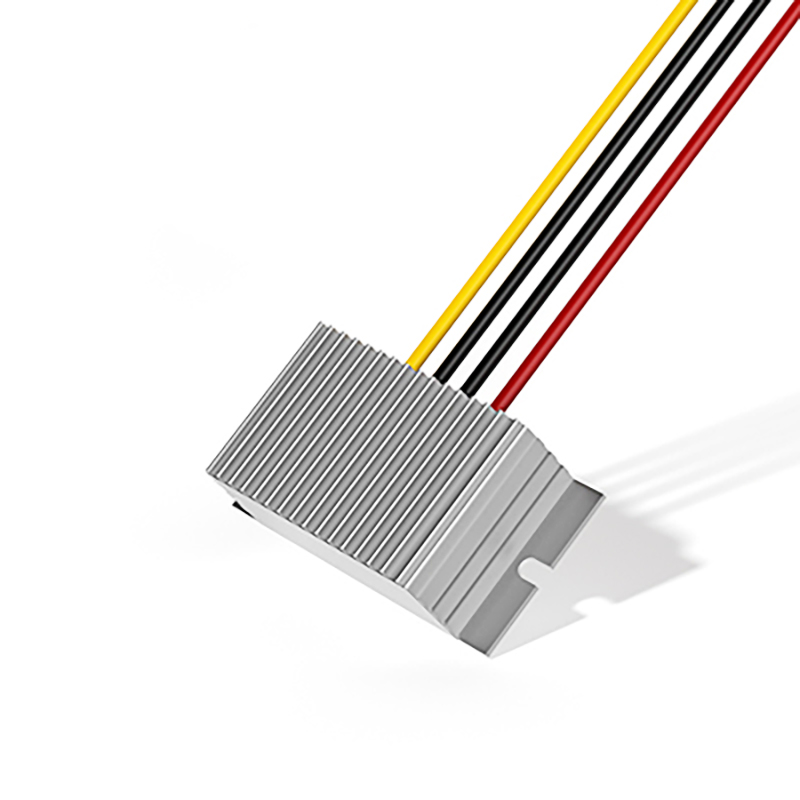
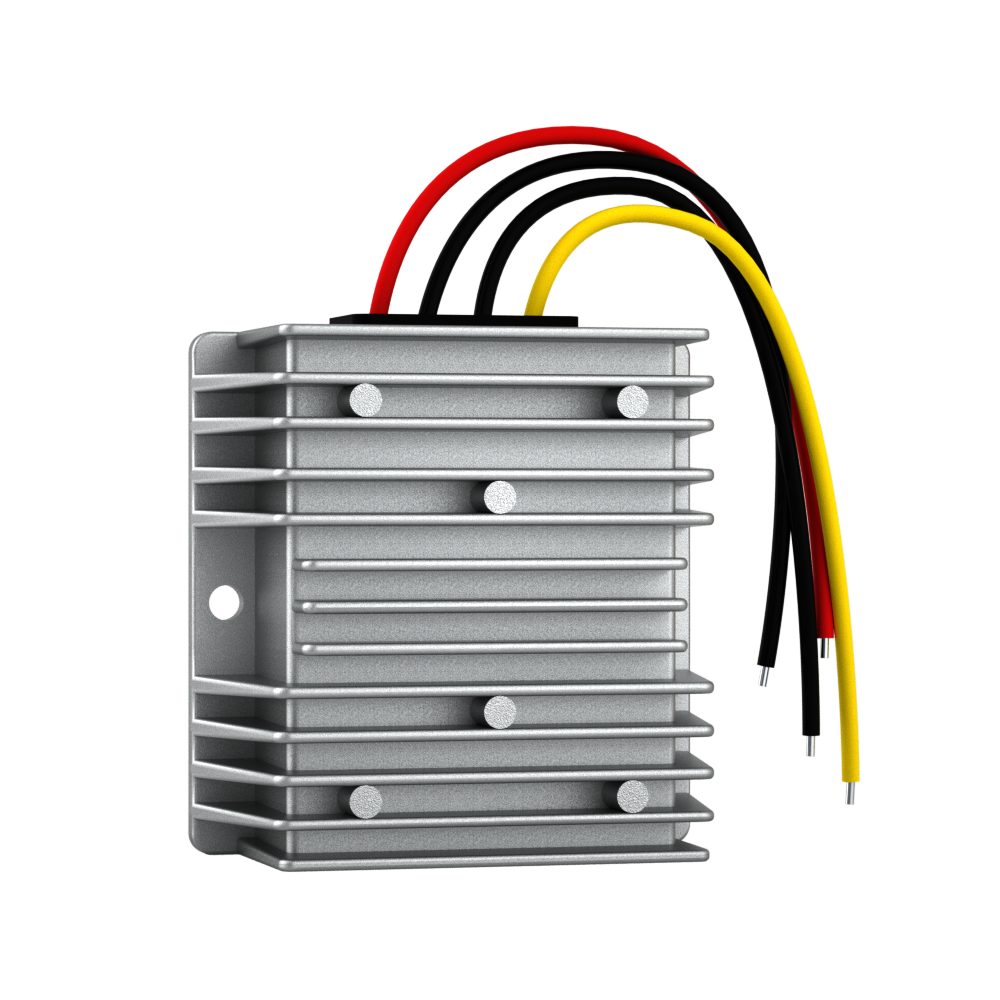
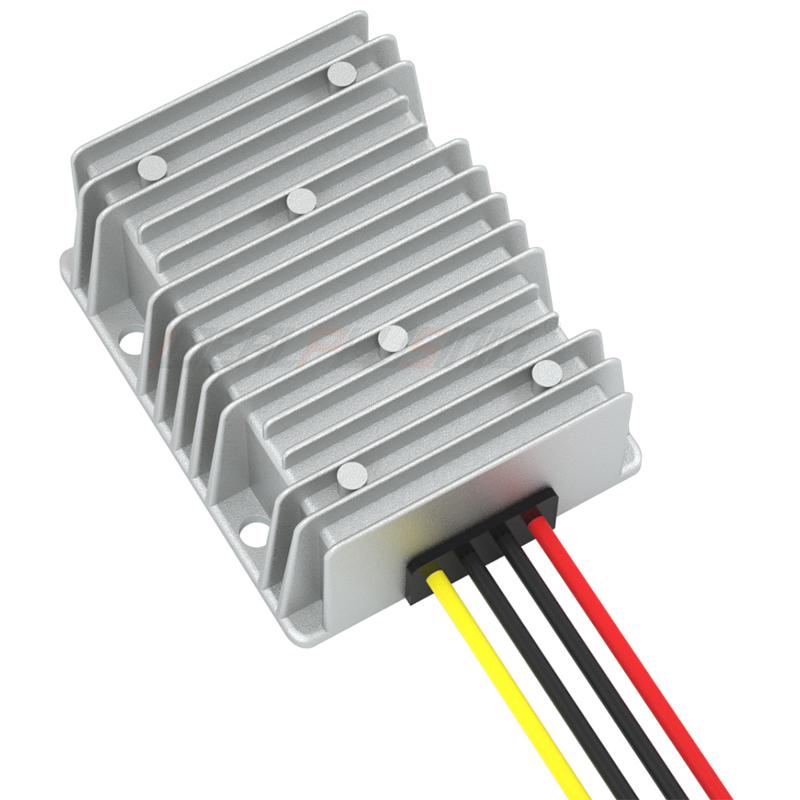
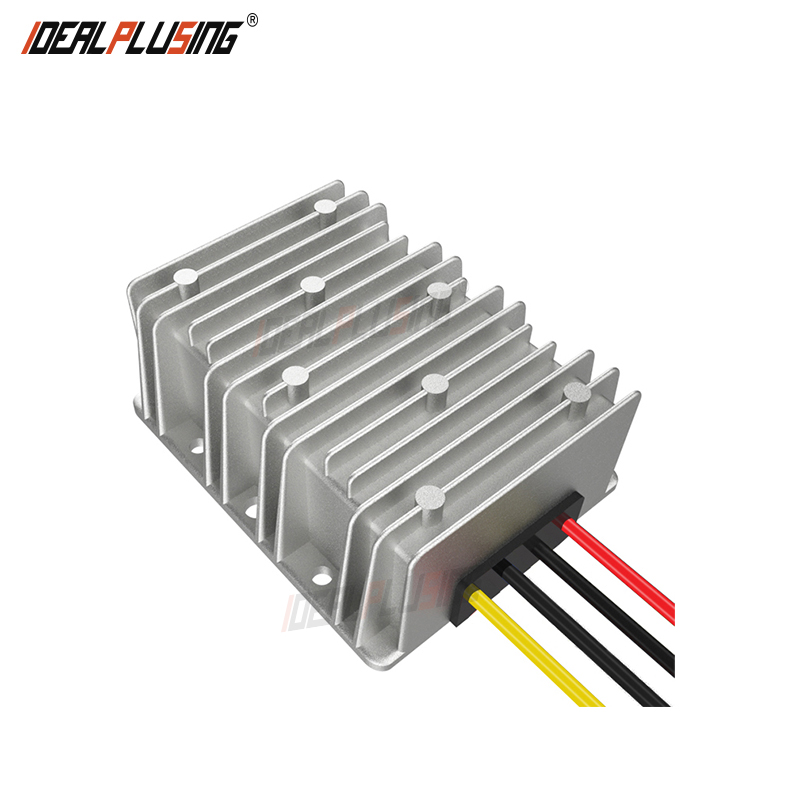
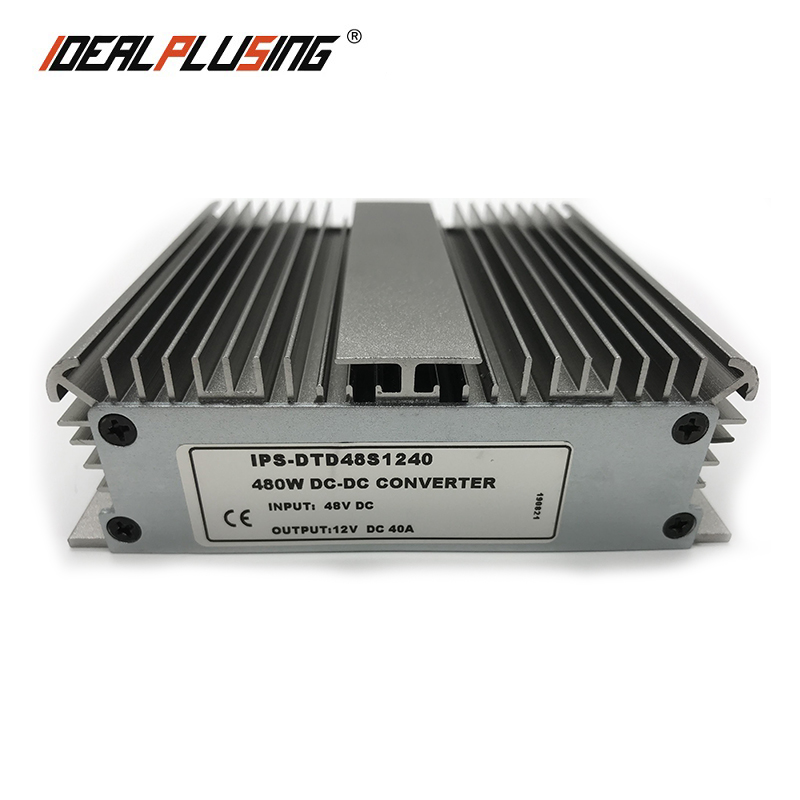
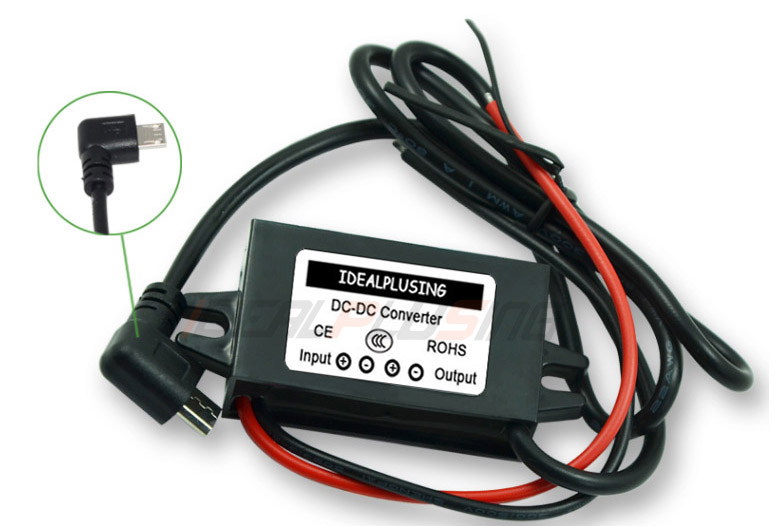
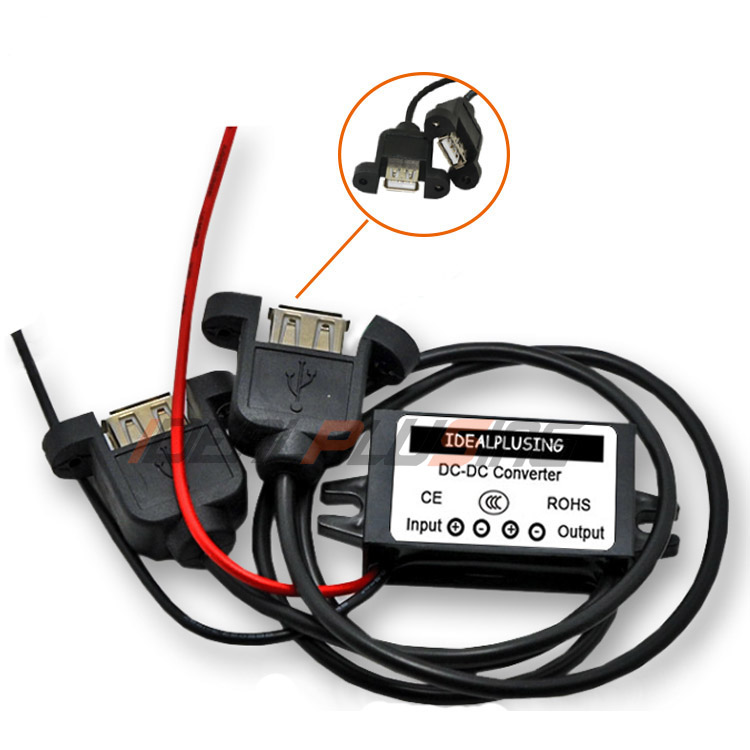
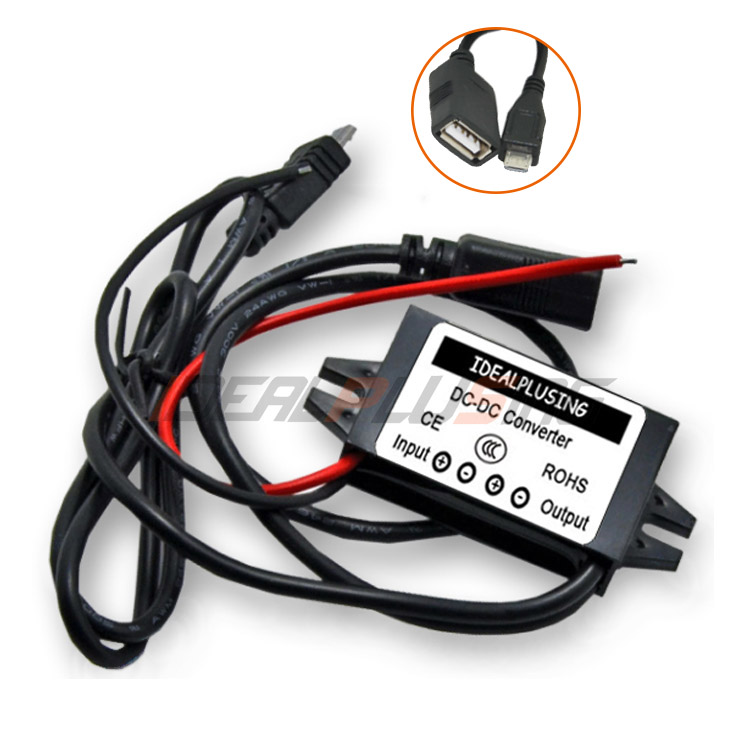
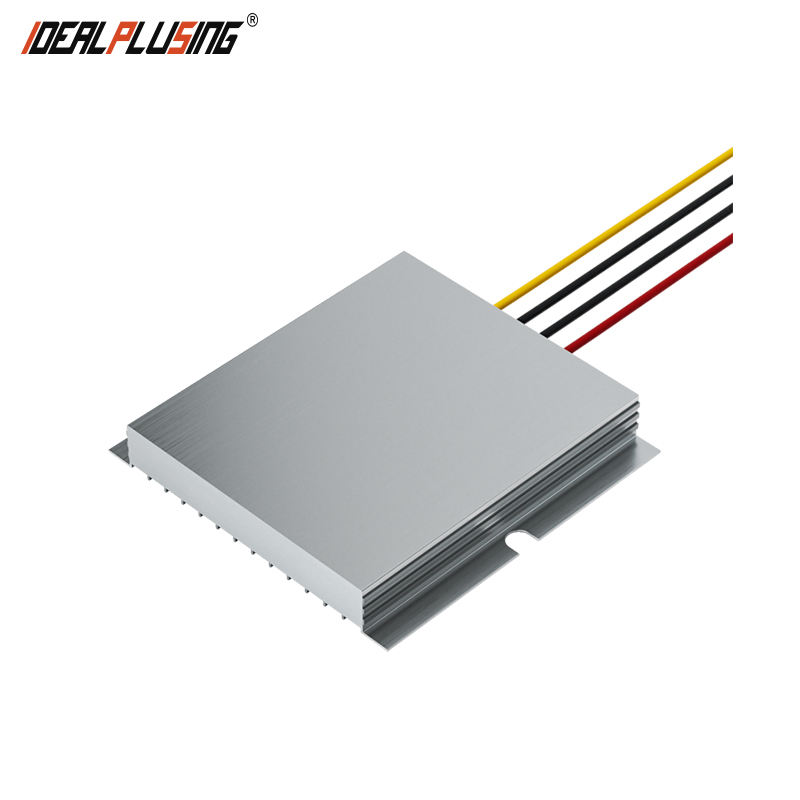
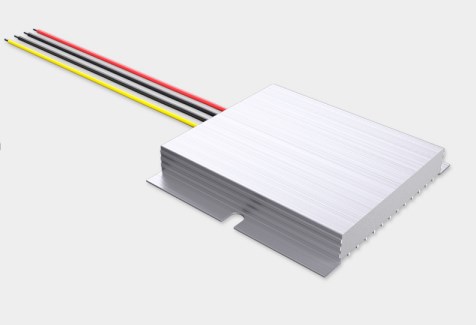
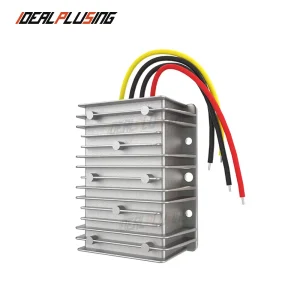
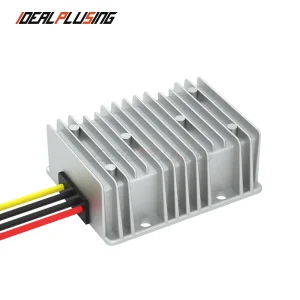
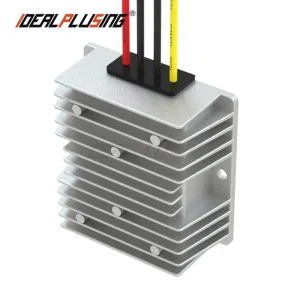
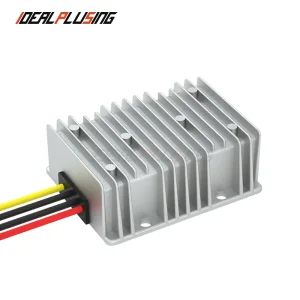
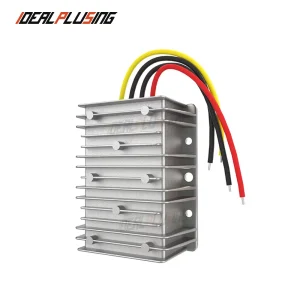
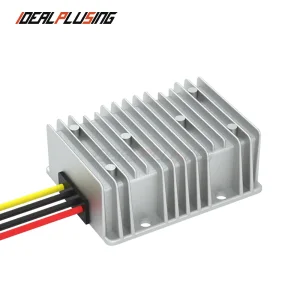
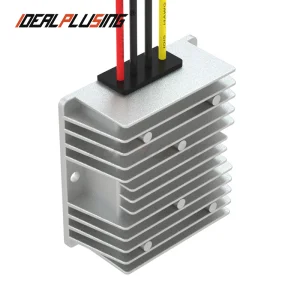
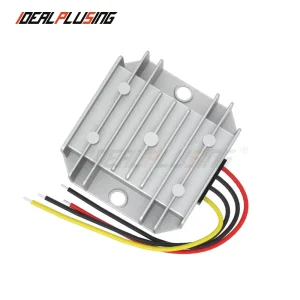
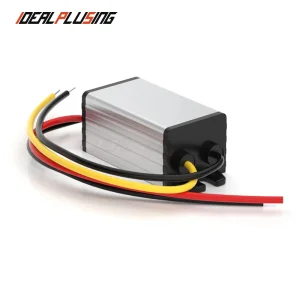
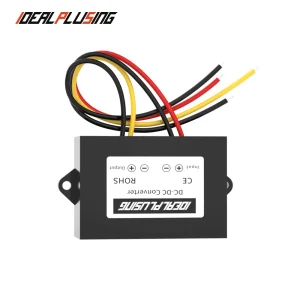
12V to 12V Stable DC DC Converter 3A 36W
Electric Fan Inverter & Converter 10-40V Multiple Protections
🚀 Product Features
DC/DC converter is a voltage converter which can effectively output fixed voltage after converting input voltage. These converters are categorized into Boost type, boost & buck type, and buck type. PWM control provides high efficiency with low ripple and noise, while PFM control offers low power consumption under small loads. Modern DC-DC converters are widely used in mobile phones, digital cameras, and portable media players, serving as essential components in chopper circuits.
🛠 Professional Power Solutions
Wide Application: Used in electric vehicles, automobiles, RVs, marine, communication, and industrial sectors.
Diverse Range: Over 5000+ power supply solutions developed, ranging from 1W to 200kW with input voltages up to 2000V.
High Reliability: Design life of 15 to 20 years, meeting high requirements for global markets and complex environments.
Customization Capability
We specialize in customizing DC-DC converters to meet specific requirements, including input/output voltage and current ranges from 1V to 1000V DC and 1A to 1000A. Both isolated and non-isolated design options are available.
📋 Technical Specifications
| Parameter |
Details |
| Type | Non-isolated |
| Model | IPS-DTD12S123 or Customizable |
| Input Voltage | 8~40VDC or Customizable |
| Output Voltage | 12VDC or Customizable |
| Output Current | 3Amps or Customizable |
| Output Power | 36Watts or Customizable |
| Material of Shell | Aluminum |
| Converter Size | 74*74*32MM |
| Waterproof Level | IP67 |
📊 Model Series List
| Category |
Input Range |
Output Voltage |
Available Current |
| Boost Converter | 12V / 24V | 15V - 56V | 1A - 50A |
| Buck Converter | 24V - 96V | 5V - 36V | 1A - 100A |
| Isolated Step Down | 9V - 150V | 5V - 24V | 1A - 125A |
| Battery Charger | 10V - 36V | 12.6V - 29.4V | 1A - 60A |
🖼 Product Showcase
⚙️ Technical Applications Guidance
- Standard protections include output overcurrent, short-circuit, input undervoltage, and chip overheating protection.
- For step-up series, it is recommended to add appropriate fuses at the input end as they may lack built-in short-circuit protection.
- Inductive loads (motors, solenoids, speakers) require a power supply 3-5 times the rated power of the load.
- Non-isolated buck converters carry a risk of high input voltage passing to the output if they fail; isolated products are safer for precious loads.
- Isolated products cannot share a common negative pole (ground) between input and output to maintain isolation.
- High input voltage applications (3x or more of output) should prioritize isolated products for safety and reliability.
❓ Frequently Asked Questions
What is the difference between PWM and PFM control?
PWM control offers high efficiency and low noise/ripple, while PFM control is advantageous for low power consumption during long-term use under small loads.
How do I choose a power supply for a motor?
For inductive loads like motors, you should choose a converter with a rated power 3 to 5 times higher than the motor's rated power to handle the startup current.
When should I use an isolated DC-DC converter?
Isolated converters are recommended for high-value loads, applications where the input voltage is much higher than the output, or when negative voltage input/output is required.
Can I get a customized voltage or current?
Yes, customized solutions are available for voltages ranging from 1V to 1000V DC and currents from 1A to 1000A.
What protections are built into these converters?
Most models include output overcurrent, short-circuit, input undervoltage, and overheating protections. High-power units often include additional casing temperature sensors.
What is the expected lifespan of these power supplies?
The products are engineered for high reliability with a design life typically between 15 to 20 years.