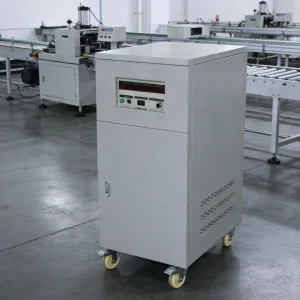
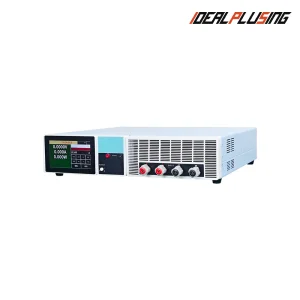
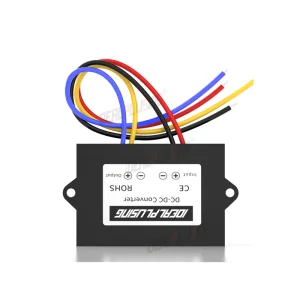
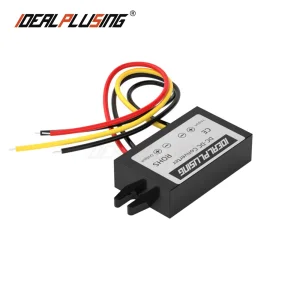
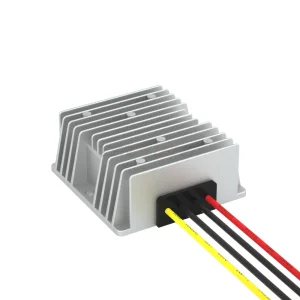
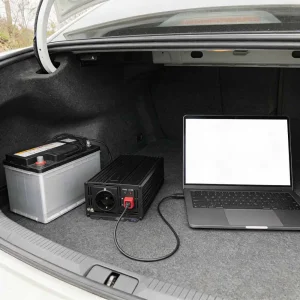
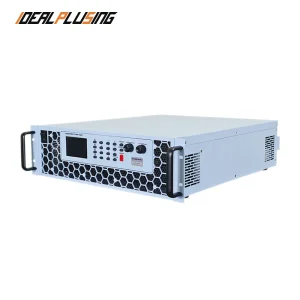
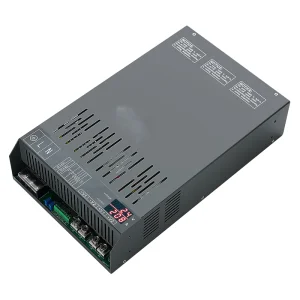
Premium Voltage Regulation & Power Supply Series
Explore our core high-performance devices engineered to stabilize, convert, and regulate power for automated industrial systems.
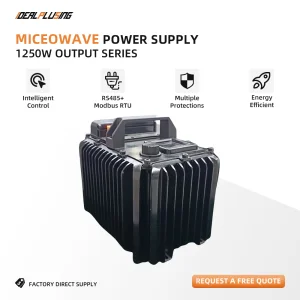
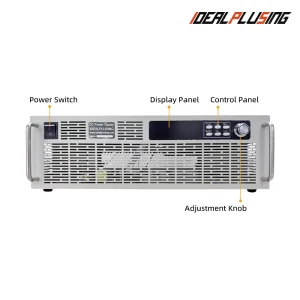
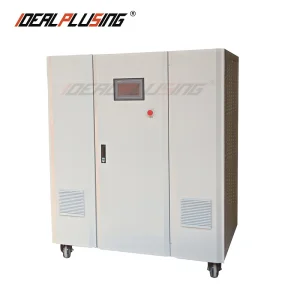
Global Industrial Status & AC-AC Voltage Regulation Dynamics
A technical overview of modern energy management, voltage stabilization trends, and critical grid integration strategies.
Grid Fluctuations
Unstable grids compromise expensive industrial assets. Real-time dynamic voltage compensation mitigates sags, swells, and transient harmonics.
Automation Load Demand
CNC machinery, semiconductor cleanrooms, and medical imaging units require precision input tolerances down to ±1% nominal voltage.
Harmonic Distortions
Non-linear loads pollute local distributions. Modern AC-AC regulators integrate magnetic filtration to maintain a clean sinusoidal profile.
Global Export Mandates
Multi-regional compliance (CE, UL, RoHS, IEC standards) ensures safe deployment across disparate utility networks worldwide.
In today's highly automated industrial ecosystems, power quality is no longer a luxury—it is an operational necessity. The rapid expansion of smart manufacturing, automated assembly lines, and ultra-sensitive testing labs has generated an unprecedented demand for reliable power conditioning. Grid architectures are increasingly burdened by fluctuating renewable energy inputs (like solar and wind) alongside heavy inductive start-up currents. These fluctuations manifest as voltage sags, swells, surges, and spikes, leading to immediate system failures, control card degradation, and costly downtime.
To combat this, modern industrial enterprises rely heavily on sophisticated AC-AC Voltage Regulators and stabilizers. As a premier hub for high-performance power supply design, China’s industrial sector, particularly factories located in high-tech zones like Guangzhou, has emerged as the global leader in exporting ruggedized, high-capacity voltage regulation hardware. Ranging from electronic solid-state regulators utilizing Silicon Controlled Rectifiers (SCR) to heavy-duty Oil-Cooled Three-Phase Inductive Voltage Regulators, local Chinese engineering teams offer comprehensive custom systems that protect critical equipment across diverse industrial and geographical profiles.
Technology Comparison: Choosing the Right Regulation Method
An in-depth look at primary power regulator topologies, comparison metrics, and appropriate industrial use cases.
Understanding the engineering nuances between different AC-AC voltage regulation technologies is crucial for optimizing system lifespan and efficiency. Different physical topologies yield distinct performance profiles regarding correction speed, output distortion, voltage range handling, and maintenance cycles. Below, we compare the key architectures dominating the modern power quality market:
| Topological Category | Core Mechanism | Response Time | Output THD (Total Harmonic Distortion) | Ideal Applications |
|---|---|---|---|---|
| Solid-State / Static (SCR) | Thyristor electronic tap switching or phase angle control | < 20 milliseconds | < 1% (Tap-switching) / Up to 4% (Phase angle control) | Data centers, laboratory computers, high-speed telecom gear |
| Inductive (Oil-Cooled / Air-Cooled) | Stepless magnetic induction rotor phase rotation | 0.5 to 2.5 seconds | 0% (No wave distortion introduced) | Heavy steel plants, mining equipment, glass processing, CNC shops |
| Servo-Motor Driven | Carbon brushes traversing variac toroidal copper windings | 10 to 45 V/sec correction rate | 0% (Pure sinusoidal reproduction) | Commercial HVAC, basic motor control, light manufacturing lines |
| Static Frequency Converters | Dual-conversion IGBT switching (AC to DC to AC) | Instantaneous (< 2 milliseconds) | < 2% (Fully isolated regenerated wave) | Aircraft ground support (400Hz), maritime dock power, import testing |
Inductive vs. Static Solid-State Systems
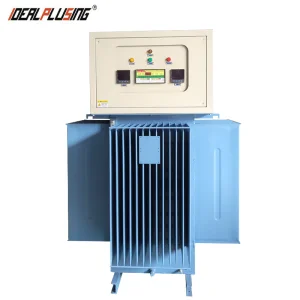
Three-Phase Inductive Voltage Regulators (like our 300kVA to 600kVA oil-cooled models) stand out for heavy-duty, high-capacity operations. Because they rely on shifting magnetic flux across a rotor/stator gap rather than sliding contacts or fast electronic switches, they introduce absolutely zero waveform distortion. They are inherently overload-tolerant, capable of handling peak surge currents up to 300% of nominal rating for short intervals. This makes them ideal for harsh environments with dusty air, metal particles, or extreme temperature swings where active semiconductor junctions would fail.
Conversely, Static / Thyristor Regulators are preferred when high-speed performance is the ultimate priority. For instance, in silicon fabrication plants or server rooms, a voltage drop lasting even 50ms can crash logic circuits. Static systems respond instantly, correcting voltage sags before downline switch-mode power supplies experience shutdown thresholds. However, static systems are more susceptible to high energy surge spikes and require secondary surge protection networks.
Manufacturing Infrastructure & QA Metrology
Inside our Guangzhou production lines: a breakdown of our advanced machinery, assembly sequence, and precision diagnostic labs.
To deliver unmatched field reliability, our manufacturing practices follow rigorous ISO 9001 and ISO 14001 guidelines. Our facility integrates automated winding, precise structural cutting, high-temperature environmental aging, and dedicated load-testing labs. Below is the workflow step by step:
Thirteen Stages of Production Excellence
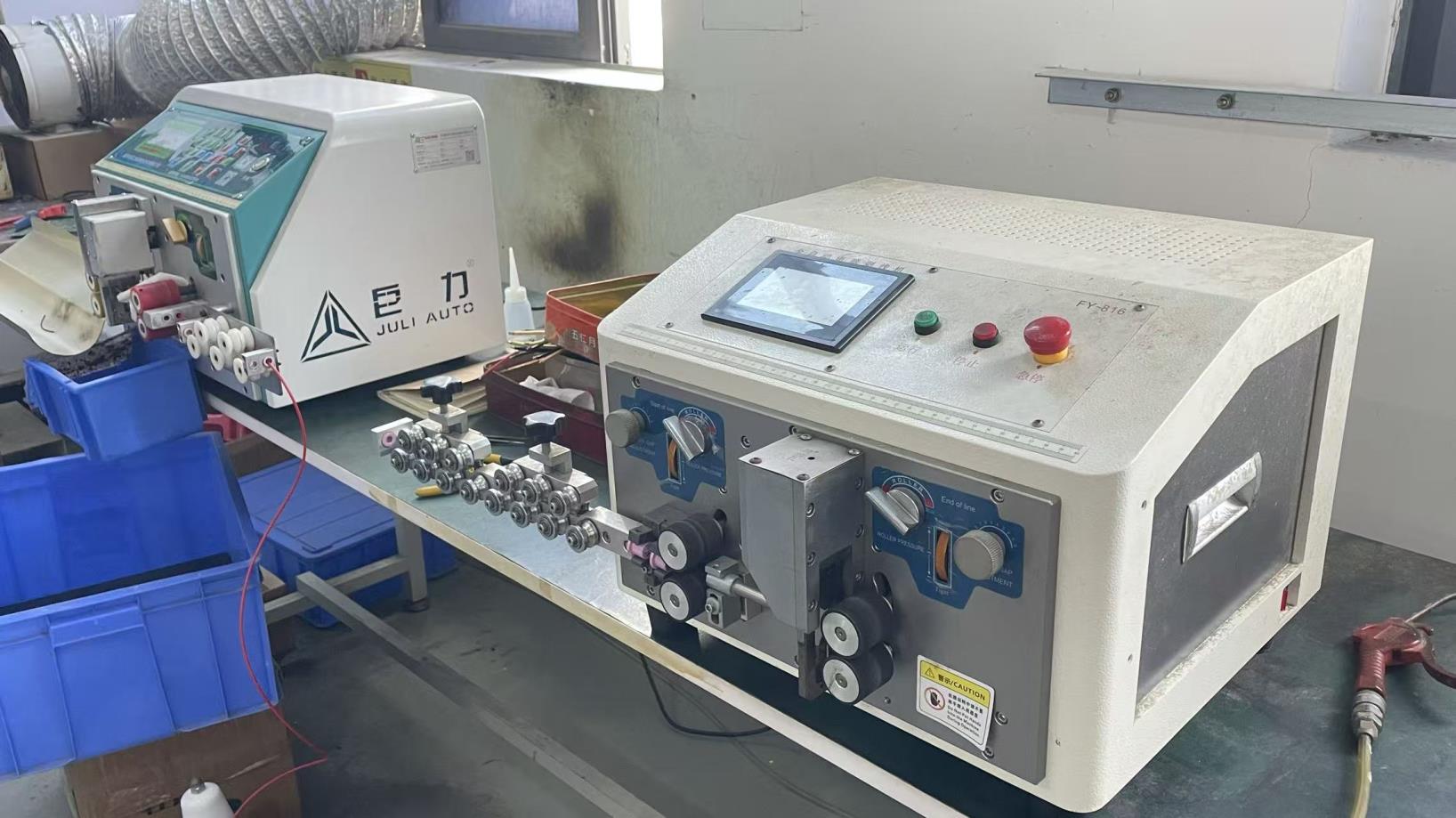 1. Wire Cutting
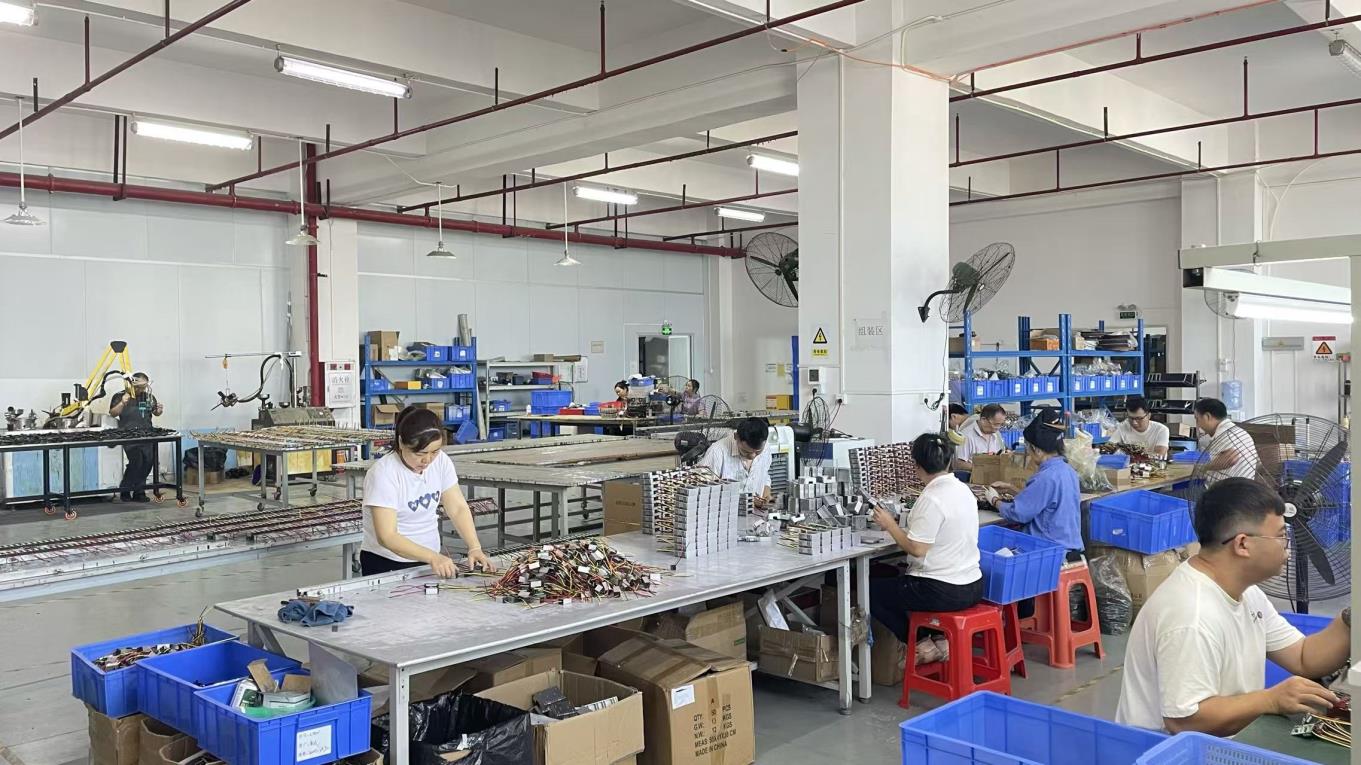 2. Plug-In
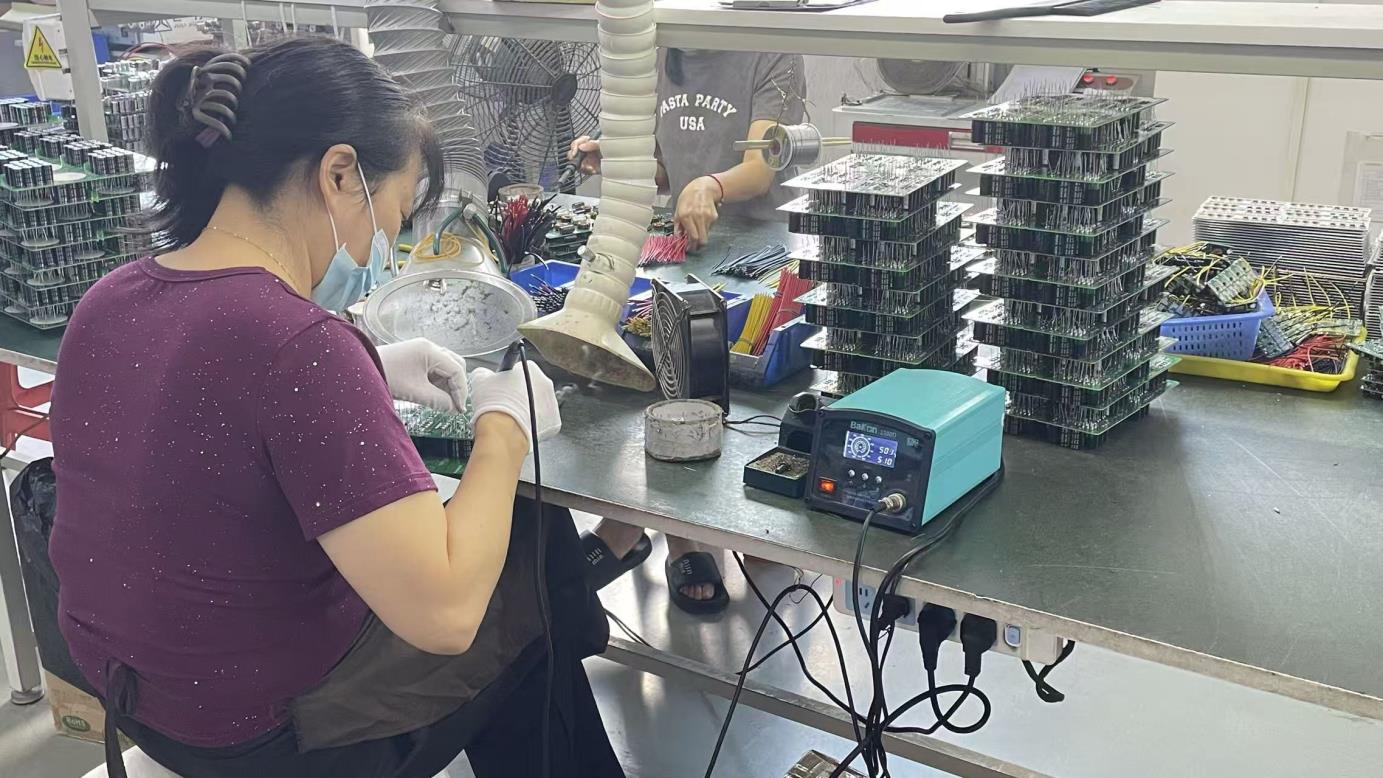 3. Soldering Tin
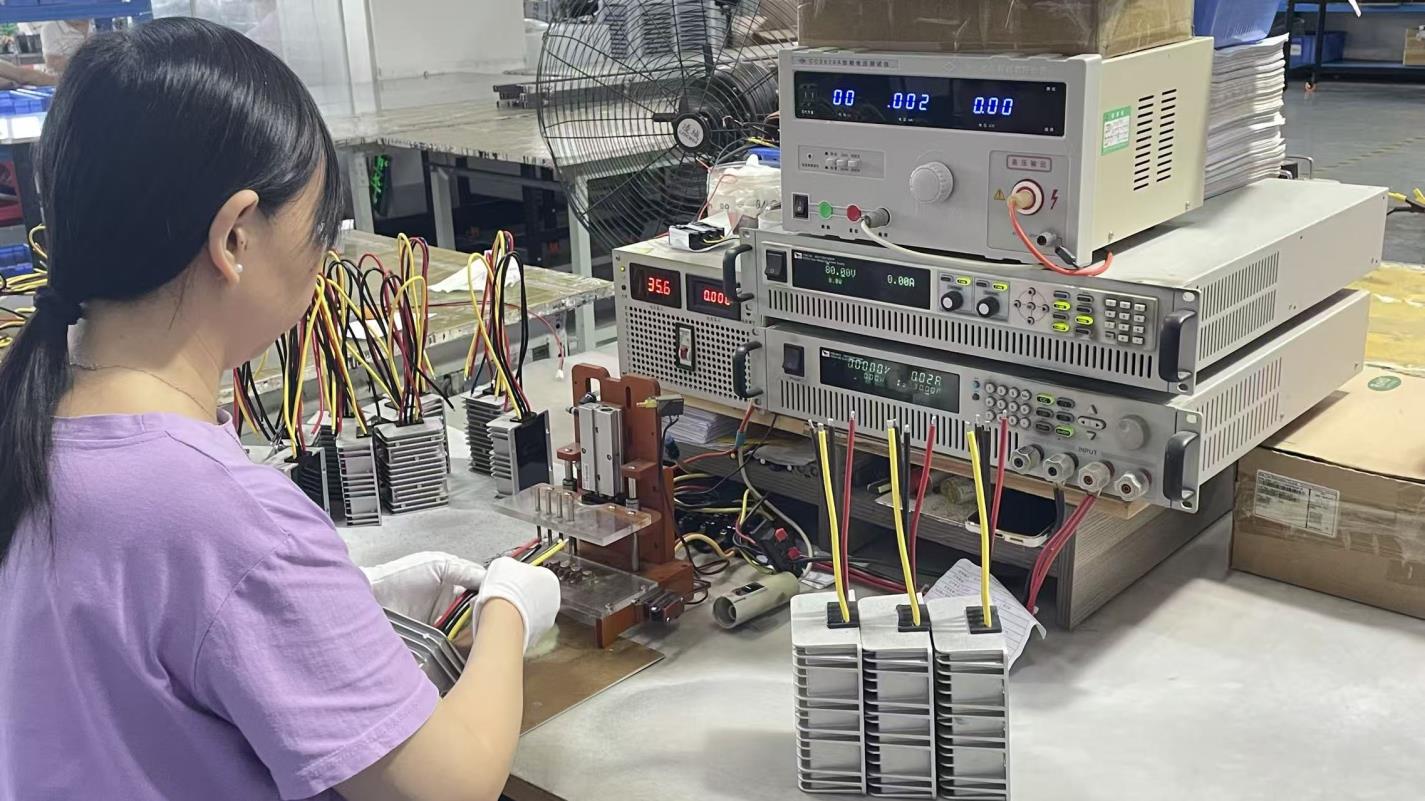 4. Preliminary Testing
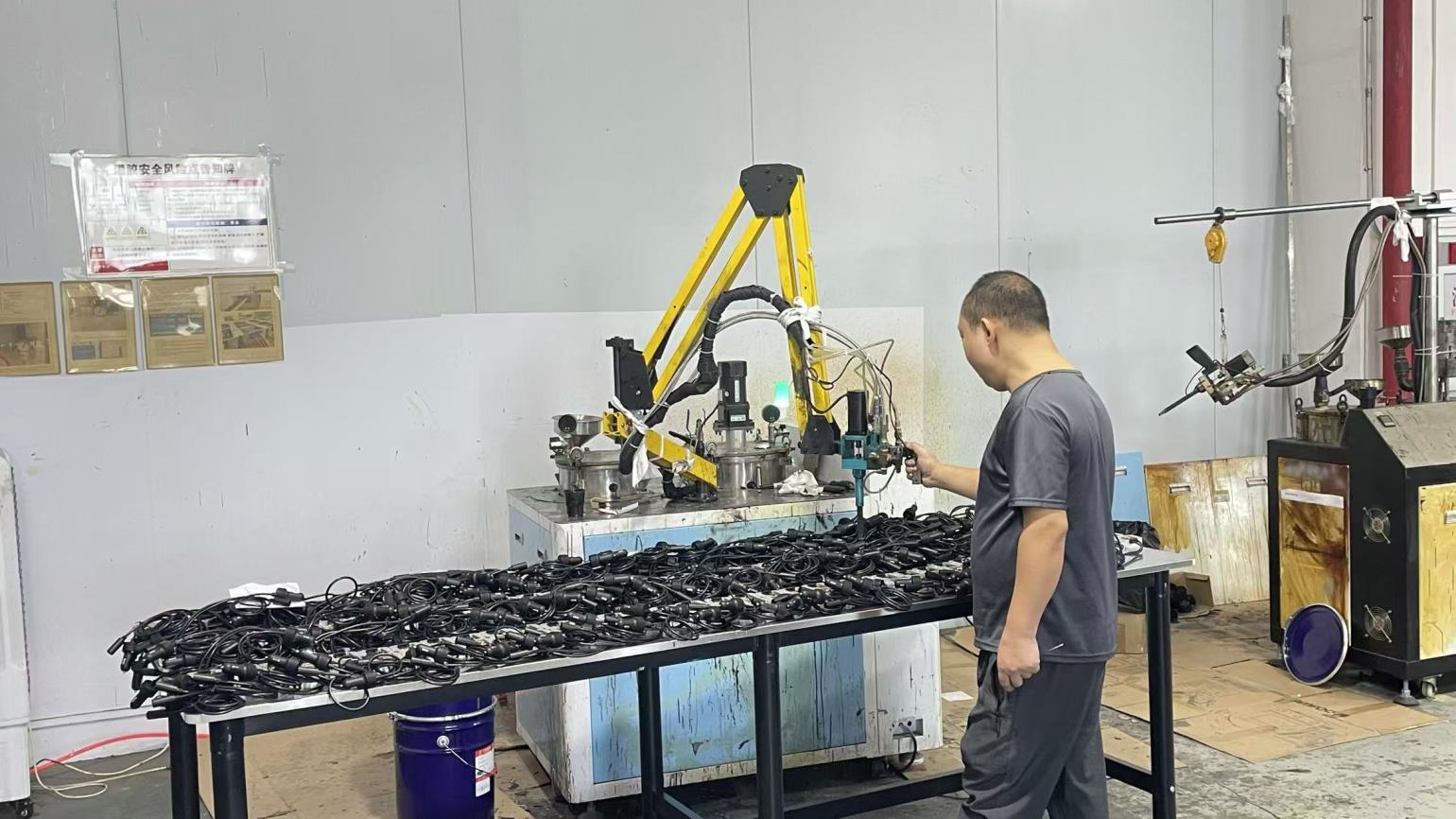 5. Glue Filling
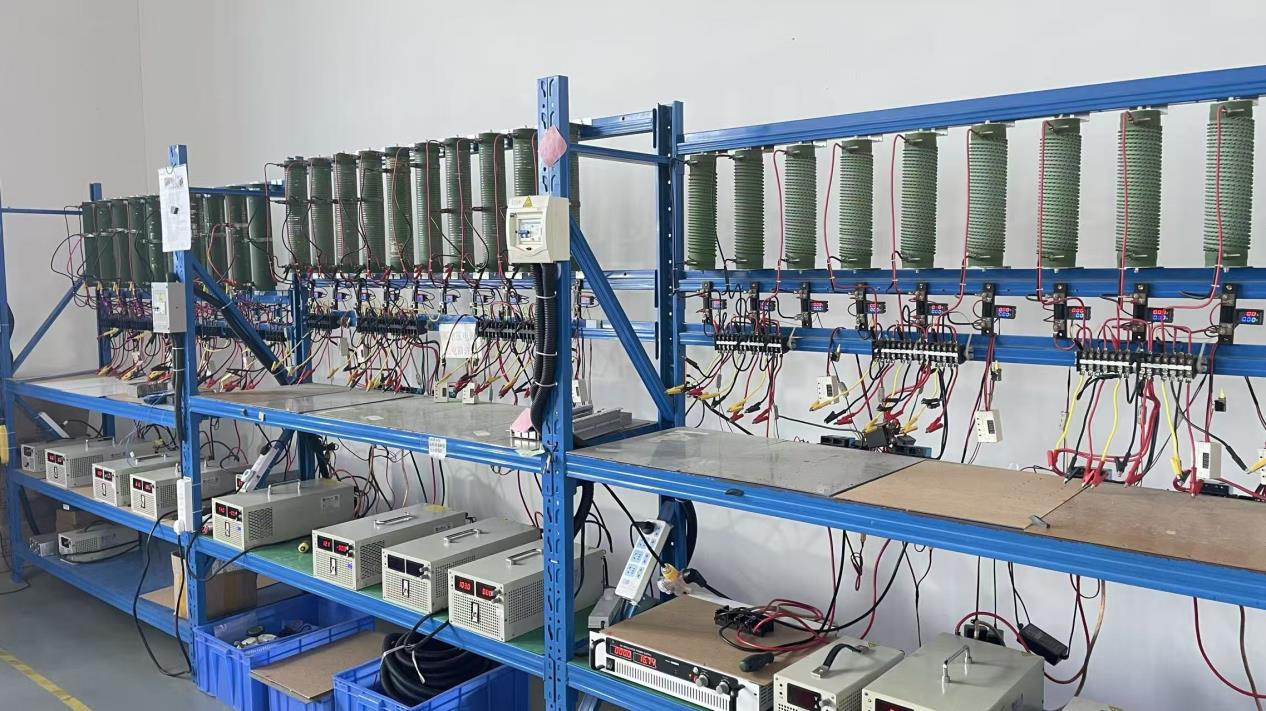 6. Burn-In Test
 7. Packaging
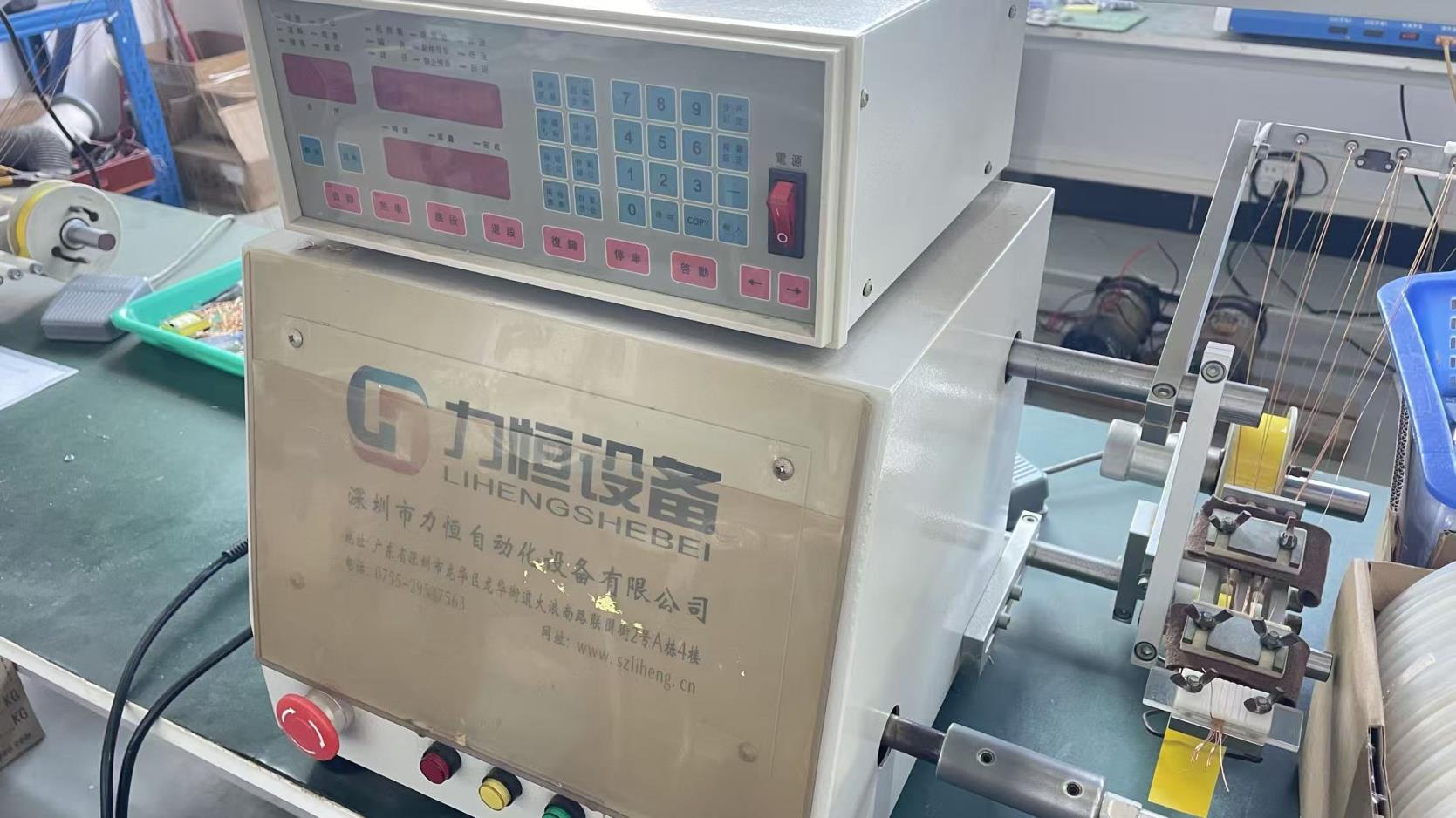 8. Winding Machine
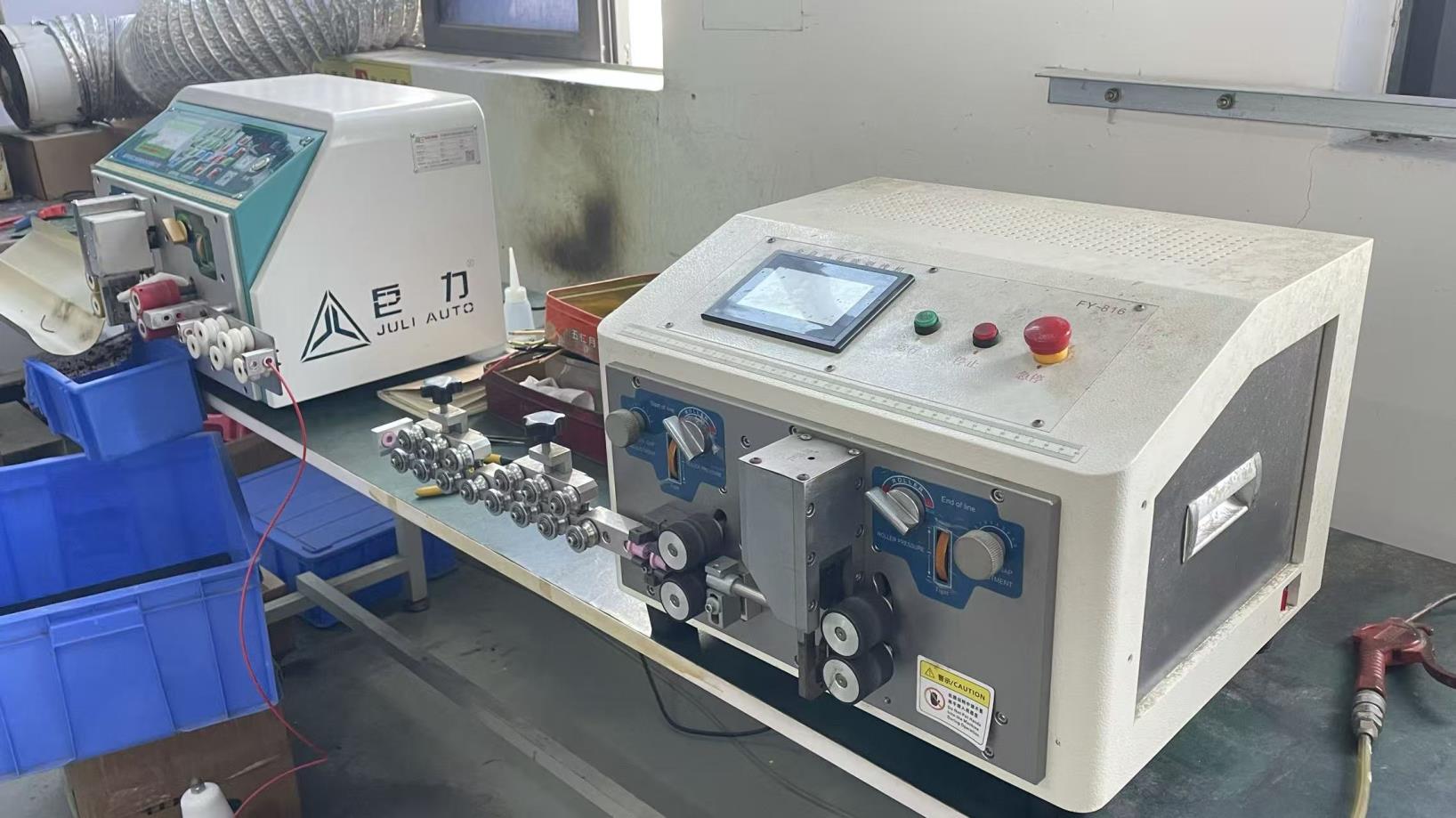 9. Wire Cutting Machine
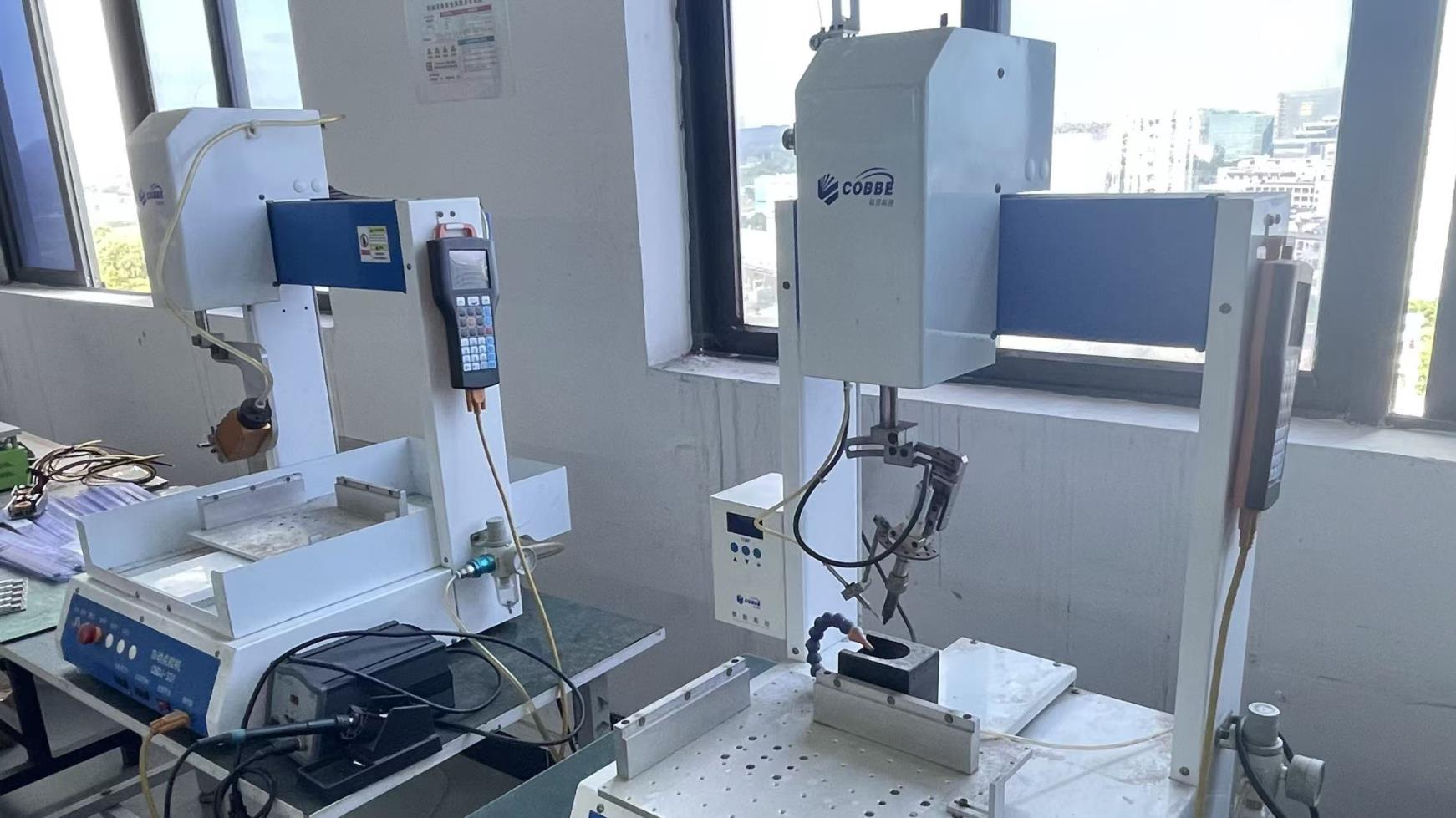 10. Auto Soldering
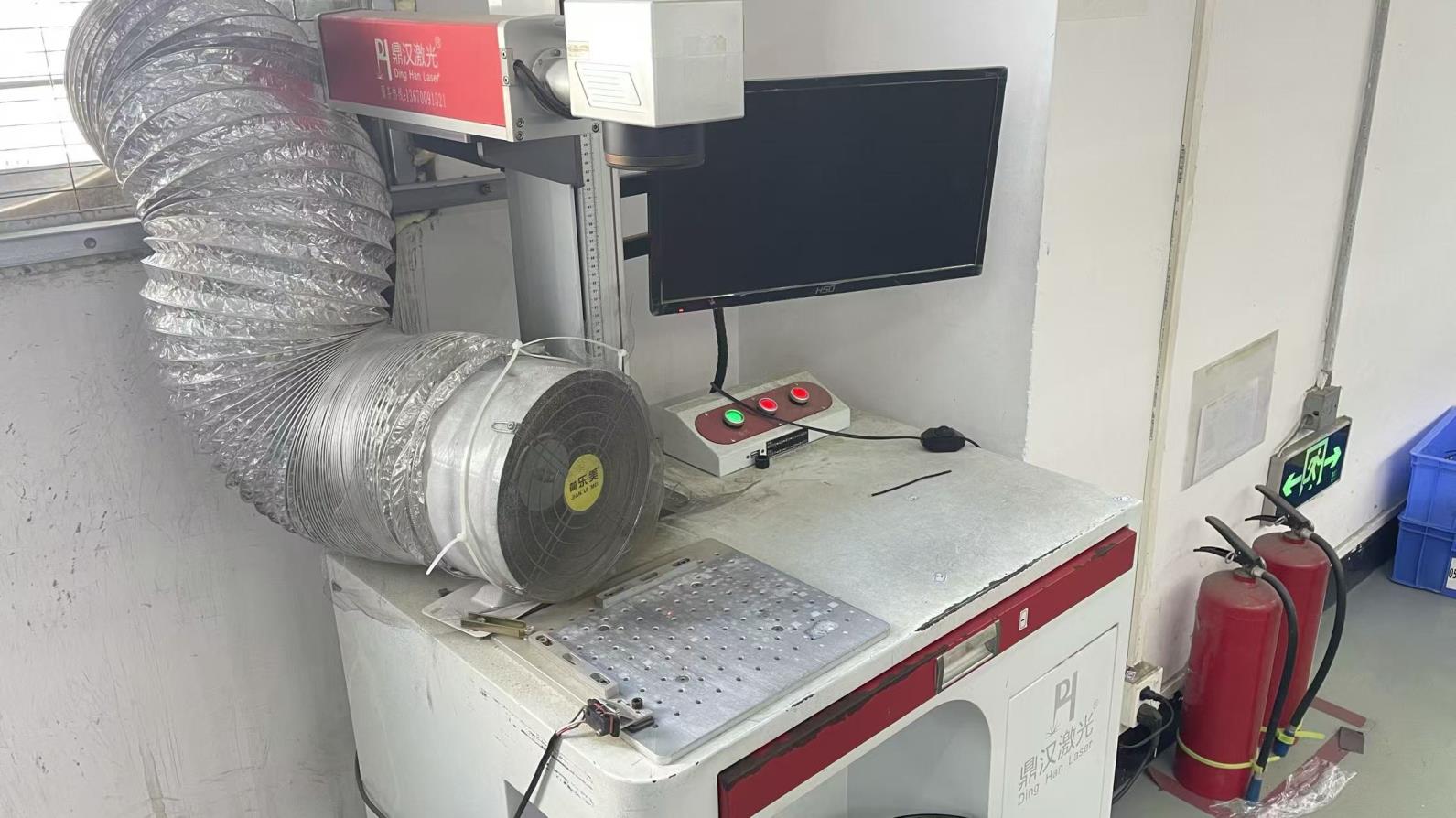 11. Laser Engraving
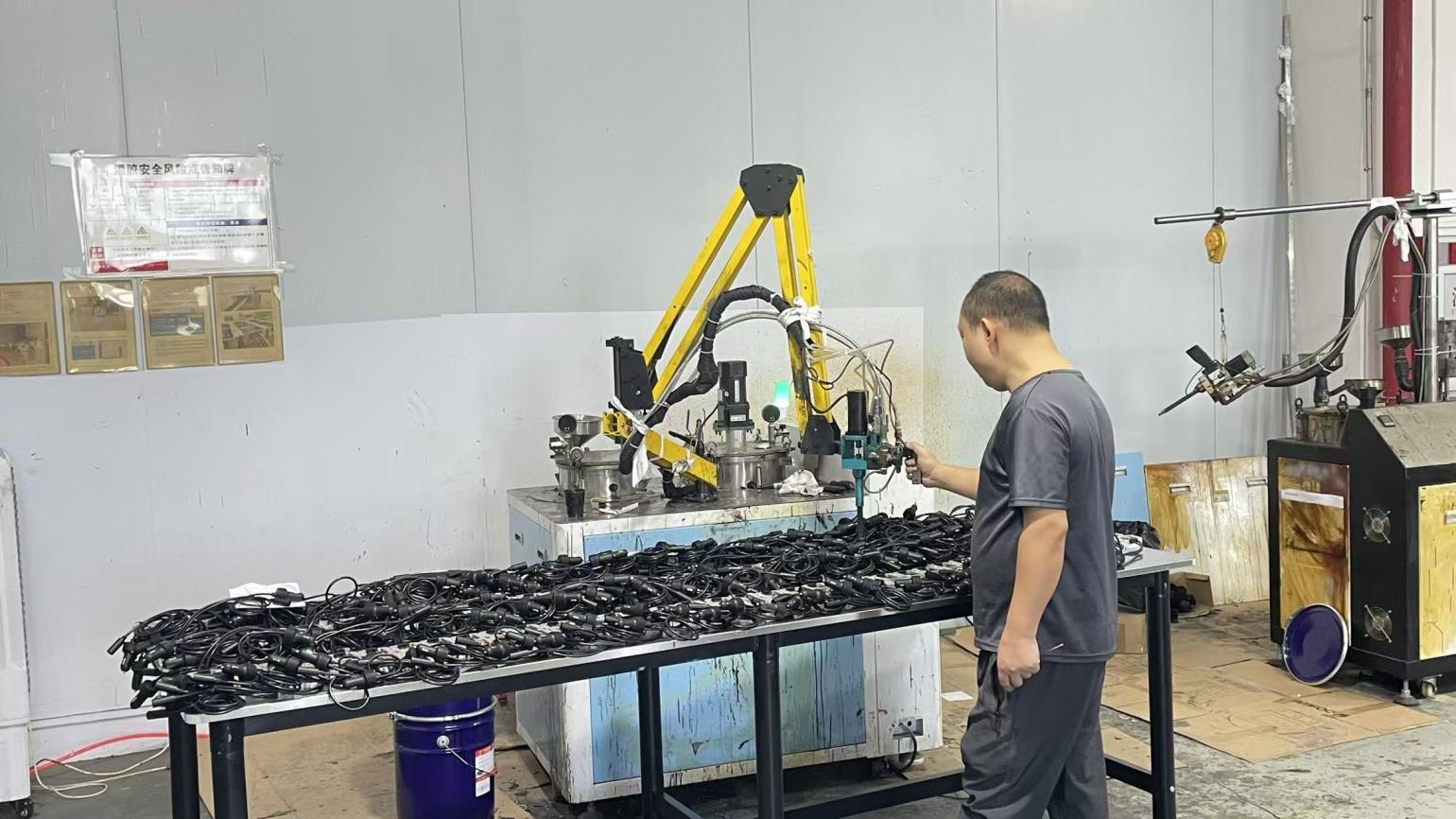 12. Canning Machine
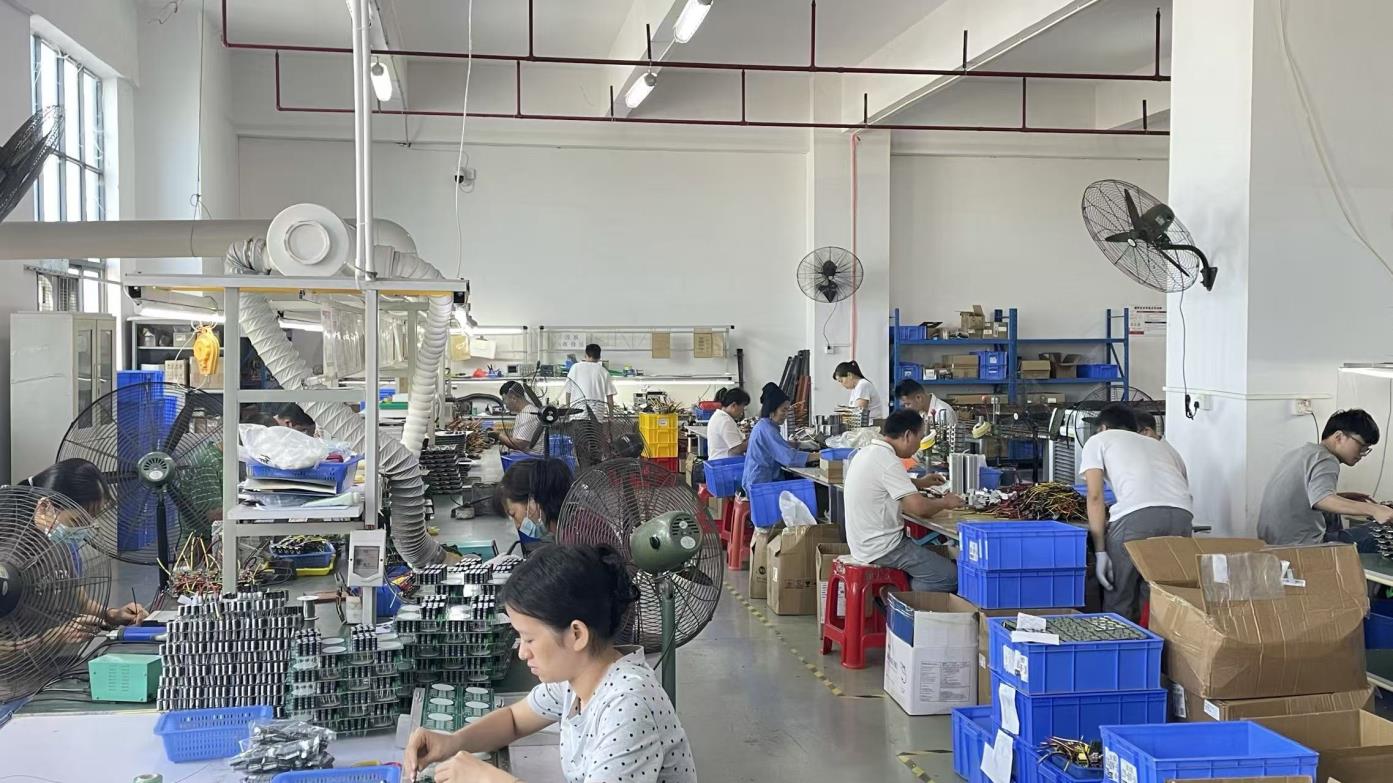 13. Assembly Line
Laboratory Testing & Metrological Instruments
Before leaving the facility, every stabilizer model undergoes a multi-point calibration check, dielectric strength verification, and accelerated aging to ensure a service life exceeding 15 years.
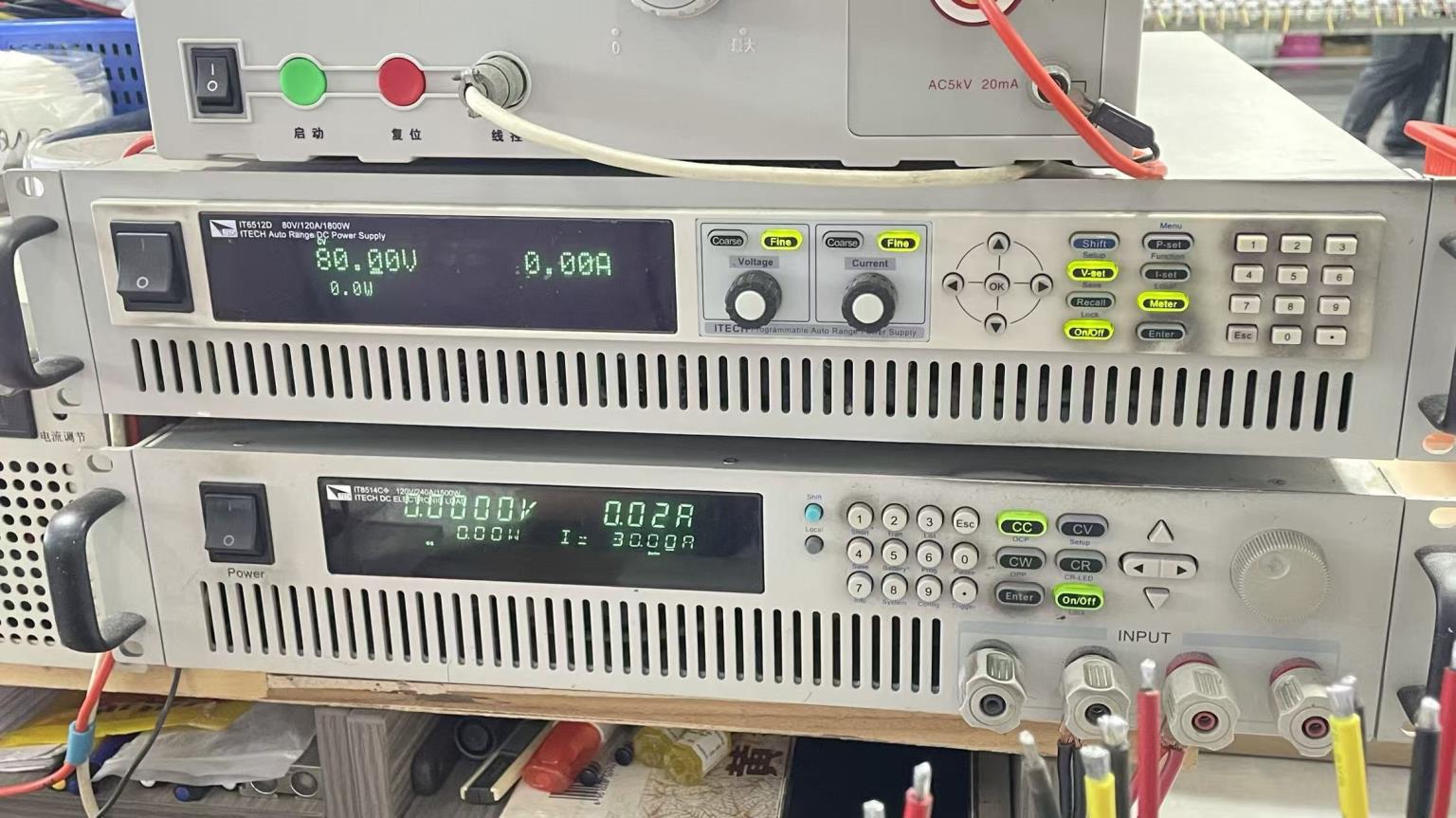 DC Power Supply Tester
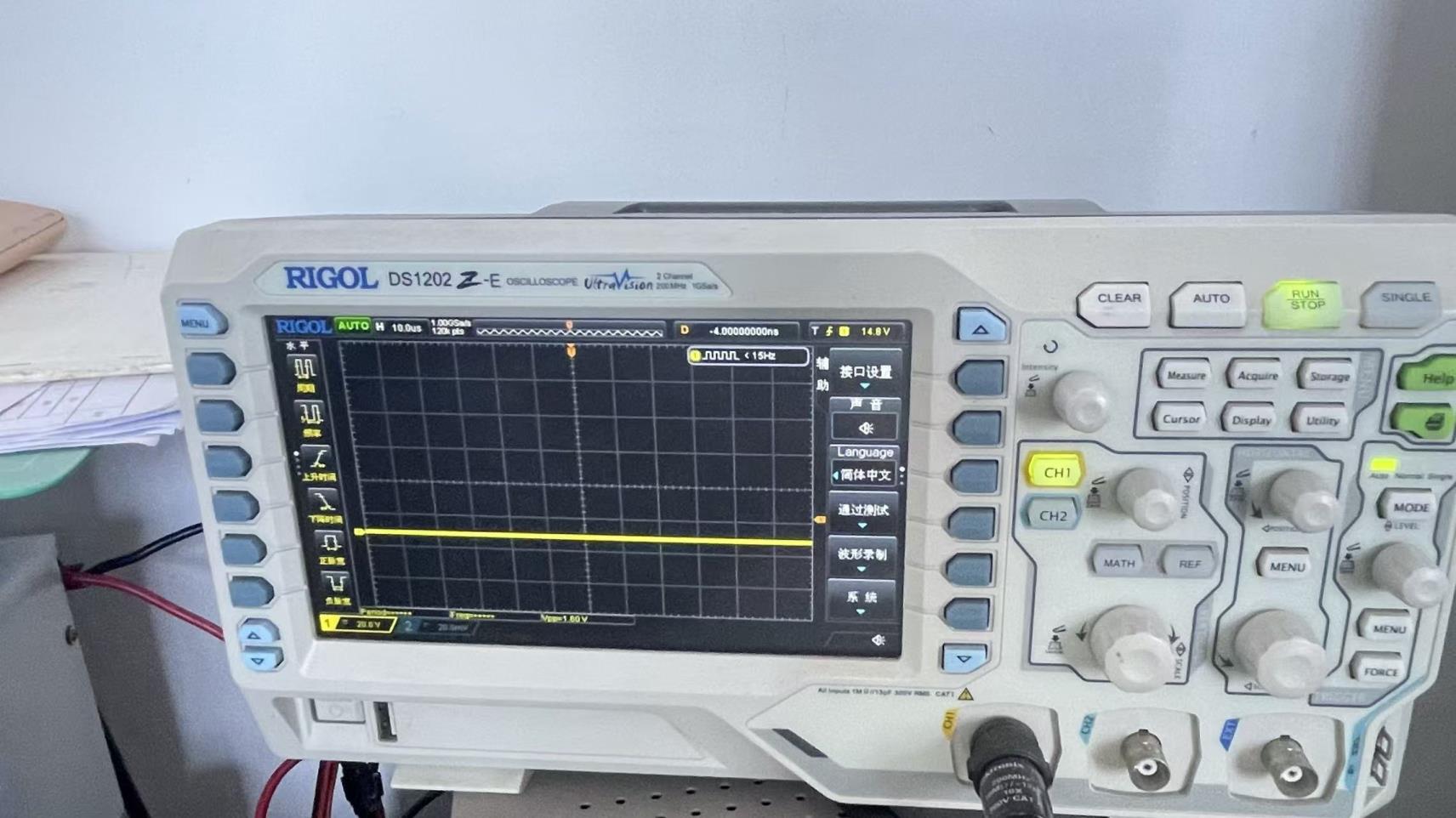 AC Withstand Voltage Tester
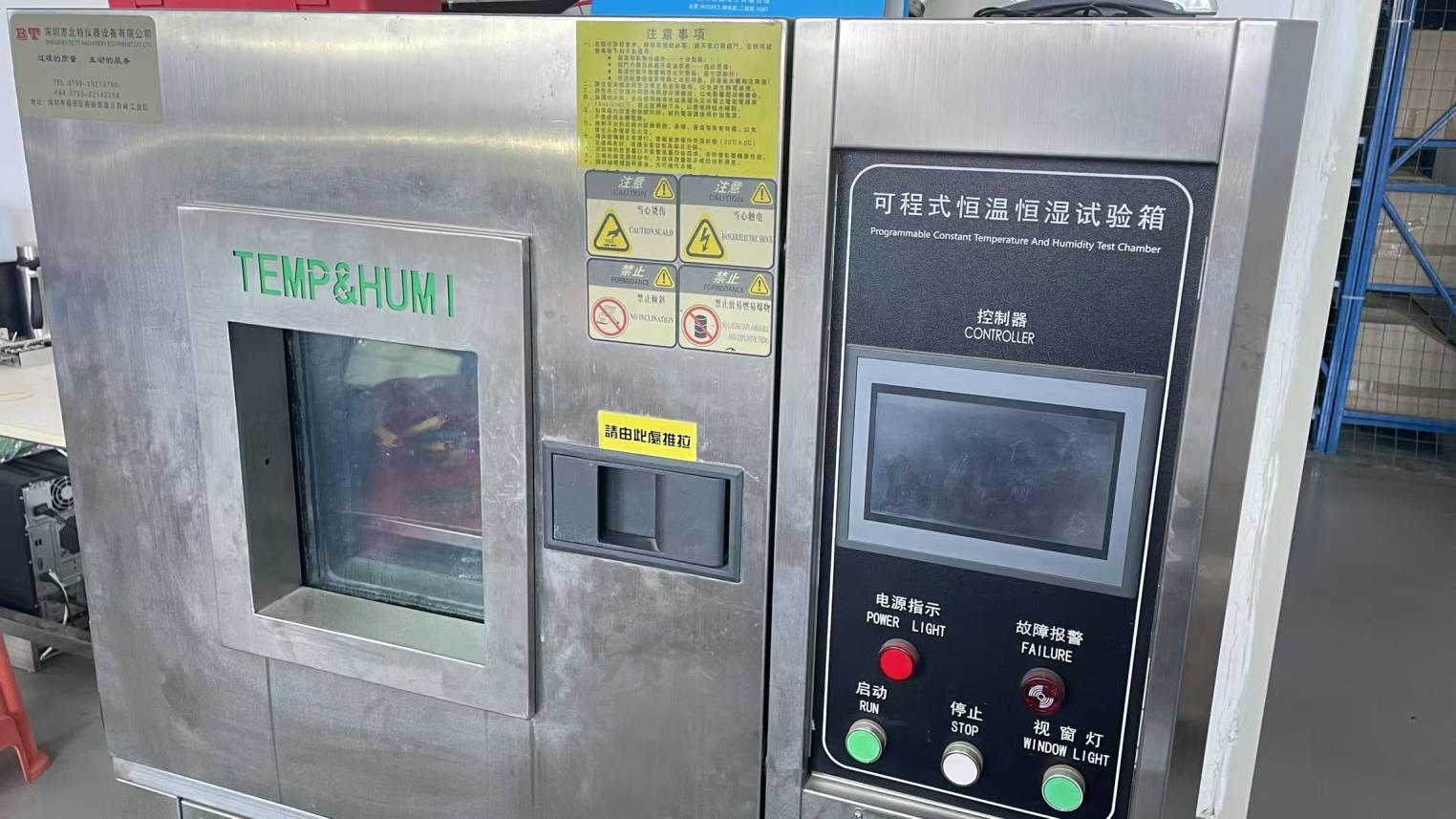 Constant Temperature Chamber
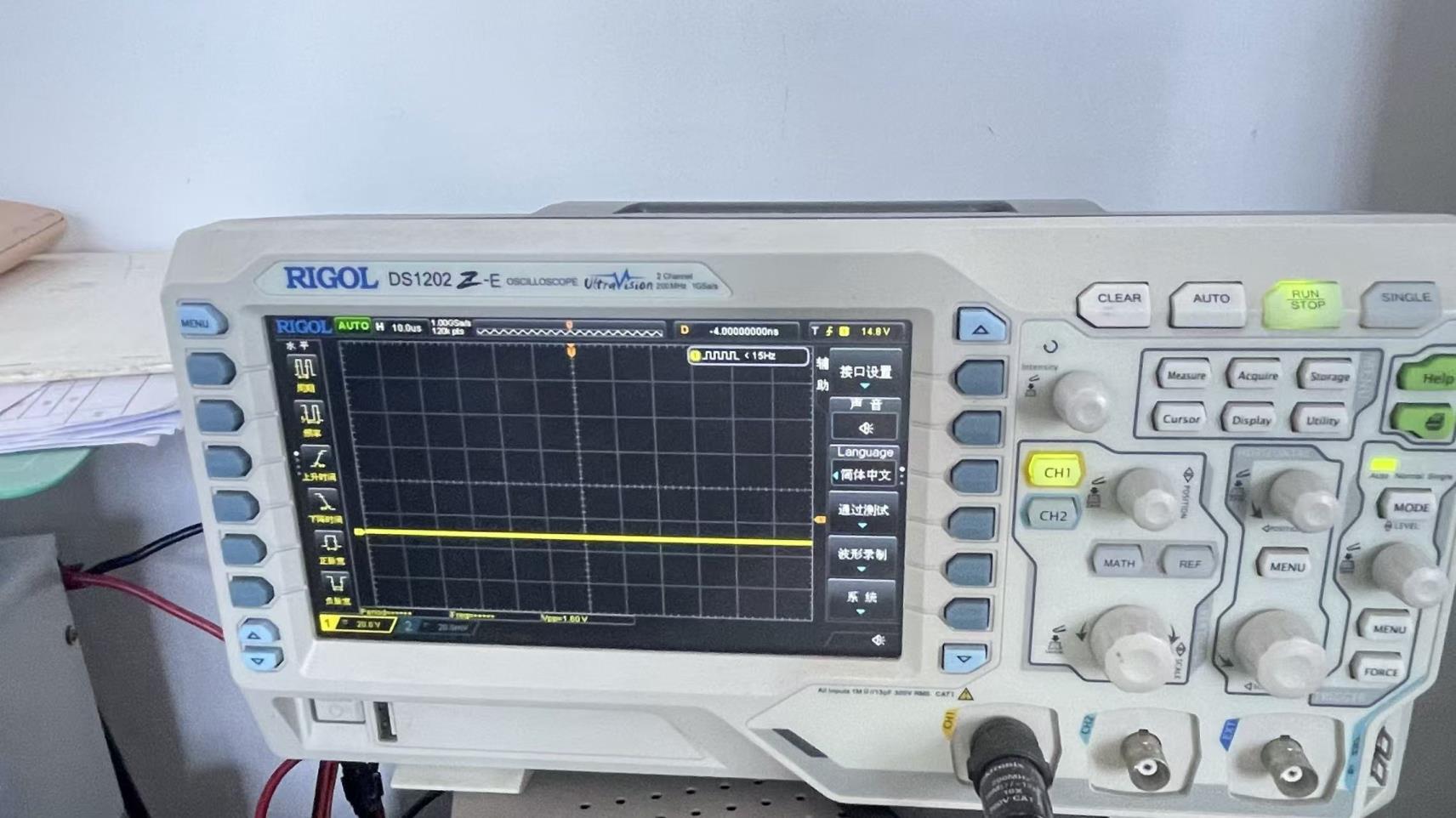 Optical Microscope Component Inspection
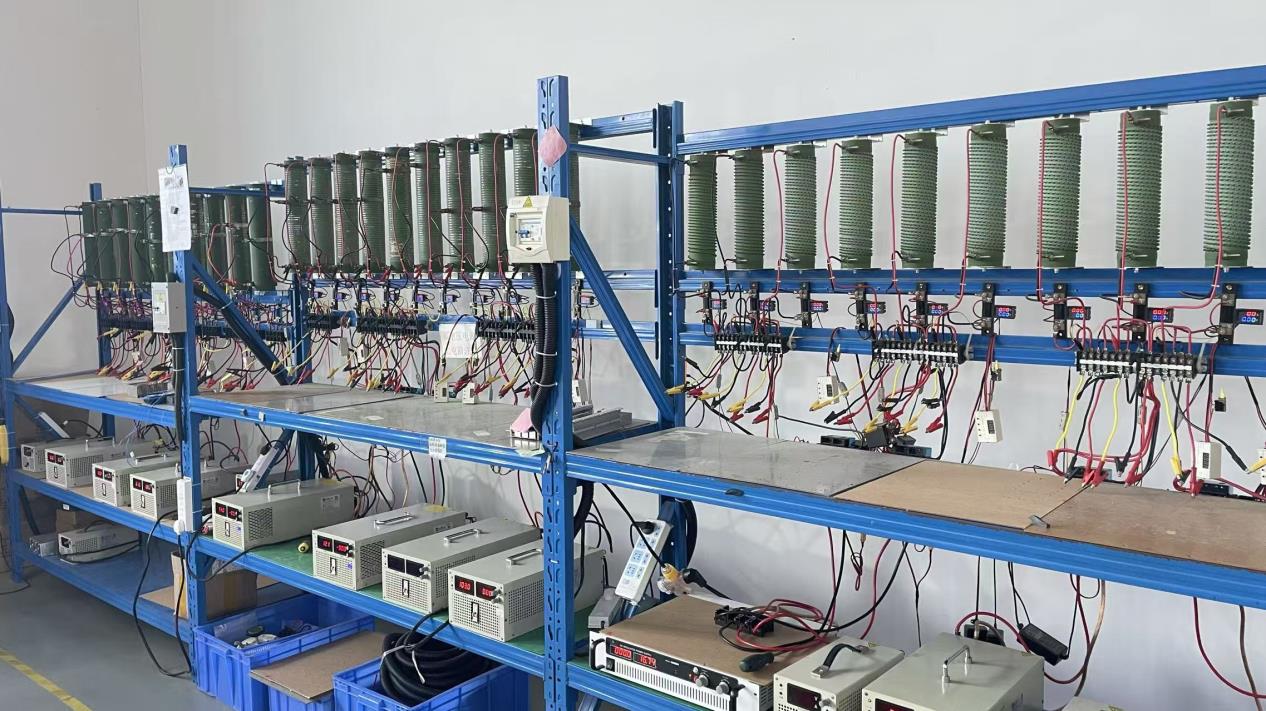 Thermal Load & Aging Test
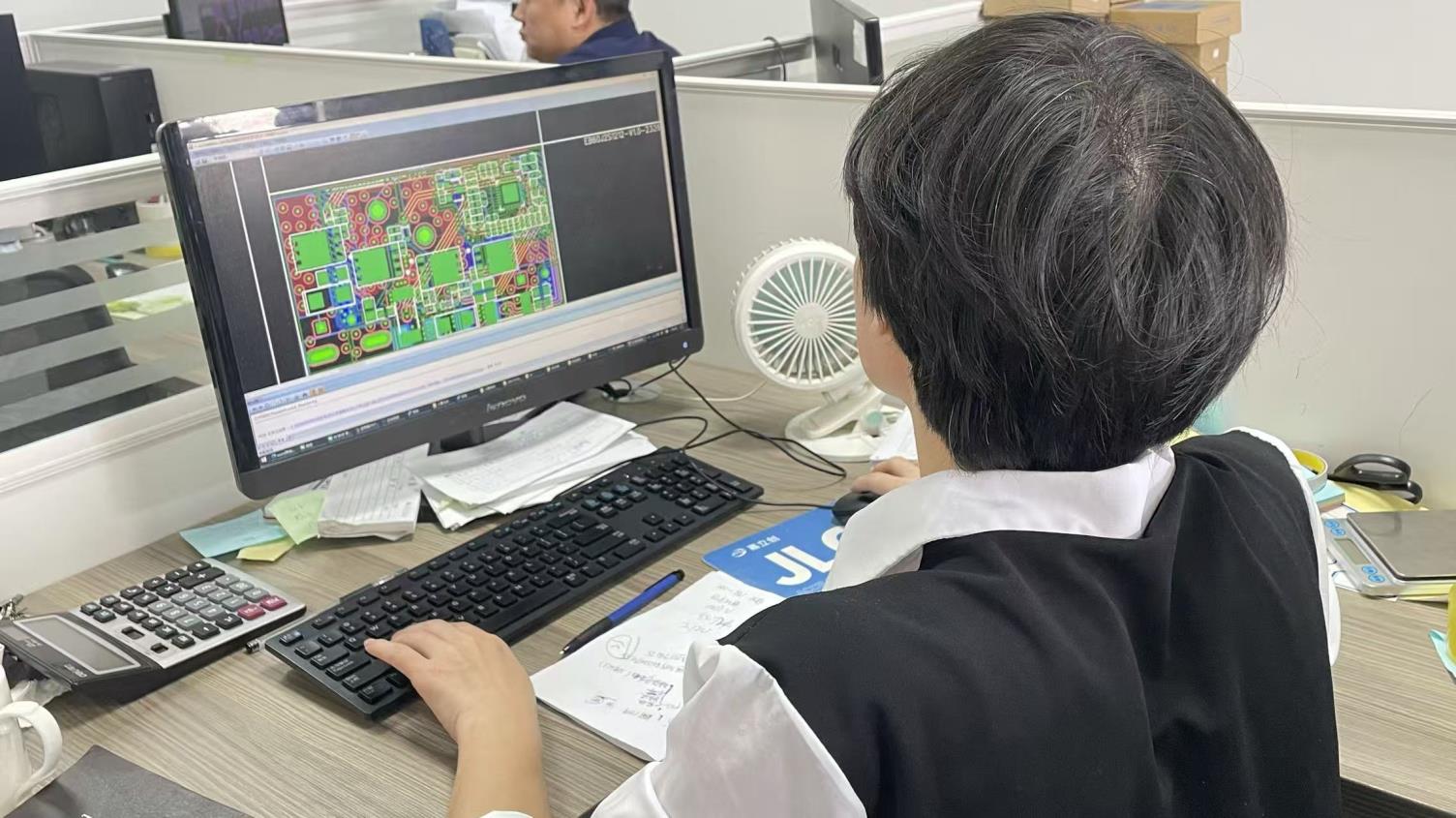 R&D CAD/CAE System Simulation
Who We Are & What We Do
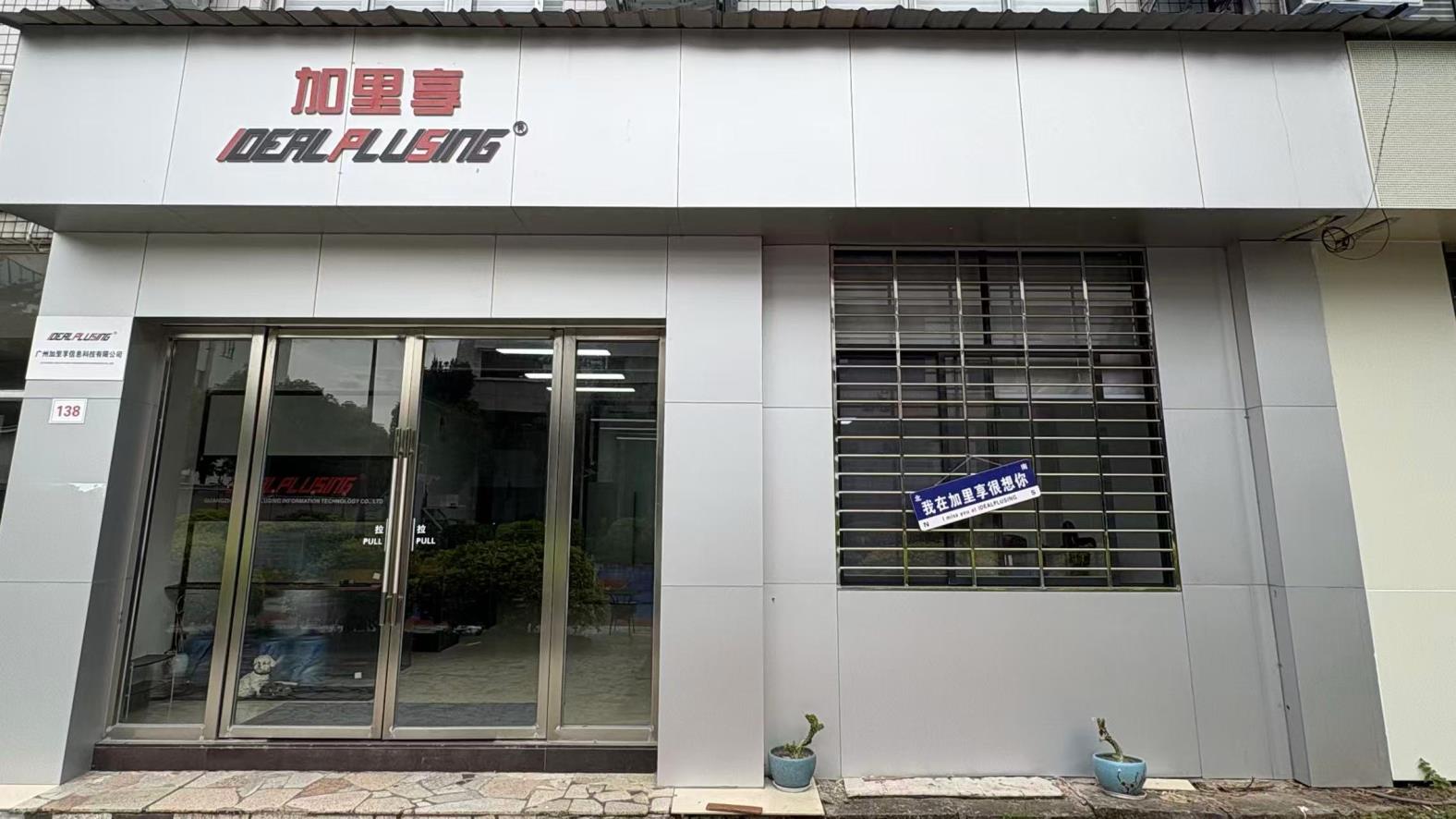
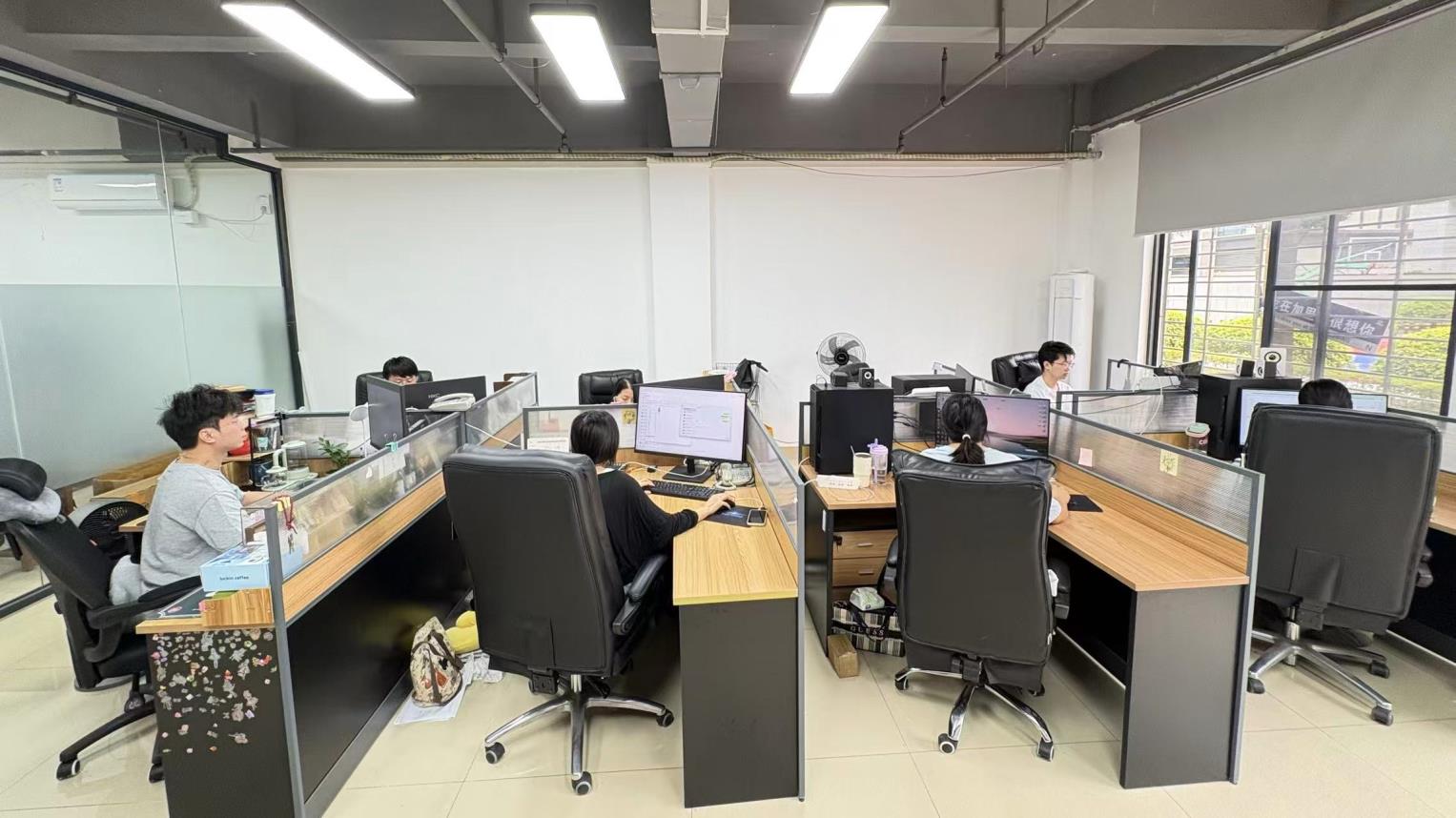
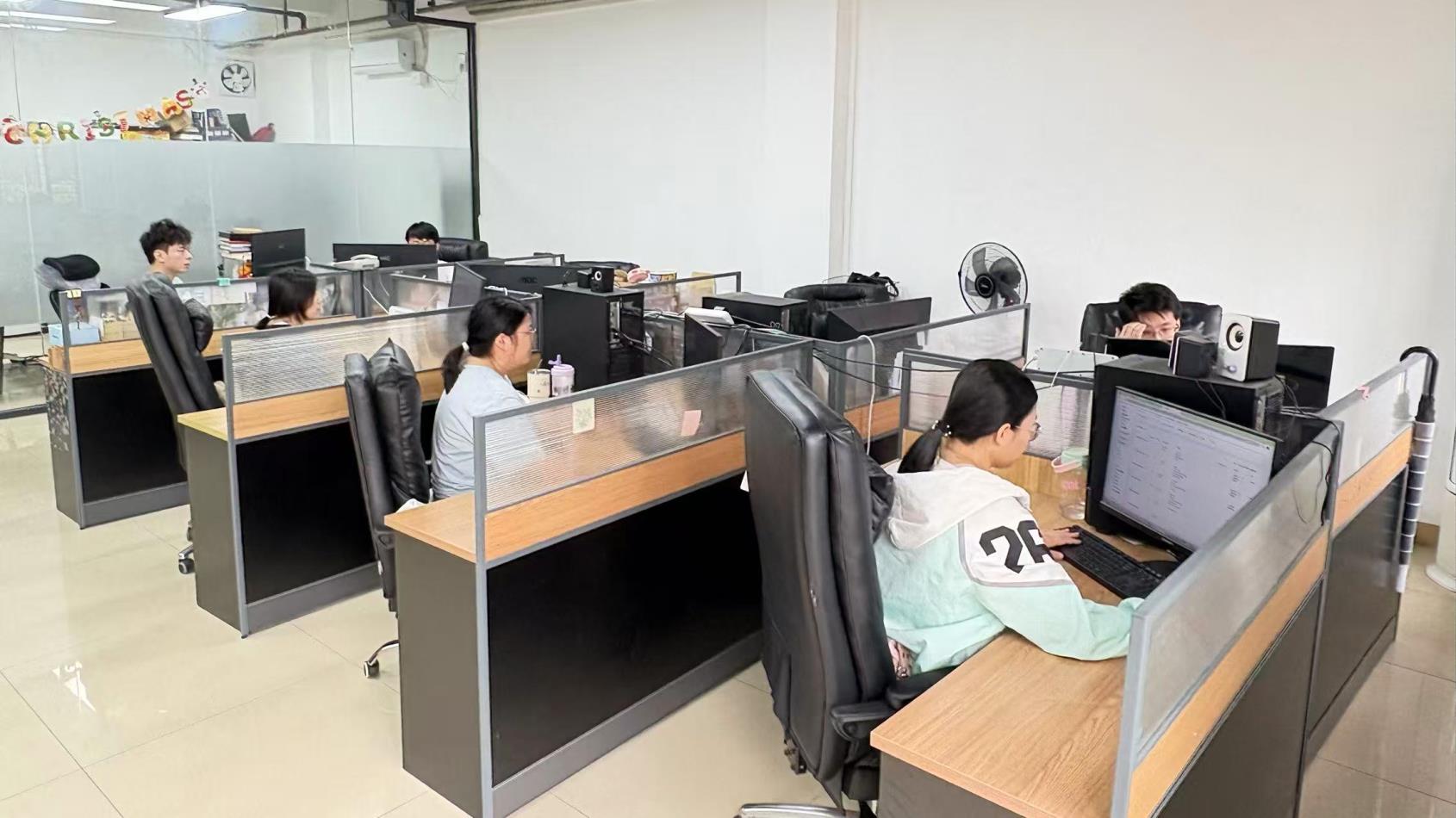
We are a leading developer, integrated manufacturer, and engineering provider of power quality solutions based in Guangzhou, China. Collaborating with over 20 specialized partner facilities, we coordinate more than 60 skilled technical workers and support over 10,000 product configurations tailored to global specifications.
Guided by our operational principle: "Leading Technology, Reliable Quality, Satisfactory Service & Customers First!", we design systems that bridge the gap between grid inconsistencies and precise industrial requirements.
Our Comprehensive Engineering Portfolio:
- DC-DC Converters: Isolated and non-isolated options from 12VDC to 1000VDC, power capacity ranging from 1kW to 200kW.
- AC-DC Power Supplies: Variable systems from 0 to 200kV, current ratings from 0 to 20,000 Amps.
- DC-AC Inverters: Input range from 12VDC to 2000VDC, power outputs from 100W up to 500kW.
- AC-AC Power Sources: Single and three-phase units, variable frequency range 10-500Hz, power capabilities 1kVA to 500kVA.
- AC-DC Ground Power Units (GPU): Aviation grade support delivering 300A to 50,000A capacity.

Future Outlook: Next-Generation Voltage Regulation Roadmap
Key technologies shaping the future of industrial power conversion, from advanced materials to smart diagnostics.
Silicon Carbide (SiC) & GaN Drivers
Integrating Wide Bandgap (WBG) semiconductors into high-frequency switching converters reduces thermal waste by up to 45% and shrinks physical footprints by half, enabling higher power density.
IoT & Cloud Telemetry
Modern industrial sites require centralized management. Real-time parameters (e.g., thermal tracking, sag incidence, phase balance) are reported to local SCADA networks or cloud monitoring dashboards.
AI-Enabled Diagnostics
By analyzing operational signatures, neural networks can predict servo mechanical wear or capacitor degradation up to two months before failures happen, moving from reactive maintenance to proactive planning.
Industrial Voltage Stabilizers: Technical FAQ
In-depth engineering answers covering operational tolerances, sizing rules, thermal protection, and deployment strategies.
Required Stabilizer kVA = Total Active Load kVA × Safety Factor (SF)
Where SF is 1.25 to 1.5 for resistive loads (LED lights, heaters) and 3.0 to 4.0 for motor-driven, inductive loads. Over-sizing ensures the system can handle startup surges without triggering overload protection.
- Over/Under Voltage Protection: Automatically disconnects the output if input variations exceed limits.
- Over-Current Protection: Circuit breakers and fast-acting fuses to handle downline short circuits.
- Thermal Monitoring: Pt100/Pt1000 temperature sensors embedded in the transformer windings to trigger alarms or automatic shutdown if temperatures exceed safety thresholds (typically Class H, 180°C).
- Bypass Capability: Manual and automatic bypass switches that route power directly to the load for maintenance without interrupting operations.
- Monthly: Visually inspect for carbon dust buildup and clean the copper columns using a dry lint-free cloth.
- Quarterly: Check the carbon brushes for wear and replace them if they are worn down by more than 50%. Lubricate the drive chain and gears.
- Bi-Annually: Verify all terminal connections are tight and secure. Loose connections under heavy current can cause localized overheating and failure.
Power Quality & Special Purpose Converters
High-capacity testing equipment, frequency stabilizers, and rugged waterproof converters for demanding operating conditions.