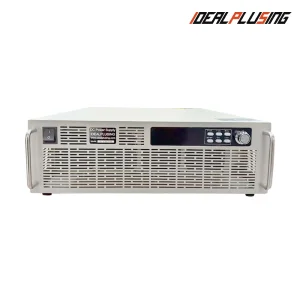
Premium Power Conversion Components
Explore our foundational range of specialized DC-DC converters, AC-DC rectifiers, and high-frequency inverters utilized globally across critical industrial infrastructures.
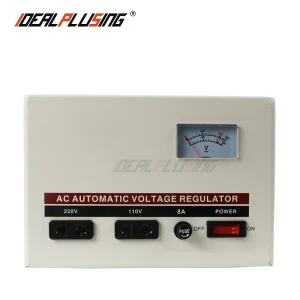
Computer X-ray Equipment SVC Automatic Voltage Regulator
View Product Specification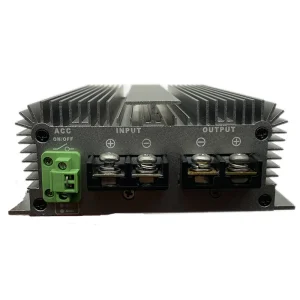
Factory Customized 12V to 56V DC to DC Step up Dc Charger 20A
View Product Specification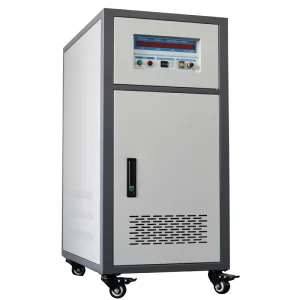
100KVA/120KVA Static Variac Frequency Power Supplier IGBT PWM
View Product Specification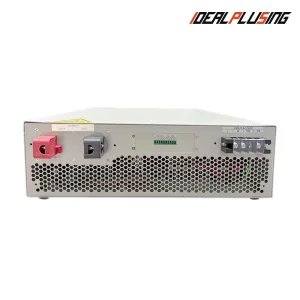
12.5V/800A 10000W Programmable DC Power Supply
View Product Specification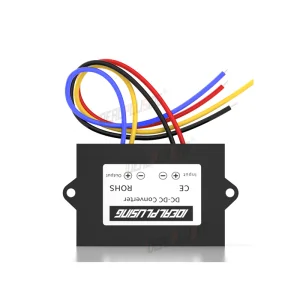
60W DC DC Converter (75-150V Range) to 12V Isolated Converter
View Product Specification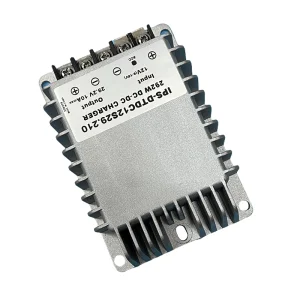
DC to DC Battery Charger 12V to 29.2VDC 10A Booster Charger
View Product Specification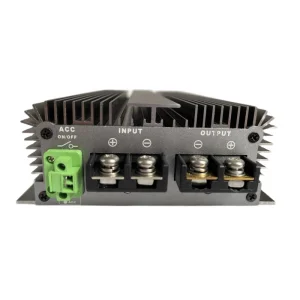
Waterproof IP67 24V to 48V 10A 480W DC to DC Converter
View Product Specification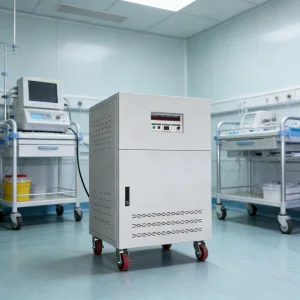
Idealplusing 20KVA/40KVA AC Variable Frequency Converter
View Product SpecificationGlobal Industrial Landscape & Commercial Realities
Deep-dive research into the surging demand for high-efficiency DC-AC inverters and complex power topologies in industrial decarbonization.
Grid Modernization & ESS Integration
As the global utility landscape transitions to distributed energy resources (DERs), utility-scale battery energy storage systems (BESS) require bi-directional DC-AC inverters capable of dynamic grid support, frequency regulation, and reactive power control. Modern OEM topologies must seamlessly bridge high-voltage DC battery banks (up to 1500V or 2000V) to utility grid systems with minimal THD.
Electric Vehicle & Marine Decarbonization
Commercial transit fleets, mining equipment, and marine propulsion systems demand heavy-duty DC-AC inverters designed to withstand mechanical shock and thermal cycling. Our custom ODM frameworks address harsh vibration profiles, integrating liquid-cooling channels and high-efficiency SiC semiconductor modules to secure optimal power density in space-constrained applications.
Severe-Environment Telecom & Critical Infrastructure
For data networks and medical installations (such as CT and X-ray systems), supply disruption translates directly to operational failure. Isolated topologies and redundant inverters ensure absolute input-output galvanic isolation, blocking transient spikes and harmonic pollution from entering highly sensitive medical diagnostic apparatus.
Who We Are & What We Do
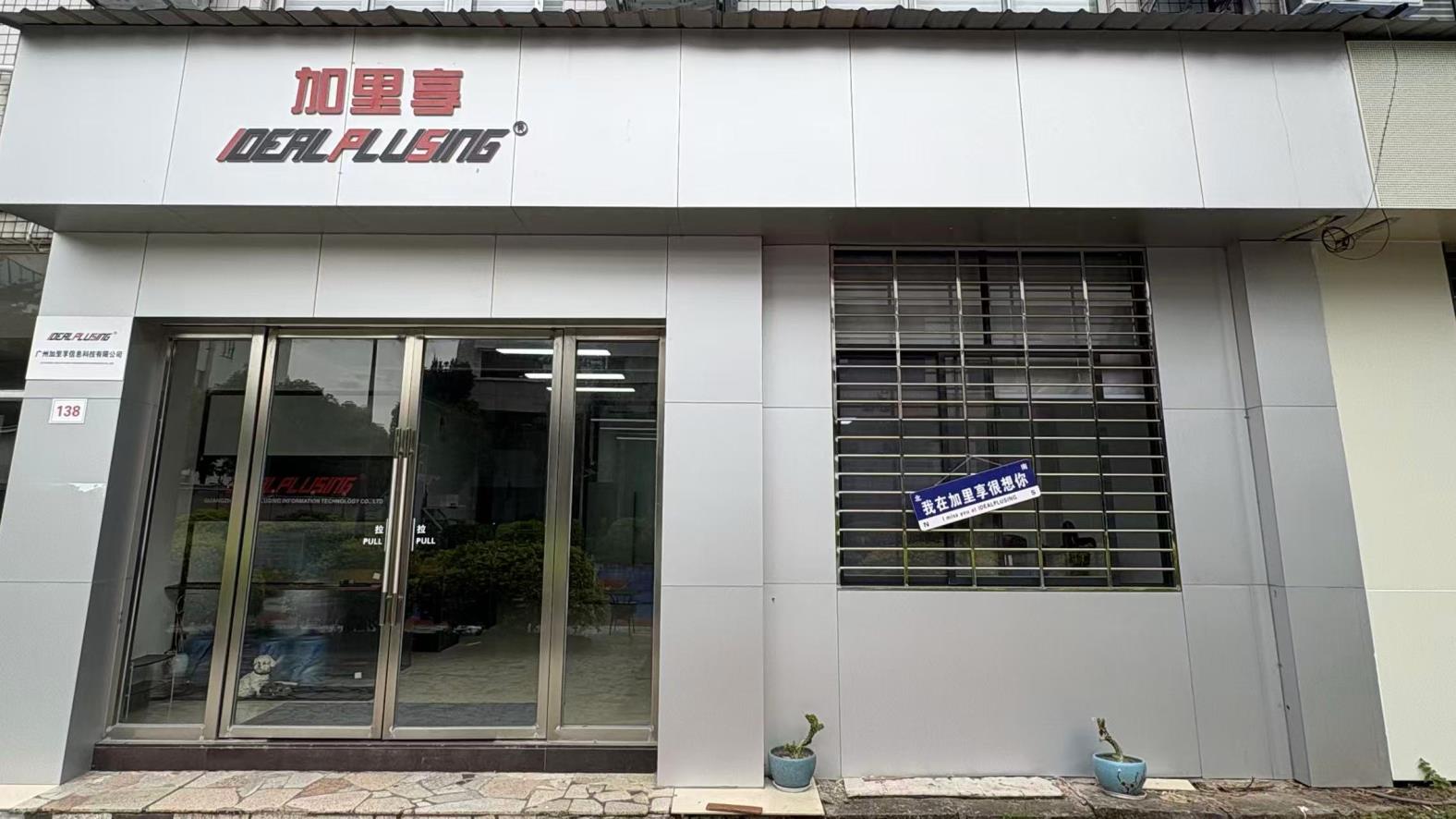
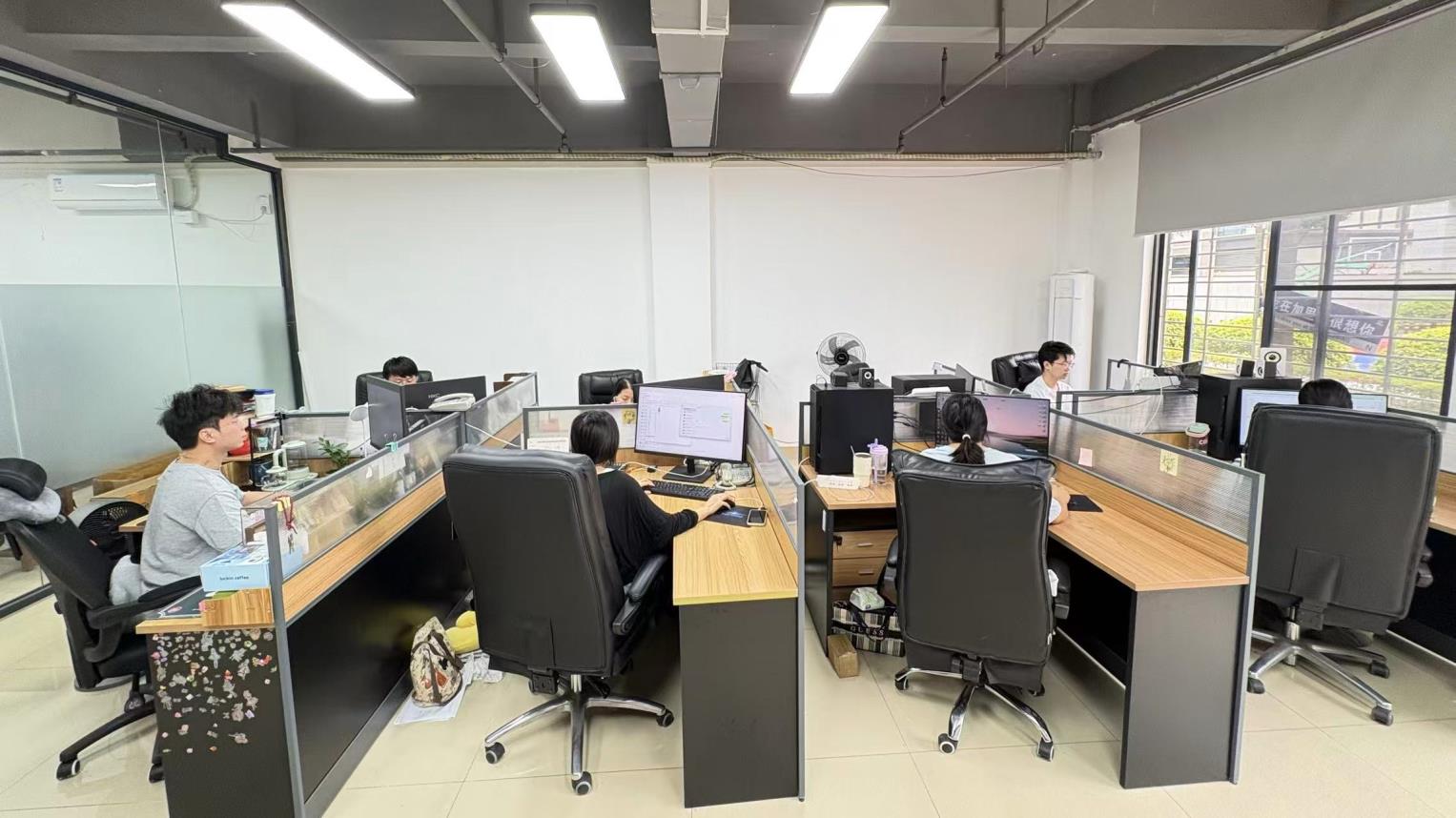
A trusted manufacturing partner delivering high-tier power electronics engineering, validation, and manufacturing from our core facilities in Guangzhou, China.
Comprehensive Electrical Power Topologies
DC-DC Converters
Isolated & non-isolated topologies; Input/output spans 12VDC to 1000VDC; Scaling system capacities from 1kW to 200kW.
AC-DC Power Supplies
Regulated systems, high-stability output; Output voltage spans 0V to 200kV; Dynamic current regulation up to 20,000 Amps.
DC-AC Inverters
Pure sine wave synthesis; High-voltage DC support from 12VDC up to 2000VDC; Continuous output power ranging from 100W up to 500kW.
AC-AC Power Sources
Single and three-phase configurations; Variable frequency limits 10Hz to 500Hz; High capacity designs ranging from 1kVA to 500kVA.
AC-DC Ground Power Units
Aviation and marine grade startup configurations; Heavy duty output currents ranging from 300A up to 50,000A.


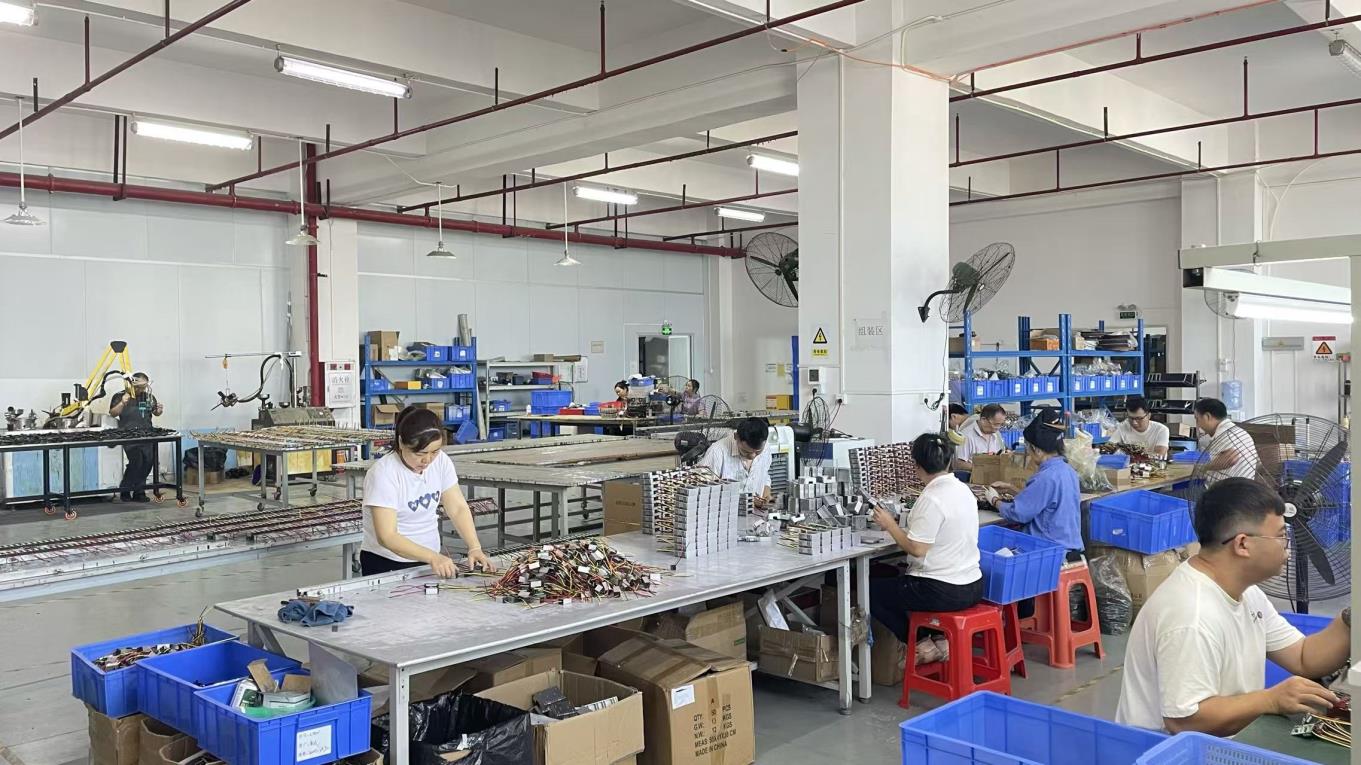
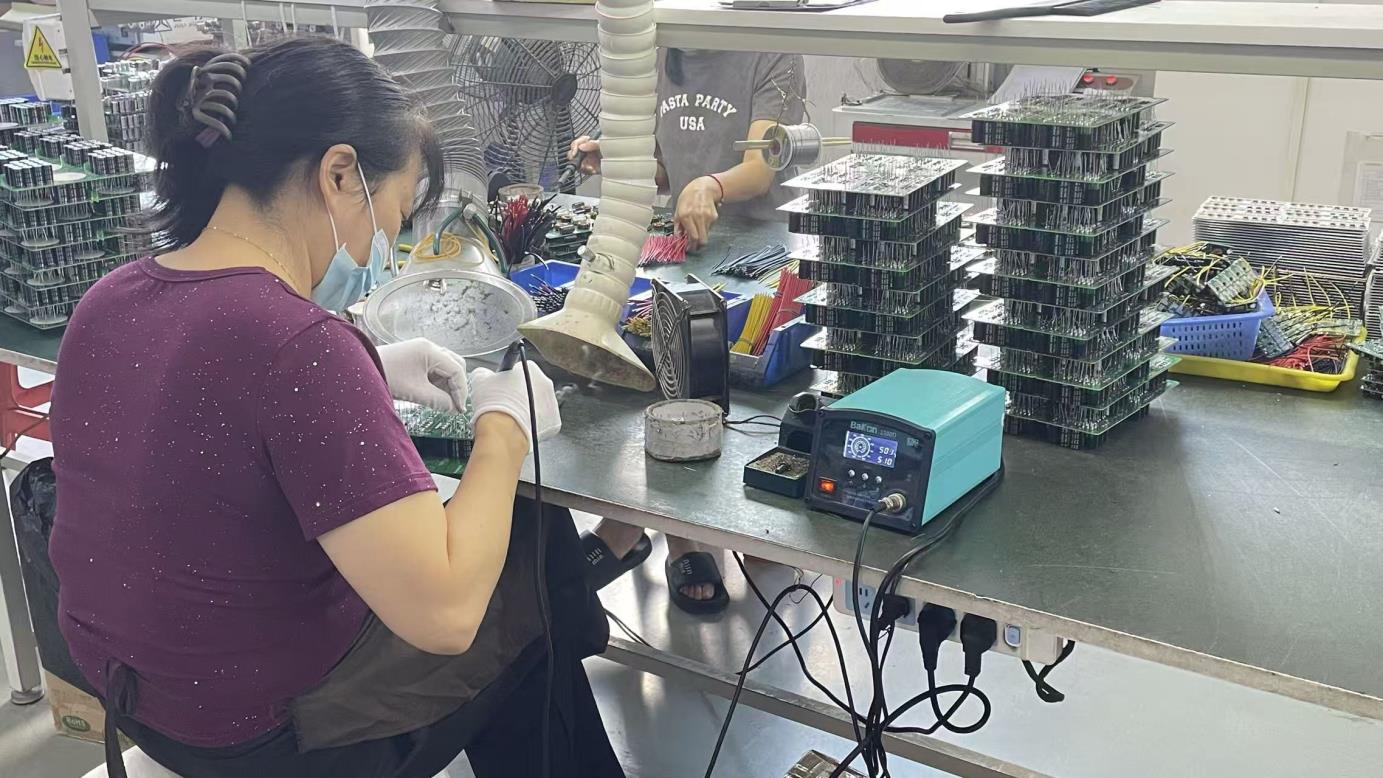
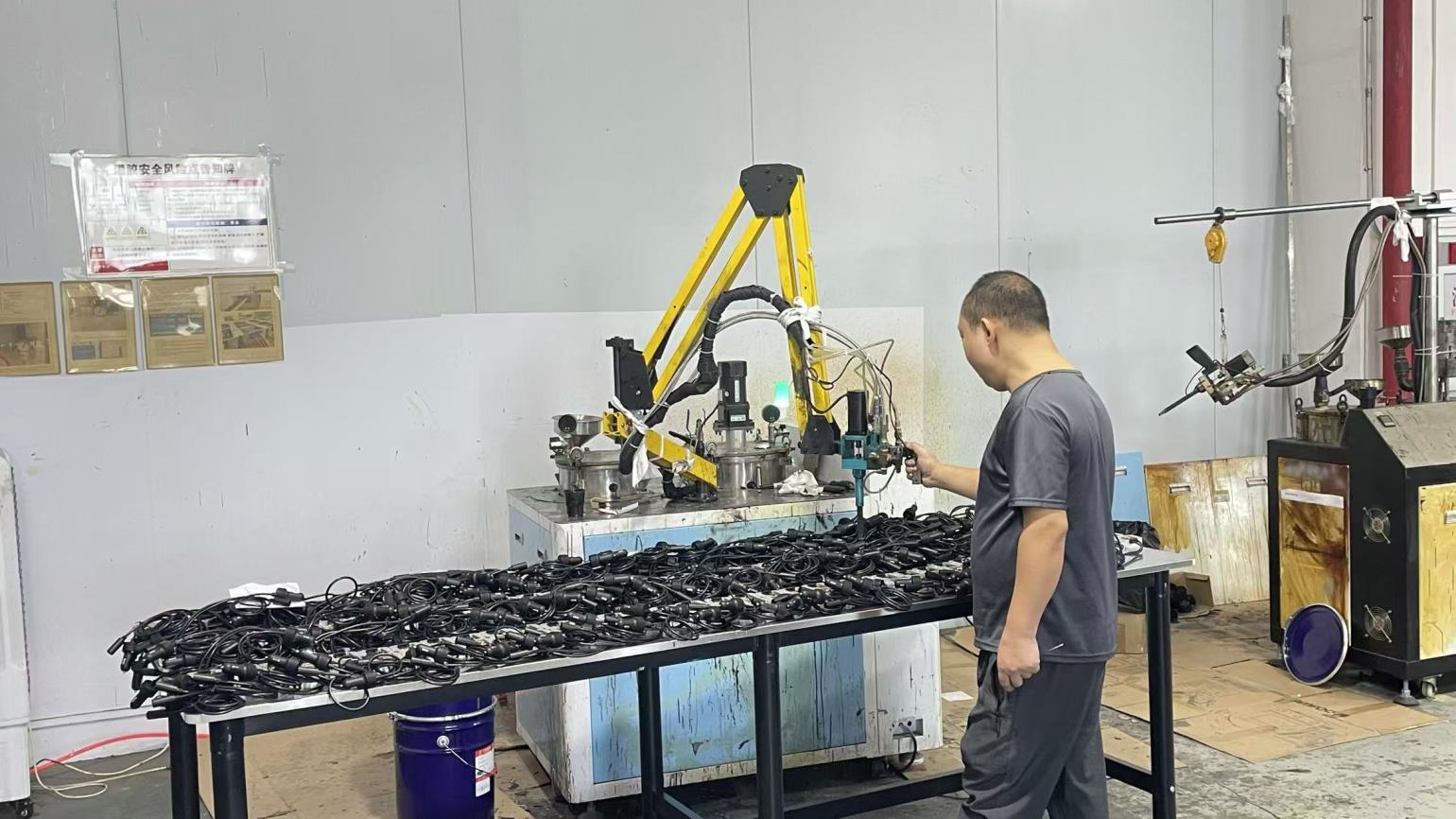
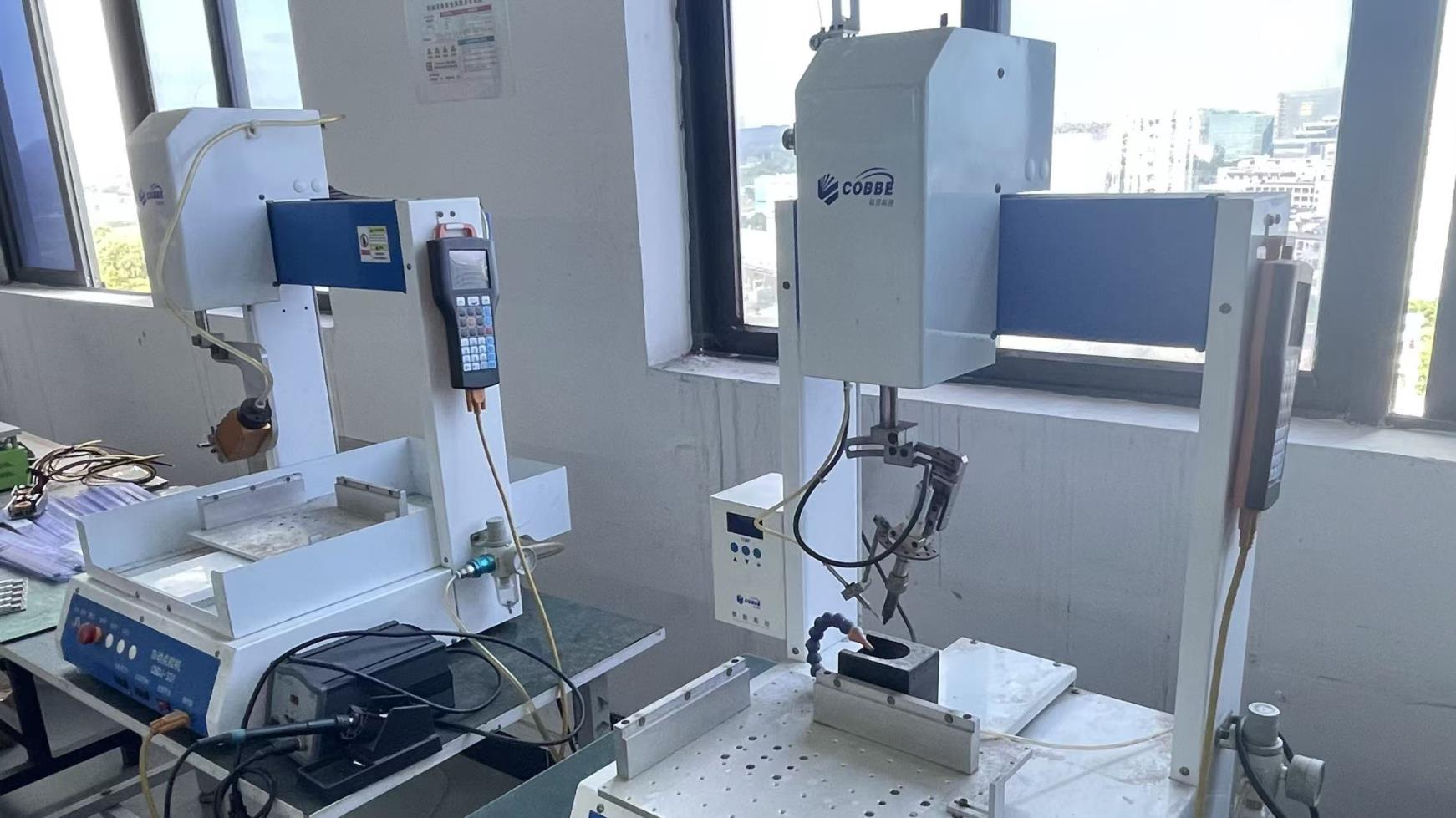
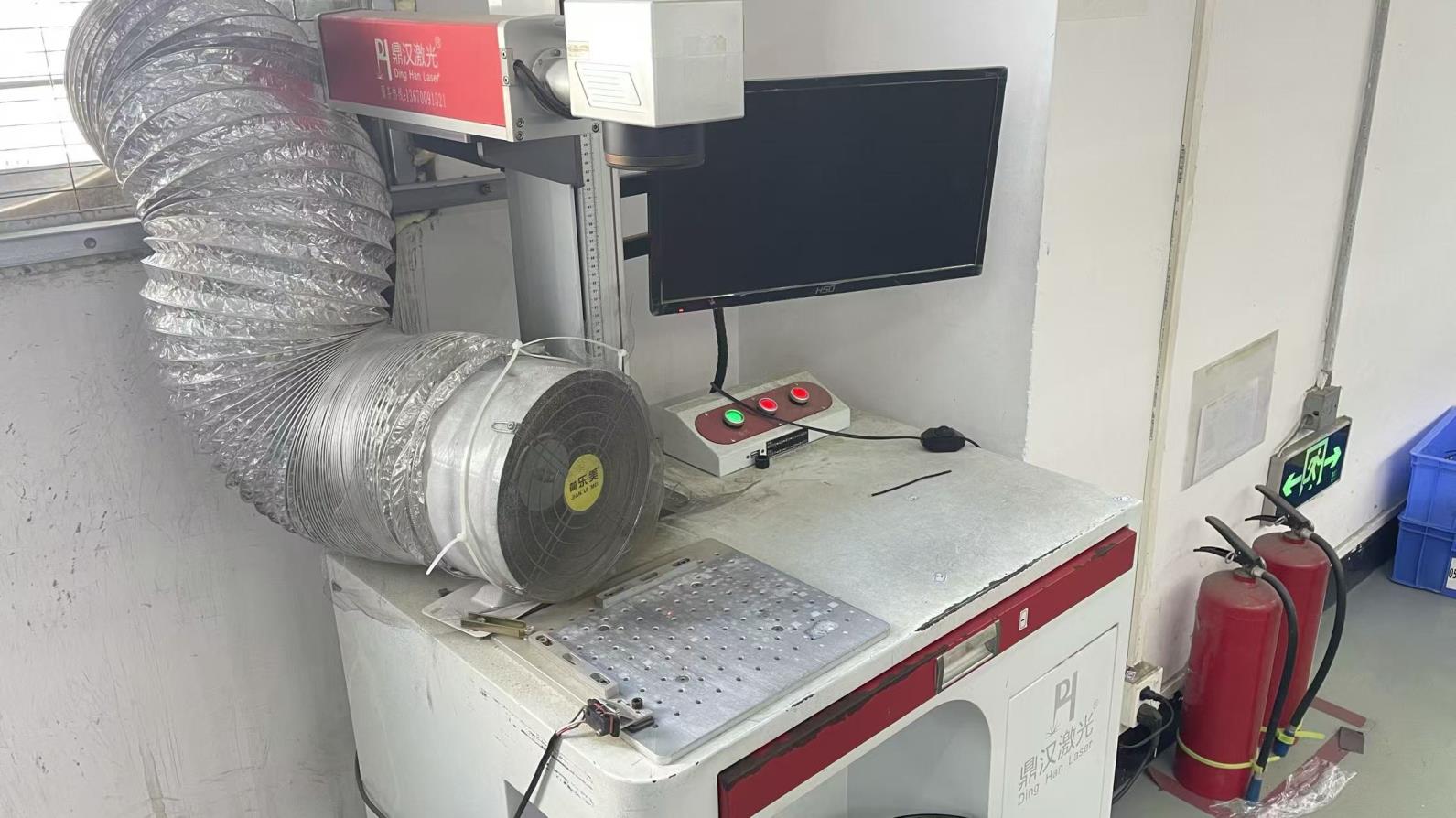
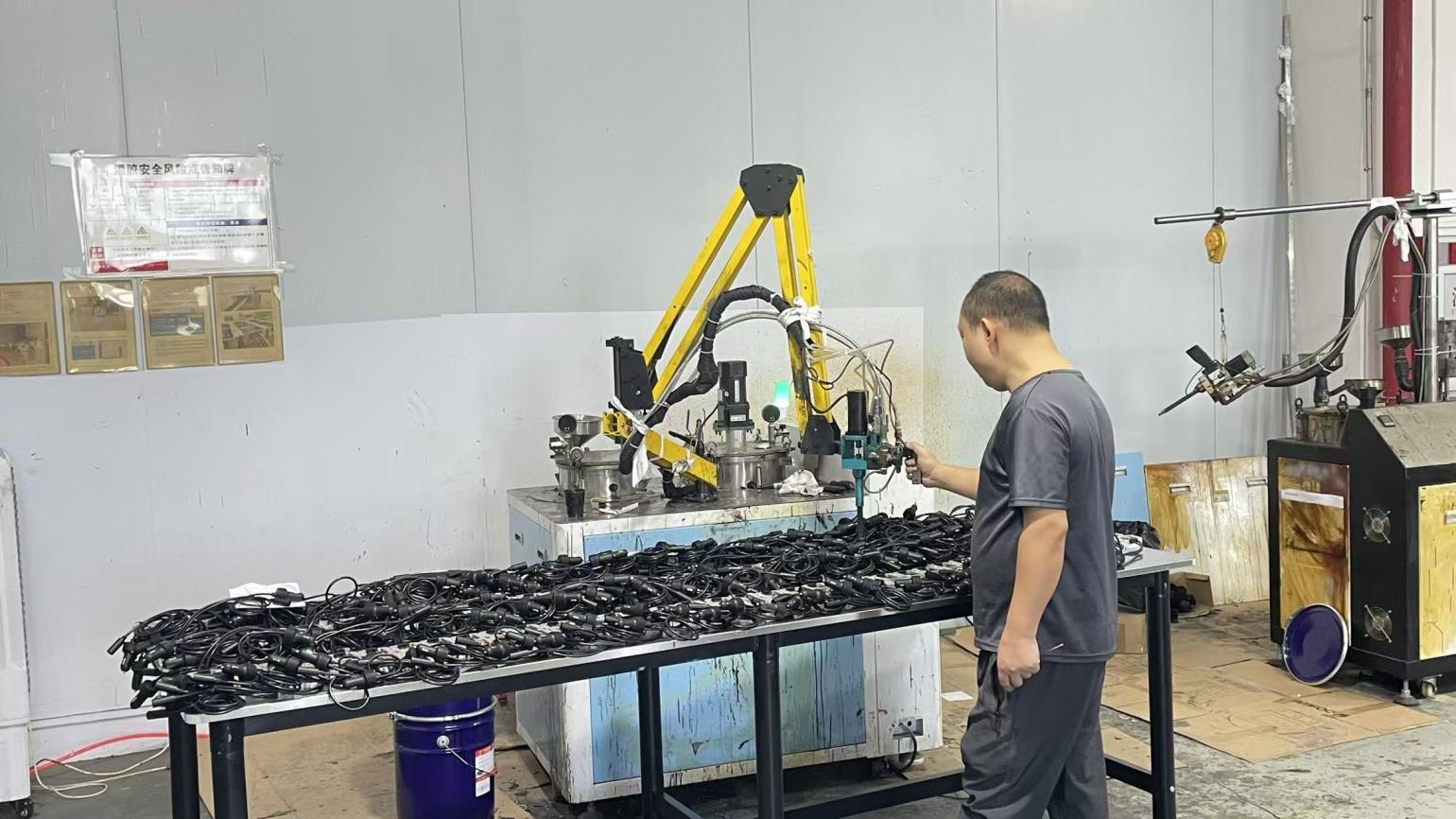
Vertical OEM/ODM Manufacturing Integration
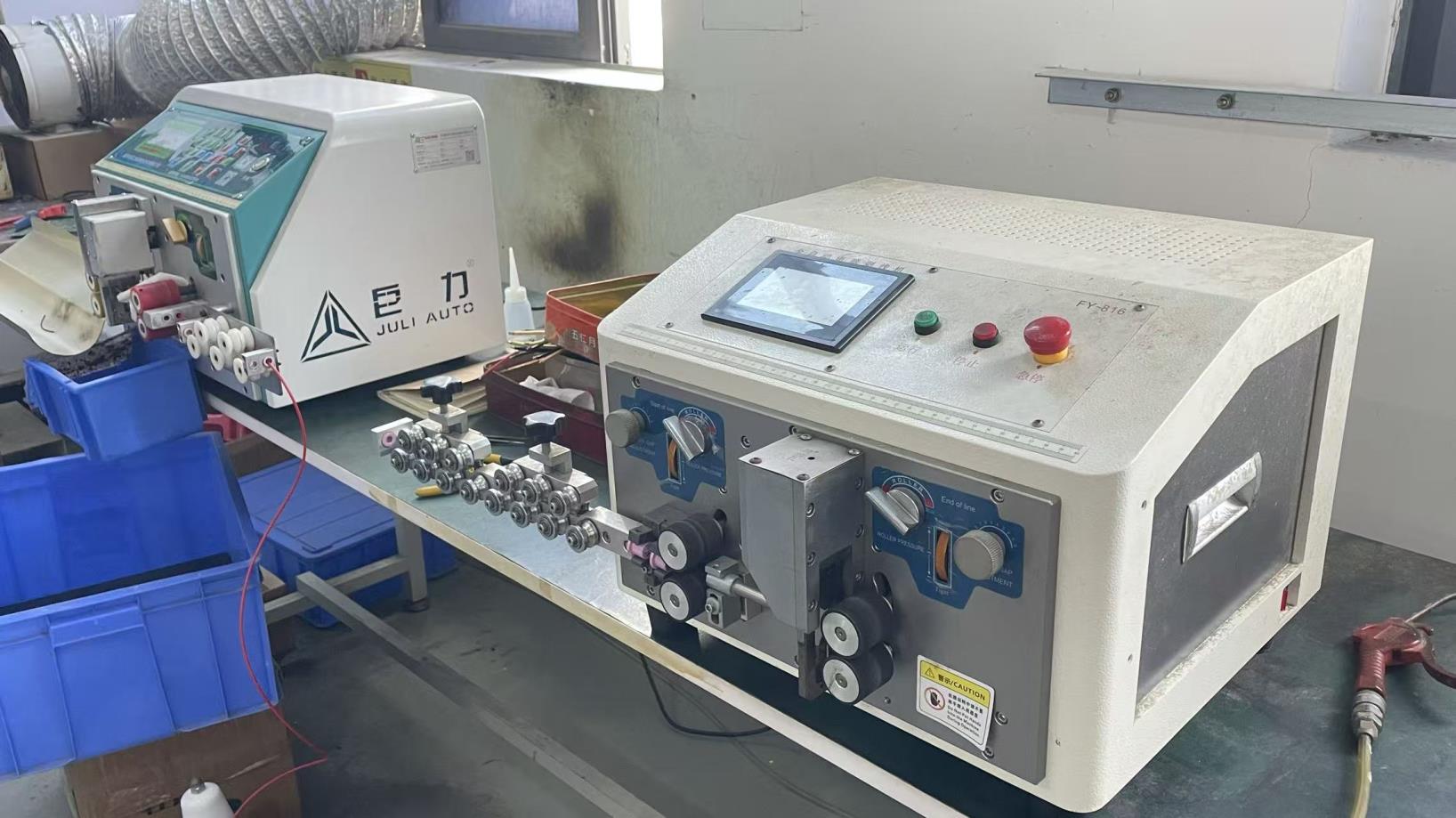
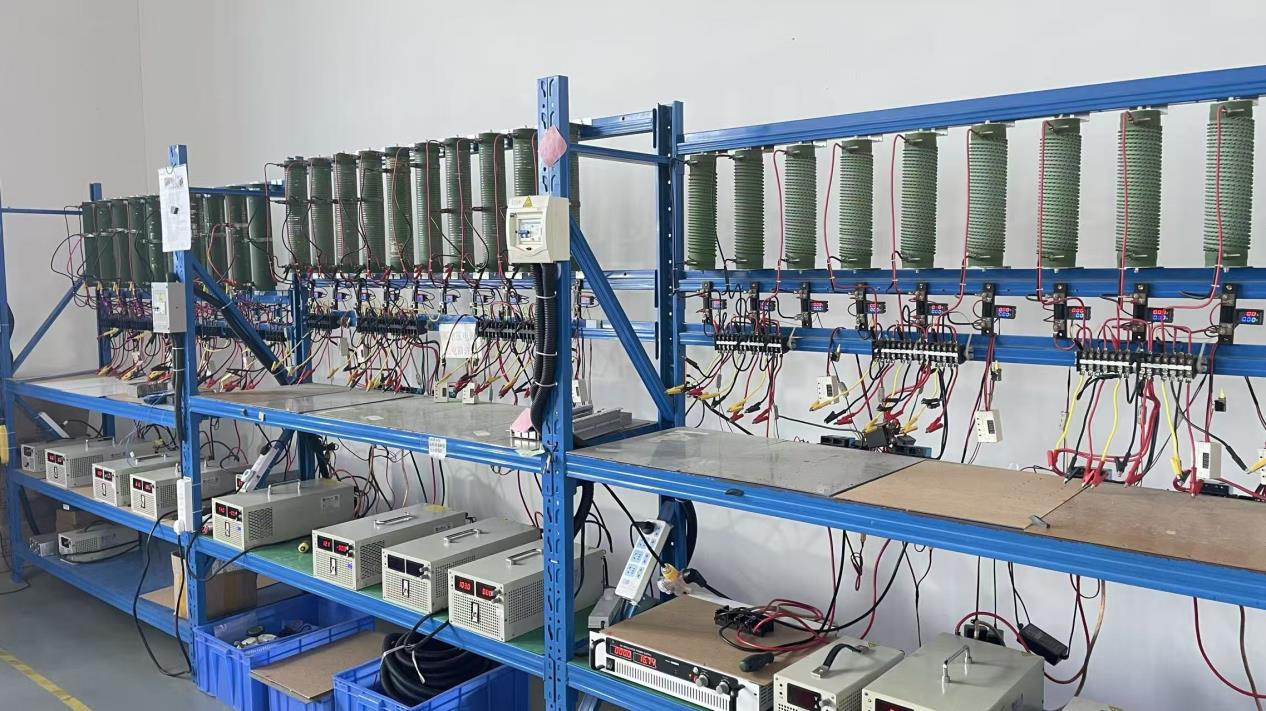
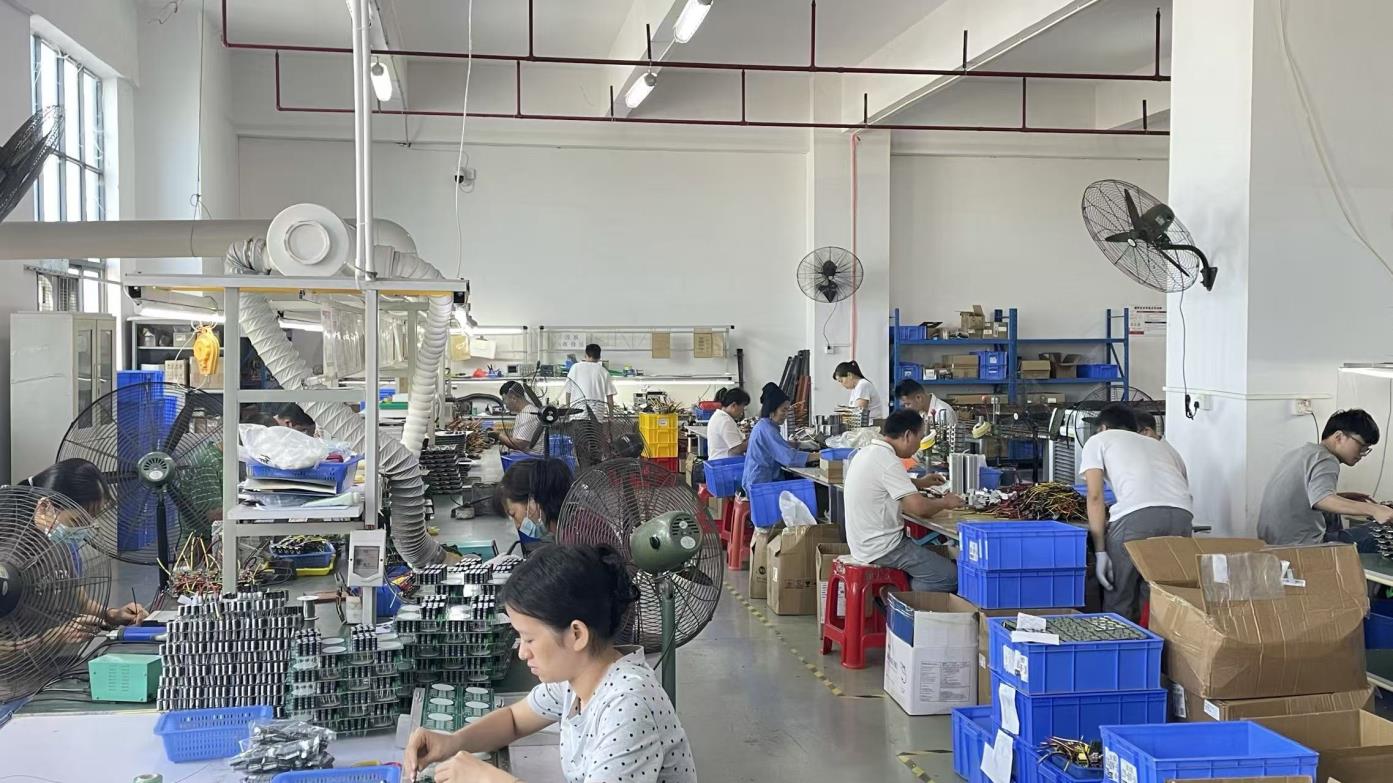
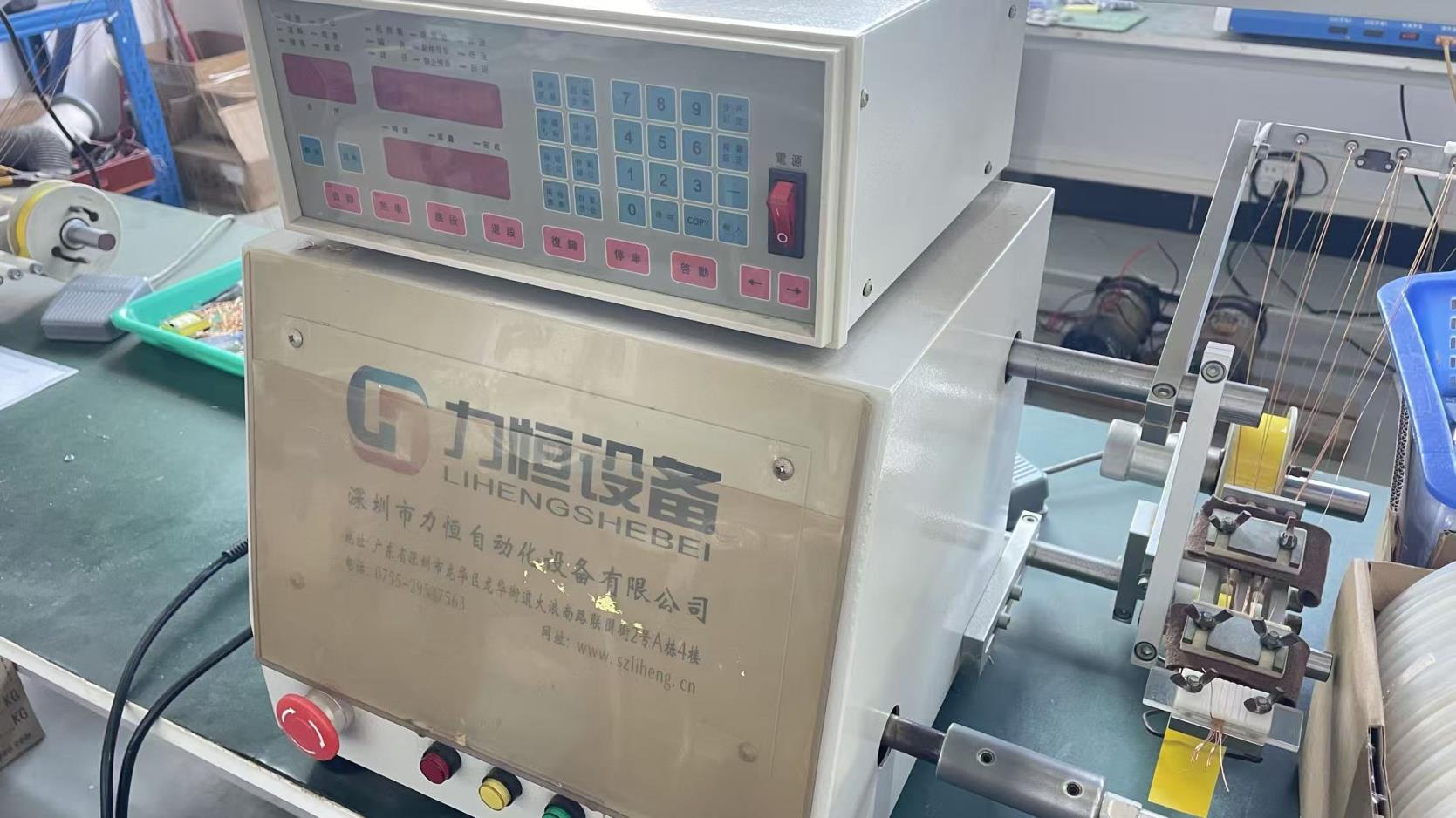
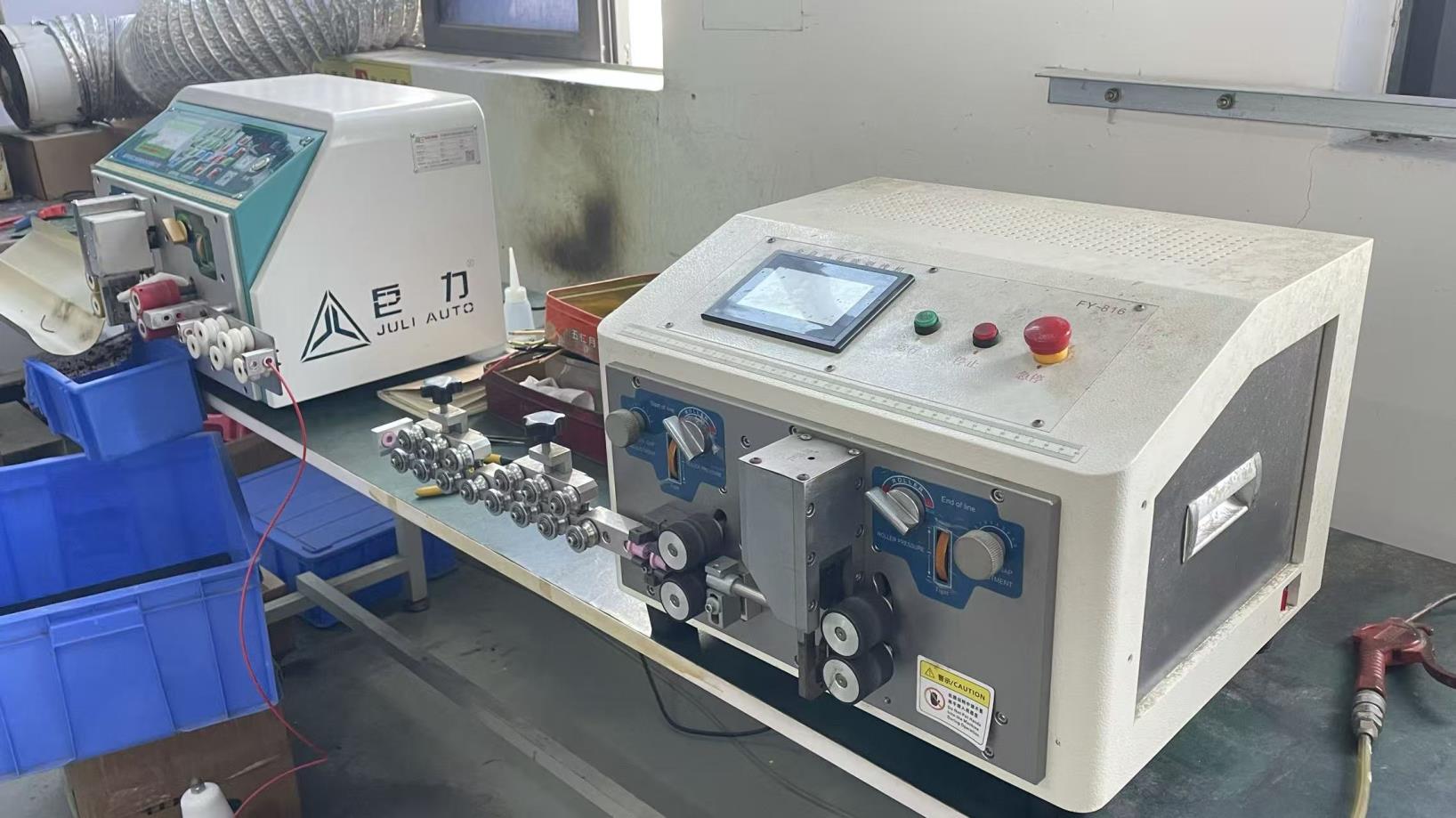
A transparent look into our physical assembly line and automated electronic component mounting procedures.

Technology Roadmap & Future Outlook
How we are engineering the next generation of DC-AC inverters to keep pace with changing grid demands and semiconductor advancements.
Gradual shift from standard Silicon MOSFETs to Silicon Carbide (SiC) and Gallium Nitride (GaN) components. This allows switching frequencies to triple while reducing thermal emissions by up to 40% and shrinking housing volumes.
Optimizing control firmware to transition from grid-following configurations to active grid-forming systems. This development supports islanded microgrids and helps maintain stable voltages during utility blackouts.
Upgrading conversion topologies to handle up to 2000V DC input directly. This eliminates intermediate step-up transformers, helping industrial solar and utility wind systems run more efficiently.
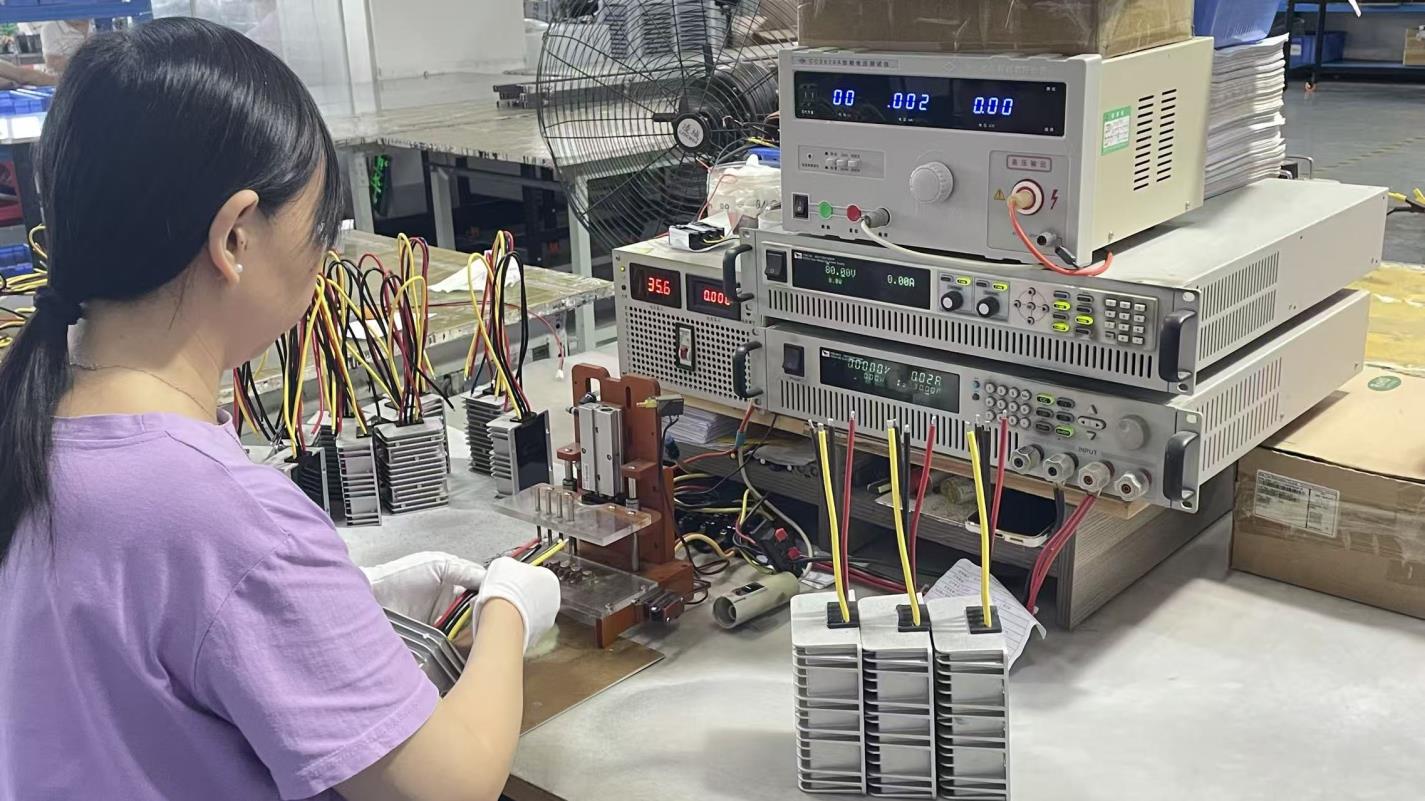
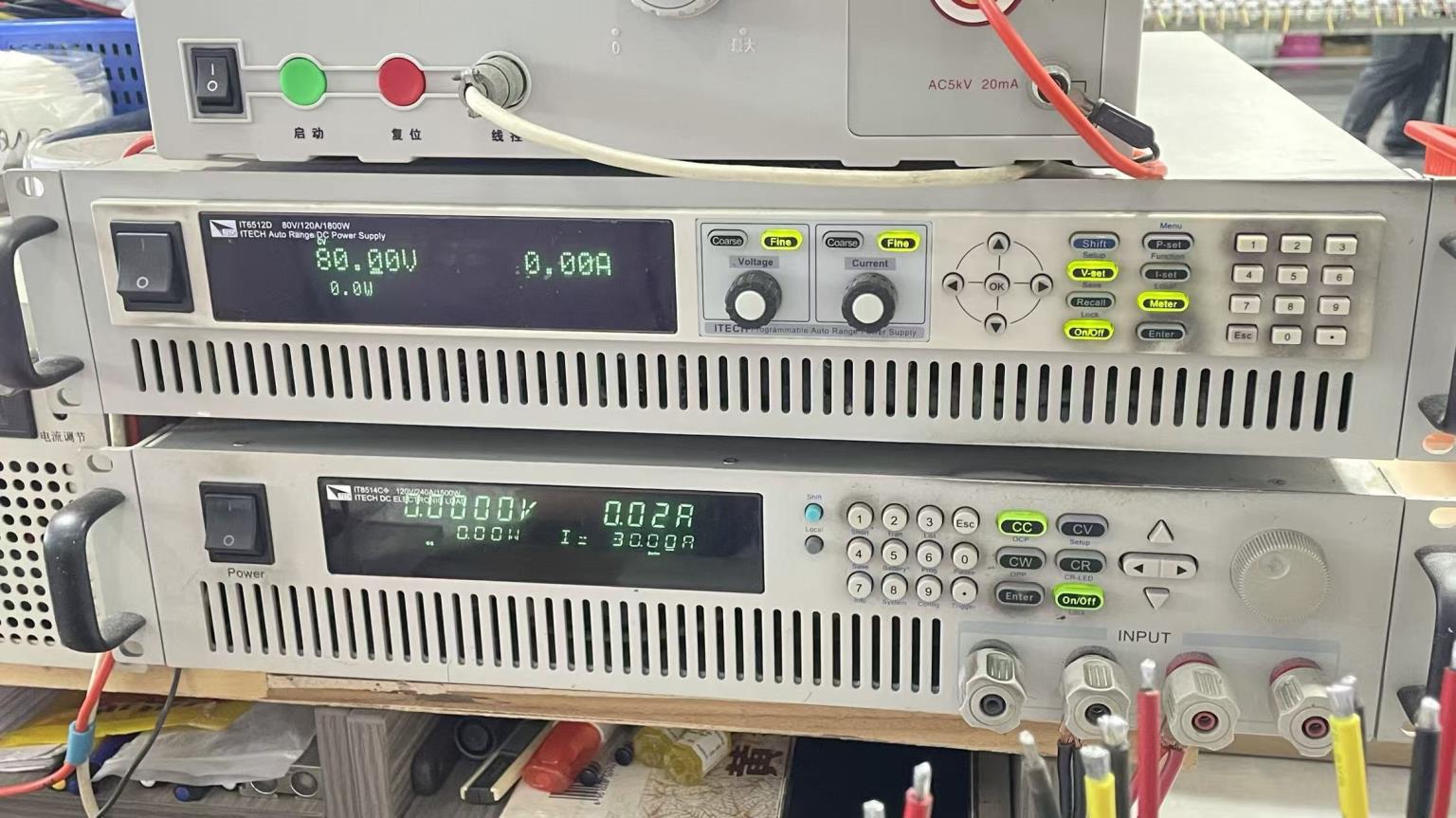
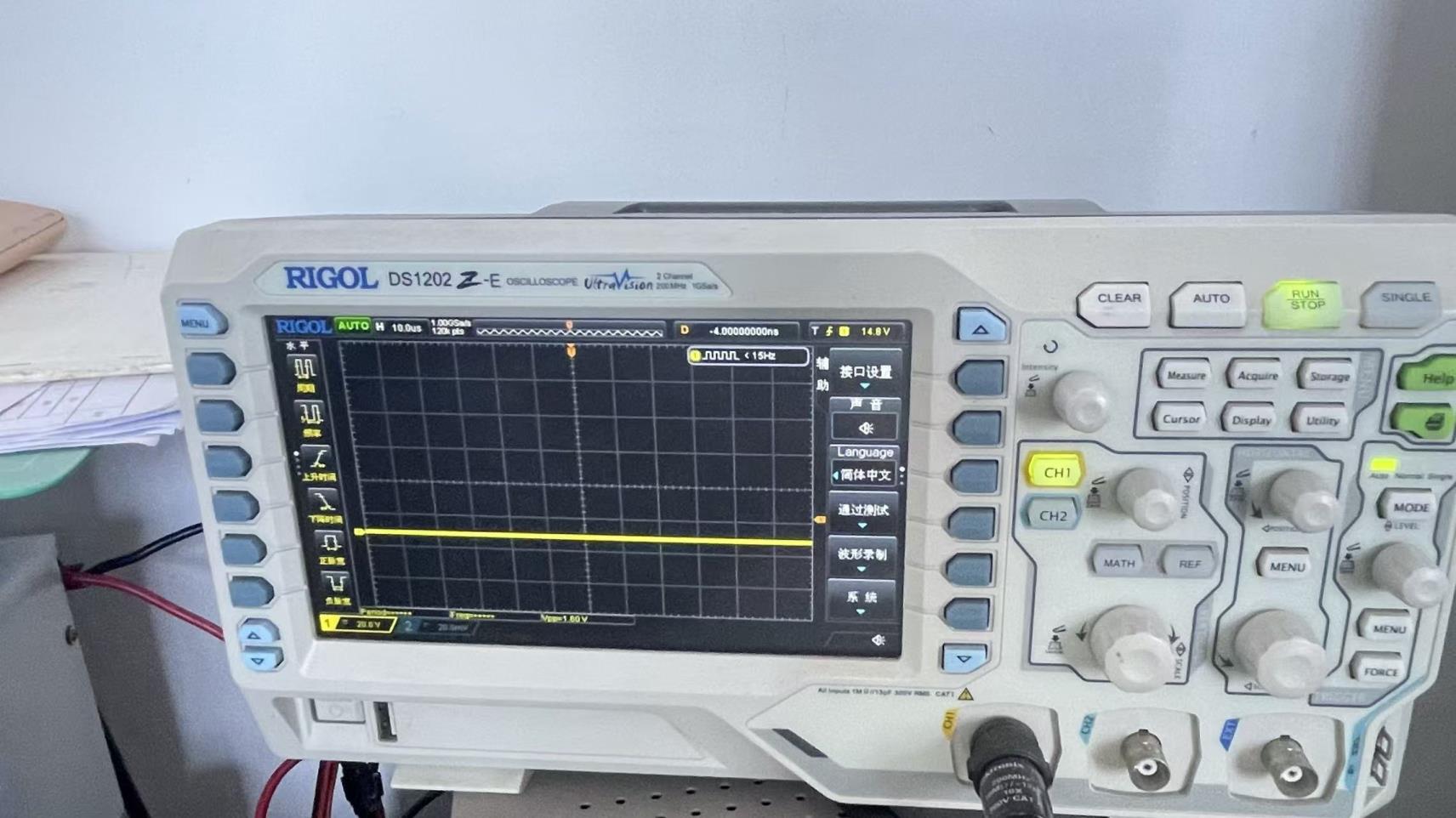
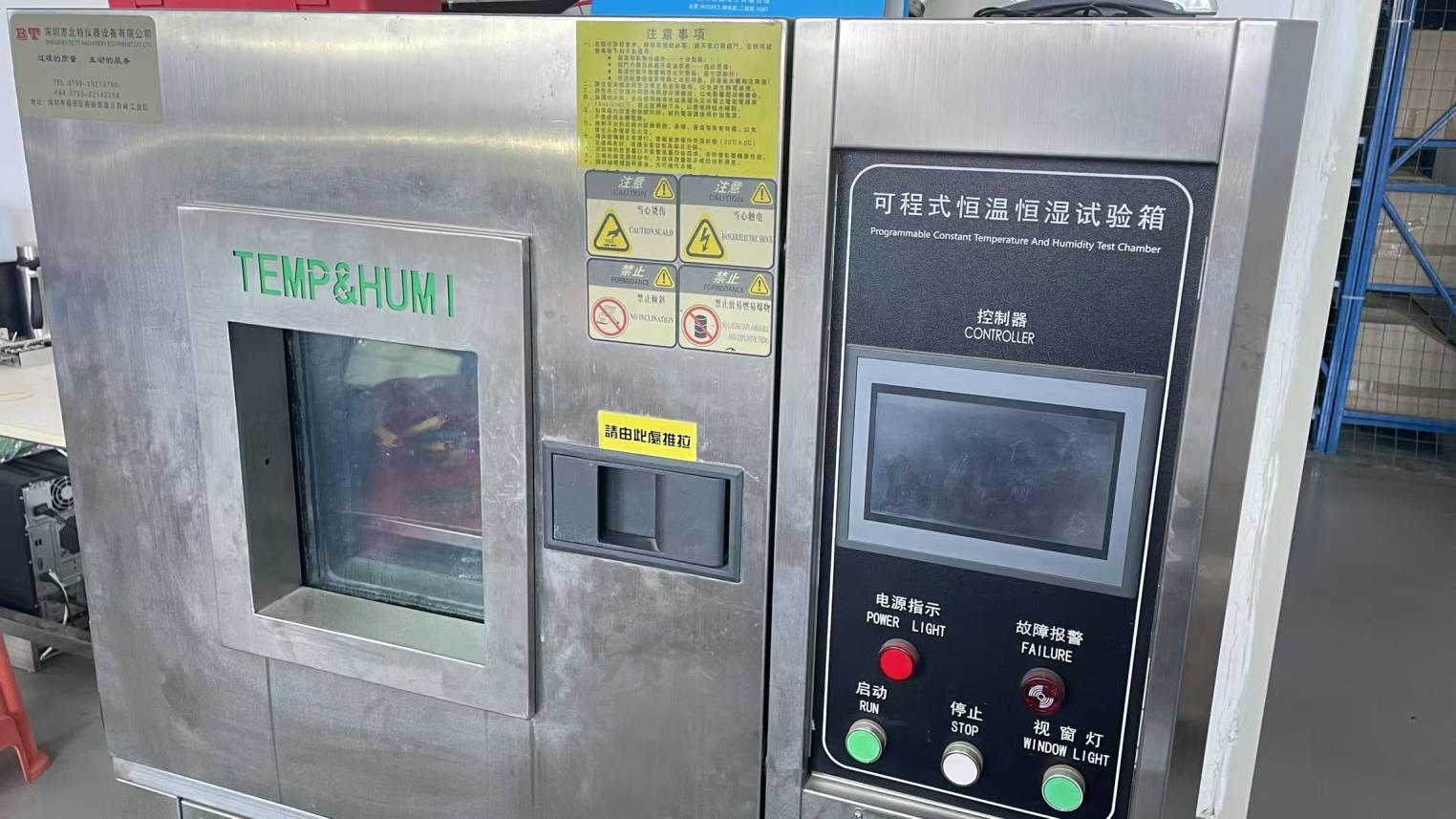
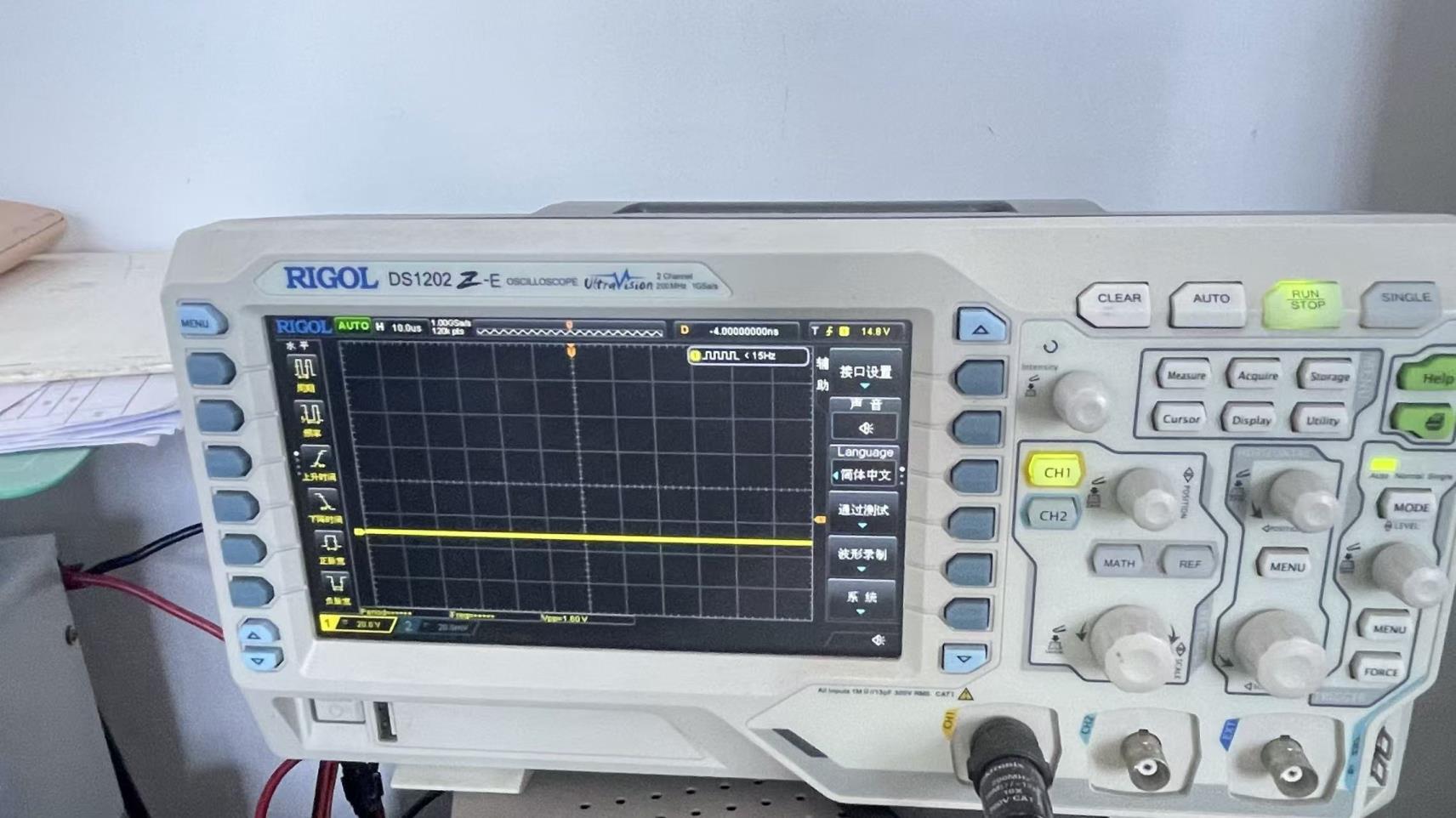
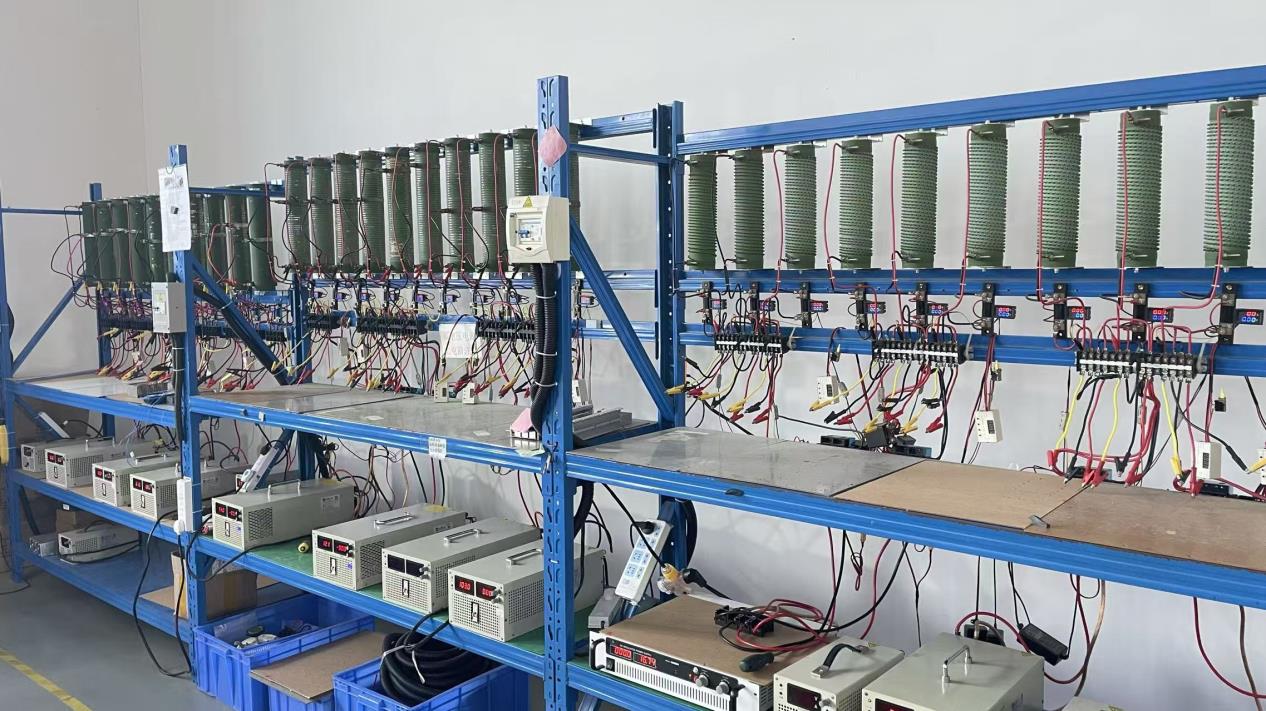
Strict Quality Testing Framework
No power system leaves our factory floor without thorough verification. We validate the electrical stability and thermal limits of every unit.

Expert Q&A: Key Technical & Sourcing Inquiries
Insights from our engineering desk to help you make informed decisions about industrial power integration.
1. What parameters determine the choice between isolated and non-isolated DC-DC topologies?
Galvanic isolation is required whenever the input source and load circuits must operate on separate grounds to protect sensitive components or human operators. Non-isolated converters generally offer higher efficiency and a smaller physical footprint, but isolated topologies are critical for preventing noise transfer, protecting equipment from voltage spikes, and meeting safety standards in high-voltage industrial setups.
2. How does the factory manage harmonic distortion in high-power DC-AC inverters?
We use digital signal processing (DSP) to control pulse-width modulation (PWM) switching frequencies, combined with multi-stage LC filters. This keeps Total Harmonic Distortion (THD) under 3% for linear loads. Minimizing THD is essential to avoid overheating motors, prevent issues in communication lines, and meet utility grid regulations.
3. Can the inverters be customized for unique environmental or input-voltage conditions?
Yes. Our ODM process allows us to customize input thresholds up to 2000V DC and adjust output parameters to match local grid standards (e.g., 50Hz, 60Hz, 400Hz). For harsh environments, we offer IP67 protection using specialized resin encapsulation and liquid cooling plates to handle high temperatures and vibrations.
4. What certifications do your power systems hold for international markets?
Our products are engineered and tested to comply with major international standards, including CE, RoHS, and select UL/IEC requirements. We work closely with third-party testing agencies to help clients secure specific regional certifications during the ODM stage.
Industrial Power Solutions Portfolio
Explore additional power converters, fast-charging modules, and laboratory-grade power supplies designed for precise electrical control.
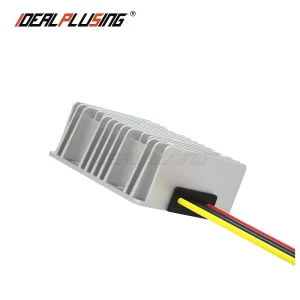
Low Noise 10-36V to 13.8V 25A 345W Buck Boost Converter
View Product Specification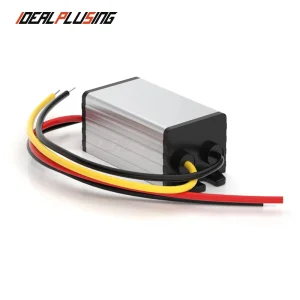
Low Power 48V to 24V 36V 5V Industrial DC DC Converters
View Product Specification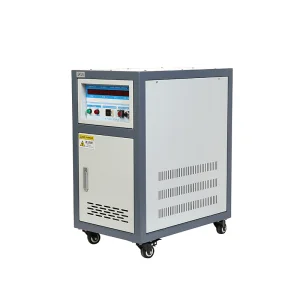
10kw Single Phase to 3 Phase AC Static Frequency Converter
View Product Specification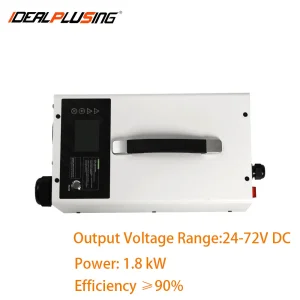
IDEALPLUSING Smart Lipo Battery Fast Charger 24VDC 50A 1.8kW
View Product Specification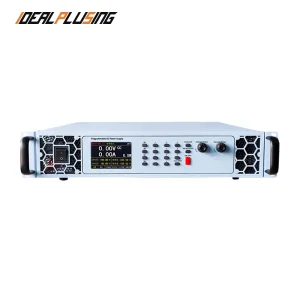
IDEALPLUSING Programmable DC Power Supply 75VDC to 2250VDC 2A
View Product Specification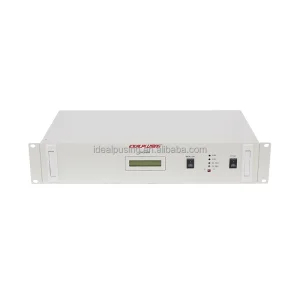
220VAC to 48VDC Converter Telecom Rectifier 20A
View Product Specification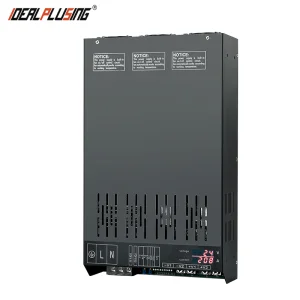
Hot Selling 24V to 150V 33A Switch Power Supply Module 5000W
View Product Specification