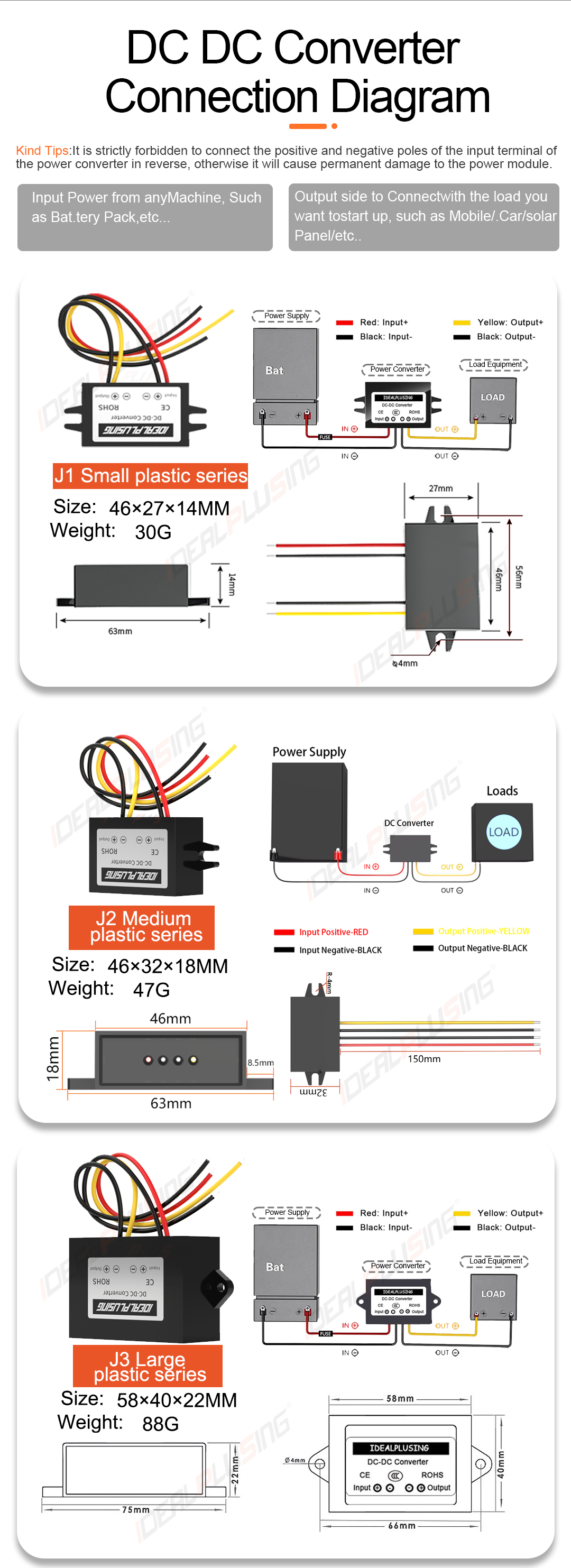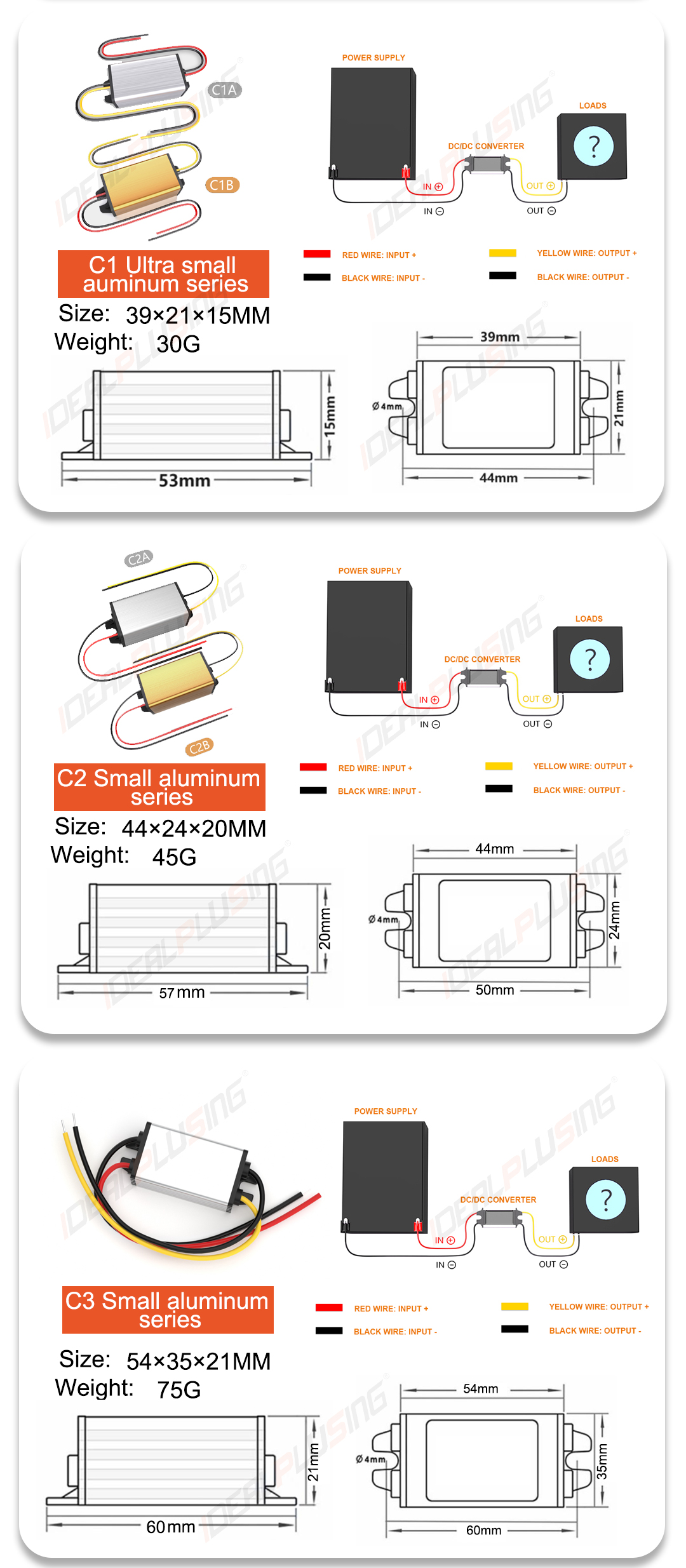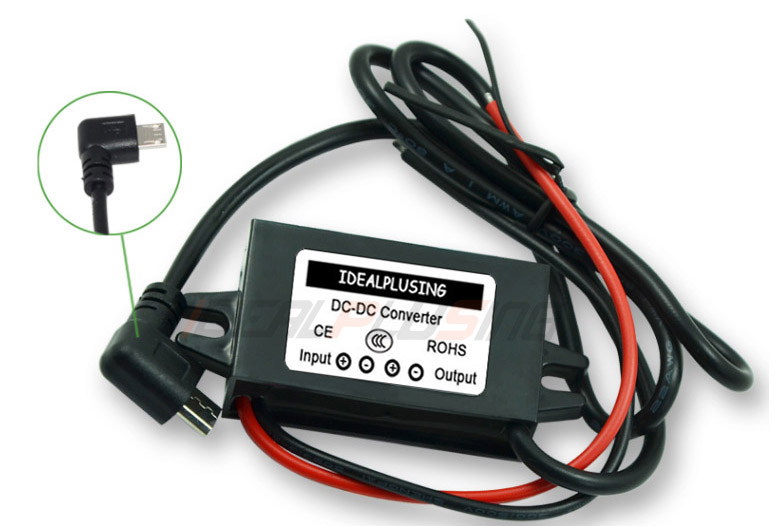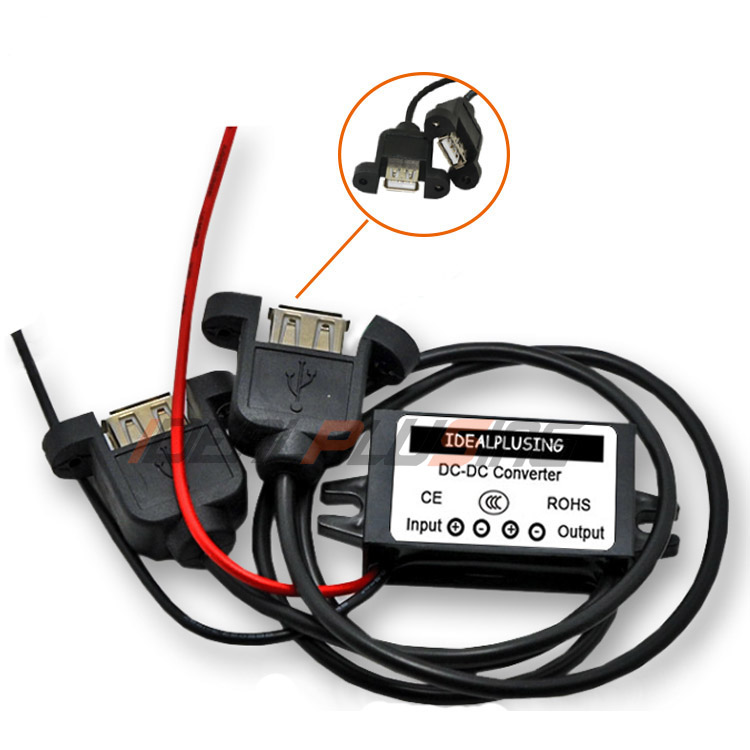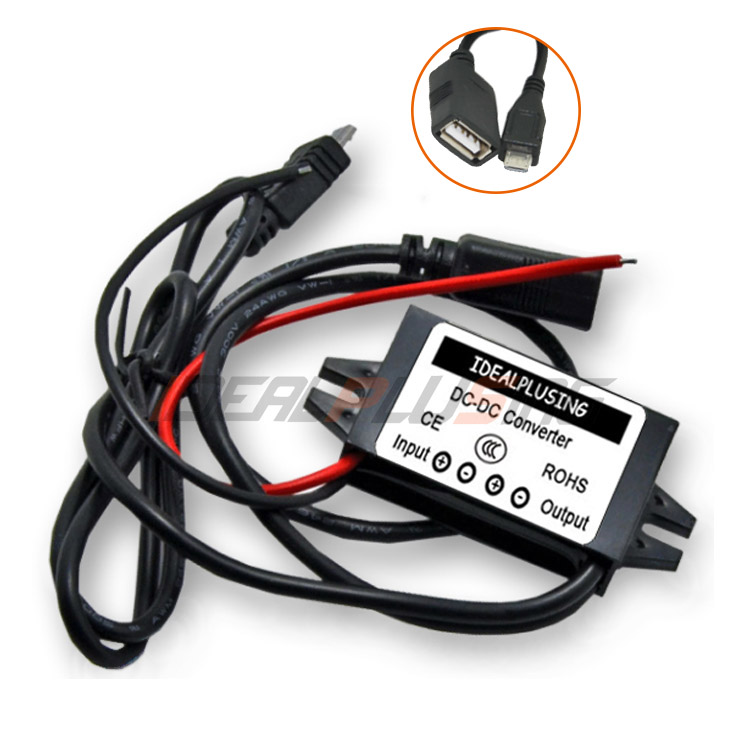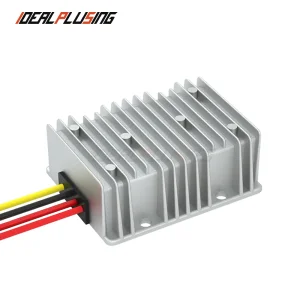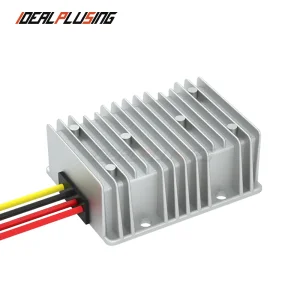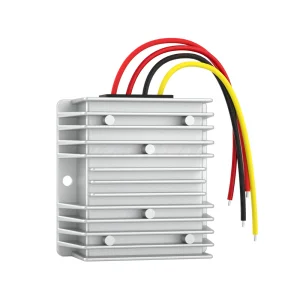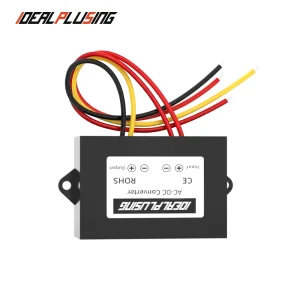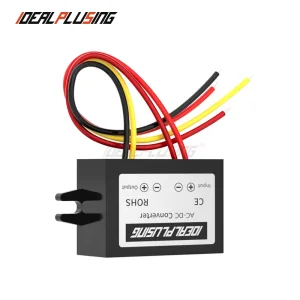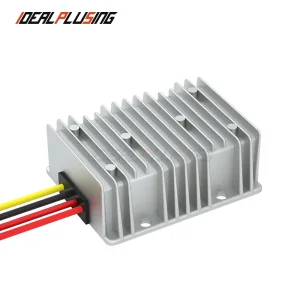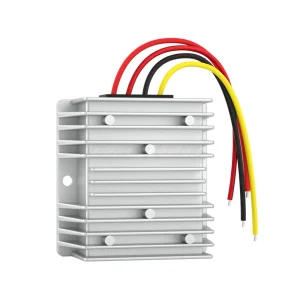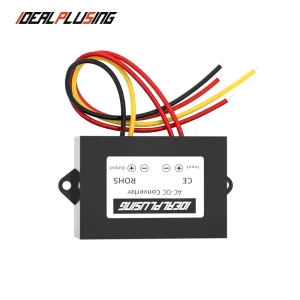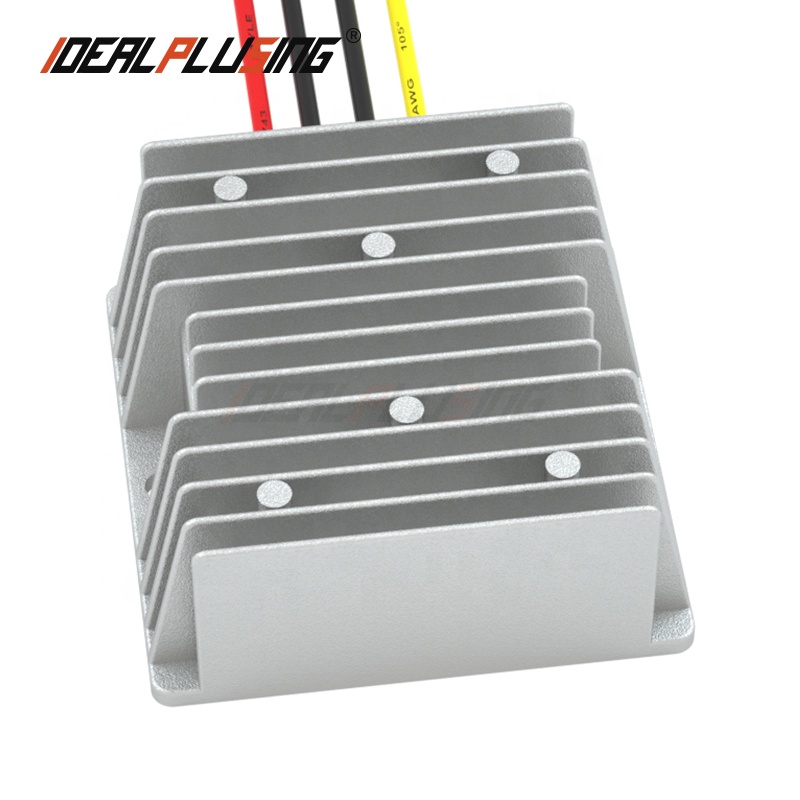
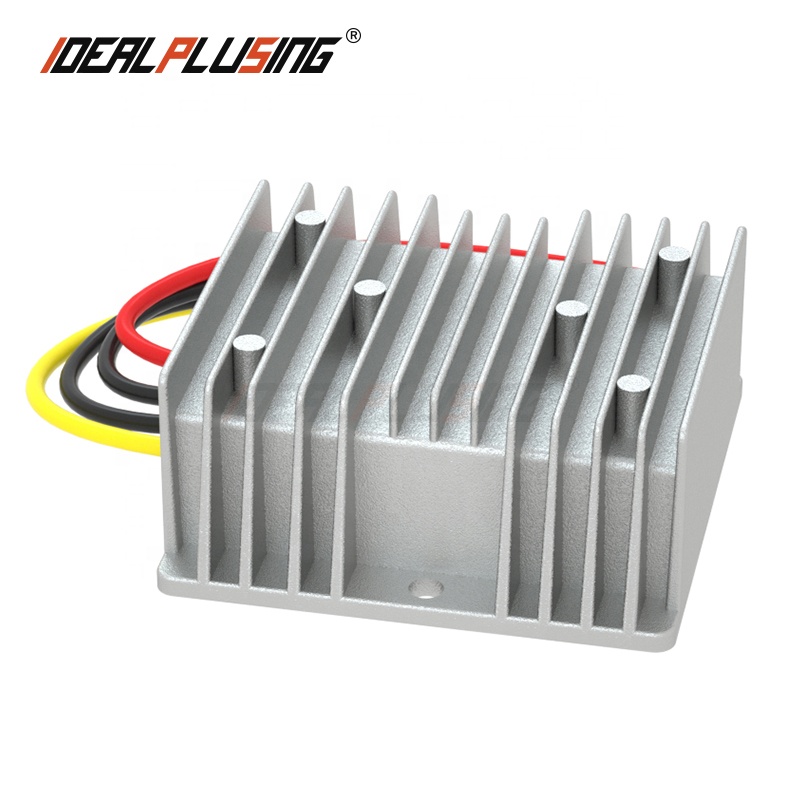
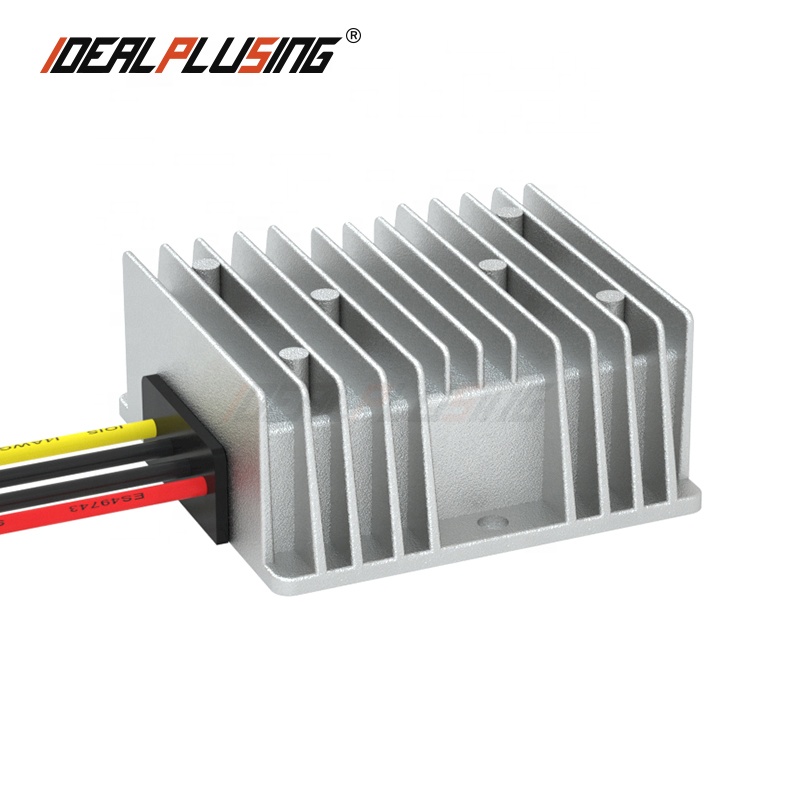
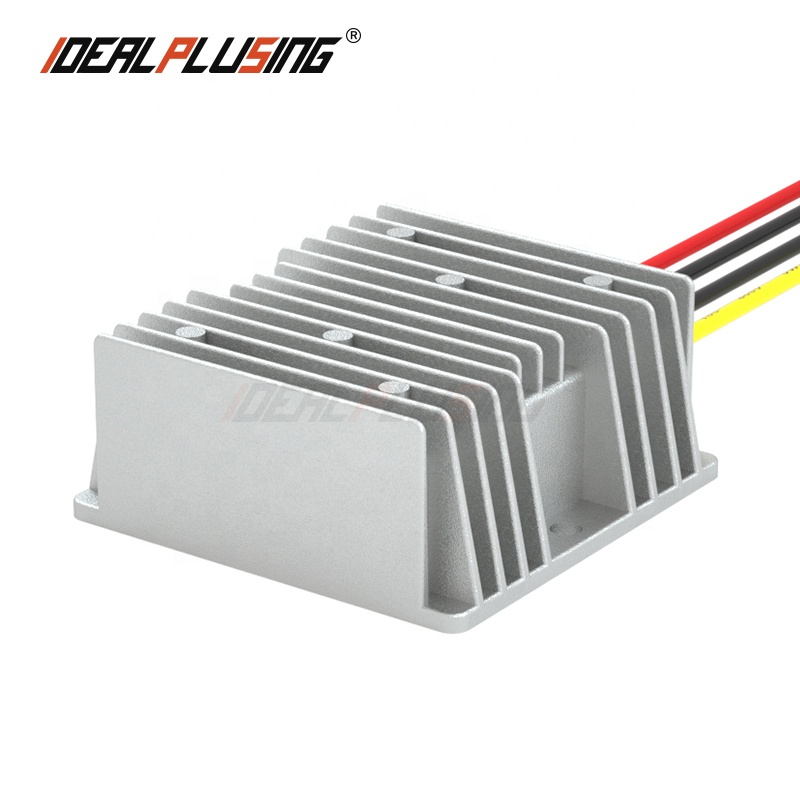
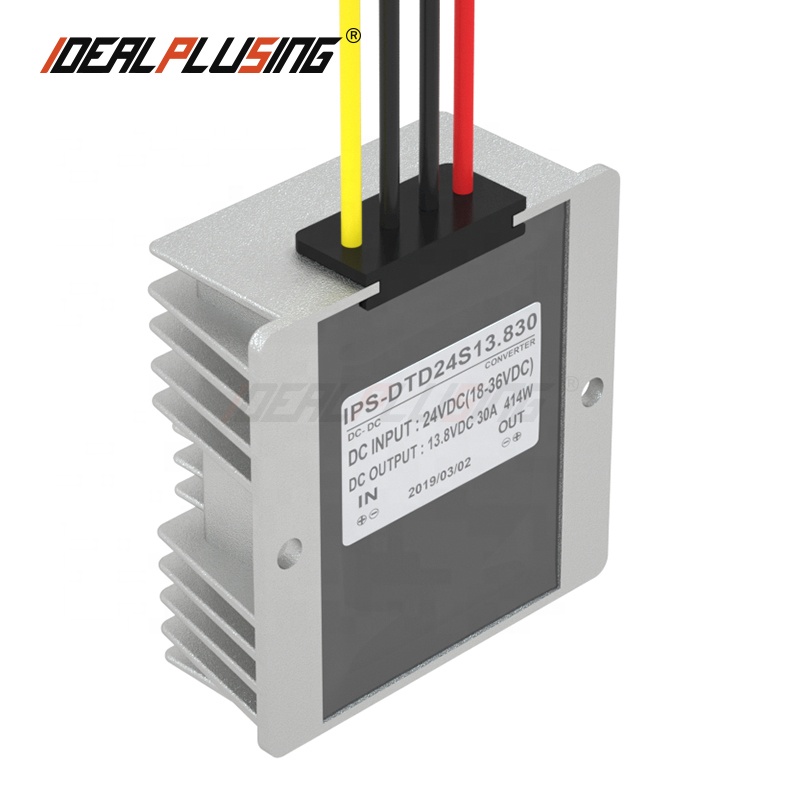
How to Change 24VAC to 24VDC 3A DC/AC DC Converter

Product Description

How to Change 24VAC to 24VDC 3A DC/AC DC Converter

⚙️

Advanced Control

PWM control type offers high efficiency and excellent output voltage ripple/noise management. PFM control provides low power consumption, ideal for long-term use under small loads.

Versatile Conversion

Converters are categorized into Boost (step-up), Buck (step-down), and Boost & Buck types. Automatic conversion between PWM and PFM ensures optimal performance based on load requirements.

DC/DC converters are widely utilized in mobile phones, digital cameras, portable media players, and specialized industrial equipment. They belong to the chopper circuit classification, providing personalized, efficient, and reliable power solutions across various industries.
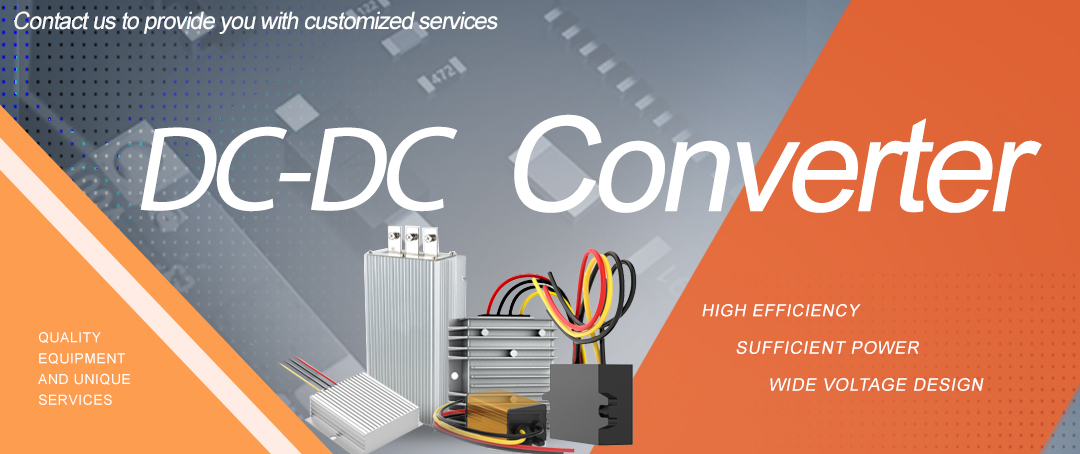
Converter Product

Customizable Power Solutions

Voltage Range: 1V to 1000V DC
Current Range: 1A to 1000A
Design Options: Isolated and Non-isolated converter designs available

Technical Specifications

Parameter Details
TypeNon-isolated / Isolated
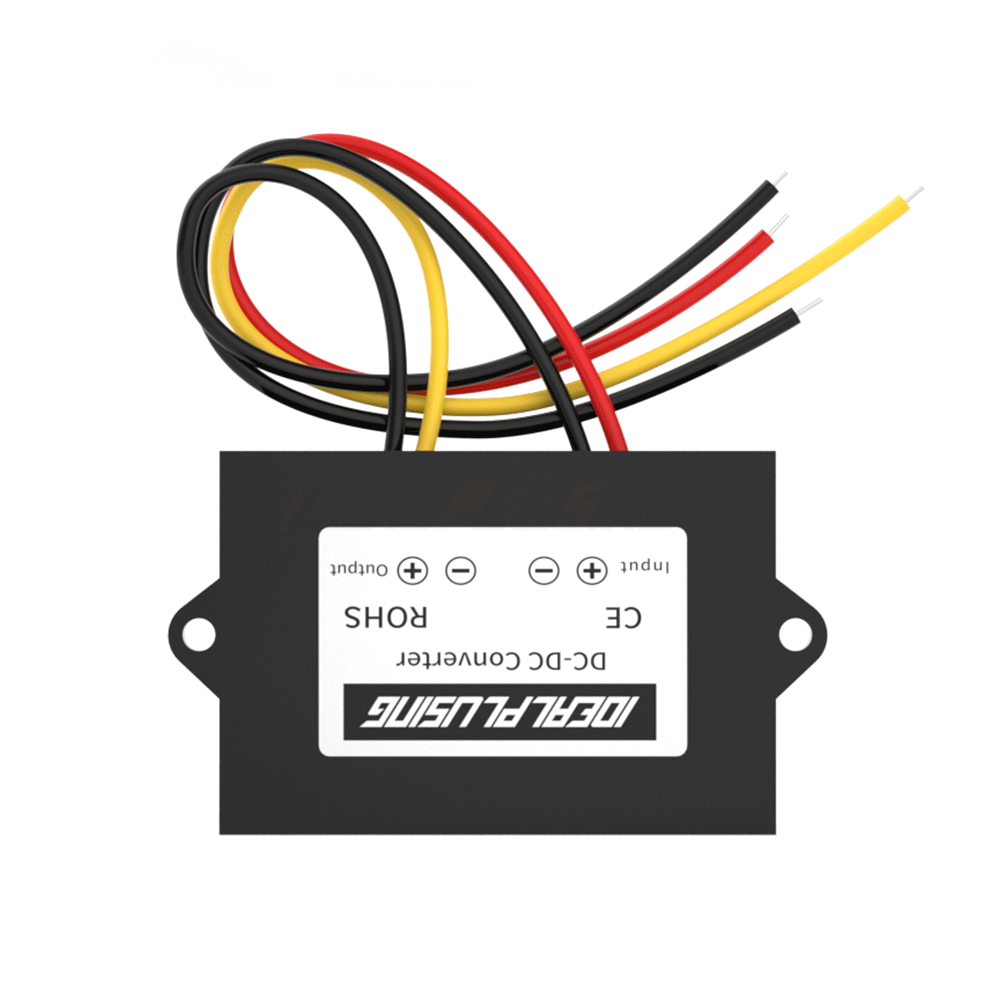
ModelIPS-ATD24S243 Series
Input VoltageBased on model requirements
Output VoltageCustomizable
Output CurrentCustomizable
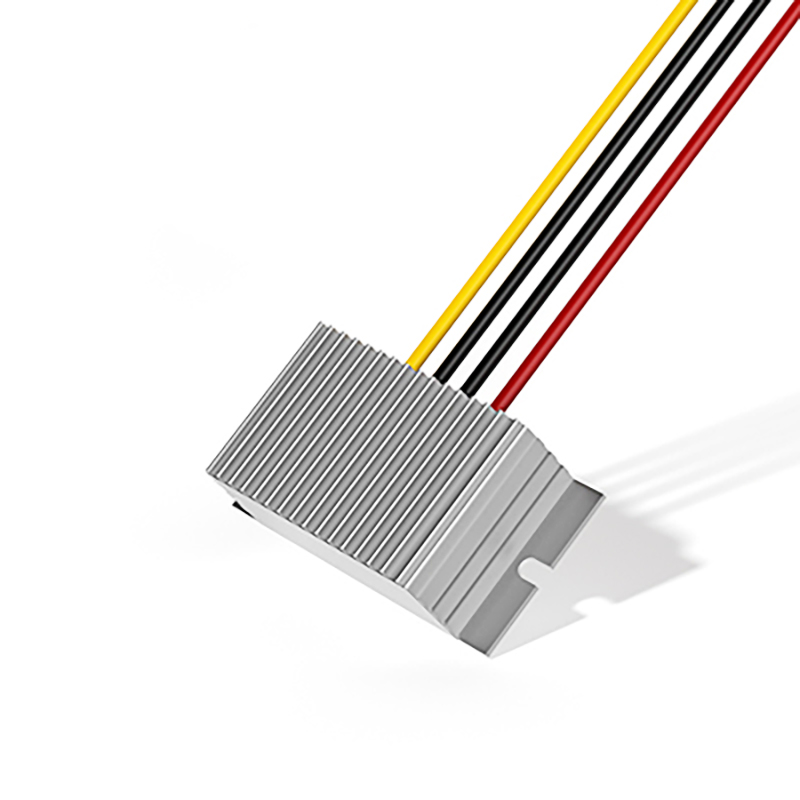
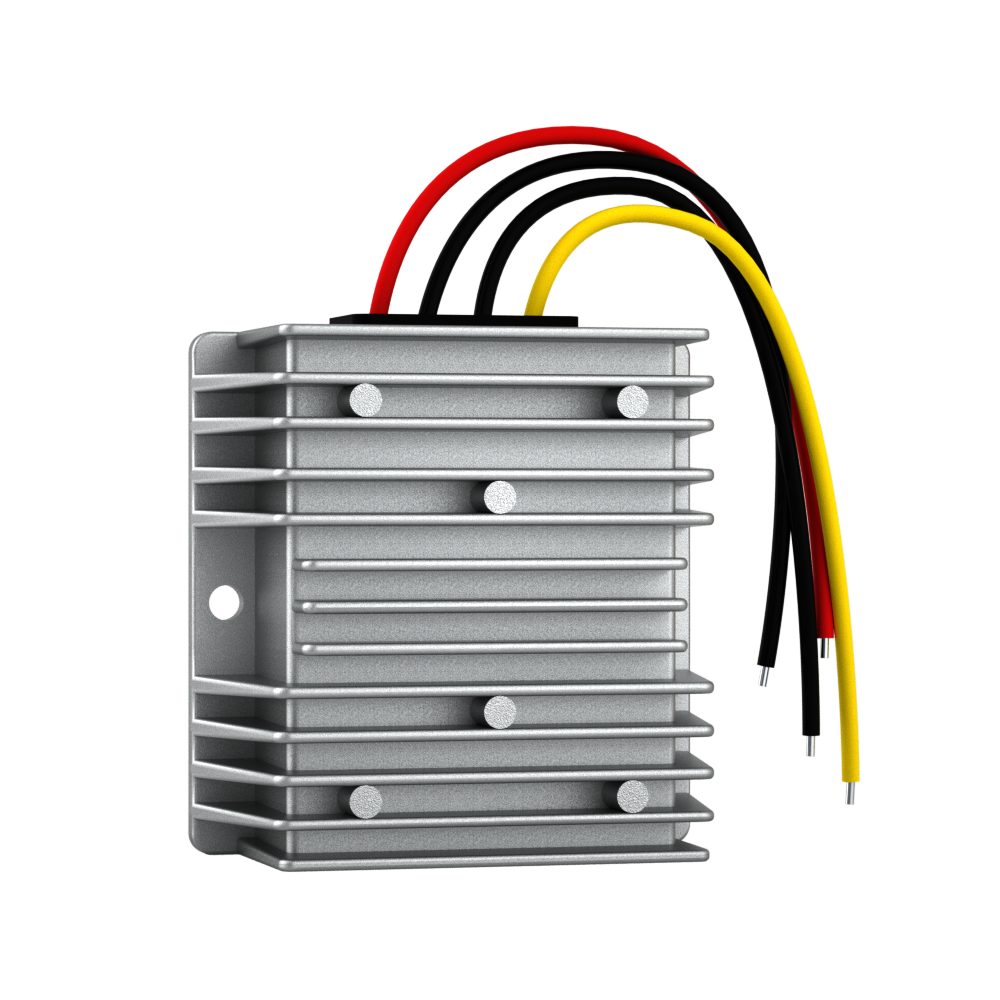
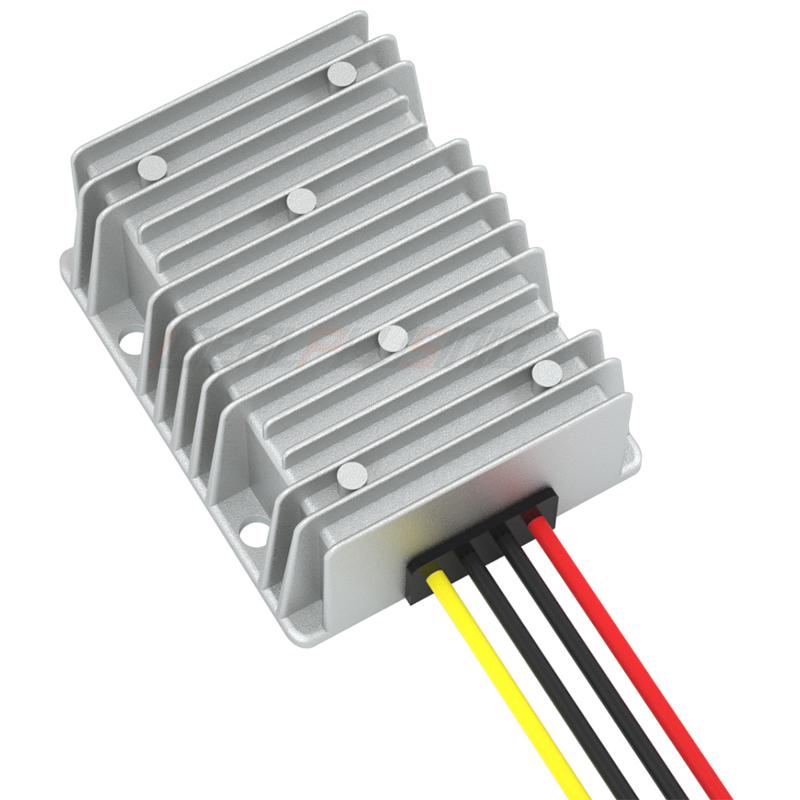
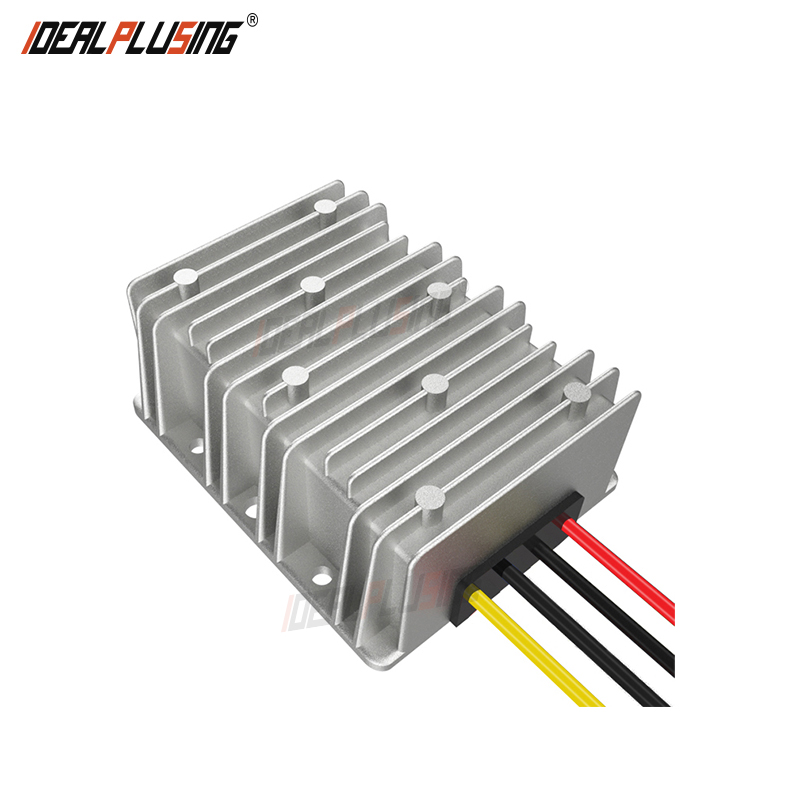
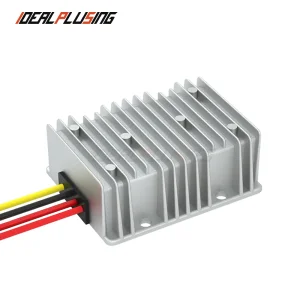
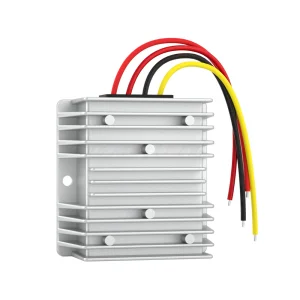
Shell MaterialHigh-grade Aluminum
Waterproof LevelIP67

Hot Selling Models

Model 1 Model 2 Model 3
Model 4 Model 5 Model 6

High Power Industrial Series

Industrial 1 Industrial 2
Industrial 3 Industrial 4

Technical Application Guide

1. Standard protection includes output overcurrent, short-circuit, input undervoltage, and chip overheating protection. High-power units feature casing thermal protection (approx. 90°C).
2. For inductive loads (motors, coils, magnetic valves), we recommend a power supply with 3-5 times the rated power of the load.
3. Isolated power supplies are the safest choice for precious loads, as they prevent high input voltage from passing directly to the output.
4. Isolated products support negative voltage input. Note that the 0V line connects to the red wire and the negative voltage to the black wire.
5. IP67 Rated aluminum shells are ideal for outdoor and high-reliability industrial applications.

Product Gallery

Detail 1 Detail 2 Detail 3
Overview

Frequently Asked Questions

What is the difference between Isolated and Non-isolated converters?
Isolated converters provide a physical barrier between input and output, protecting precious loads from high-voltage spikes. Non-isolated converters are more compact but carry a small risk of input-to-output voltage pass-through in rare failure cases.
Why should I choose PWM control over PFM?
PWM (Pulse Width Modulation) is best for high efficiency and low noise under heavy loads. PFM (Pulse Frequency Modulation) is superior for saving energy when the device is running under light or idle loads.
Are the converters suitable for outdoor use?
Yes, models featuring the gold or silver aluminum casing are often IP67 waterproof rated, making them highly resistant to dust and water ingress in outdoor environments.
What safety features are standard in these units?
Most units include output overcurrent protection, short-circuit protection, input undervoltage protection, and overheating protection. For step-up models, we recommend adding an external fuse.
Can I use these converters for charging batteries?
For charging applications, we recommend selecting specific products equipped with dedicated charging functions (Lithium/LiFePO4/Lead Acid) to ensure the correct voltage and current curve.
Can the output voltage be adjusted?
While non-isolated supplies can often be modified easily via a regulator, isolated power supplies require professional transformer adjustment during manufacturing to maintain safety and performance parameters.

Related Products