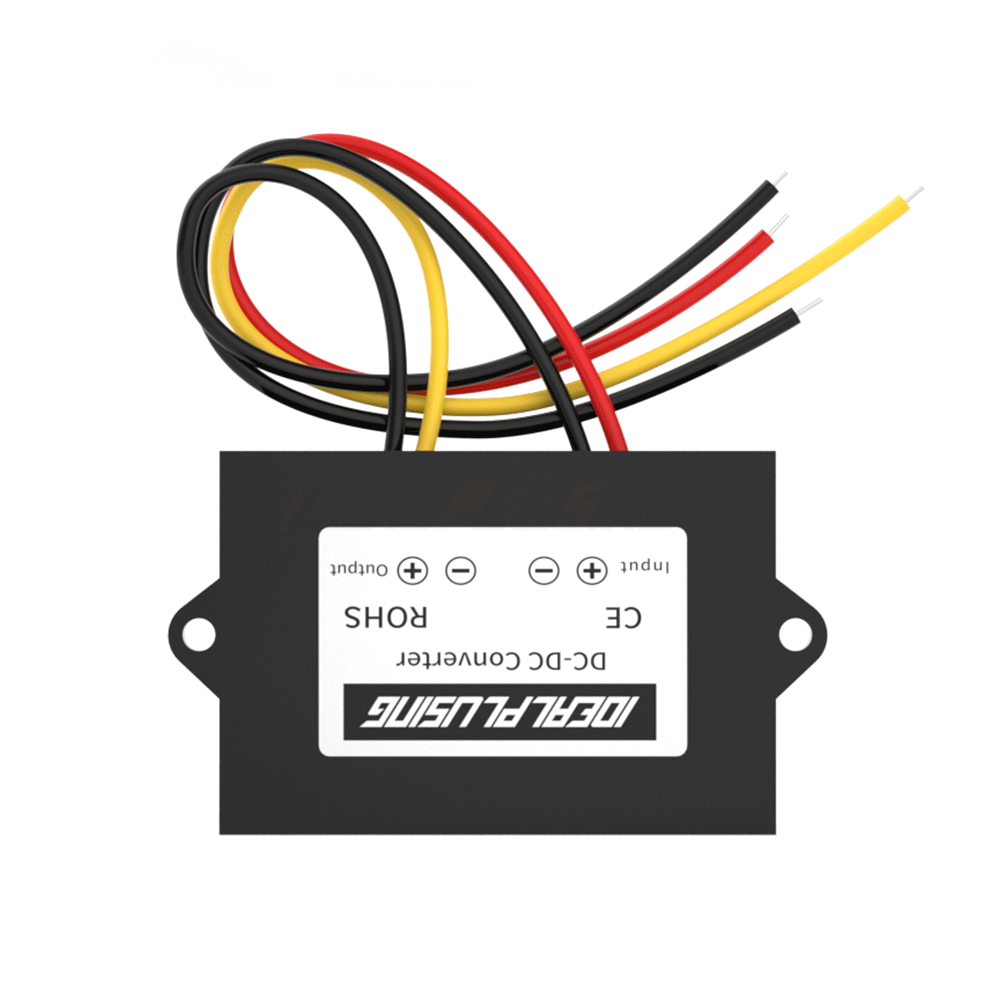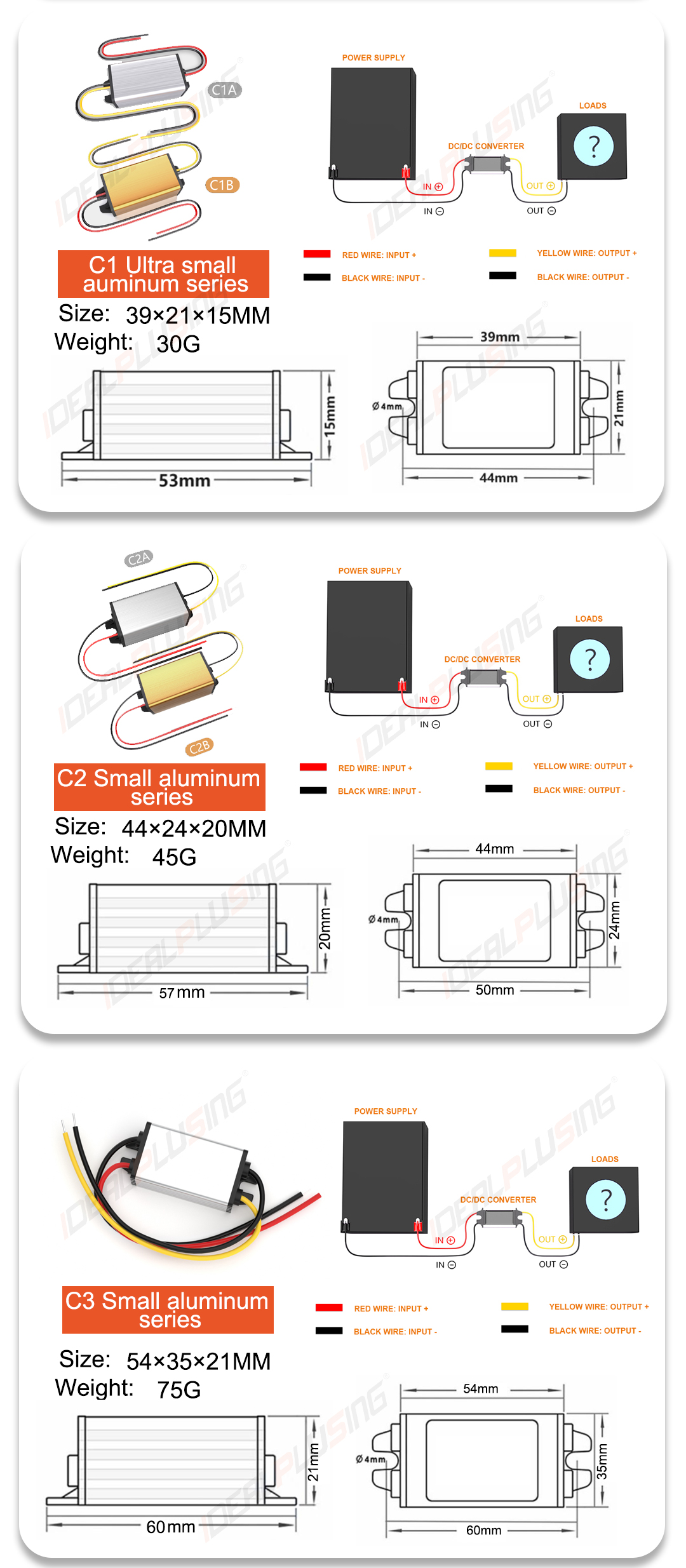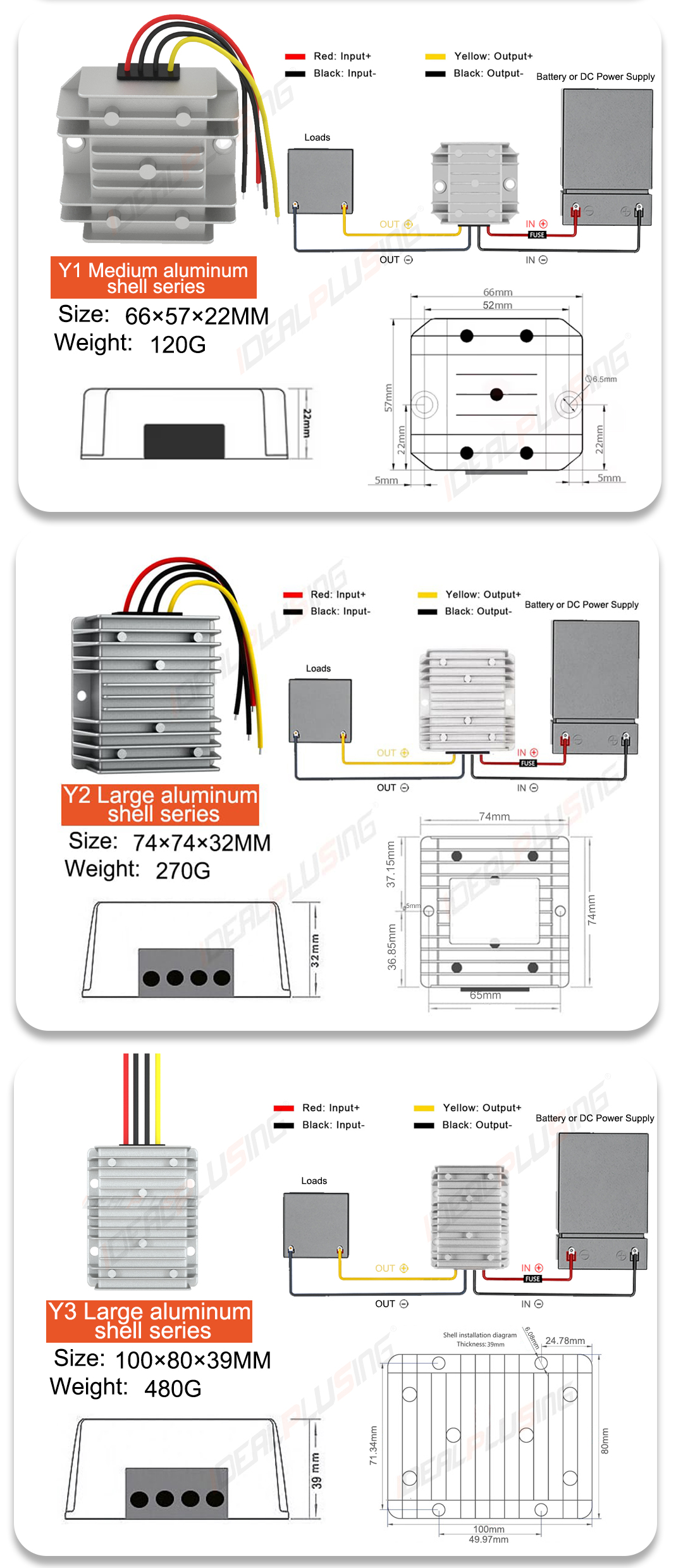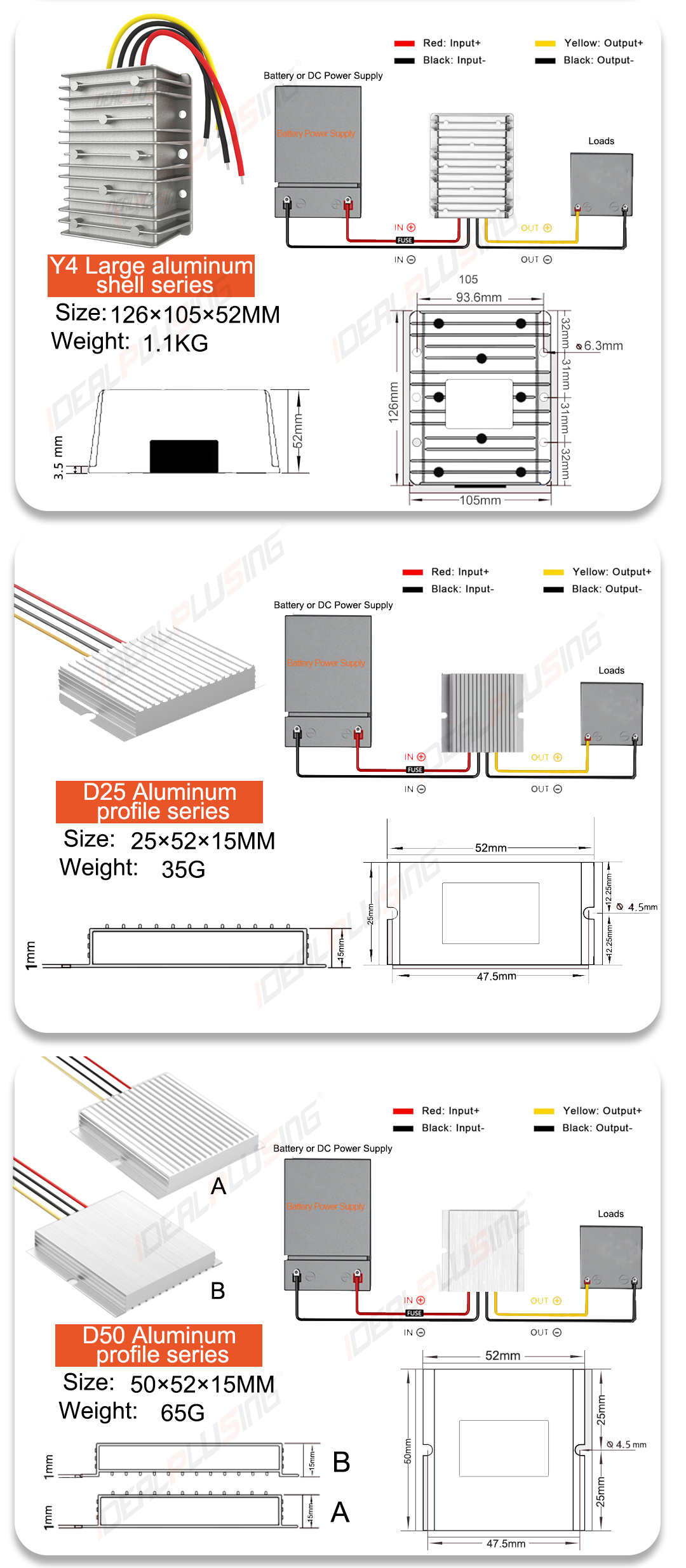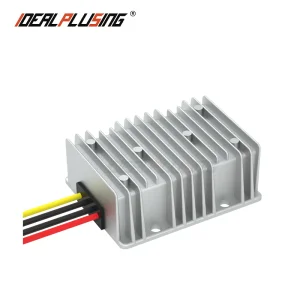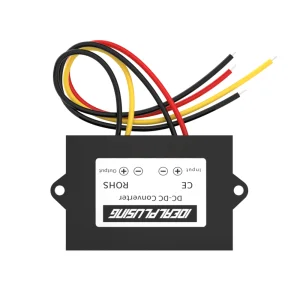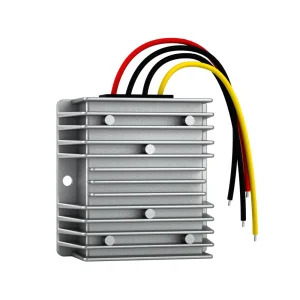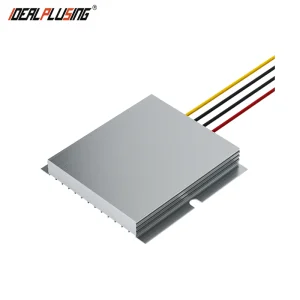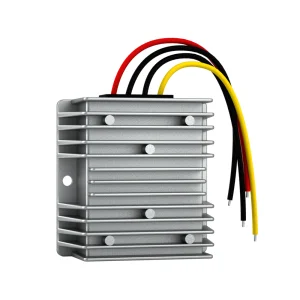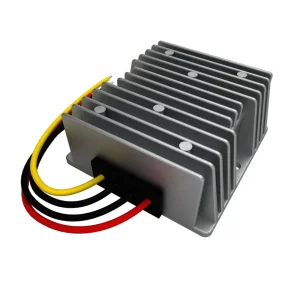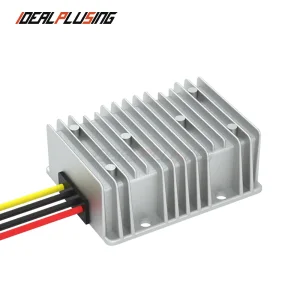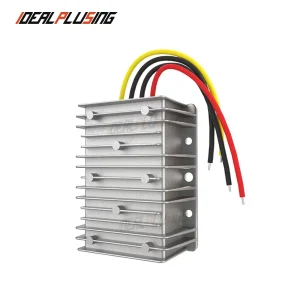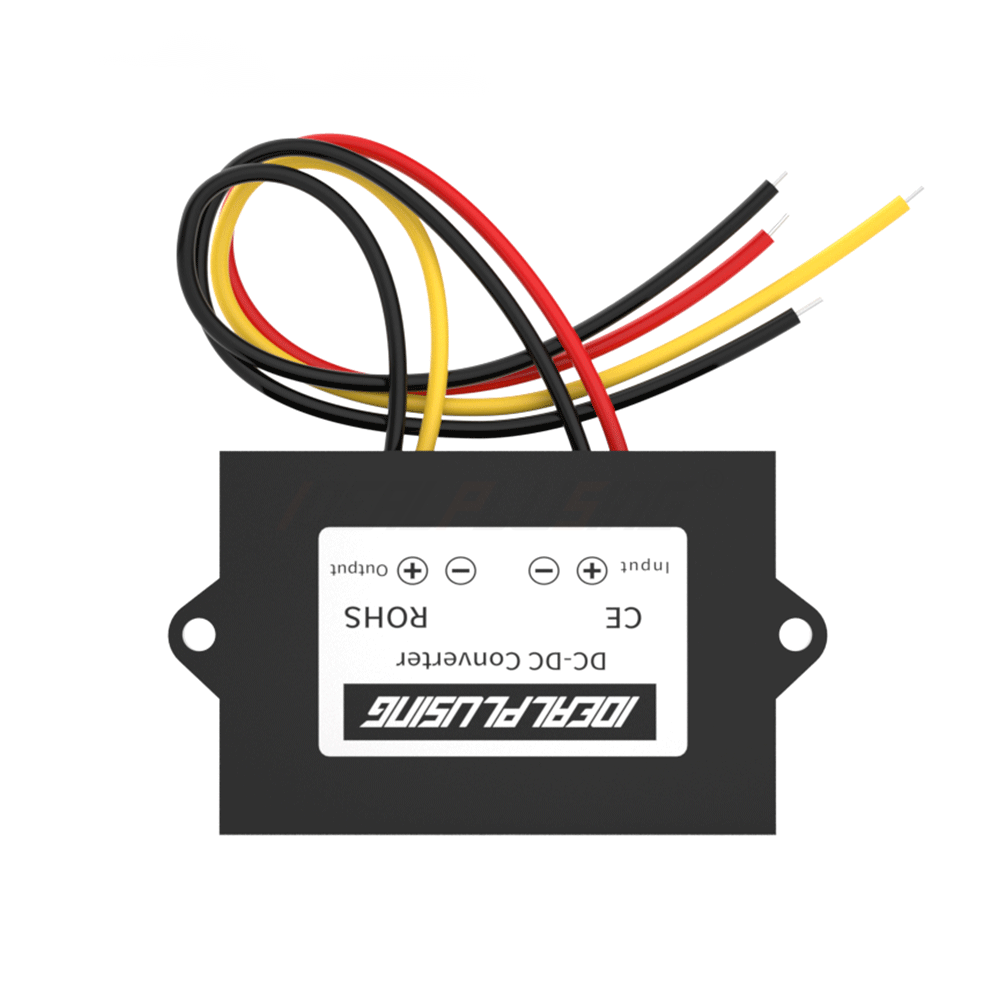
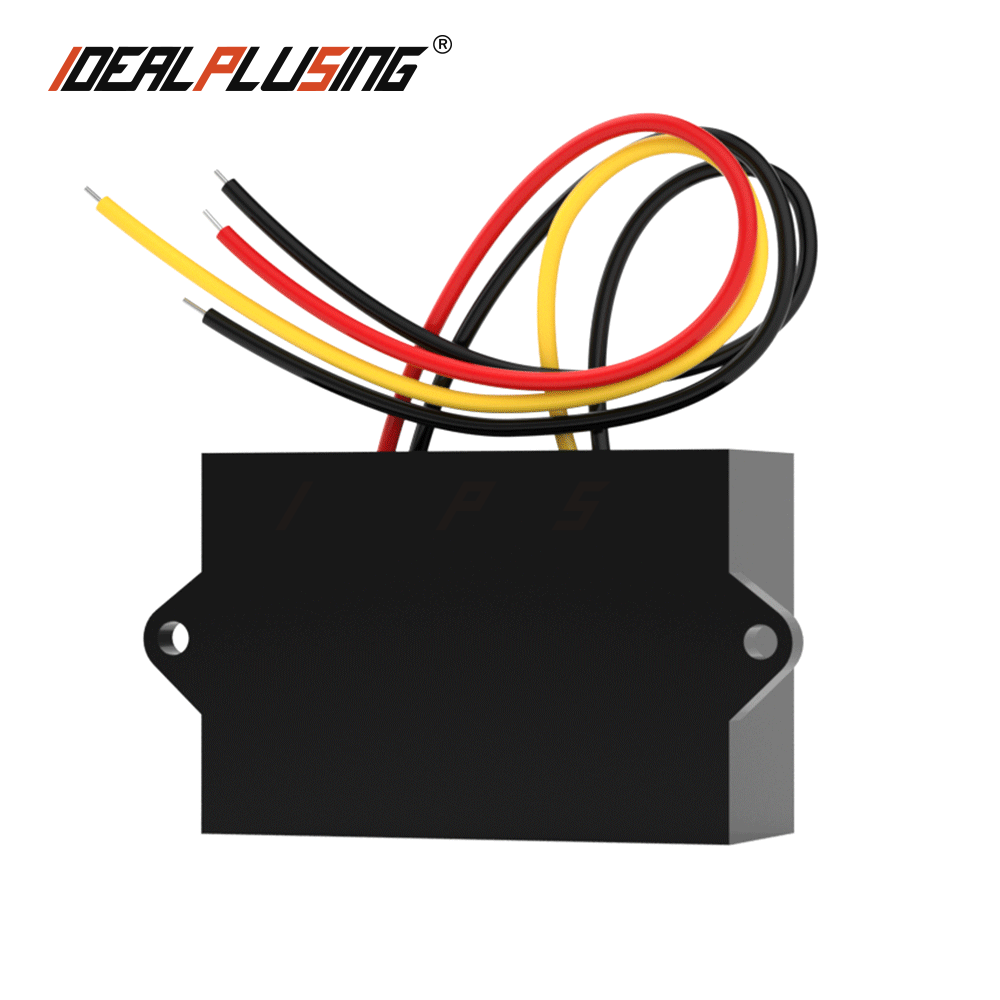
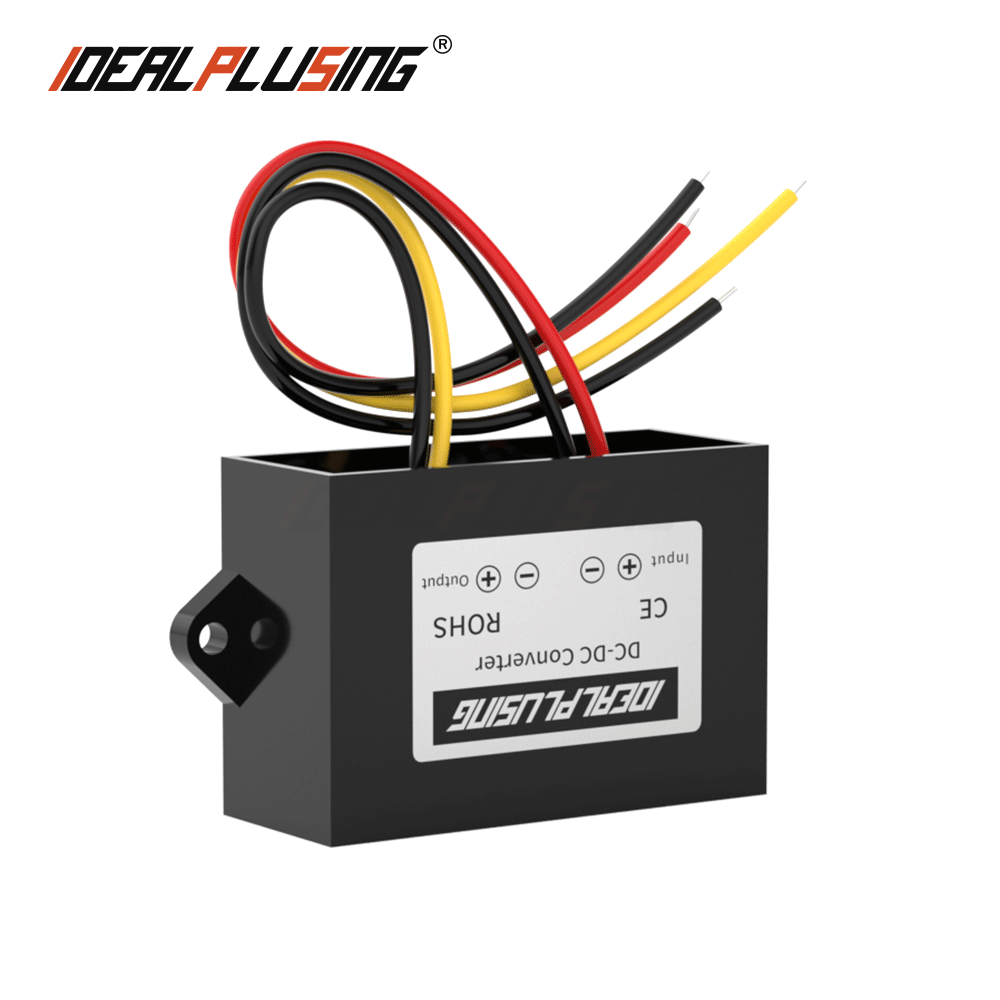
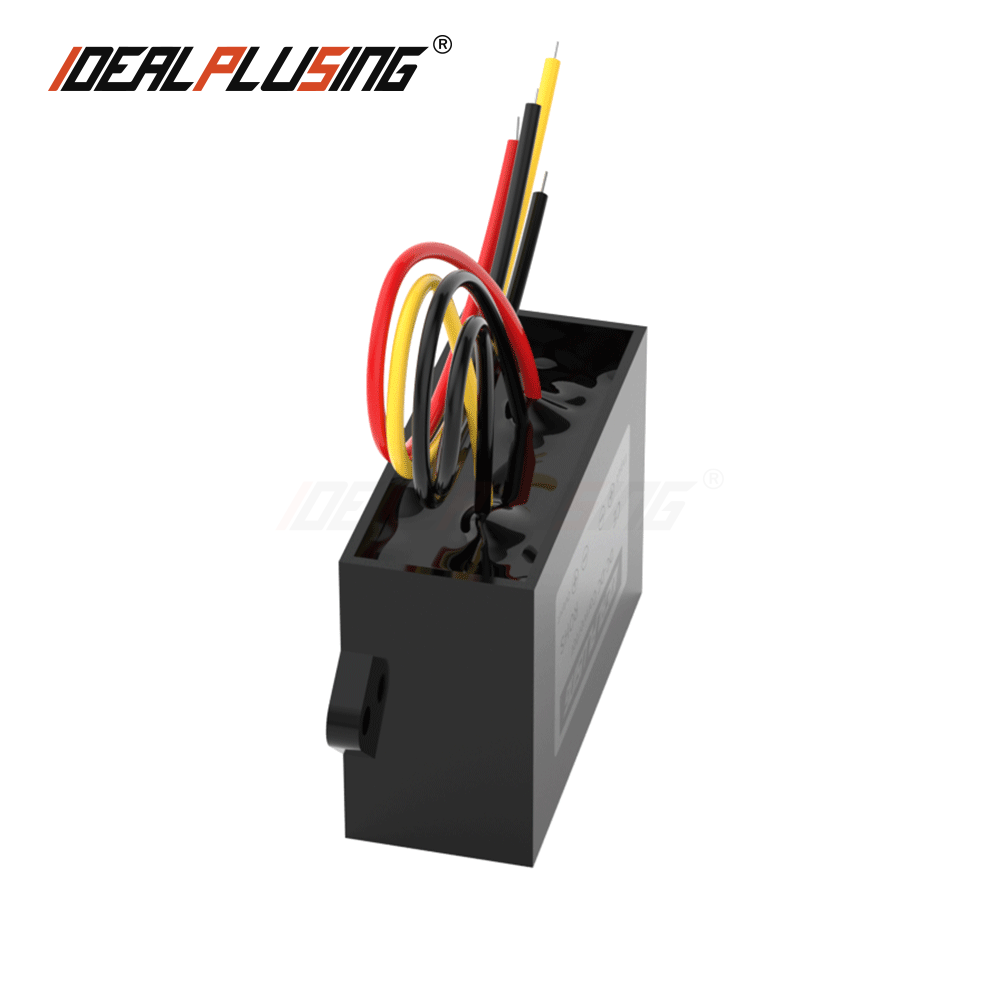
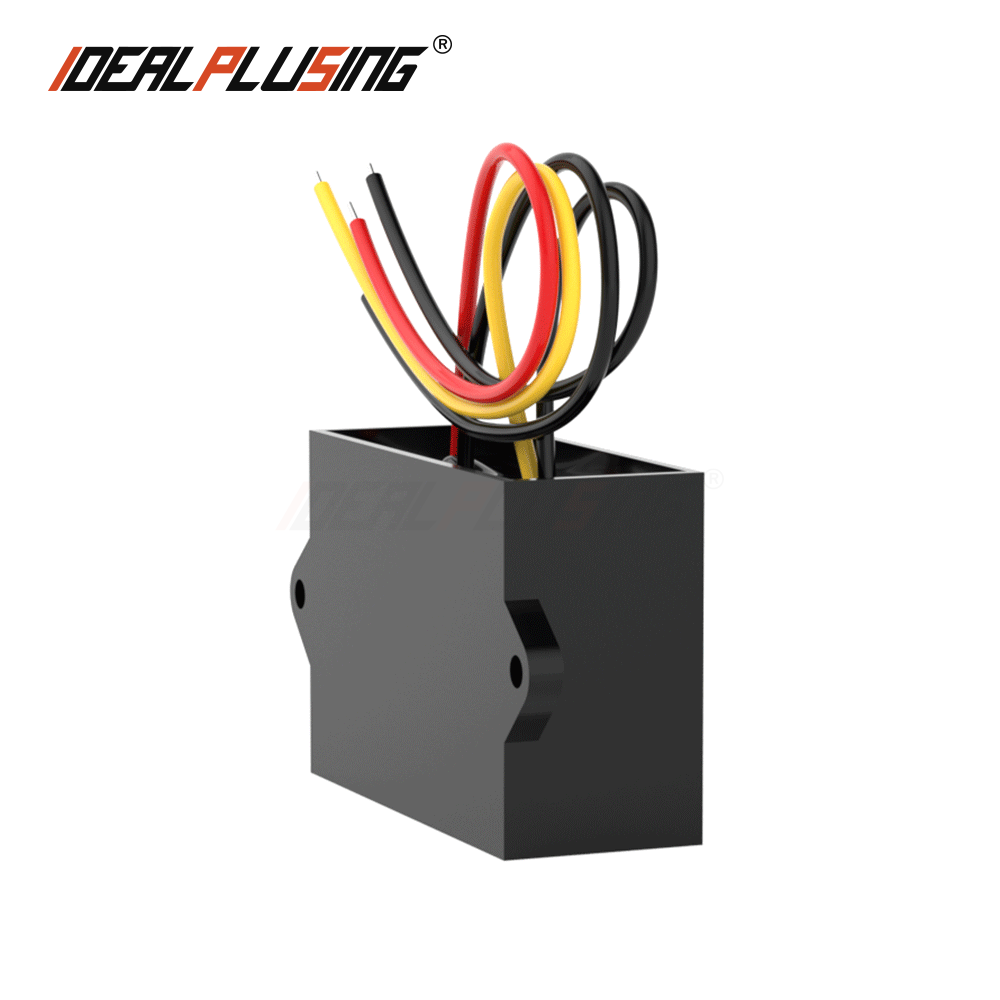
DC 9-60V to 12v Dc Step Down Converter 36V 48V to 12V Buck Module Dc Converter 12vdc

Product Description

!

DC 9-60V to 12V Buck Module Converter Features

A DC/DC converter is a specialized voltage converter designed to output a fixed voltage efficiently after converting the input voltage. These converters are categorized into three main types: Boost, Boost & Buck, and Buck. Depending on application needs, different control methods are employed.

PWM Control: High efficiency with excellent output voltage ripple and noise management.
PFM Control: Low power consumption for long-term use, particularly under small load conditions.
Automatic Conversion: Systems implement PFM for small loads and automatically switch to PWM for heavy loads.

These converters are widely utilized in mobile phones, digital cameras, portable media players, electric vehicles, marine applications, and industrial power solutions.
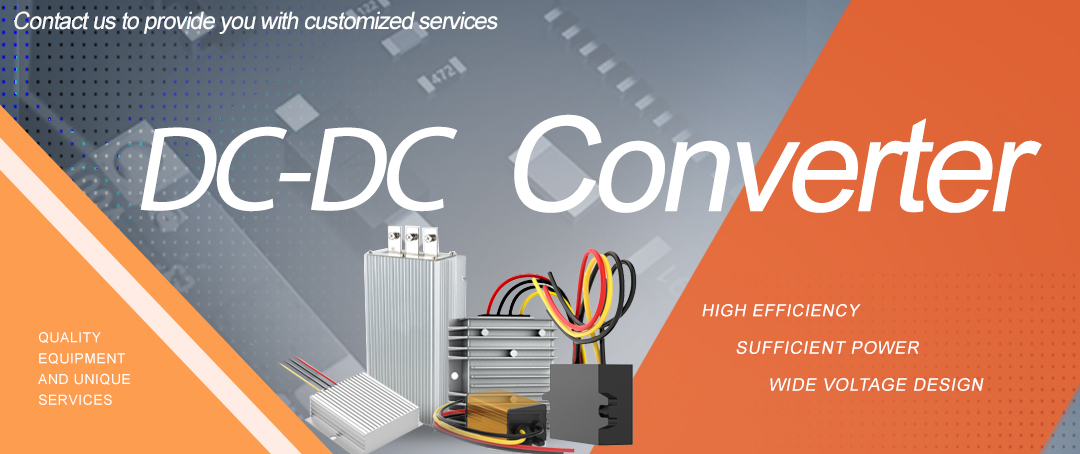
DC Buck Module

Custom Power Supply Solutions

Our team specializes in customizing DC-DC converters to meet specific requirements, offering solutions ranging from 1V to 1000V DC and 1A to 1000A. We provide both isolated and non-isolated design options to ensure the right power supply for complex working environments. Our designs prioritize high reliability with a life cycle of 15 to 20 years.

Product Specifications

Parameter Details
TypeNon-isolated
ModelIPS-DTD9-60S126 (or Based on requirement)
Input VoltageDC 9-60V
Output Voltage12 VDC
Output Current6 Amps
Output Power72 Watts
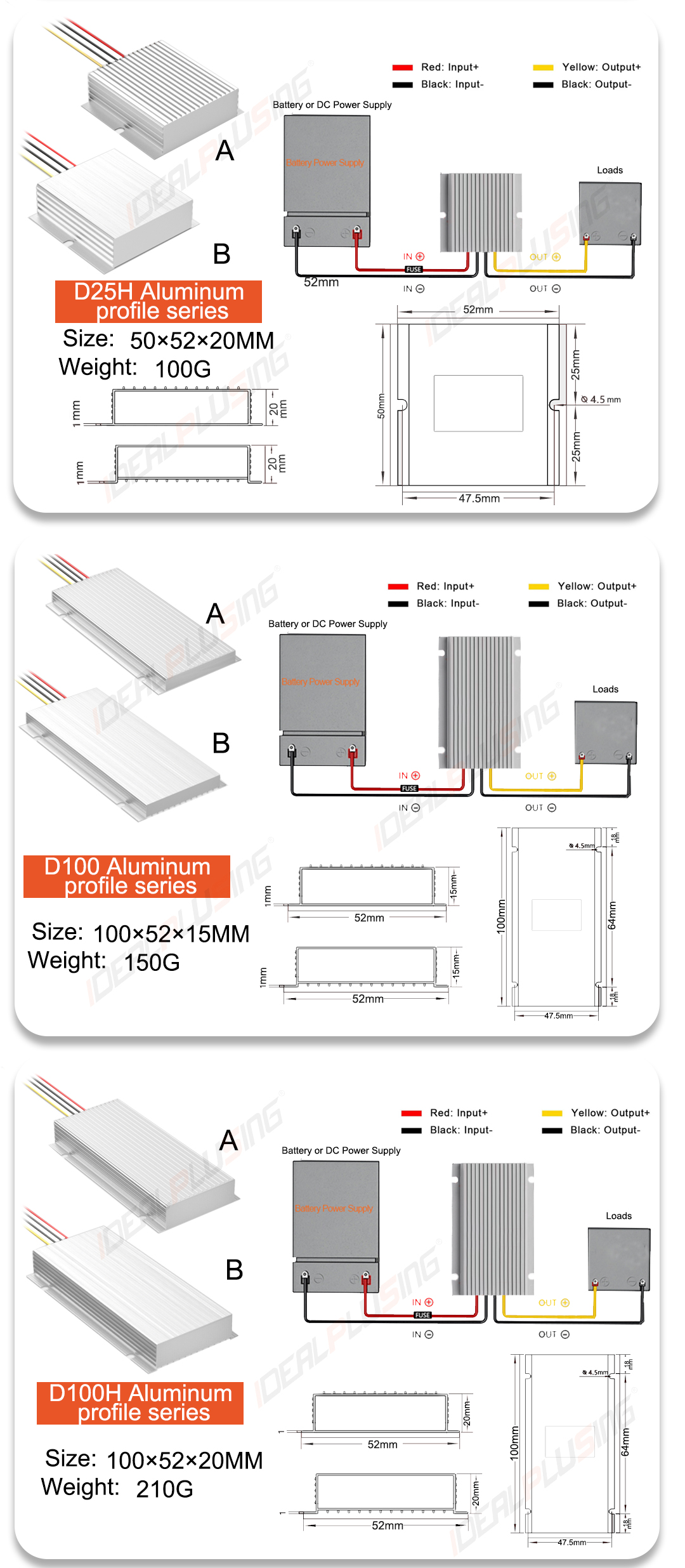
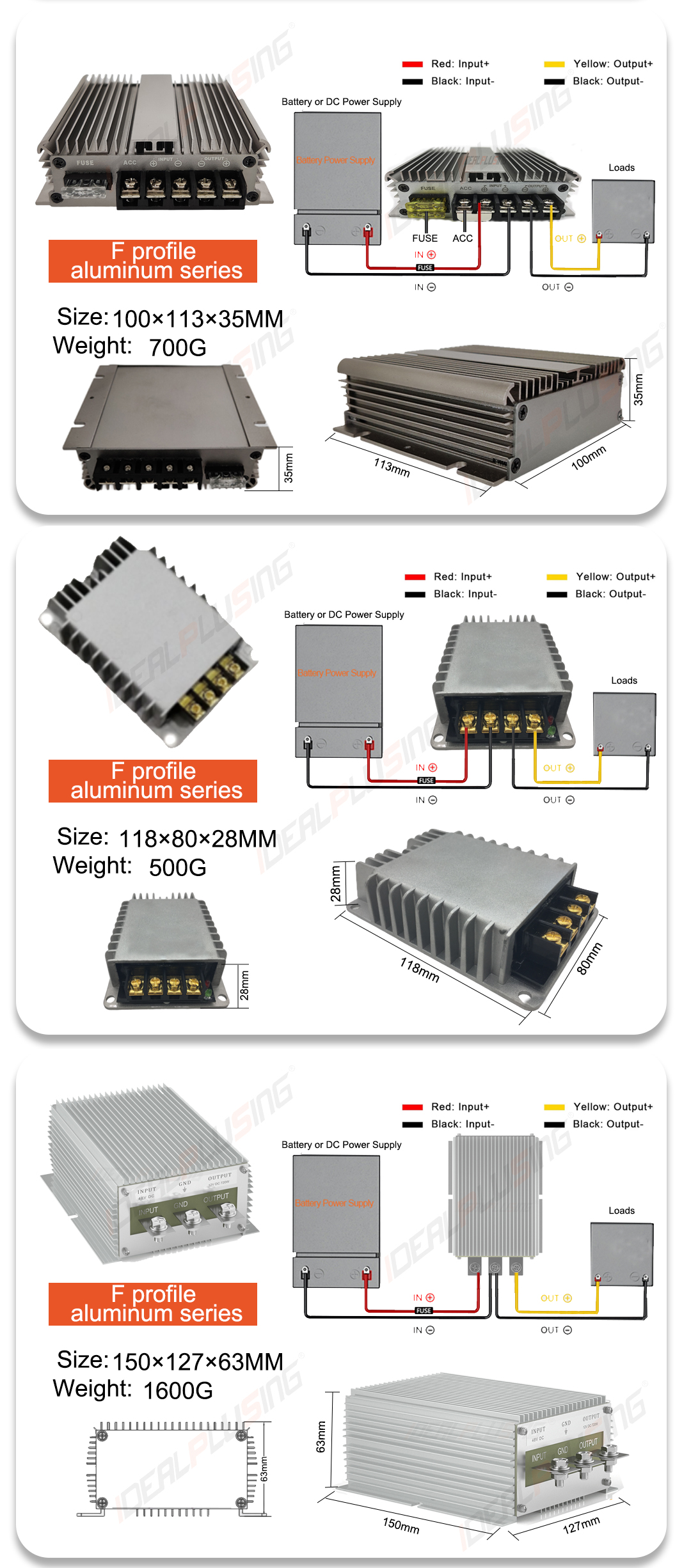
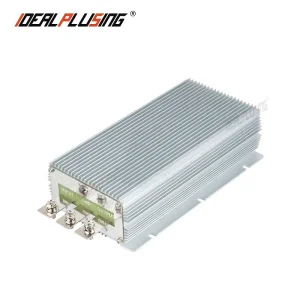
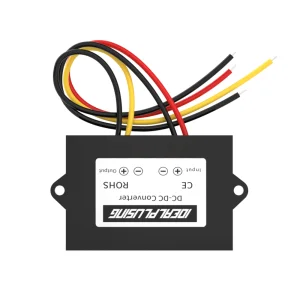
Shell MaterialAluminum / Plastic
Waterproof LevelIP67

Hot Selling Models

Model 1

IPS-DTD30-60S1210
Non-Isolate DC Converter
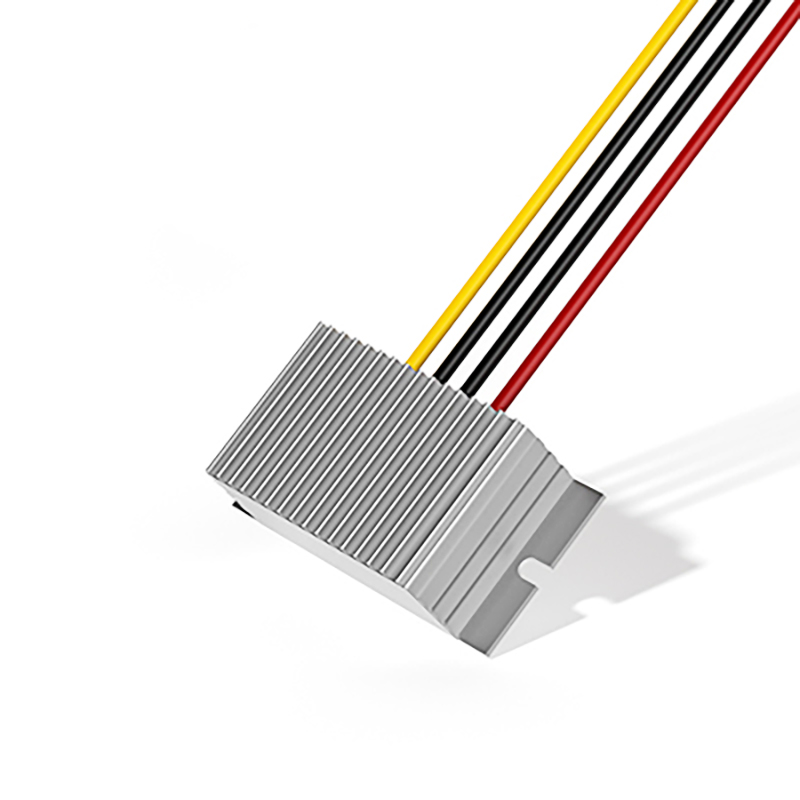
Model 2

IPS-DTD20-100S122
Non-Isolate DC Converter
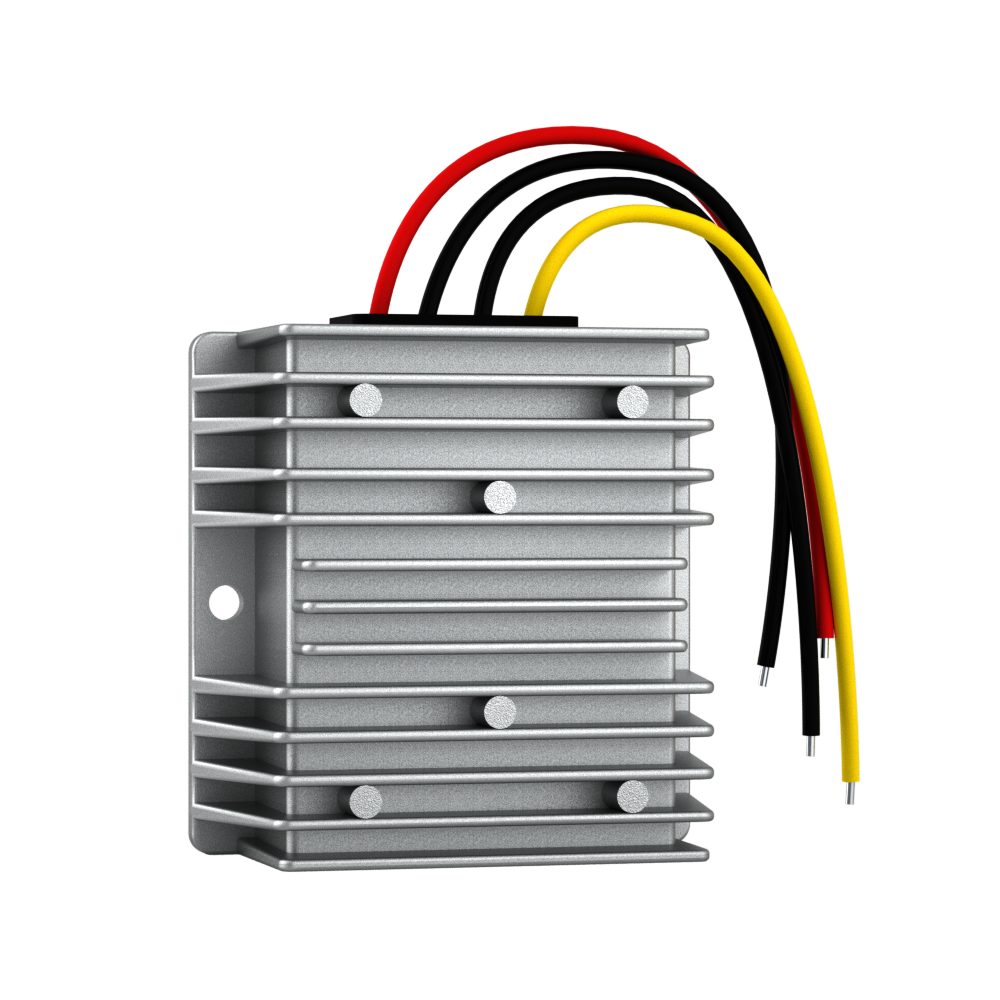
Model 3

IPS-DTD15-40S1210
Non-Isolate DC Converter
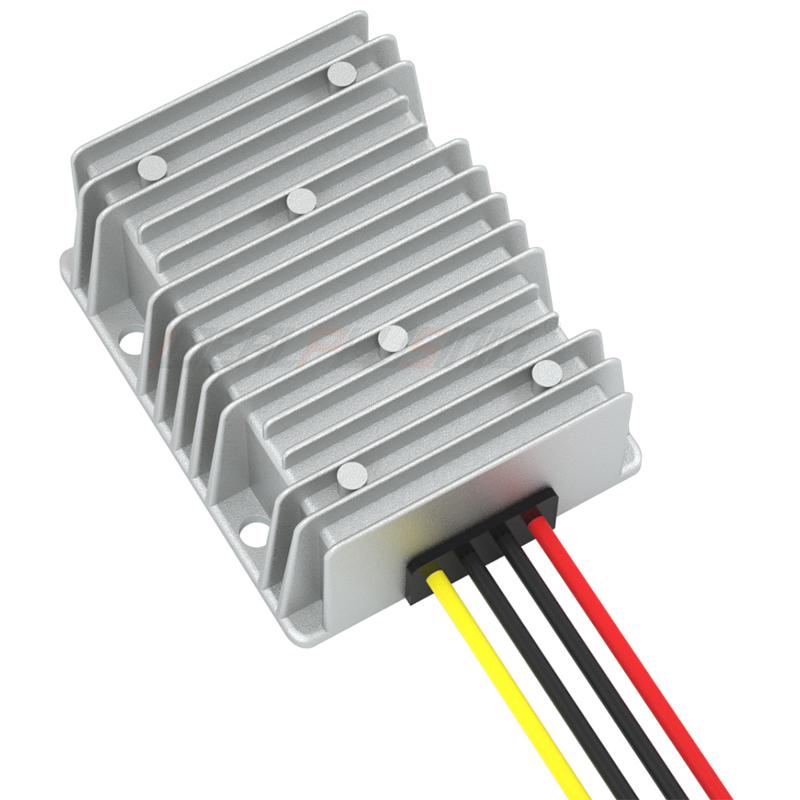
Model 4

IPS-DTD50-60S488
Non-Isolate DC Converter
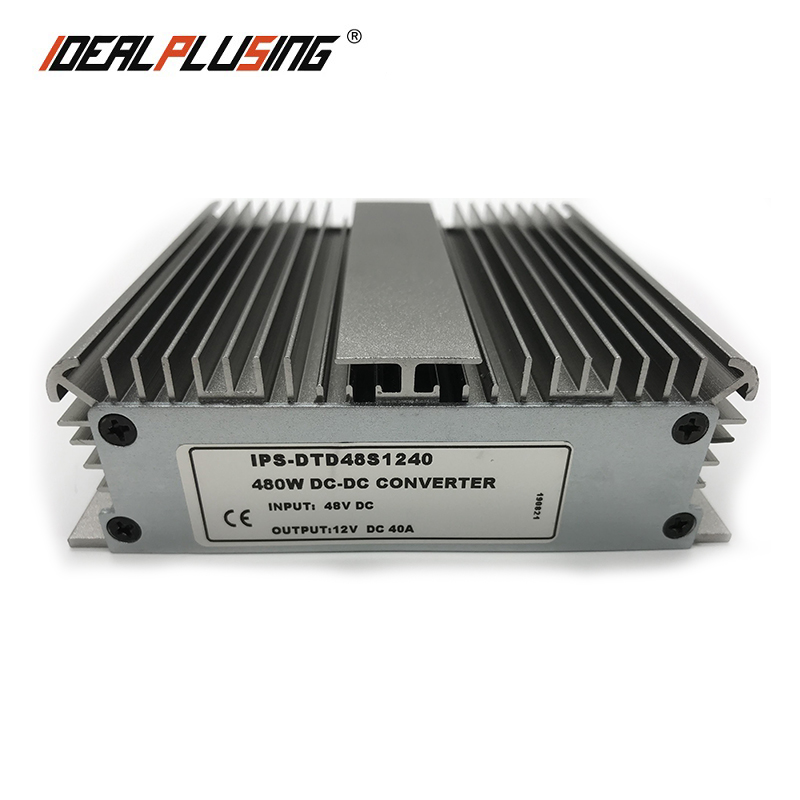
Model 5

IPS-DTD48S1240
Non-Isolate DC Converter
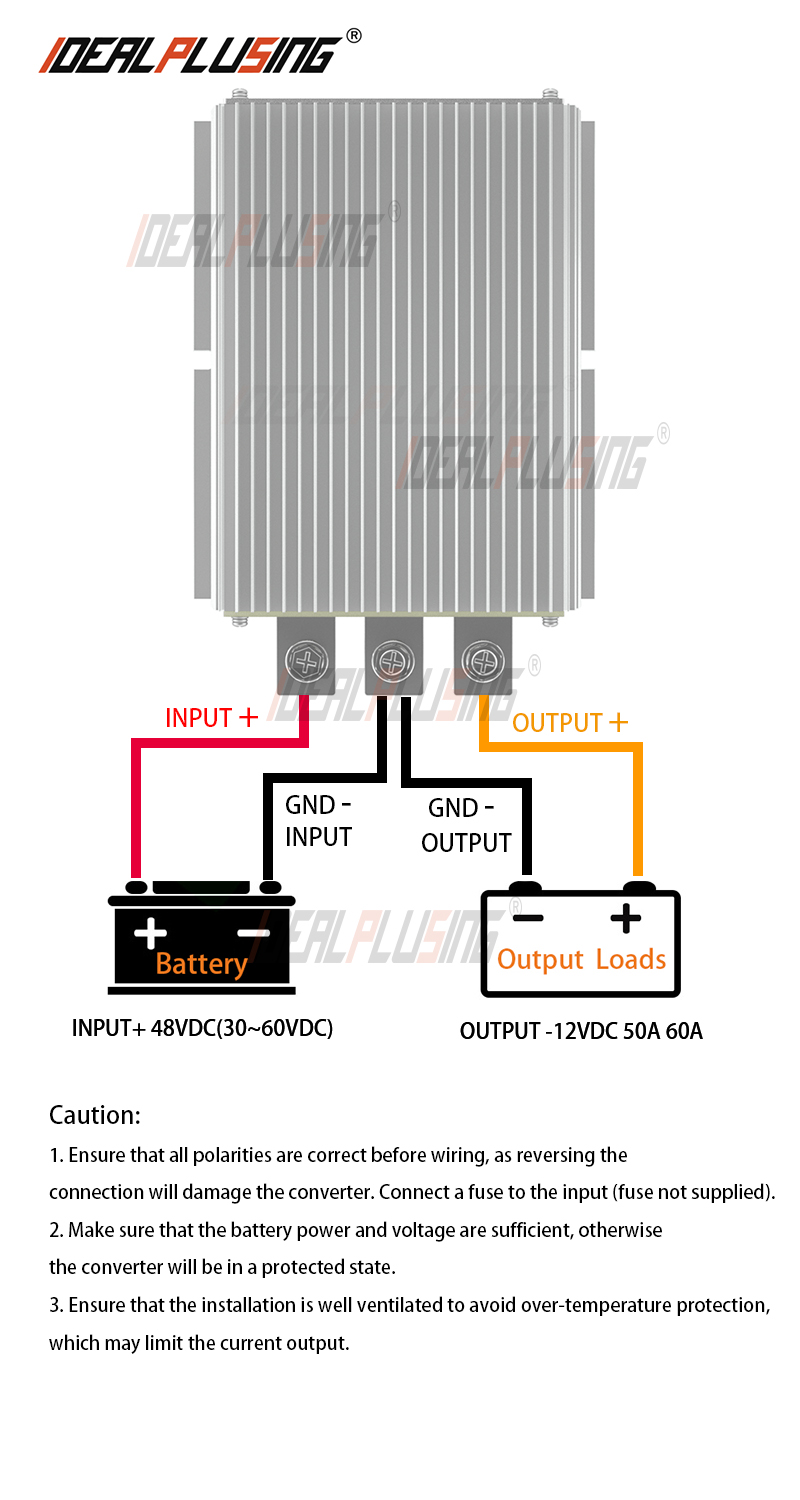
Model 6

IPS-DTD30-60S1260
Non-Isolate DC Converter
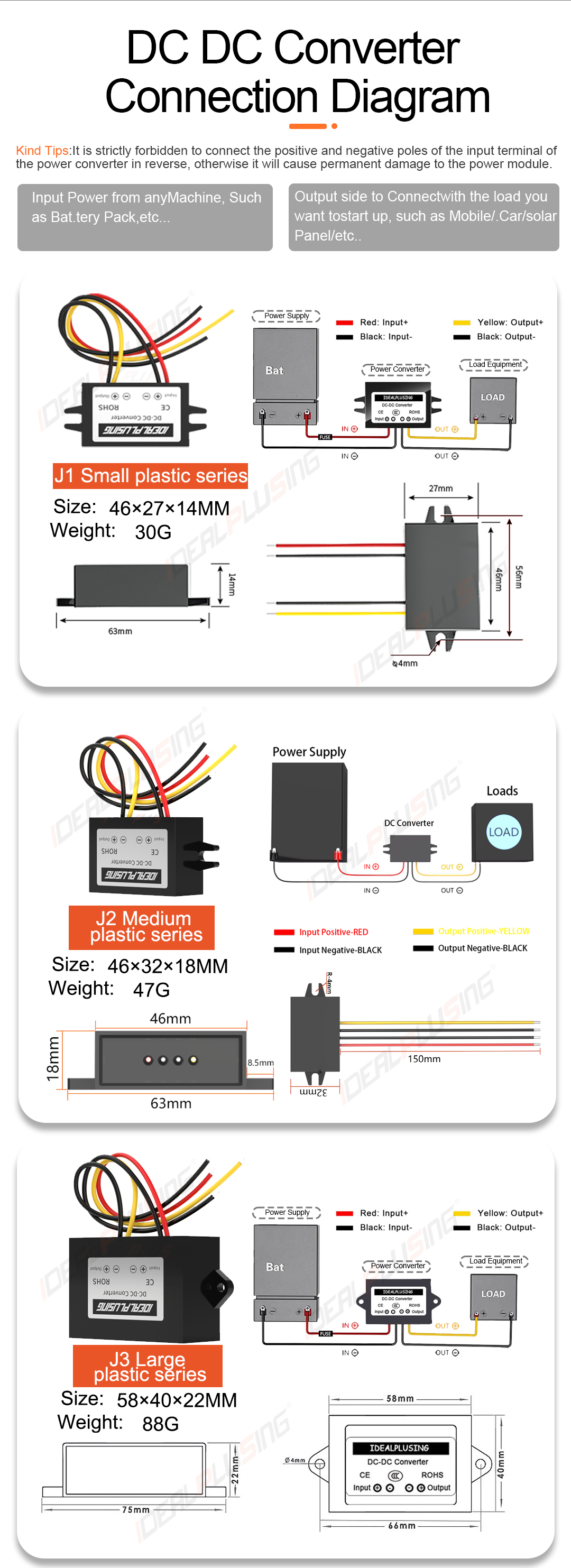
🖼

Product Shows

i

Technical Application Guidelines

01.
All buck-boost products include output overcurrent, short-circuit, and undervoltage protection as standard.
02.
For inductive loads (motors, magnetic valves), we recommend a power supply 3-5 times the rated load power.
03.
Non-isolated buck converters carry a risk where high input voltage may pass to the output if a fault occurs. For precious loads, isolated products are strongly recommended.
04.
The negative poles (ground) of isolated products must be used separately to maintain the isolation effect.
05.
Isolated power supplies are the safest option, preventing high input voltage from damaging output equipment.
Frequently Asked Questions
What is the difference between PWM and PFM control?
PWM (Pulse Width Modulation) provides high efficiency and low noise for heavy loads, while PFM (Pulse Frequency Modulation) is optimized for low power consumption under small or idle load conditions.
Do boost converters have short-circuit protection?
Due to circuit structures, non-isolated boost series generally do not have output short-circuit protection. It is recommended to add appropriate fuses at the input end.
Which power supply is best for precious electronic equipment?
Isolated power supplies are strongly recommended for high-value loads as they prevent input voltage surges from reaching the output end, ensuring maximum safety.
How should I choose a converter for a motor load?
For inductive loads like motors or speakers, you should select a power supply that is 3 to 5 times the rated power of the load to handle start-up current surges.
Can isolated products share a common ground?
No, the negative poles of the input and output must remain separate. Sharing the ground will cause the device to lose its isolation effect.
What is the expected design life of these converters?
Our products are designed with a high-reliability life cycle of 15 to 20 years, suitable for complex and demanding working environments.

Related Products