1 / 5
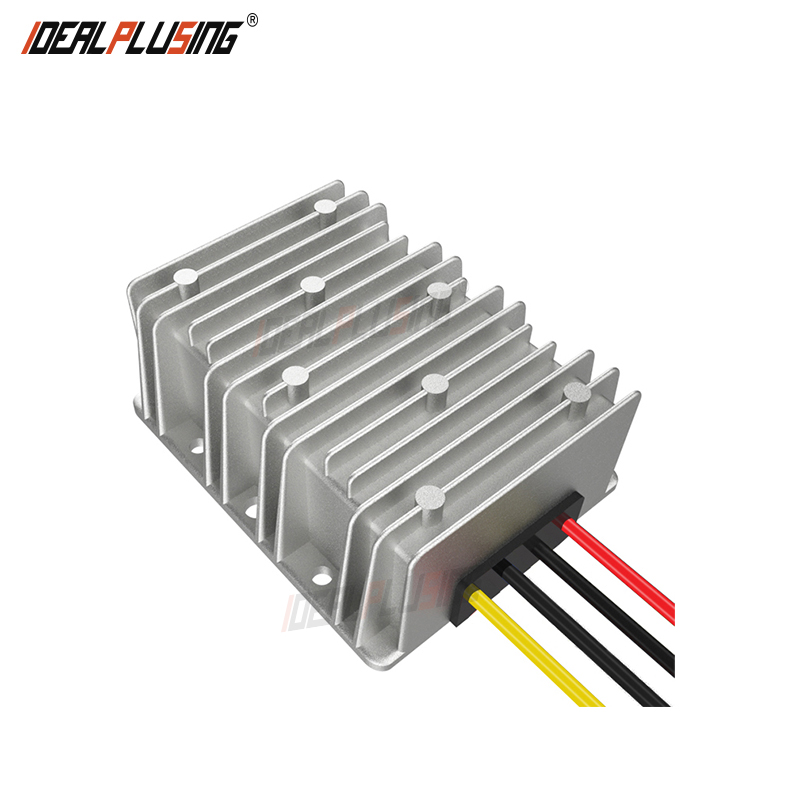
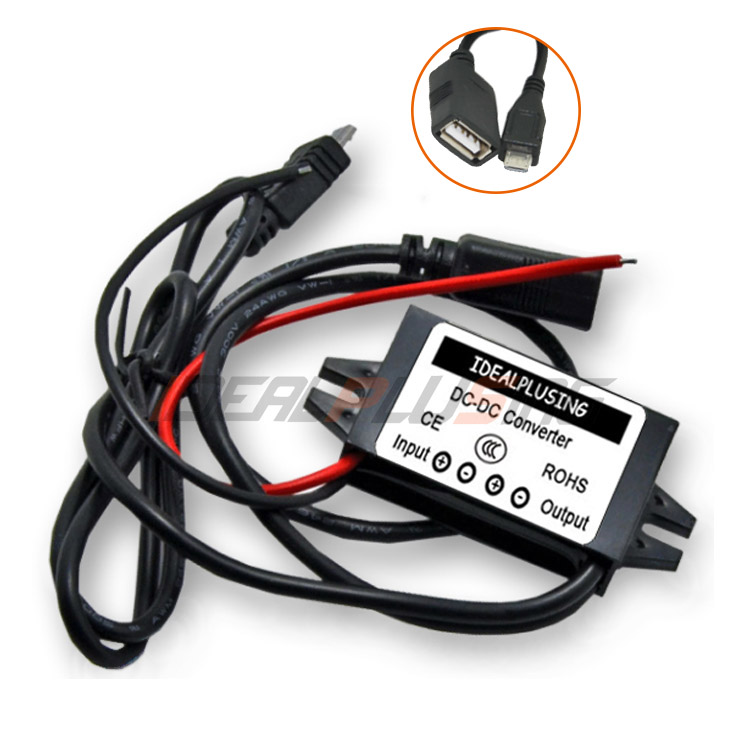
A DC/DC converter is a voltage converter that efficiently outputs a fixed voltage after converting input voltage. These converters are categorized into three types: Boost, Boost & Buck, and Buck. Depending on the demand, PWM control is used for high efficiency and low noise, while PFM control offers low power consumption under small loads. These are widely used in mobile phones, digital cameras, and other portable media players.
We focus on the R&D and service of DC to DC power supply modules, AC to DC rectifier modules, and inverter systems. We aim to provide personalized, efficient, and cost-effective solutions for all industries.
If you cannot find the right specification to meet your requirement, please inquire for a dedicated solution. Our team endeavors to respond within one hour.
| Parameter | Details |
|---|---|
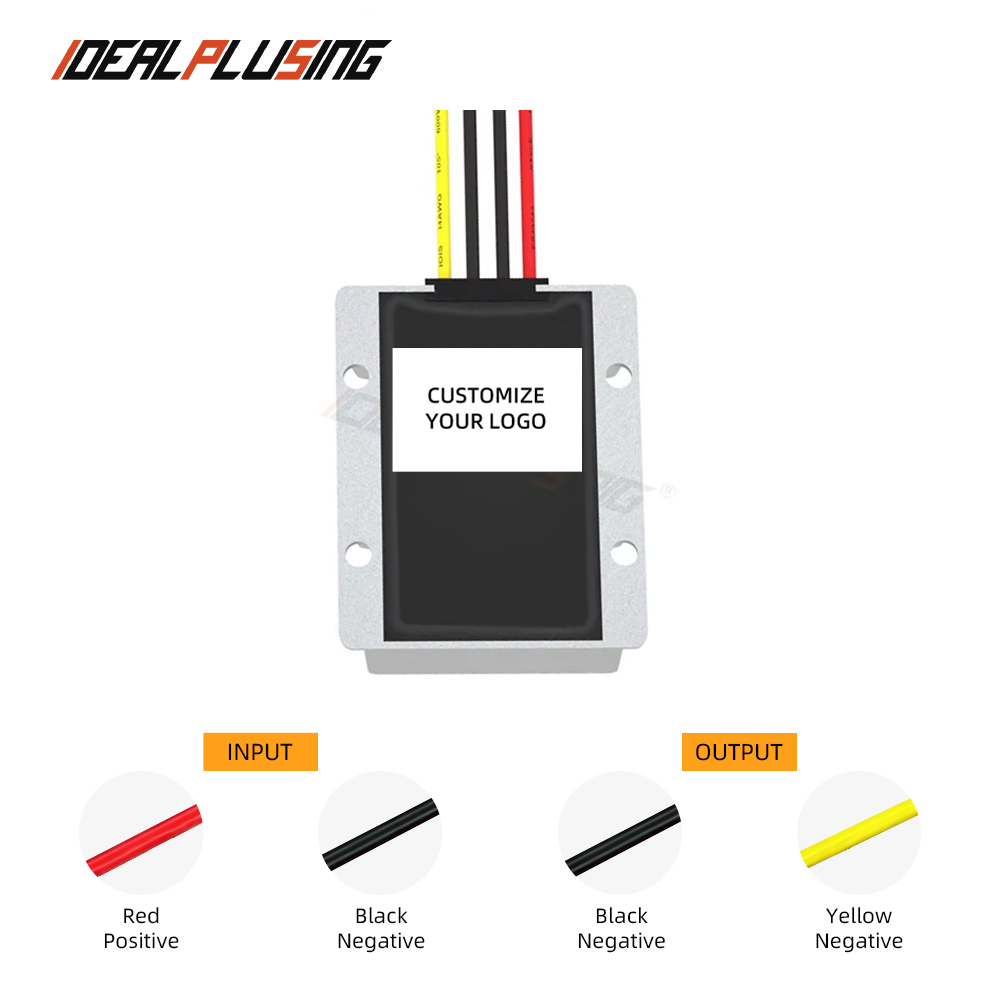
| Type | Non-isolated Buck Converter |
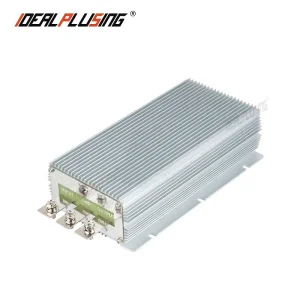
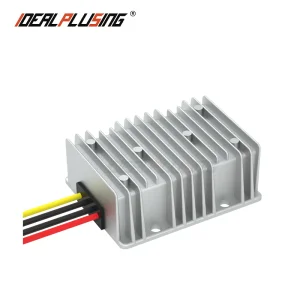
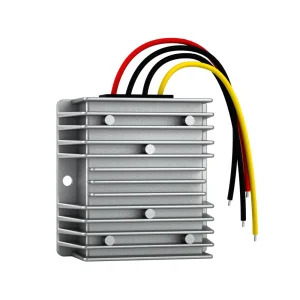
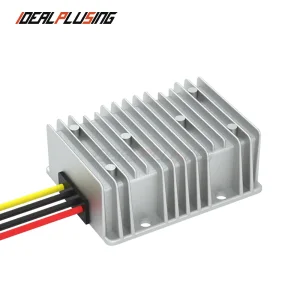
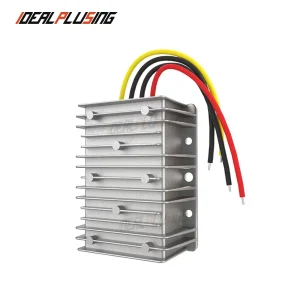
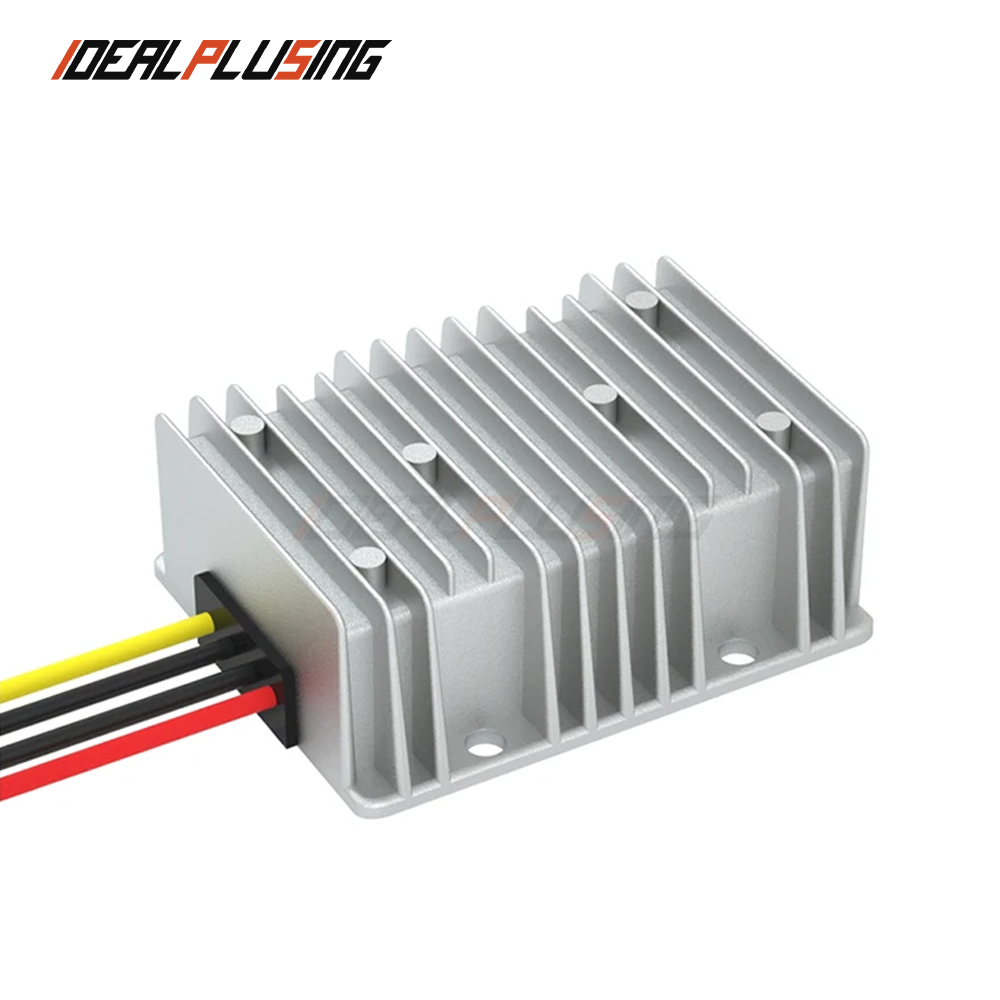
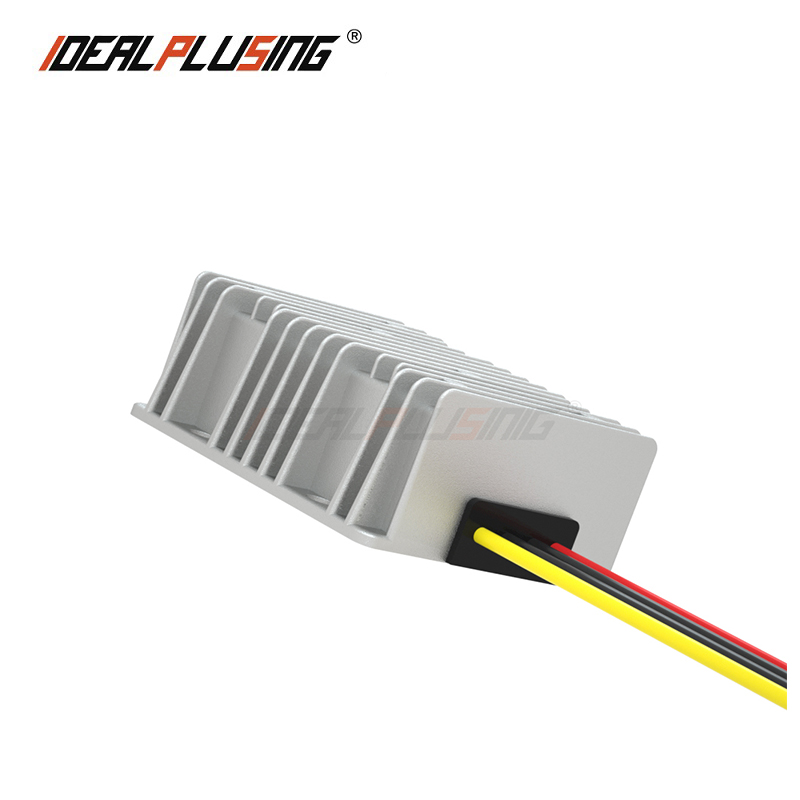
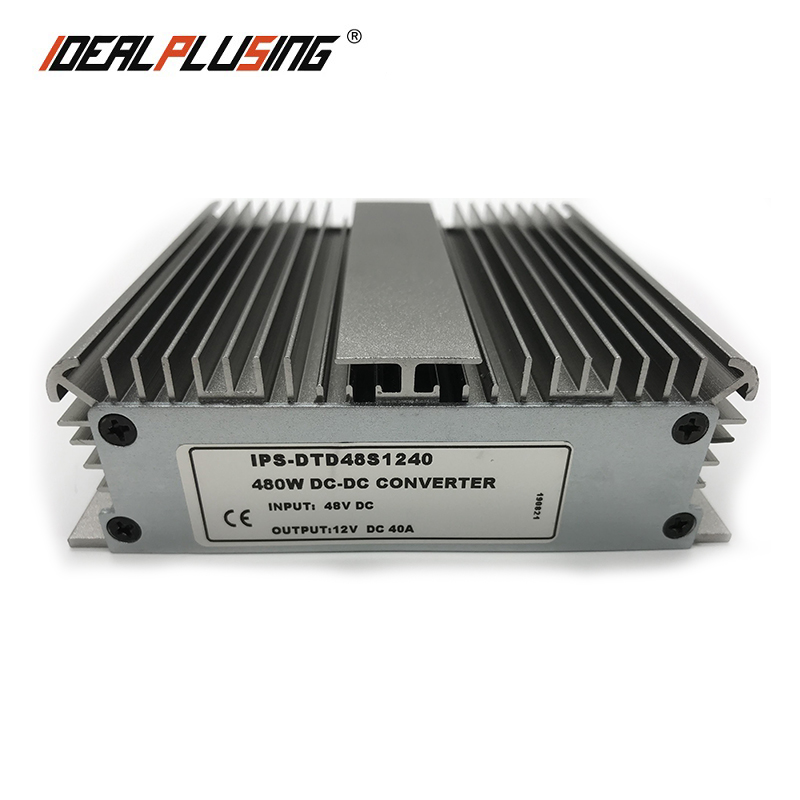
| Model | IPS-DTD60S1230 |
| Input Voltage | 20-80VDC |
| Output Voltage | 12VDC |
| Output Current | 30 Amps |
| Output Power | 360 Watts |
| Shell Material | Aluminum |
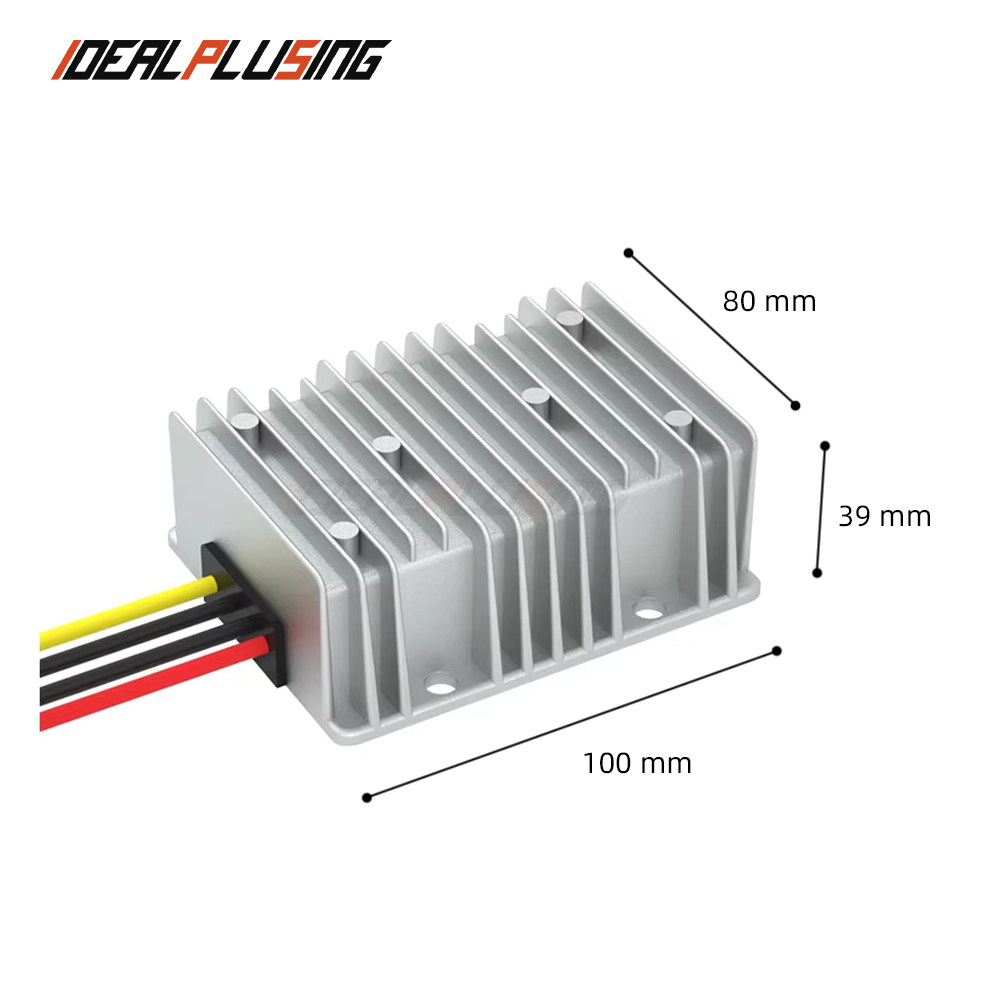
| Converter Size | 100*80*39MM |
| Weight | 500G |
| Waterproof Level | IP67 |
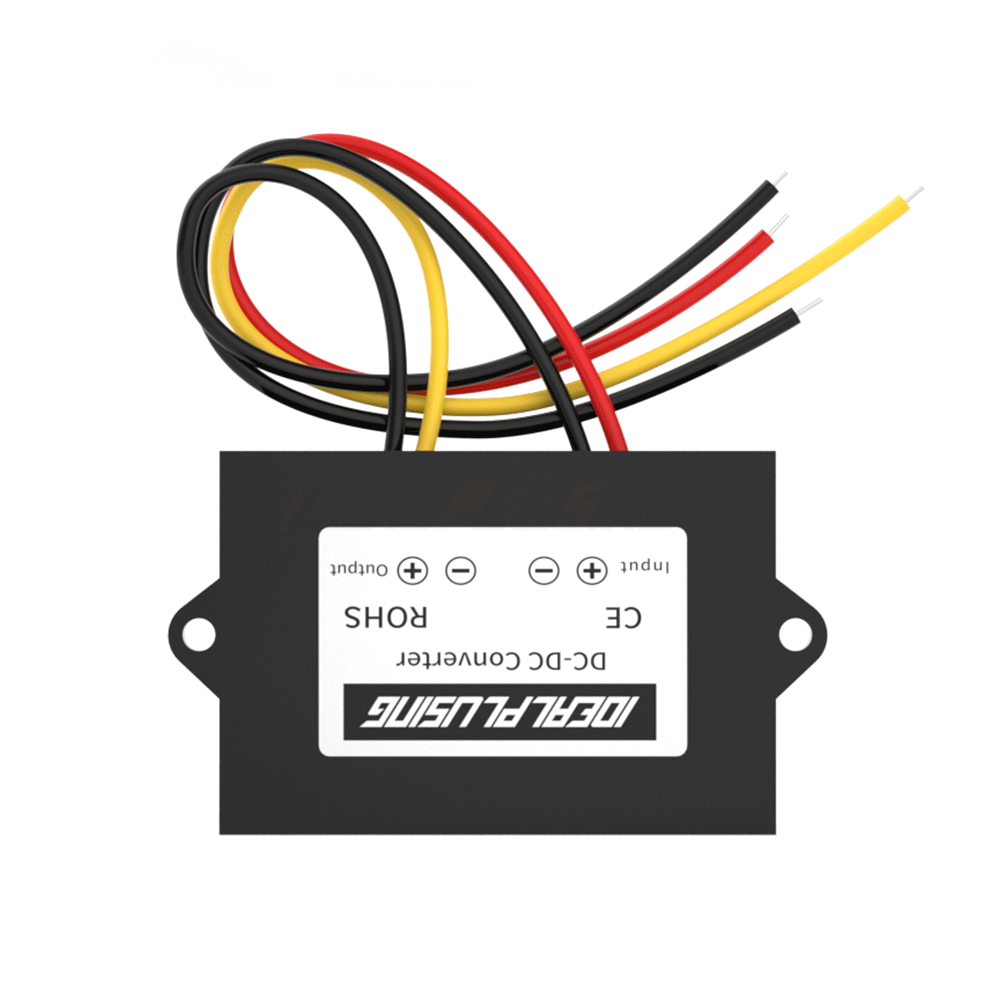
IPS-DTD30-60S1210
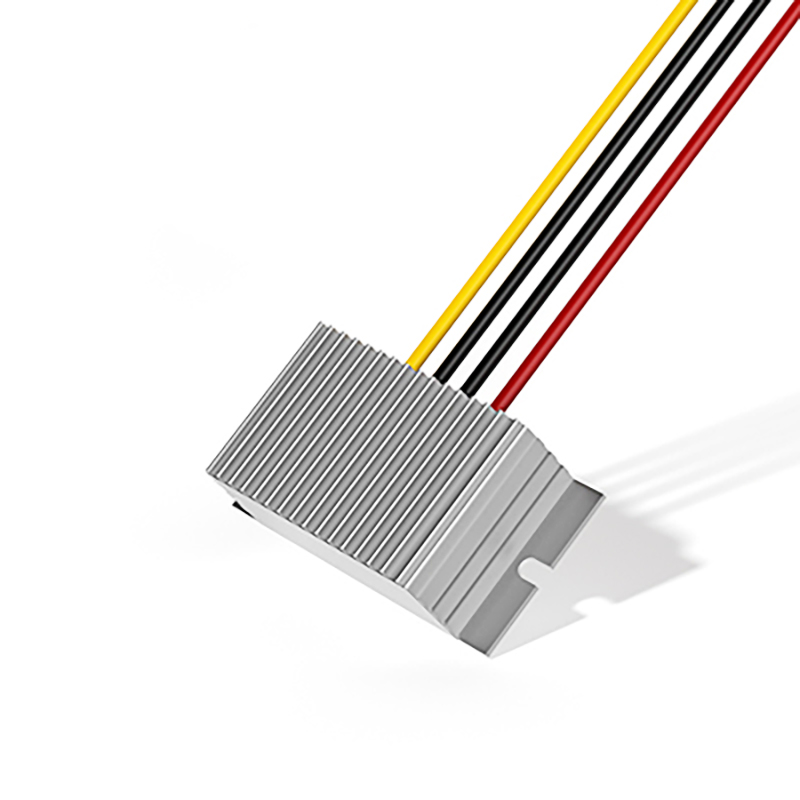
IPS-DTD20-100S122
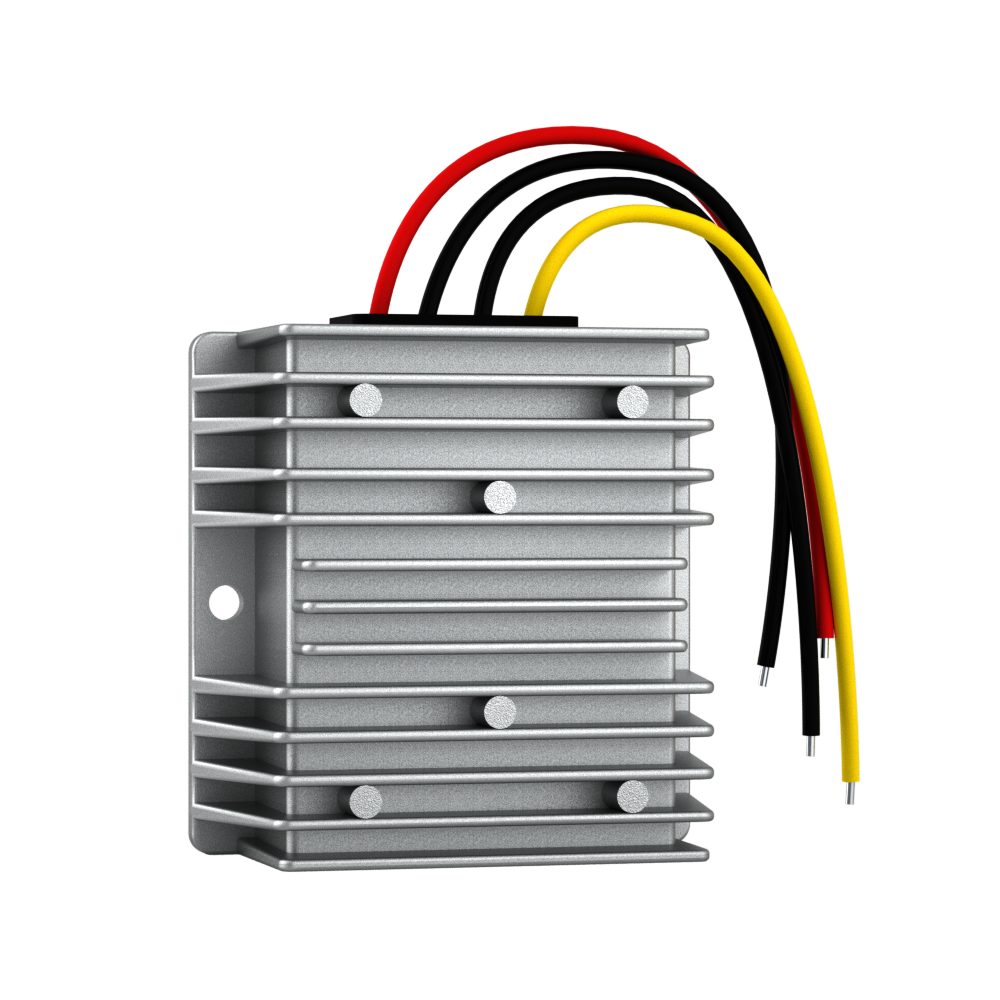
IPS-DTD15-40S1210
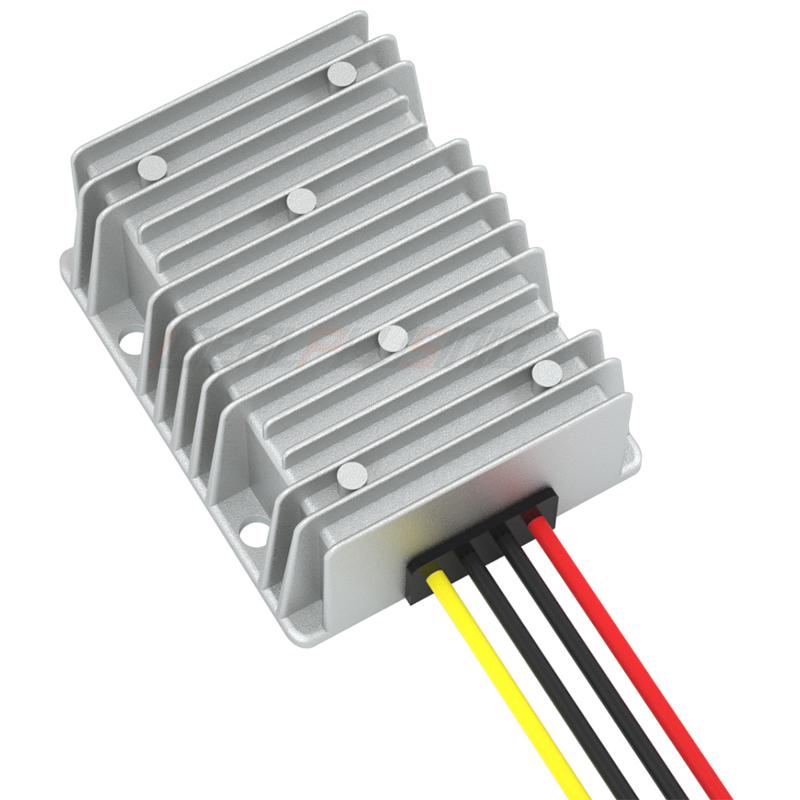
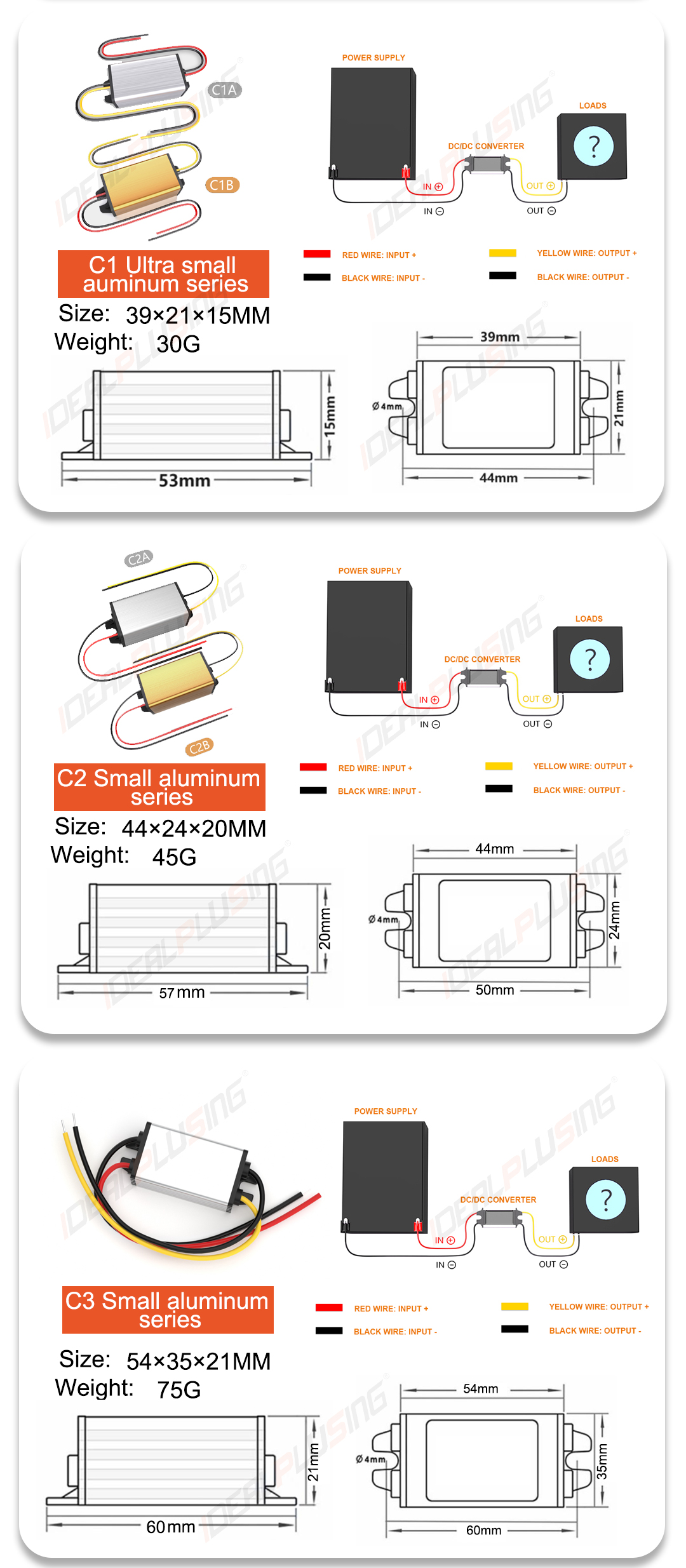
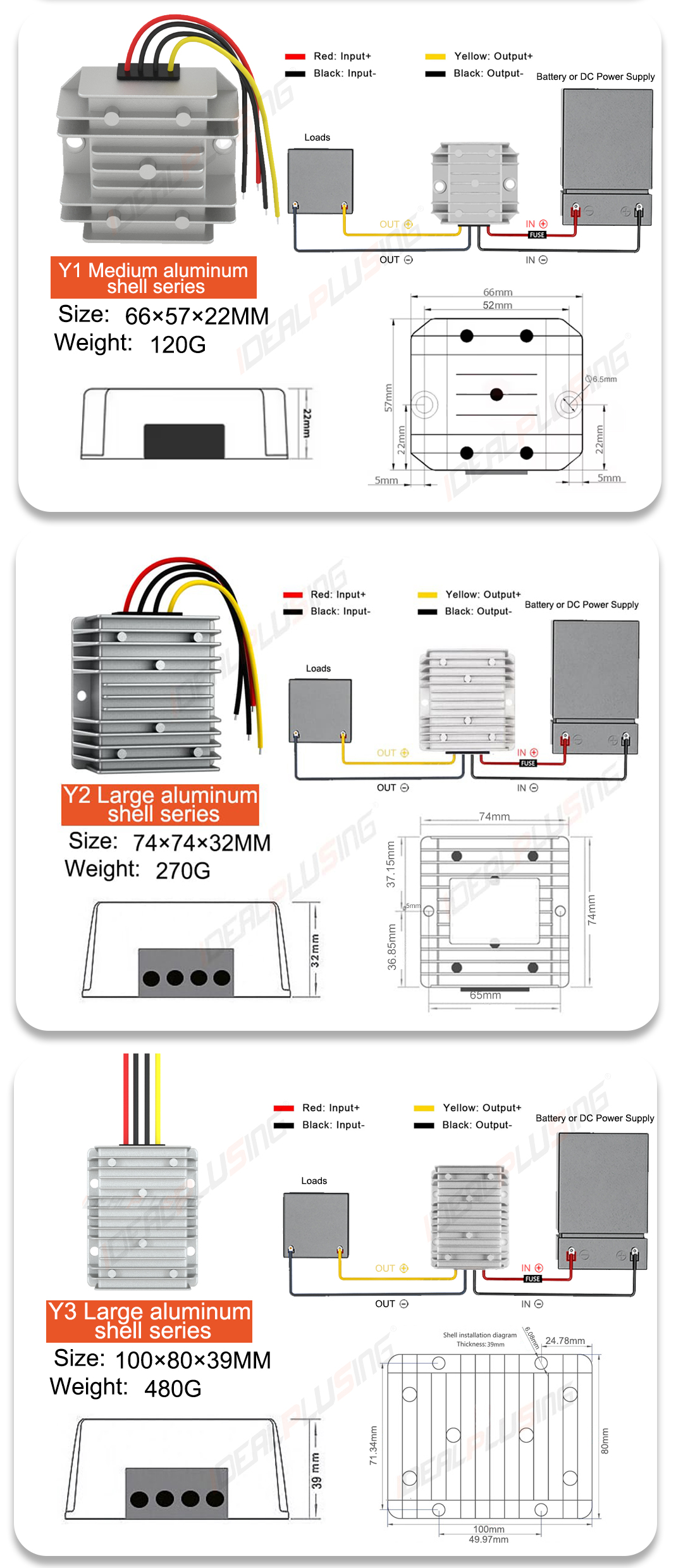
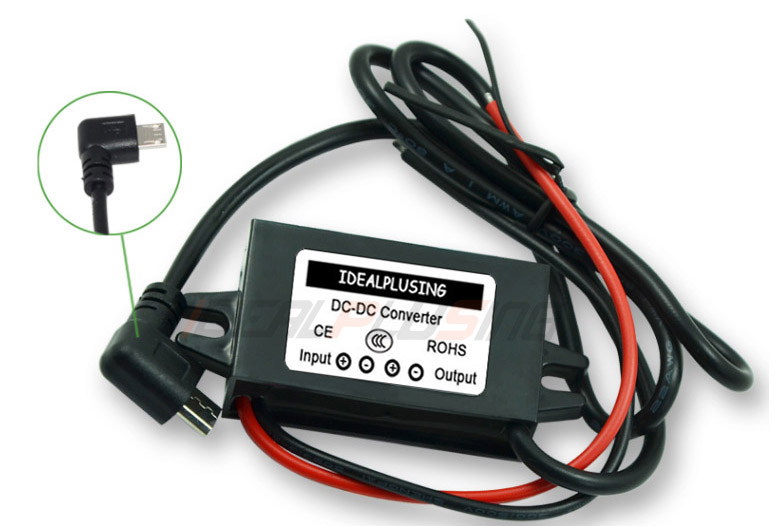
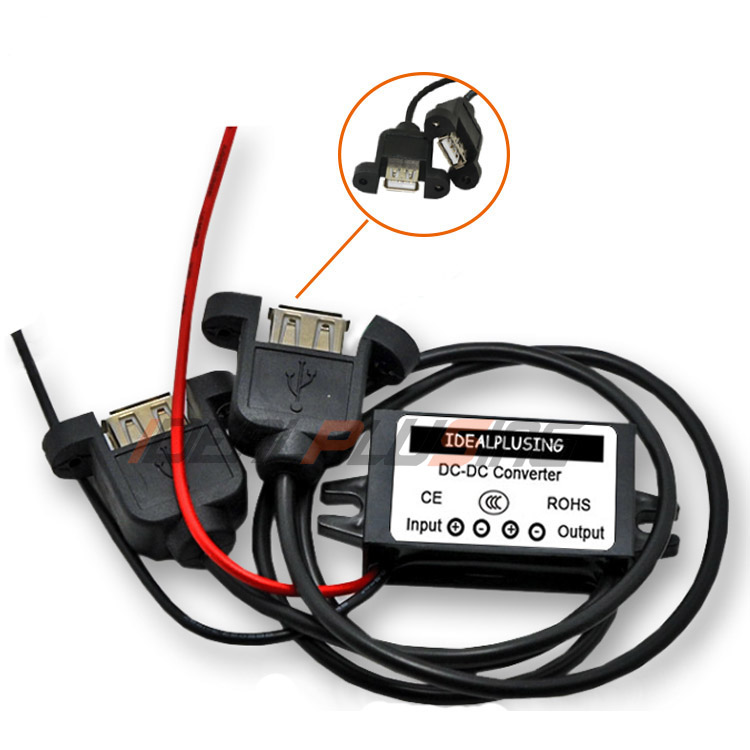

The IP67 rating ensures the converter is completely protected against dust and can withstand immersion in water up to 1 meter for 30 minutes, making it ideal for outdoor or harsh industrial environments.
PWM control is best for heavy loads where high efficiency and low noise are required. PFM control is superior for long-term use under small loads due to its extremely low power consumption.
Isolated converters provide a physical barrier between input and output. In the event of a failure, they prevent high input voltage from reaching and potentially burning the load equipment.
Yes, but for inductive or motor loads, we recommend selecting a converter with 3 to 5 times the rated power of the load to handle high initial surge currents.
Absolutely. We can customize input and output parameters ranging from 1V to 1000V and current capacities from 1A to 1000A to fit your specific application needs.
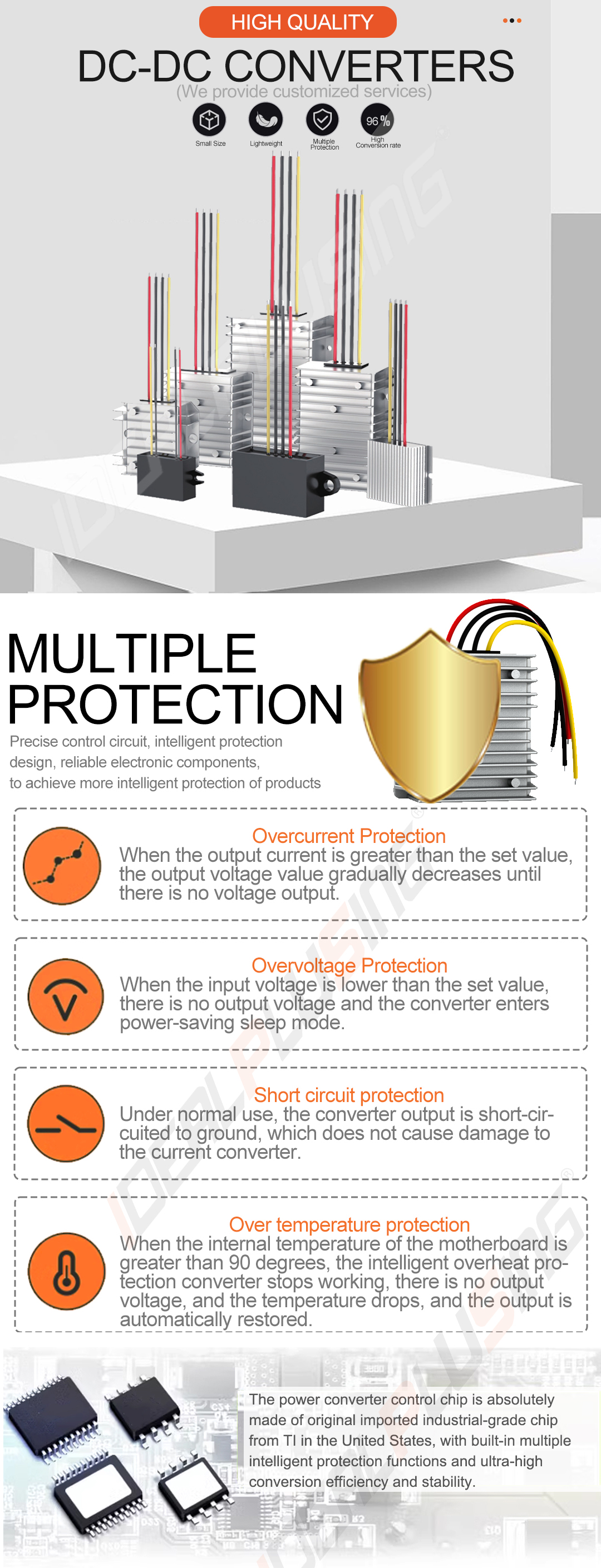
Standard protections include output overcurrent protection, output short-circuit protection, input undervoltage protection, and chip overheating protection.