Specialized Data Center & Commercial Power Units
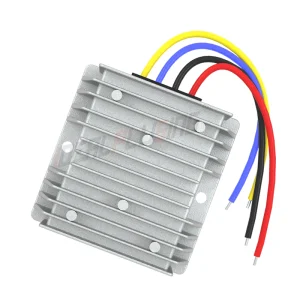
Factory Price 5V 20A Step-down DC DC Converter Car Power Supply with CE RoHS Waterproof
View Technical Details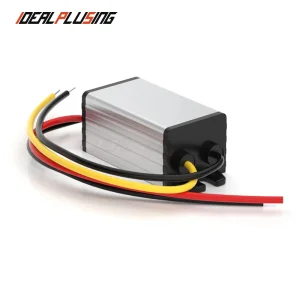
IDEALPLUSING CE Certified 8-36V to 24V 3A 72W Voltage Stabilizer Buck Boost Voltage Converter for Solar
View Technical Details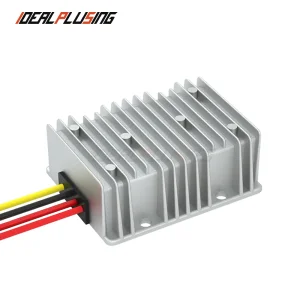
High Precision Programmable AC to DC Converter 40V to 36V 6A 216W Benchtop DC Power Supply with RS485 Communication 38-42V Input
View Technical Details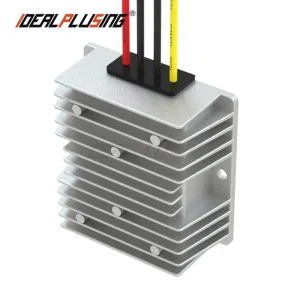
IDEALPLUSING Waterproof 30-60V to 48V 5A 240W Voltage Stabilizer DC to DC Buck Boost Converter for Low Noise Operation
View Technical Details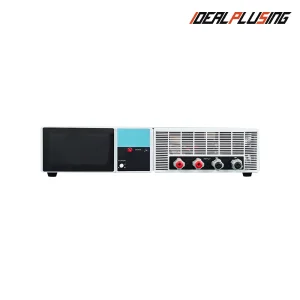
IDEALPLUSING Programmable DC Electronic Load 150VDC 60A/600VDC 30A/1200VDC 6A High Performance OEM/ODM for Industrial Automation
View Technical Details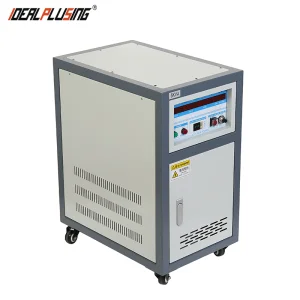
50KVA Ac Power Supply 3 Phases Input Single Phase Output Frequency Converter Inverter for Motor and Electronics Industry
View Technical Details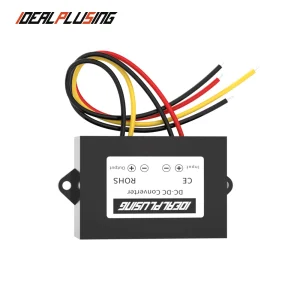
Industrial DC DC Buck Voltage Converter 48V to 5V 12V 13.5V 13.8V 19V 24V 36V DC to DC Converter for Wide Input Voltage Range
View Technical Details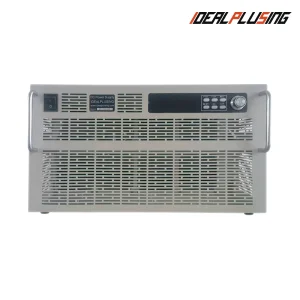
20V 1000A 20KW Programmable DC Power Supply Low Noise High Stability, Battery Testing & Industrial Equipment Power Supply
View Technical DetailsGlobal Enterprise Procurement Requirements in Data Center Power Systems
In the modern digital economy, data centers serve as the vital operational backbone of hyperscale enterprises, financial institutions, cloud services, and heavy industrial automation networks. Global procurement demands for power solutions have shifted. It is no longer just about procuring bulk electrical hardware; it is about securing uncompromised power quality, grid synchronization, high system reliability, and long-term energy efficiency.
As machine learning architectures, high-performance computing (HPC) nodes, and generative AI clusters expand, the traditional power density limits per rack (historically around 5kW to 10kW) are being pushed toward 30kW to 100kW per rack. This rapid densification presents major challenges to critical infrastructure procurement directors globally. They must balance initial capital expenditure (CAPEX) with ongoing operational expenditures (OPEX) driven by power usage effectiveness (PUE) requirements.
Total Cost of Ownership (TCO) Optimization
Procuring power systems with high conversion efficiency (exceeding 96% at typical load levels) directly reduces energy loss and cooling overheads. Small percentage improvements yield massive lifetime cost savings for hyperscale architectures.
Operational Resiliency & Redundancy
Redundancy standards demand zero-millisecond transition times during power source switches. Static Transfer Switches (STS) and highly stable DC-to-DC step-down converters maintain operational continuity during peak demand and grid fluctuations.
Environmental & Safety Compliance
Global multi-national companies prioritize equipment that strictly conforms to CE, RoHS, UL, and localized electromagnetic compatibility (EMC) standards. Compliance minimizes deployment delays and ensures safety across distinct geopolitical regions.
Macro Industry Solutions: Bridging Grid Power and Micro-Electronic Demands
Managing utility power grid structures to provide clean, filtered DC voltage to processing chips requires advanced, multi-tiered power topologies. China's premier power solution exporters provide modular systems that seamlessly manage this chain of transmission.
The power path begins at medium-voltage transformers, moves through double-conversion AC-to-DC rectifiers, routes via high-capacity Static Transfer Switches (STS), and ends at micro-level step-down DC-to-DC converters. We specialize in designing and manufacturing key systems across these conversion stages, offering a complete set of solutions tailored to modern data systems:
High-Capacity AC-AC Systems & Frequency Changers
Converting input utility currents (typically 50Hz/60Hz) to isolated, variable voltage outputs. These systems support equipment testing and grid simulation, offering output capacities ranging from 1kVA up to 500kVA for industrial-scale deployment.
High-Voltage DC & AC-DC Power Rectifiers
Engineered to handle output values up to 200kV and current values reaching 20,000A. These systems provide clean, low-noise DC electricity for high-power industrial loads, component testing, and specialized IT environments.
DC-DC Buck & Buck-Boost Converters
Providing wide-range input handling (12VDC to 1000VDC) and power outputs from 1kW to 200kW. These converters deliver localized, stable DC step-down outputs to power servers, telecom hardware, and sub-systems.
Technical Roadmap & Future Outlook: Empowering AI Infrastructures
Data centers are evolving from pure computing hubs into AI-driven infrastructures. Our engineering roadmaps address the resulting power delivery challenges.
Wide-Bandgap Semiconductors
Transitioning power conversion designs from silicon switches to Silicon Carbide (SiC) and Gallium Nitride (GaN) components. This upgrade reduces thermal dissipation, boosts switching frequencies, and increases efficiency beyond 98%.
Digitized Power & Modbus/RS485 Integration
Integrating smart communication buses (RS485, CAN bus, Modbus protocols) directly into benchtop and rackmount systems. This allows real-time telemetry, remote calibration, and proactive health-monitoring of primary parameters.
Clean Energy Grid Integration
As solar energy and battery storage systems (BESS) integrate into data centers, our dual buck-boost converters provide stable conversion loops for solar micro-grids, maintaining steady operation under variable inputs.
Manufacturing Footprint & Technical Capabilities
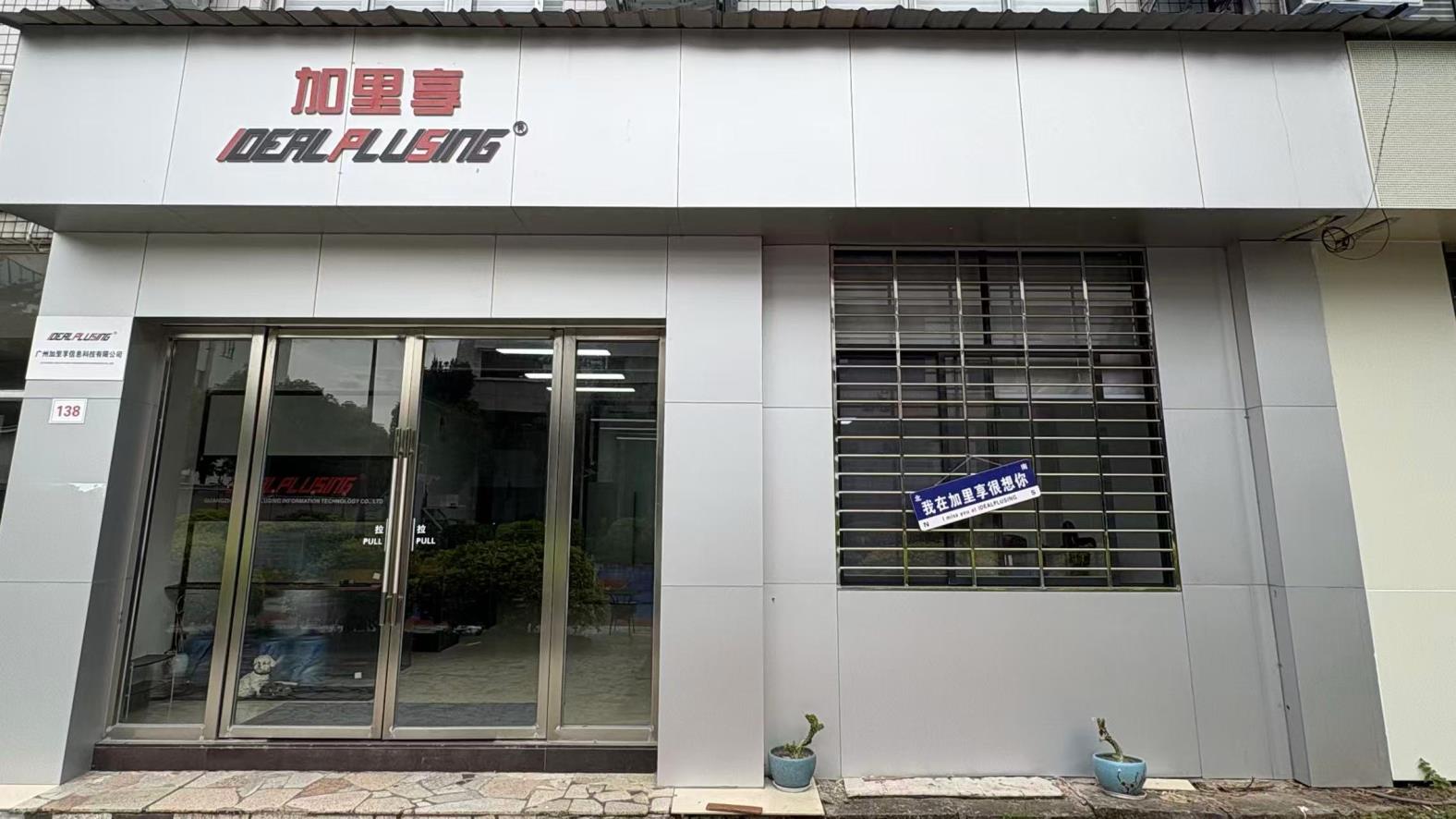
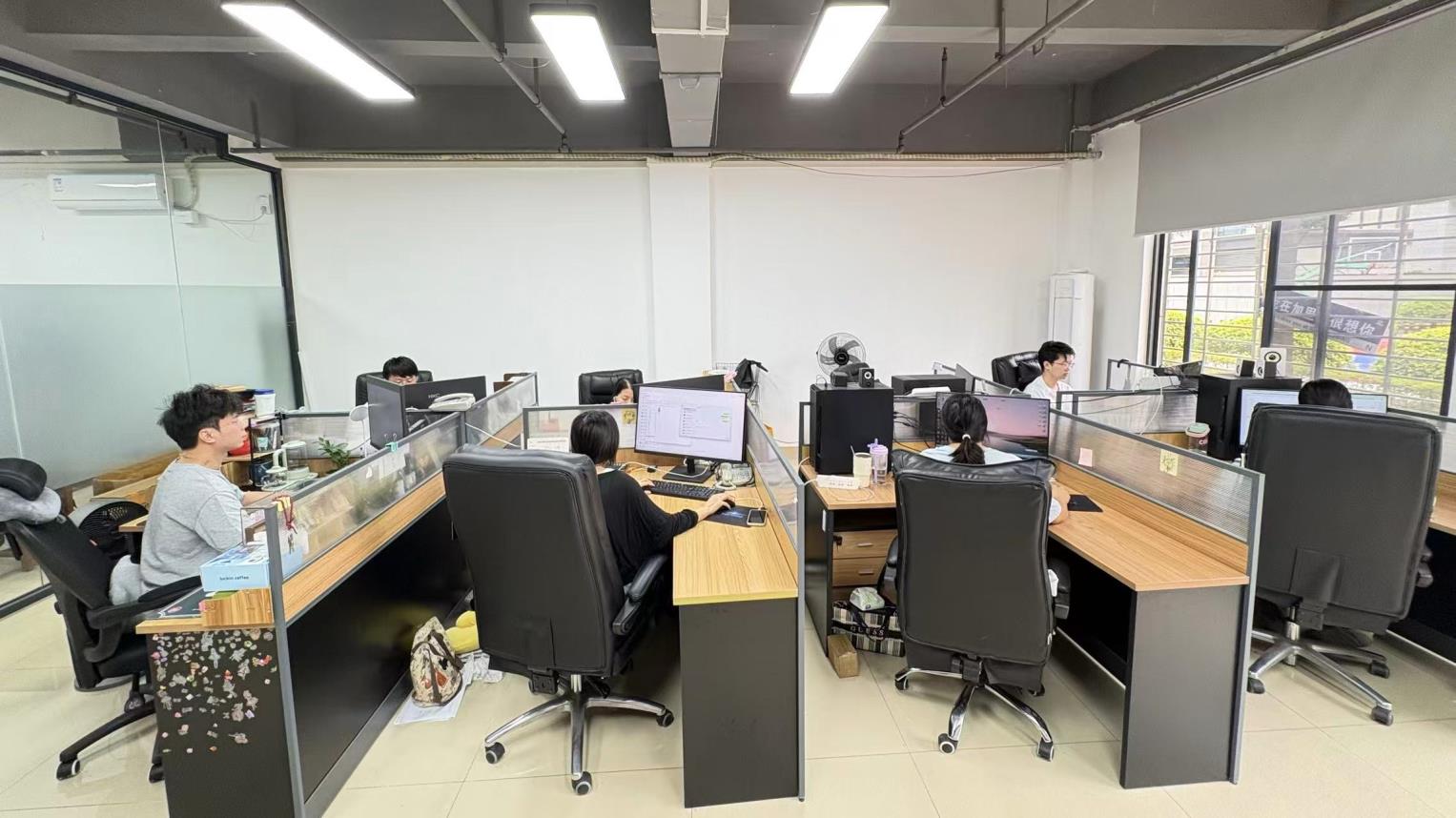
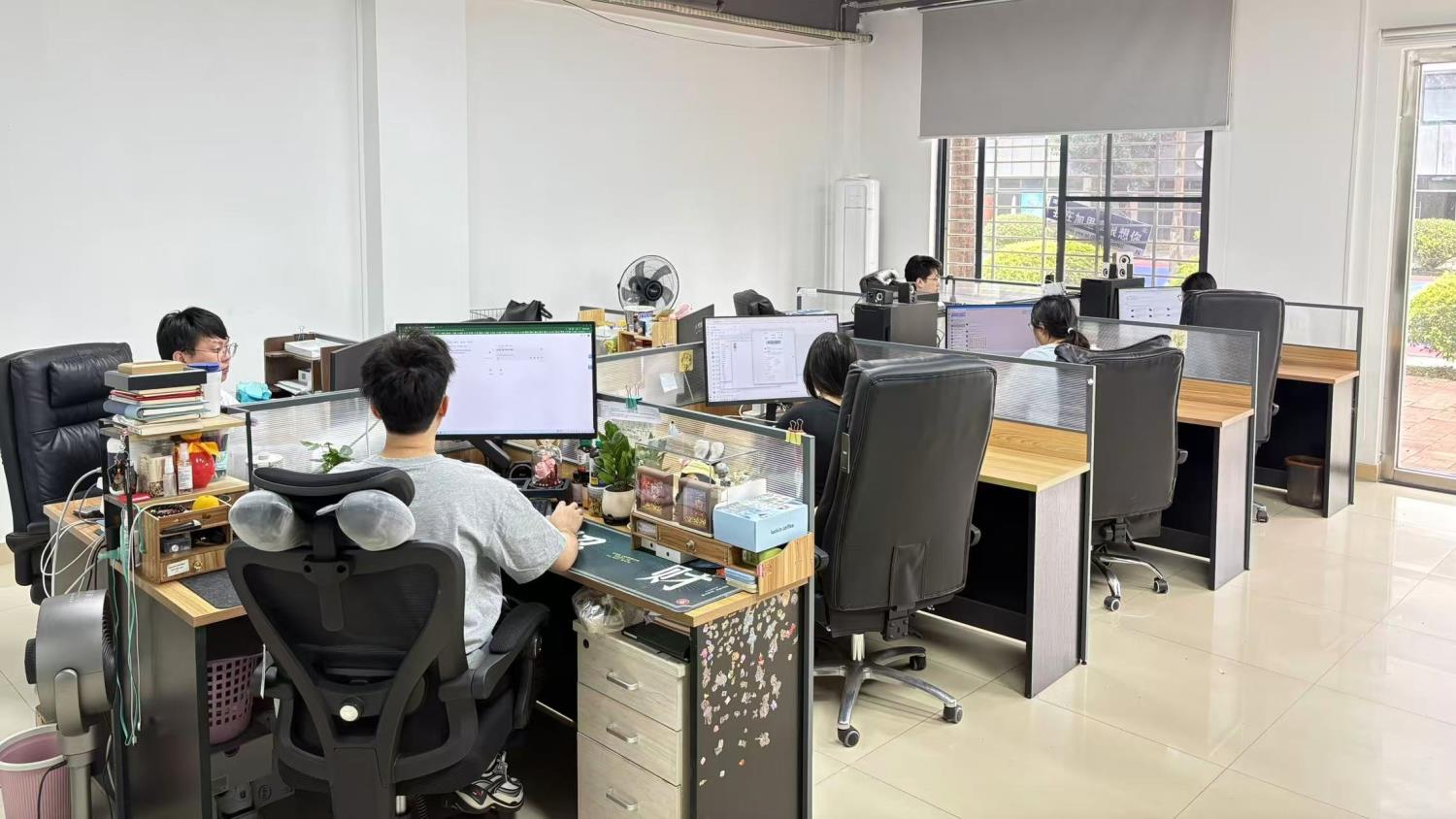
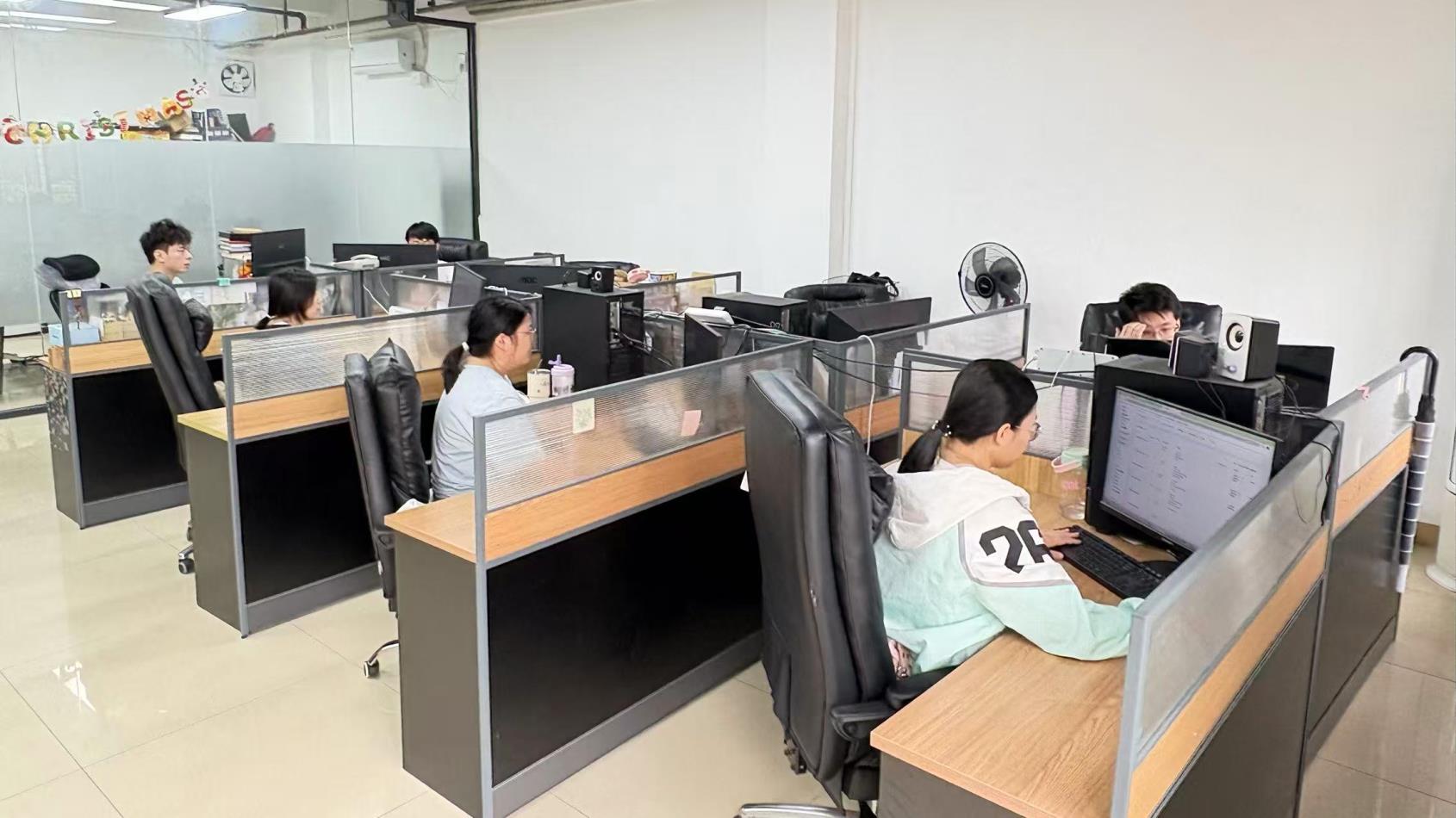
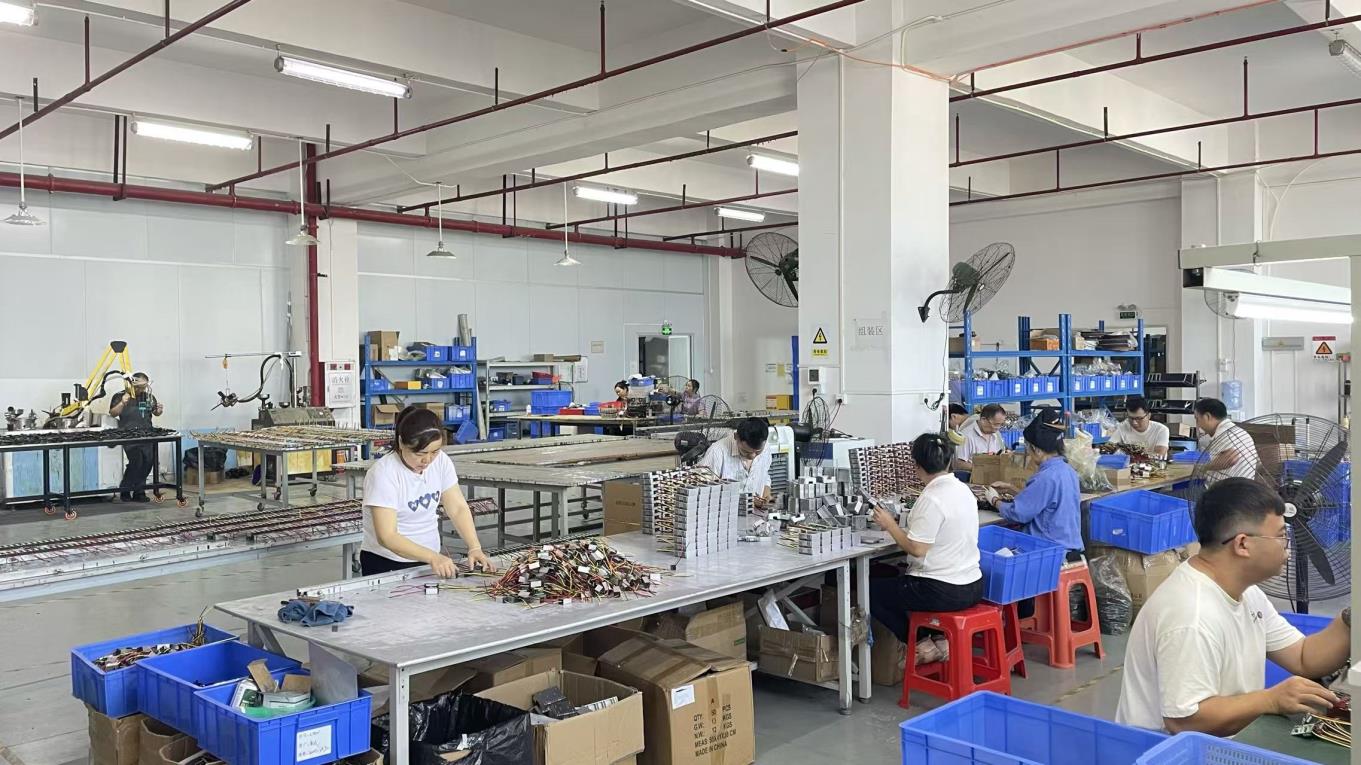
Operating from Guangzhou, China, our manufacturing facilities integrate research and development, custom engineering, structural manufacturing, and rigorous quality testing.
Core Power Conversion Competencies
- DC-DC Converters (Isolated & Non-isolated): Voltage ranges spanning 12VDC to 1000VDC, power capacity ranges from 1kW to 200kW.
- AC-DC Power Supplies: Target output voltage from 0 to 200kV, dynamic current capabilities from 0 to 20,000 Amps.
- DC-AC Inverters: Input range from 12VDC to 2000VDC, power capabilities ranging from 100W up to 500kW.
- AC-AC Power Sources: Single-phase and three-phase variations, frequency configurations from 10Hz to 500Hz, power capacity ranging from 1kVA to 500kVA.
- AC-DC Ground Power Units: Heavy-duty high-current units supporting output volumes from 300 Amps to 50,000 Amps.
Manufacturing Operations & Workforce Scale
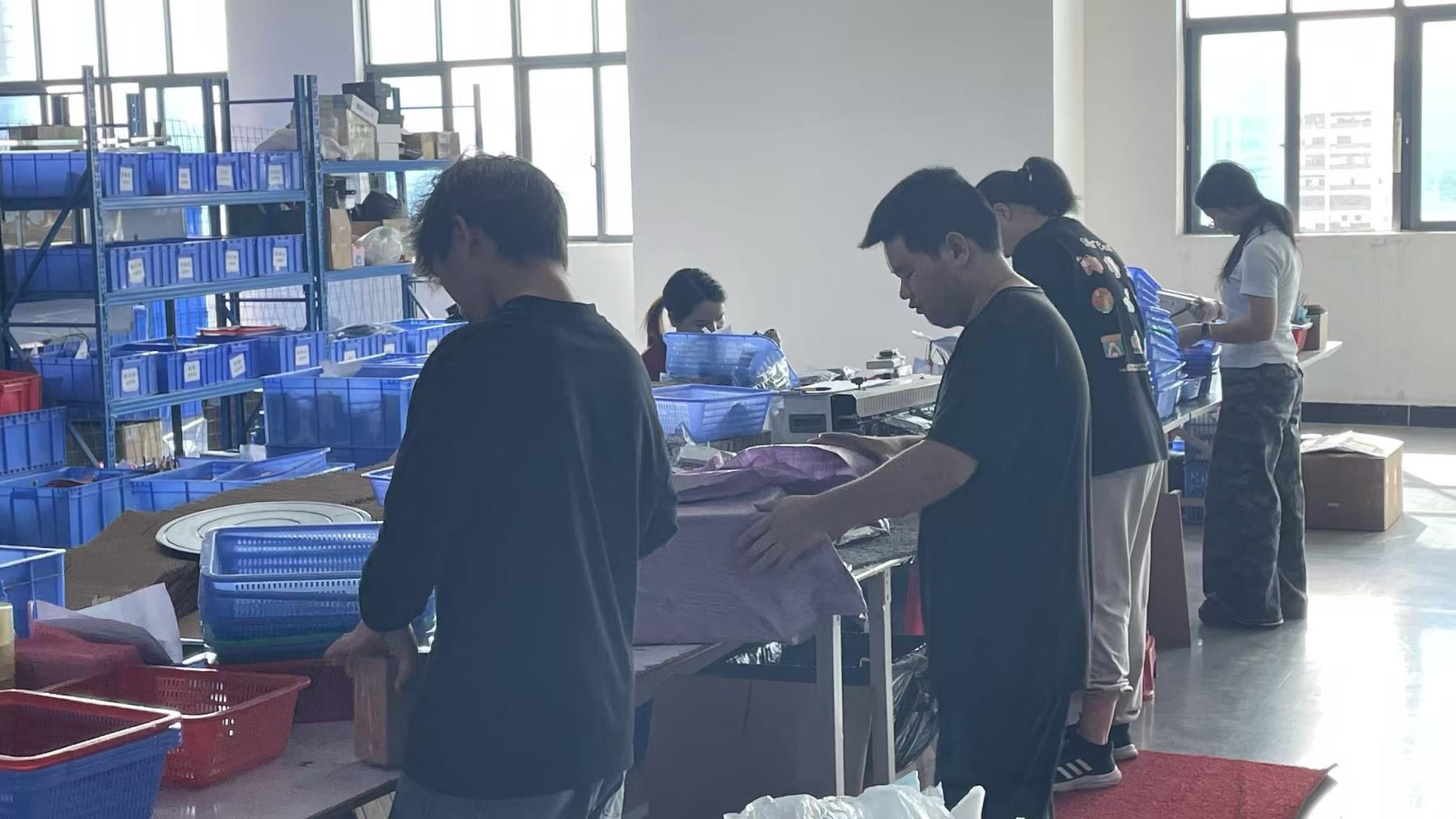
We operate our own modern factory in Guangzhou, China, supported by over 20 specialized partner manufacturing facilities. With more than 60 skilled production specialists and engineers, we manage a catalog of over 10,000 custom power supply specifications.
We operate strictly under the quality directive: "Leading Technology, Reliable Quality, Satisfactory Service & Customers First!". This standard guarantees that every unit shipped is built for continuous commercial operations.
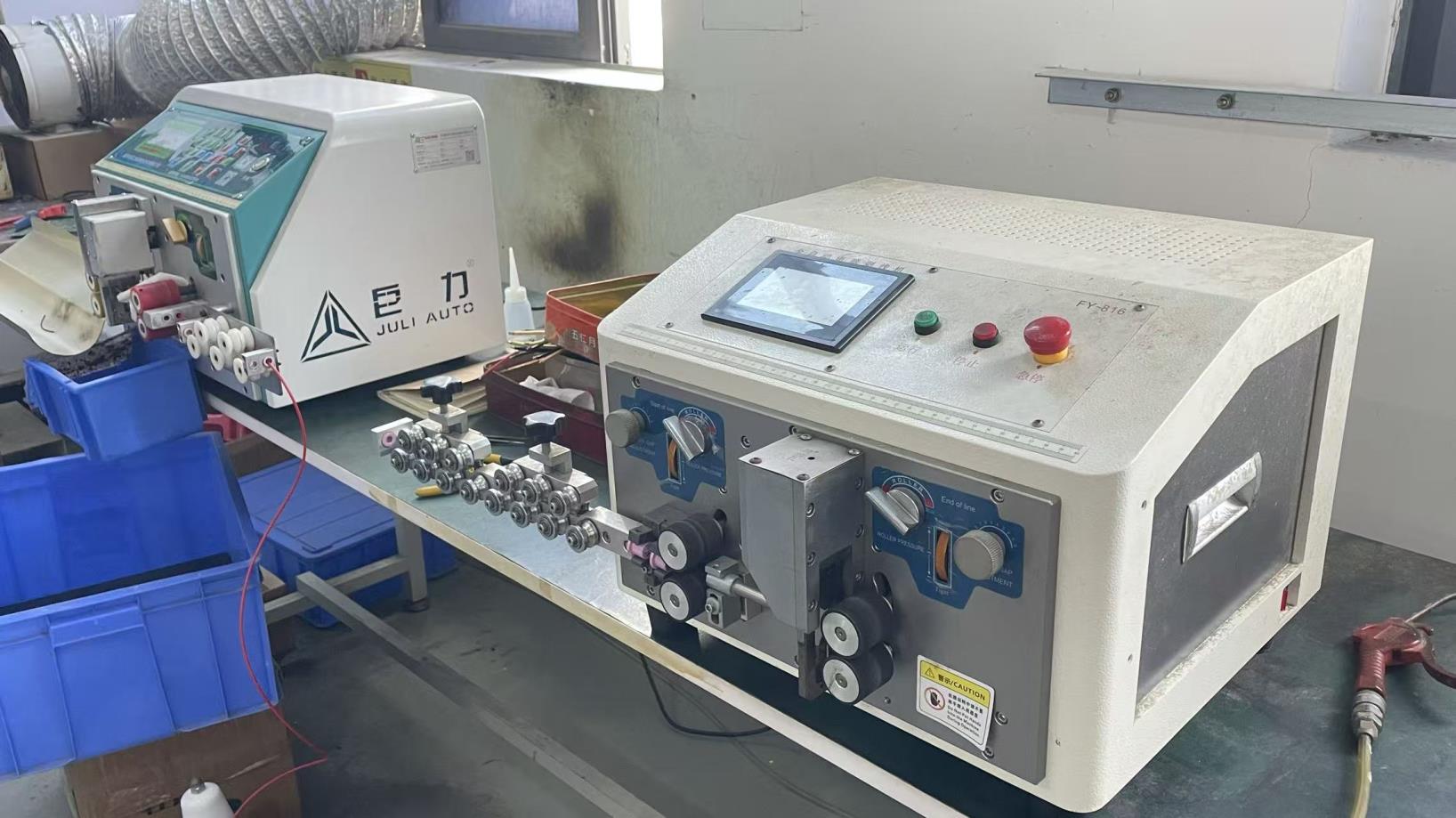
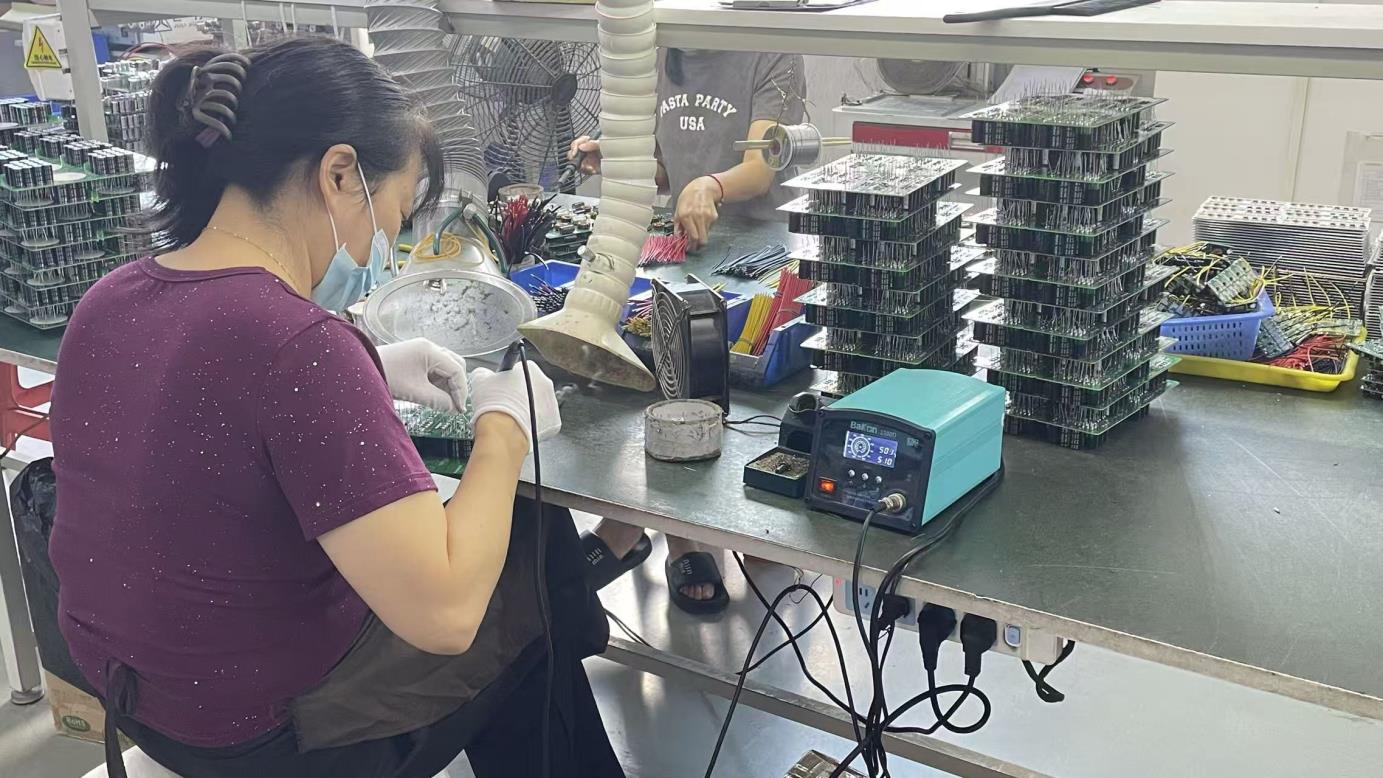
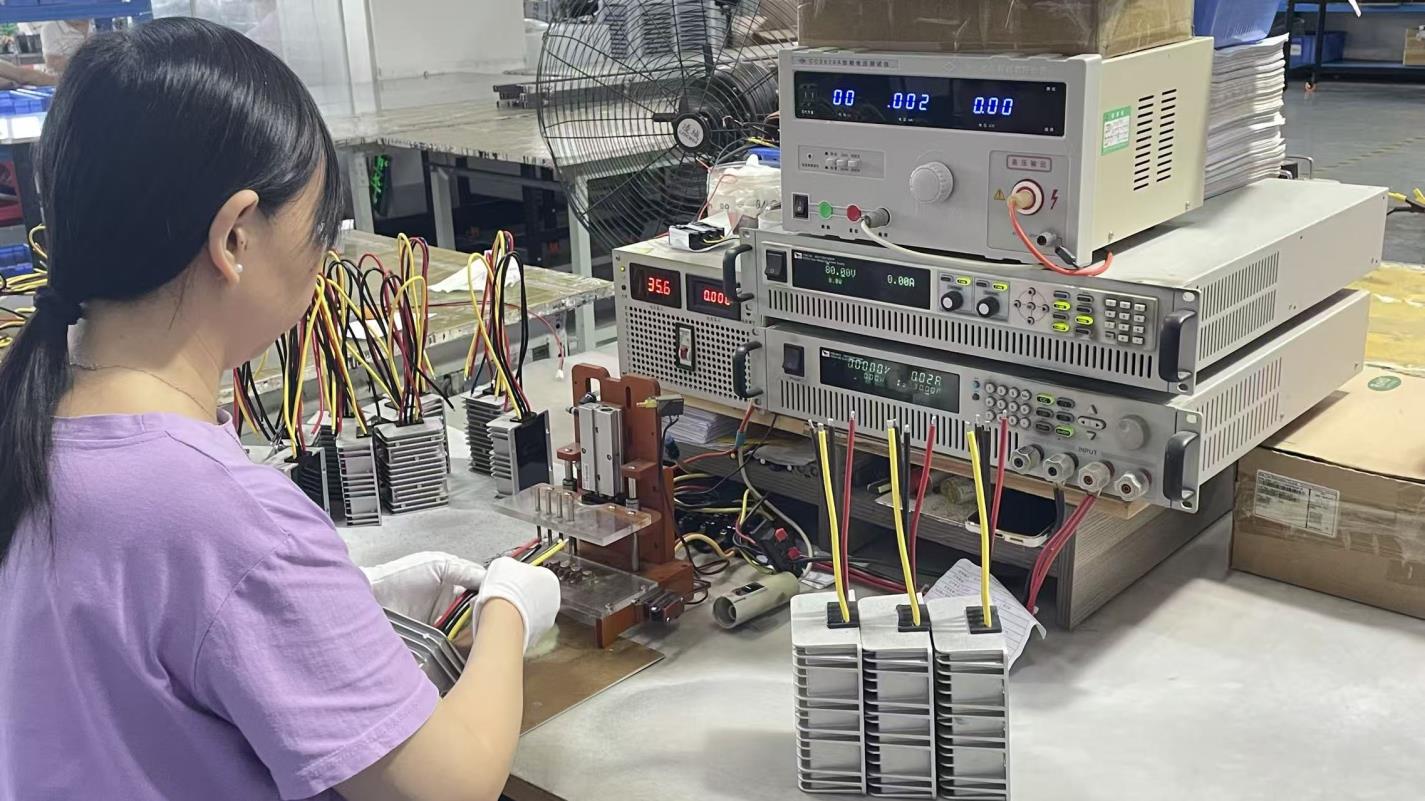
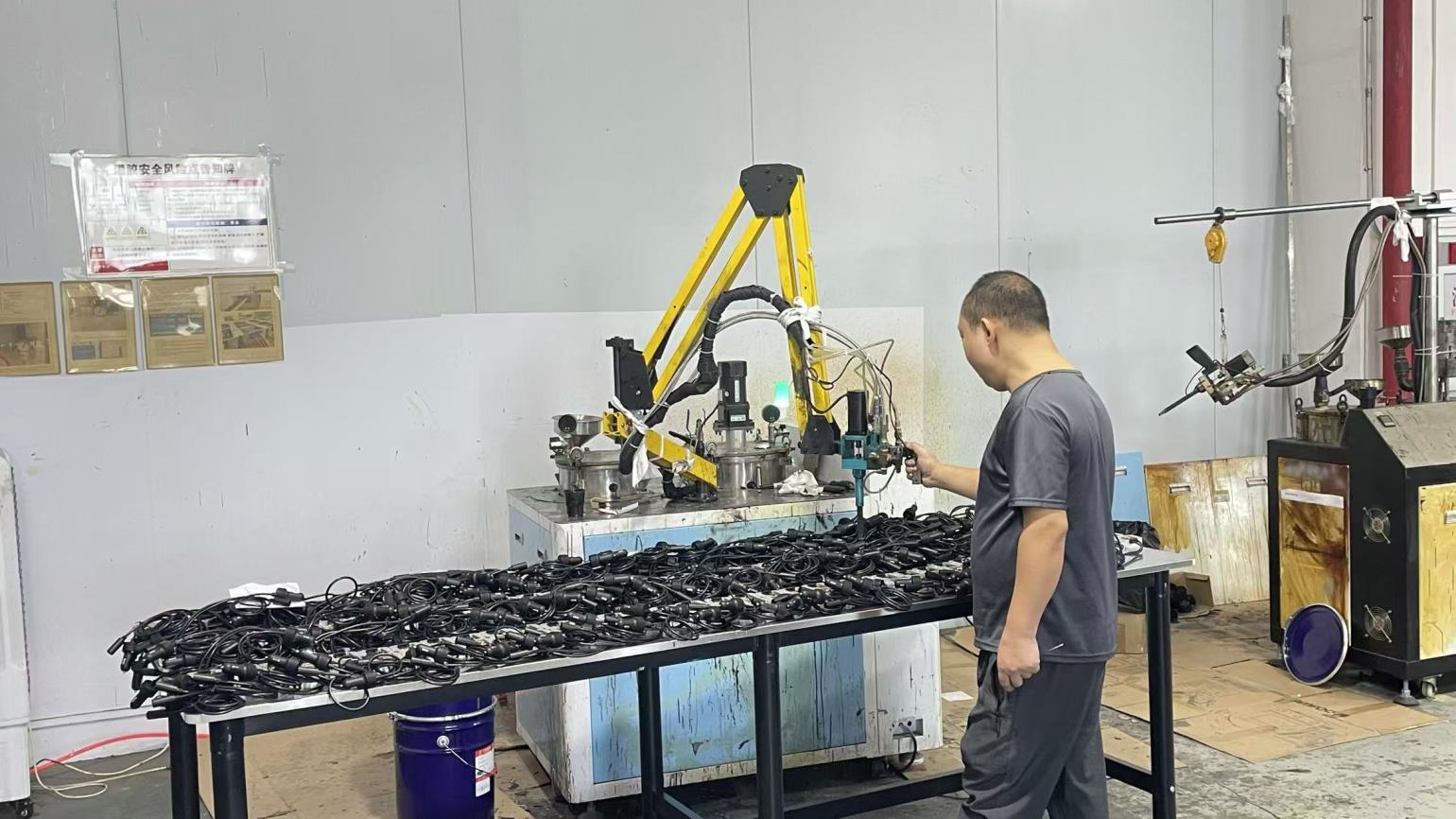
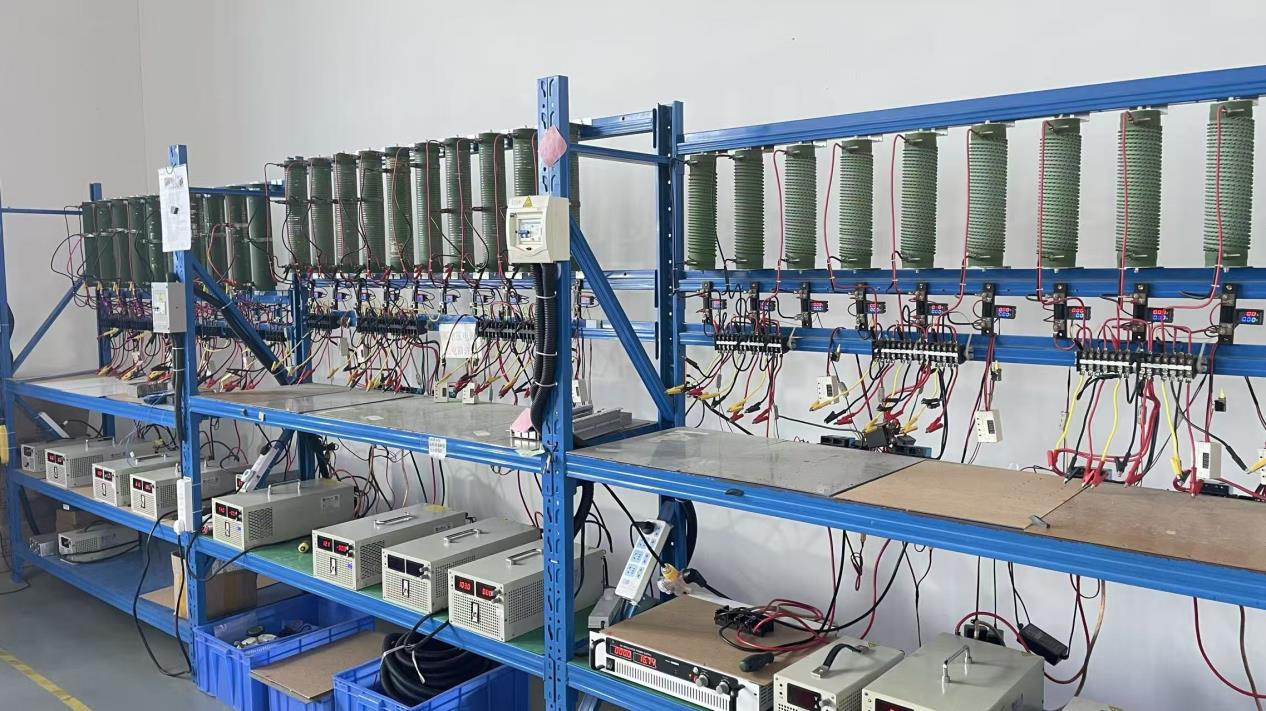
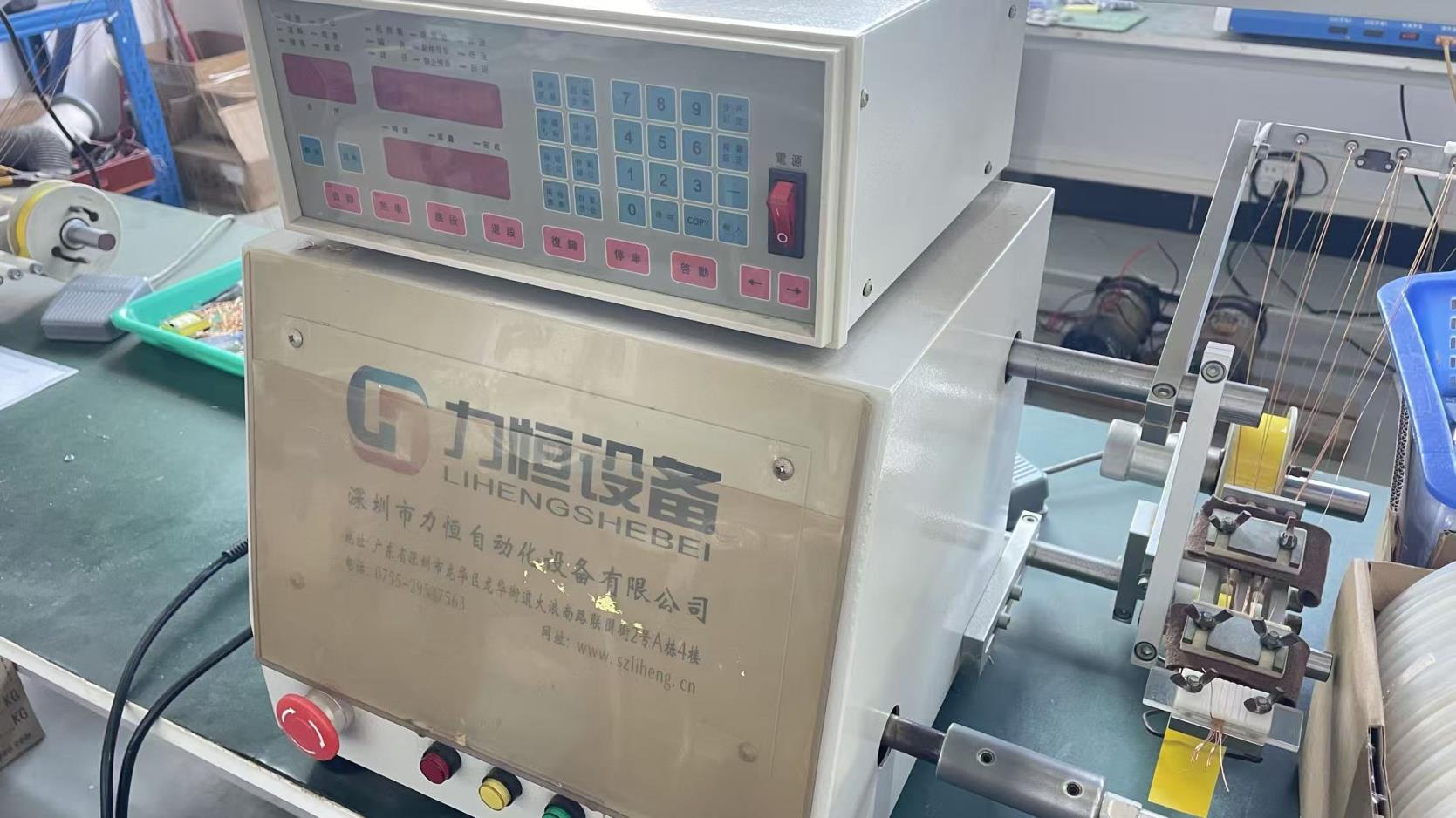
Guangzhou Manufacturing Facility & Engineering Center
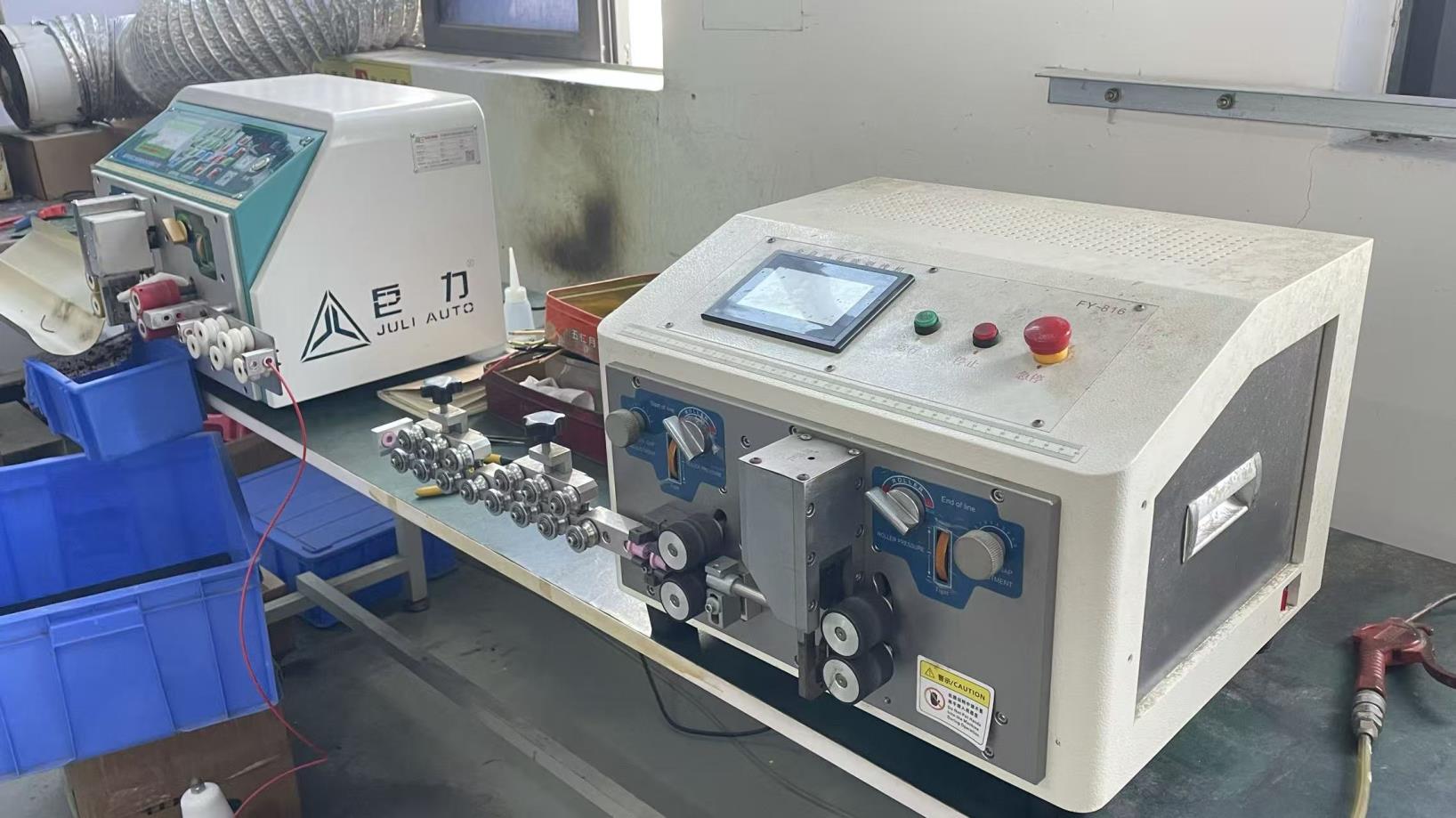
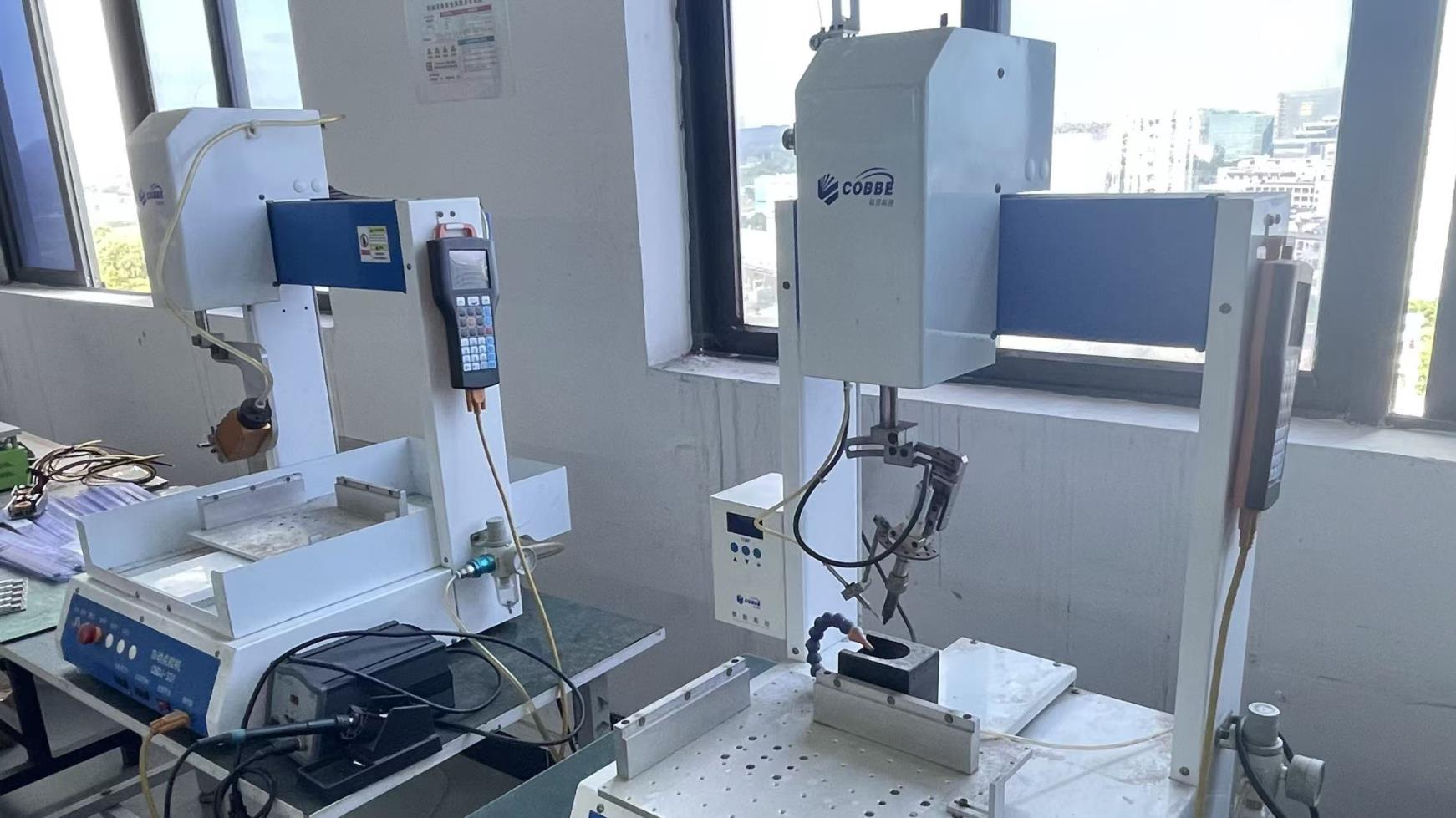
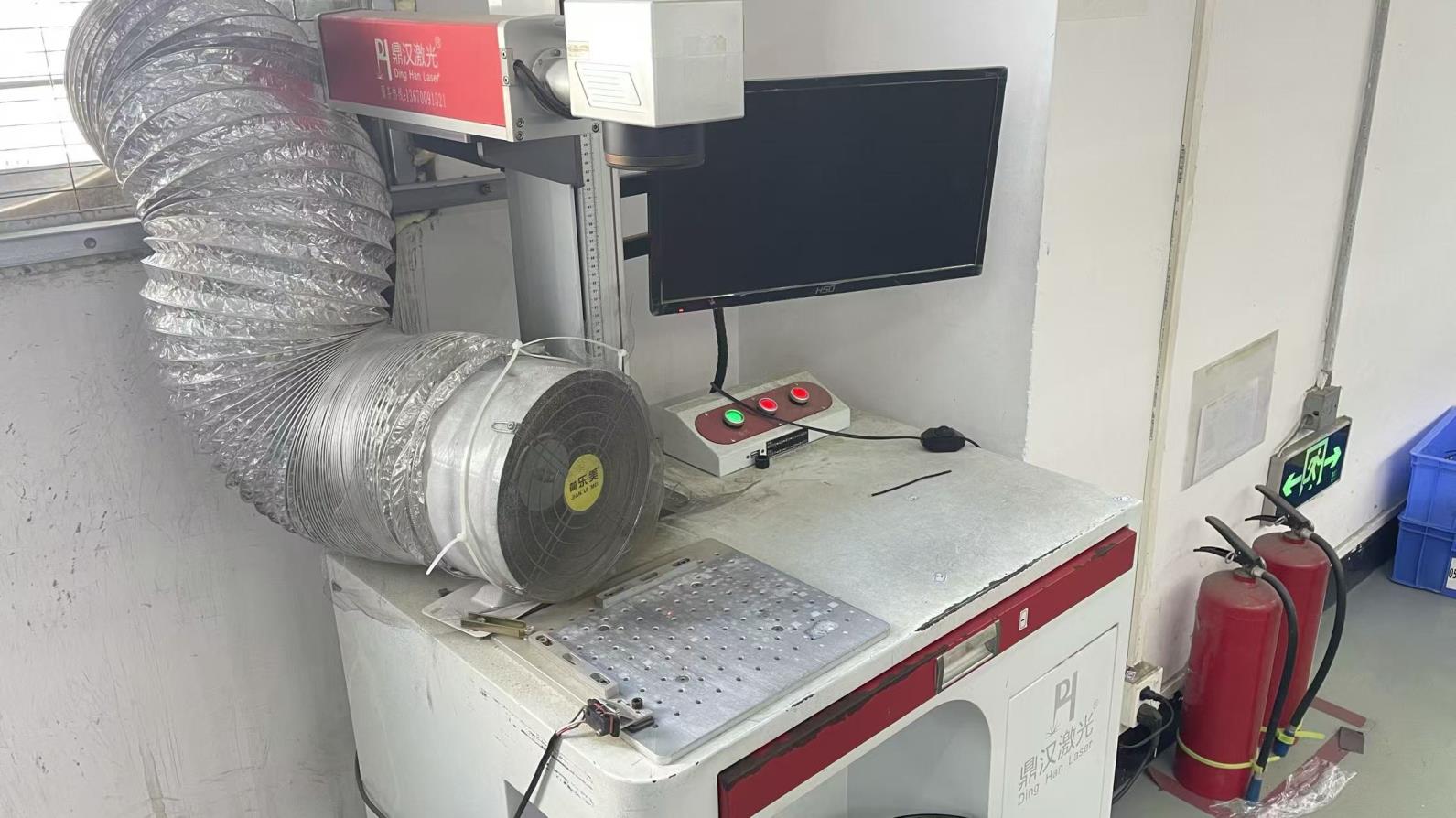
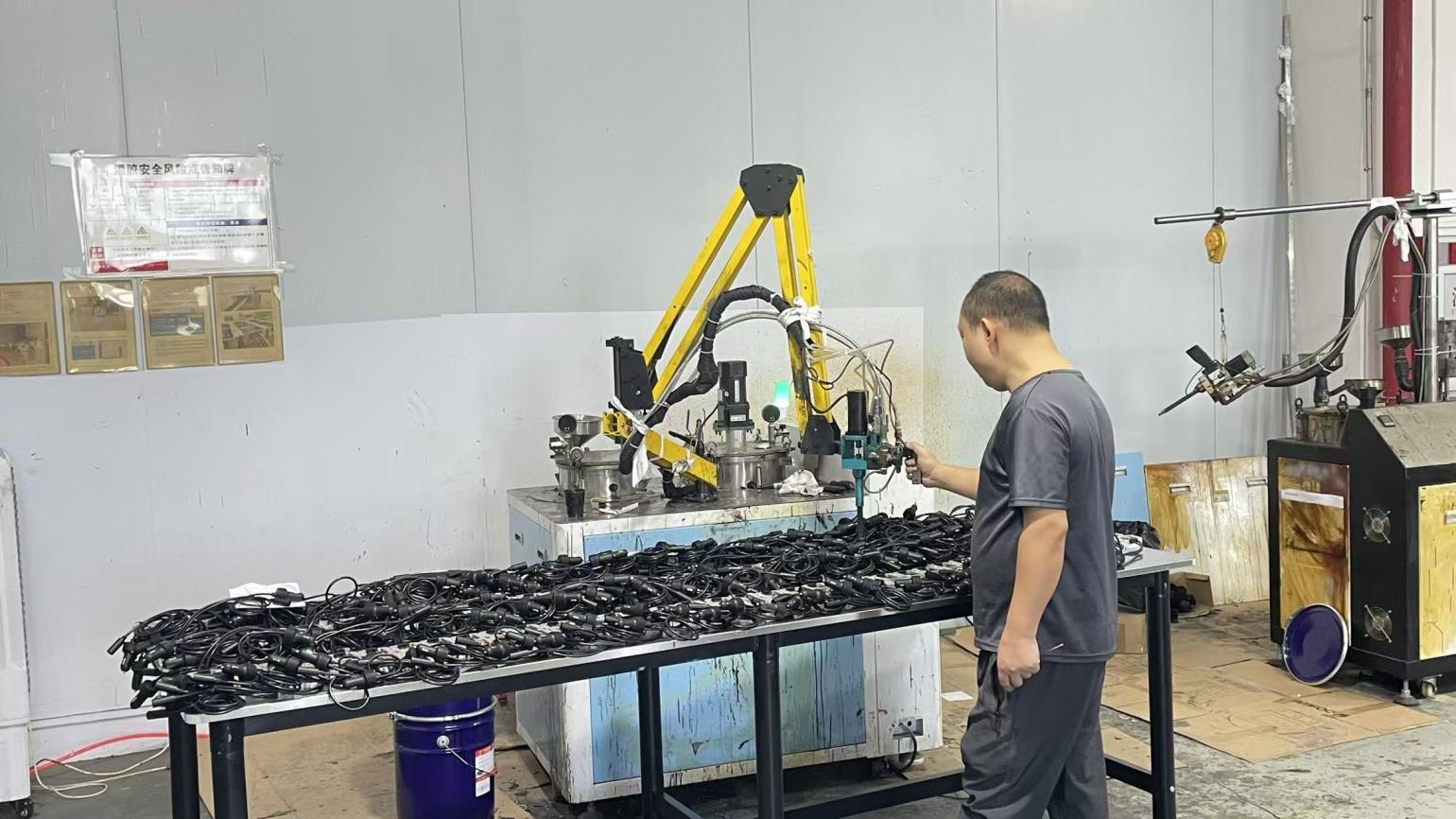
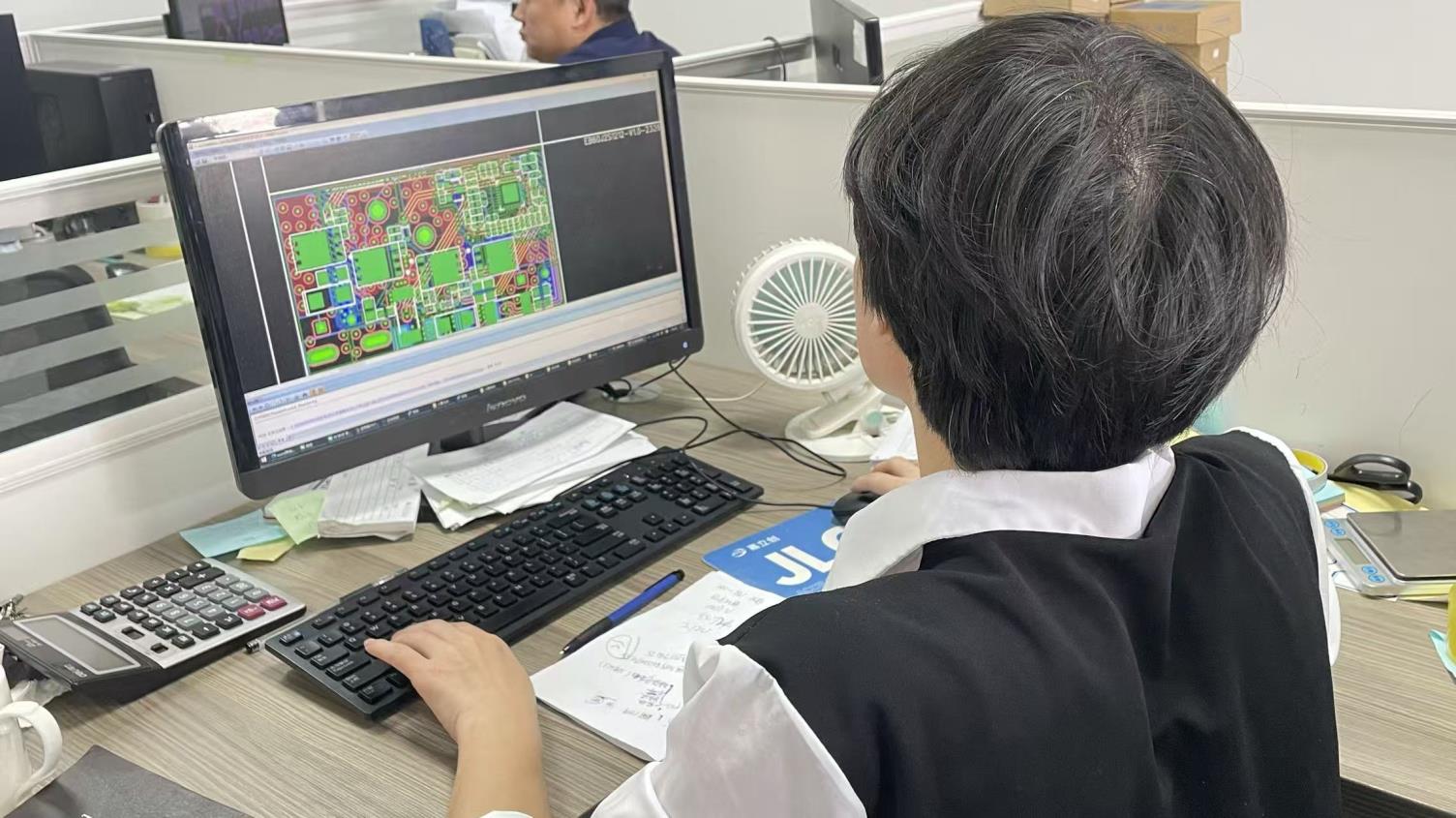
Production Flow, Assembly, and Design Steps
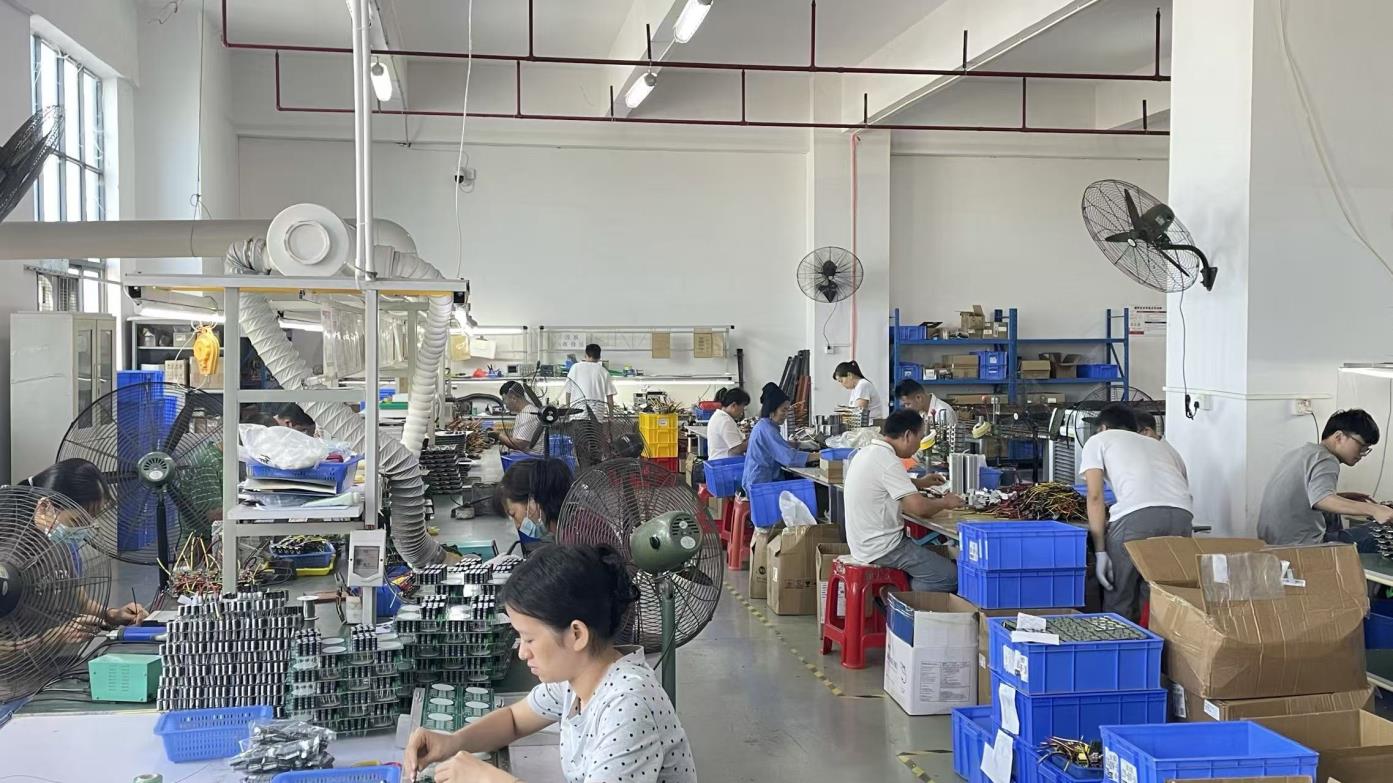
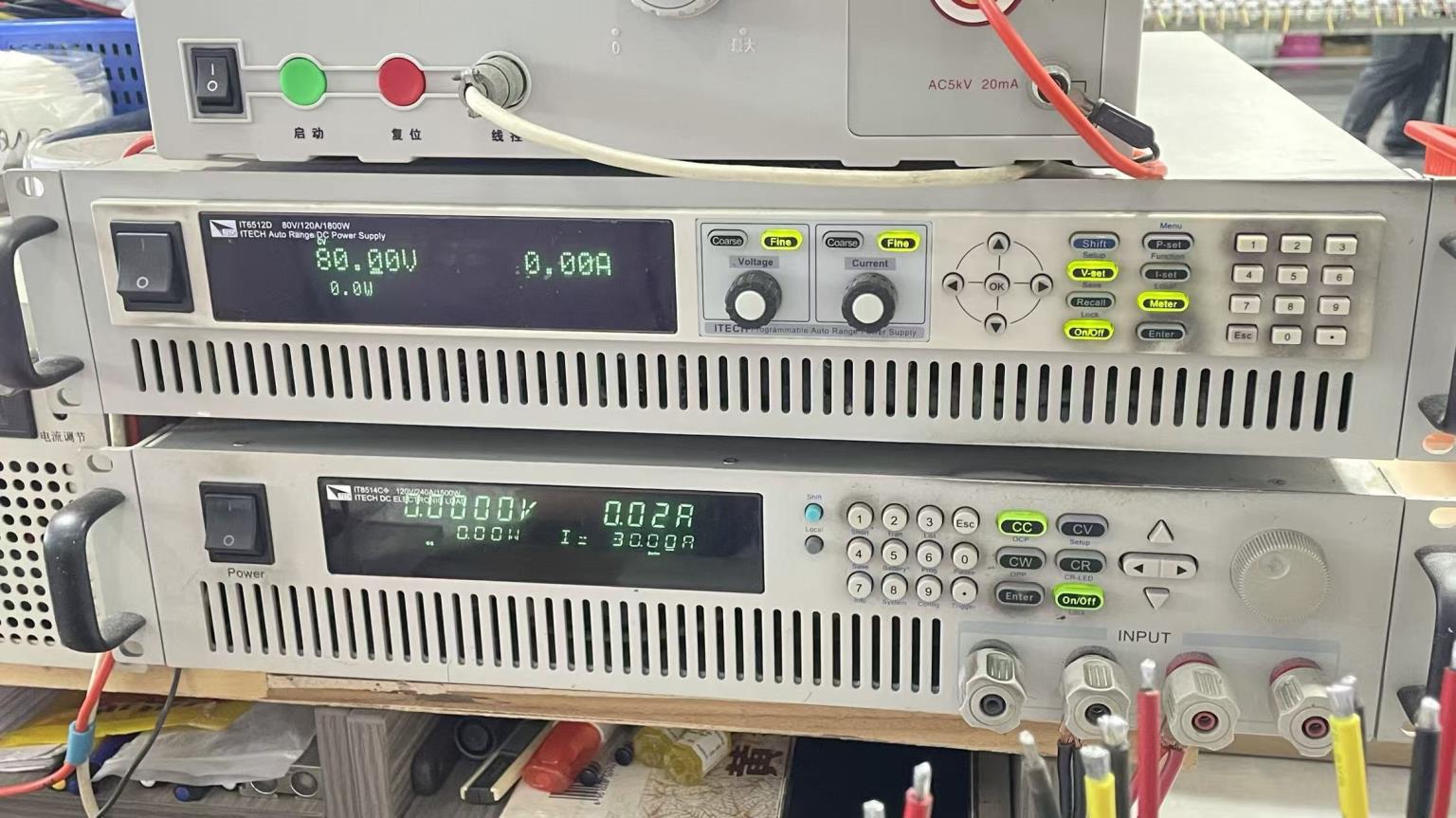
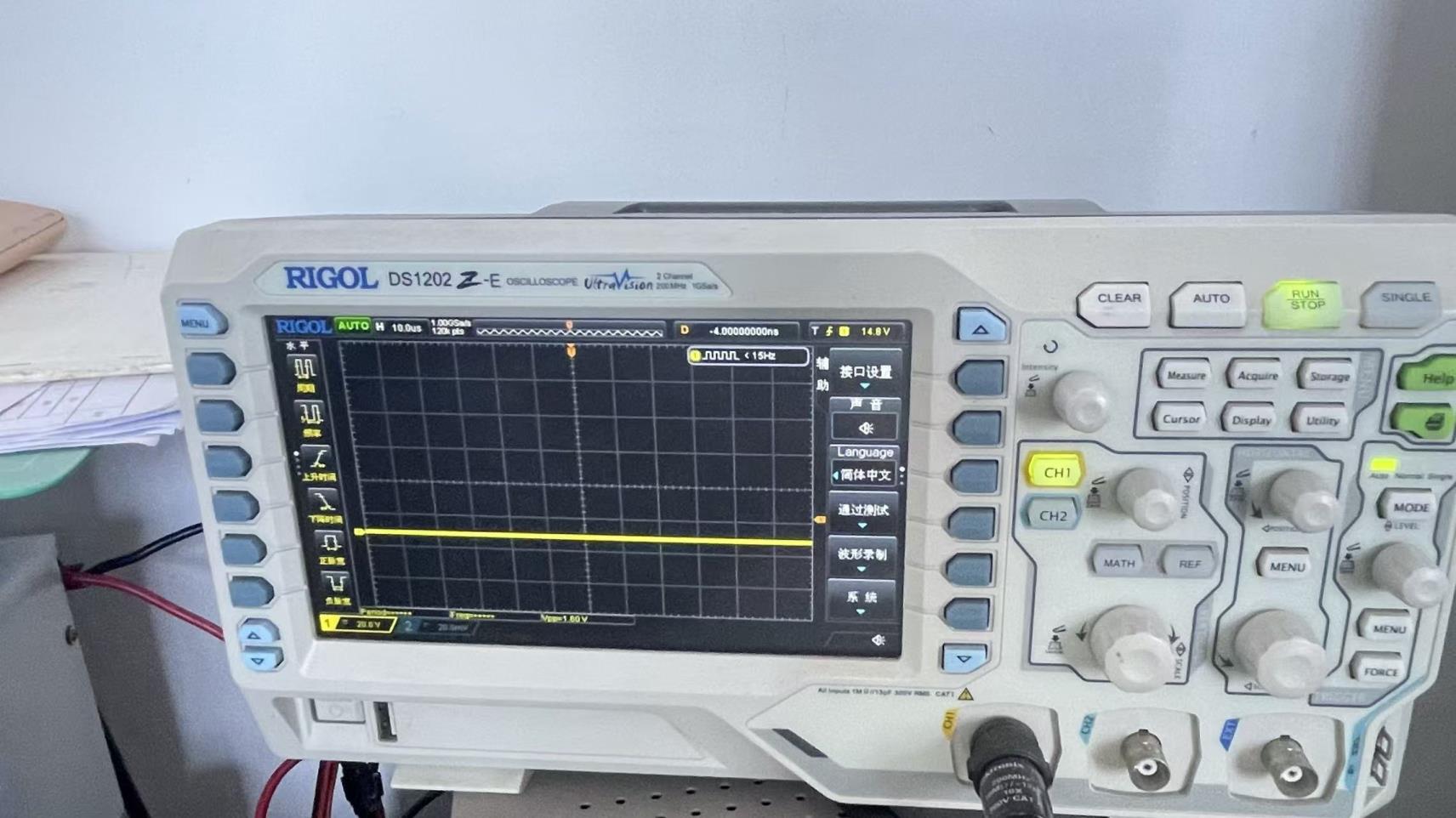
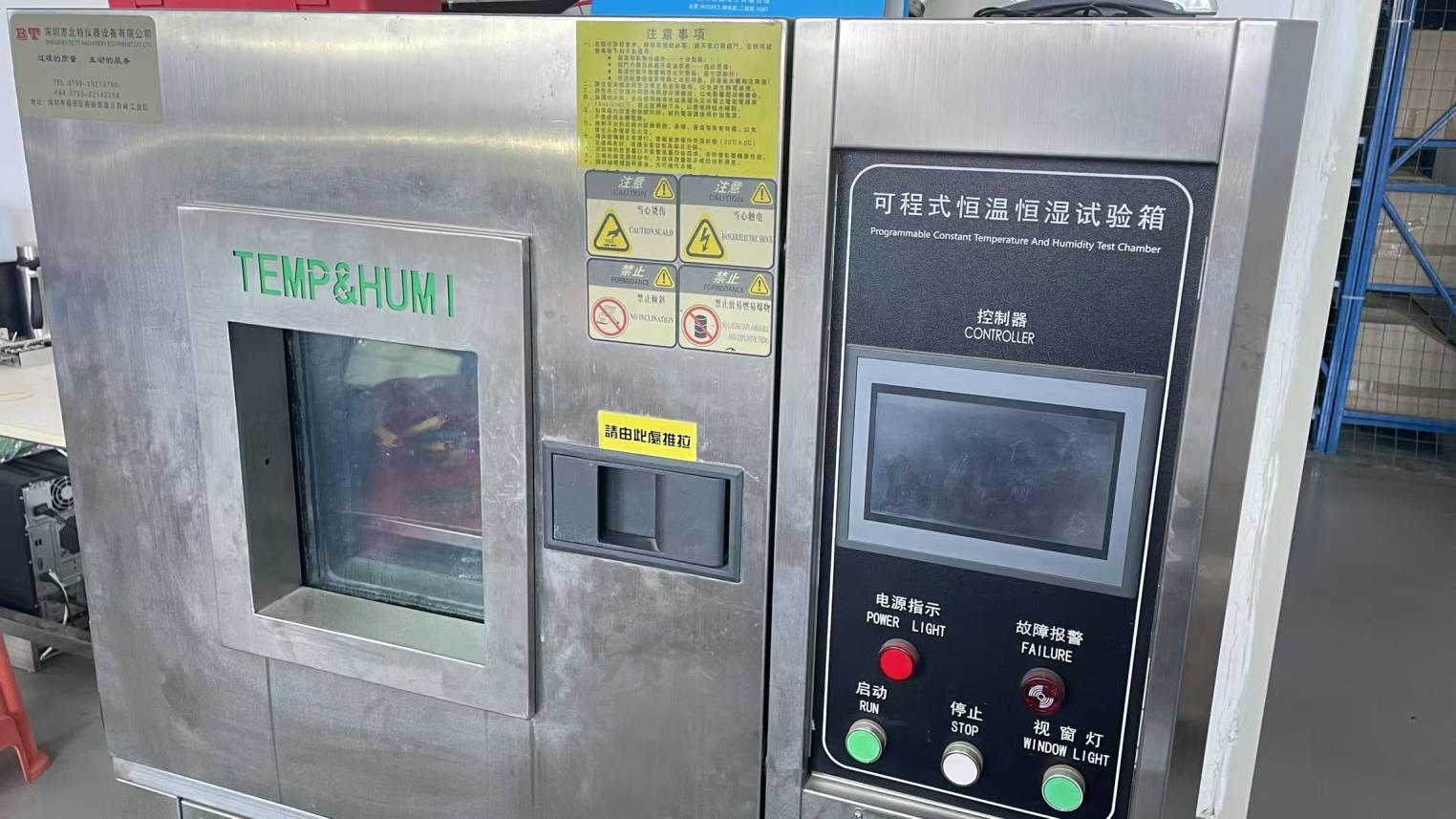
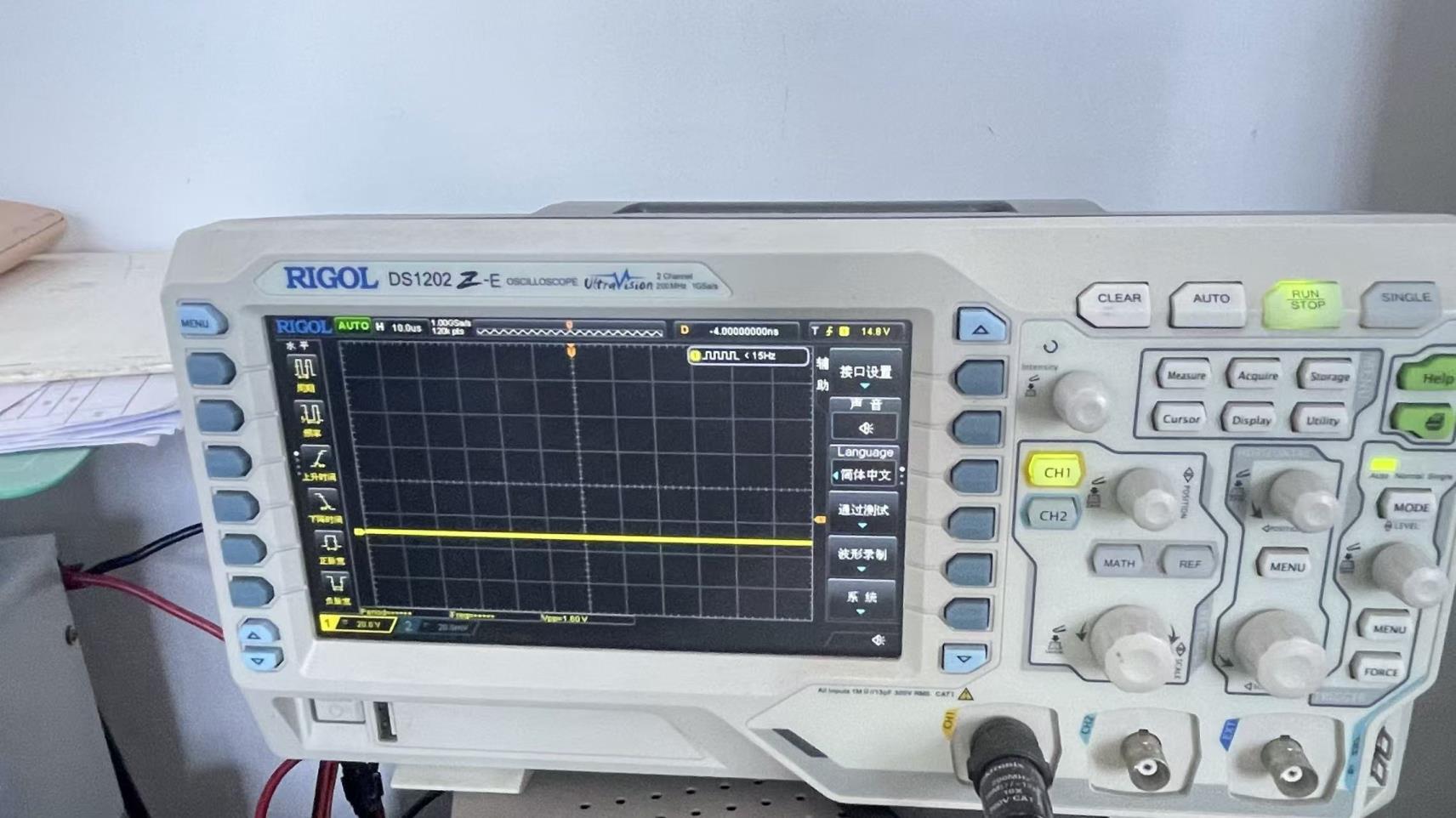
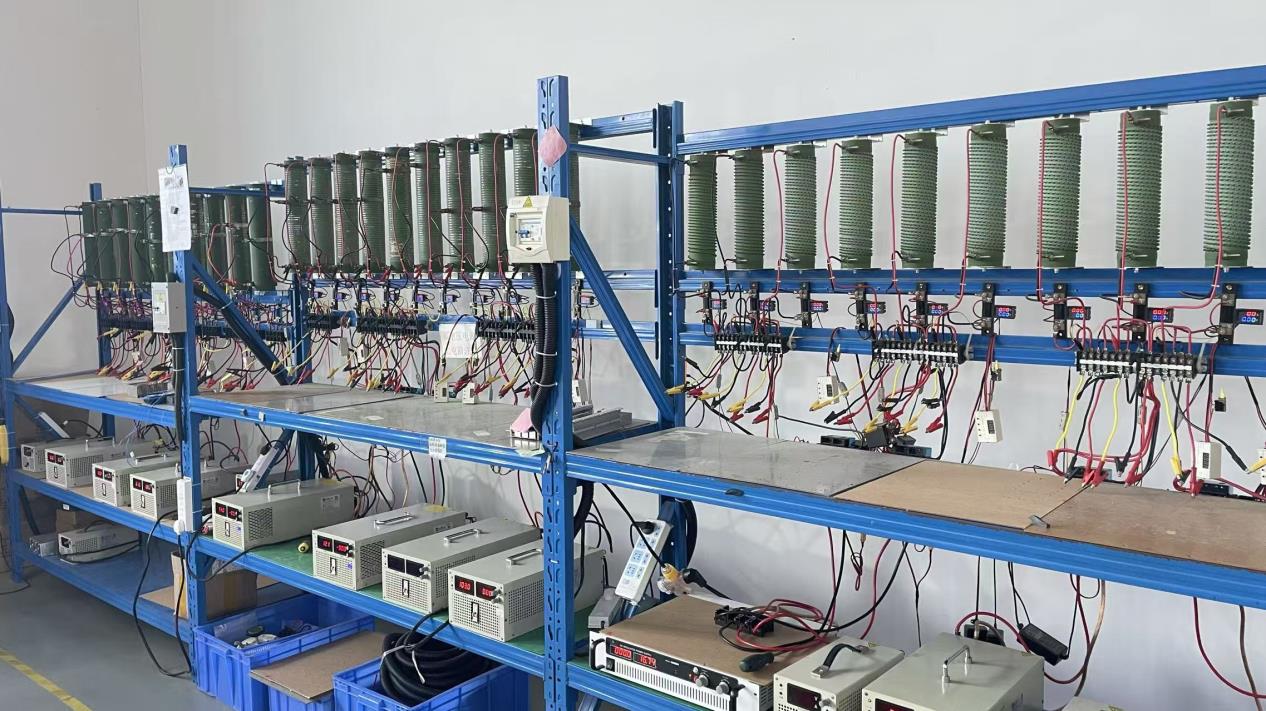
Quality Inspection & Environmental Durability Test Suite
Inverters, Converters & Static Transfer Systems
60kva Three Phase 480v/380v AC Variable Voltage and Frequency Power Supply 50hz AC Power Supply to 60hz Philippines
View Technical Details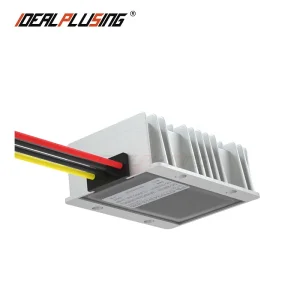
48V 60V 72V 84V 96V 108V 120V INPUT DC DC Step Down Converter to 24VDC 20A MODEL
View Technical Details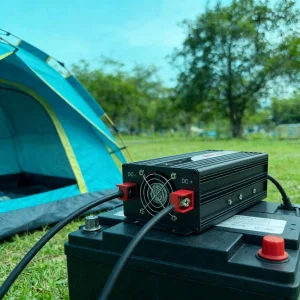
High Quality 2000W 3000W Industrial Pure Sine Wave Inverter 24V 48V 72V to 100V 110V 220V 240V Inverter
View Technical Details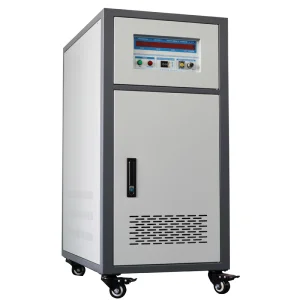
Ac Converter 220v 50hz 110v 60hz Frequency Converter Ac Power Source
View Technical Details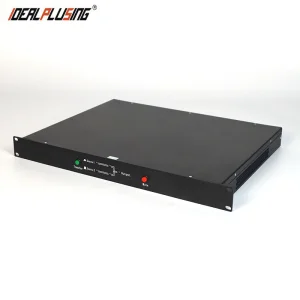
IDEALPLUSING 220V AC 16A Sts Static Transfer Switch STS Price Automatic Transfer Switch Testing
View Technical Details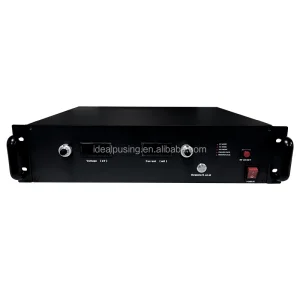
Wholesale High Voltage High Frequency Power Supply 70kv 0.85ma 60w Variable Voltage Power Supplies for Super Capacitor Charging
View Technical Details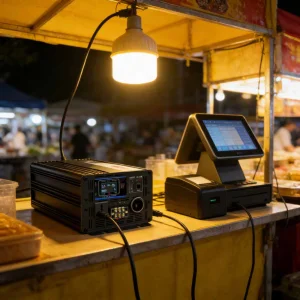
Idealplusing 5000W Pure Sine Wave Inverter Multiple Protection Functions 24V 48V 84V 110V 220V 380V Off Grid Power Inverter
View Technical Details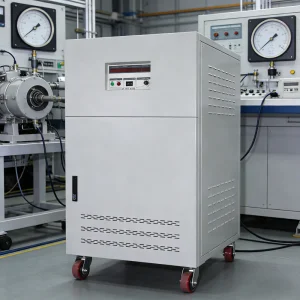
IDEALPLUSING 10kVA-50kVA Frequency and Voltage Converter 50Hz/60Hz to 400Hz High Performance OEM/ODM
View Technical DetailsLocalization Support & Global Safety Compliance
Deploying power conversion equipment internationally requires strict adherence to localized electrical codes and safety frameworks. As a global exporter, we align all manufacturing runs with regional safety requirements, guaranteeing smooth installations and regulatory compliance:
Safety Certificates
Our solutions carry certifications like CE and RoHS. We ensure compliance with EN standard thresholds for electromagnetic compatibility (EMC) and low-voltage electrical safety.
Environmental Durability
Our products feature IP67-rated waterproof sealing and specialized epoxy potting. This protection prevents humidity, particulate dust, and ambient salt air from causing internal short-circuits.
Technical Support & Global Shipping
We provide localized engineering support to help select matching circuit topologies. This service ensures seamless integration into existing layouts, whether in North America, Europe, or the Asia-Pacific region.
Data Center Power Solutions: Frequently Asked Questions
Find technical explanations regarding configurations, standard topologies, manufacturing standards, and efficiency guidelines.
Our isolated and non-isolated DC-DC buck converters are engineered to deliver peak efficiencies of 96% to 98% under normal load conditions (50% to 80% load). By utilizing low-resistance MOSFETs and high-grade inductors, we minimize thermal dissipation and reduce cooling requirements in server enclosures.
Our STS units feature a fast-switching SCR topology. When a voltage drop is detected on the primary line, the switch transfers the load to the secondary source within 3 to 5 milliseconds. This speed ensures continuous operation of downstream server power supplies, preventing system reboots.
Yes. Our programmable single-phase and three-phase AC-AC power sources allow users to adjust voltage outputs (0V to 300V+) and frequencies (10Hz to 500Hz). These systems are designed to simulate voltage drops, spikes, and frequency shifts, making them ideal for testing international compliance.
We provide extensive customization for our HVDC systems, supporting outputs up to 200kV and currents up to 20,000A. Customers can choose custom analog controls (0-5V/0-10V) or digital communication protocols (RS485, Modbus, CAN) to match their operational monitoring systems.
Every power system undergoes a strict manufacturing process. This begins with automated wire cutting and precision soldering, followed by environmental potting, 100% full-load burn-in testing, and insulation tests. Testing is conducted using specialized instruments, including high-voltage testers and constant temperature chambers.