Featured Power Solutions
🌐Macro Global Energy Insights
The global Energy Monitoring System (EMS) market is currently undergoing a radical shift, driven by the dual imperatives of decarbonization and operational efficiency. As of 2024, industrial and commercial sectors account for nearly 40% of global energy consumption. The rise of Industry 4.0 and the integration of Internet of Things (IoT) have transformed energy monitoring from a passive recording task into a proactive, real-time optimization strategy.
Enterprises worldwide are no longer just looking for "meters"; they are seeking integrated ecosystems that combine high-precision DC-DC converters, robust AC-DC power supplies, and intelligent software layers. These systems provide the critical data granularity needed to meet ESG (Environmental, Social, and Governance) reporting standards and reduce carbon footprints.
Top 10 Manufacturers Landscape
Leading the Charge in Energy Intelligence
1. Schneider Electric
Global leader in EcoStruxure architecture, providing end-to-end digital transformation for energy management.
2. Siemens AG
Dominates the industrial sector with its Desigo and SIMATIC energy suites, focusing on smart grid integration.
3. Honeywell International
Specializes in building automation and energy monitoring for large-scale commercial real estate.
4. ABB Ltd
Focuses on electrification and high-power monitoring for utility and heavy industry sectors.
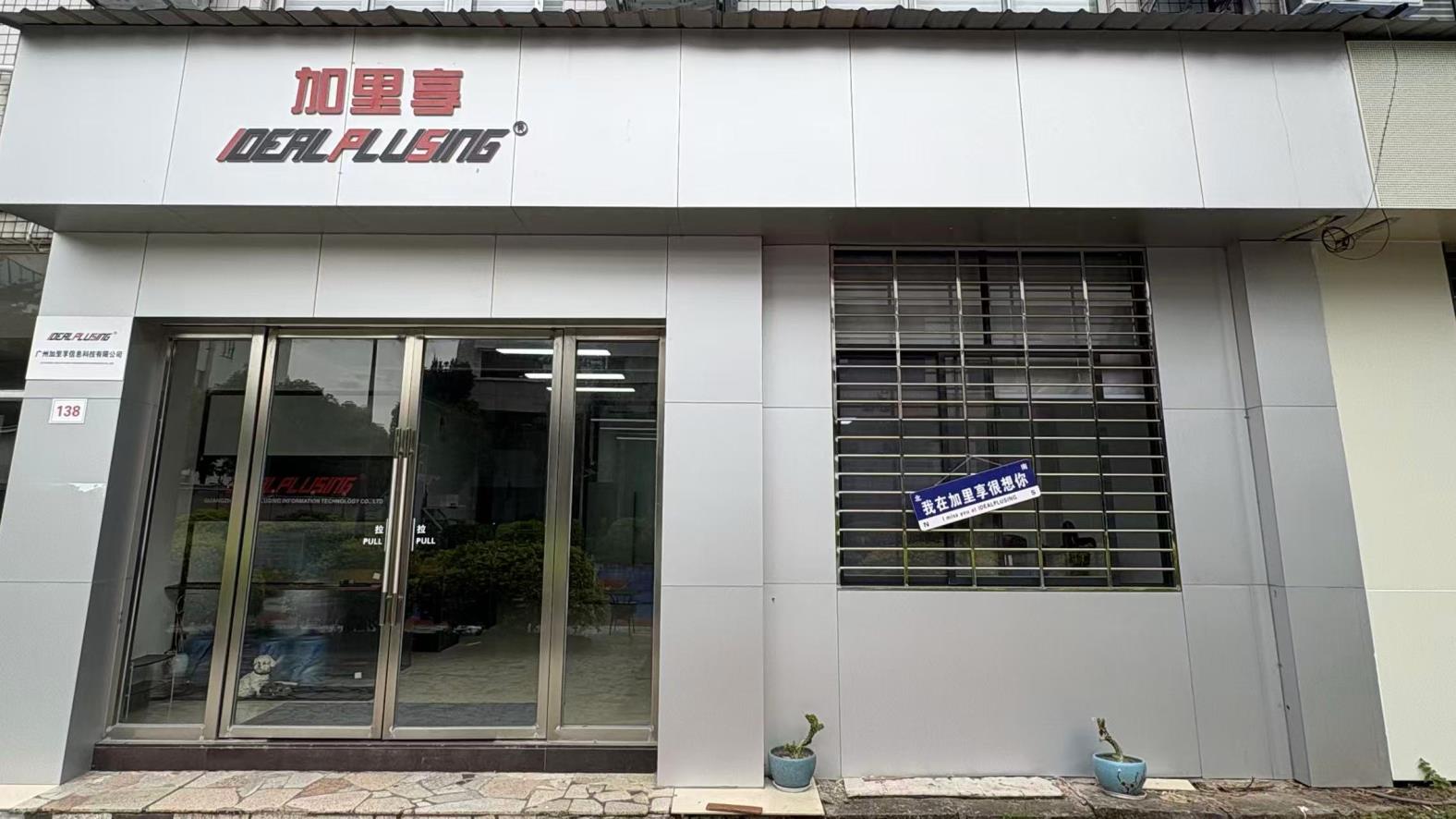
5. IDEALPLUSING (Our Facility)
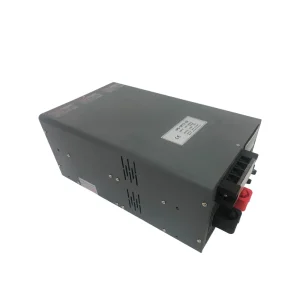
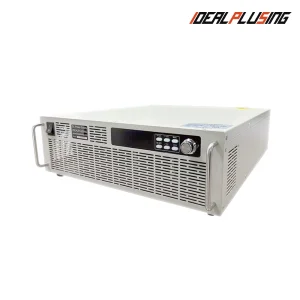
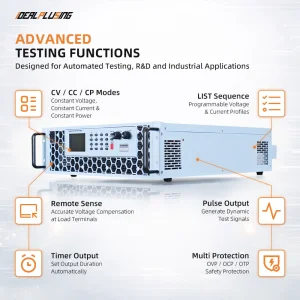
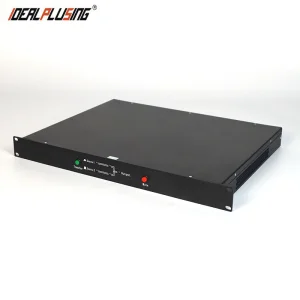
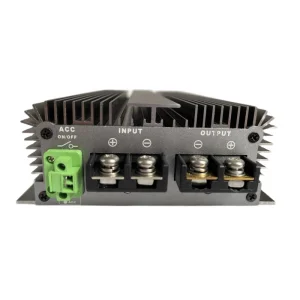
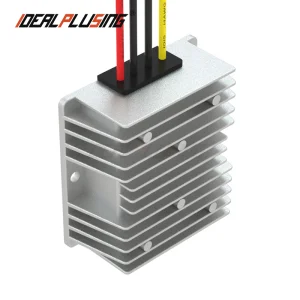
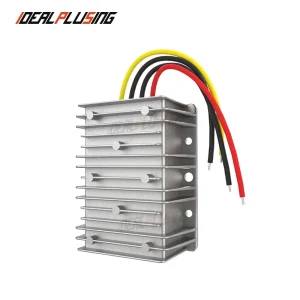
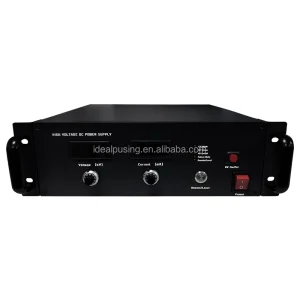
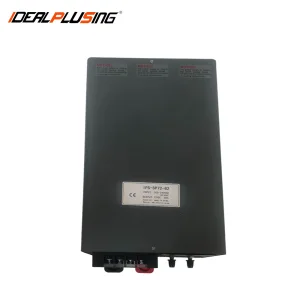
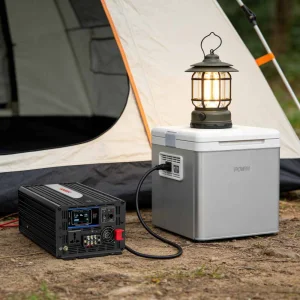
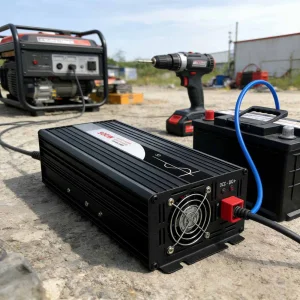
A specialized high-precision power supply manufacturer offering customized DC-DC, AC-DC, and Inverter solutions for specialized EMS hardware.
6. Eaton Corporation
Pioneers in power quality and distribution monitoring for data centers and healthcare.
7. Emerson Electric
Focuses on process automation and energy efficiency for the oil, gas, and chemical industries.
8. Rockwell Automation
Integrates energy data into the industrial control loop for optimized production energy usage.
9. Johnson Controls
Specialists in smart building technologies and HVAC-focused energy monitoring.
10. General Electric (GE)
Leading the digital grid revolution with advanced sensor technologies and analytics.
📊Enterprise Procurement Demands
What Modern CTOs and Facility Managers Prioritize
When sourcing energy monitoring hardware and systems, global procurement teams focus on three pillars: Precision, Interoperability, and Reliability.
- Scalability: The ability to start with a single production line and scale to a multi-national footprint.
- Compliance: Systems must adhere to local regulations such as CE, RoHS, and UL certification.
- Data Security: As energy data becomes "mission-critical," encrypted transmission protocols are mandatory.
- Technical Support: Rapid response and local engineering support to minimize downtime.
🚀Technical Roadmap & Future Outlook
AI & Predictive Analytics
Future systems won't just report usage; they will predict equipment failure based on power signature analysis (NILM technology).
Edge Computing
Processing data at the sensor level to provide micro-second response times for power quality stabilization.
Energy Harvesting
Self-powered sensors that eliminate the need for wiring or batteries in large-scale industrial deployments.
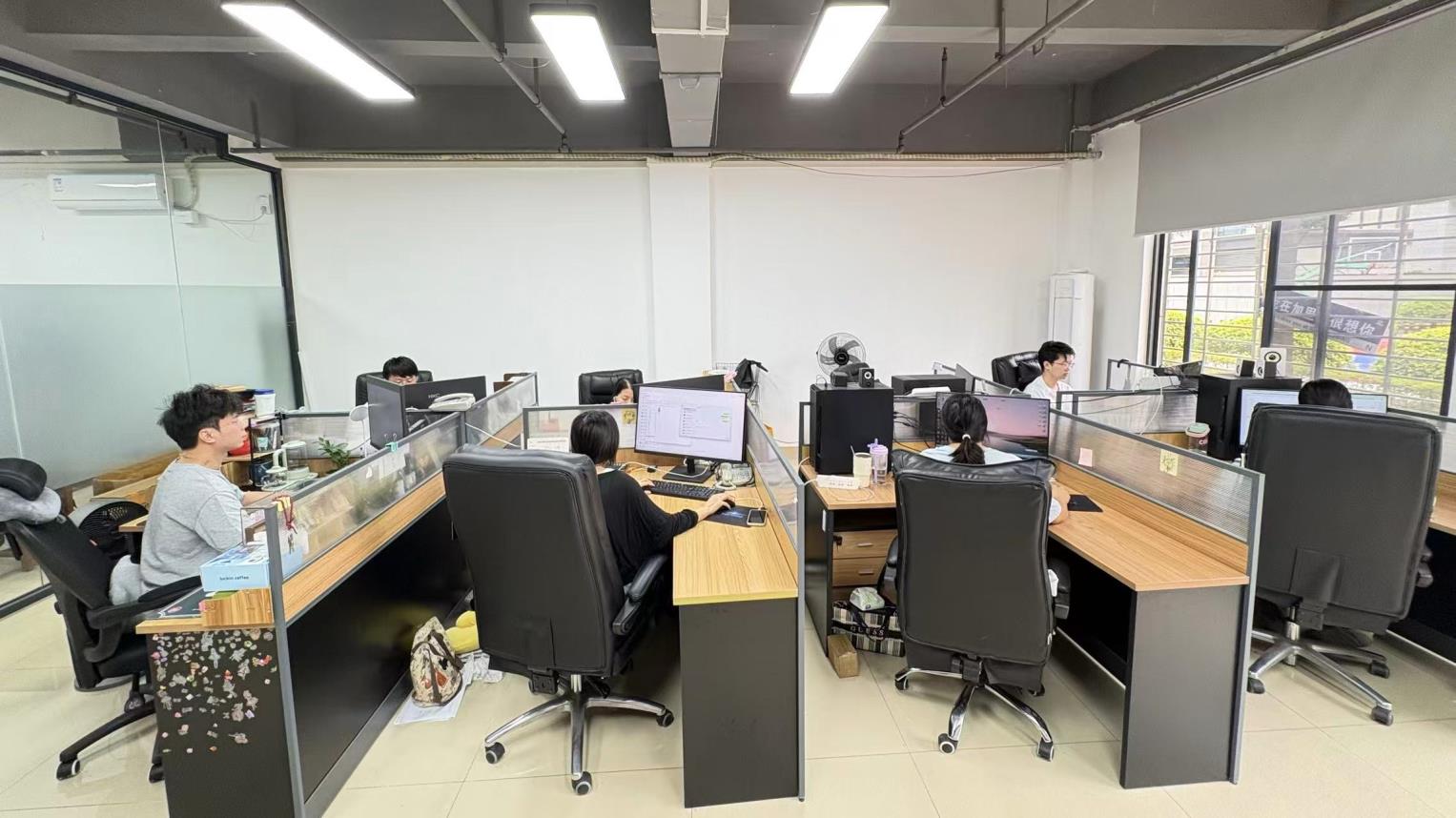
Who We Are: IDEALPLUSING
Specialized Manufacturing Excellence in Guangzhou, China
We are not just a supplier; we are an integrated partner in energy hardware development. With our own factories in Guangzhou, China, and a network of over 20 specialized cooperation facilities, we employ 60+ skilled workers to manage a portfolio of over 10,000 different models of power supply units.


Our Core Capabilities
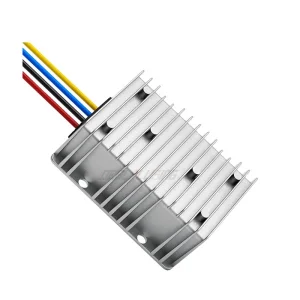
DC-DC Conversion
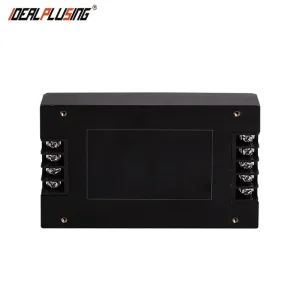
Isolated and non-isolated modules, voltage from 12vdc to 1000vdc, power from 1-200kw.
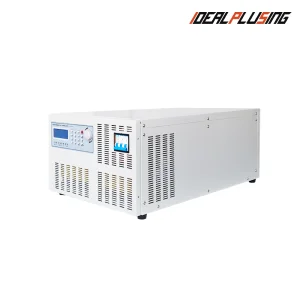
AC-DC Power Supplies
High-precision systems ranging from 0 to 200kv, with currents up to 20k amps.
DC-AC Inverters
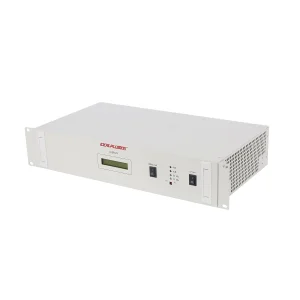
Advanced sine wave technology, dc voltage from 12vdc to 2000vdc, power up to 500kw.
AC-AC Power Sources
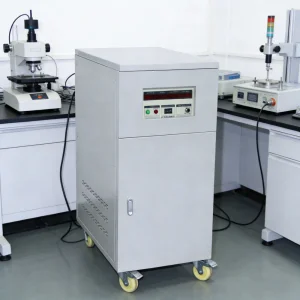
Single/3-phase solutions, 10-500hz variable frequency, power from 1kva to 500kva.
Precision Manufacturing & Quality Control
Adhering to "Leading Technology, Reliable Quality, Satisfactory Service"
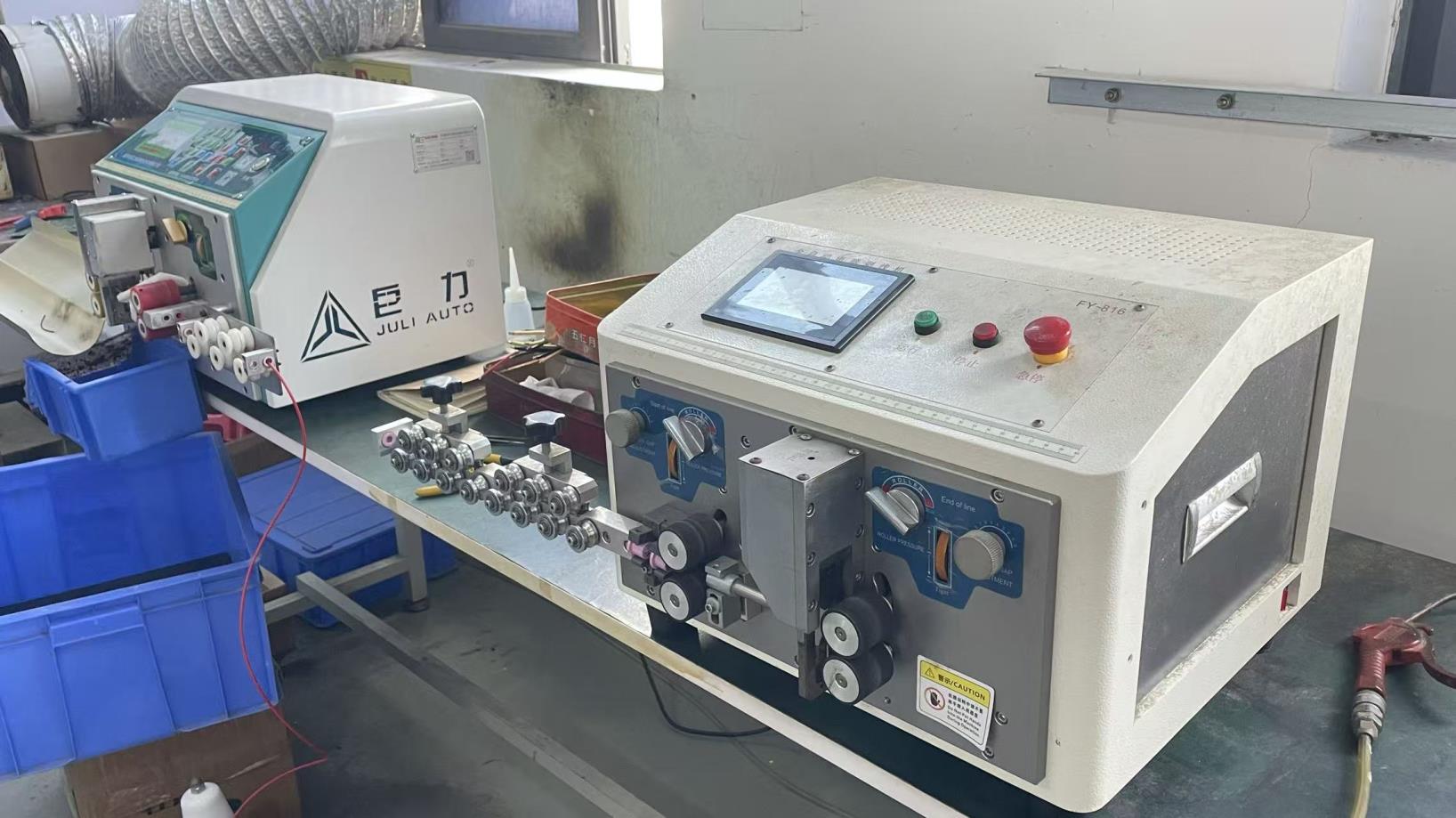 Wire Cutting
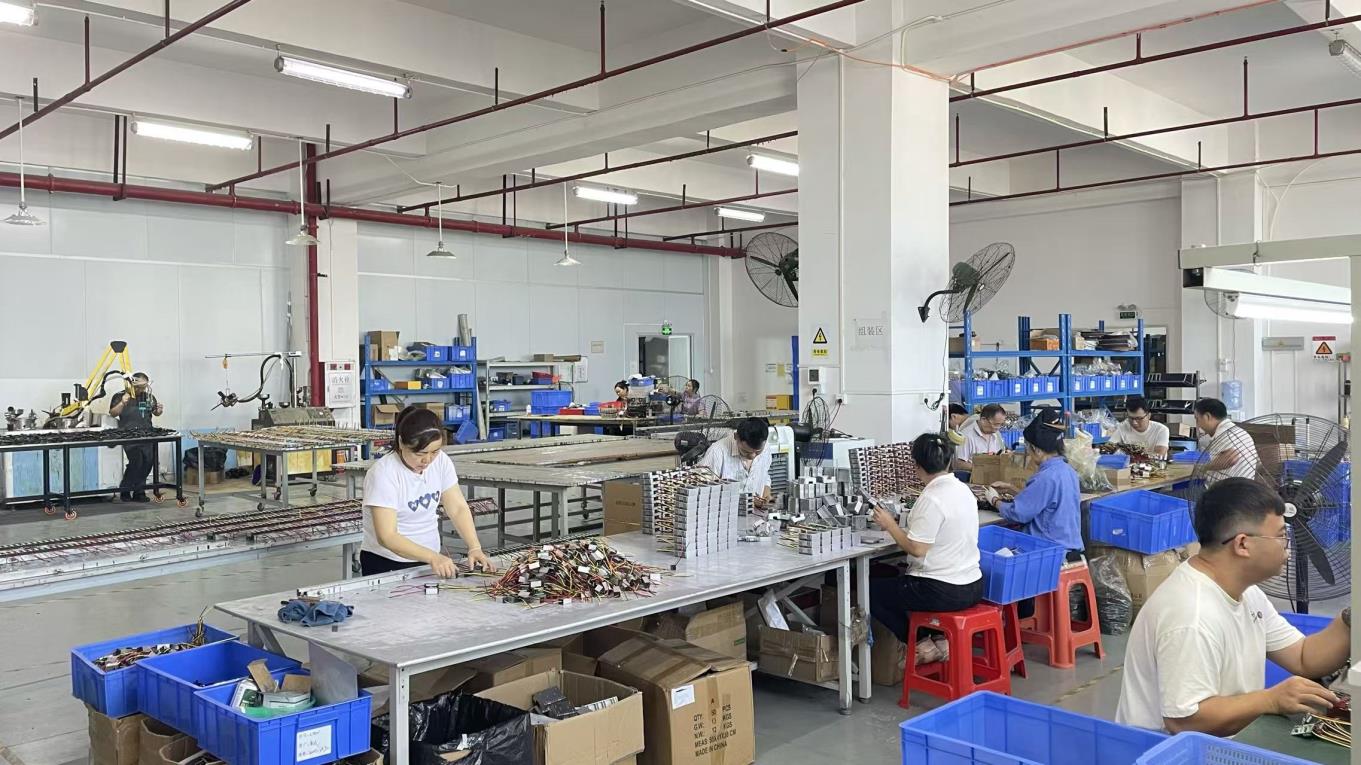 Plug-In
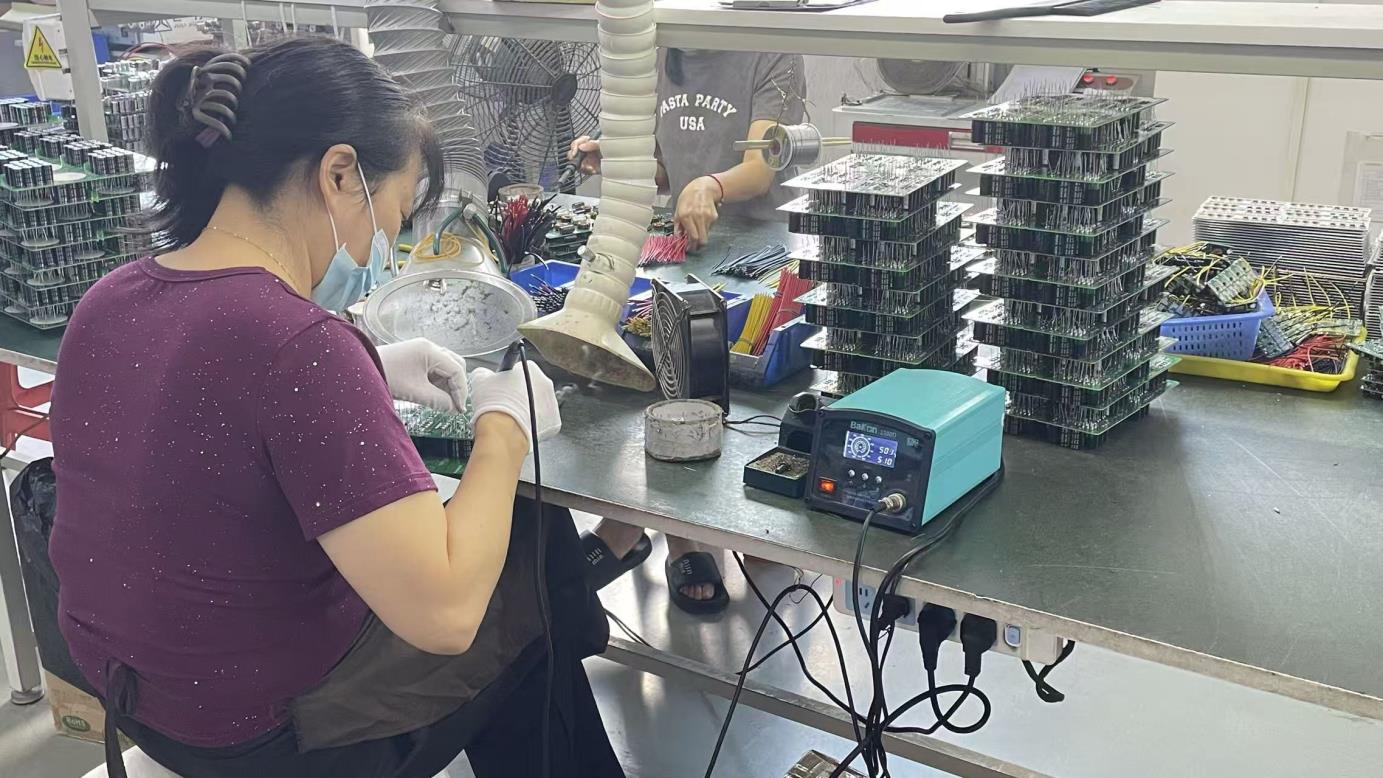 Soldering Tin
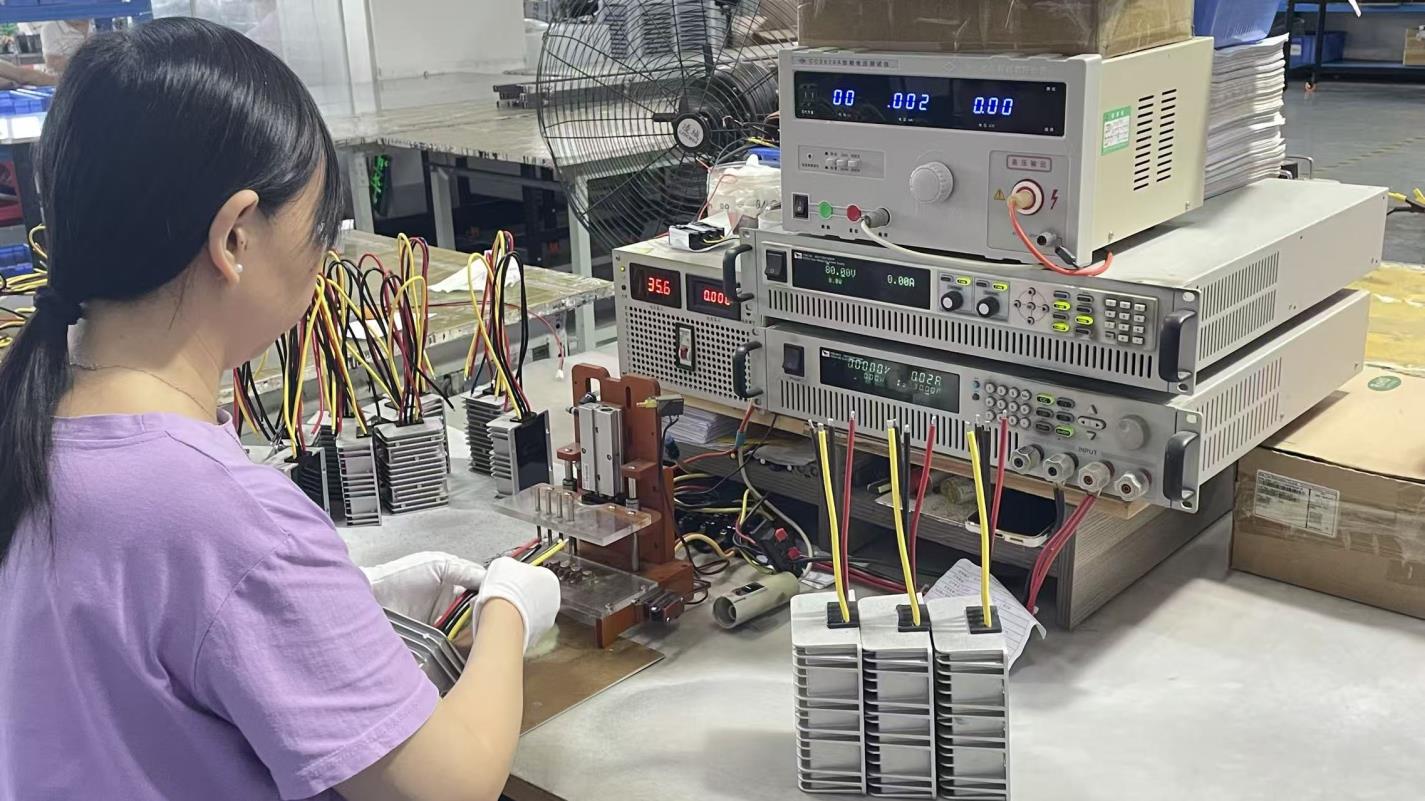 Quality Test
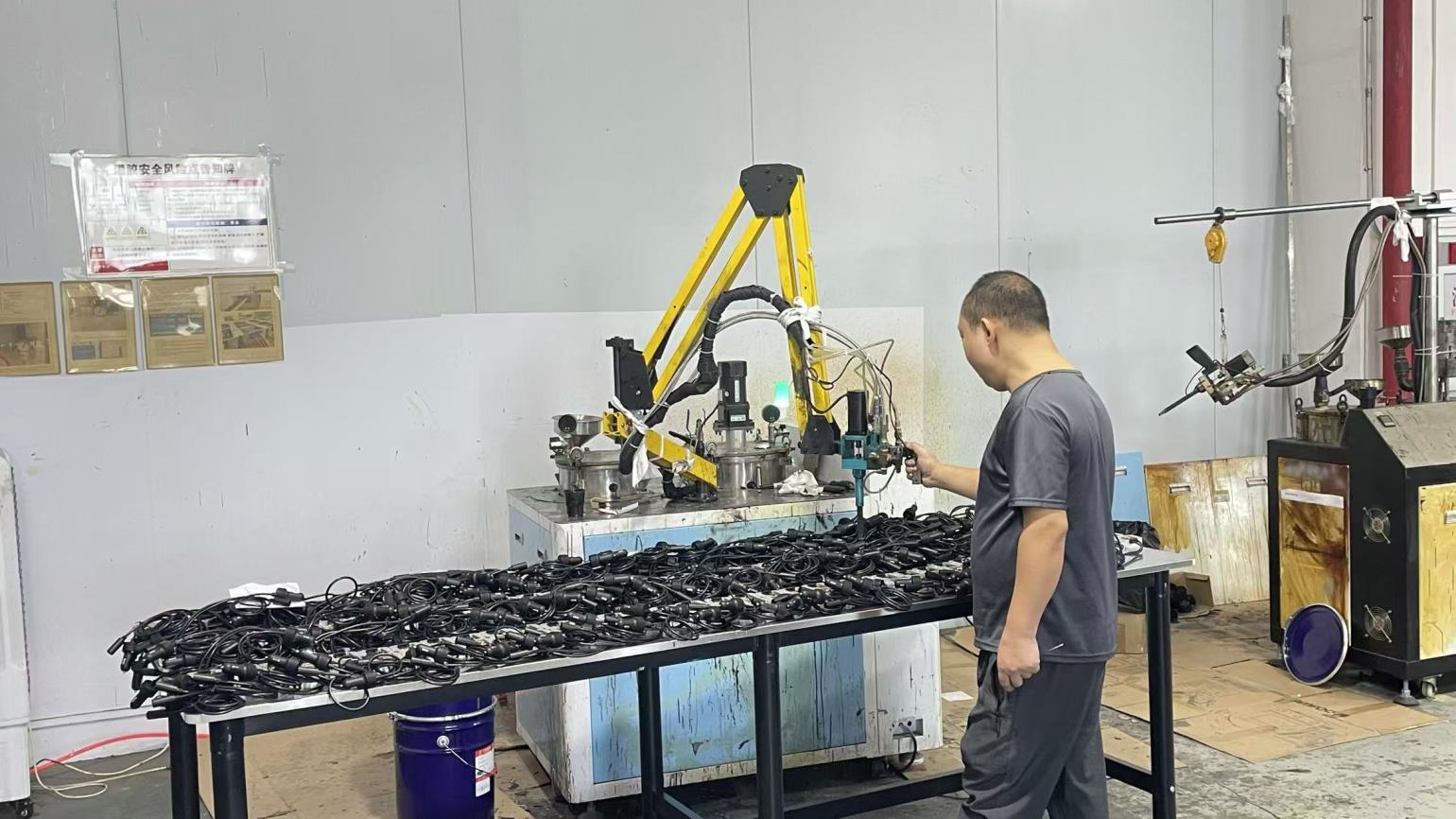 Glue Filling
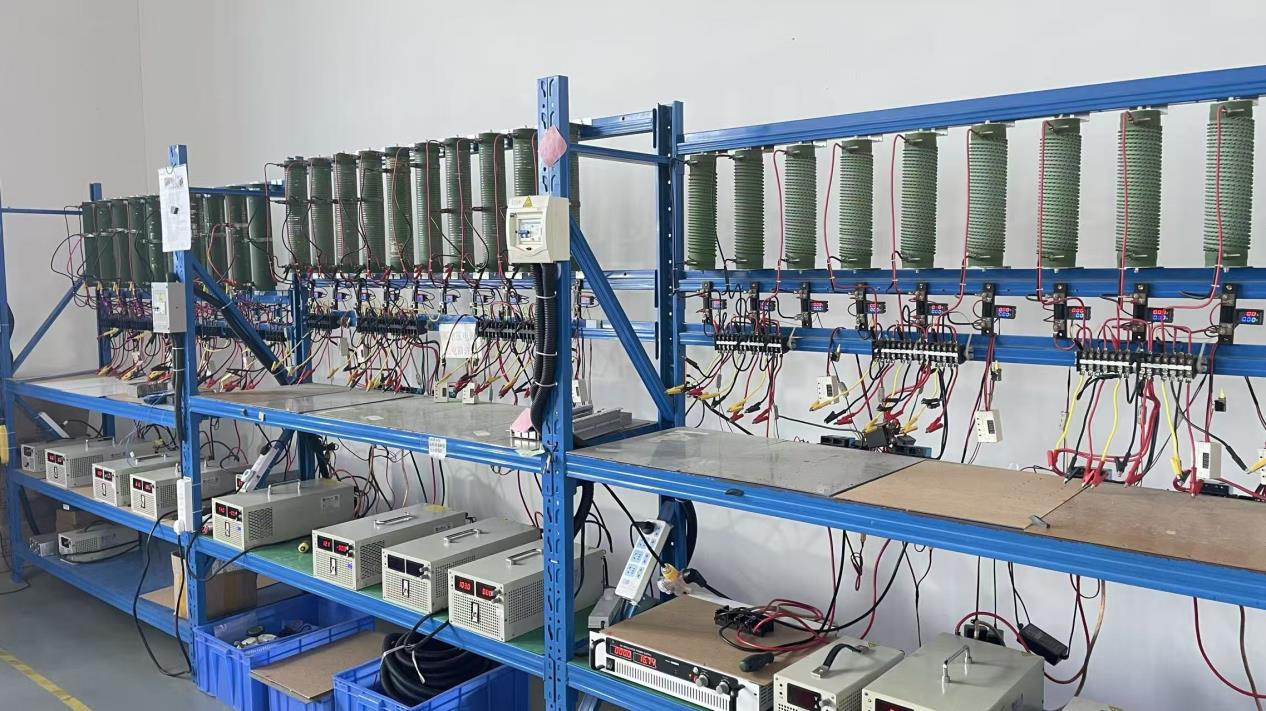 Burn-In Test
 Packaging
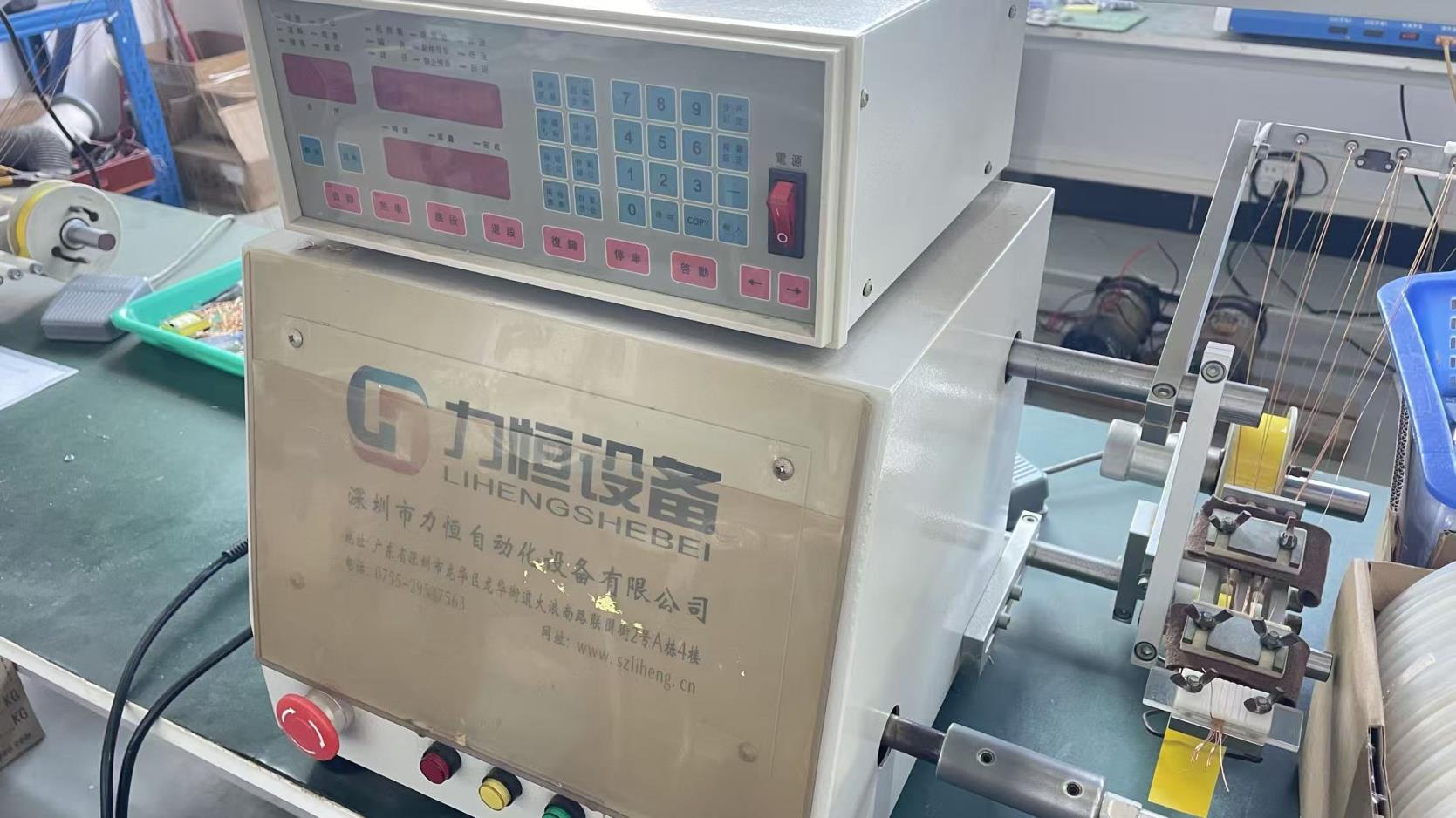 Winding
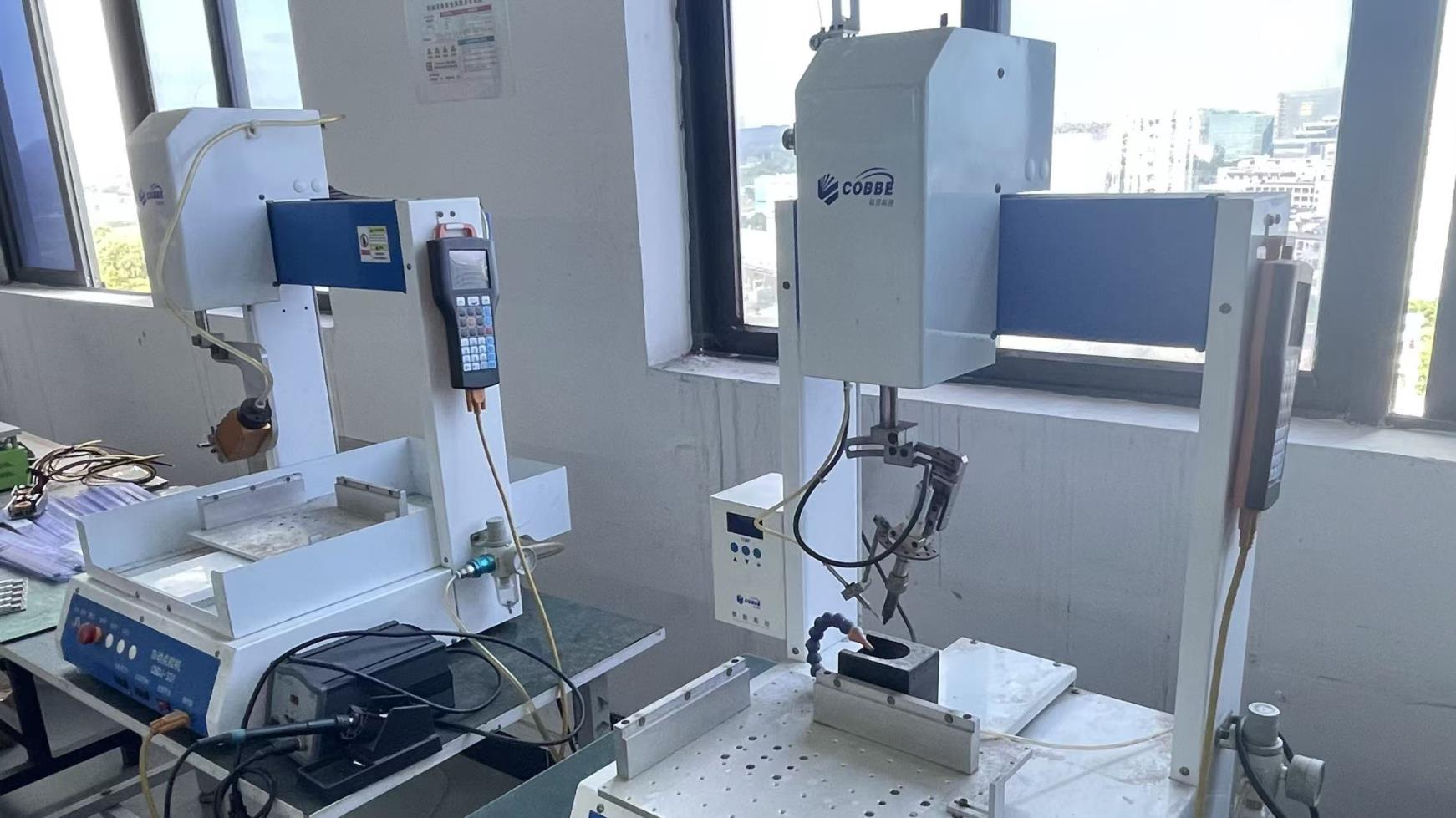 Auto Soldering
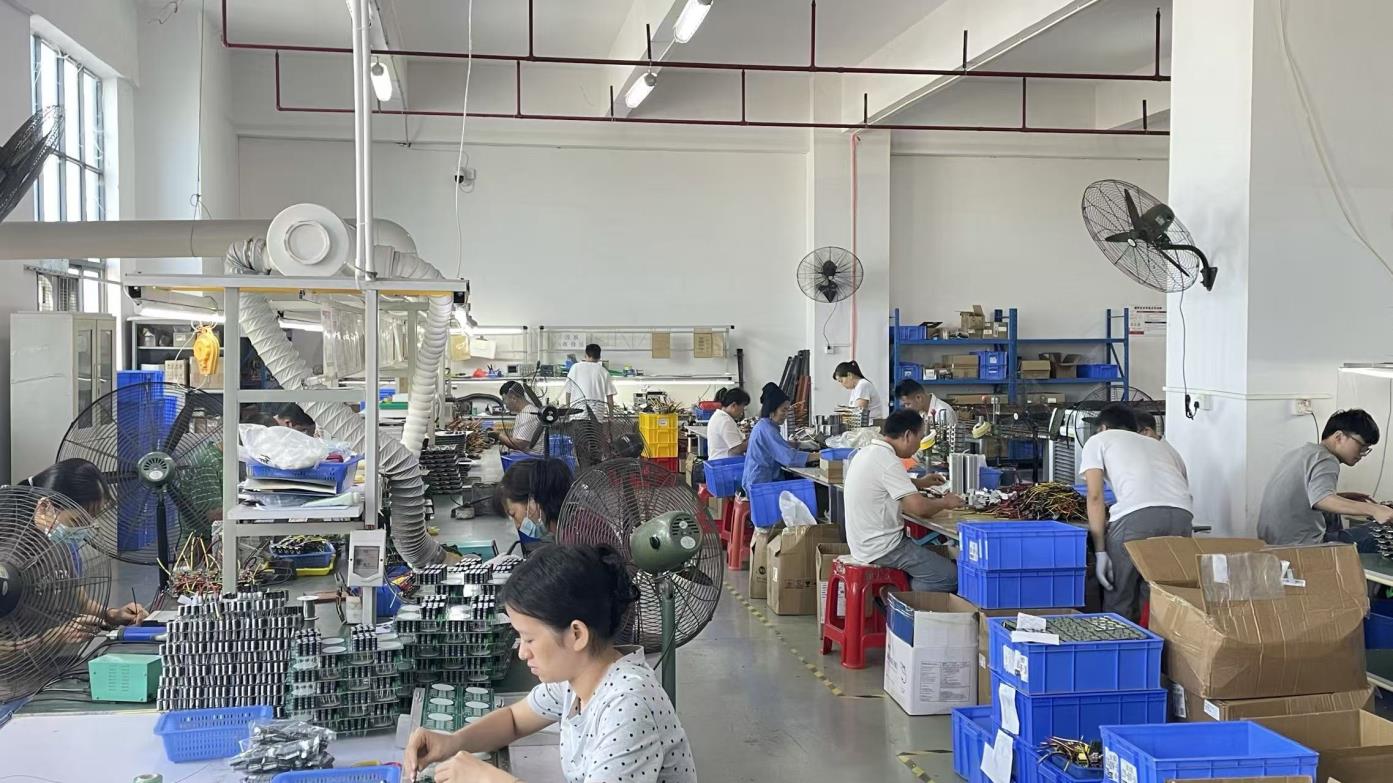 Assembly Line
Advanced Laboratory & Verification Equipment
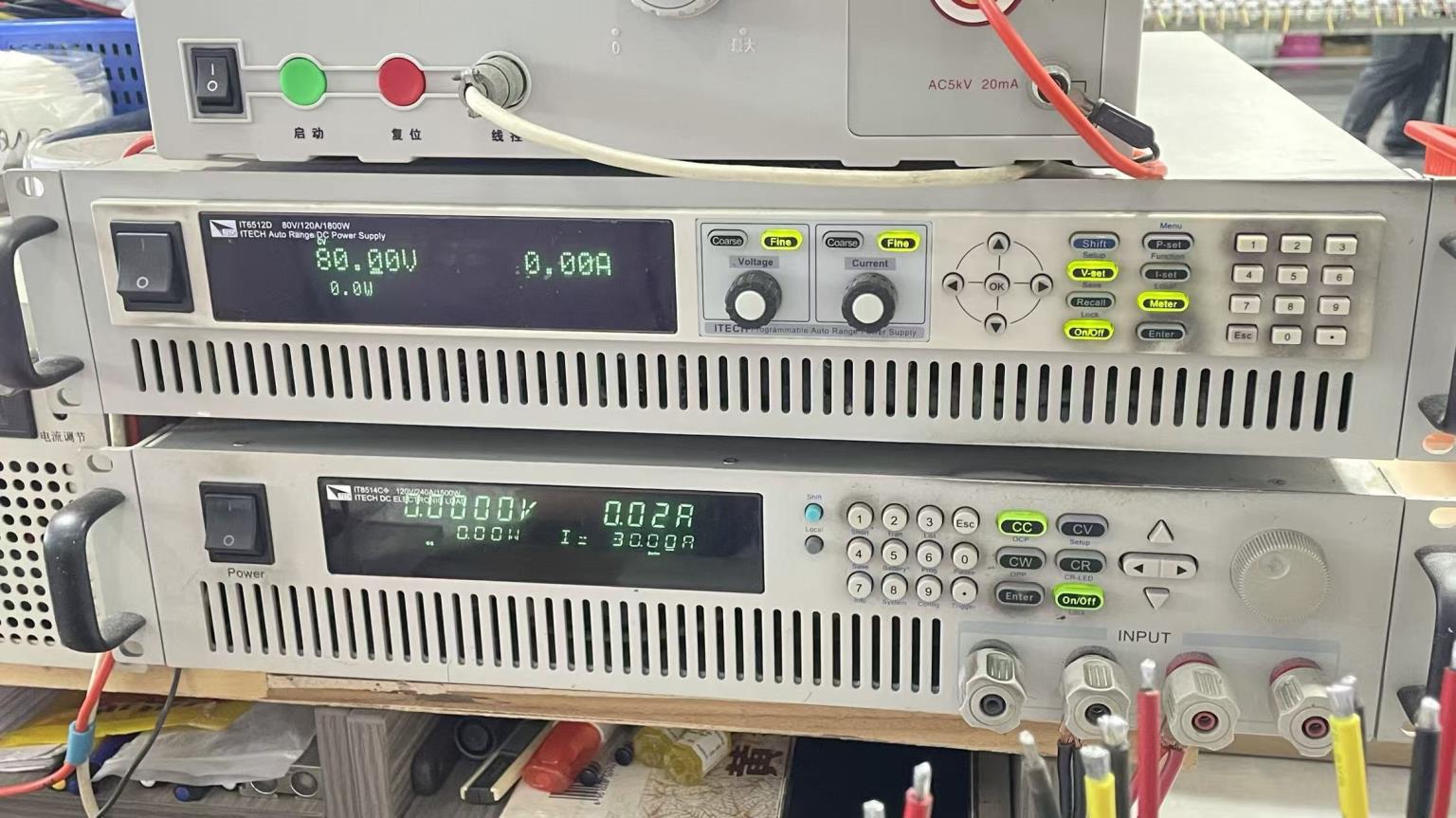 DC Tester
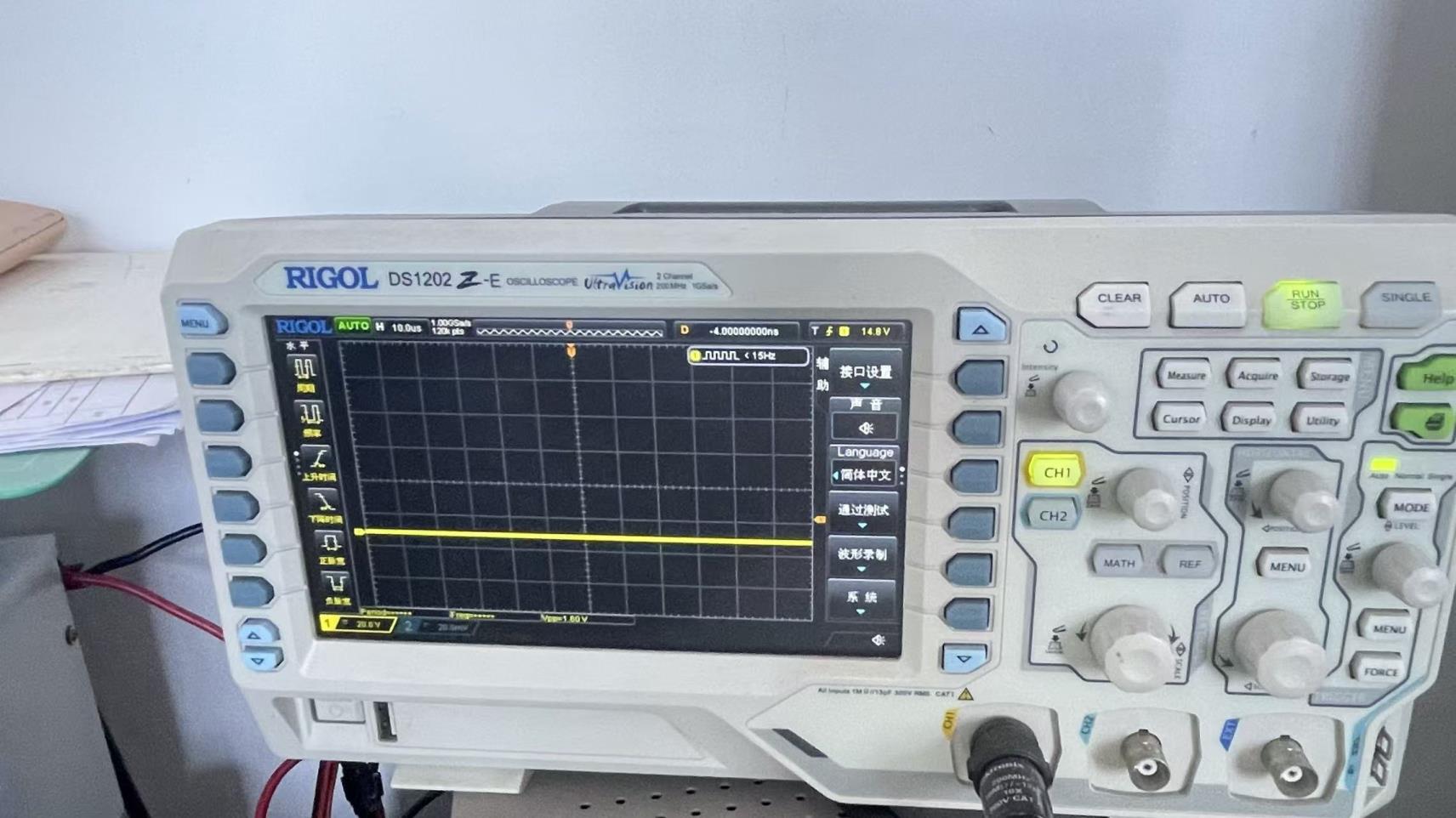 Voltage Tester
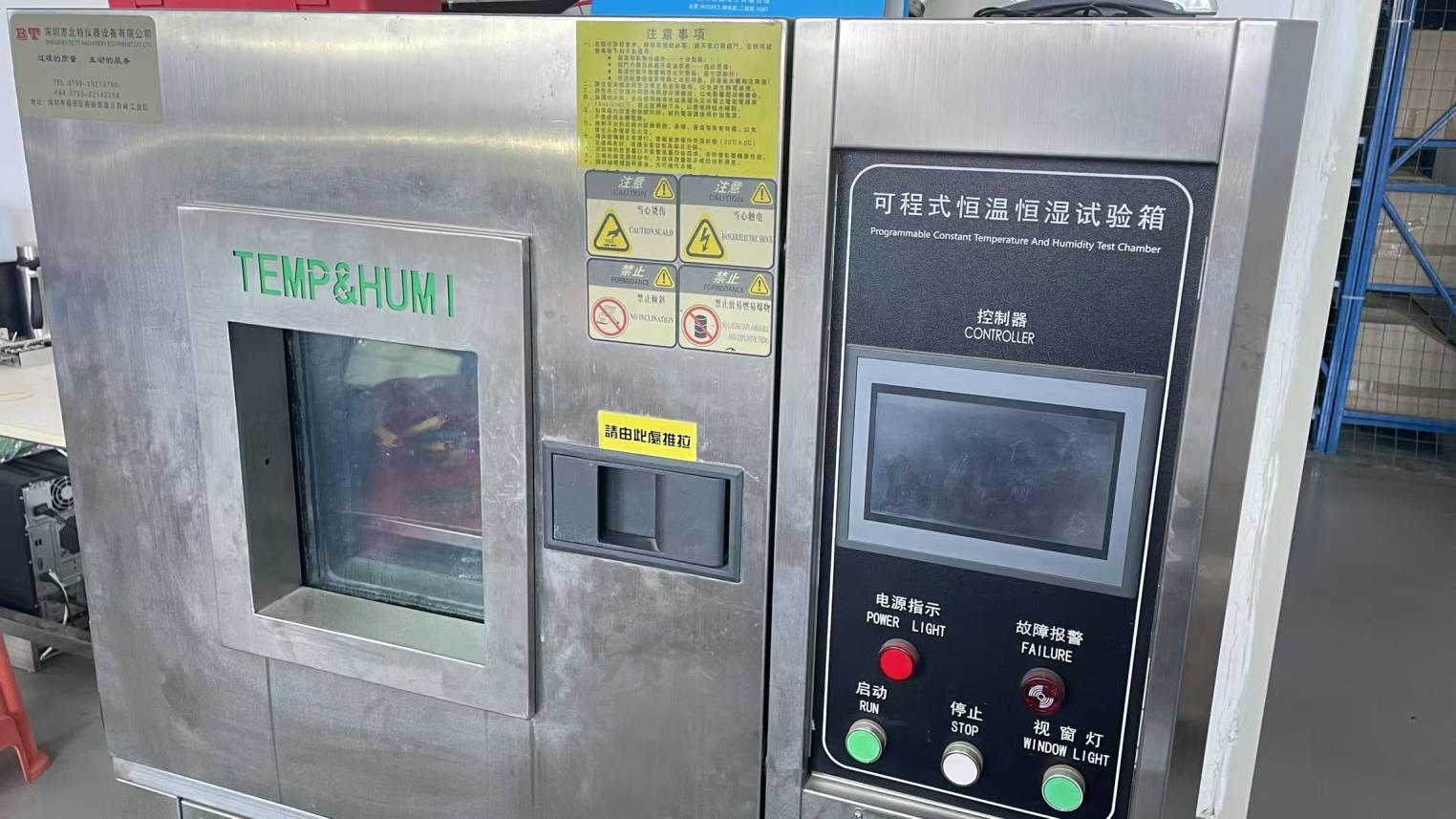 Temp Chamber
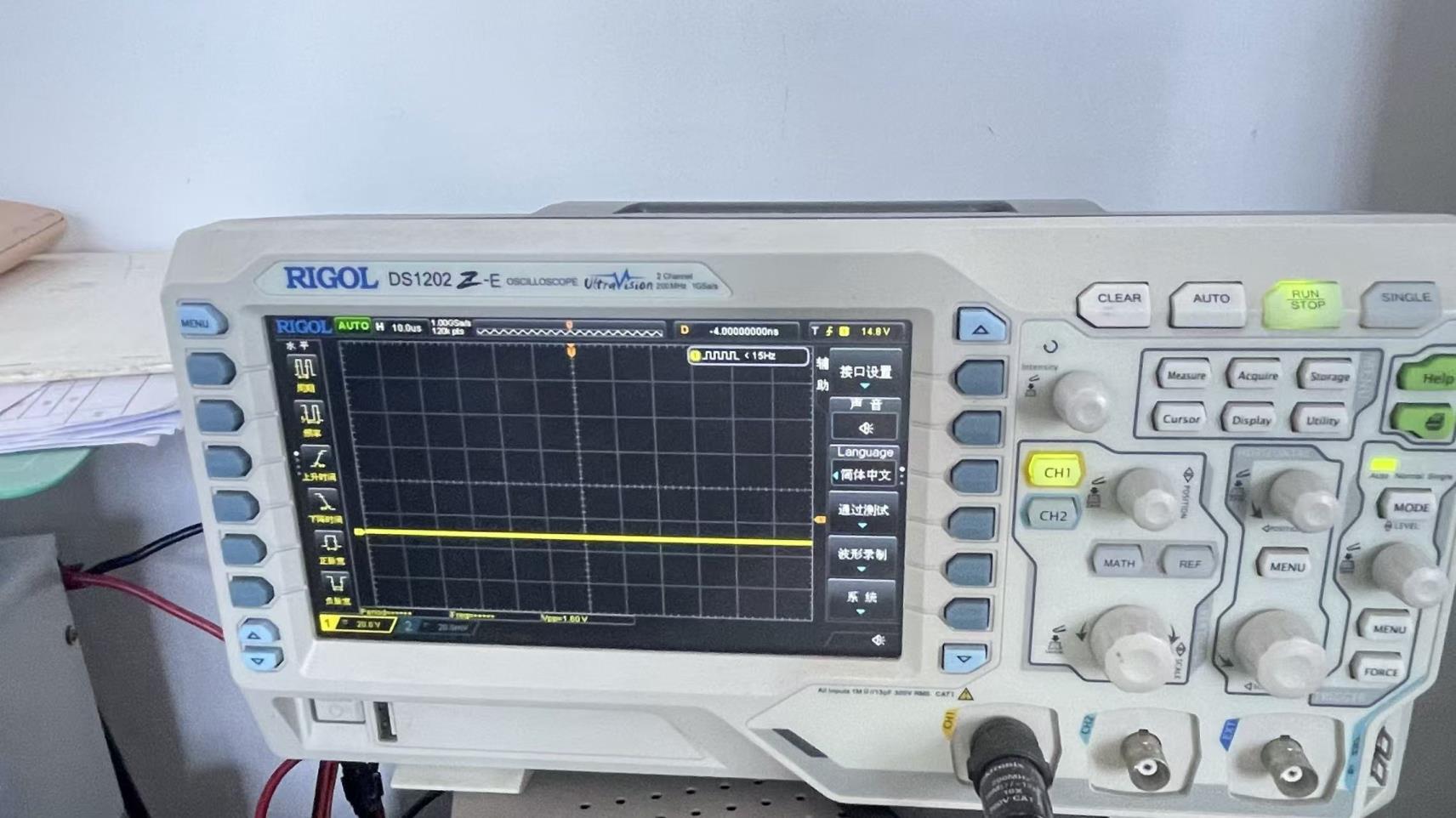 Optical Lab
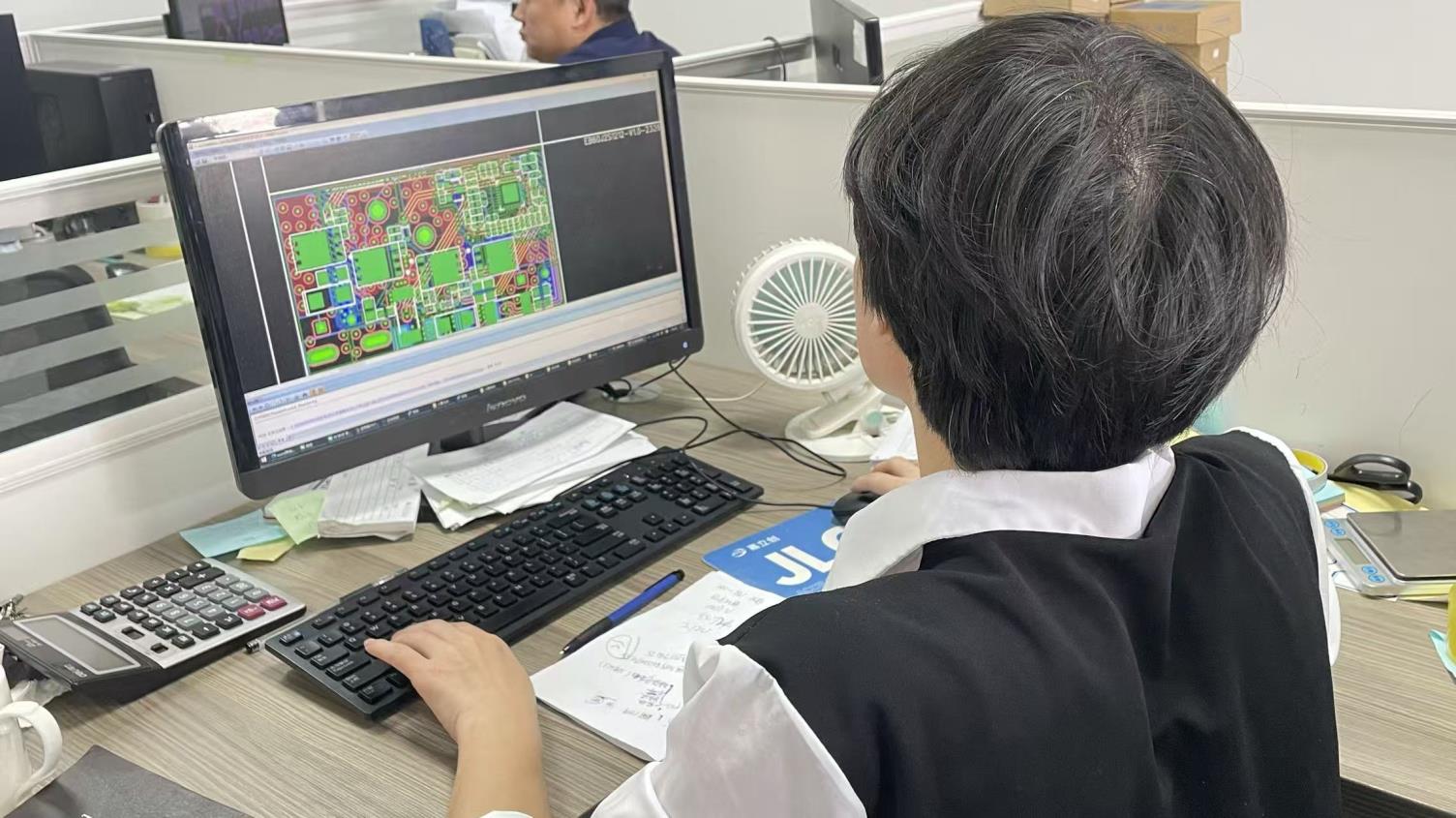 R&D Design
Frequently Asked Questions (FAQ)
Expert Insights into Energy Monitoring Systems
By identifying energy-intensive processes, peak demand charges, and "vampire" loads, an EMS typically reduces annual energy costs by 12-25%, often paying for itself within 12-18 months.
In IoT-based monitoring, isolated DC-DC converters protect sensitive data sensors from high-voltage spikes and ensure clean power delivery for accurate measurement.
Yes. With over 1,000 core blueprints and 10,000+ variants, we specialize in OEM/ODM services, adapting voltage, current, and form factors to fit specific industrial enclosures.
Most industrial markets require CE (Europe), RoHS (Environmental), and ISO 9001 (Quality Management). We strictly implement these operation guidelines.