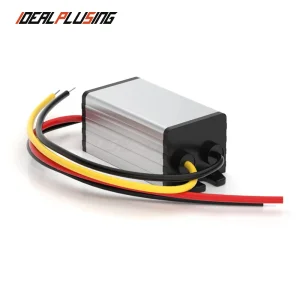
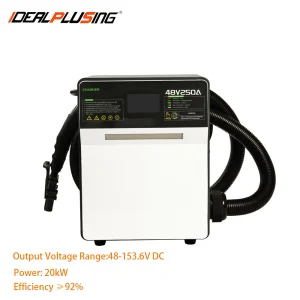
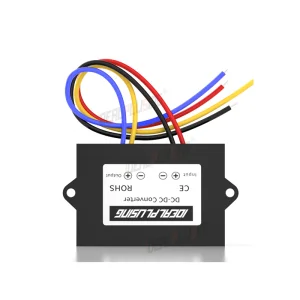
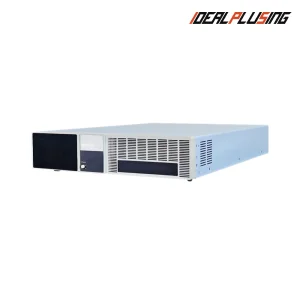
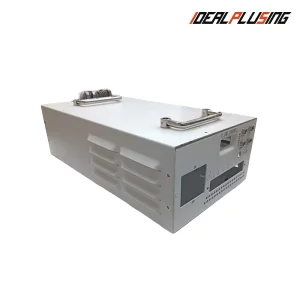
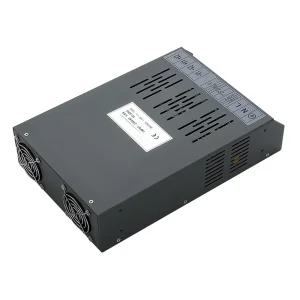
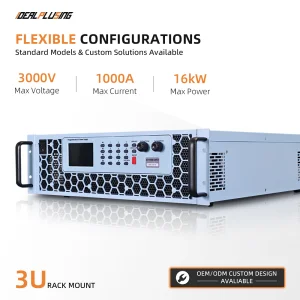
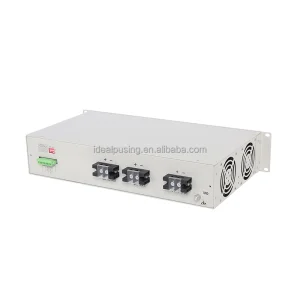
Featured Power Management Solutions
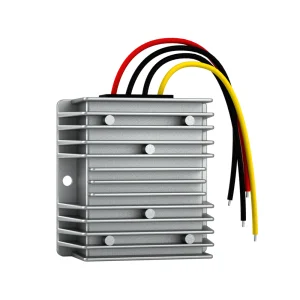
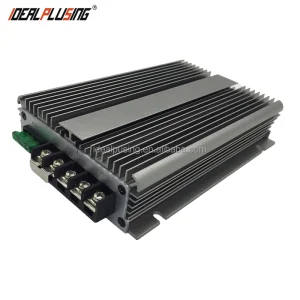
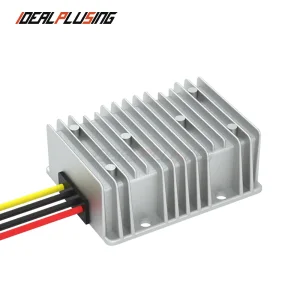
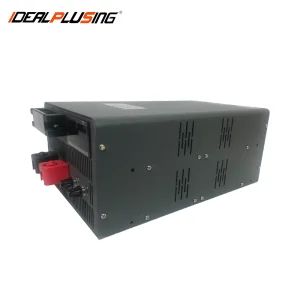
High-efficiency DC-DC converters, programmable test systems, and automotive-grade regulators engineered for continuous duty.
Global Commercial & Industrial Landscape of Power Management Systems (PMS)
Unlocking power density, operational resiliency, and thermodynamic efficiency in a hyper-connected industrial era.
In the contemporary industrial sector, the global demand for energy-dense, highly reliable Power Management Systems (PMS) is undergoing unprecedented escalation. As automation platforms, electric vehicular frameworks, high-performance computing centers, and medical engineering progress toward increasingly sophisticated architectures, the baseline capabilities of power conversion must scale accordingly. Advanced manufacturing regimes require precise voltage regulations, high galvanic isolation, and structural resilience against severe electromagnetic interference (EMI) and harsh thermal deviations.
From high-voltage aerospace rectifiers to micro-buck regulators integrated within modern automotive dashboards, the modern power network must achieve extreme conversion efficiencies, often exceeding 96% to 98%. By mitigating thermodynamic overhead, systems integrators can reduce localized heat dissipation, thus dramatically expanding the Mean Time Between Failures (MTBF) of critical control equipment. Consequently, the reliance on advanced topological strategies, such as phase-shifted full-bridge architectures, LLC resonant converters, and active power factor corrections (PFC), has shifted from a premium option to an absolute baseline standard.
Technological Horizons: Wide Bandgap (GaN/SiC) and the Road Ahead
The silicon limit has been reached. Future power management architectures are transitioning rapidly toward wide bandgap (WBG) materials, notably Silicon Carbide (SiC) and Gallium Nitride (GaN). These materials feature higher bandgap energy, superior breakdown voltages, and enhanced thermal conductivity. This allows power systems to operate at significantly higher switching frequencies. As switching frequencies rise, the physical dimensions of passive elements (such as inductors, transformers, and capacitors) shrink dramatically, enabling the realization of ultra-compact, lightweight power architectures.
Silicon-Based Power Stages
Utilization of high-performance MOSFETs and IGBTs for high-current configurations. Optimizations in zero-voltage switching (ZVS) topologies and planar magnetic integrations.
SiC & GaN Industrialization
Deployment of Wide Bandgap semiconductors to push efficiency limits up to 99%. Crucial for next-gen electric vehicle drivetrains and high-voltage grid substations.
Edge AI Power Analytics
Integration of micro-controllers embedded with machine learning engines. Real-time predictive telemetry of power health, dynamic load balancing, and autonomous thermal scaling.
Our Engineering & Design Capabilities
A deep dive into our modular product platforms and tailored industrial OEM/ODM topologies.
DC-DC Power Conversion
Isolated and non-isolated topologies. Supported input/output ranges stretch from 12VDC up to 1000VDC, with operating power thresholds ranging from 1kW to 200kW. Engineered with transient protection and optimized EMI profiles for high-interference automotive and rail systems.
High Voltage AC-DC Rectification
Delivering stable output profiles spanning voltages from 0 to 200kV and current metrics of 0 to 20,000 Amps. Ideal for heavy industry, scientific research laboratories, electrostatic precipitators, and precision medical imaging machinery.
DC-AC Pure Sine Wave Inversion
DC input voltages from 12VDC up to 2000VDC, converting into highly stable AC outputs ranging from 100W to 500kW. Features ultra-low Total Harmonic Distortion (THD < 3%) and exceptional surge capabilities for inductive industrial loads.
AC-AC Variable Frequency Sources
Available in single-phase and three-phase variants. Operating frequency range spans 10Hz to 500Hz, supporting total system power loads from 1kVA up to 500kVA. Indispensable for export product testing, aerospace ground test stations, and naval power emulations.
AC-DC Ground Power Units (GPU)
Industrial-grade heavy-duty ground power architectures. Engineered to source massive operational currents from 300 Amps up to 50,000 Amps. Designed for aircraft engine starting, marine docking installations, and heavy military simulation hardware.
Vertical Production & Rigorous Testing Flow
From schematic layout to automated testing chambers, our integrated facility in Guangzhou ensures flawless operational safety.
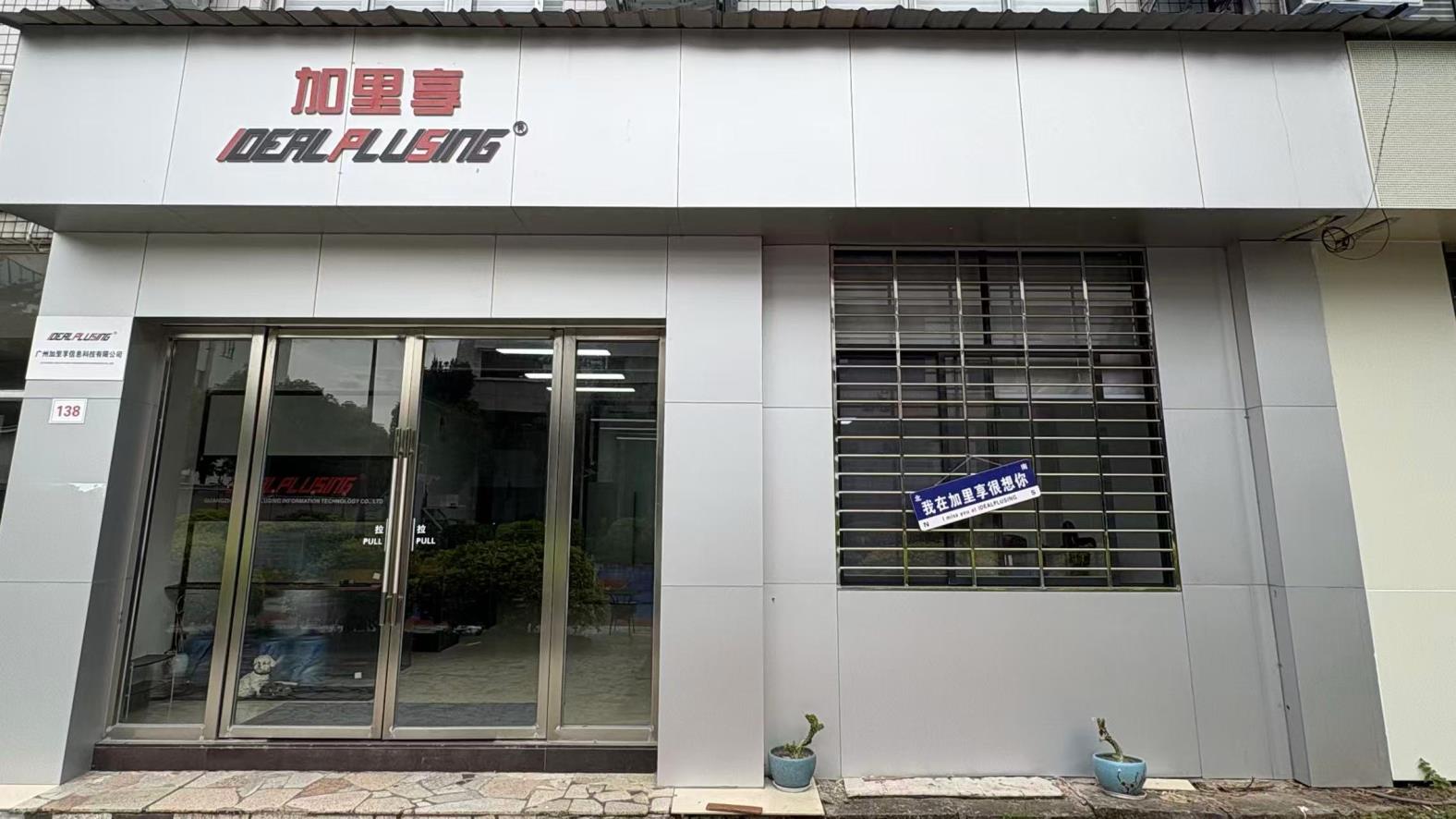
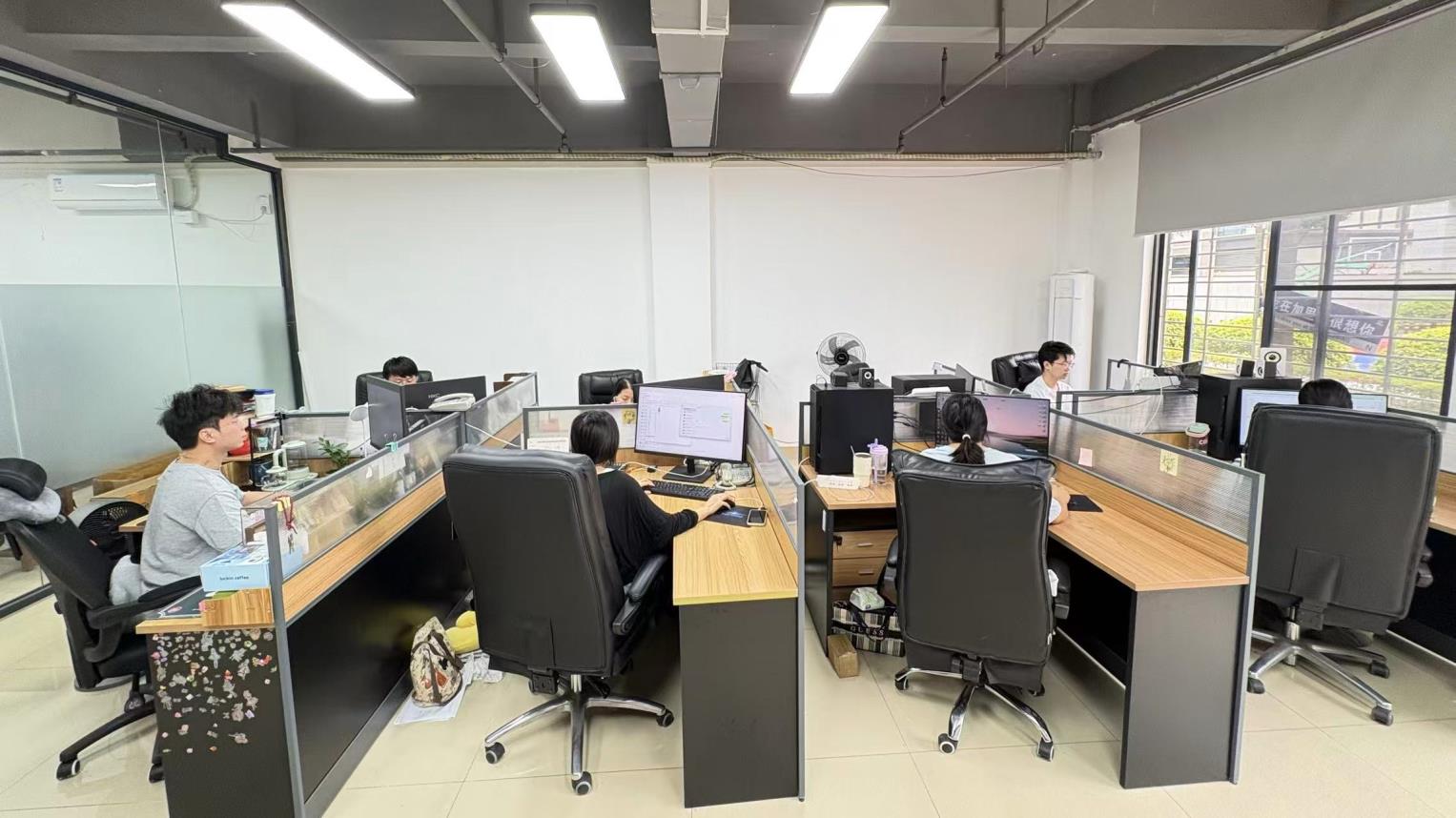
We operate state-of-the-art facilities in Guangzhou, China, supported by over 20 specialized co-production partner sites. With a dedicated team of engineering professionals and technicians, we maintain full regulatory traceability across all 10,000+ configurable product iterations.


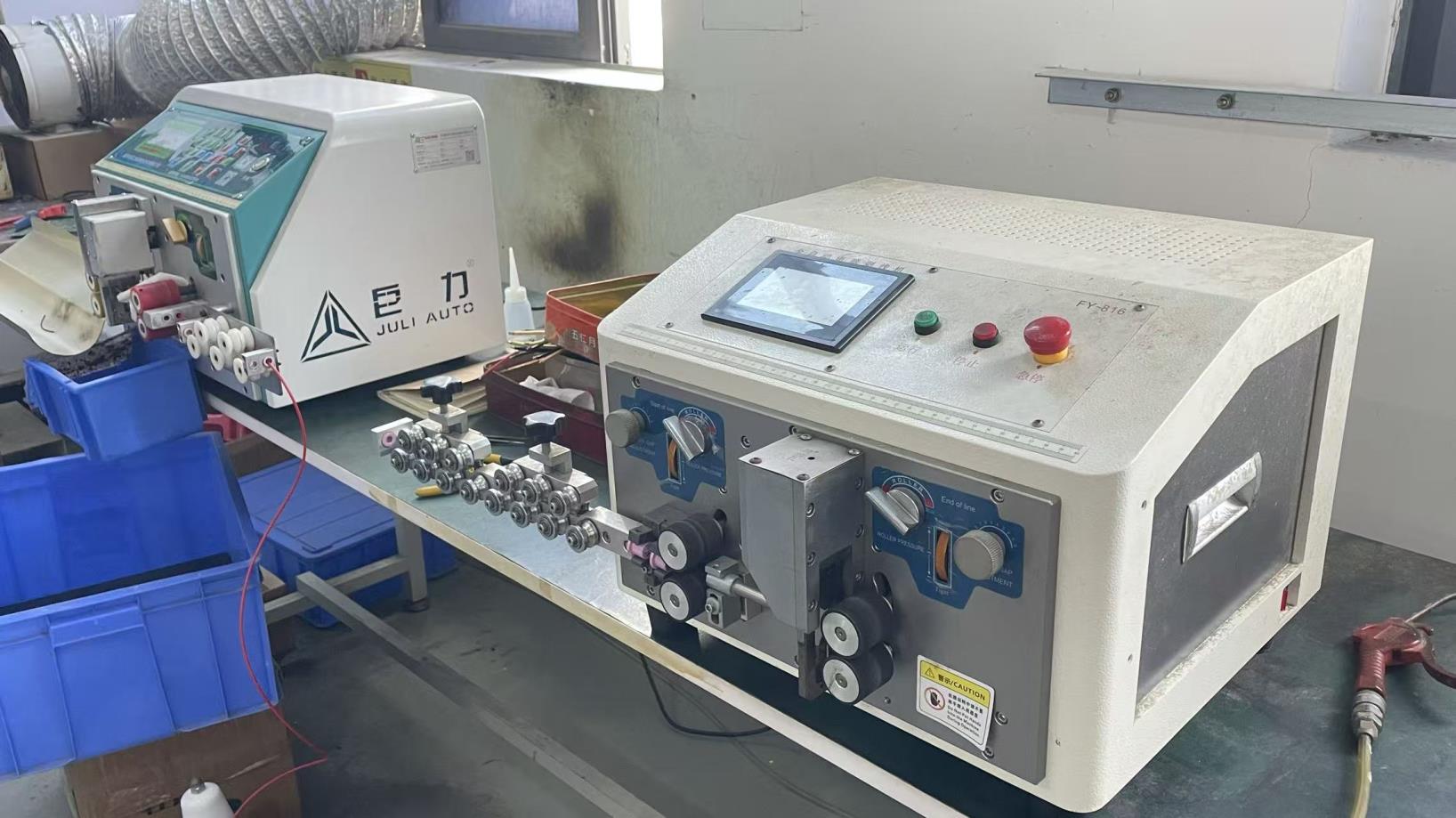 Wire Cutting
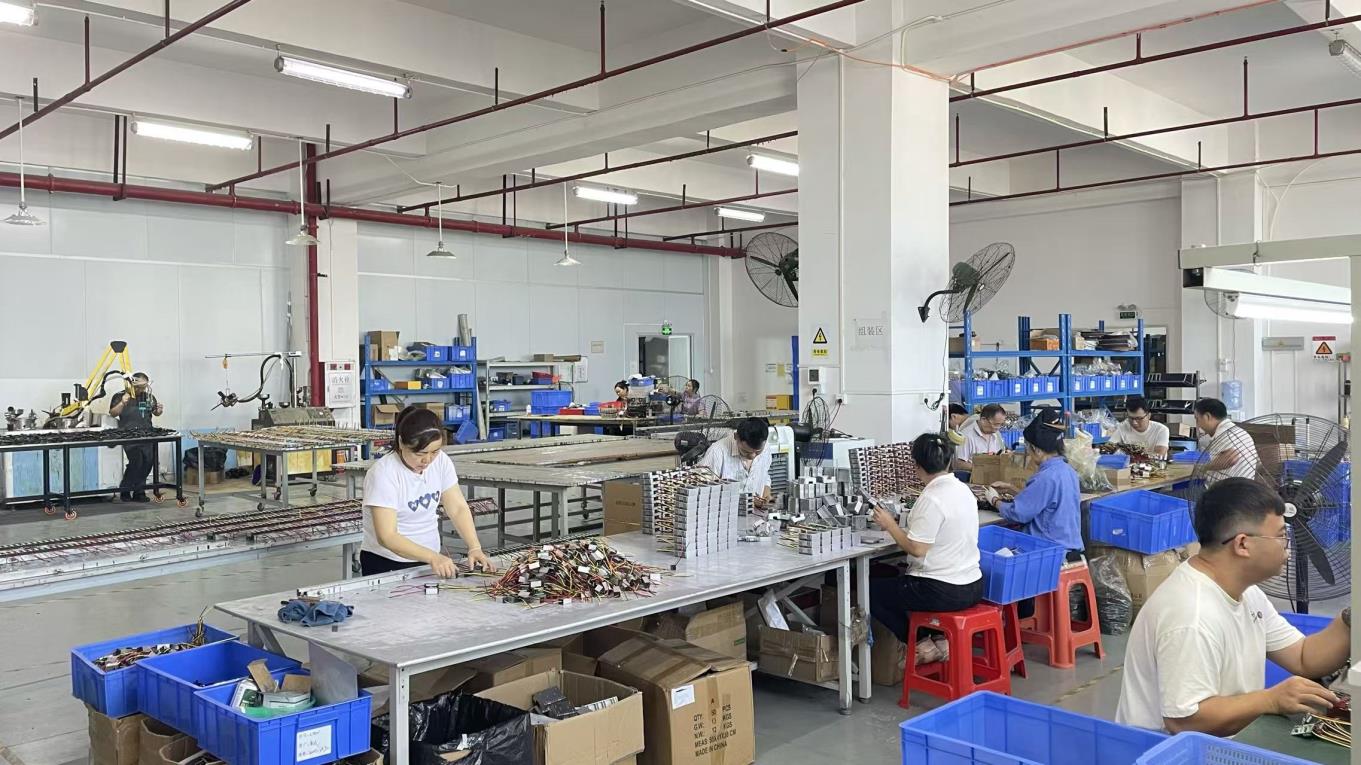 Plug-In
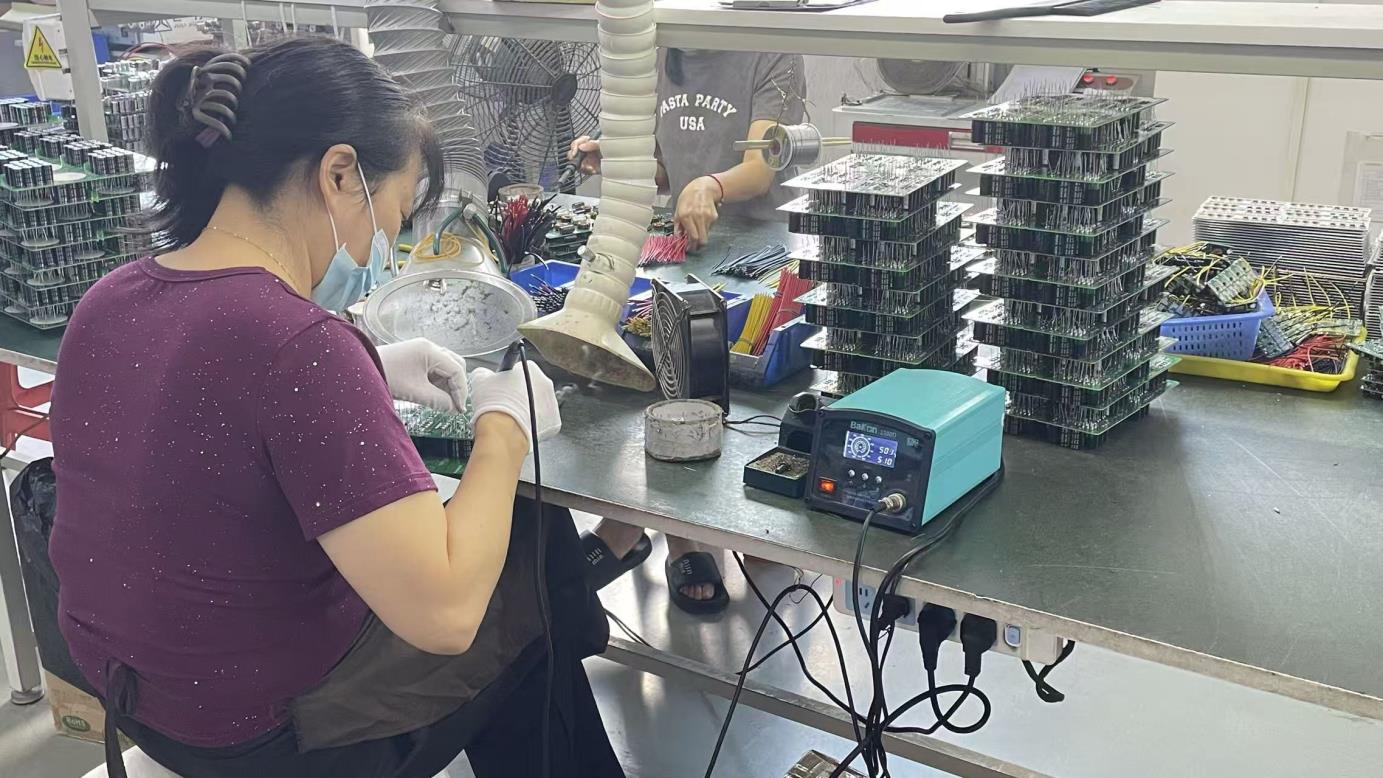 Soldering Tin
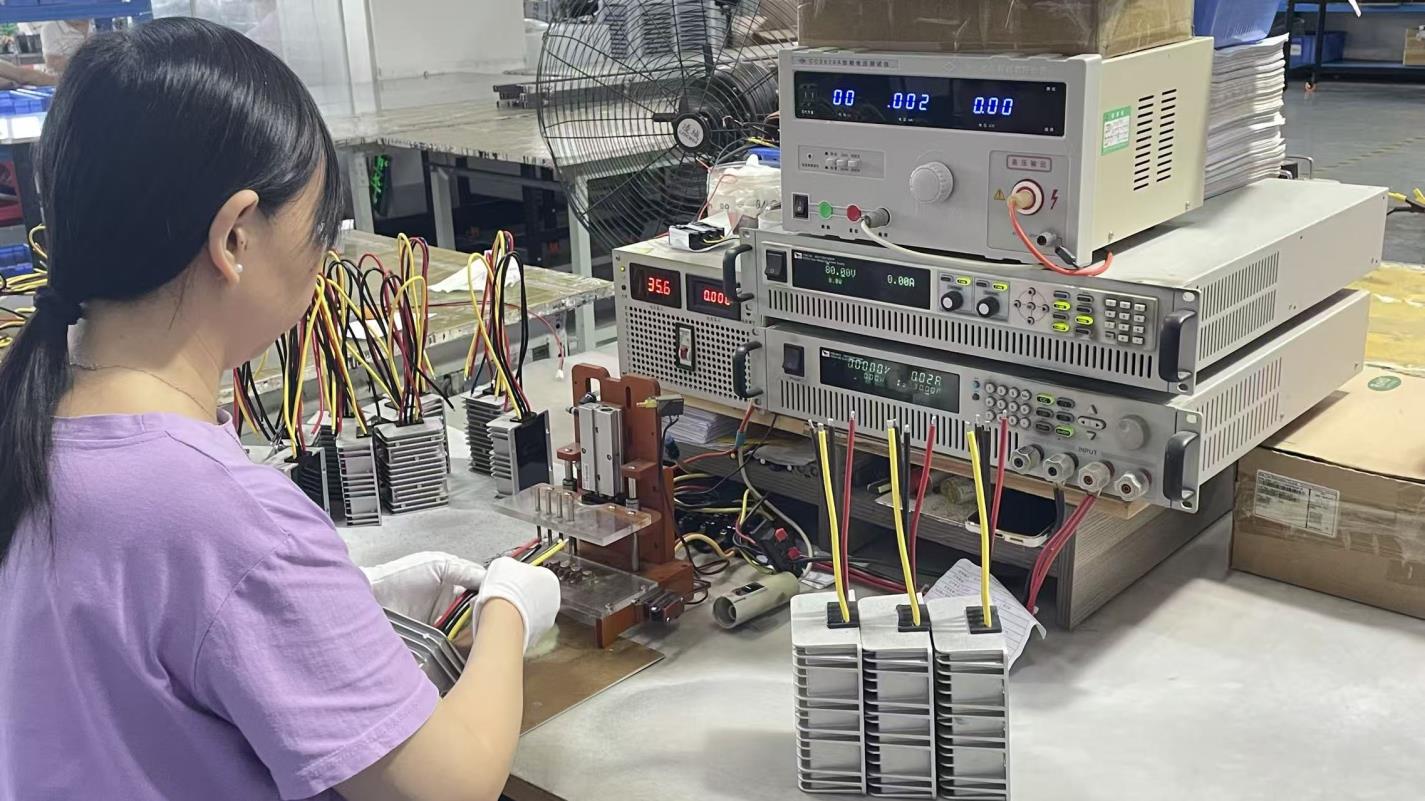 Test
Test
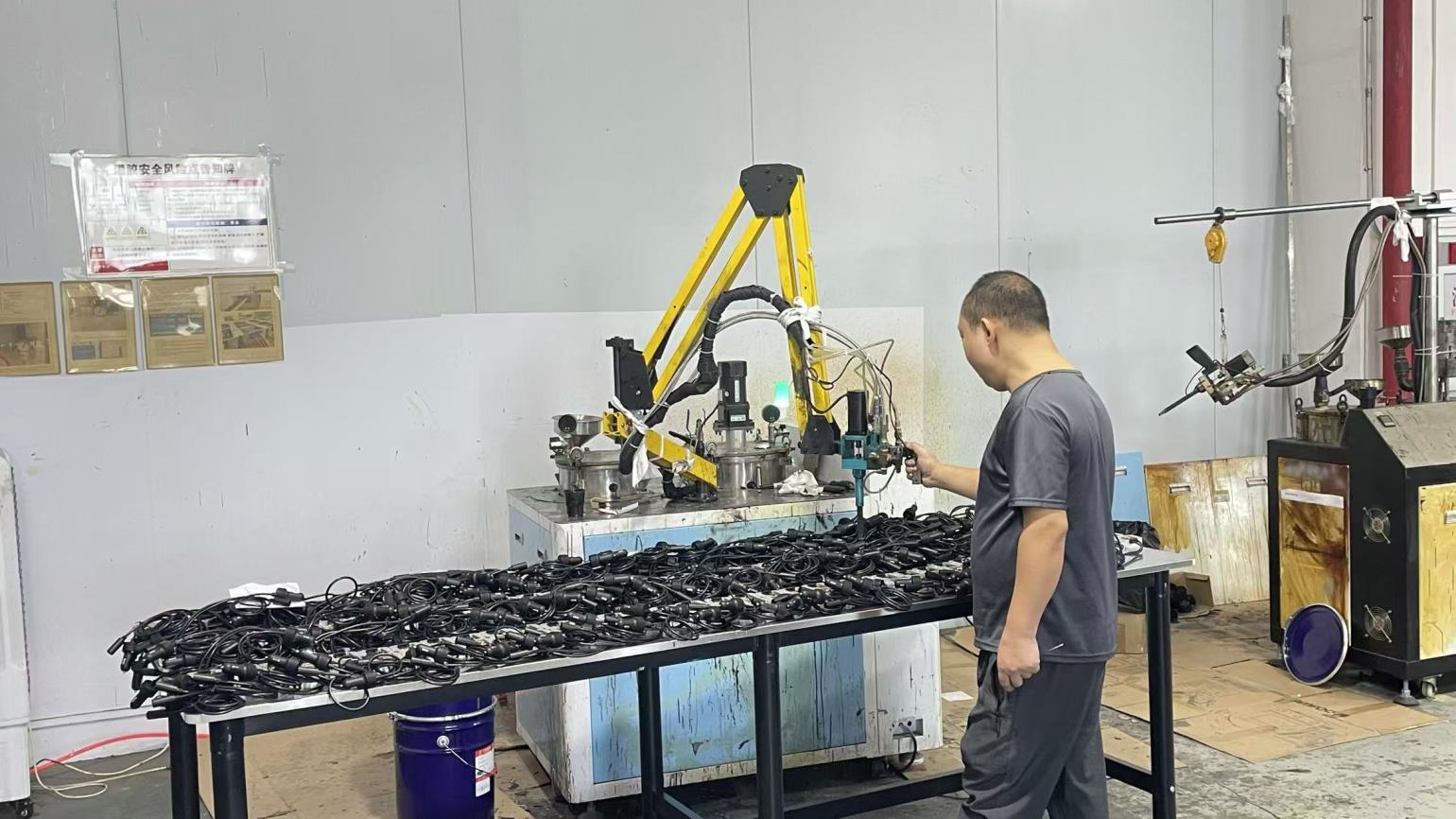 Glue Filling
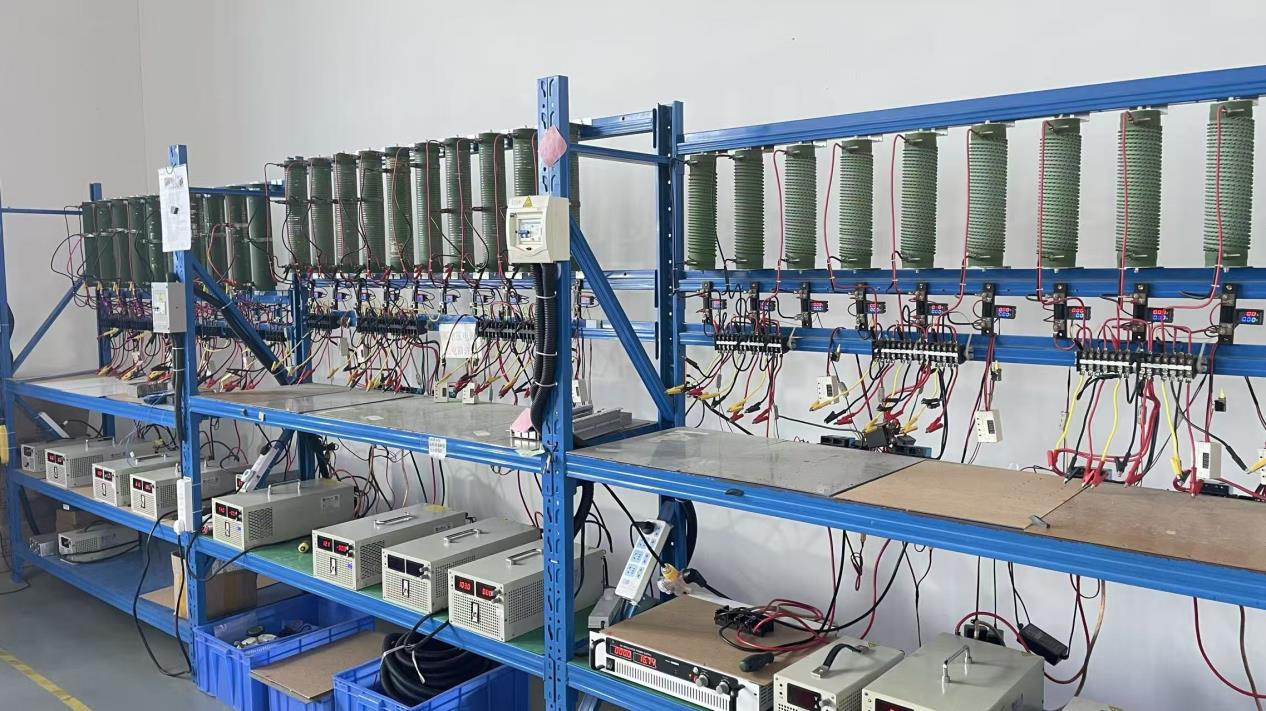 Burn-In Test
 Packaging
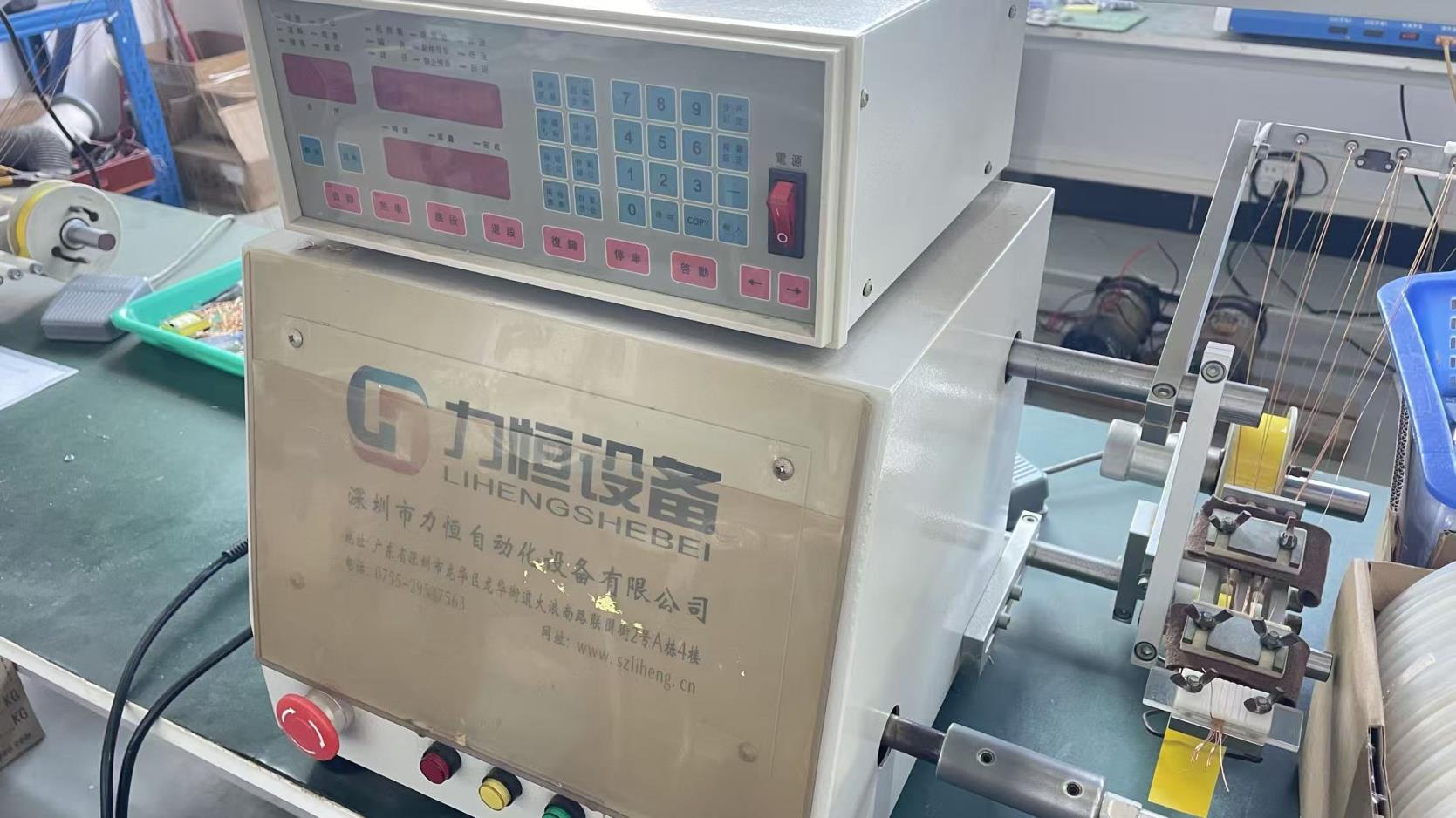 Winding Machine
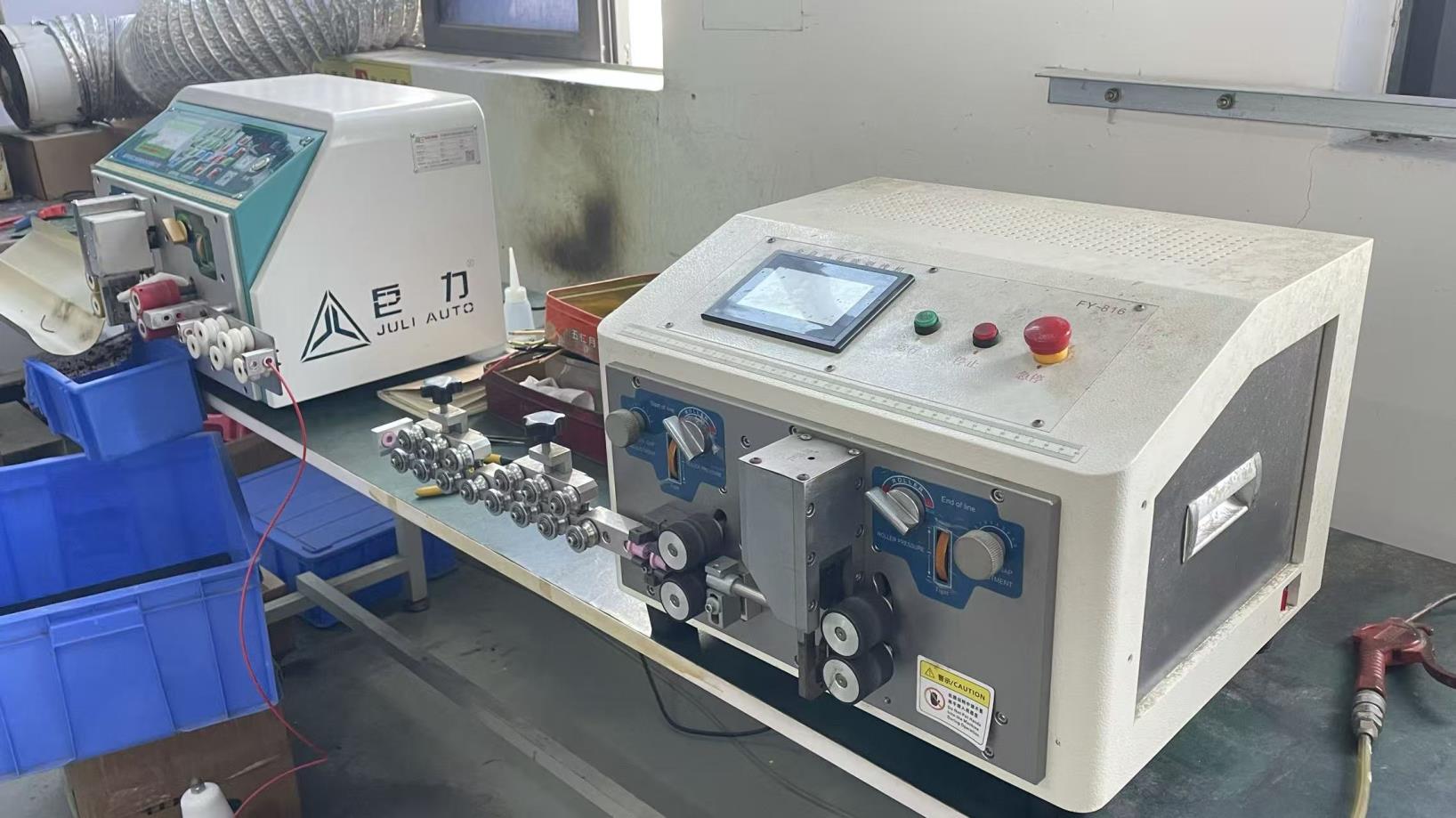 Wire Cutting Machine
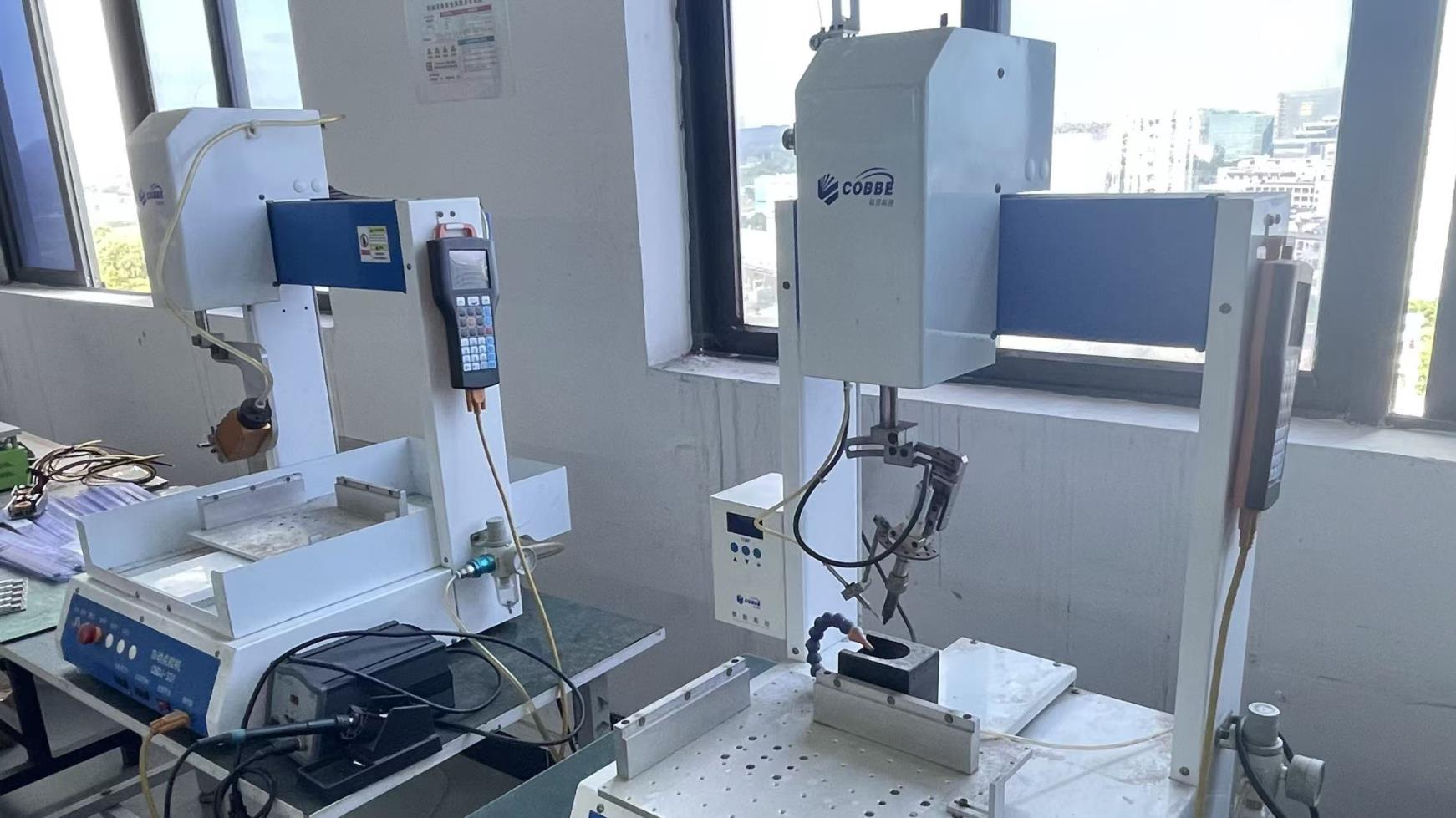 Automatic Soldering Machine
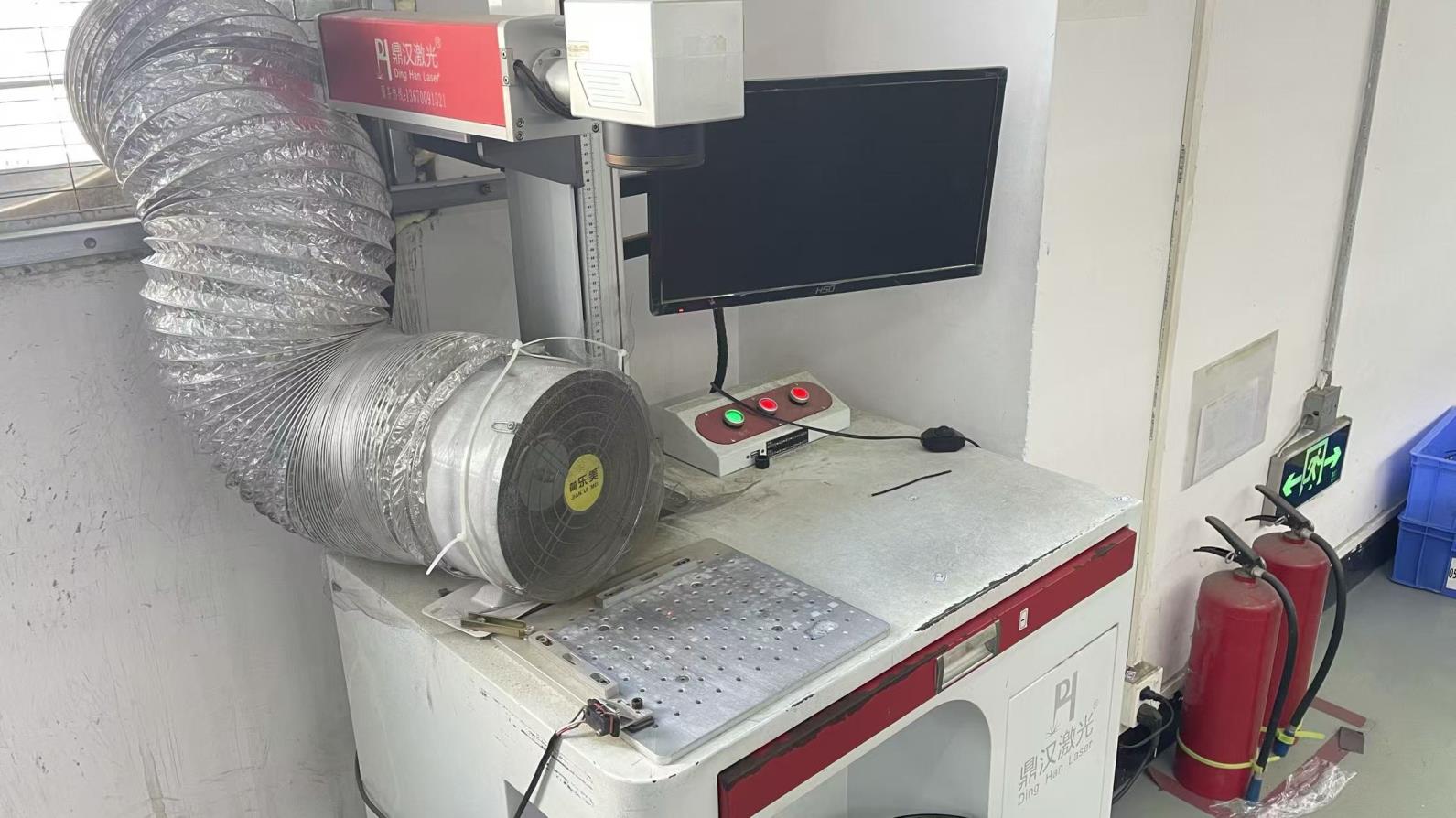 Laser Engraving Machine
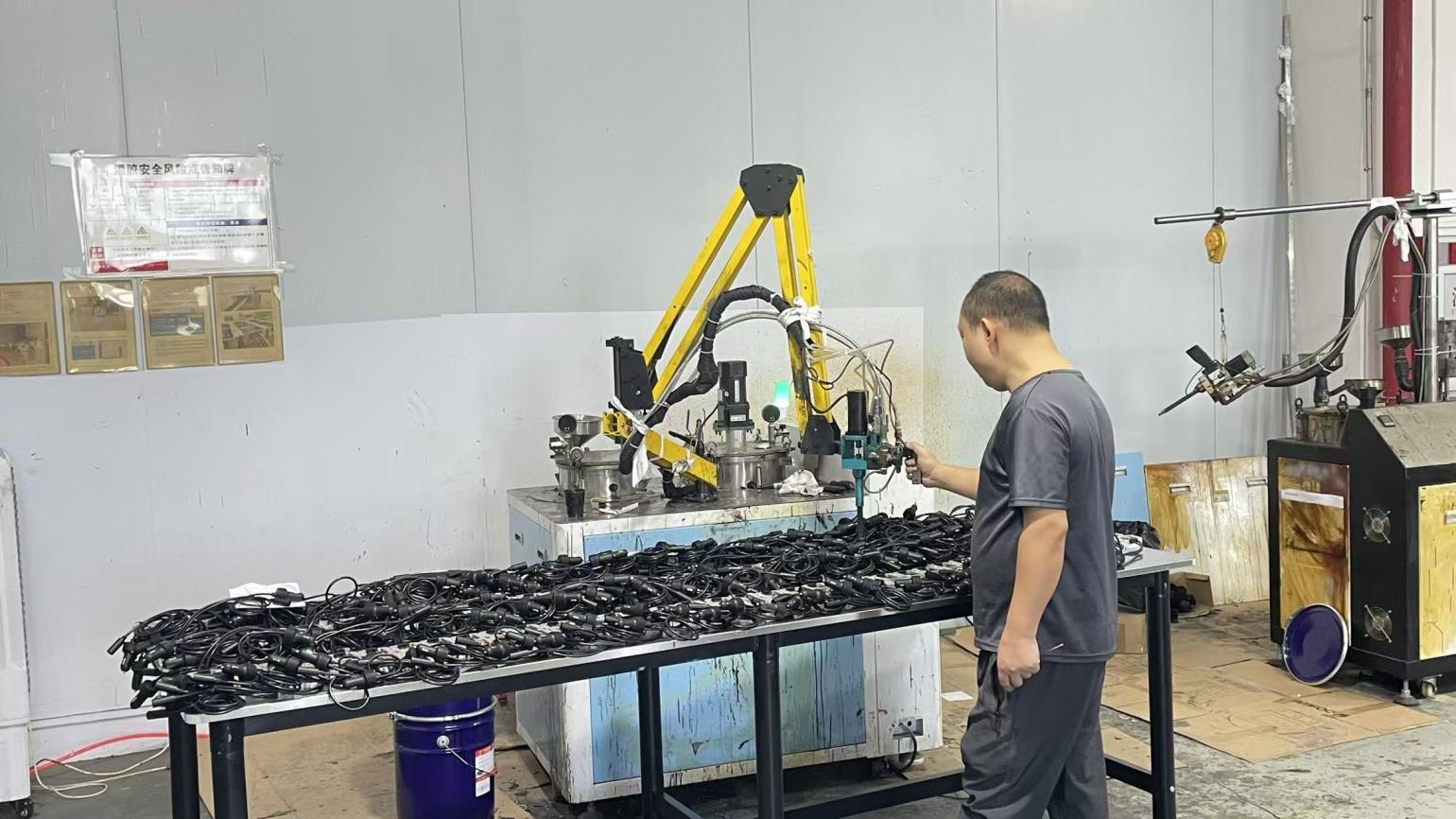 Canning machine
 Assembly Line
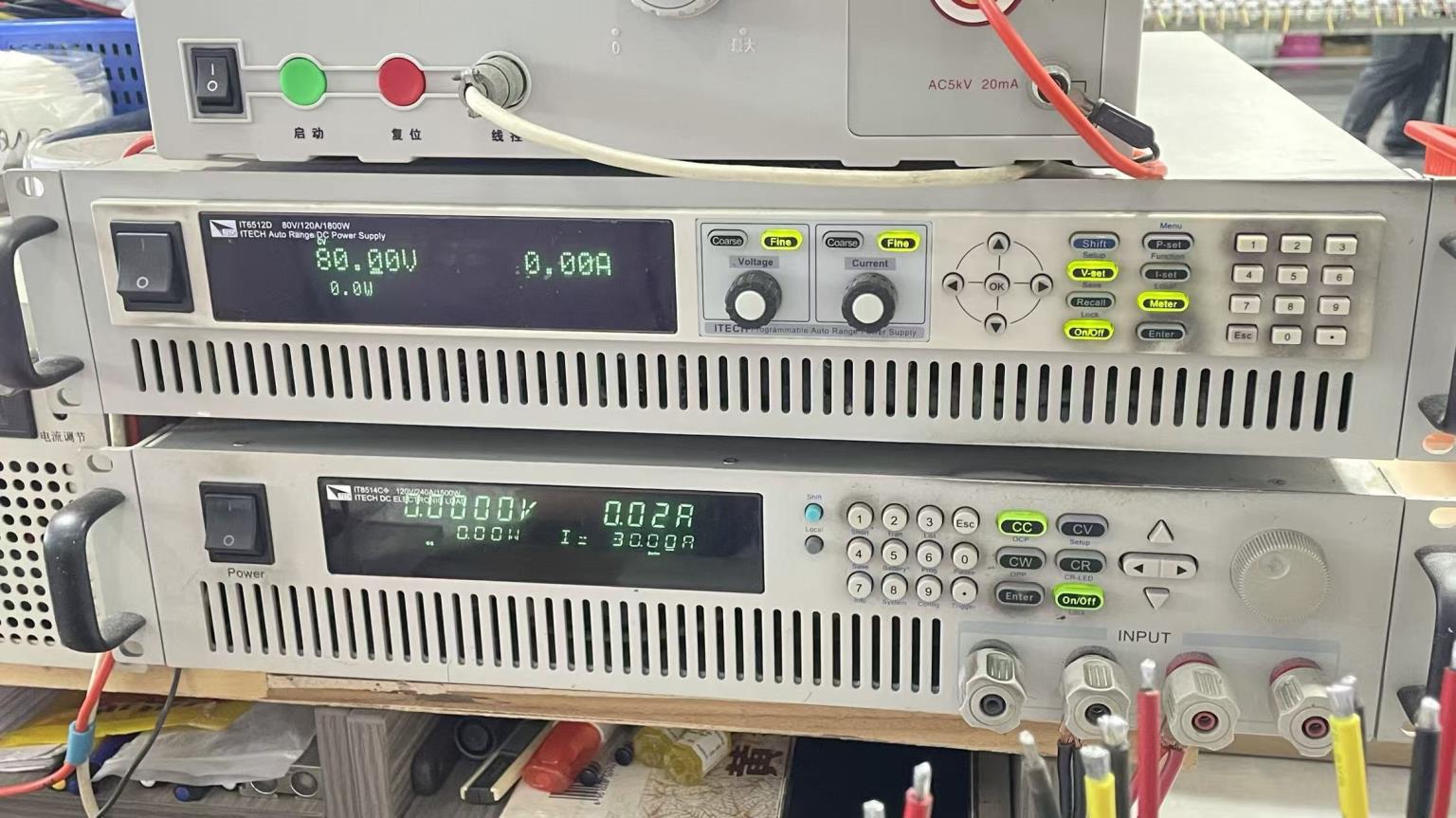 DC Power Supply Tester
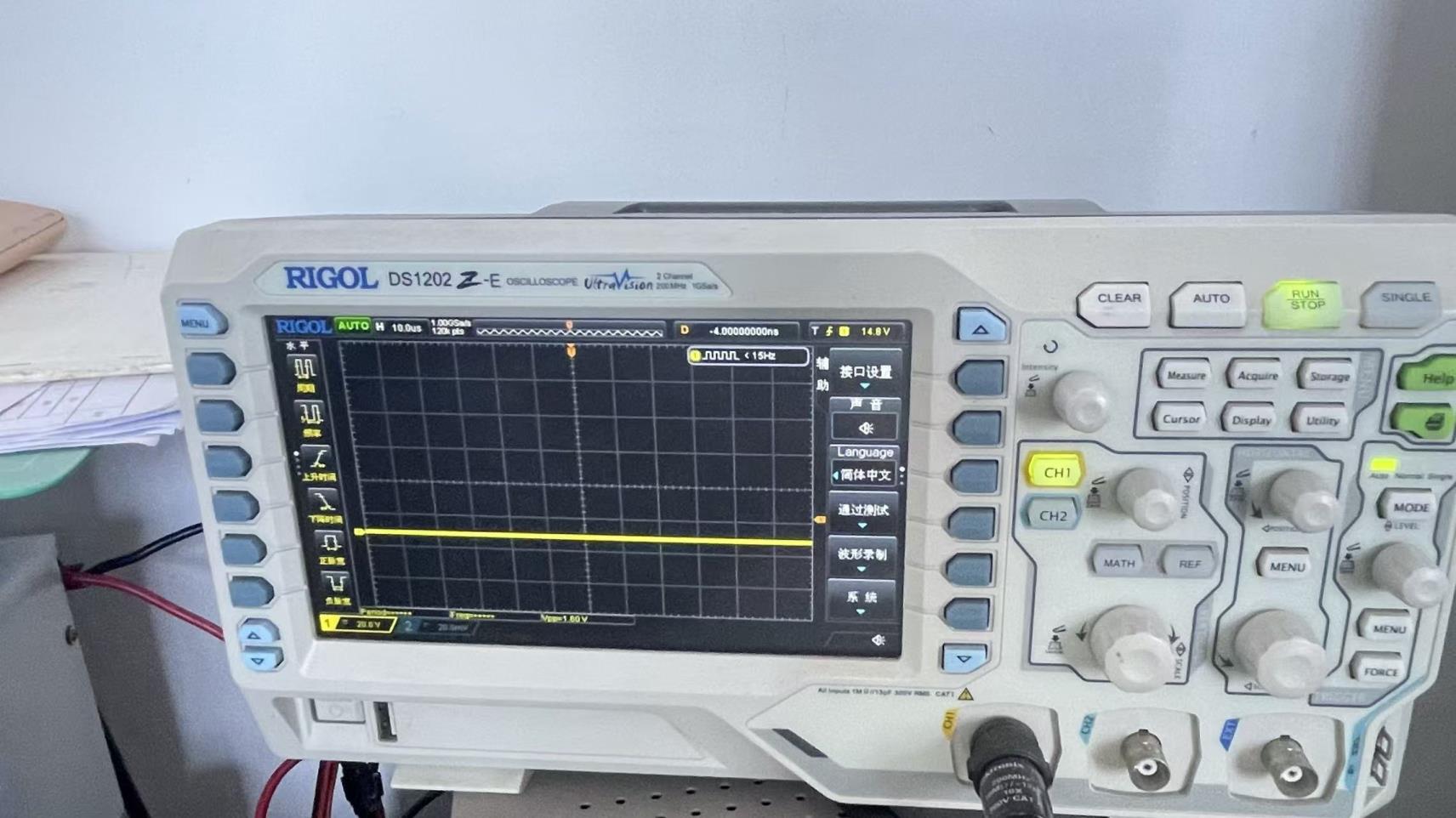 AC Withstand Voltage Tester
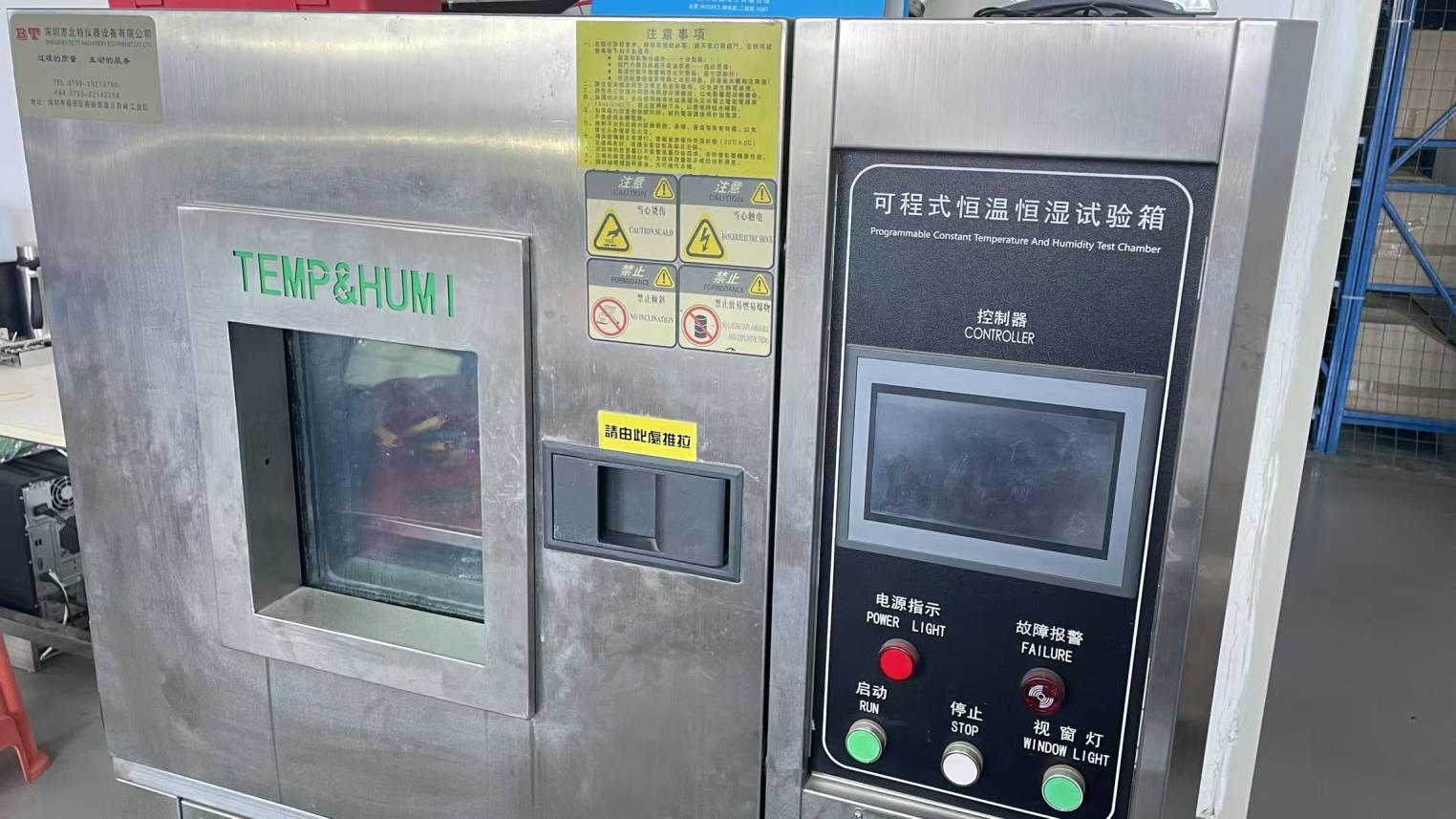 Constant temperature and humidity chamber
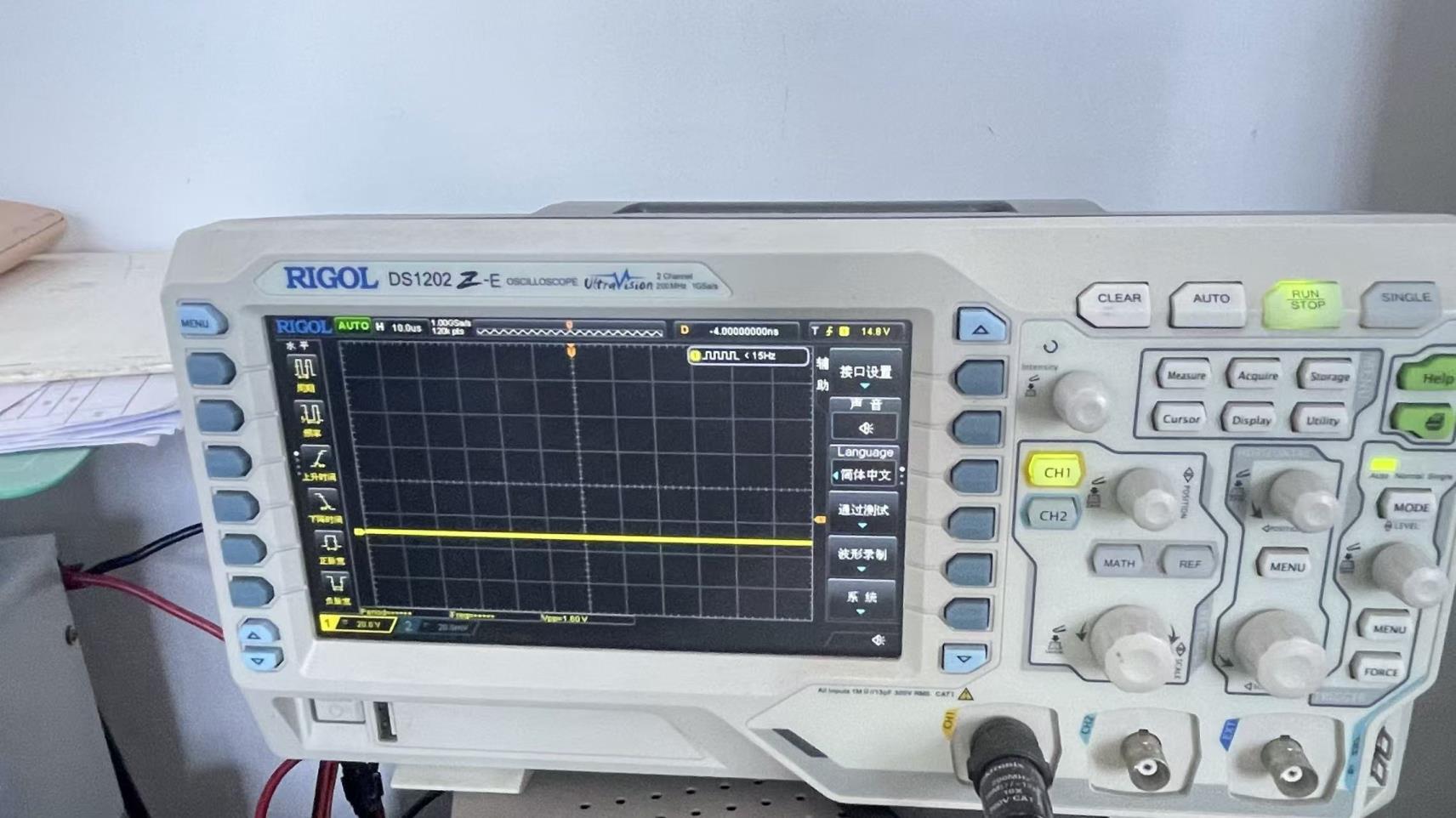 Optical microscope
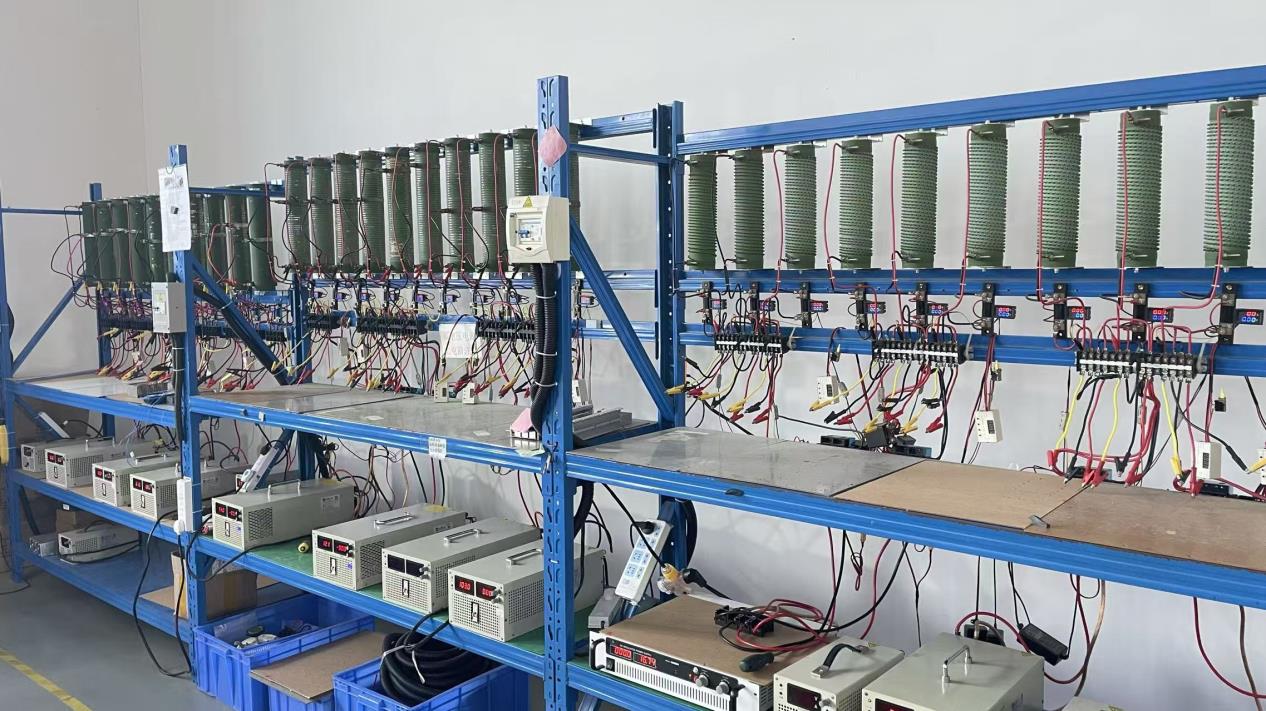 Aging test
 Design
Localized Application Scenarios
Bridging the gap between raw current conversion and strict deployment environments.
1. Automotive Grade DC-DC Conversions
Automotive electronic environments are notoriously dynamic. Rapid alterations in auxiliary motor loads, starting transients, and alternator noise necessitate highly specialized filtering systems. Our non-isolated buck-boost architectures offer wide input envelopes (typically 9-36V) coupled with integrated active-clamp surge protection. This guarantees stable voltage feeds to safety-critical computers, telematics units, and on-board radar systems, safeguarding them from transient voltage spikes.
2. Harsh Industrial Microwave and Magnetron Processing
Operating variable magnetrons for large-scale food dehydration, materials curing, or chemical processing demands precise filament current regulation and stable anode voltage bias. Our high-voltage microwave switching supplies provide active telemetry, fast transient response loops, and digital controls. This prevents thermal runaway and anode current overload, optimizing the lifespan of industrial magnetrons (like the 2M248K).
3. Aerospace Ground Power Unit Support
Ground support units (GPUs) are the lifeline of aircraft during ramp servicing. These applications demand zero failure tolerances, rapid phase correction, and massive power surge reserves to handle aircraft motor startups without dropping output voltages. Utilizing heavy-duty transformer topologies combined with active digital cooling configurations, our GPUs maintain consistent voltage profiles despite massive current draws, ranging from 300A to 50,000A.
Industrial Power Management FAQ
Answers to critical design, topology selection, and engineering compliance queries.
What is the advantage of isolated vs. non-isolated DC-DC converters in automotive settings?
Isolated converters use internal magnetic transformers to break the ground connection between input and output circuits, effectively eliminating ground loops and preventing transient surges from passing to low-voltage equipment. Non-isolated converters lack this safety barrier but offer higher conversion efficiency, compact form factors, and lower manufacturing costs. They are ideal for applications where input and output systems share a common electrical chassis.
How does your factory manage EMI/EMC compliance on high-power switching power supplies?
Our custom topologies incorporate multi-stage EMI filters, shield-wound power transformers, and localized ground planes. Every custom power architecture goes through an iterative evaluation process. This includes using internal testing rigs, spectrum analyzers, and third-party validation labs to meet international standards such as CE, FCC, and CISPR Class A/B requirements.
What range of customizations is supported through your OEM/ODM program?
Our programs support broad structural and electrical adjustments. This includes customizing the size and mounting of the enclosure, adding conformal coating for marine or high-humidity environments, modifying input/output voltage loops, integrating CAN-Bus, RS485, or Modbus control protocols, and designing custom cooling systems. This ensures the equipment integrates smoothly into existing machinery.
How does burn-in testing improve your power supply reliability?
Every manufactured unit goes through a full load burn-in test at elevated ambient temperatures before leaving our facility. This process accelerates any potential early-life component failures, such as minor semiconductor defects, poor solder joints, or capacitor issues. By filtering these out, we can guarantee reliable operation out-of-the-box for critical industrial use.
Industrial Grade Power Infrastructure
Explore our specialized high-voltage modules, programmable electronic loads, and fast-charging systems.