Featured Programmable DC Power Supplies for Uzbekistan Projects
High-precision test equipment configured for Central Asian power grid compatibility and Modbus/SCPI compliance.
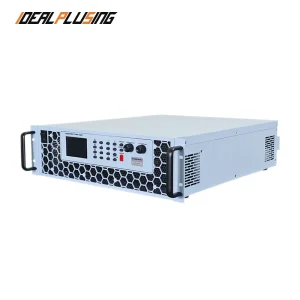
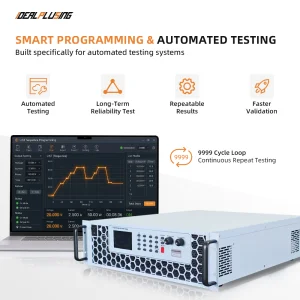
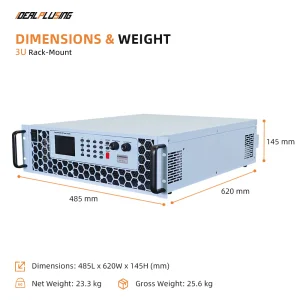
Executive Summary: As Uzbekistan undergoes a monumental economic transformation driven by the "New Uzbekistan Development Strategy," the demand for robust industrial automation, localized grid simulation, and high-precision electronic manufacturing testing has skyrocketed. Achieving precision control in power electronics requires programmable DC and AC power solutions engineered for local industrial grid anomalies while keeping up with globally accepted SCPI, Modbus, and EtherCAT network interfaces.
1. The Uzbekistan Industrial Shift & Demand for Precision Power Control
Uzbekistan has successfully positioned itself as a major industrial manufacturing hub in Central Asia. Significant capital investments are flowing into sectors like automotive production (such as the ADM Jizzakh and UzAuto Motor assembly infrastructure), specialized chemical processing, heavy Metallurgy in Navoi and Almalyk, and the rapid deployment of utility-scale photovoltaics (PV) in regions like Samarkand and Navoi. This massive wave of modernization demands high-end, programmable test and process power supplies.
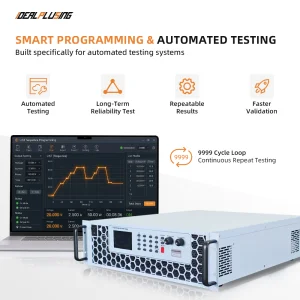
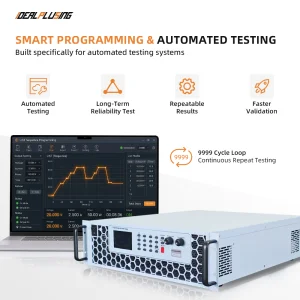
Unlike standard static rectifiers, a programmable DC power supply allows engineering teams to dynamically simulate real-world conditions. For example, testing automotive ECUs requires voltage drop simulation during engine starting profiles (ISO 16750-2 curves), which is only possible with power units capable of rapid programming response times and minimal ripple noise.
Grid Resiliency
Our systems feature wide input voltage windows (up to 480VAC ±15%) to offset localized utility sags common in regional distribution grids.
Automation Protocol
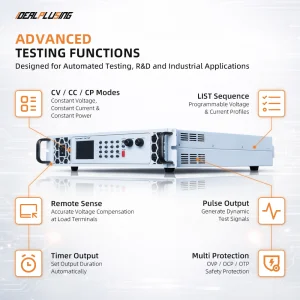
Fully compliant with Modbus RTU, Modbus TCP, and standard SCPI commands to interface seamlessly with Siemens, Beckhoff, or LabVIEW systems.
Multi-layer Protection
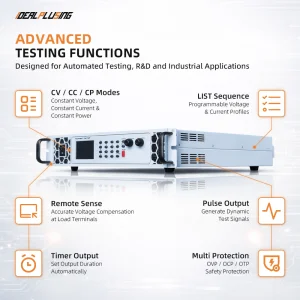
Built-in OVP, OCP, OTP, and short-circuit protocols protect downstream high-value industrial payloads.
2. Critical Localized Applications in Uzbekistan
Automotive Assembly & EV Battery Testing (Jizzakh & Asaka)
With Uzbekistan's auto sector embracing hybridization and electric vehicle (EV) initiatives, local assembly sites require high-voltage battery pack simulators. A programmable DC source that scales up to 1500V or 2000V DC allows technicians to safely emulate a battery charging and discharging sequence, testing vehicle on-board chargers (OBC) and traction inverters under strict laboratory conditions.
Solar Power Integration & PV Inverter Testing (Samarkand & Navoi)
As massive solar farms break ground across the country, local utility groups must ensure grid stability. High-power programmable DC systems function as solar array simulators, producing I-V curves that match specific solar panel outputs under varying cloud conditions. This allows local manufacturers and regulatory bodies to certify that imported grid-tied inverters comply with the local grid codes before deployment.
High-Precision Chemical and Galvanic Processing
In regions rich in natural resources, mining and electrochemical extraction depend on reliable rectifiers. Programmable sources allow for fine-tuned current density control down to the milliampere level, ensuring precise material deposition, minimizing electro-refining rejects, and driving down total energy usage.
“Using high-performance, modular programmable DC supplies with dual-encoder controls ensures that operators on Tashkent’s production lines can switch safely between manual configuration and remote PLC control.”
3. Global Context and Technological Roadmaps
The global power electronics landscape is shifting rapidly toward wide-bandgap (WBG) semiconductors, particularly Silicon Carbide (SiC) and Gallium Nitride (GaN) components. These technologies allow programmable power supplies to operate at higher switching frequencies. As a result, factories can utilize 3U-high rackmount power supplies to deliver power capacities that previously required full-cabinet designs.
This leap in power density is crucial for Uzbekistan companies optimizing floor space. By utilizing compact SCPI-enabled rack modules, system integrators can construct multi-channel Automated Test Equipment (ATE) racks capable of delivering up to 500kW of variable DC power from a single, centralized cabinet footprint.
4. Chinese Manufacturing Advantage & Supply Chain Resiliency
As a leading power electronics manufacturer based in Guangzhou, China, our factory manages a comprehensive vertical supply chain. We maintain extensive raw material and component reserves, encompassing high-frequency transformers, power inductors, and specialized IGBT modules. This allows us to guarantee consistent lead times despite global supply chain fluctuations.
For the Uzbekistan market, logistics are optimized via the China-Kyrgyzstan-Uzbekistan (CKU) highway and direct rail corridors originating from primary shipping centers. This logistics framework ensures reliable, land-locked freight transit directly to Tashkent, Jizzakh, or Samarkand without ocean shipping delays or port congestion.
10,000+
Different Models & Specifications
200kW
Max Single DC-DC System Capacity
20,000A
Max AC-DC Current Capability
100%
Tested via Burn-In QA Chambers
Product Capabilities & Manufacturer Information
Our factory specializes in the research, development, and supply of complex power conversion systems across multiple disciplines. Our standard catalog and custom engineering capabilities include:
- DC-DC Converter (Isolated and non-isolated): Voltage ranges from 12vdc to 1000vdc, output power scale from 1kW to 200kW.
- AC DC Power Supply: Voltage ranges from 0 to 200kv, and output current capability from 0 to 20,000 Amps.
- DC AC Inverter: DC input voltage from 12vdc to 2000vdc, with total power outputs from 100W up to 500kW.
- AC AC Power Source: Single phase or 3 phases, adjustable frequency range from 10Hz to 500Hz, total power output from 1kVA to 500kVA.
- AC DC Ground Power Unit: Output currents starting from 300 Amps scaling to 50,000 Amps for specialized aviation and industrial applications.
We operate dedicated production facilities located in Guangzhou, China, alongside a vetted network of over 20 cooperative partner factories. Embodying an active workforce of over 60 specialist engineers, software developers, and assembly technicians, we deliver complete system integration, structural mechanical engineering, sales, and on-site engineering design services worldwide.
Our operations strictly enforce the guideline of: “Leading Technology, Reliable Quality, Satisfactory Service & Customers First!”
Guangzhou Factory Operations & Advanced Testing Equipment
Inside our production and quality control labs: tracking the construction of your programmable power supply from components to final burn-in verification.
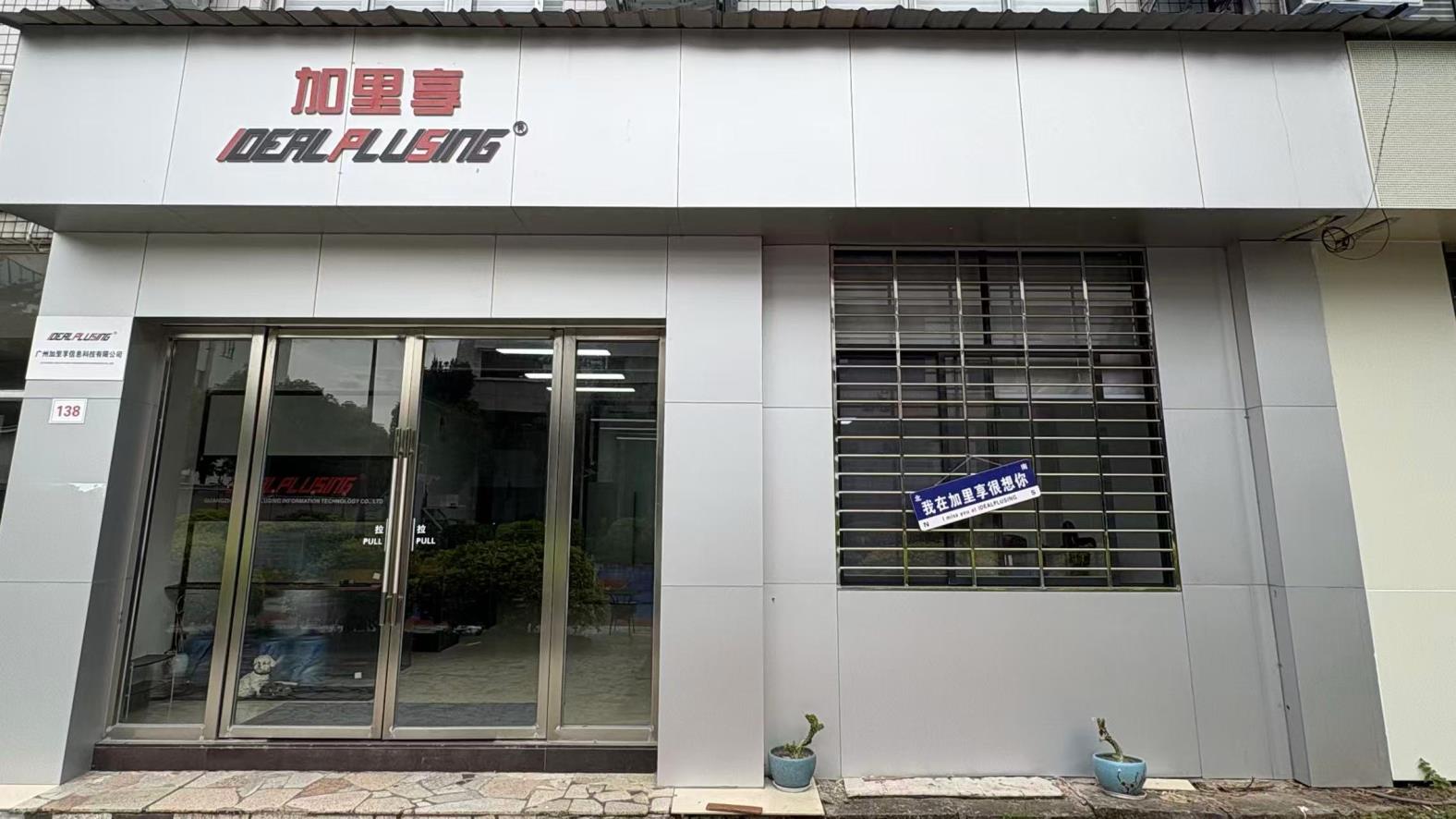 Facility Hall
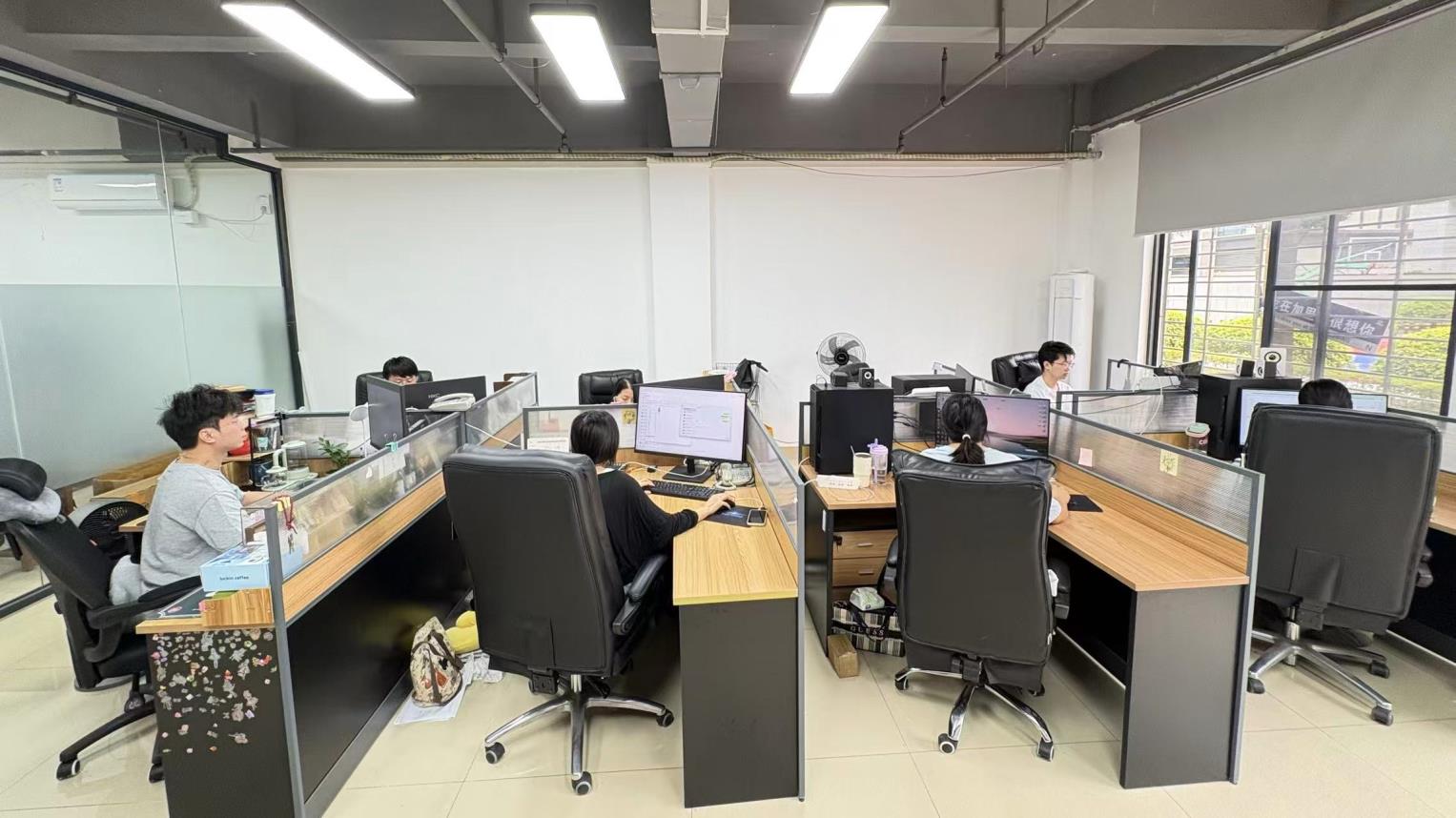 SMT & Component Area
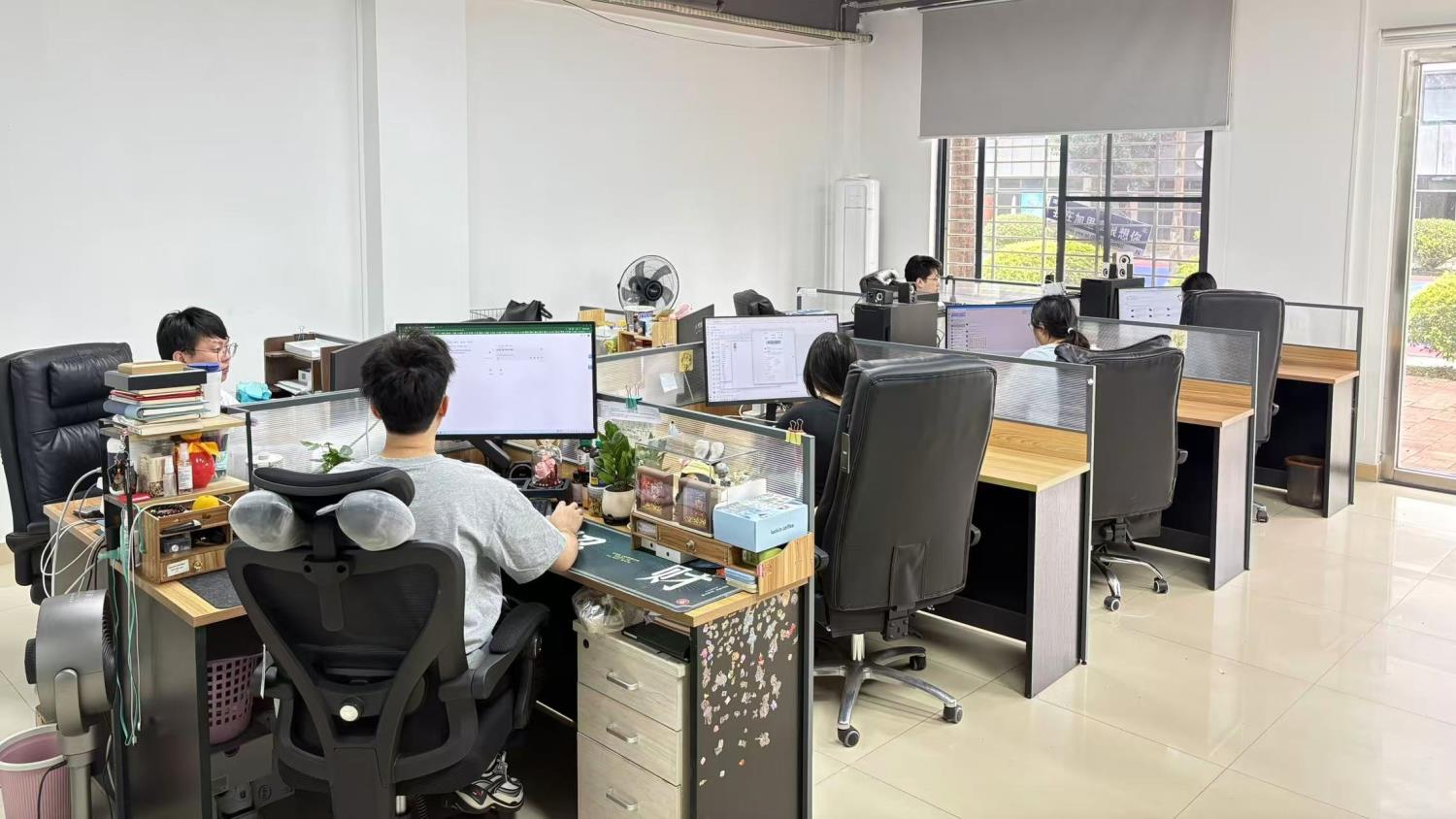 Assembly Stations
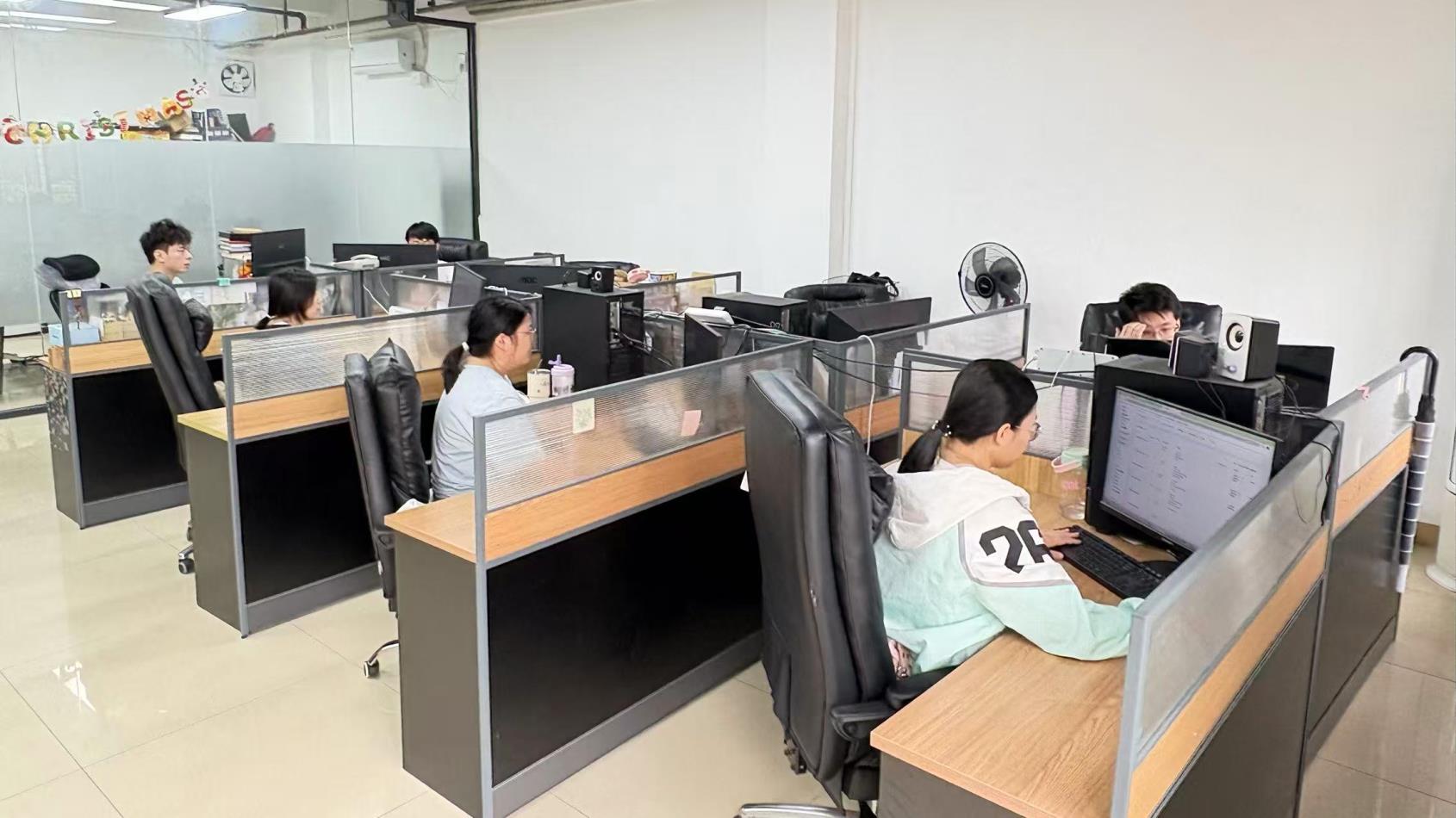 Quality Inspection
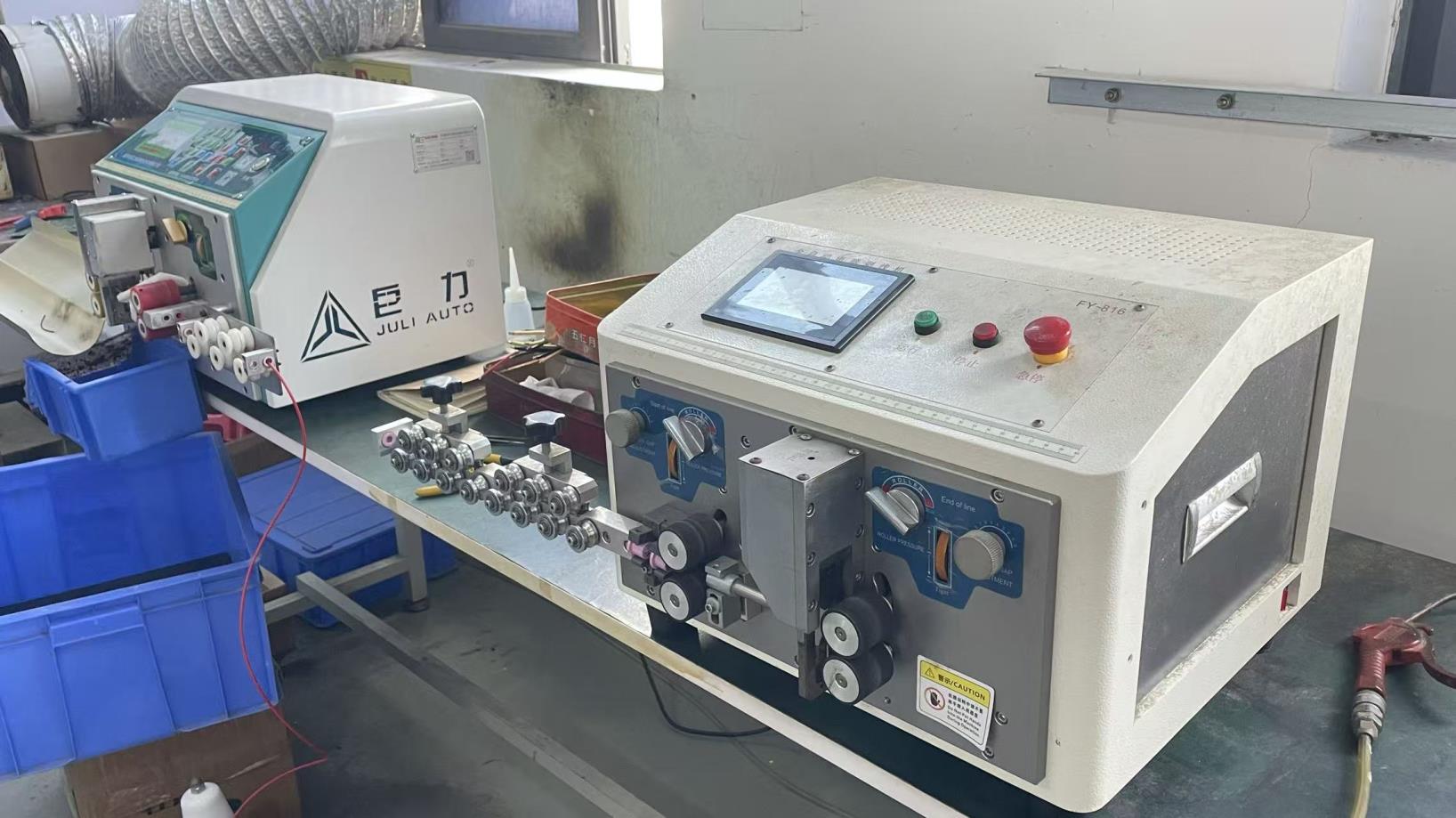 Wire Cutting
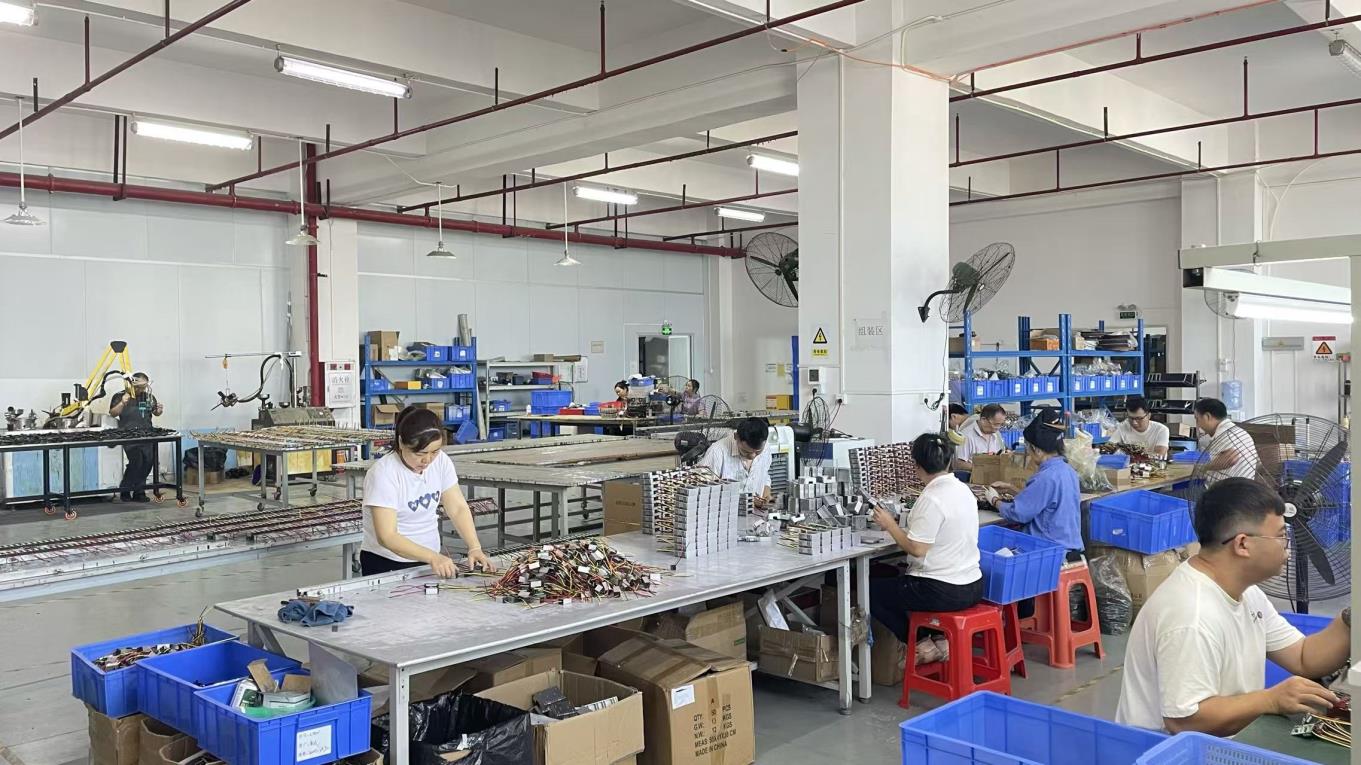 Plug-In
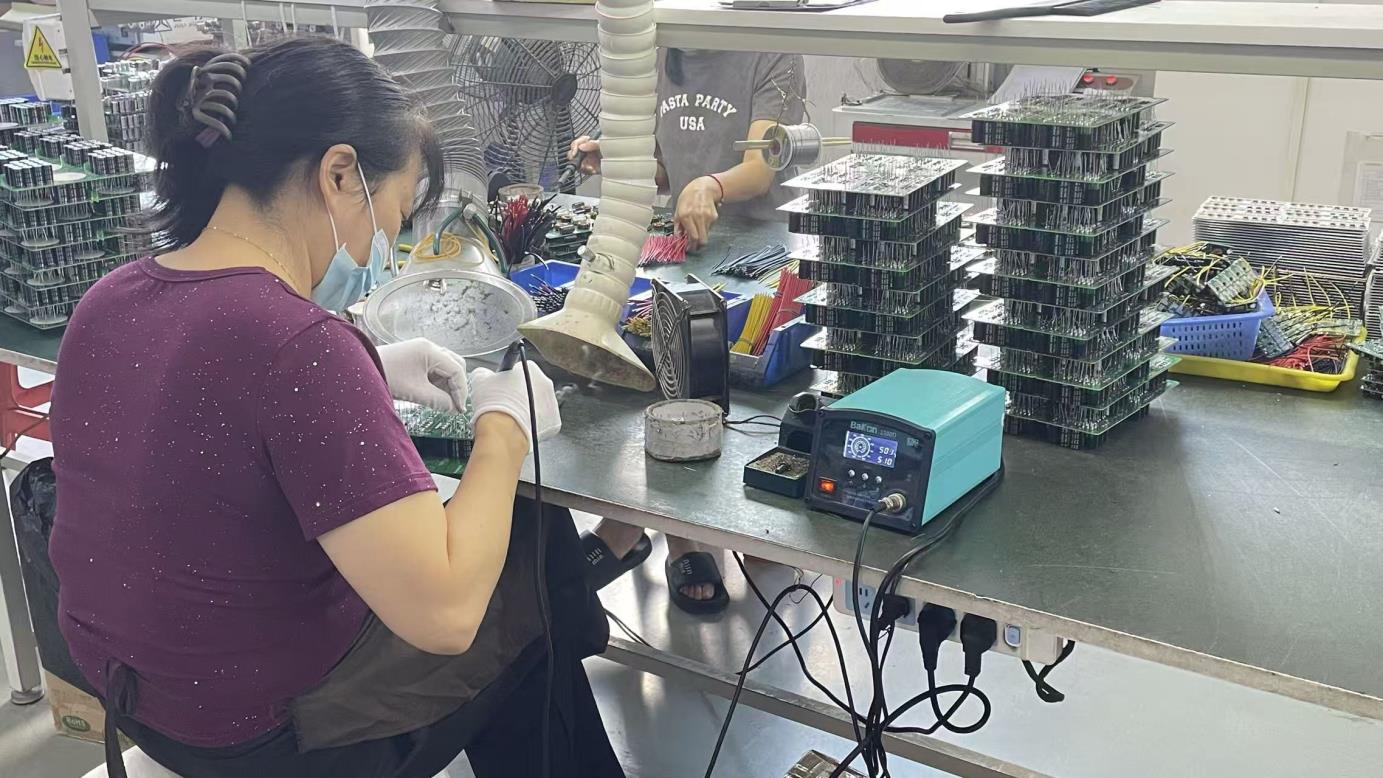 Soldering Tin
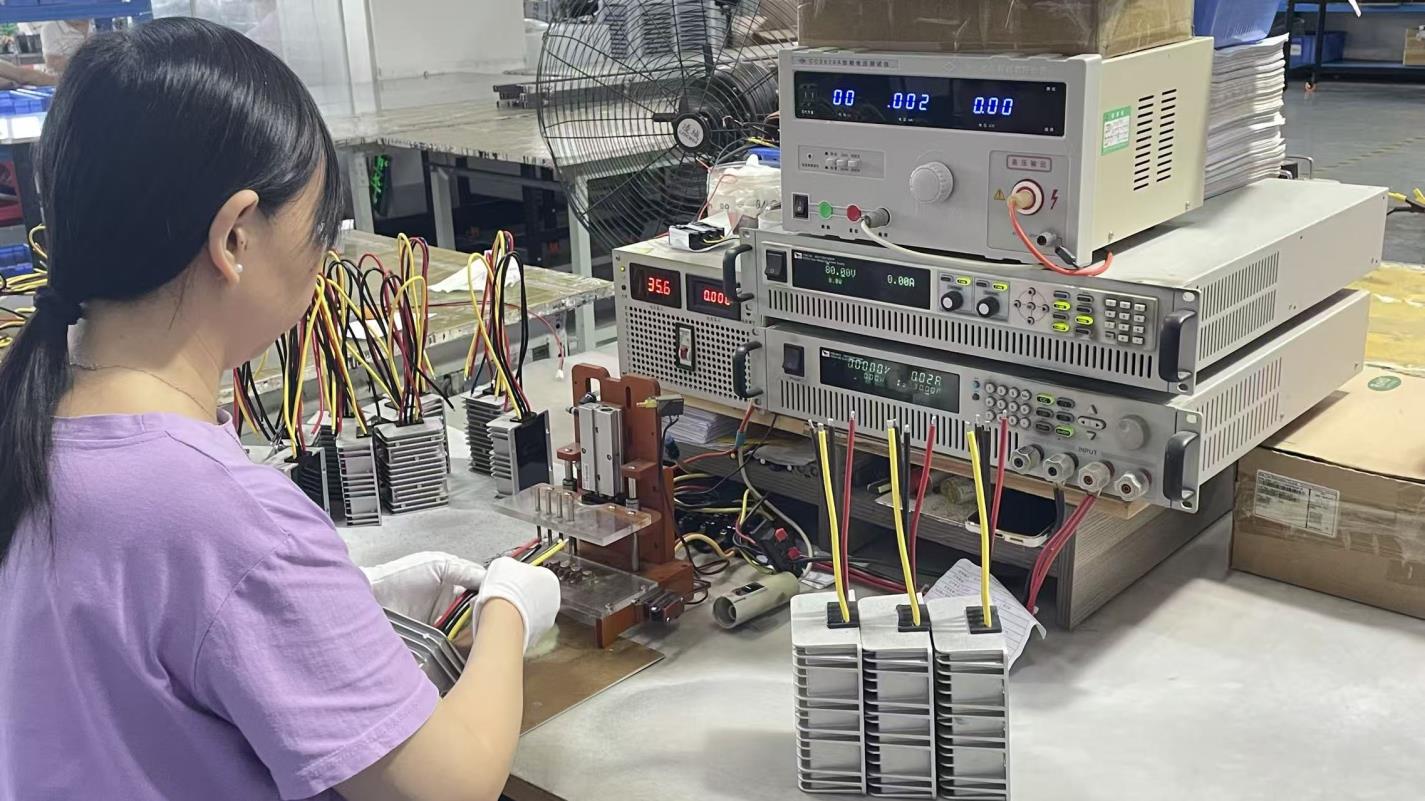 Test
Test
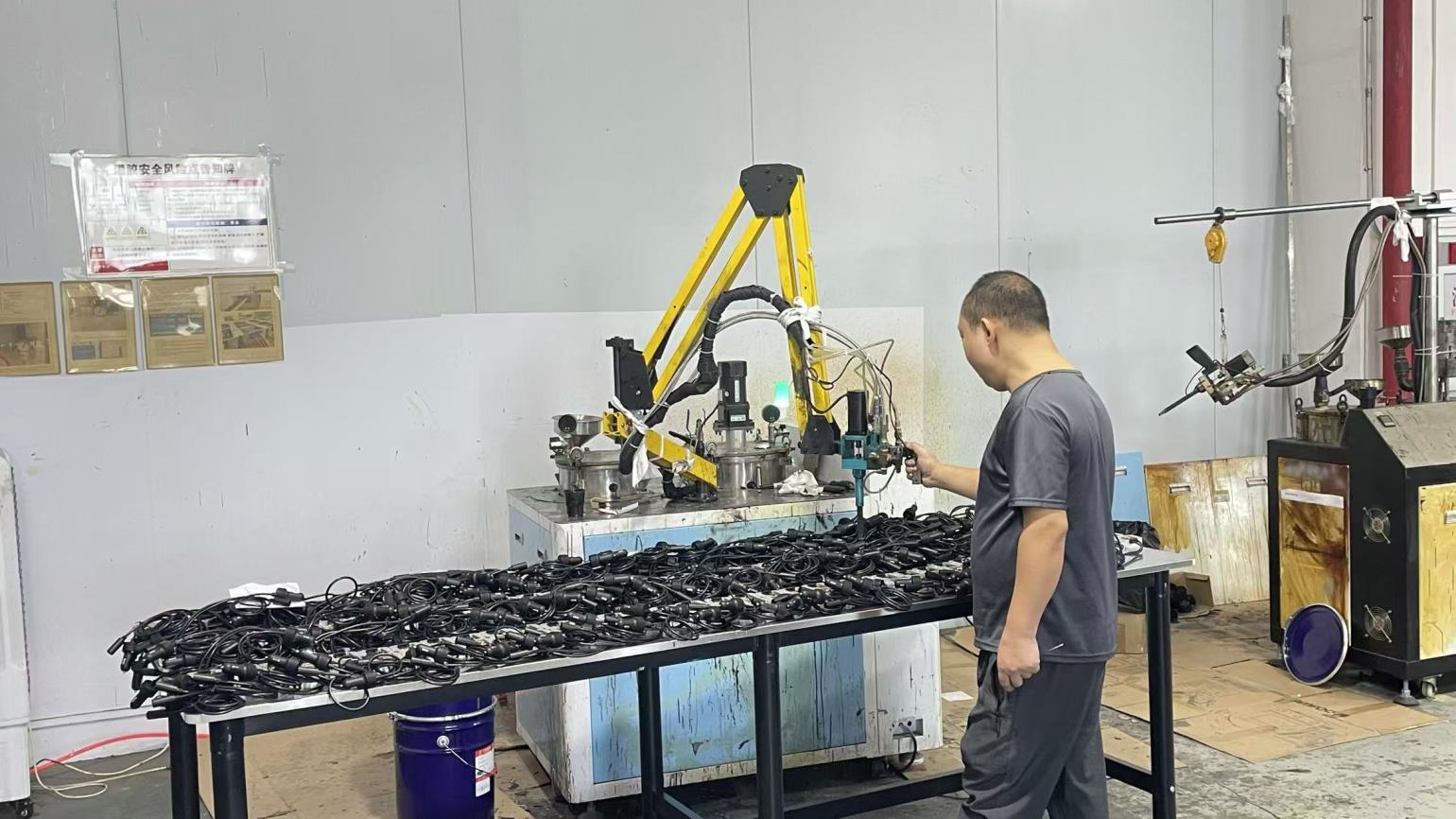 Glue Filling
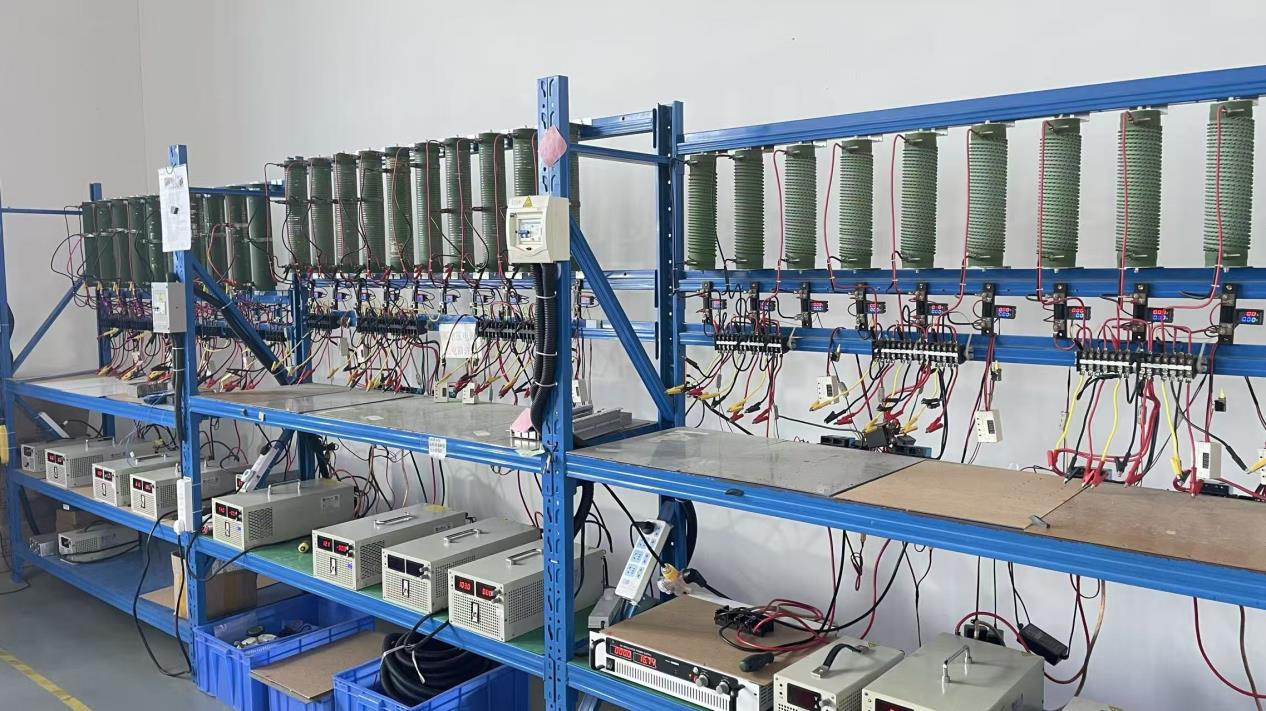 Burn-In Test
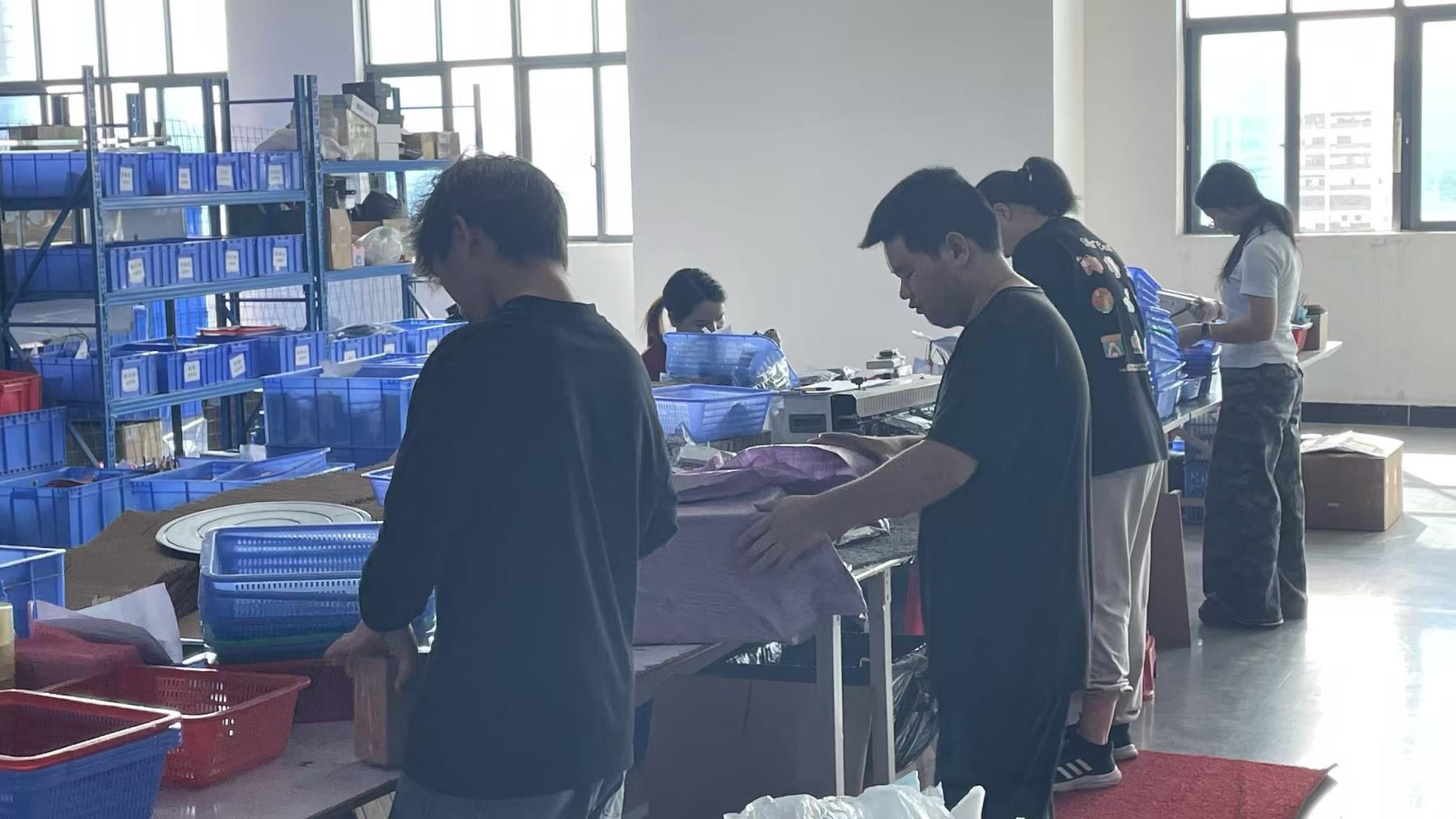 Packaging
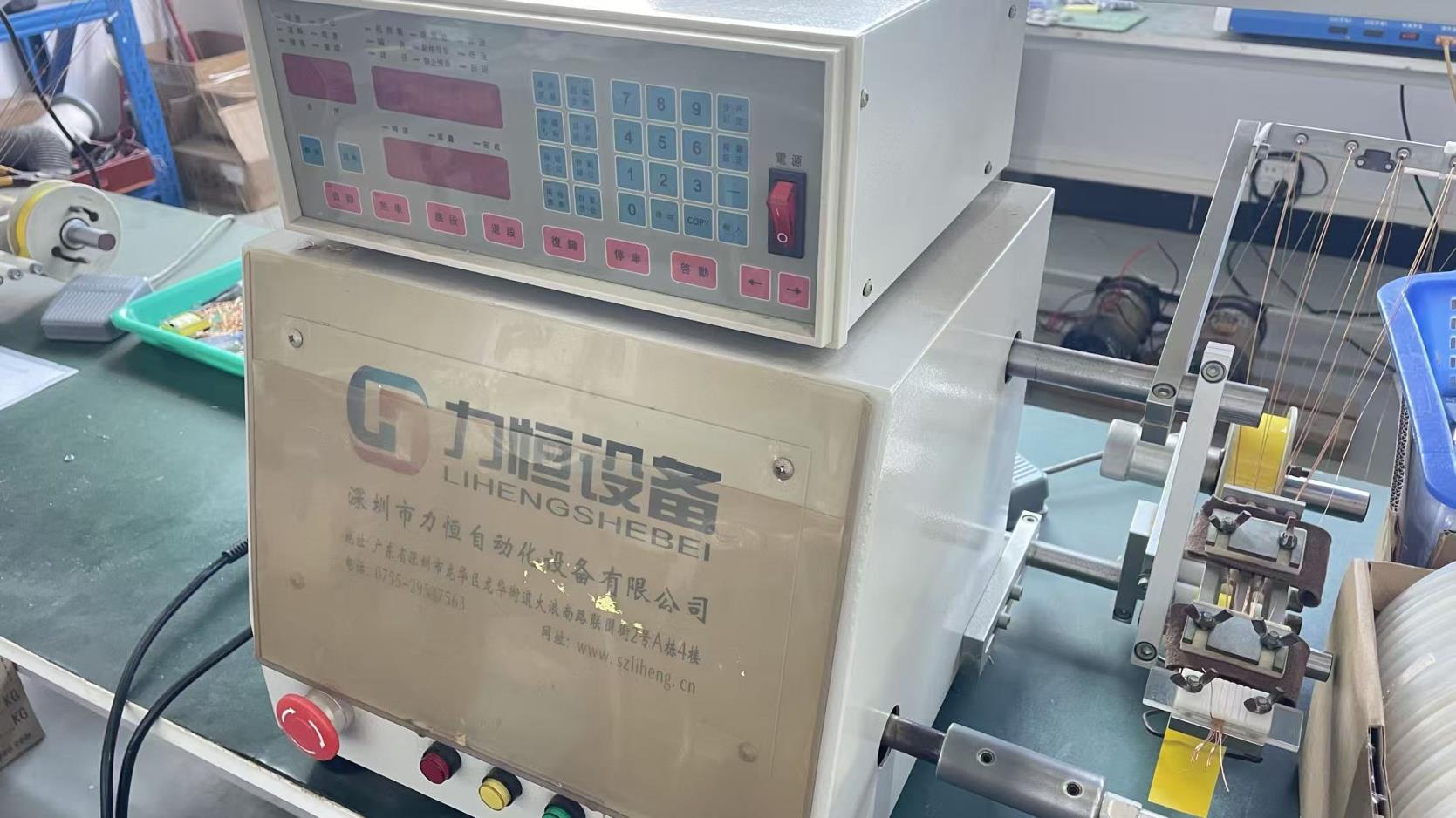 Winding Machine
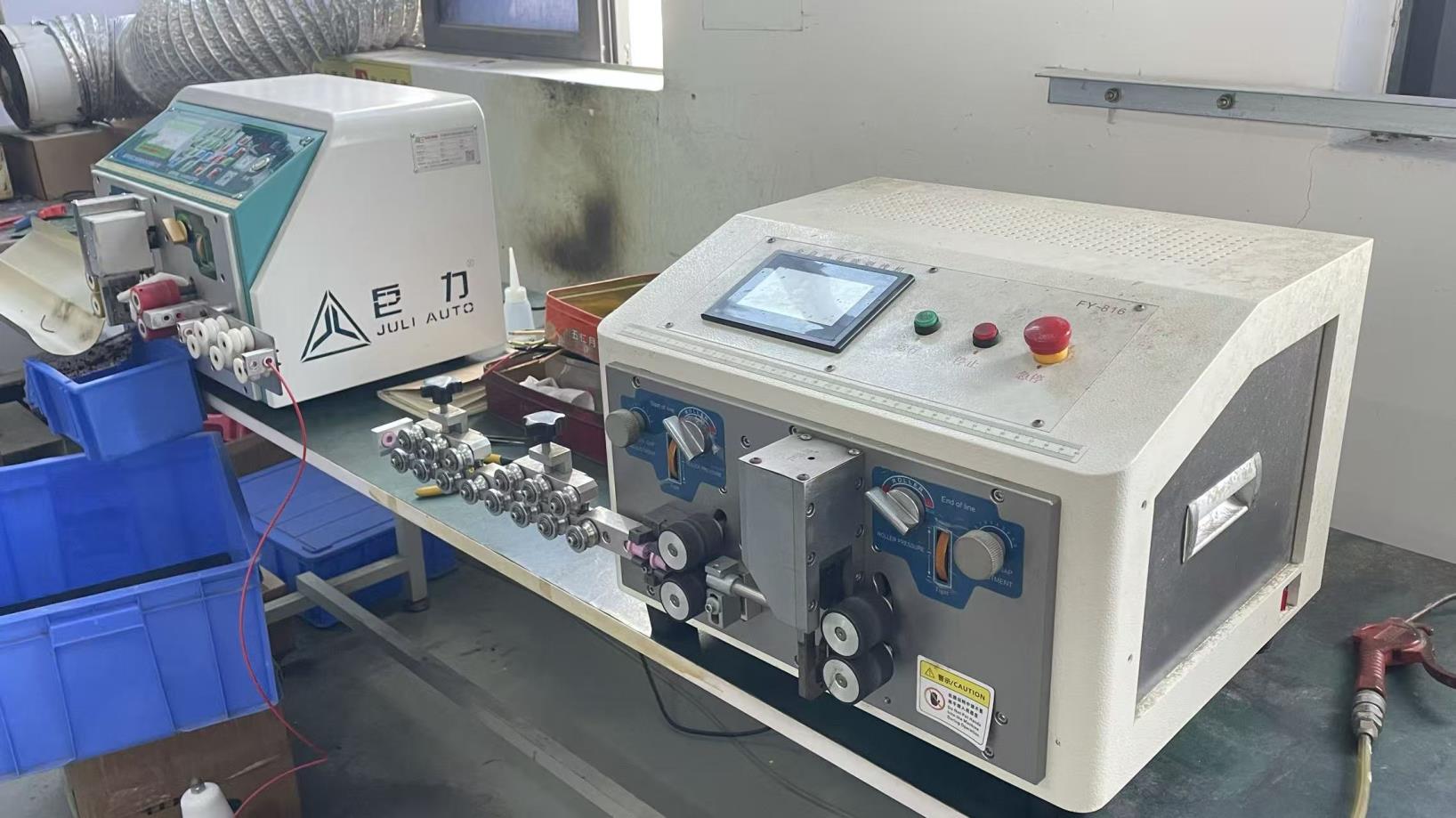 Wire Cutting Machine
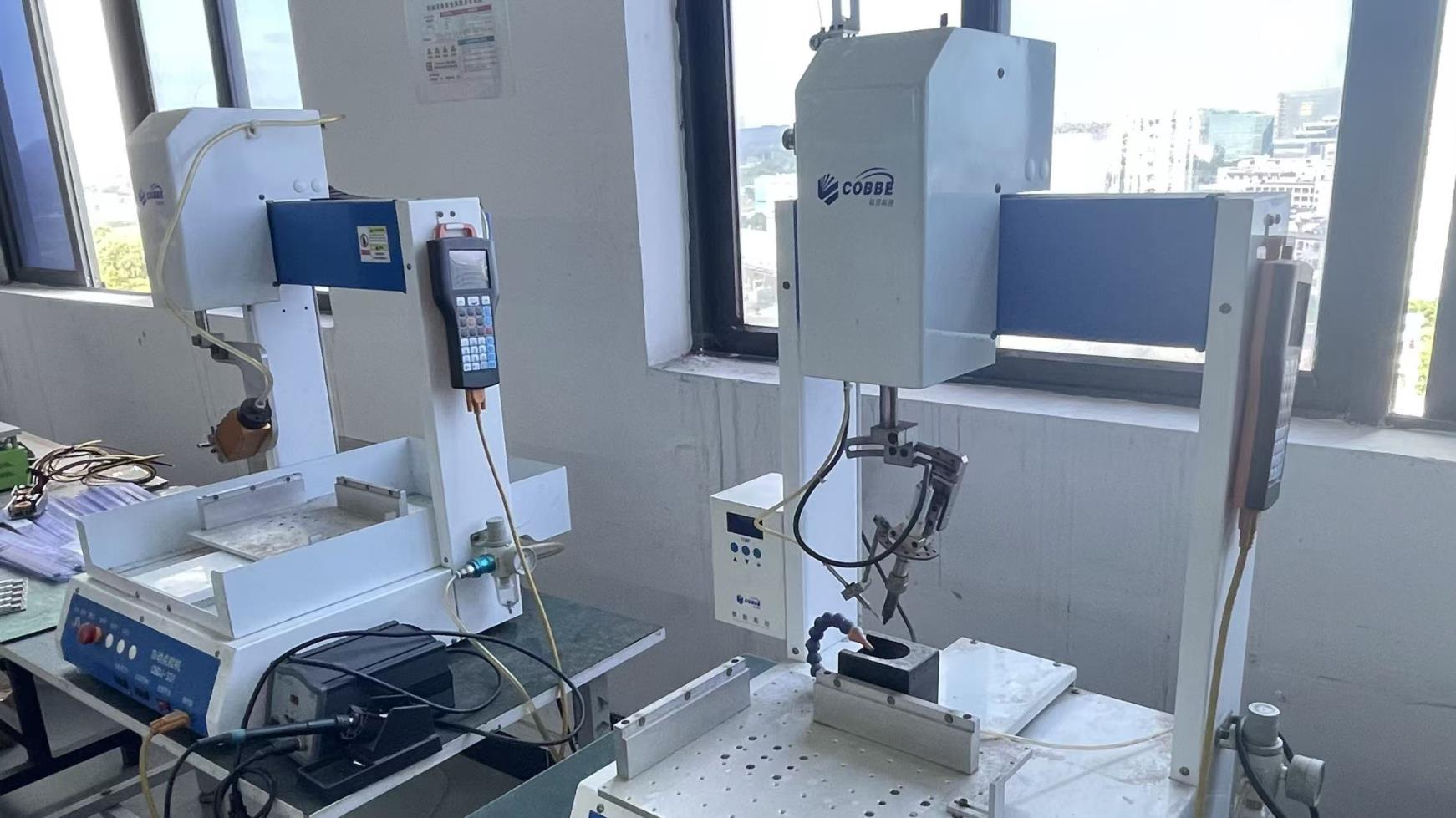 Automatic Soldering Machine
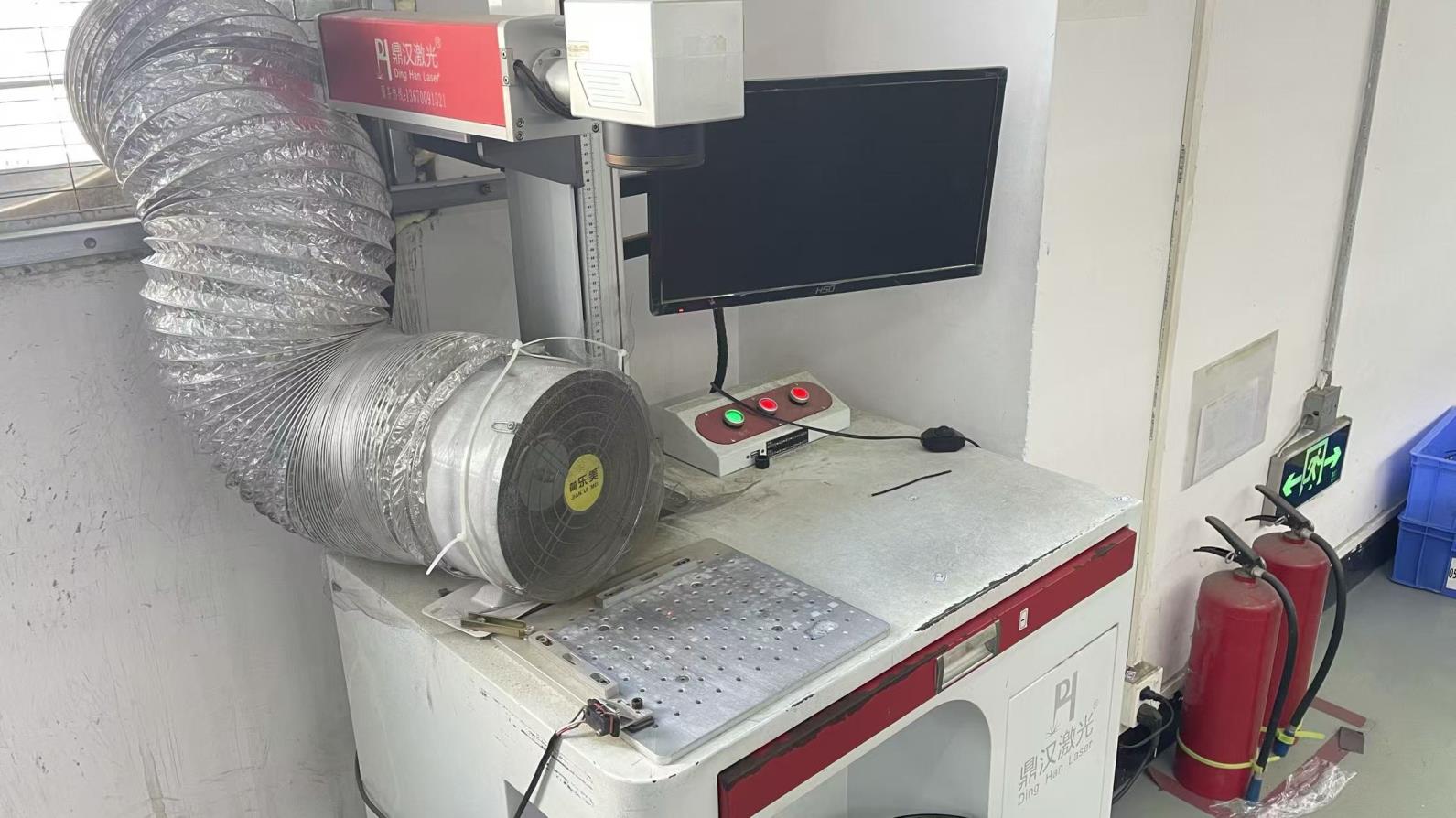 Laser Engraving Machine
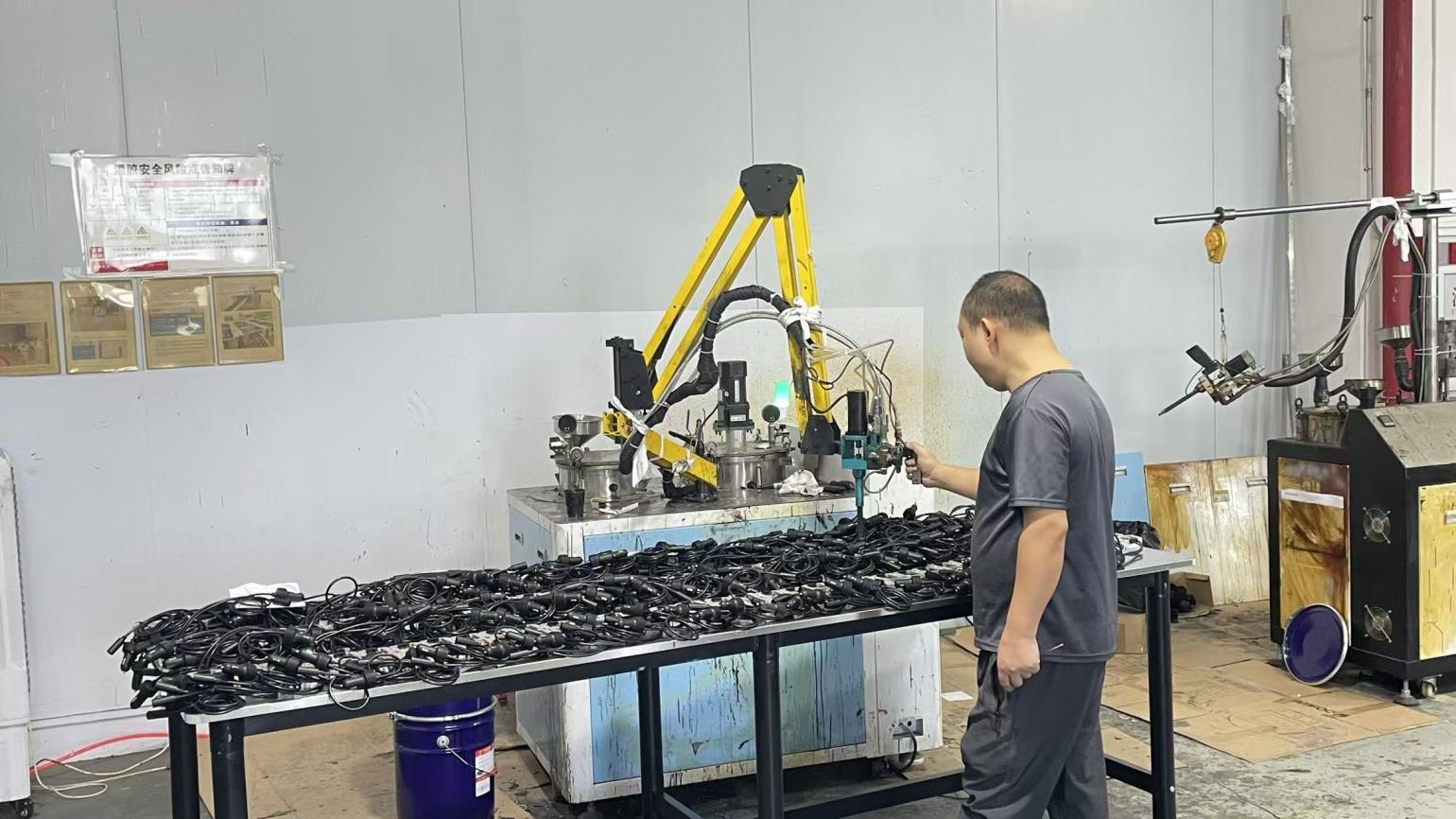 Canning machine
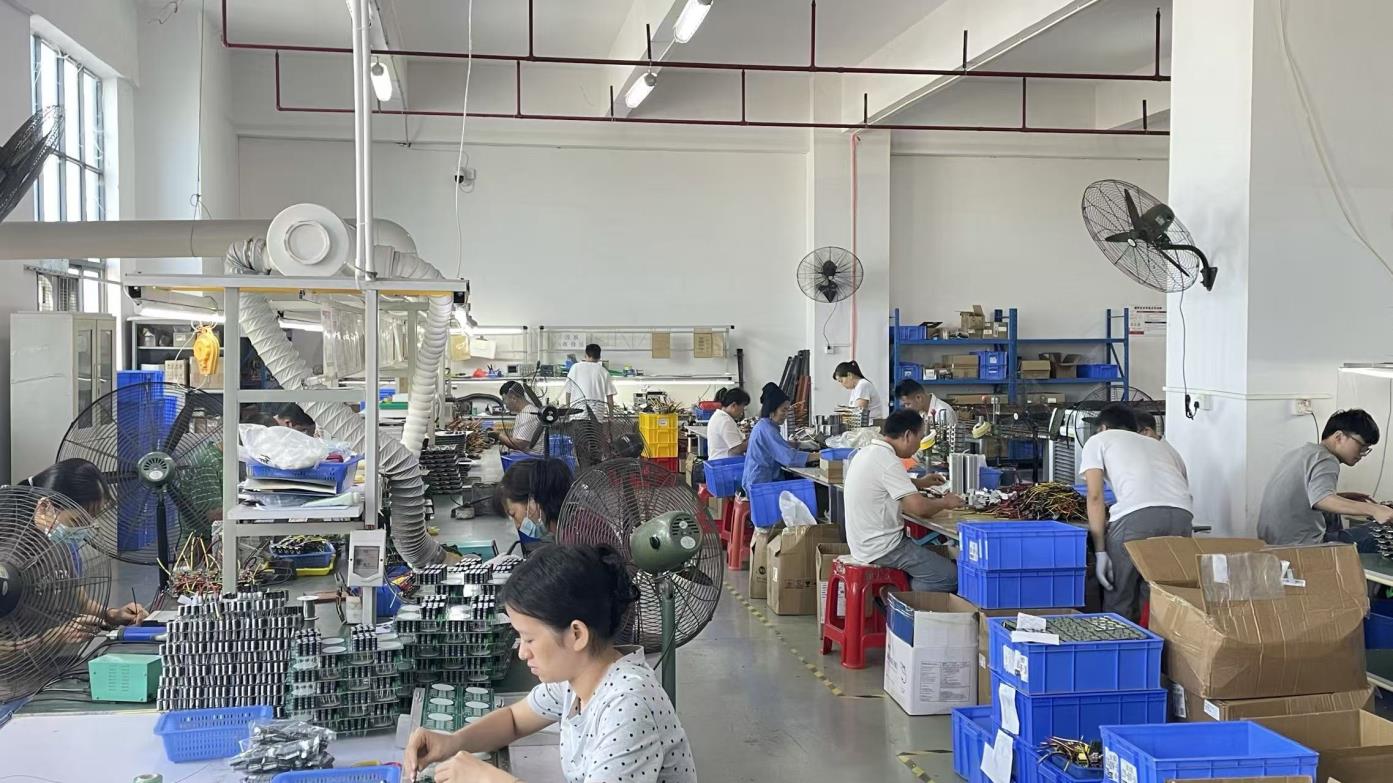 Assembly Line
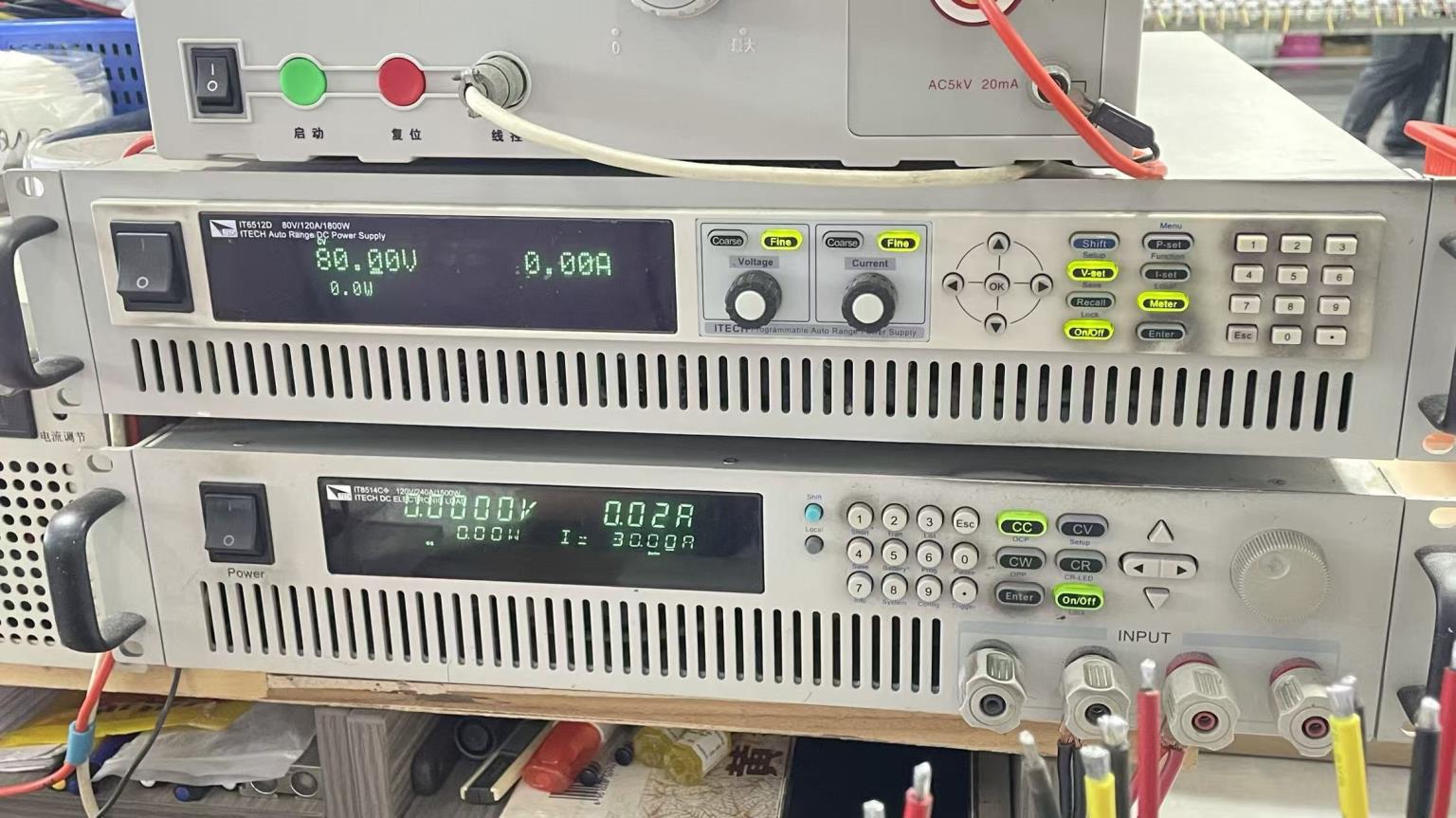 DC Power Supply Tester
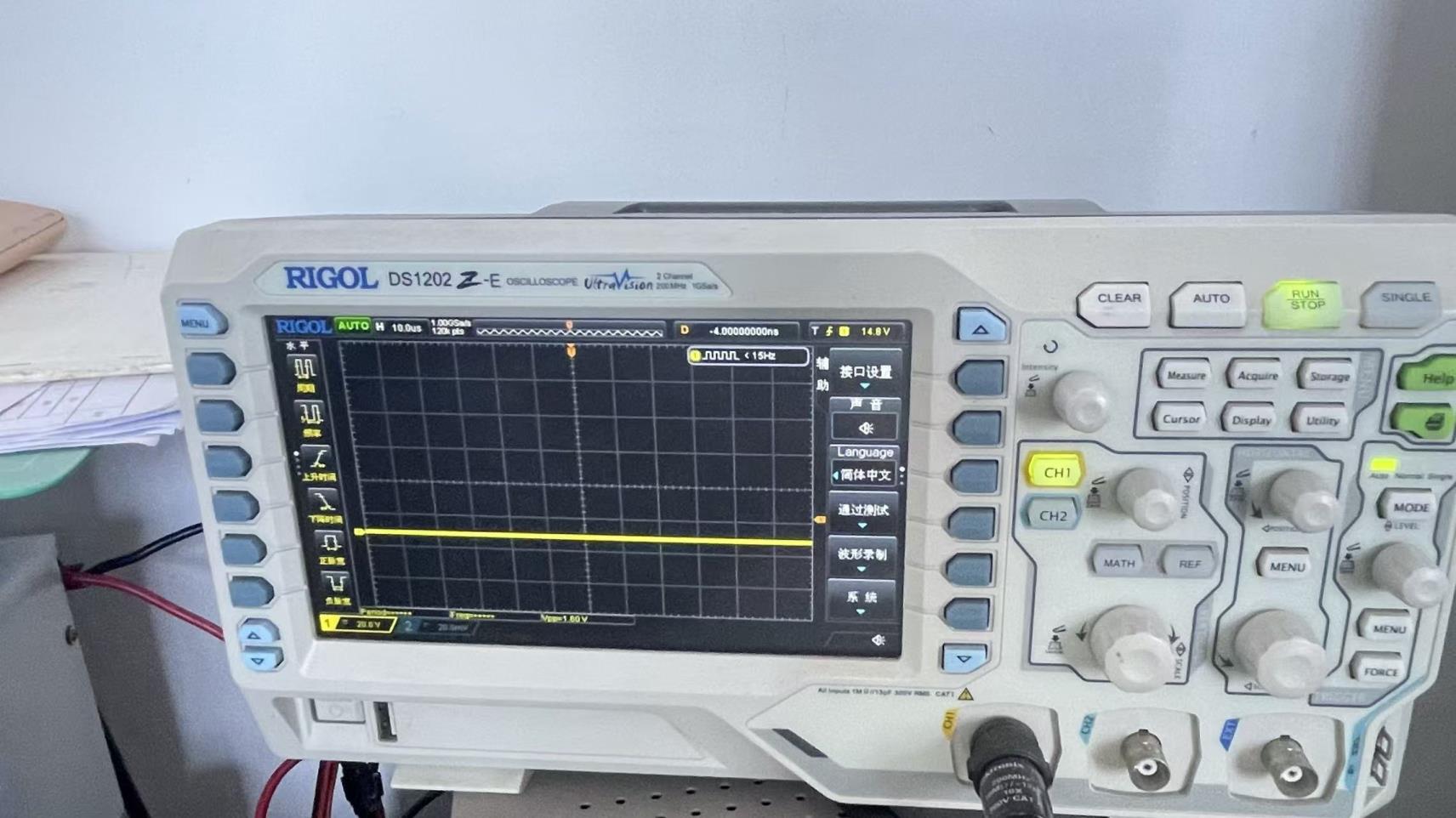 AC Withstand Voltage Tester
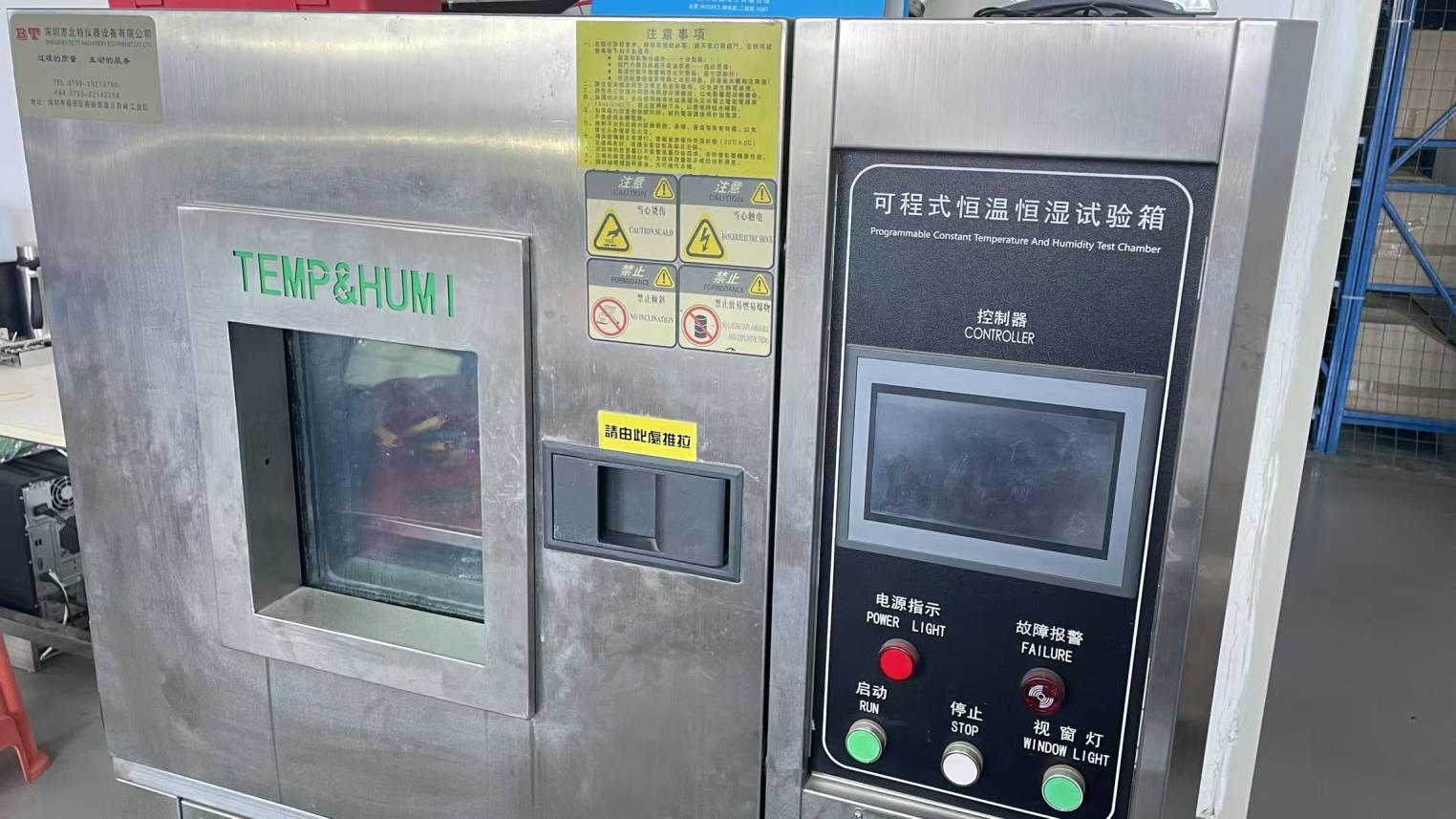 Constant temperature & humidity chamber
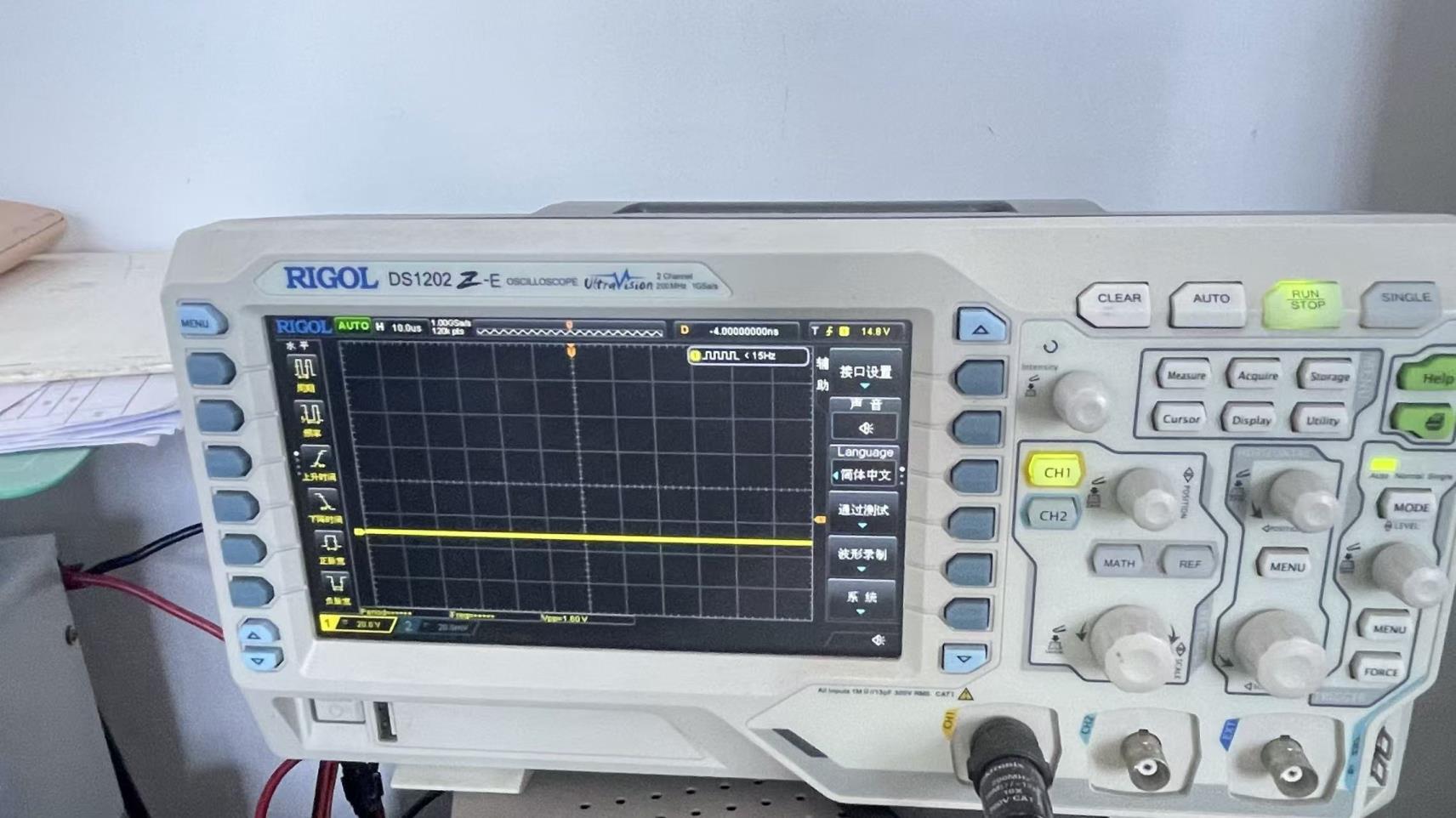 Optical microscope
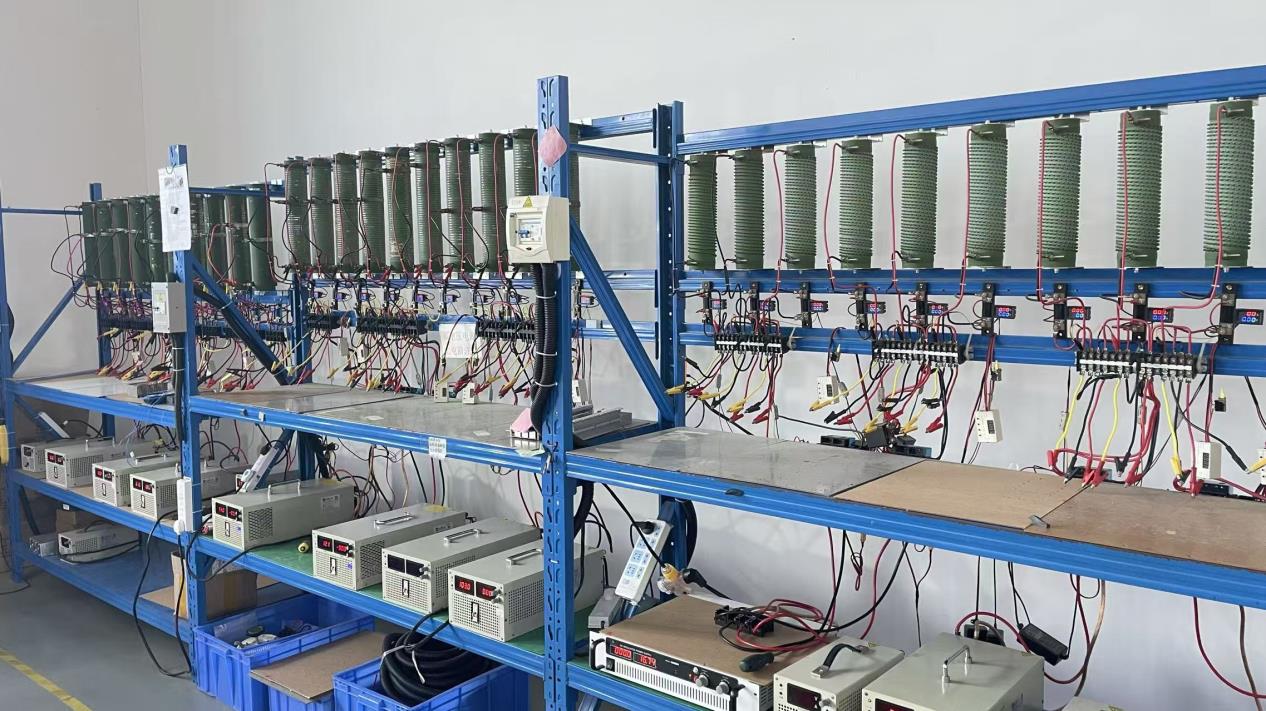 Aging test
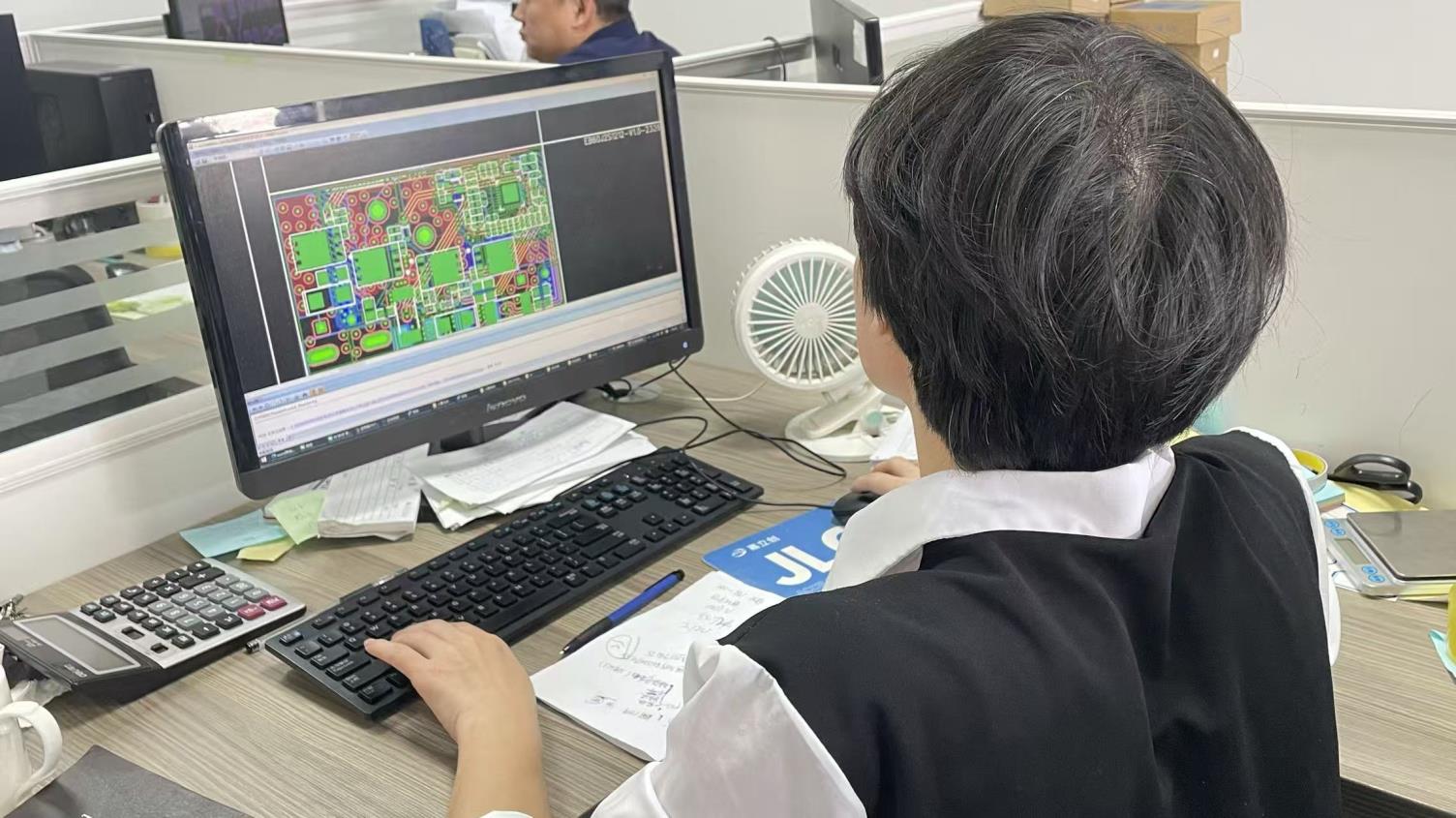 Design Stage
5. Technical Reliability & Regional Grid Compliance
Uzbekistan’s power transmission network experiences voltage instability, transient drops, and harmonic distortions, particularly in fast-growing industrial zones. Deploying high-precision research instruments requires power hardware designed to operate reliably under these localized conditions.
Active Power Factor Correction (PFC)
Standard heavy industrial equipment can introduce phase displacement and harmonic feedback into the utility system. Our programmable power solutions utilize Active PFC systems, keeping the power factor above 0.99 at full rated capacity. This reduces overall power bills and prevents interference with nearby sensitive measurement instruments.
Robust Galvanic Isolation
To shield both personnel and automated test racks from unexpected high-voltage surges, our systems feature robust galvanic isolation barriers rated up to 3000V AC between primary input stages and secondary DC outputs. This standard of electrical isolation is critical for automotive safety testing, meeting international ISO 6469 and IEC 60664 requirements.
Forced-Air & Liquid Cooling Integration
Summers in Uzbekistan often bring ambient factory temperatures above 40°C. Our systems feature intelligent temperature-controlled forced-air cooling systems that adjust fan speeds based on real-time internal thermistor readings. For high-density systems, we also offer liquid-cooled chassis, maintaining stable operations even under continuous full-load production demands.
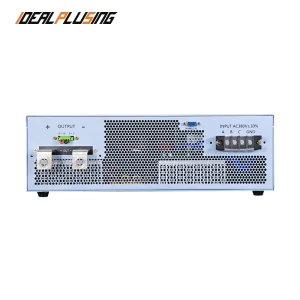
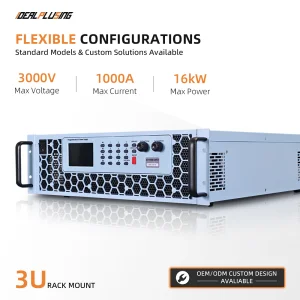
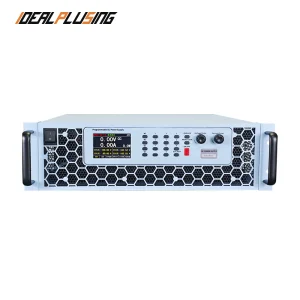
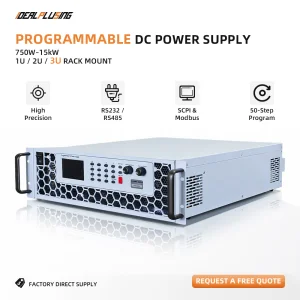
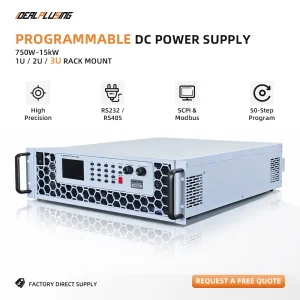
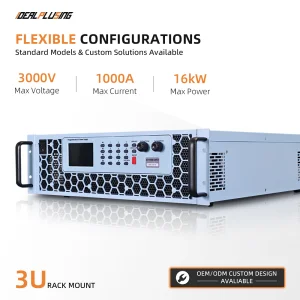
High-Precision Programmable Product Portfolio
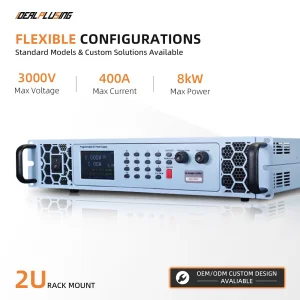
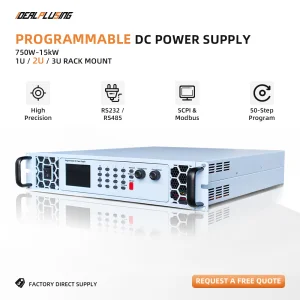
Fully compliant with international quality standards, supporting Ethernet, RS485, and Modbus control interfaces.
6. Technical FAQ & Localized Support
Request a Technical Consultation & Custom Quotation
Discuss your voltage, current, and programming interface requirements with our factory engineering team. We provide tailored solutions configured for Uzbekistan’s industrial applications.
Send Inquiry Now