Featured Industrial Power Solutions
Global Industrial Landscape of Thermal Imaging
Macro Industry Solutions
Thermal imaging has transitioned from niche military use to a core industrial standard. Modern factories leverage Infrared (IR) technology for non-destructive testing, predictive maintenance of electrical grids, and automated quality control in high-heat manufacturing processes.
Strategic Procurement Needs
B2B buyers now prioritize "Sensor Fusion"—the integration of thermal data with AI-driven analytics. Procurement is no longer just about hardware; it’s about software compatibility, cloud integration, and long-term calibration support.
Compliance & Standards
Top-tier manufacturers adhere to ISO 9001 and IEC 60529 (IP ratings). For hazardous environments, ATEX and IECEx certifications are non-negotiable requirements for thermal monitoring systems in oil, gas, and chemical industries.
Top 10 Manufacturers Shaping the IR Future
1. Teledyne FLIR (USA): The undisputed global leader. Their dominance stems from a complete vertical integration, manufacturing their own microbolometers. FLIR’s "Lepton" modules have democratized thermal imaging for mobile devices.
2. Hikmicro (China): A rapid disruptor in the thermography space. Leveraging Hikvision’s massive R&D budget, they offer the best cost-to-performance ratio for industrial handheld cameras.
3. Seek Thermal (USA): Specialized in compact, high-resolution sensors. They are the preferred partner for OEM integration in automotive and firefighting gear.
4. Testo SE & Co. KGaA (Germany): The gold standard for HVAC and building diagnostics. German engineering ensures precision in emissivity adjustment and professional reporting software.
5. Fluke Corporation (USA): Known for "ruggedness." Their cameras are designed for the harshest electrical environments, often integrated with their world-class multimeter ecosystems.
6. Guide Sensmart (China): A heavyweight in mass production. They provide the backbone for many white-label IR brands globally with robust manufacturing capacities.
7. InfiRay (China): Leaders in high-resolution thermal cores. They were among the first to bring 12μm pixel pitch technology to the commercial market.
8. Xenics (Belgium): Pioneers in SWIR (Short-Wave Infrared). While most focus on LWIR, Xenics dominates high-end scientific and hyperspectral imaging.
9. Leonardo DRS (USA): Primarily focused on defense and aerospace, providing the high-reliability thermal tech used in critical infrastructure security.
10. Bosch (Germany): Bringing thermal tech to the mainstream DIY and professional trade markets through high-volume consumer distribution channels.
$4.2B
Global Market Value
7.4%
Annual Growth Rate
AI+IR
Next-Gen Tech Trend
12μm
Precision Standard
Technical Roadmap & Future Outlook
As we move toward Industry 4.0, thermal imaging is evolving from a reactive tool to a proactive, autonomous sensor. Below is the roadmap for the next decade of IR technology.
Phase 1: Miniature Integration
Evolution of wafer-level packaging (WLP) allows thermal sensors to be embedded in smartphones, wearables, and IoT devices for continuous health monitoring.
Phase 2: Edge AI Processing
Moving away from raw data to "Decision Output." Cameras will identify gas leaks or electrical hotspots locally, reducing bandwidth and latency.
Phase 3: Multispectral Fusion
Combining Visible, IR, and LiDAR data to create a "digital twin" of industrial assets with 100% accuracy in all lighting and weather conditions.
Precision Engineering: The Backbone of High-Tech Sensors
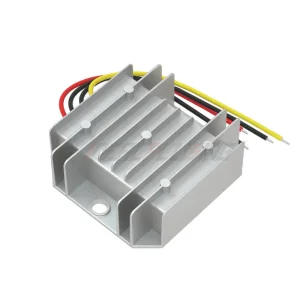
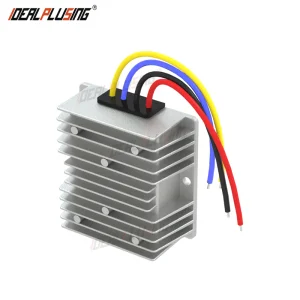
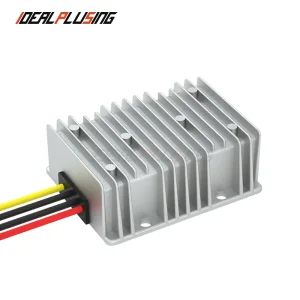
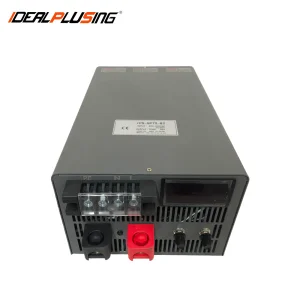
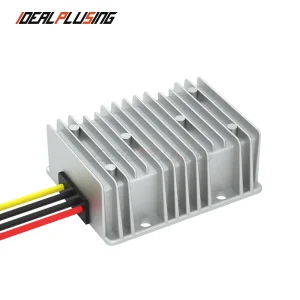
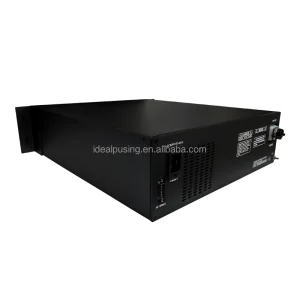
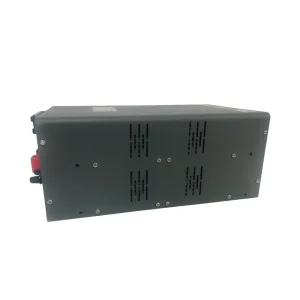
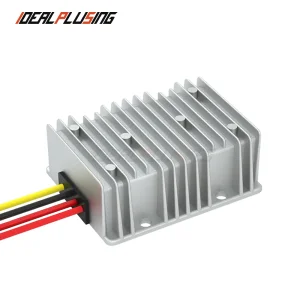
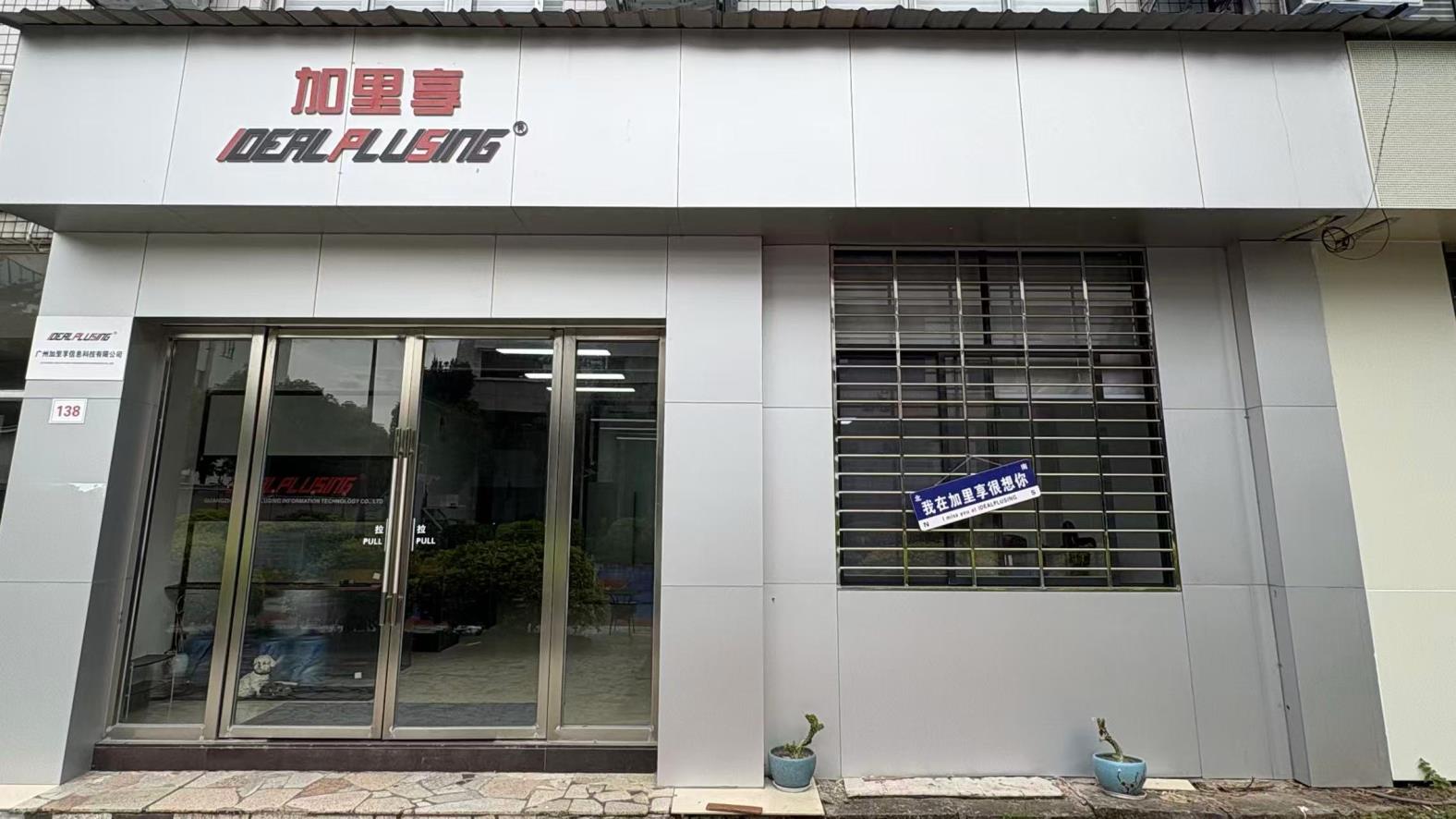
Every high-performance thermal camera requires ultra-stable power regulation and precision manufacturing. As a leading integrator and manufacturer based in Guangzhou, China, IDEALPLUSING provides the critical power infrastructure that drives these advanced imaging systems.
Who We Are?
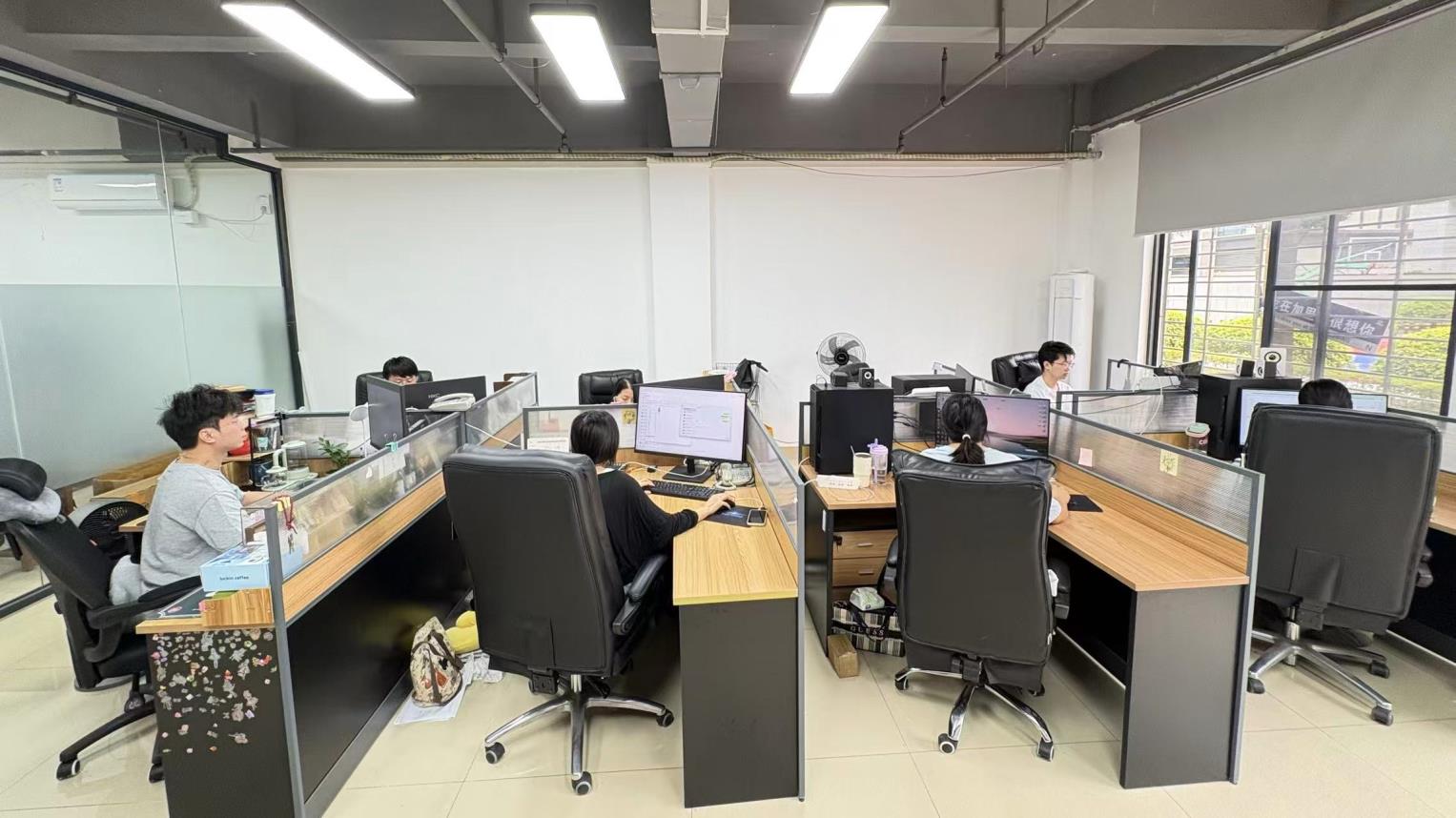
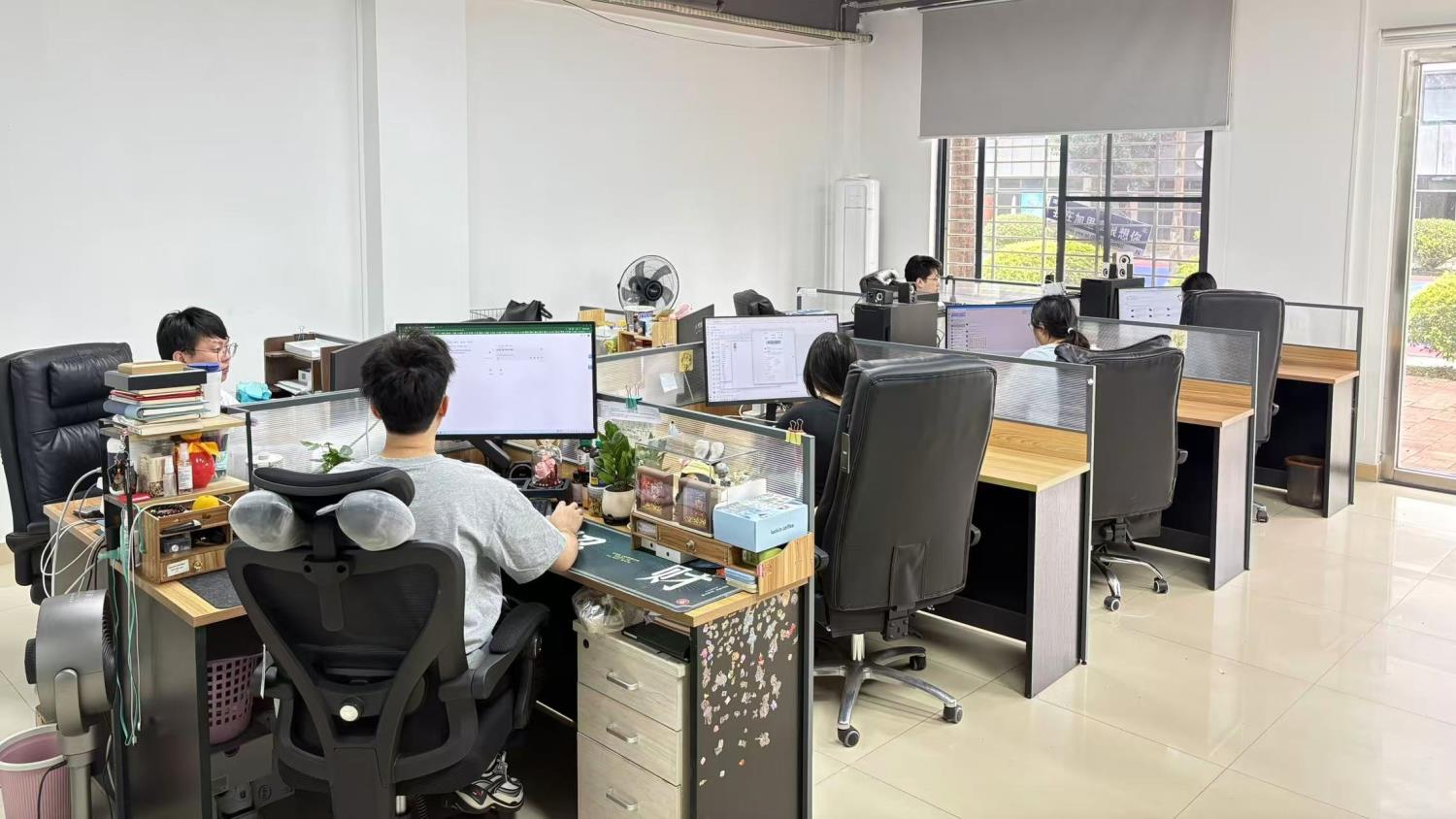
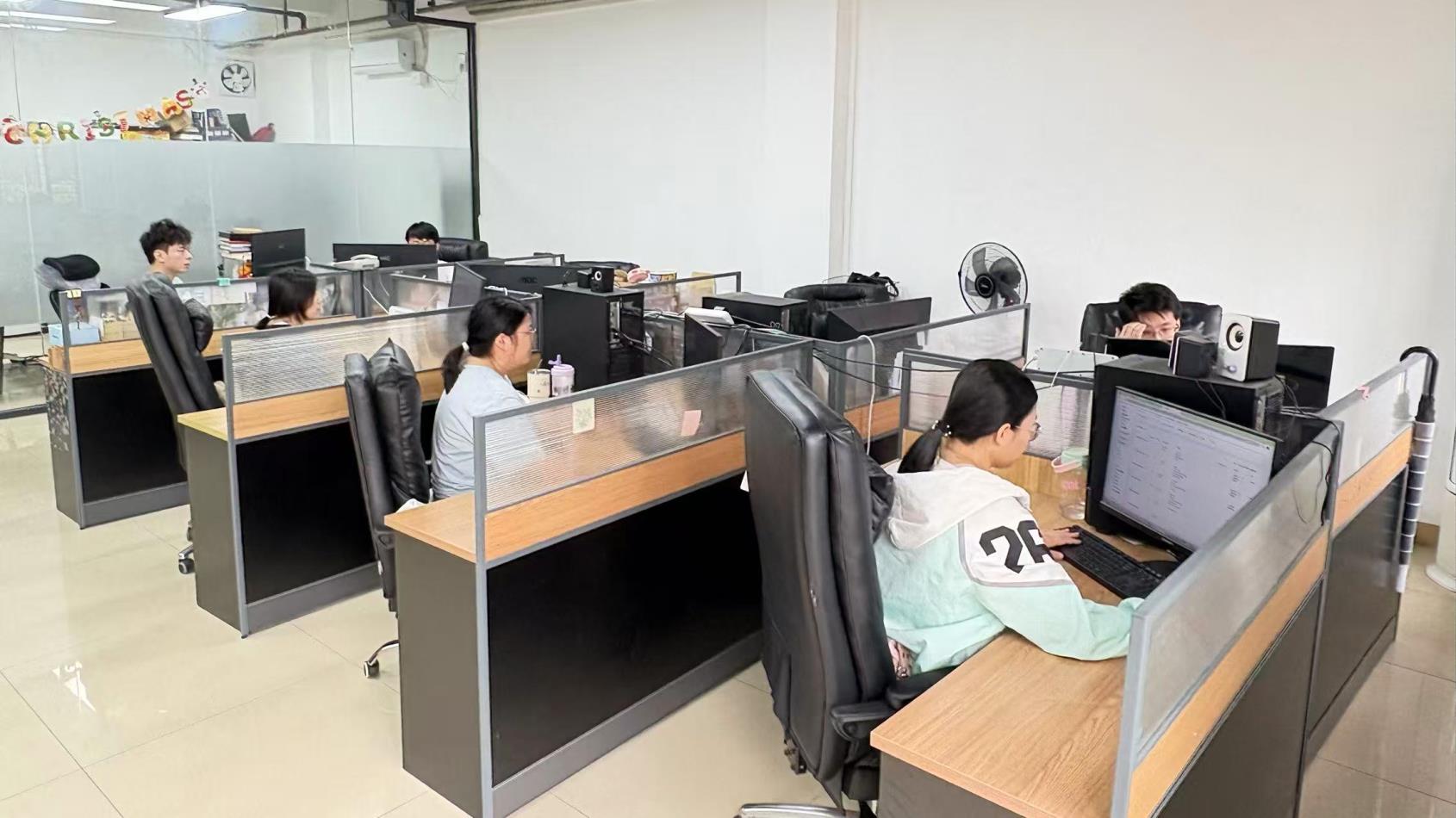
We operate our own state-of-the-art factories in Guangzhou, complemented by over 20 specialized cooperation facilities. With 60+ skilled technicians and a catalog of 10,000+ power supply models, we bridge the gap between engineering design and industrial construction.
Our Core Philosophy: "Leading Technology, Reliable Quality, Satisfactory Service & Customers First!"
Global Power Capabilities
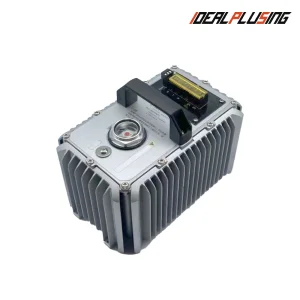
- ⚡ DC-DC Converters: Isolated/Non-isolated, 12V to 1000V, up to 200kW.
- ⚡ AC-DC Power Supplies: Precision control from 0V to 200kV, up to 20kA.
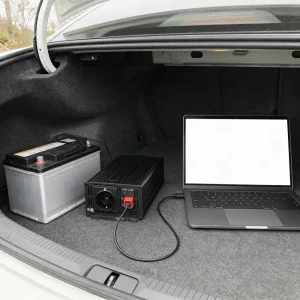
- ⚡ DC-AC Inverters: Robust conversion up to 500kW for industrial backup.
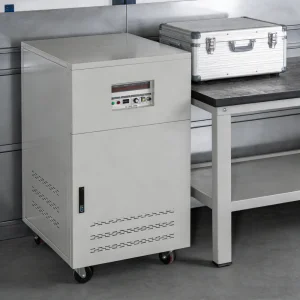
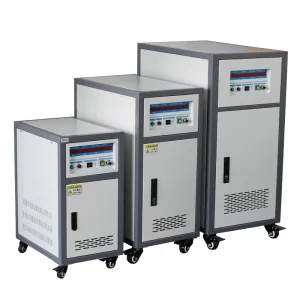
- ⚡ AC-AC Sources: 1kVA to 500kVA, variable frequency (10-500Hz).
- ⚡ Ground Power Units: Heavy-duty aviation support up to 50,000 Amps.
Our Production & QC Process
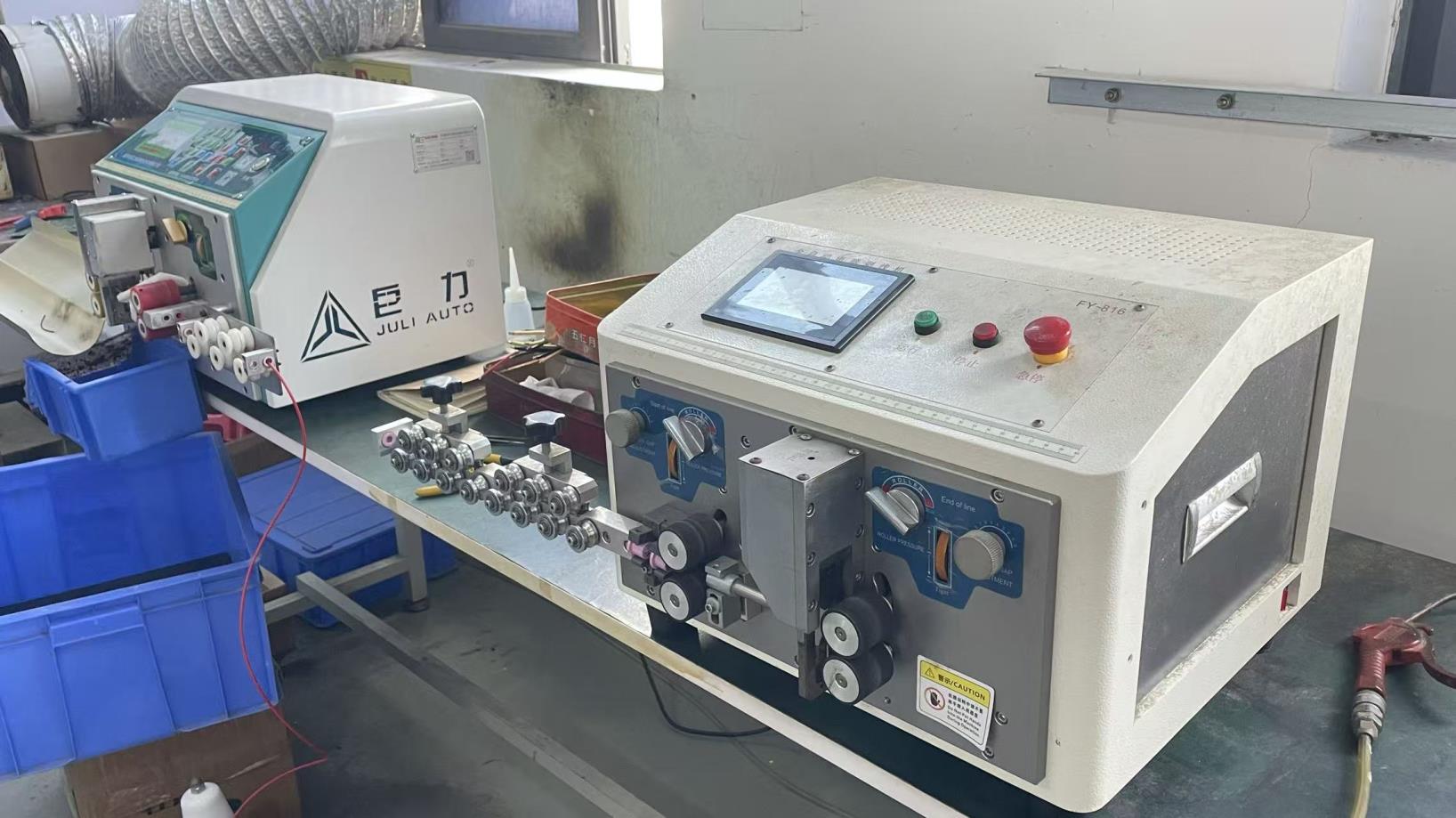 Wire Cutting
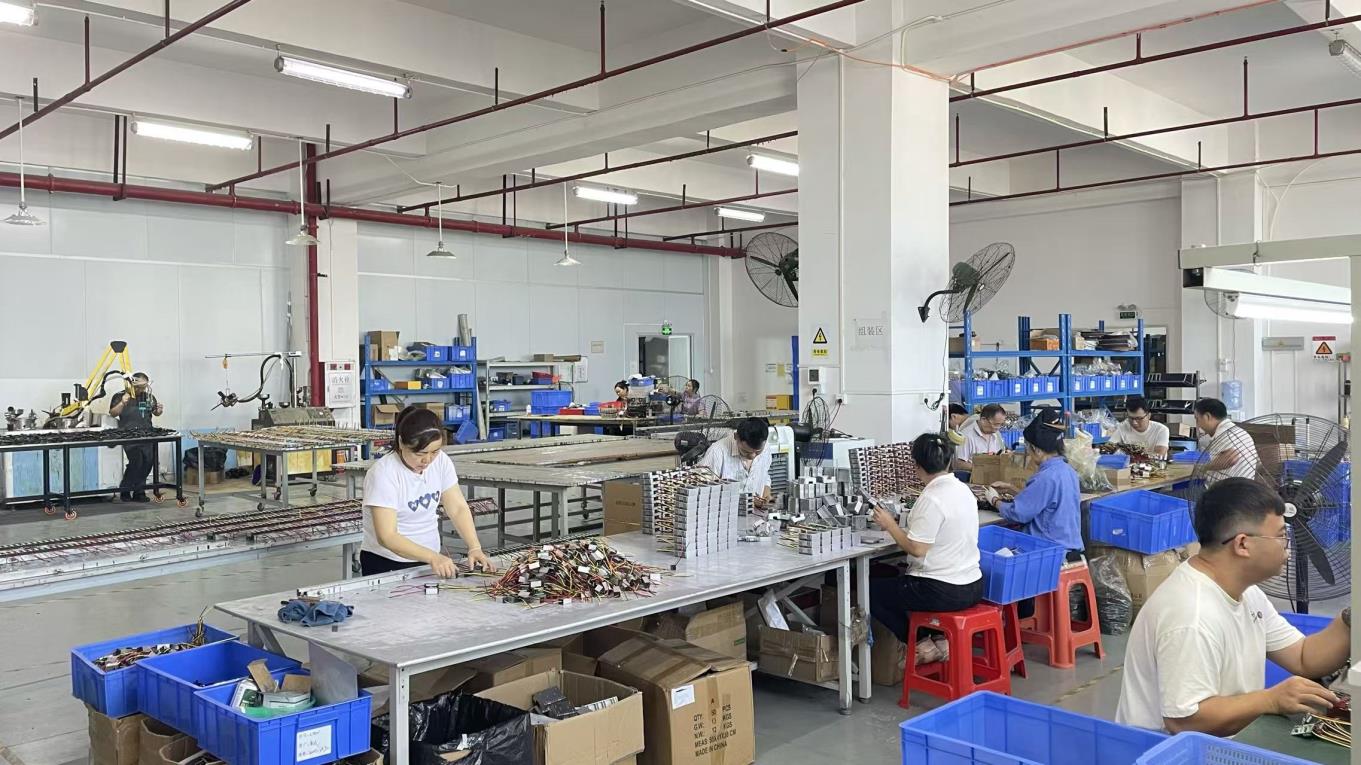 Plug-In
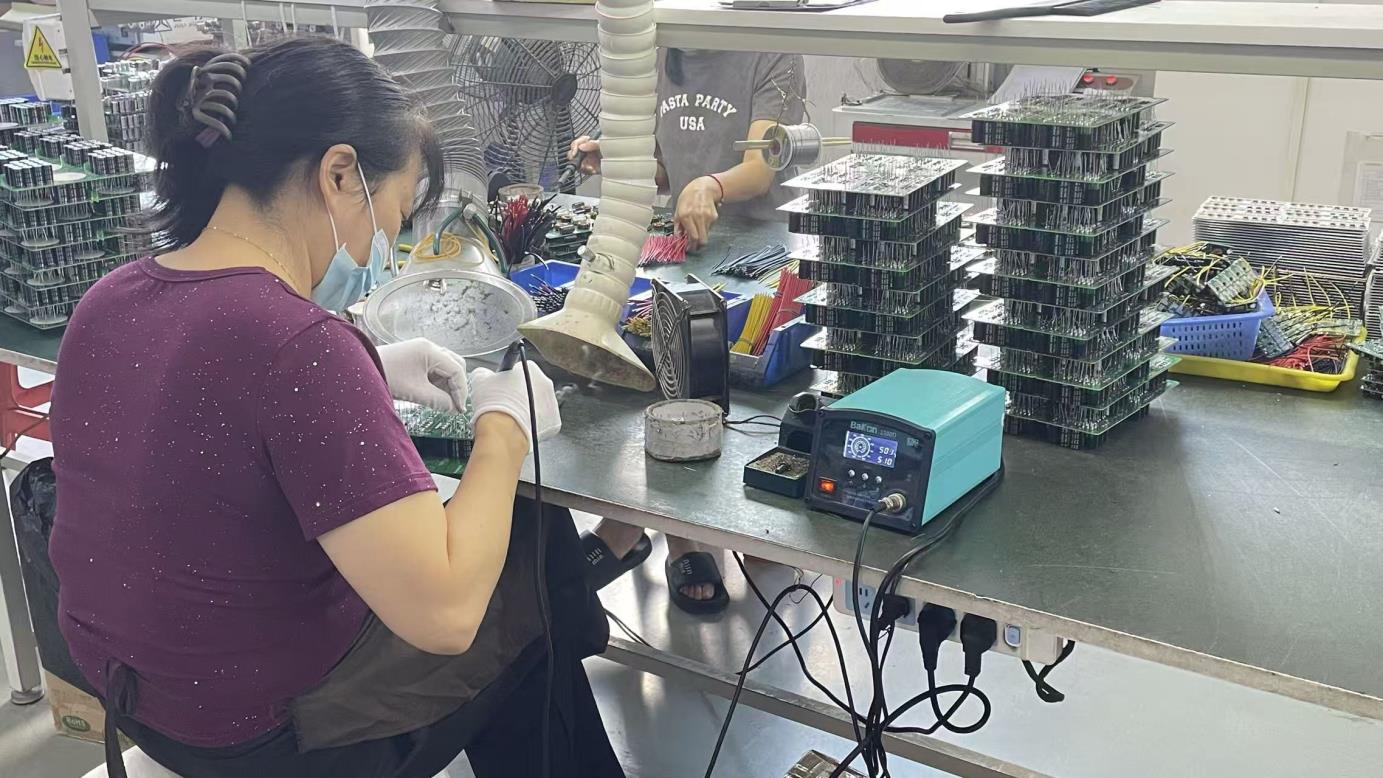 Soldering Tin
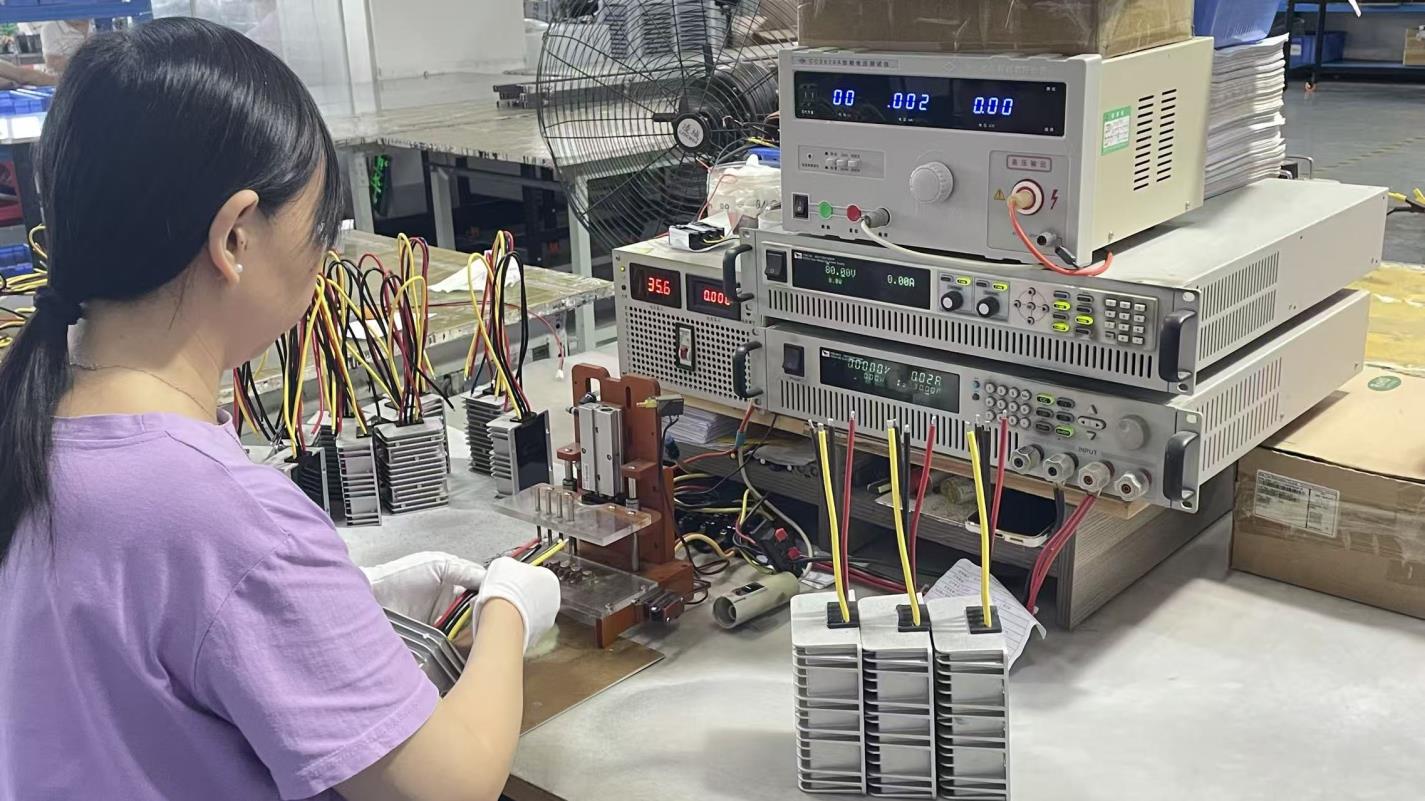 Quality Test
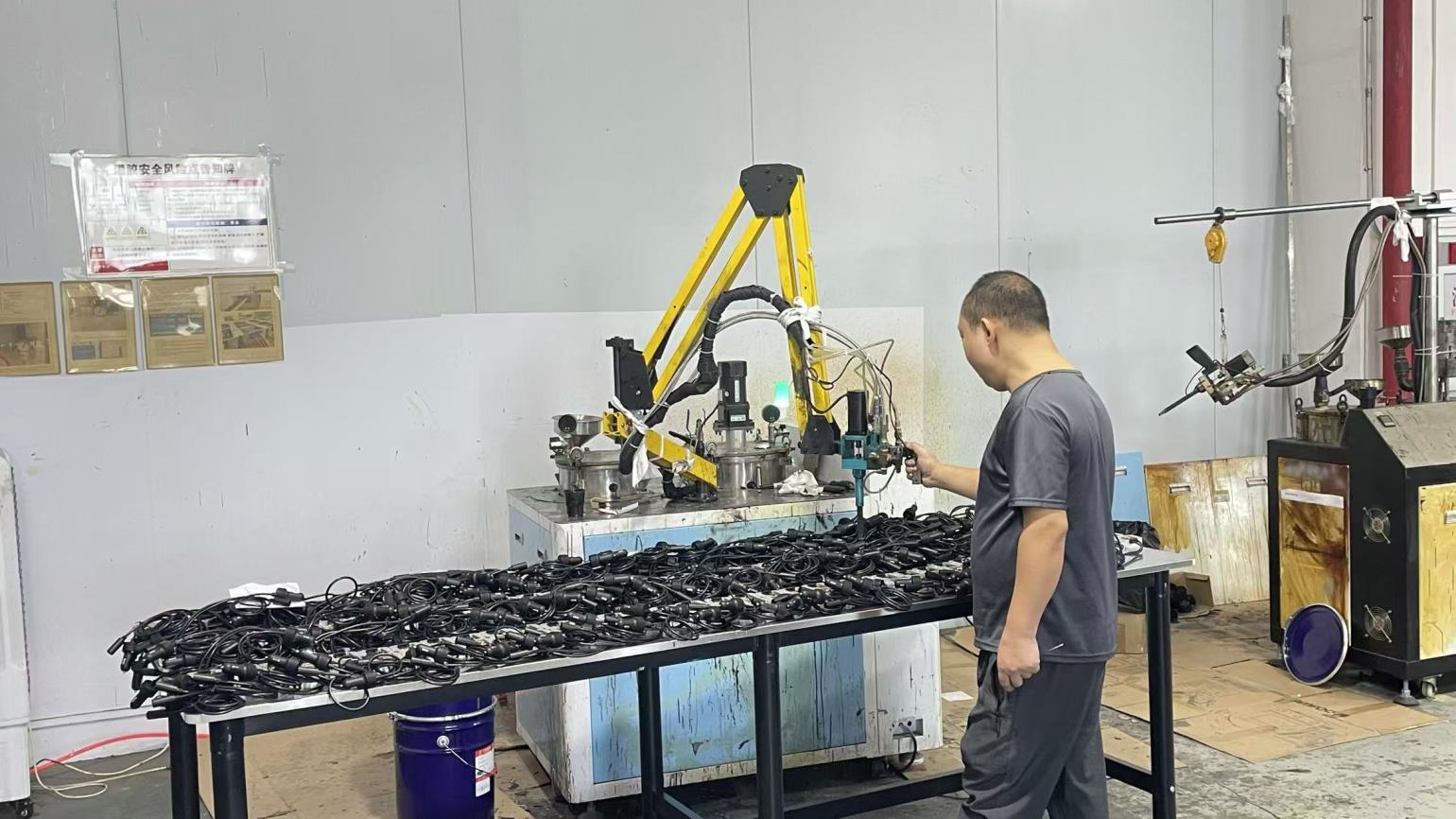 Glue Filling
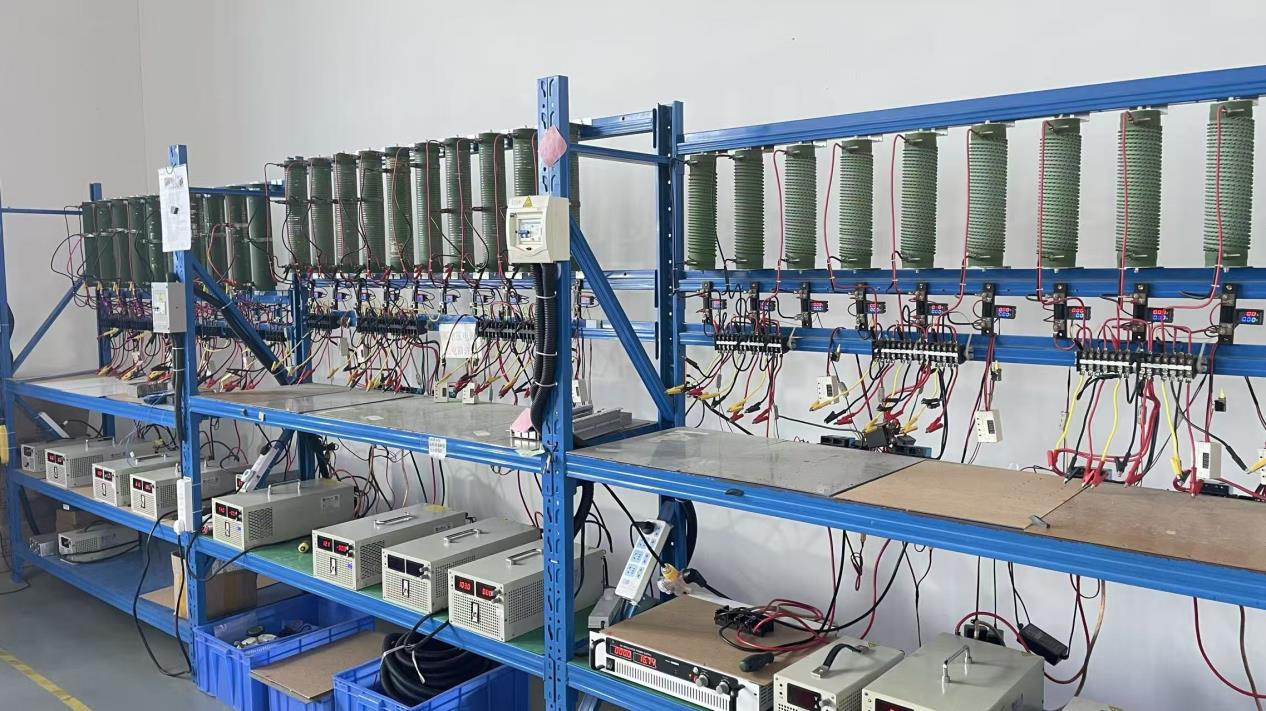 Burn-In Test
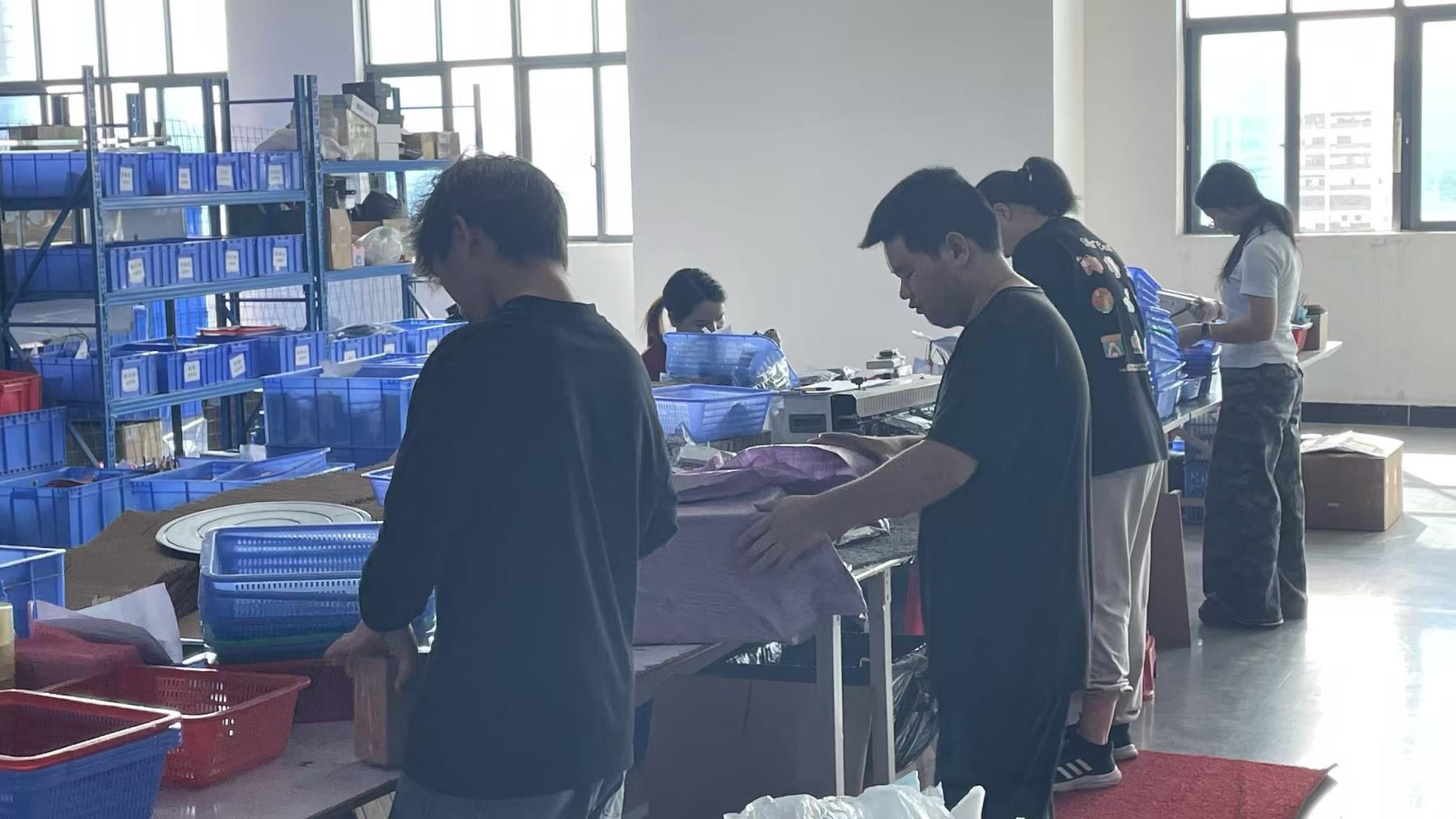 Packaging
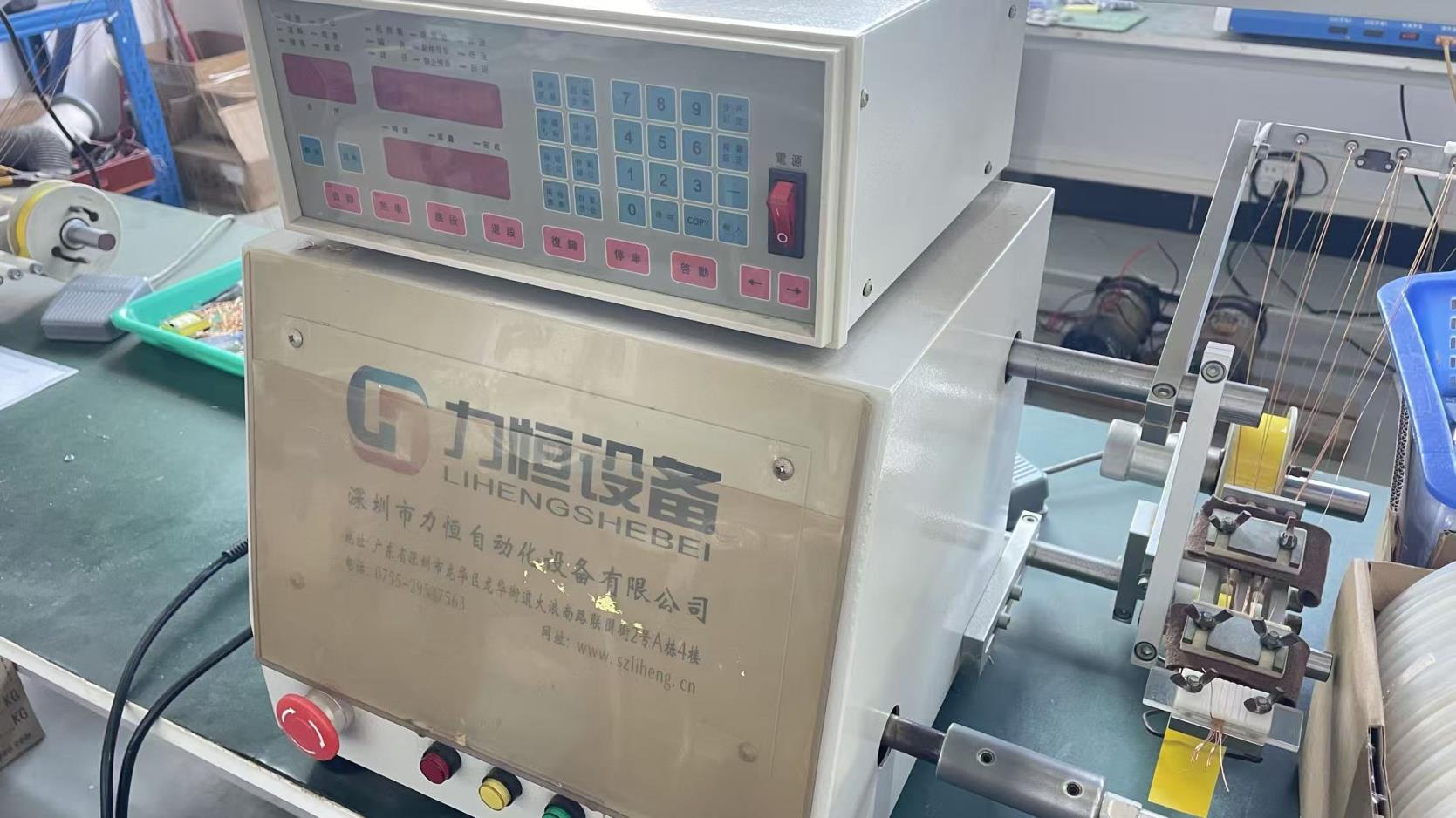 Winding Machine
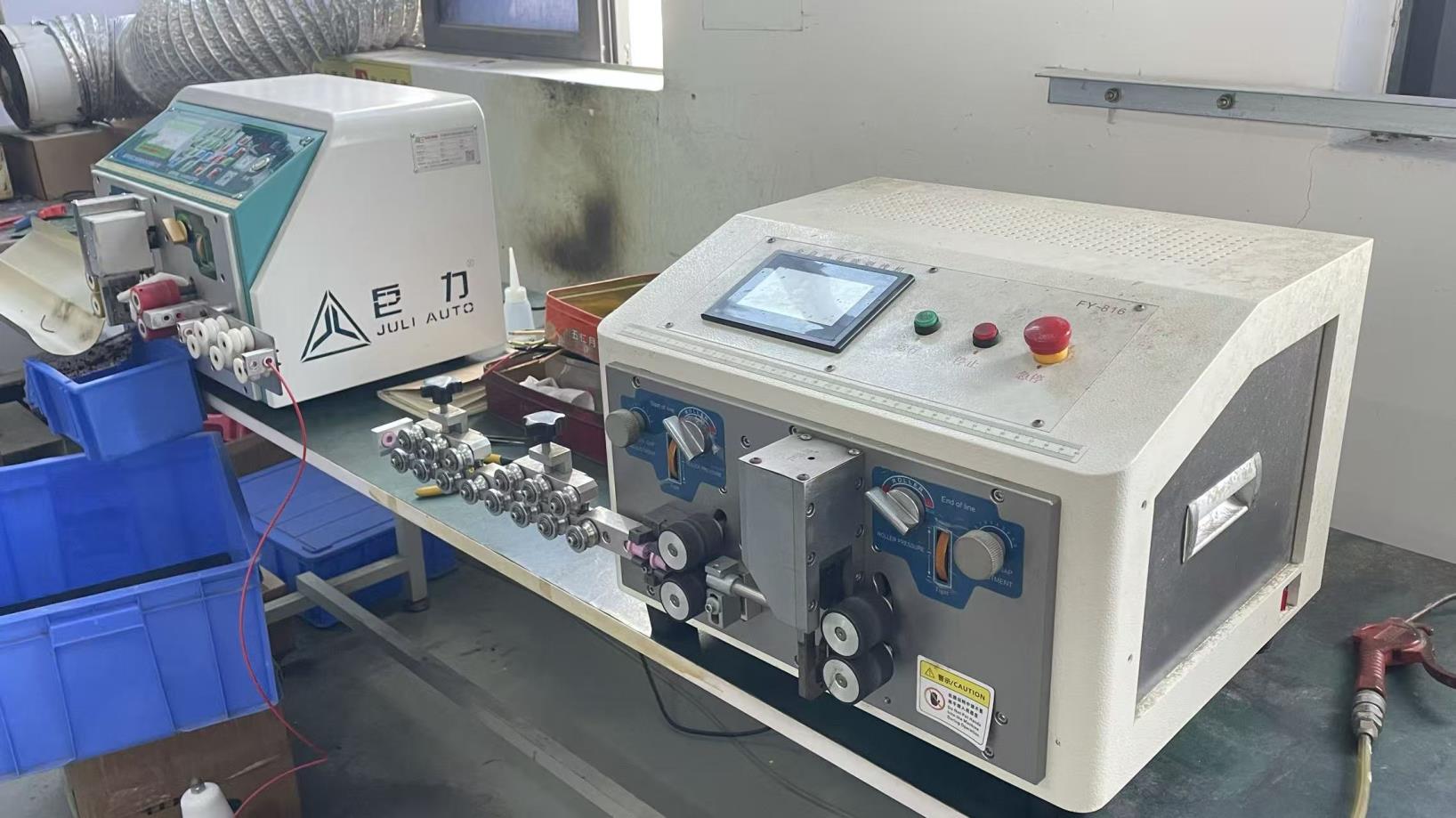 Wire Cutting Machine
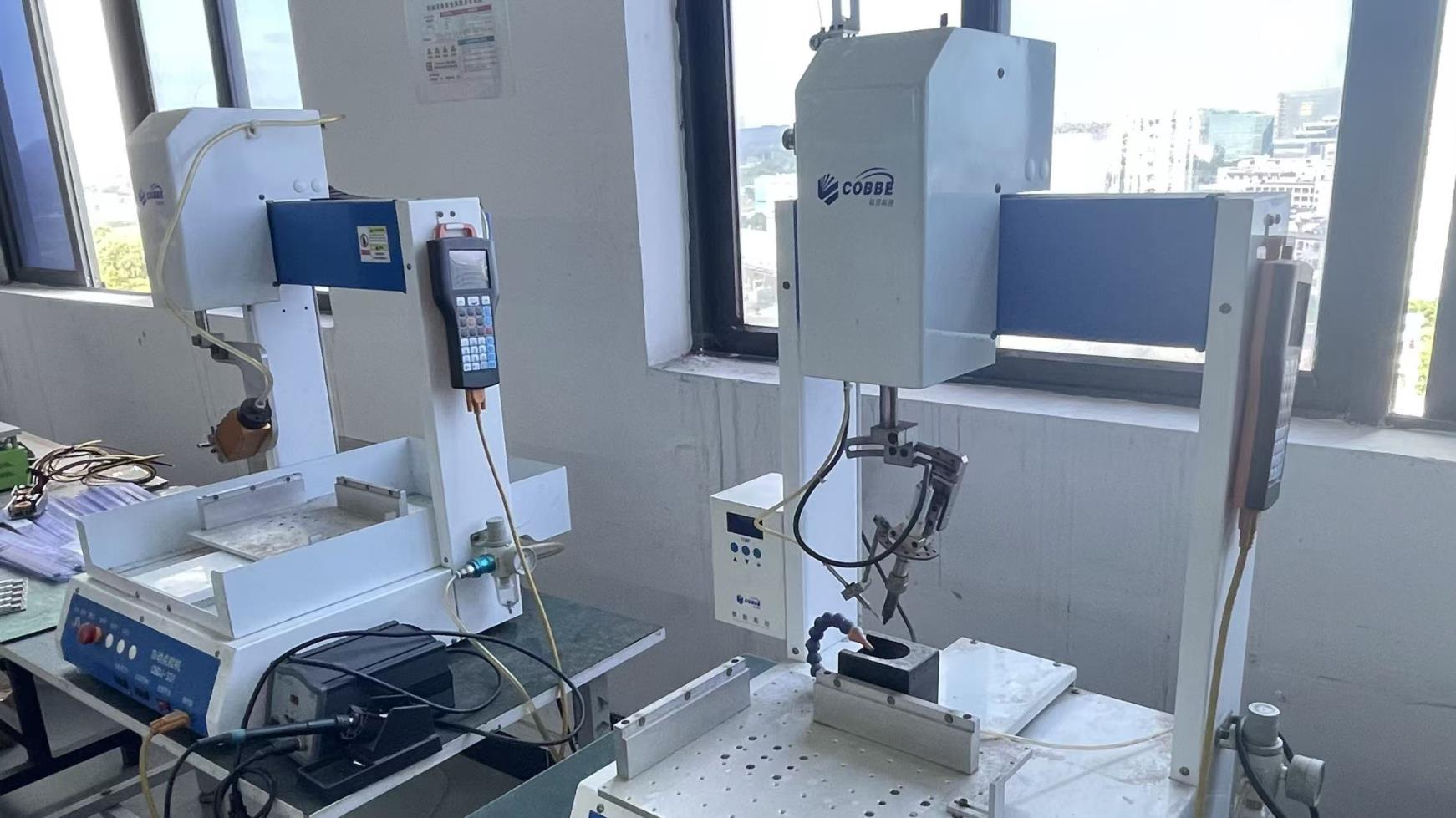 Auto Soldering
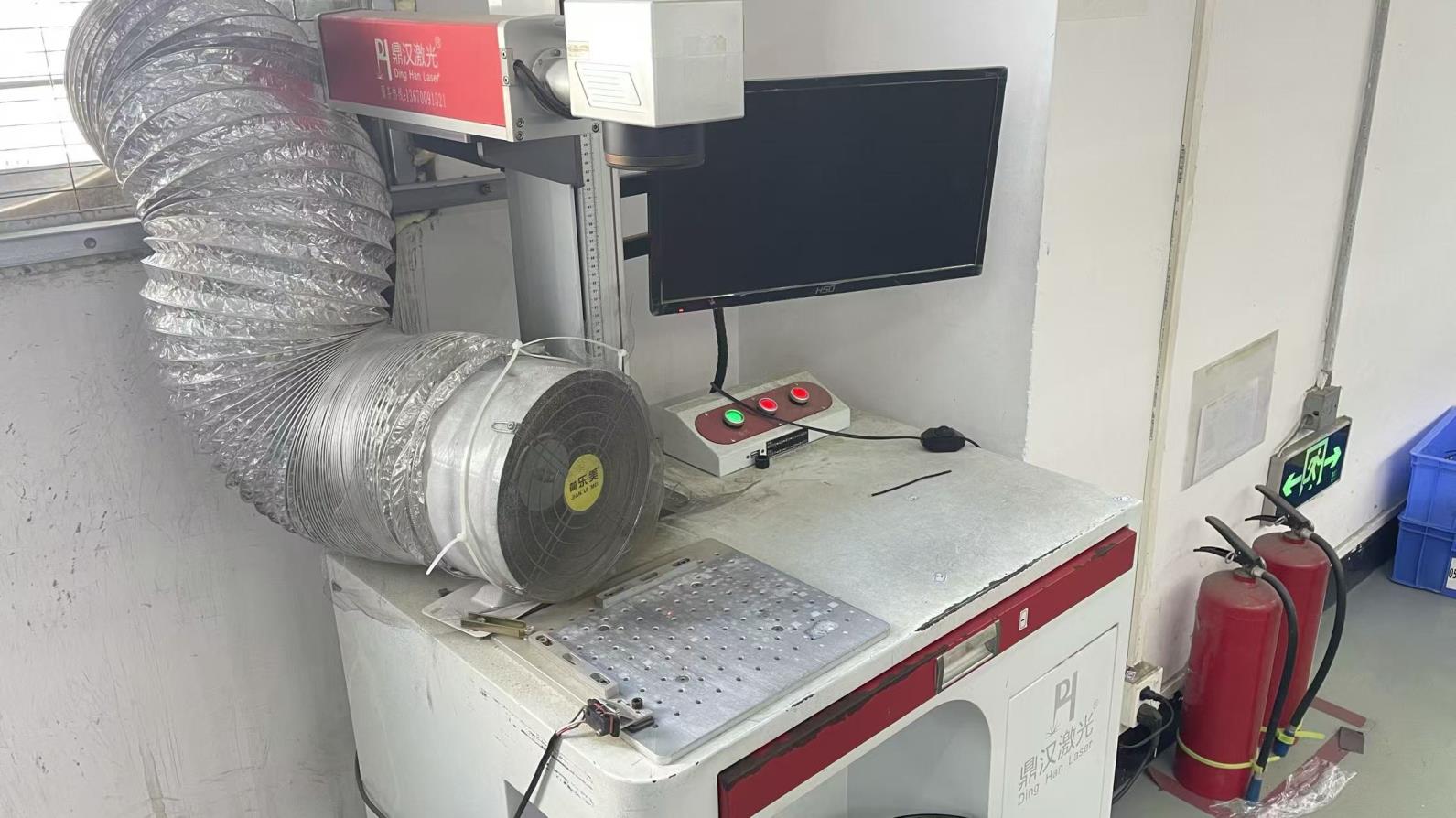 Laser Engraving
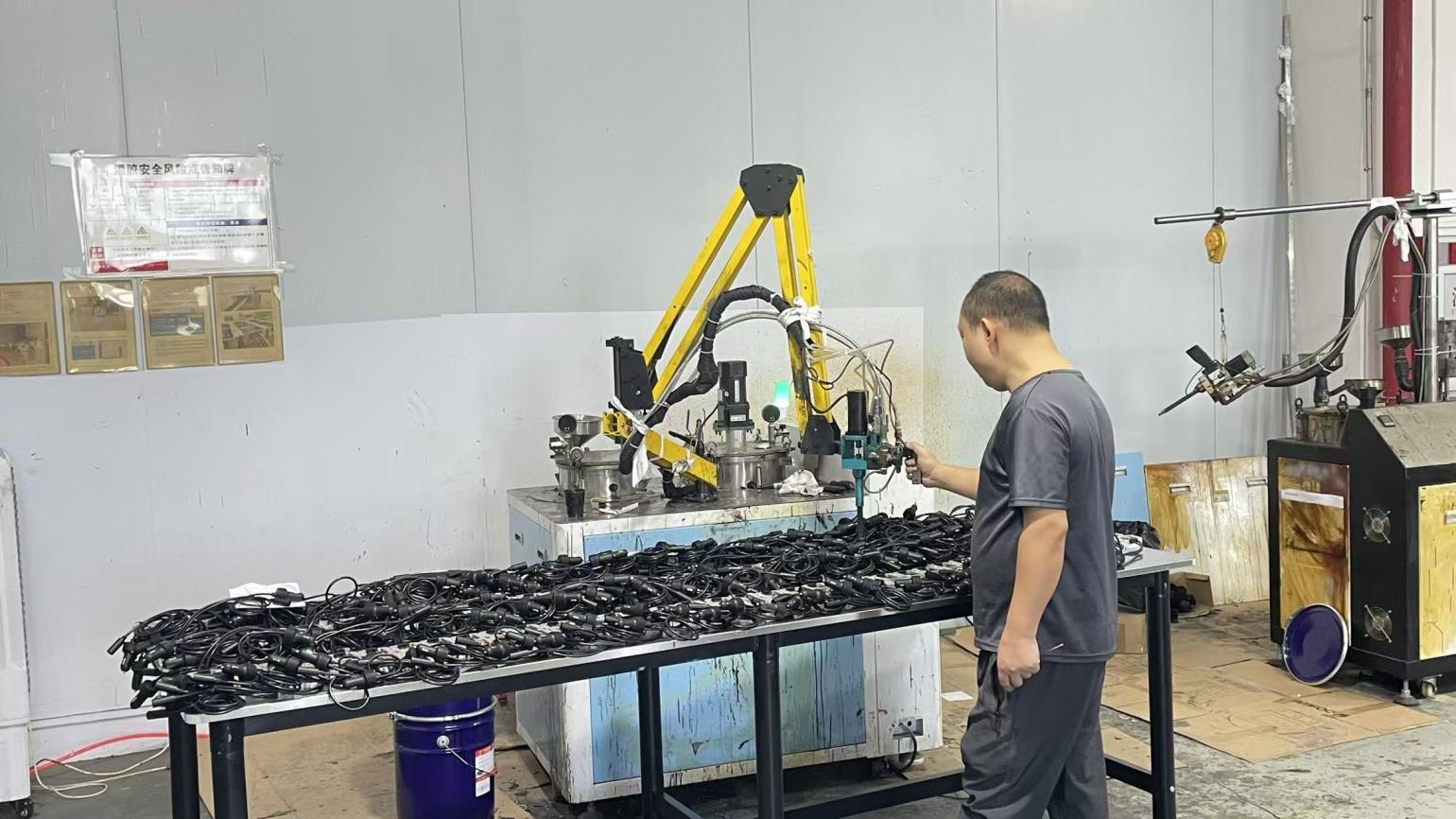 Canning Machine
Expert Q&A on Thermal Imaging Procurement
NETD (Noise Equivalent Temperature Difference). It measures the sensor's sensitivity. The lower the mK value, the better the camera can distinguish between small temperature differences.
Uncooled microbolometers are cheaper and maintenance-free, ideal for most industrial uses. Cooled cameras are necessary for long-range surveillance and ultra-high-speed scientific analysis.
High-resolution thermal cameras (usually >9Hz frame rate) are often subject to "dual-use" export controls (like ITAR in the US). Always check the export classification of the factory before ordering.
Generally, no. Glass acts as a mirror for long-wave infrared radiation. Specialized lenses like Germanium are required to pass IR signals through to the sensor.