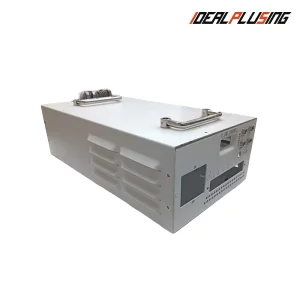
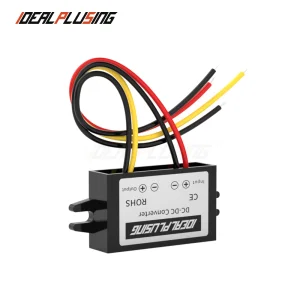
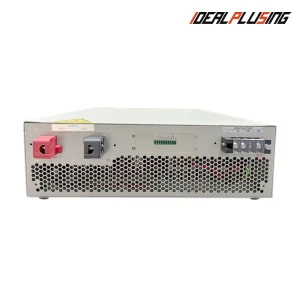
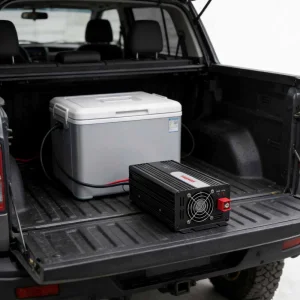
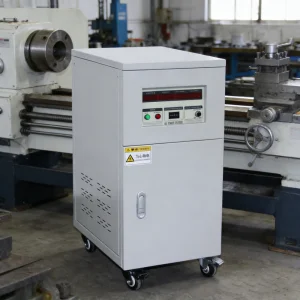
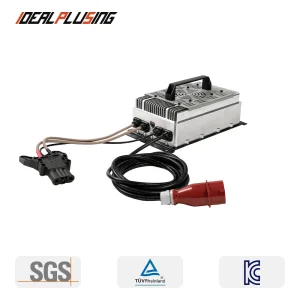
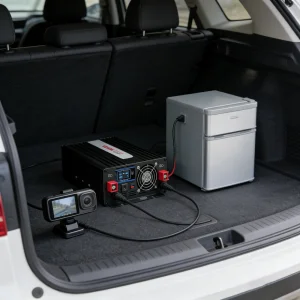
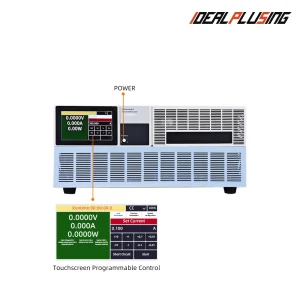
Featured Power Electronics Portfolio
Engineered to deliver industry-leading conversion efficiency, low noise signature, and rugged long-term reliability under severe environmental conditions.
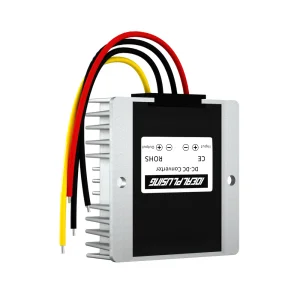
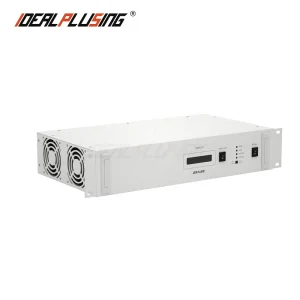
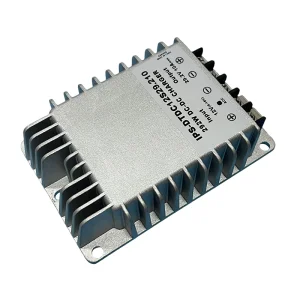
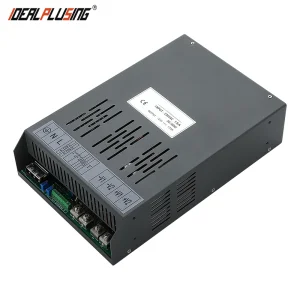
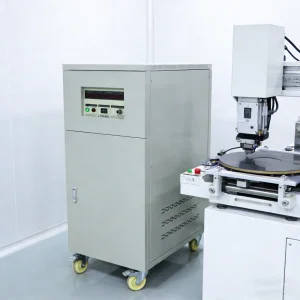
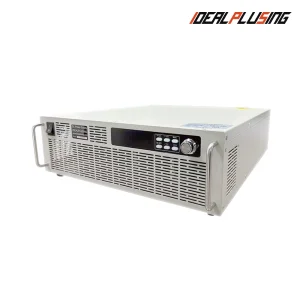
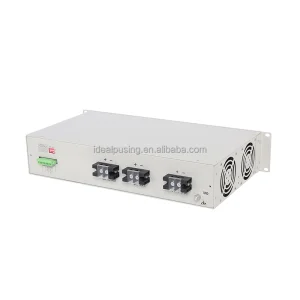
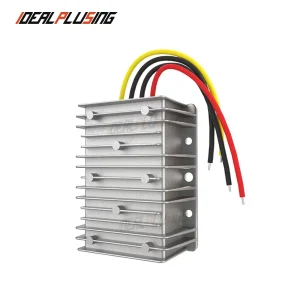
10,000+
Product Models Offered
1kW - 200kW
DC-DC Converter Power Range
0.01%
Output Voltage Drift Ratio
96%+
Peak Energy Efficiency
DC-DC Boost Architecture and Manufacturing Overview
A comprehensive technical review on industrial-grade boost conversion topologies, localized application dynamics, supply chain design, and quality inspection criteria.
1. Industrial & Commercial DC-DC Converter Paradigms
In modern industrial automation, green energy integration, and smart grids, high-power DC distribution network systems demand extremely stable voltage step-up (boost) and step-down (buck) architectures. Operating within a large range of voltage configurations—from 12VDC to 1000VDC and output power capacities scaling from 1kW to 200kW—our converter platforms are engineered to resolve major power conversion problems. High-current environments pose severe demands on transient response times, ripple coefficient parameters, and electromagnetic compatibility (EMC/EMI).
For systems that require strict isolation to protect sensitive digital controllers, isolated topologies (incorporating high-frequency planar transformers) are implemented to isolate electrical noise up to several kilovolts. Conversely, for compact and cost-effective mobile applications, non-isolated synchronous rectification topologies provide optimized thermal performance and space savings.
E-E-A-T Technical Insight: The switching frequency is controlled through advanced Pulse Width Modulation (PWM) and Pulse Frequency Modulation (PFM) hybrid architectures, allowing efficiency curves to remain flat across fractional loading conditions, preventing thermal runaway and extending component life cycles.
2. Localized Application Scenarios
Automotive & EV Integration
Stabilizing battery output voltage ranges from 12V to 48V upwards to high operating voltages (up to 56V or more) for dynamic propulsion, steering sub-systems, and secondary onboard electronics.
Renewable Energy & BESS
Integrating distributed photovolatic arrays and localized battery energy storage systems (BESS) into standard microgrid buses, optimizing localized MPPT efficiency.
Heavy Duty Industrial Plant
Providing clean, isolated power to industrial instrumentation, massive LED cultivation arrays, and testing rigs for high-voltage aerospace frequency conversion systems.
3. Technical Topology Roadmap & Future Developments
The power supply landscape is undergoing a massive shift towards Wide Bandgap (WBG) semiconductors. By replacing legacy Silicon (Si) MOSFETs with Silicon Carbide (SiC) and Gallium Nitride (GaN) switching components, our design engineering teams have minimized dynamic switching losses and increased maximum switching frequencies up to several hundred kilohertz. This enables smaller magnetic components (inductors and transformers), lowering overall system weight and foot print.
| Topological Category | Standard Input Range | Target Voltage Class | Isolation Class | Key Commercial Utility |
|---|---|---|---|---|
| High-Precision Buck-Boost | 9VDC - 18VDC | 12VDC ± 0.5% | Non-Isolated | Automotive Infotainment, Marine Control Systems |
| High-Voltage Boost Regulator | 12VDC - 24VDC | 56VDC (Up to 280W) | Non-Isolated | Telecommunication Infrastructure, LED Driver systems |
| Industrial DC-DC Module | 36VDC - 72VDC | 110VDC (1100W) | Galvanic Isolation | Substation Control, Railway Traction, Heavy Automation |
| Bi-Directional Converters | Up to 800VDC | Up to 1000VDC | Isolated (Forward/LLC) | EV Charging Stations, Battery Cycling Labs |
4. China Supply Chain Resilience & Core Capabilities
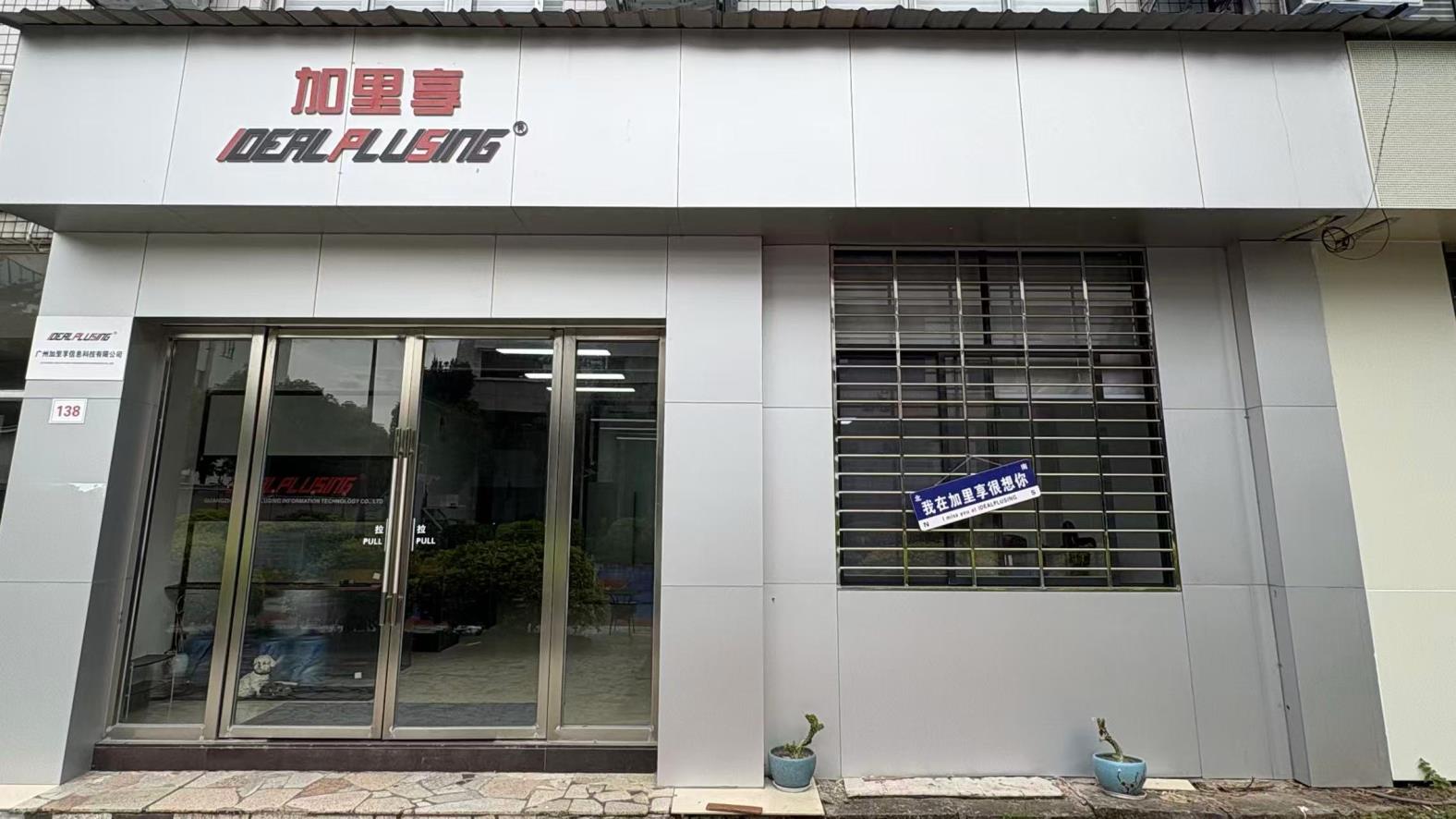
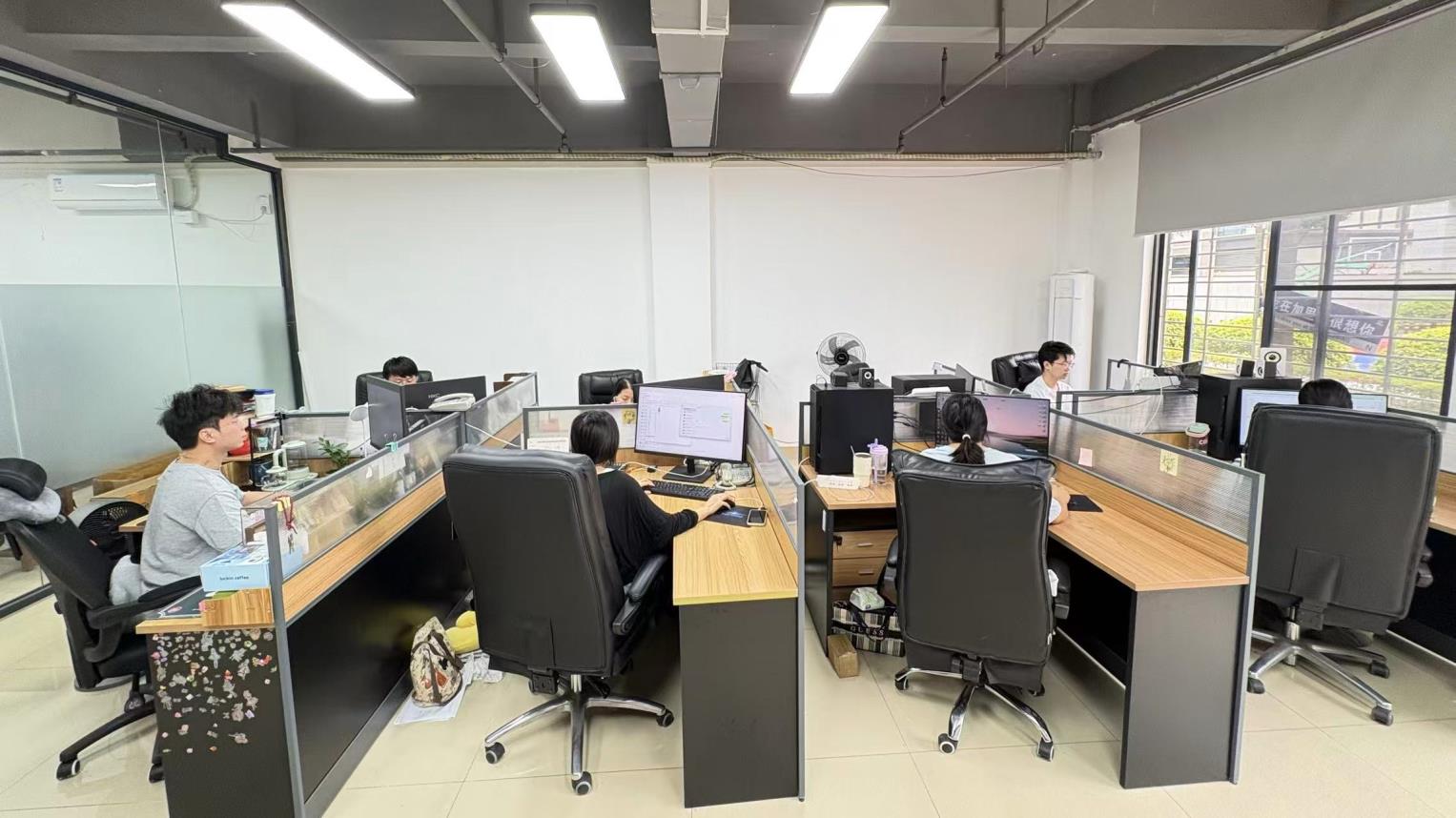
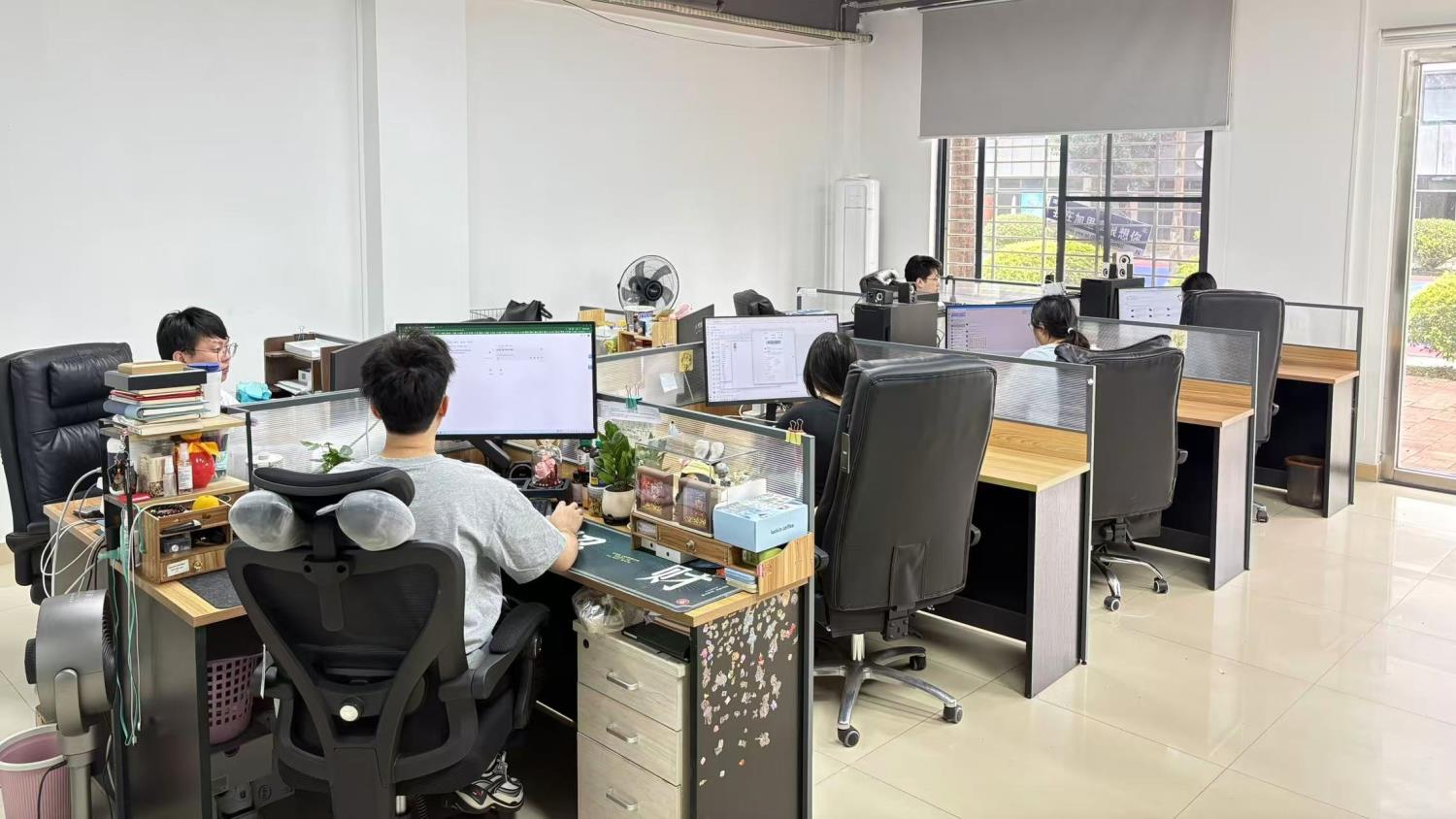
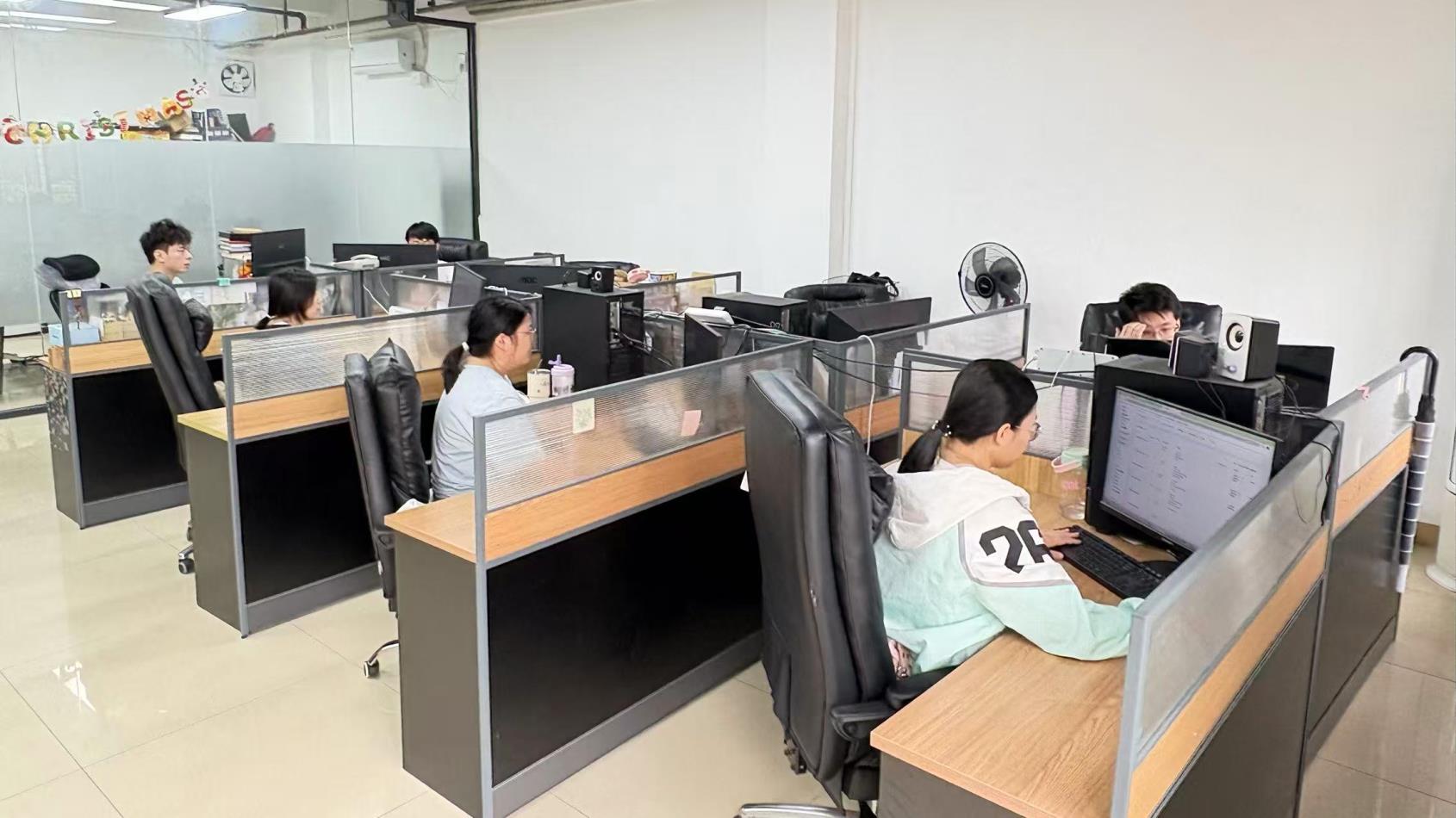
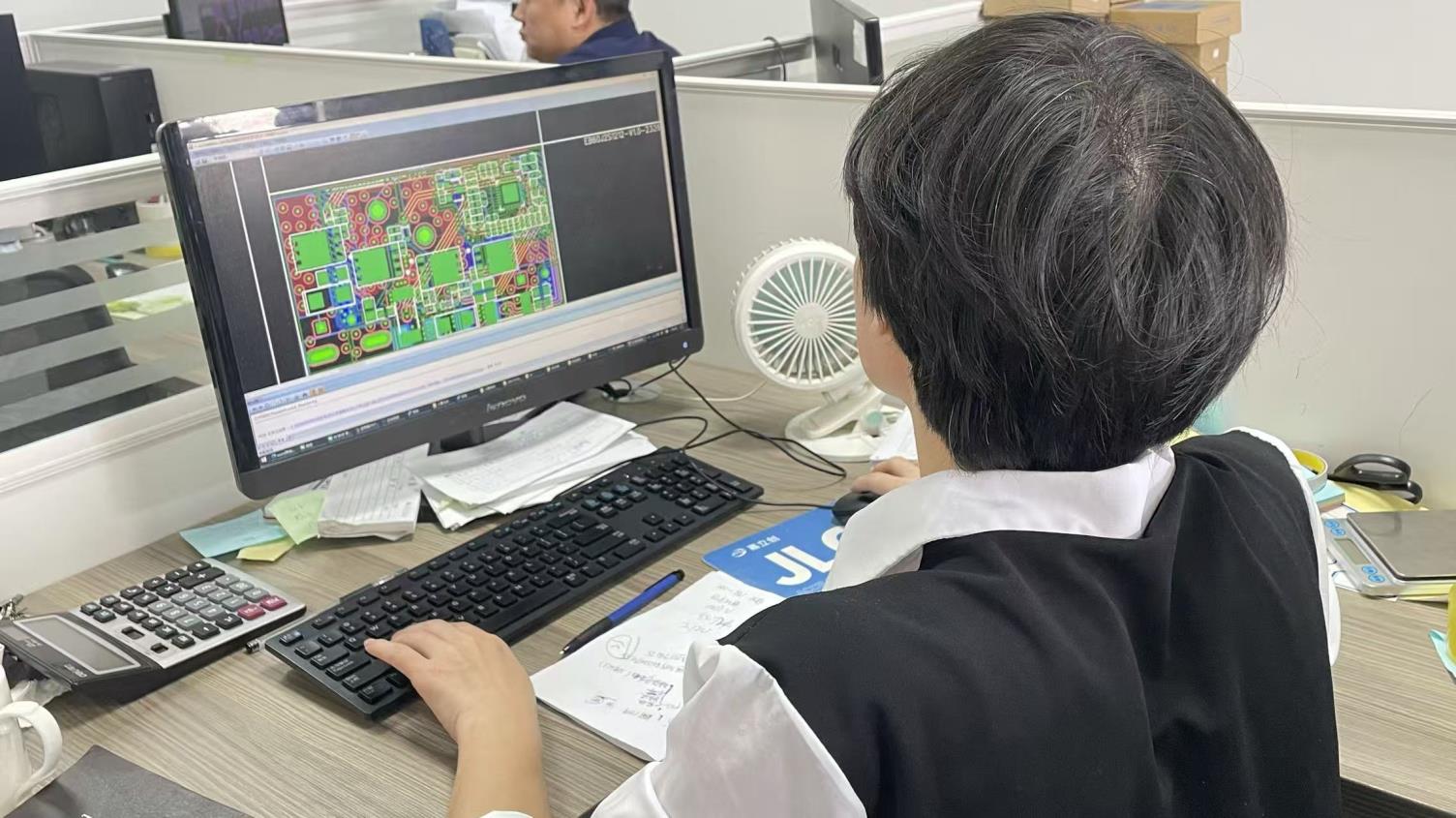
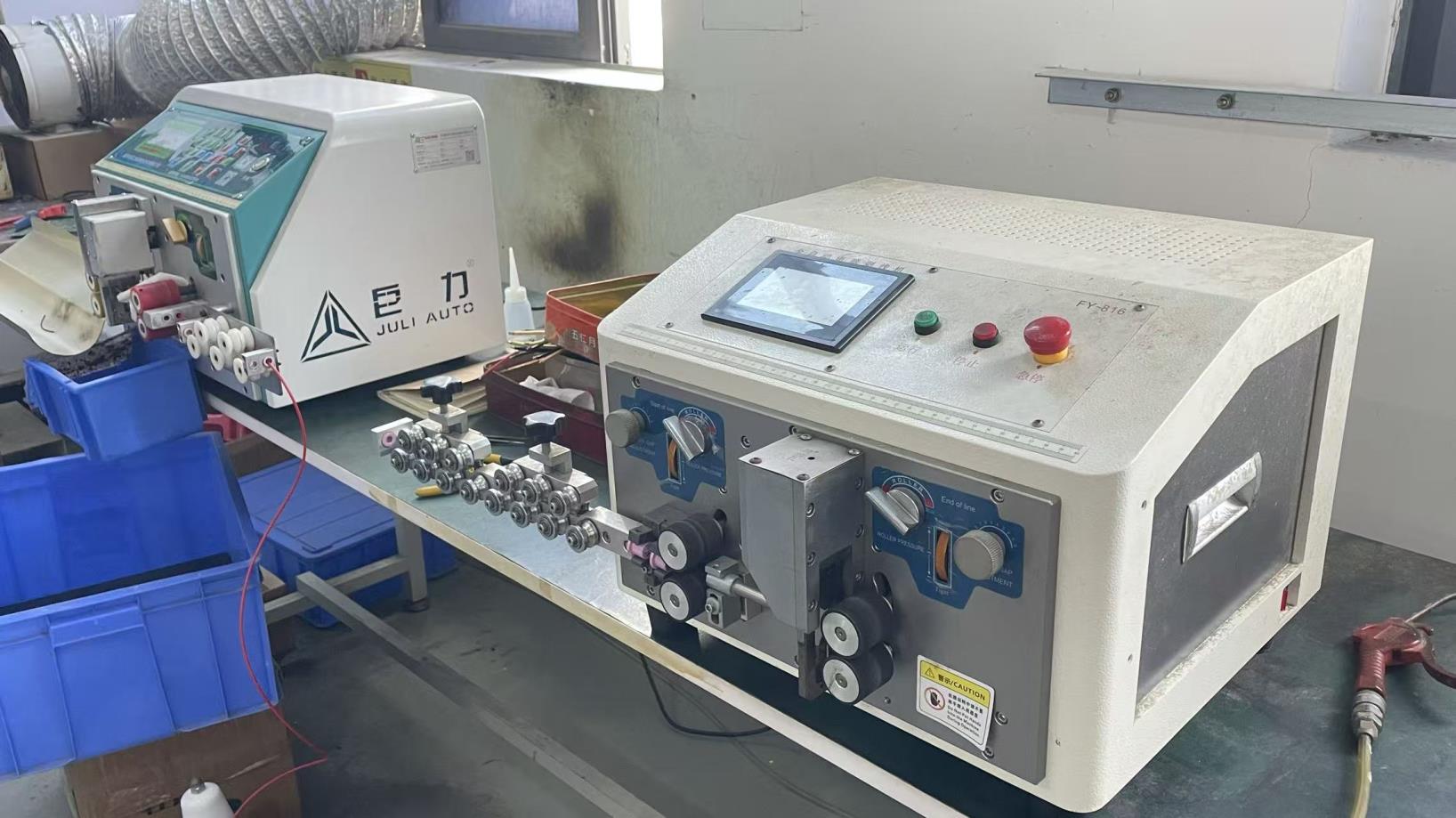
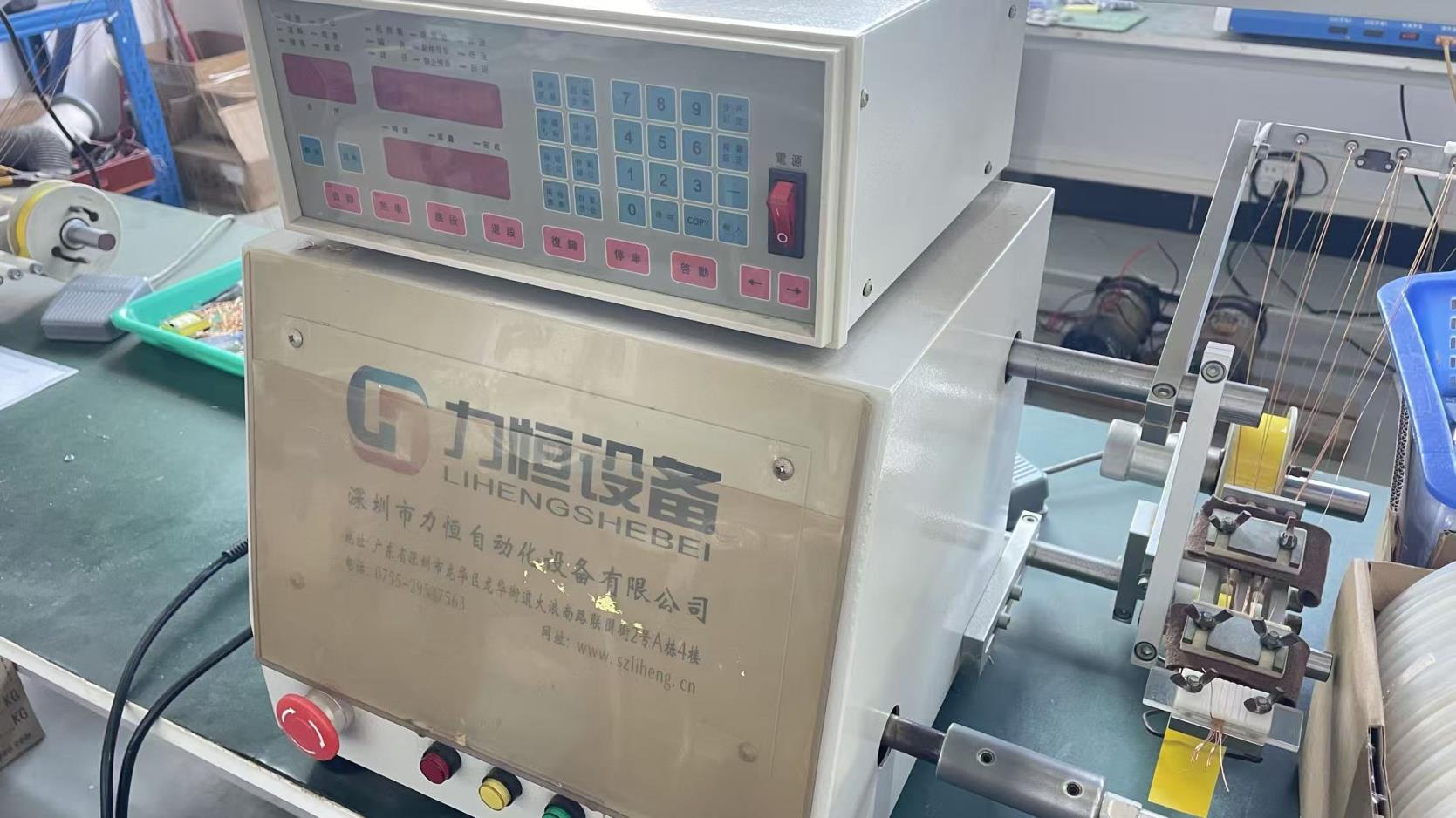
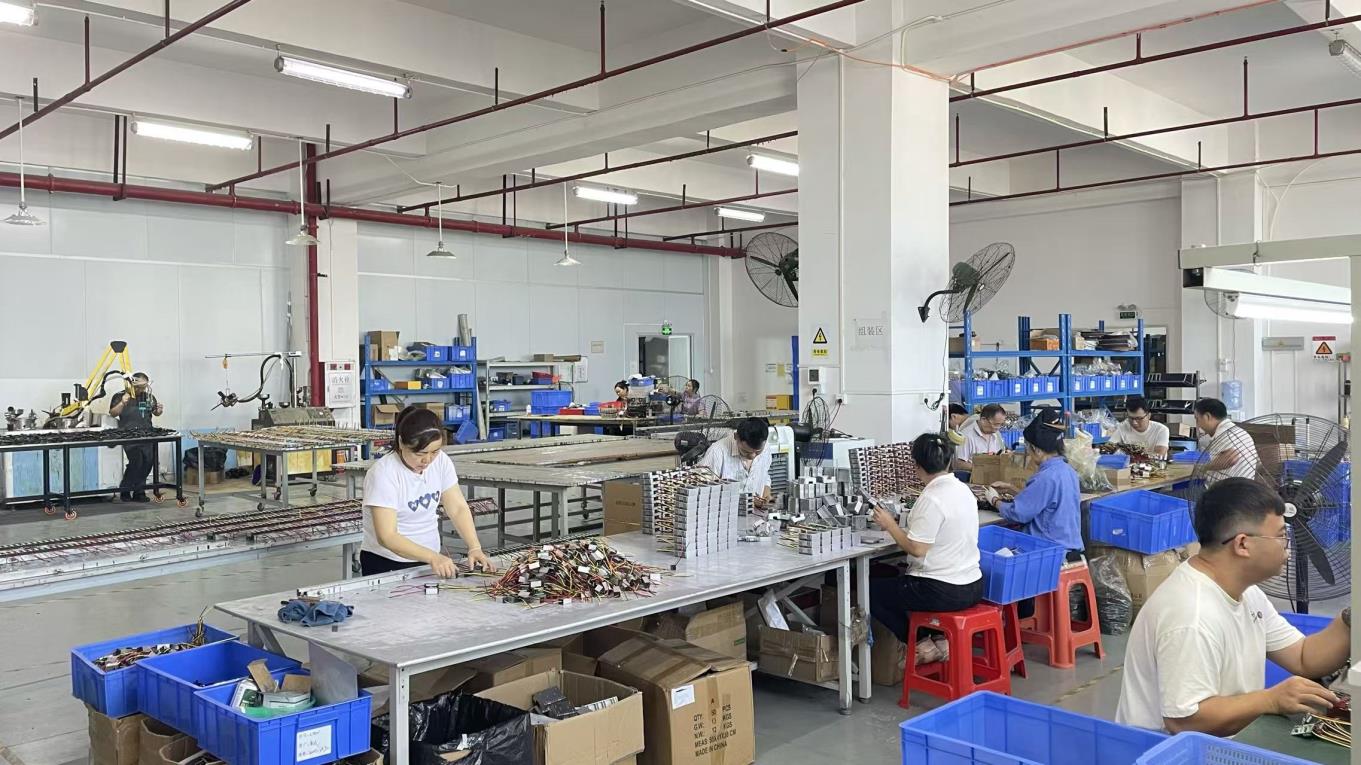
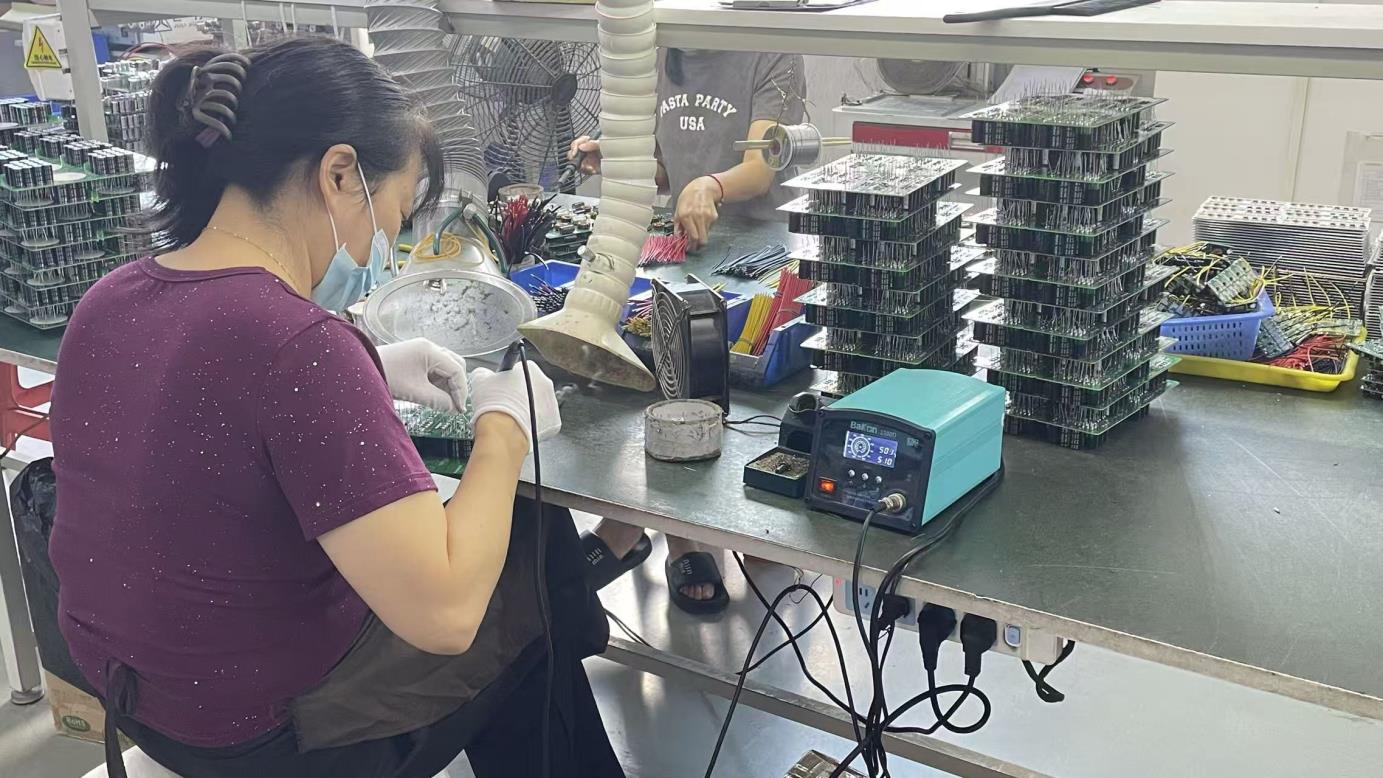
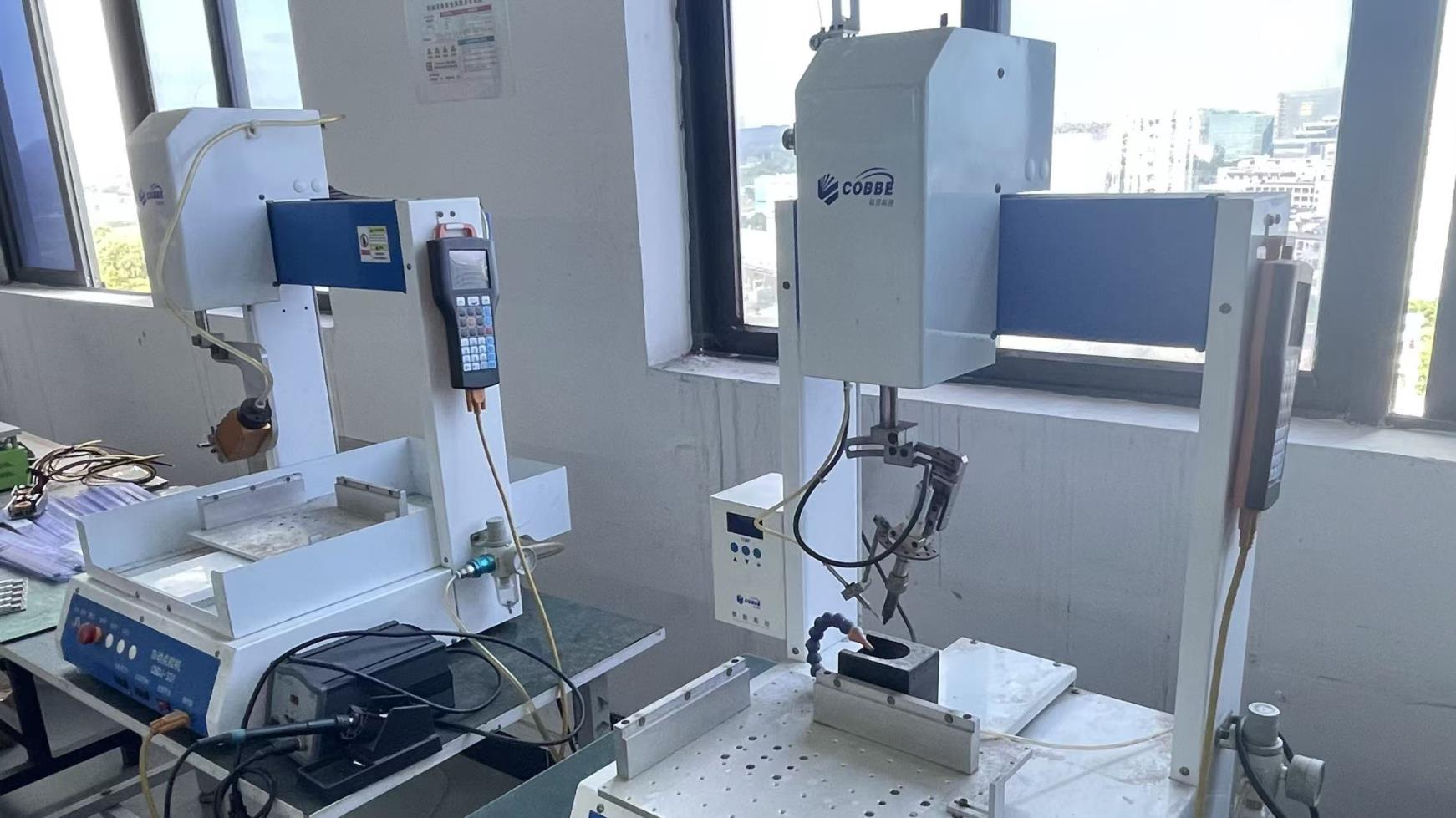
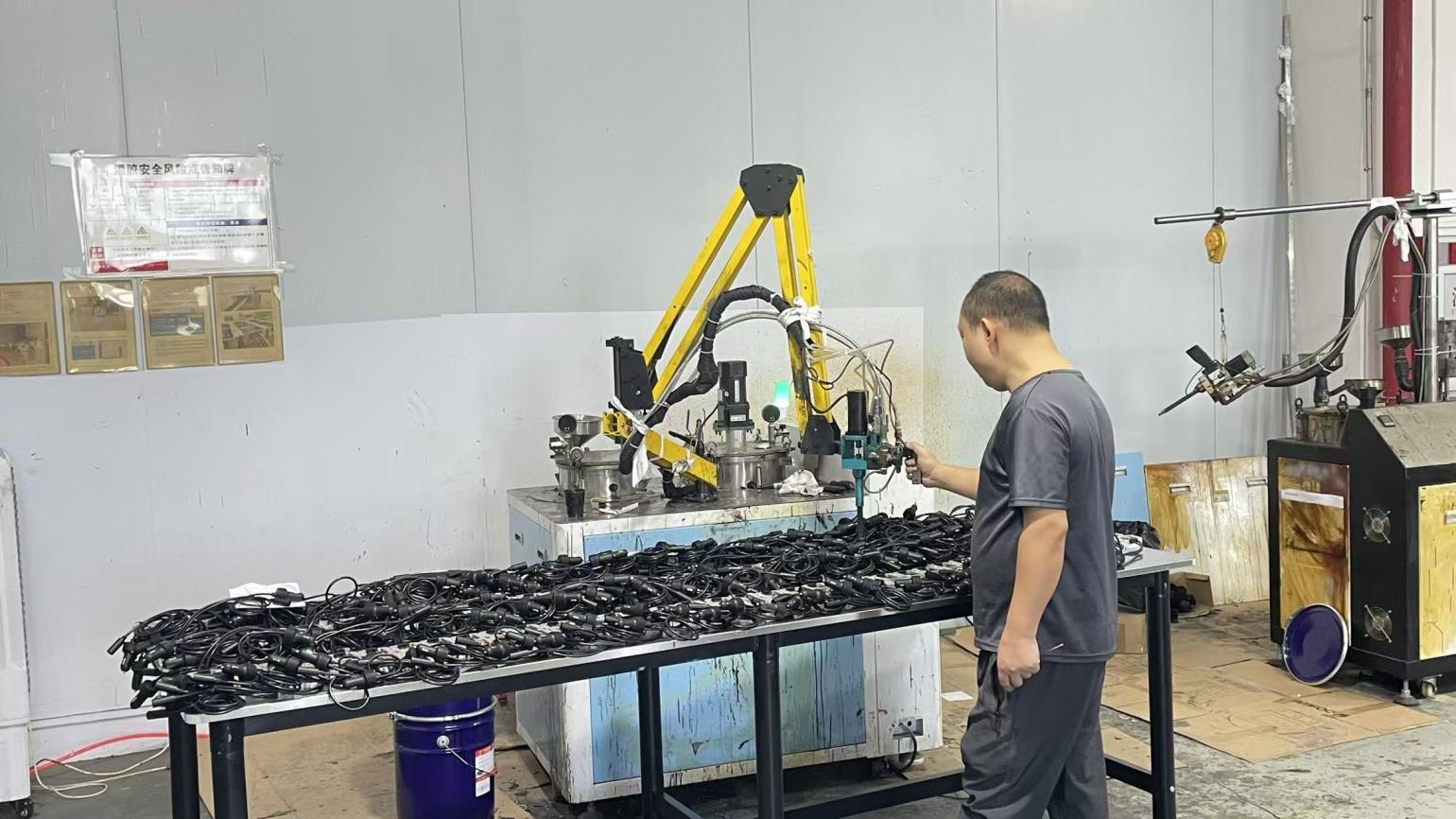
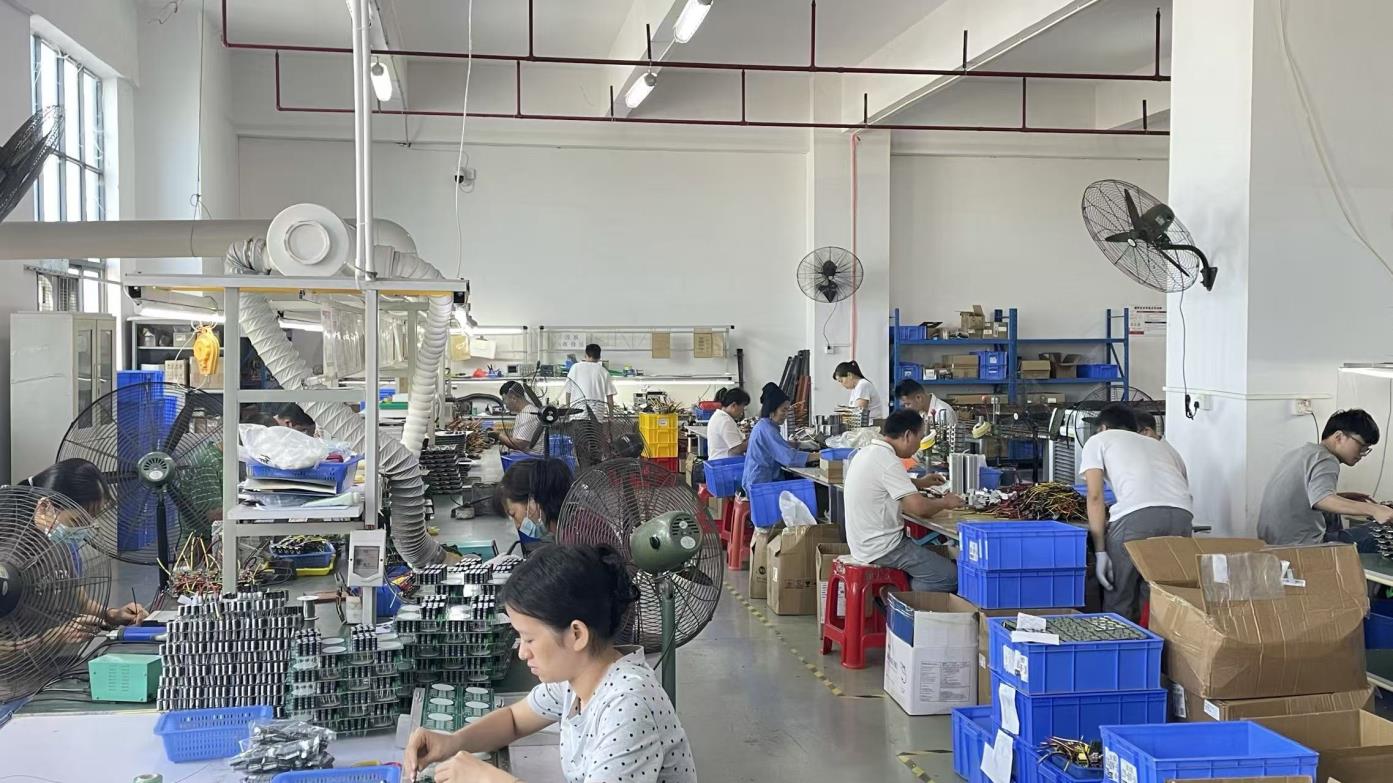
Located in the manufacturing hub of Guangzhou, China, our advanced facility anchors a consolidated supply network consisting of over 20 closely integrated cooperative factories. Operating with over 60 highly skilled electrical assembly technicians, automated winding structures, and robotic precision soldering machinery, we provide deep-level OEM/ODM customization services. Our digital inventory houses over 10,000 distinct power supply models, spanning AC-DC power supplies (0 to 200kV, 0 to 20kA), DC-AC inverters (12VDC to 2000VDC, up to 500kW), variable AC frequency sources, and airport ground power units (GPU, 300A to 50,000A).
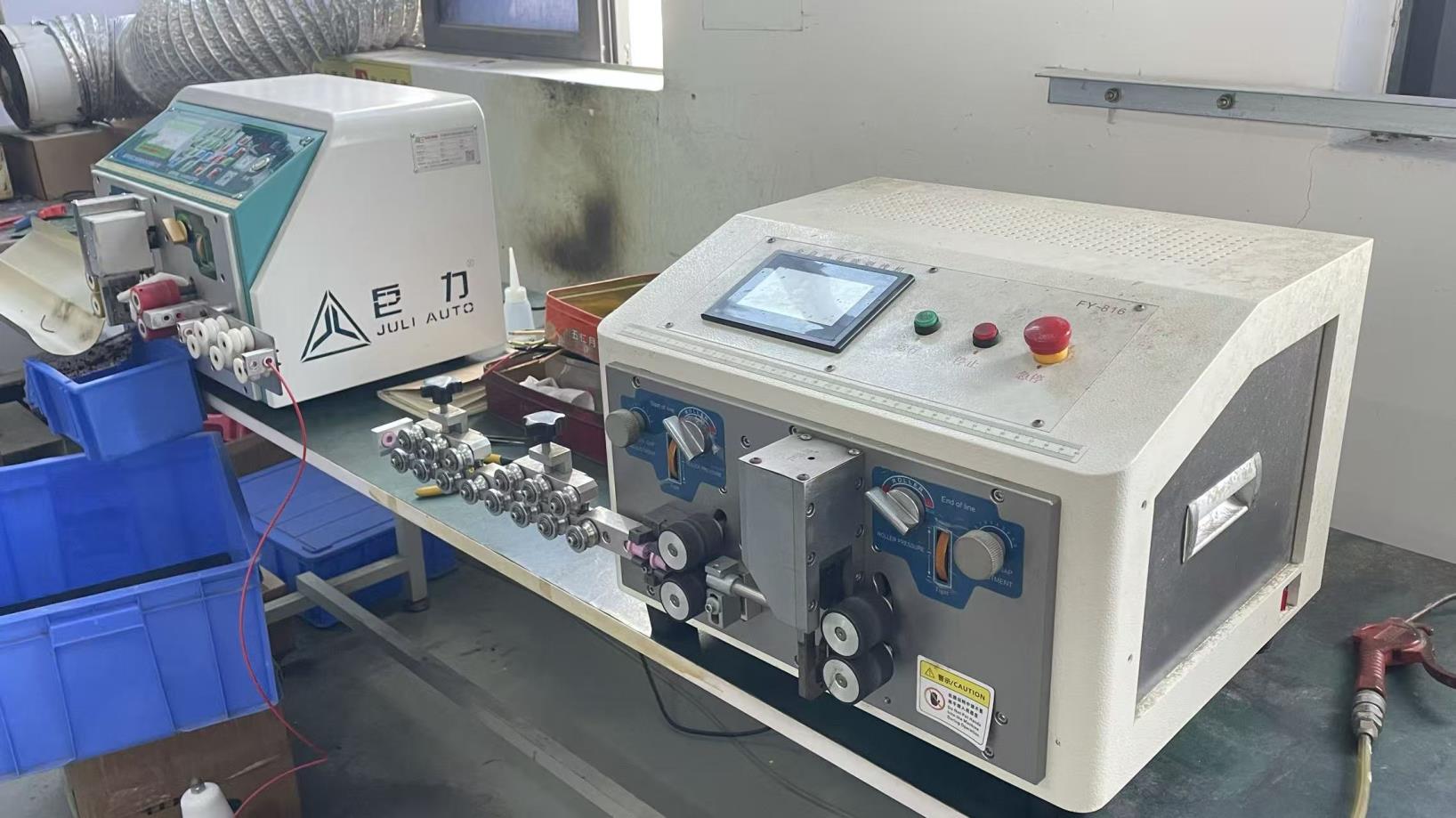
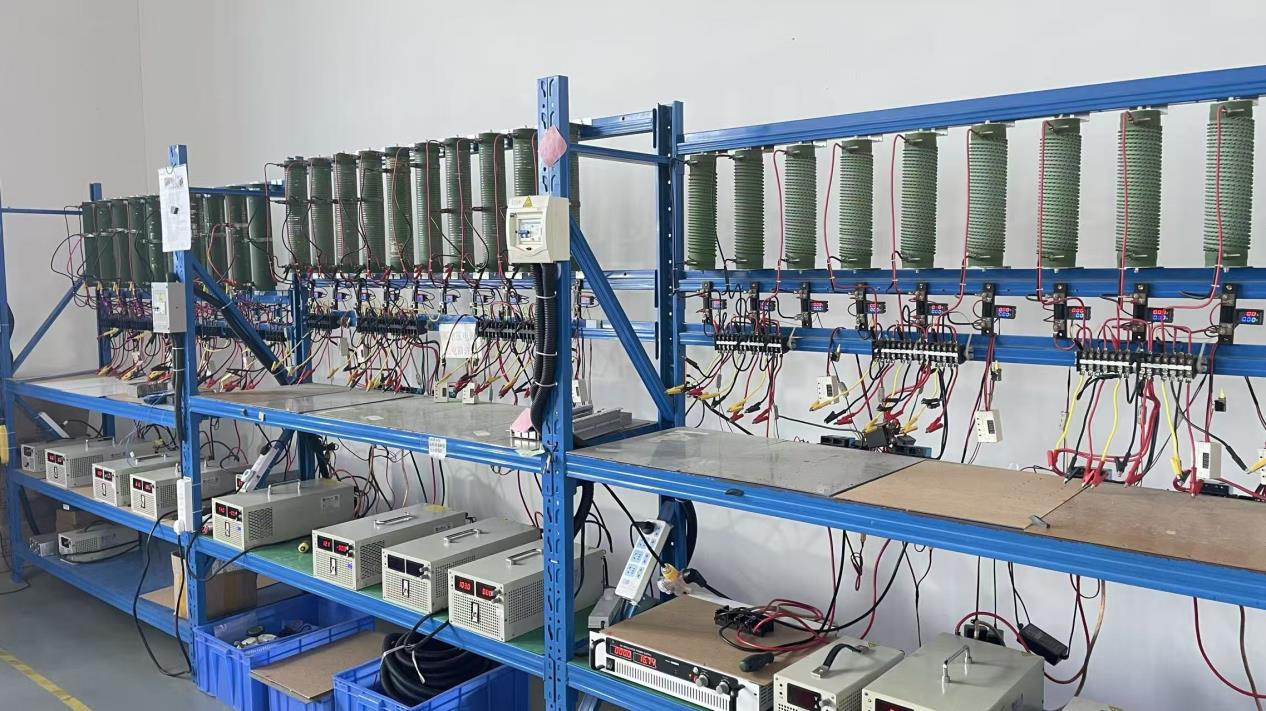
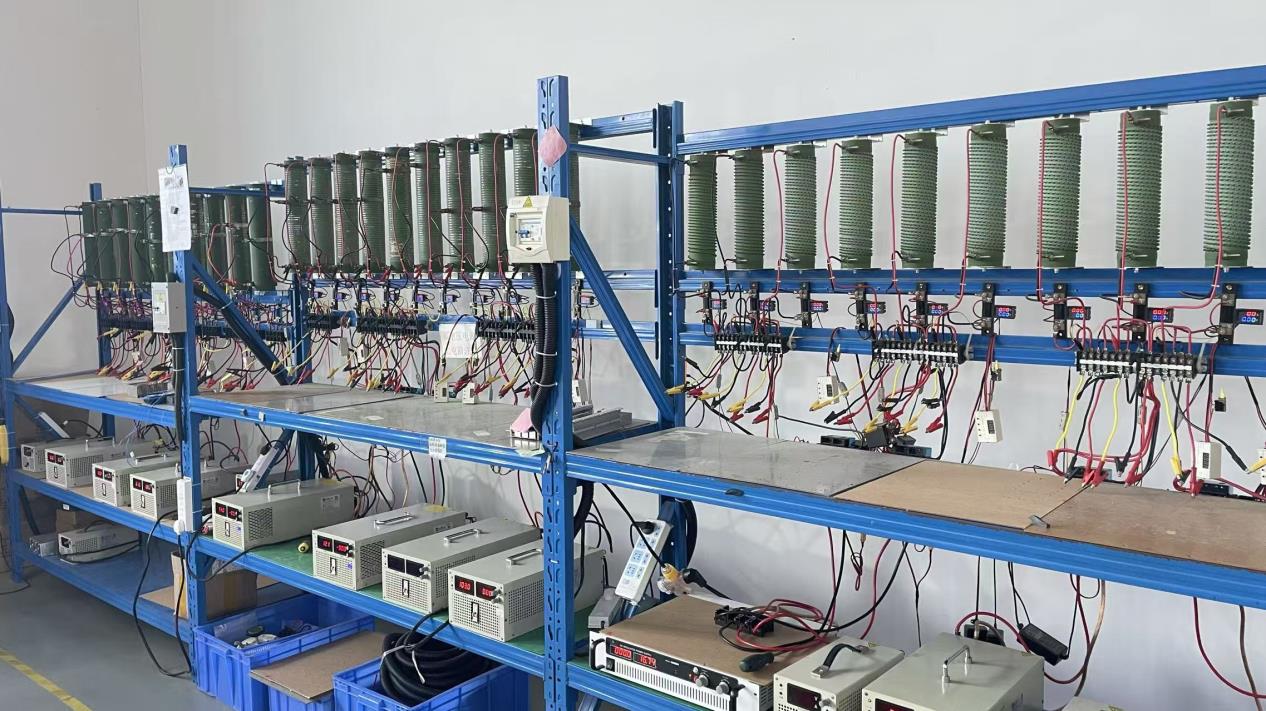
Guangzhou Production & Technology Center
State-of-the-art facility deploying precision automated hardware to enforce stringent performance criteria across all production batches.
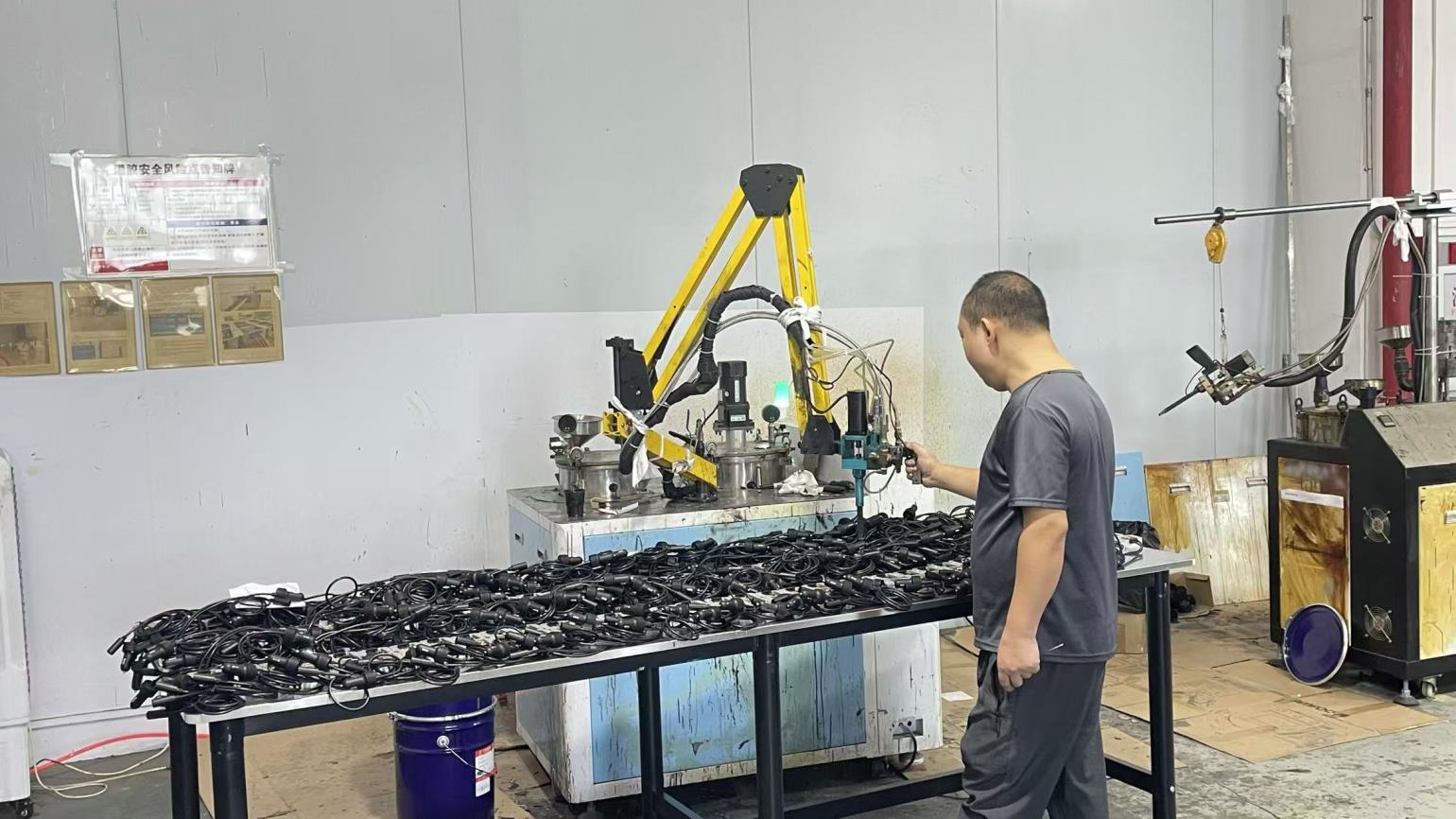
End-to-End Production Process
Every step of our production workflow is monitored and documented to guarantee complete traceability and zero-defect output.
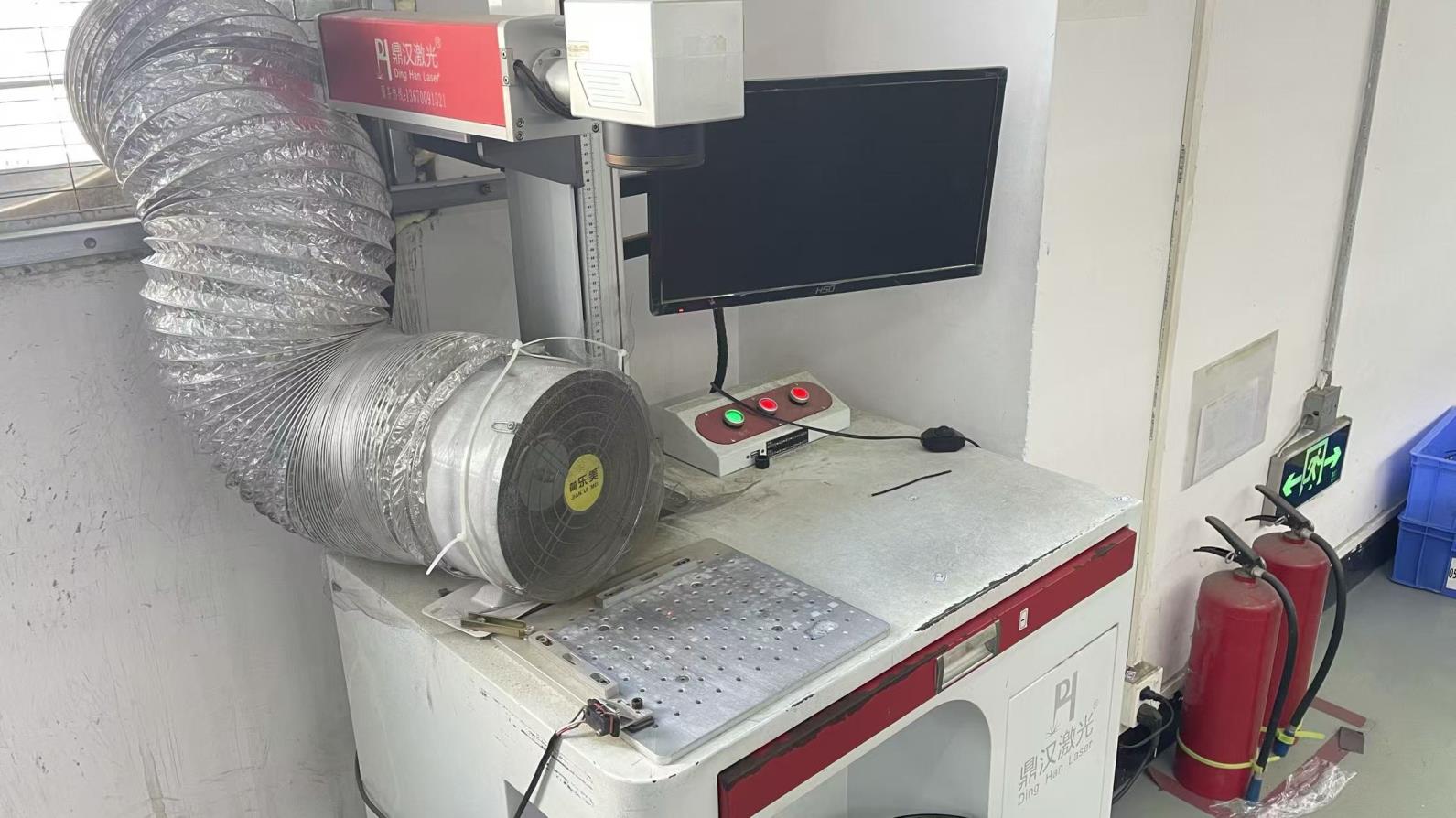
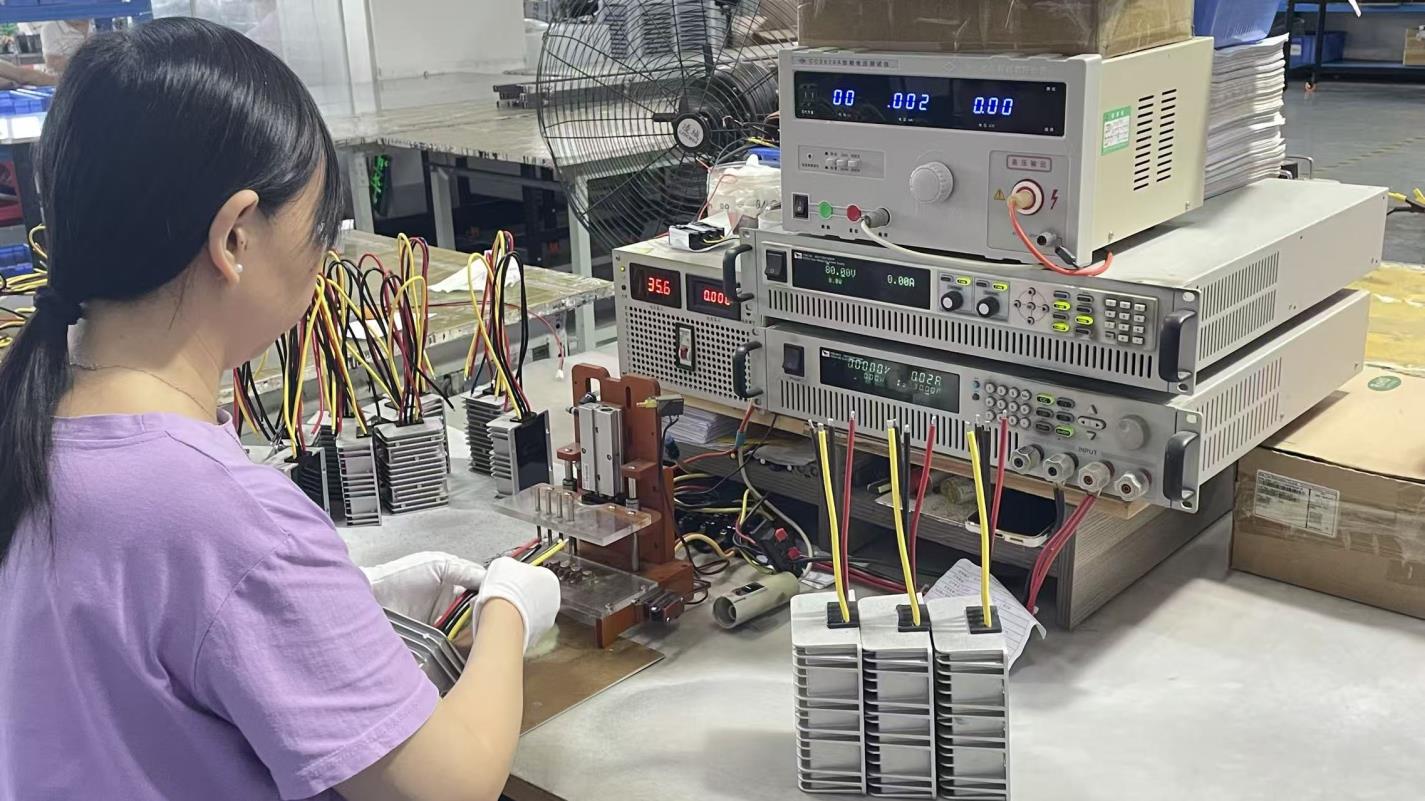
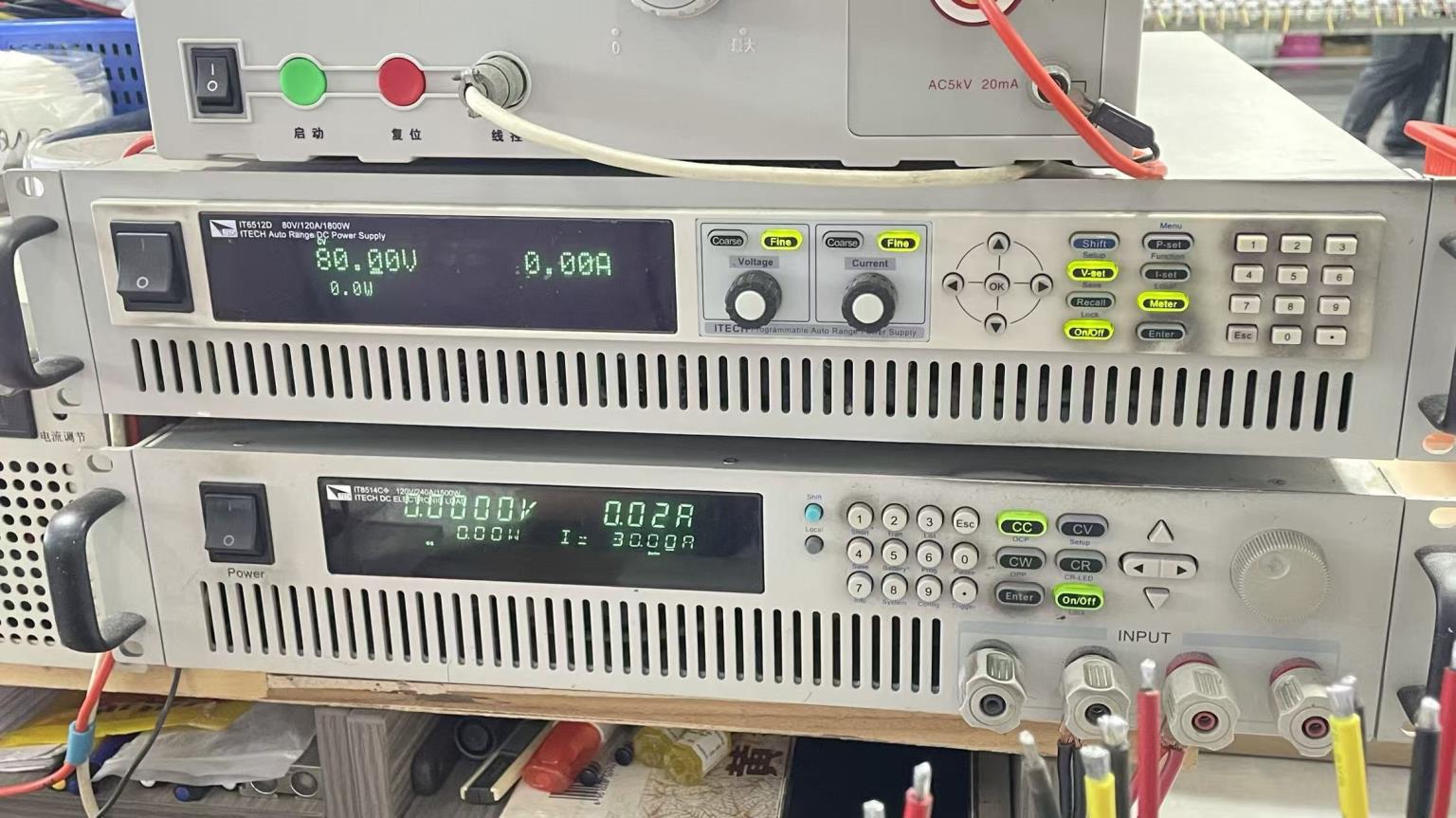
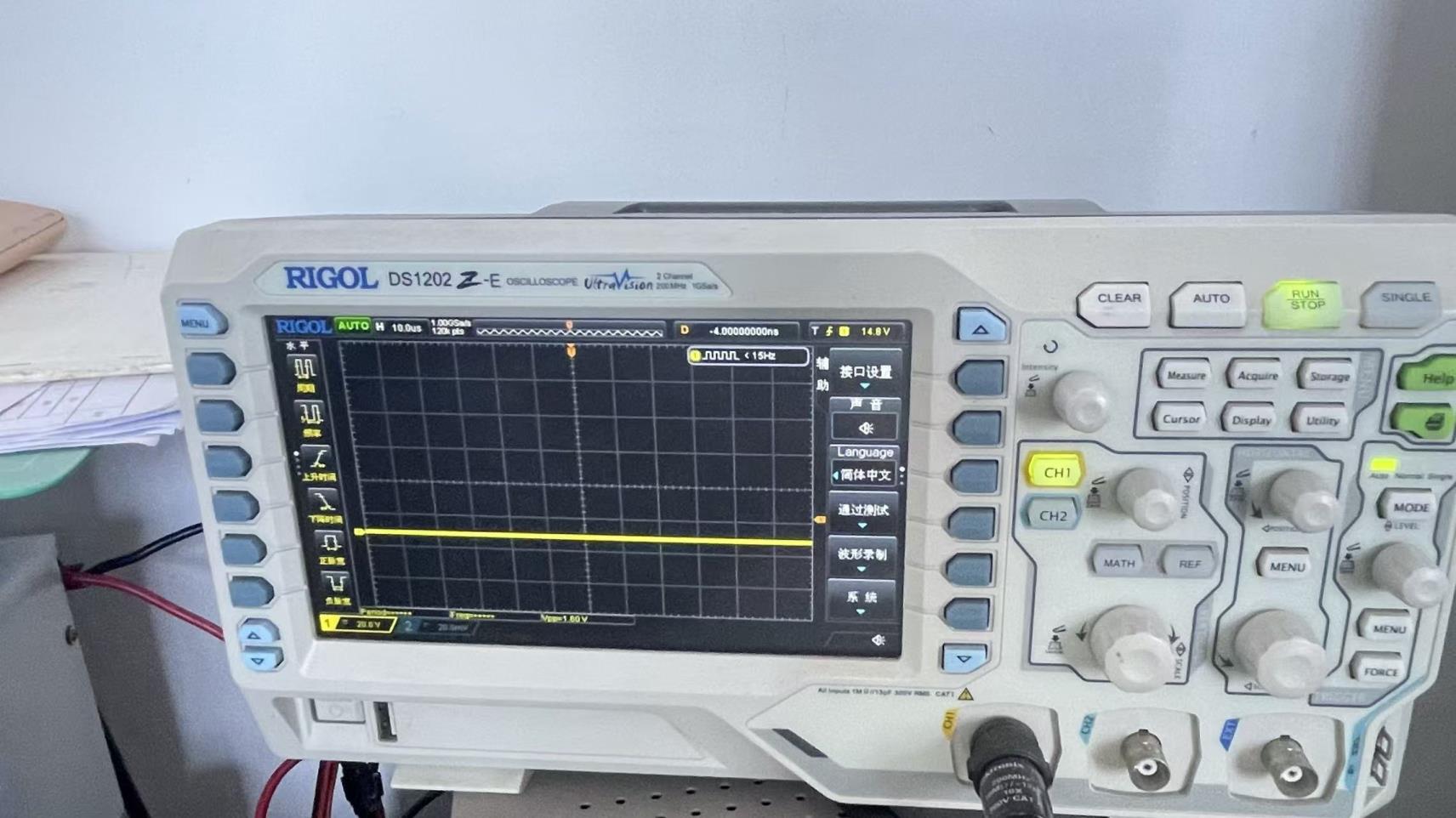
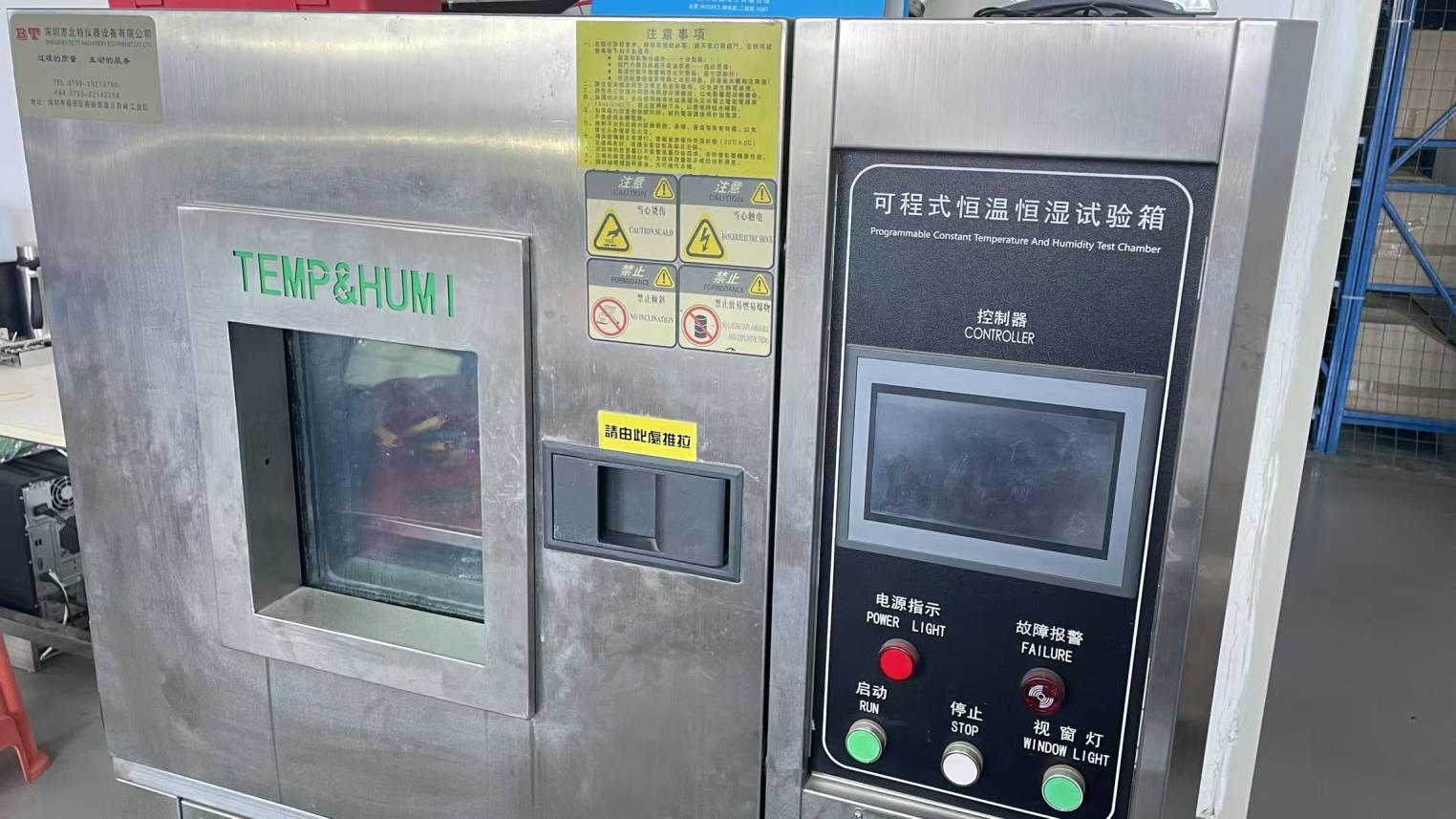
Quality Control Lab & Verification
Our quality verification processes utilize automated diagnostics to maintain reliability under maximum electrical stress.

Technical Reference & FAQ
Detailed engineering guidelines and specifications for implementing DC-DC converters in commercial system designs.
What is the efficiency impact of running a step-up boost converter at high load?
Operating efficiency is highly dependent on the input-to-output voltage ratio and switching frequency. Our DC-DC Boost Converters utilize synchronous rectification topologies to optimize performance, yielding up to 96% peak efficiency. To maintain high efficiency under maximum loading, it is critical to ensure proper heat dissipation and minimize input track inductance.
When should isolated vs. non-isolated DC-DC topologies be selected?
Isolated topologies are recommended for safety-critical systems (e.g., medical, telecom backhaul, or electric vehicle primary buses) where galvanic isolation prevents high-voltage surges from damaging downstream logic circuits. Non-isolated converters, such as the LM2596-based buck or basic automotive boost designs, are ideal for auxiliary systems where space constraint, high power density, and cost are the primary design priorities.
How does your factory manage EMI/EMC compliance for international export?
Every production run is validated against standard EN 55032 / FCC Part 15 conductive and radiated emission limits. We utilize multi-stage input EMI filtering networks (including common-mode chokes and low-ESR ceramic capacitors) coupled with comprehensive metallic shielding enclosures to minimize high-frequency switching noise emissions.
What protection mechanisms are integrated into your heavy-duty DC modules?
Our modules feature multi-point protection schemes, including: Over-Voltage Protection (OVP), Under-Voltage Lockout (UVLO), Over-Current Protection (OCP) using cycle-by-cycle current limiting, Over-Temperature Protection (OTP) with thermal shutdown auto-recovery, and continuous Short-Circuit Protection (SCP).
Power Supplies & Utility Converters
Explore our highly integrated systems for programmable industrial power control, solar energy integration, and testing load simulation.