Featured Power Electronics & Conversion Systems
Dynamic Voltage Restorers (DVR) in Industrial Microgrids
An Industrial-Grade Whitepaper on Voltage Sag Mitigation Technologies and Grid Reliability
In modern industrial automation, the precision of manufacturing processes requires an extremely clean and stable power supply. Electrical power grids are constantly subjected to transient anomalies, the most common and disruptive of which are voltage sags and swells. According to IEEE statistics, voltage sags account for more than 92% of all power quality events in heavy industrial microgrids. For semiconductor fabs, continuous petrochemical operations, and high-speed robotic assembly plants, a voltage dip lasting even a few milliseconds can result in millions of dollars in lost production, equipment failure, and processing downtime.
A Dynamic Voltage Restorer (DVR), also known as an Active Voltage Conditioner (AVC), represents the pinnacle of series-connected active compensation technology. Operating as a fast-acting static var compensator and voltage stabilizer, the DVR detects voltage deviations on the utility feeder lines and dynamically injects the required compensating voltage via a series coupling transformer. This ensures the load bus remains completely unaffected by grid disturbances, maintaining a constant sinusoidal voltage profile.
Millisecond Response Time
Advanced DVRs implement ultra-fast detection algorithms (such as d-q frame transformation) to identify voltage anomalies and inject compensations in less than 2 milliseconds.
Series-Connected Topology
By connecting in series with the load rather than shunt, DVRs minimize operational power losses, maintaining a high system efficiency of over 98.5% during normal conditions.
Deep Ride-Through Capability
Utilizing high-density energy storage arrays (supercapacitors or lithium battery systems) to compensate for deep three-phase sags down to 0% remaining voltage.
DVR Technical Architecture vs. Alternative Stabilizer Topologies
Selecting the correct power mitigation device requires evaluating multiple variables. Standard static voltage regulators and traditional Uninterruptible Power Supplies (UPS) operate on different design parameters. Below is an engineering comparison highlights table demonstrating the core structural and operational differences between Dynamic Voltage Restorers, traditional automatic voltage regulators (AVR), and Double-Conversion Online UPS systems.
| Performance Metric | Dynamic Voltage Restorer (DVR) | Automatic Voltage Regulator (AVR) | Double-Conversion UPS |
|---|---|---|---|
| Response Delay | < 2 milliseconds (Sub-cycle response) | 50 - 200 milliseconds (Relay/servo lag) | 0 milliseconds (Always online) |
| System Efficiency | 98% to 99% (Low active power losses) | 95% to 97% (Thermal losses in transformers) | 88% to 94% (Continuous double conversion losses) |
| Footprint & Weight | Highly compact, small footprint | Medium to large, heavy oil/dry-type core | Extremely large (Requires heavy battery room) |
| Thermal Management | Low cooling demand (Minimal idle heat) | Medium cooling demand | High cooling demand (Continuous ventilation) |
| Design Lifetime | 15 - 20 Years (Industrial grade capacitors) | 10 - 15 Years (Mechanical wear options) | 5 - 8 Years (Chemical battery degradation) |
Core Sub-systems of a DVR
A dynamic voltage restorer consists of four fundamental hardware sub-systems that work in tandem to protect high-power machinery:
- Voltage Source Inverter (VSI): An IGBT-based power electronic system that converts the DC storage voltage to a highly controlled AC injection voltage.
- DC Energy Storage Unit: Typically composed of supercapacitor banks or advanced battery systems that supply power during sag injection cycles.
- Series Injection Transformer: Couples the VSI output to the medium or low-voltage supply distribution line, providing complete galvanic isolation.
- DSP/FPGA Controller: The brains of the DVR, executing phase-locked loop (PLL) algorithms to track the source voltage vector in real-time.
< 2ms
Detection & Response
99%
Operating Efficiency
20+
Cooperated Factories
10000+
Specification Models
China's Power Supply Chain Dominance and Guangzhou Manufacturing Advantages
When selecting a factory partner for industrial-scale electrical systems, procurement departments evaluate the stability, technical depth, and agility of the manufacturer's supply chain. Guangzhou, China, has established itself as the global epicenter for power electronic development and manufacturing, combining raw-material availability with highly specialized engineering talents.
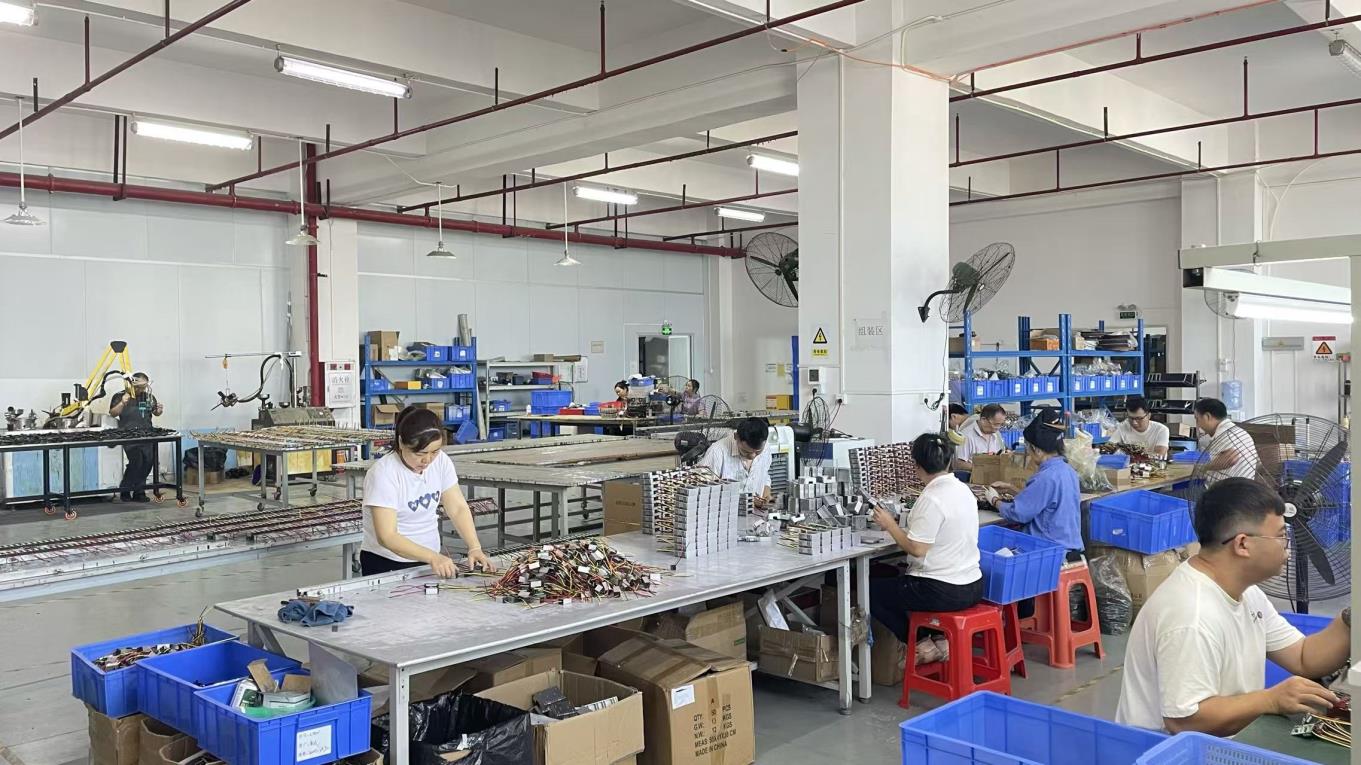
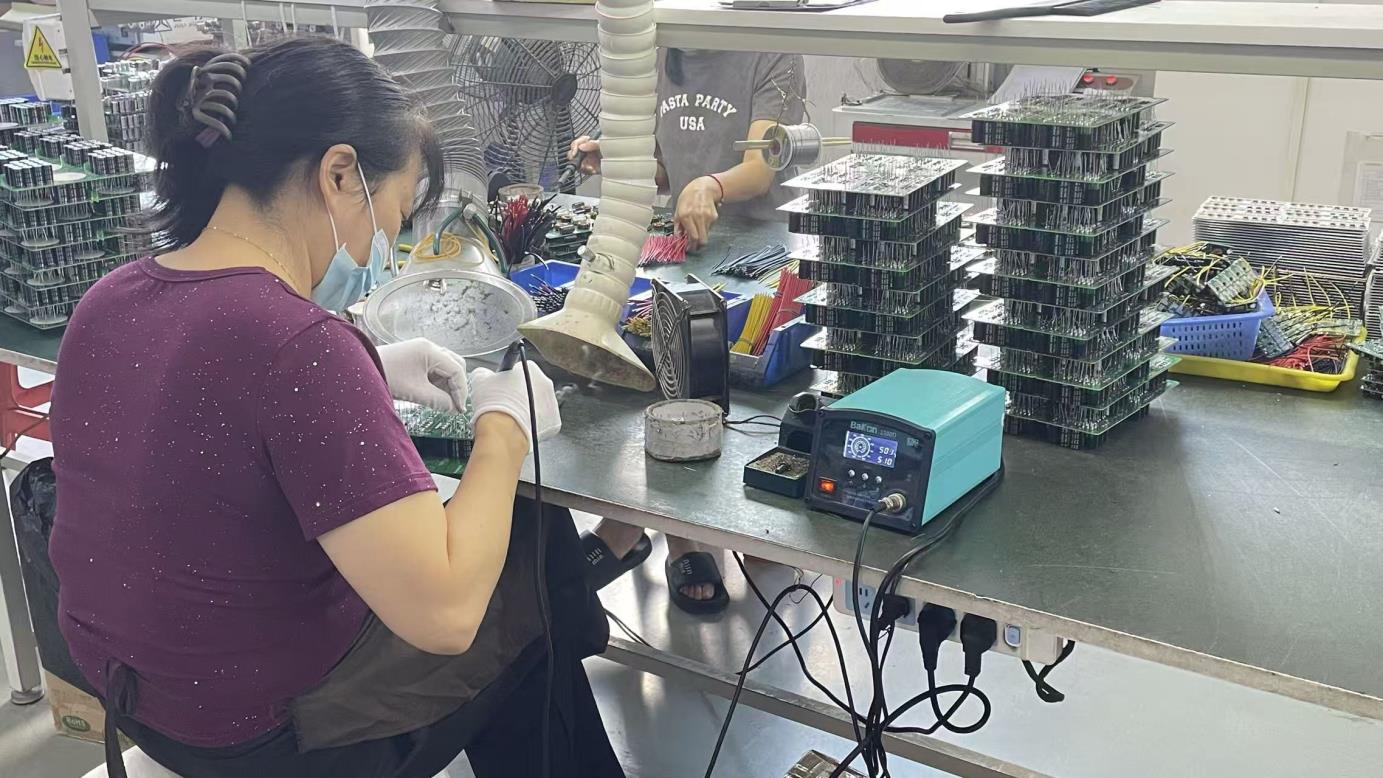
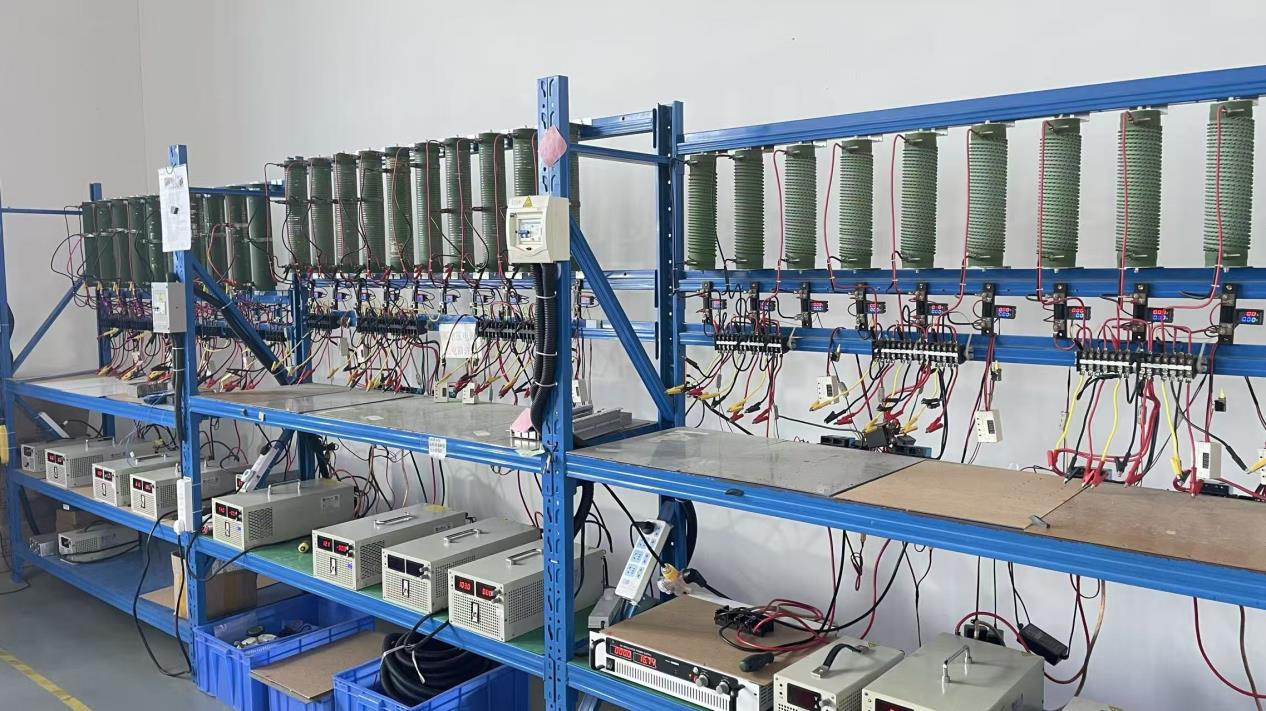
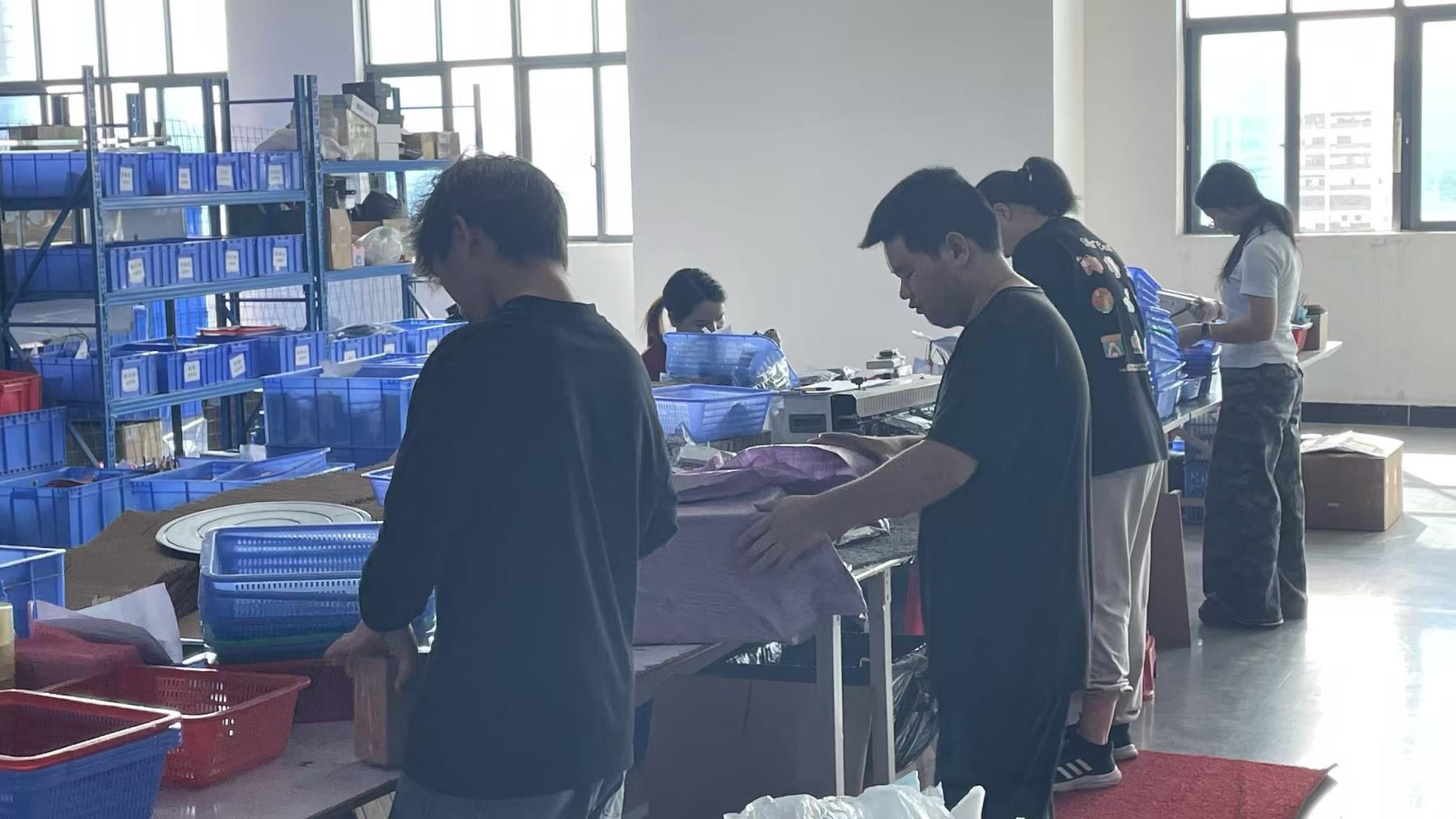
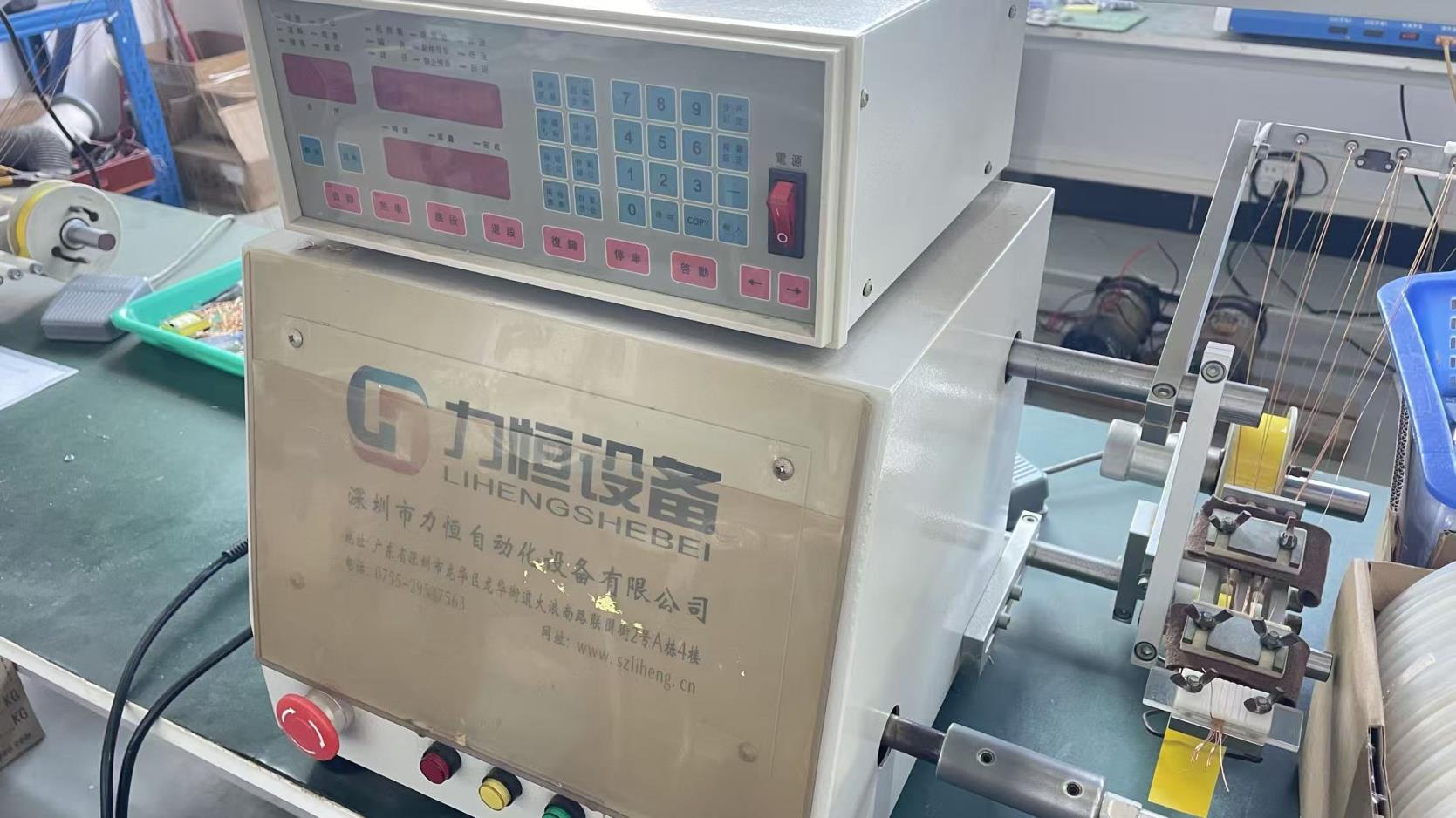
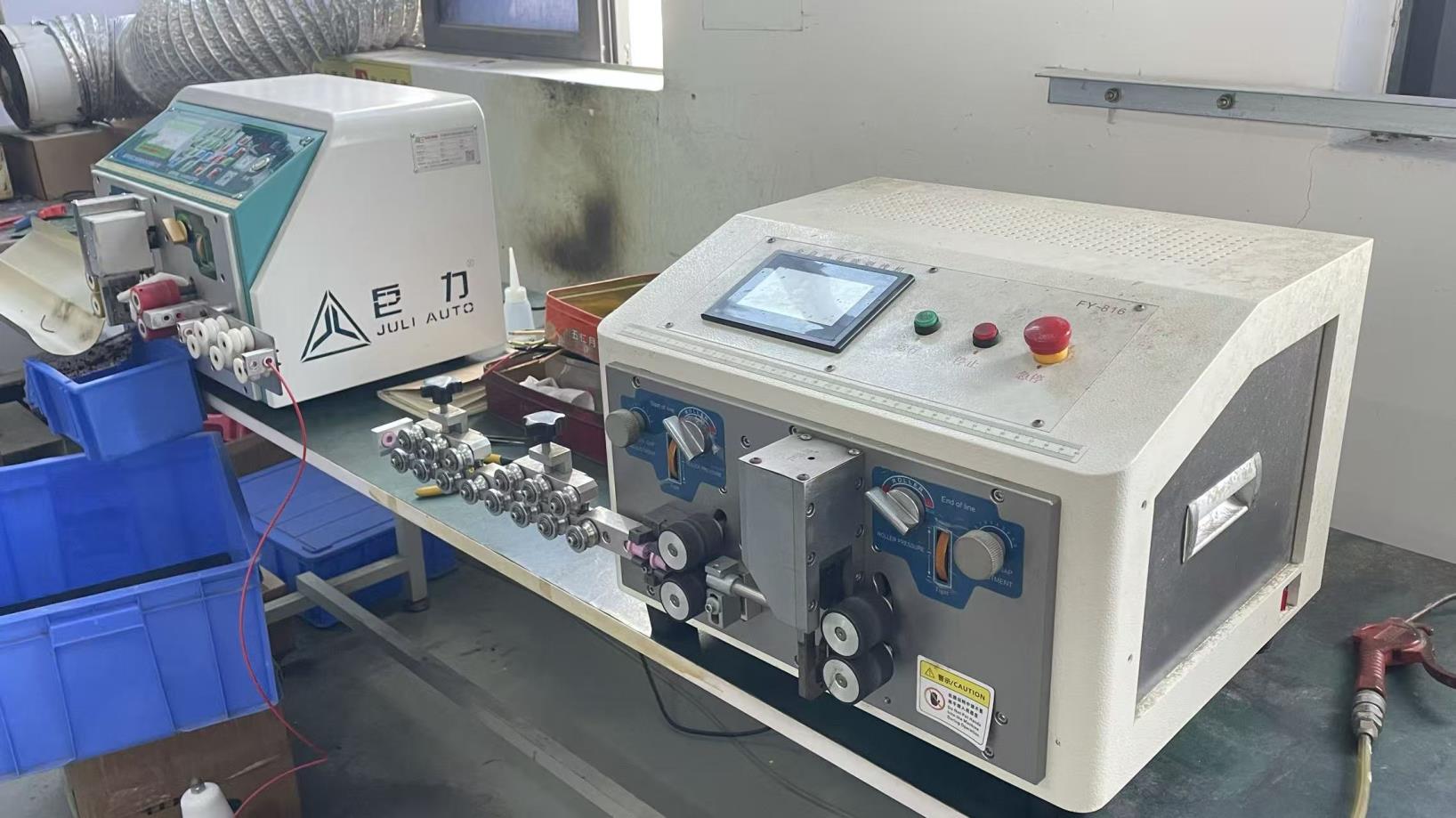
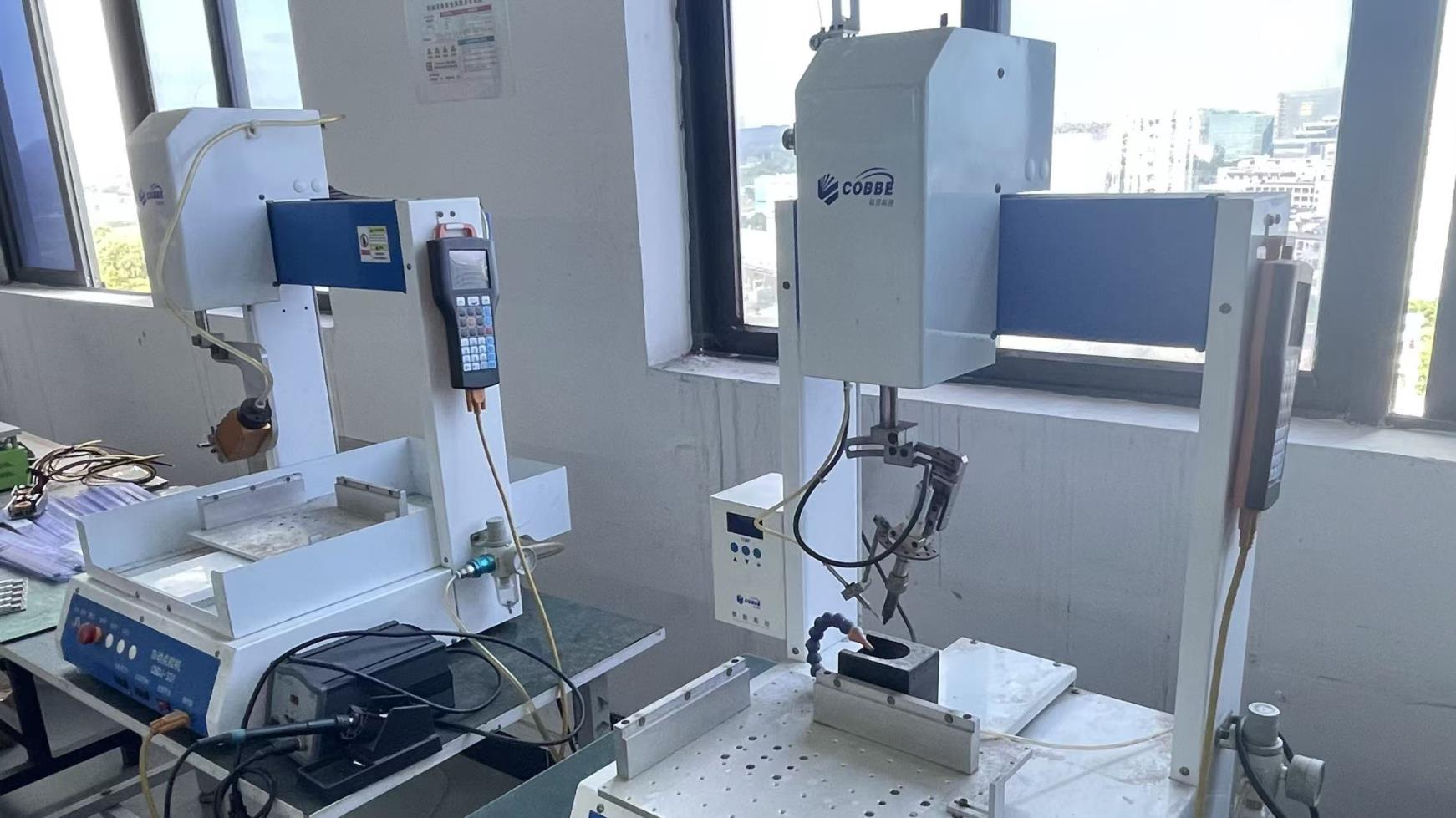
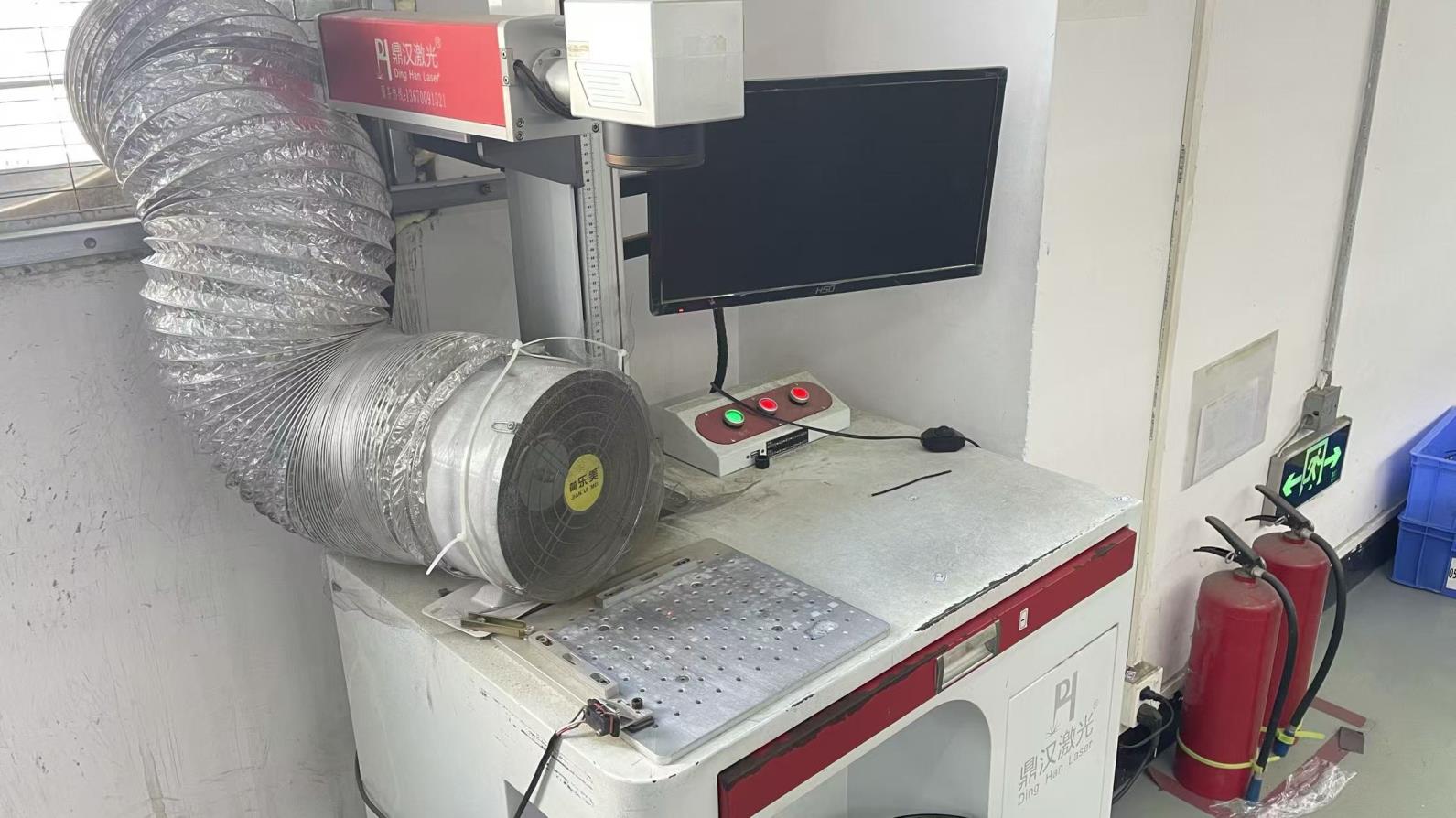
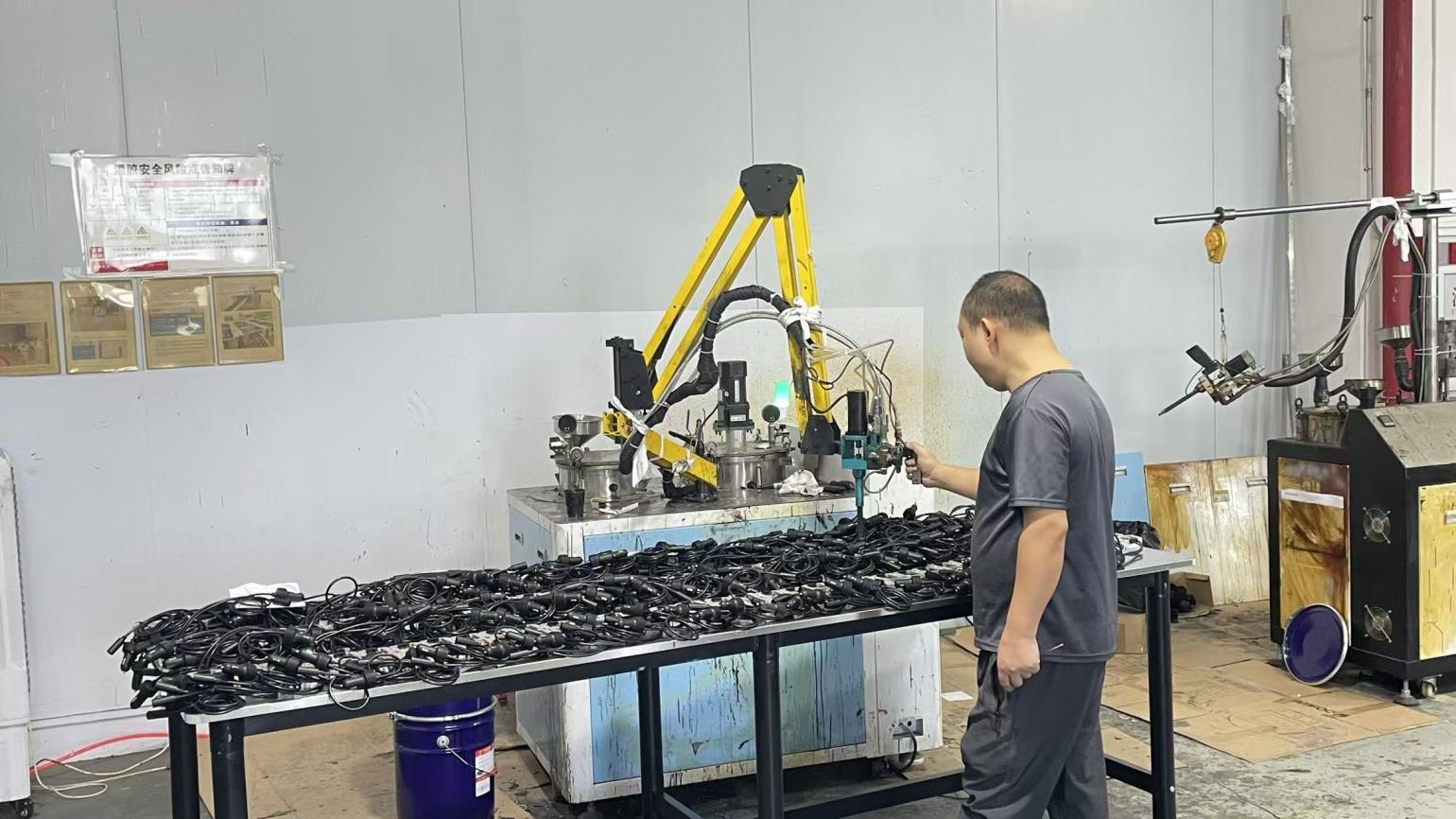
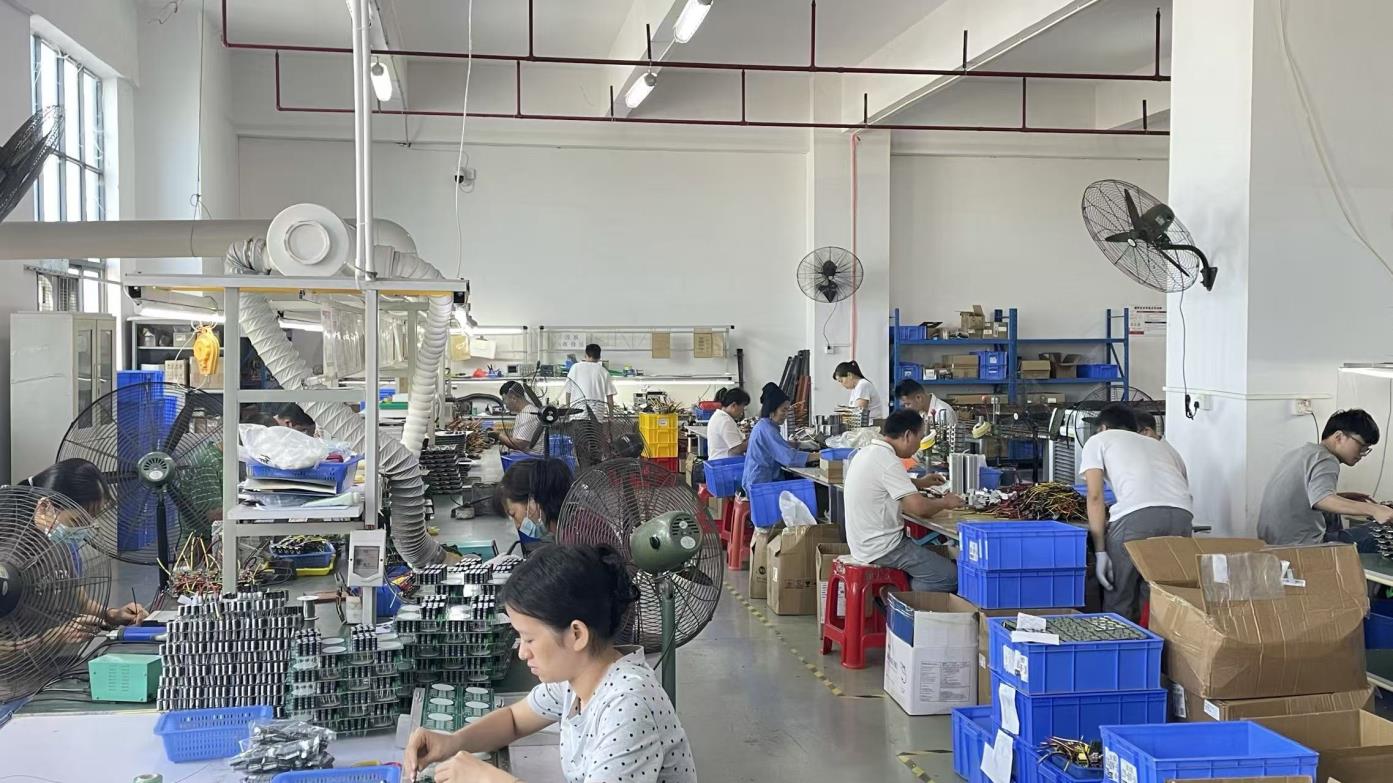
Our state-of-the-art facility in Guangzhou, China, operates in conjunction with more than 20 specialized cooperation factories. This allows us to provide a product line of over 10,000 different models with customizable power specifications. By integrating structural assembly, high-frequency coil winding, automated PCB mounting, and environmental testing, we deliver reliable equipment at a competitive cost of ownership.
Agile Customization
With an engineering and construction capability spanning from small DIN Rail modules up to custom multi-megawatt configurations, we build bespoke systems tailored to customer-specific voltage ranges and mounting requirements.
Advanced QC Architecture
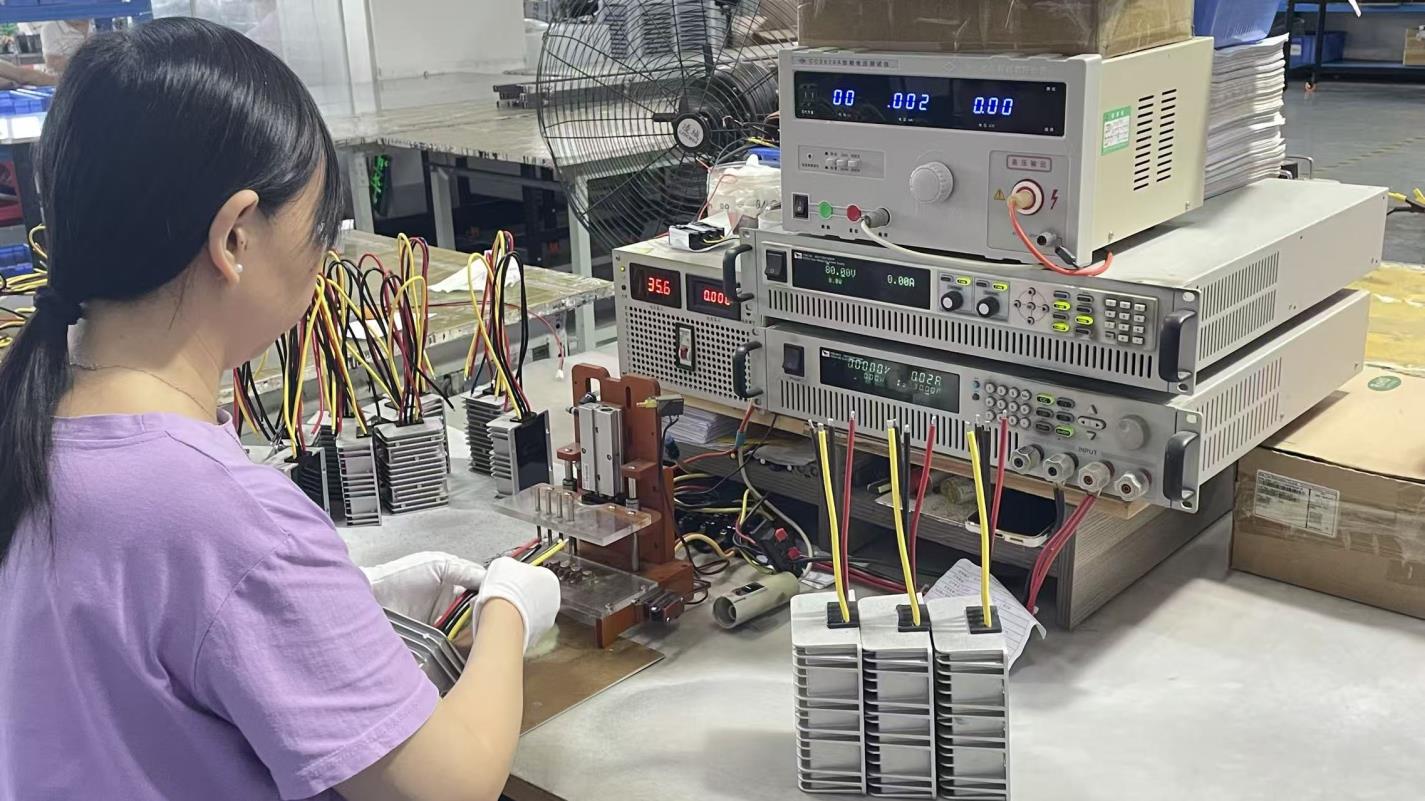
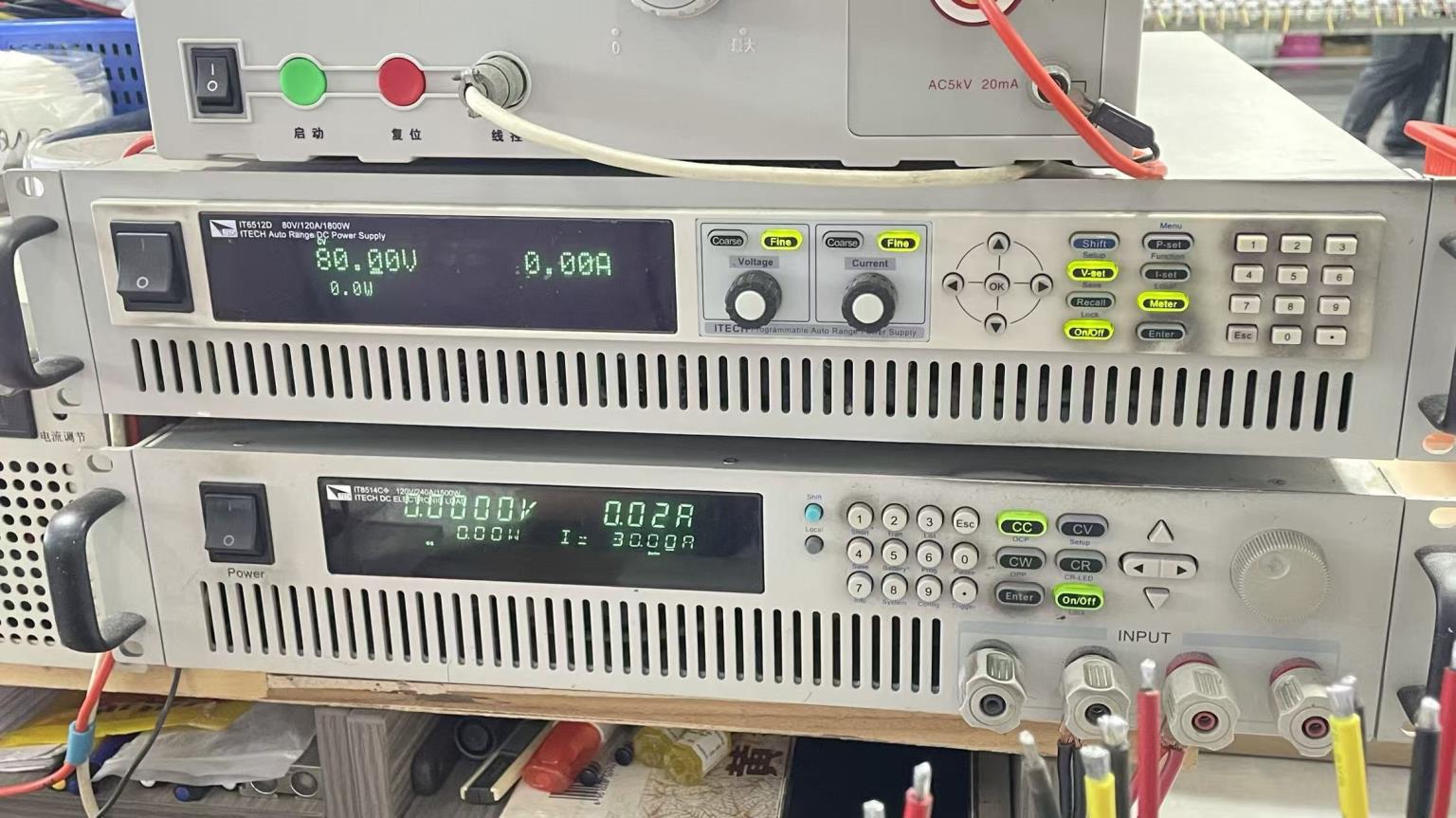
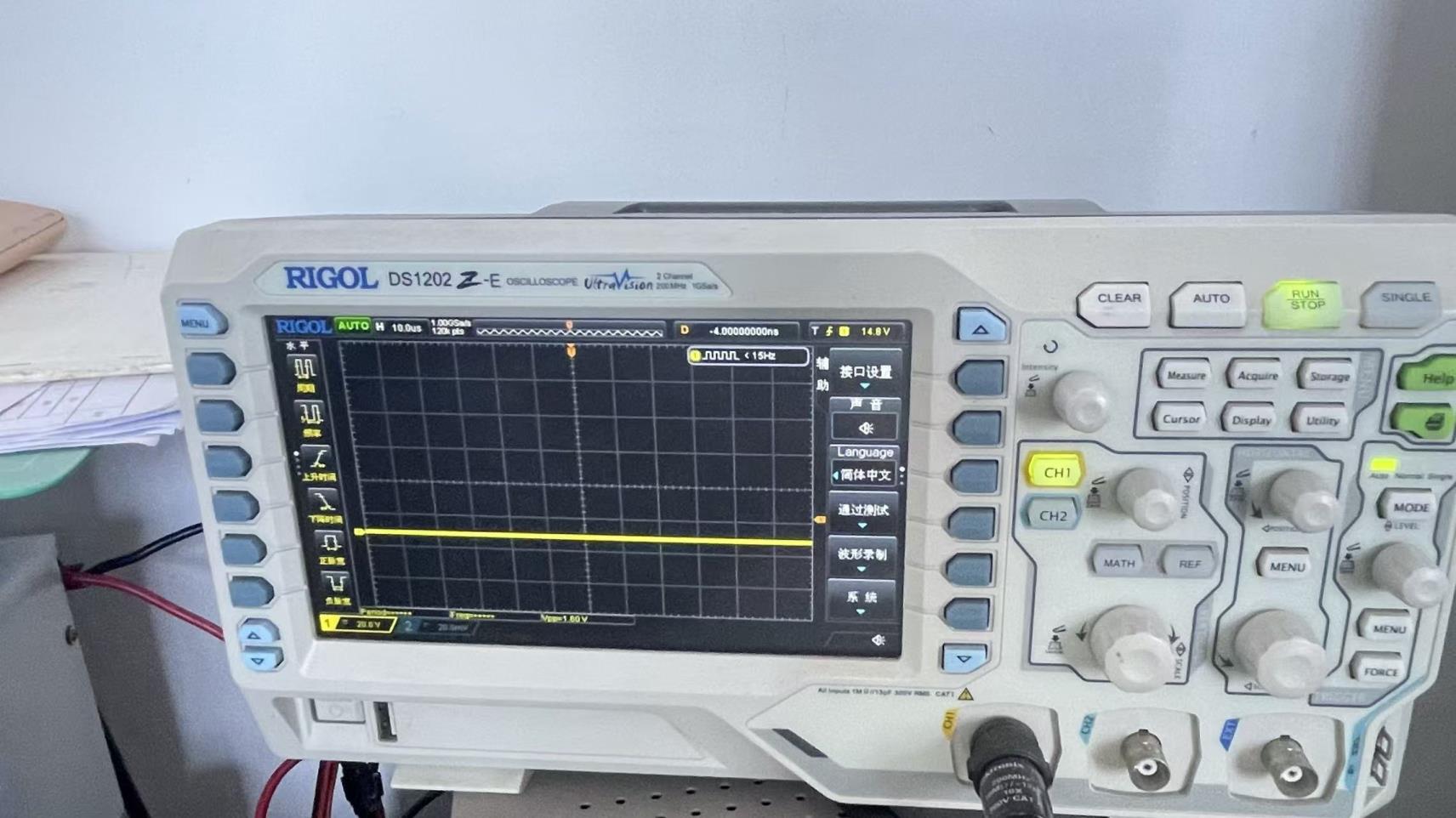
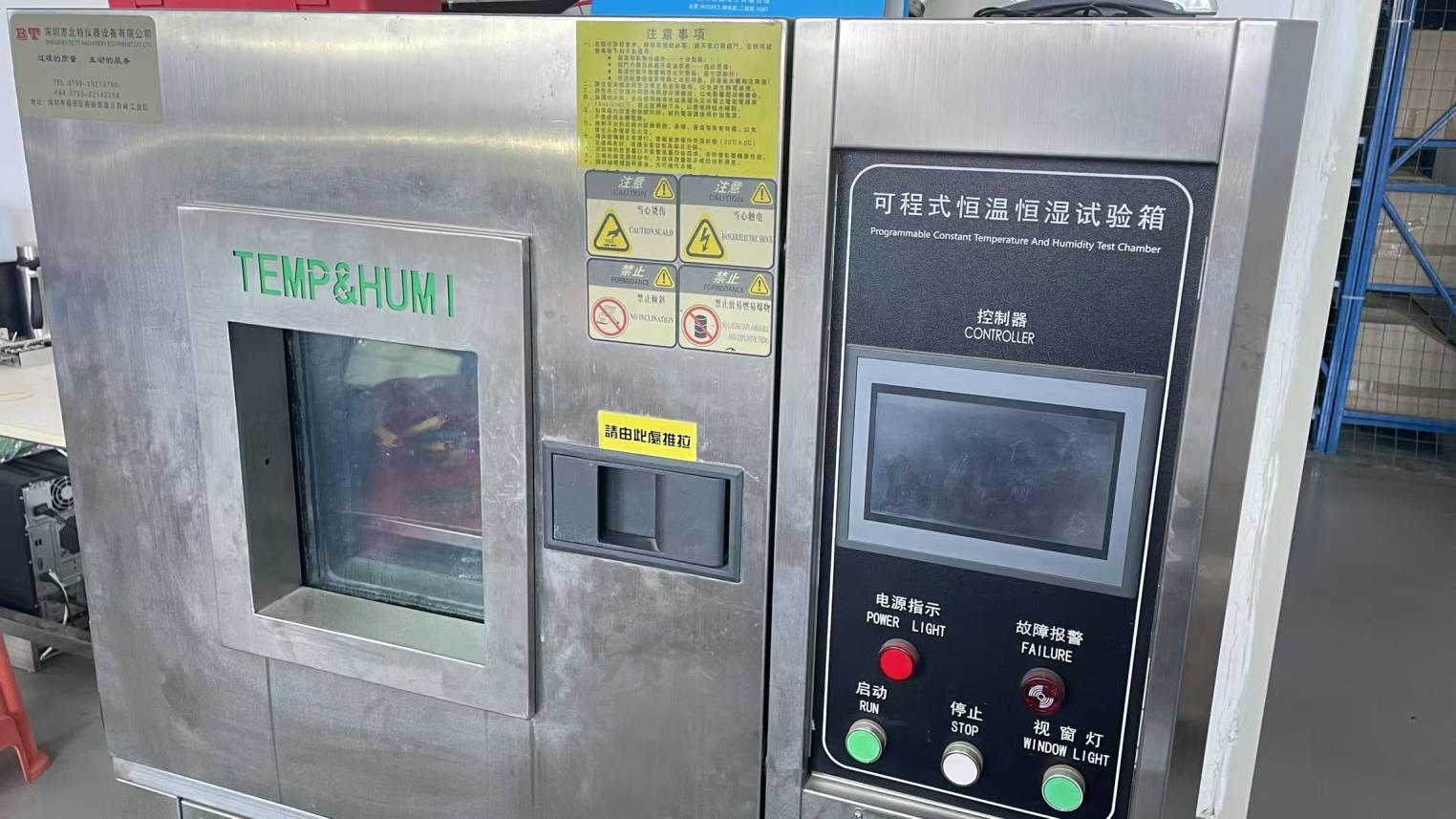
Every dynamic voltage restorer and power converter undergoes a strict manufacturing validation process, including high-voltage AC withstand tests, automated optical inspections, and long-cycle temperature-controlled burn-in tests.
Global Regulatory Compliance
Our products are engineered to comply with major international grid regulations and manufacturing codes, including CE, IEC 61000-4-34, IEEE 519 harmonics limitations, and UL design safety standards.
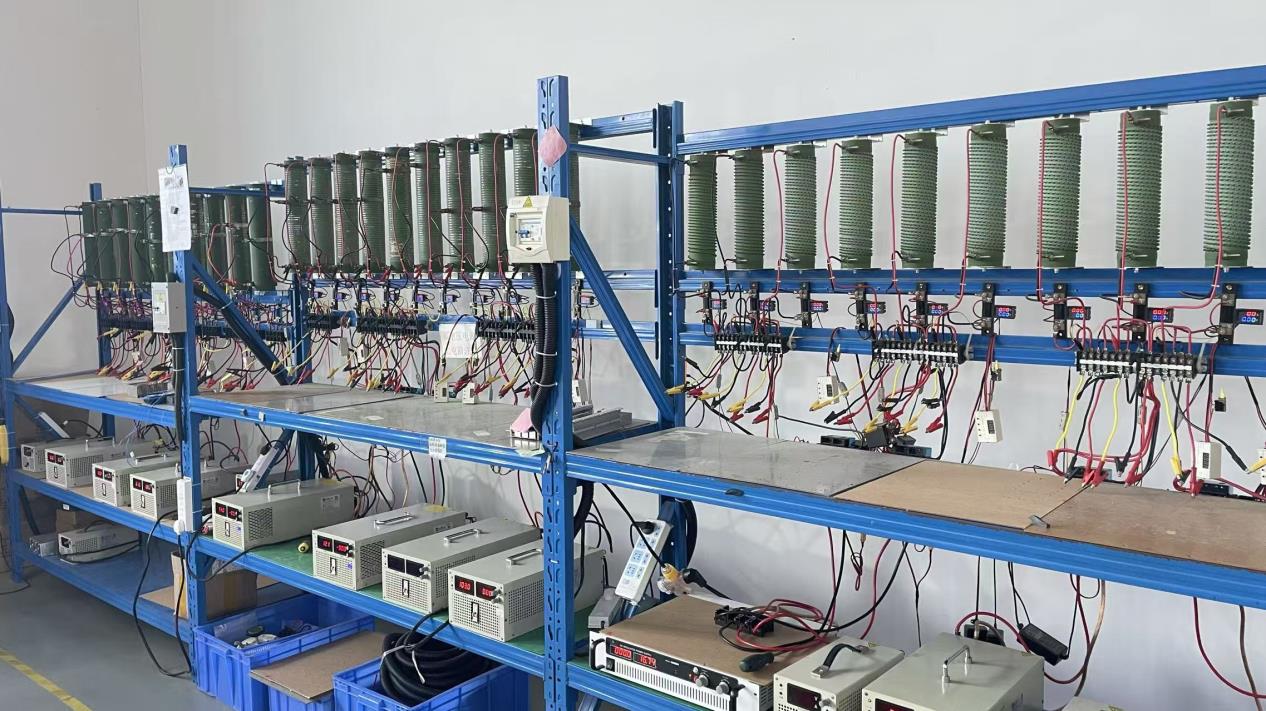
Our Manufacturing Capabilities & Engineering Operations
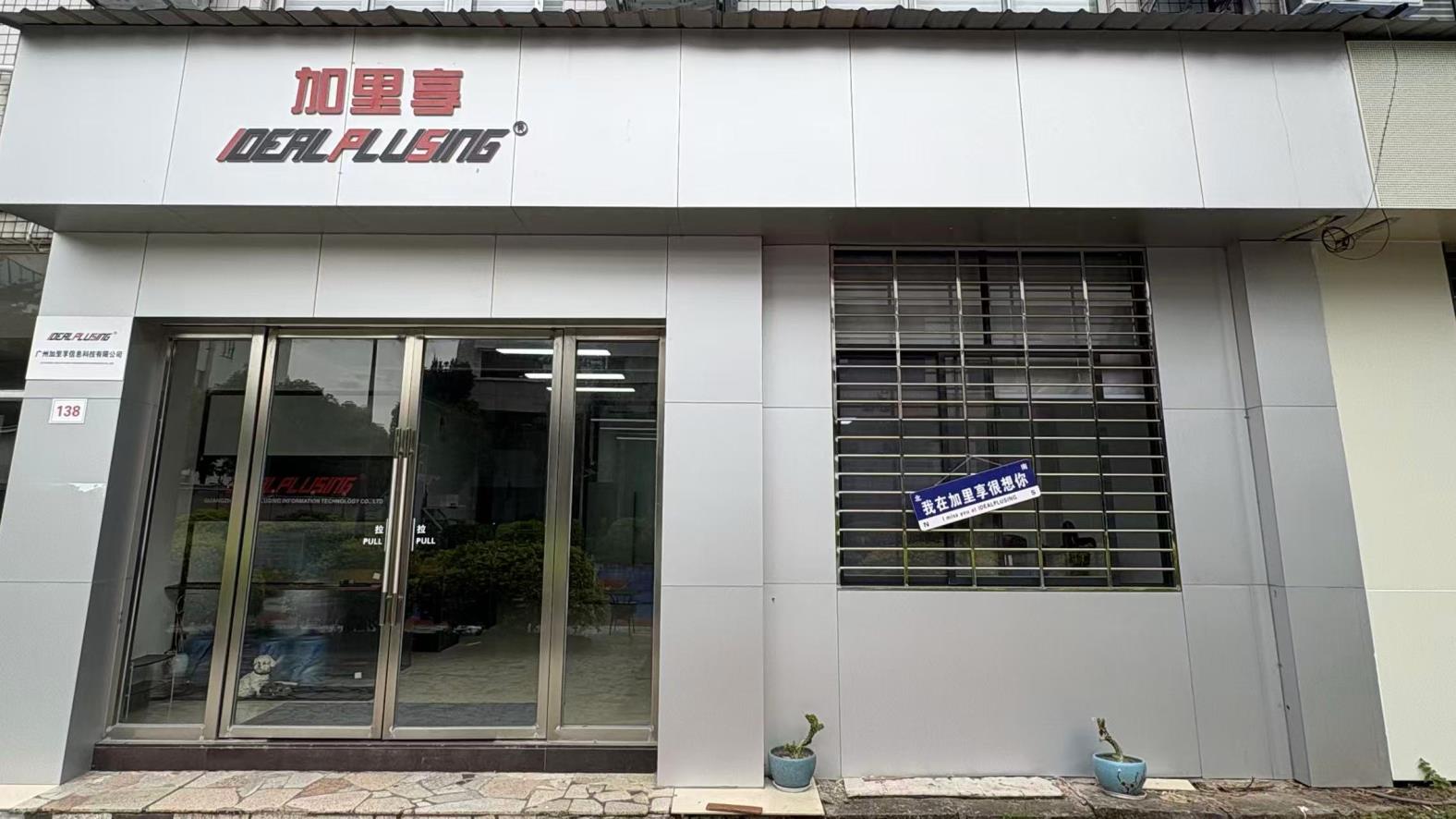
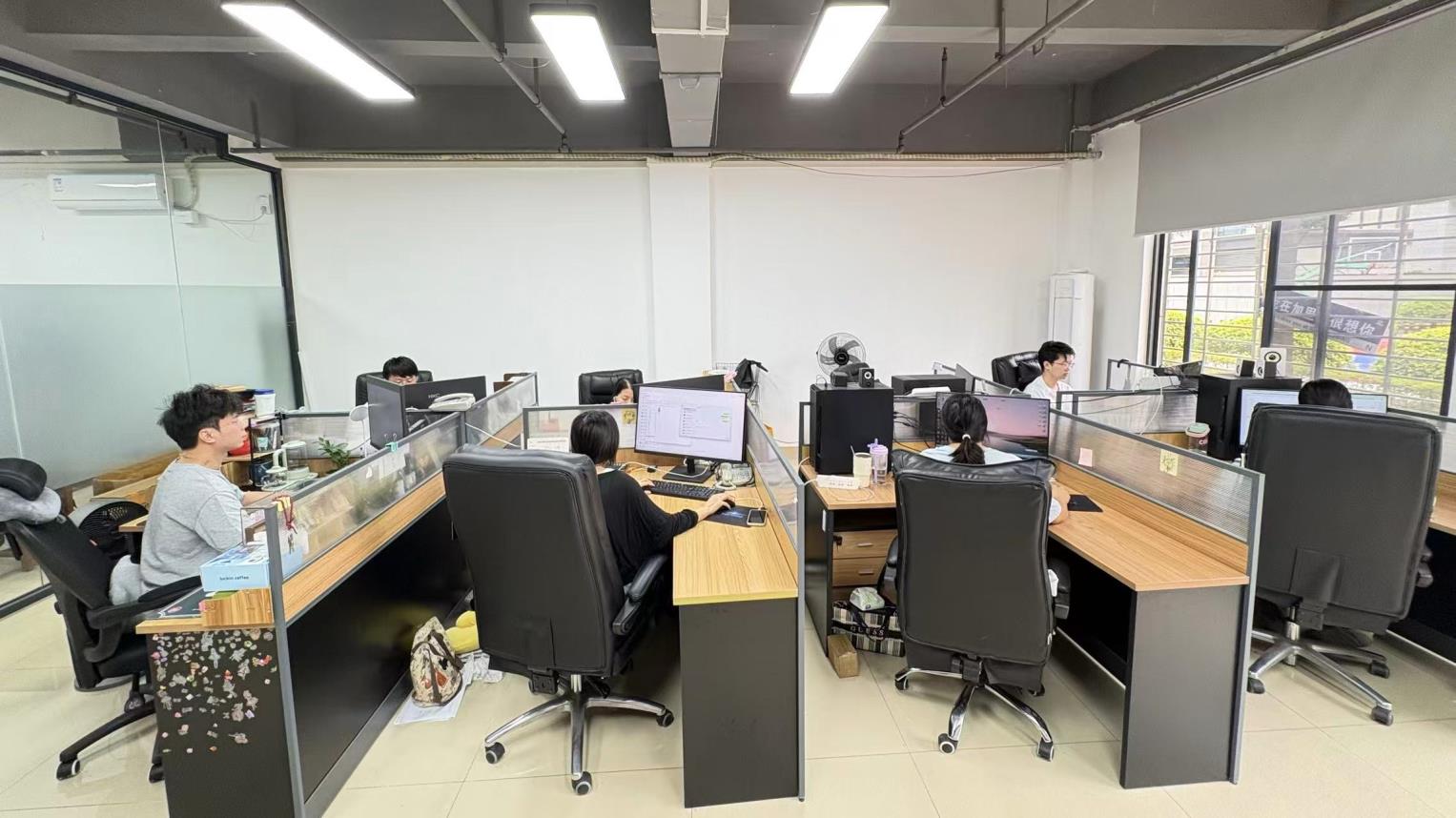
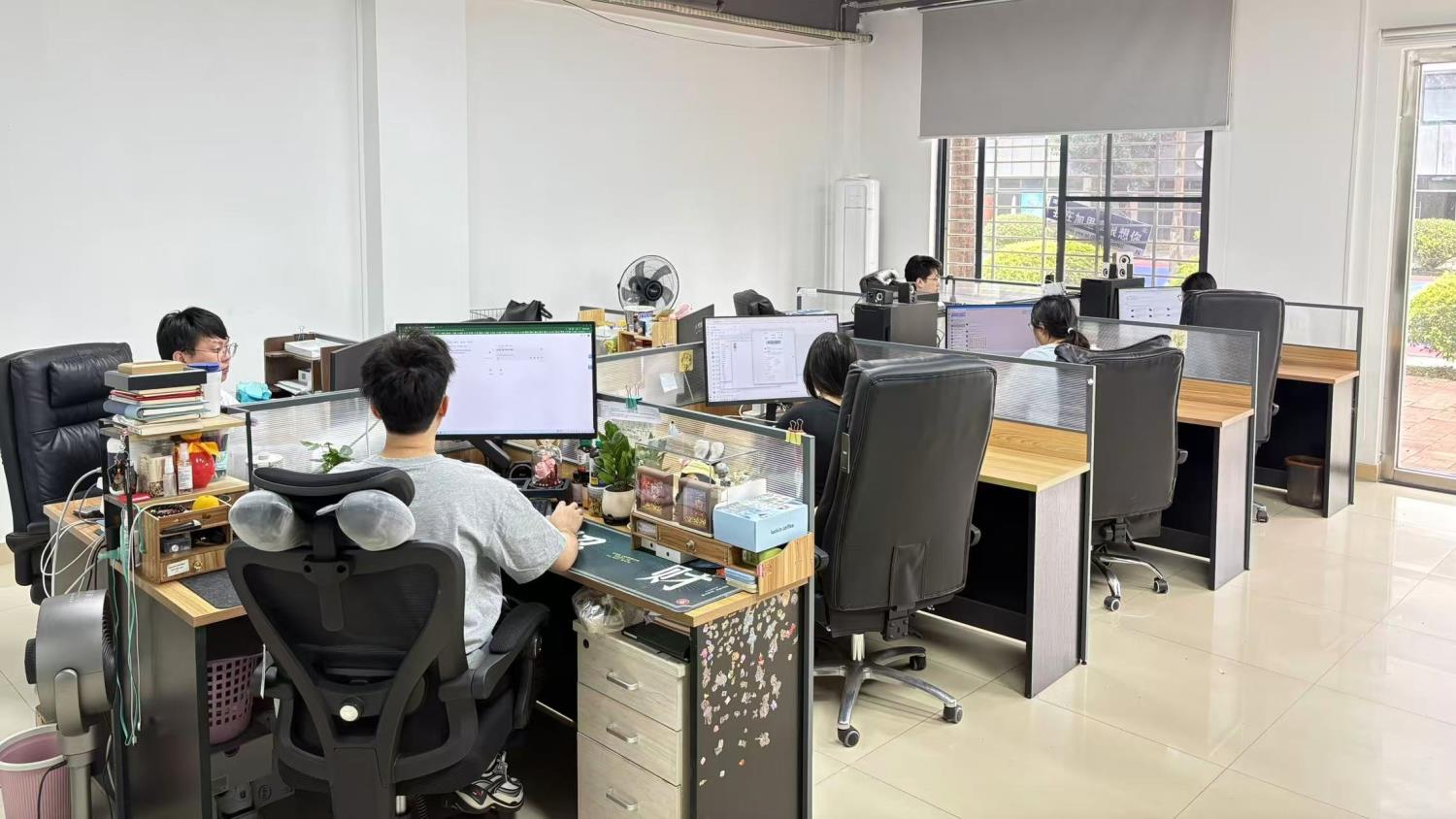
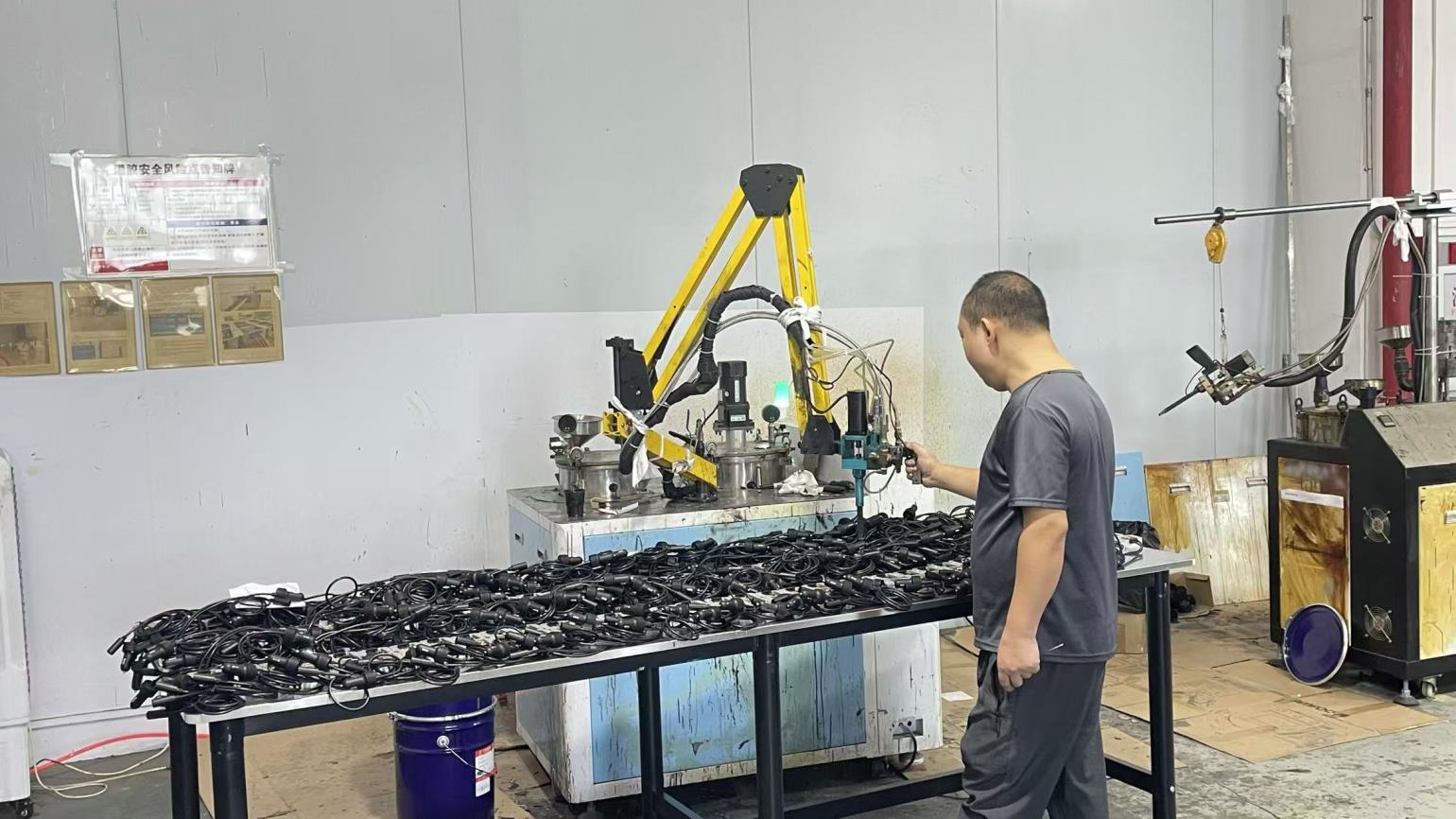
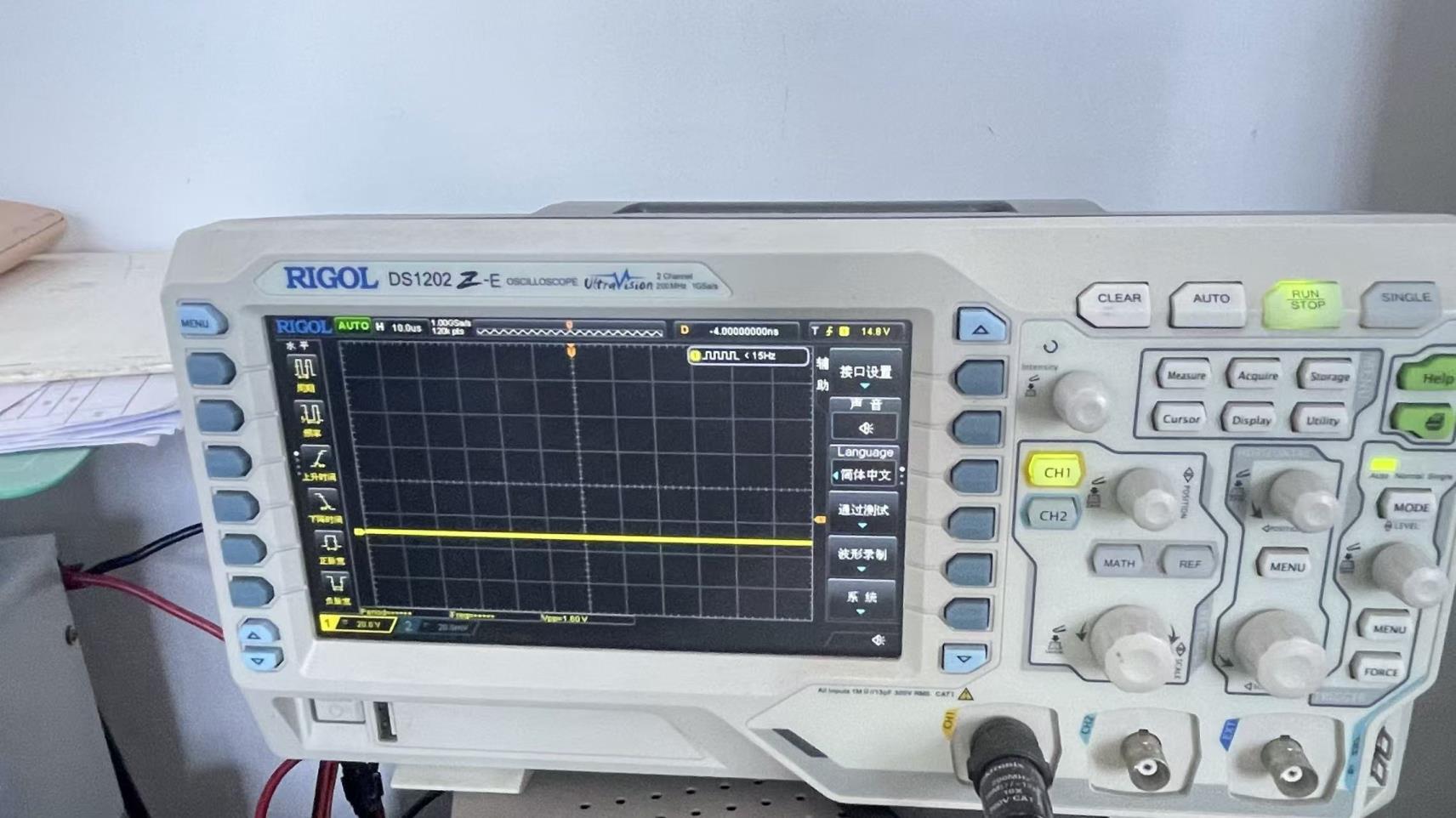
A transparent look inside our production lines, testing facilities, and QA protocols in Guangzhou, China
Operating under the core principles of "Leading Technology, Reliable Quality, Satisfactory Service & Customers First!", our facility serves as a complete power electronics partner. We design, manufacture, and integrate systems across multiple product categories, including:
- DC-DC Converters: Both isolated and non-isolated configurations, spanning input voltages from 12VDC up to 1000VDC, with power outputs from 1kW to 200kW.
- AC-DC Power Supplies: Highly specialized high-voltage units delivering voltages from 0 to 200kV and currents from 0 up to 20,000 Amps.
- DC-AC Inverters: Supporting input ranges from 12VDC to 2000VDC with continuous power ratings from 100W up to 500kW.
- AC-AC Power Sources: Precision single-phase or three-phase units, variable frequency from 10Hz to 500Hz, and power capacities ranging from 1kVA to 500kVA.
- AC-DC Ground Power Units (GPU): Rugged military and aviation grade supplies engineered for currents from 300 Amps up to 50,000 Amps.

Detailed Stage-by-Stage Manufacturing Line
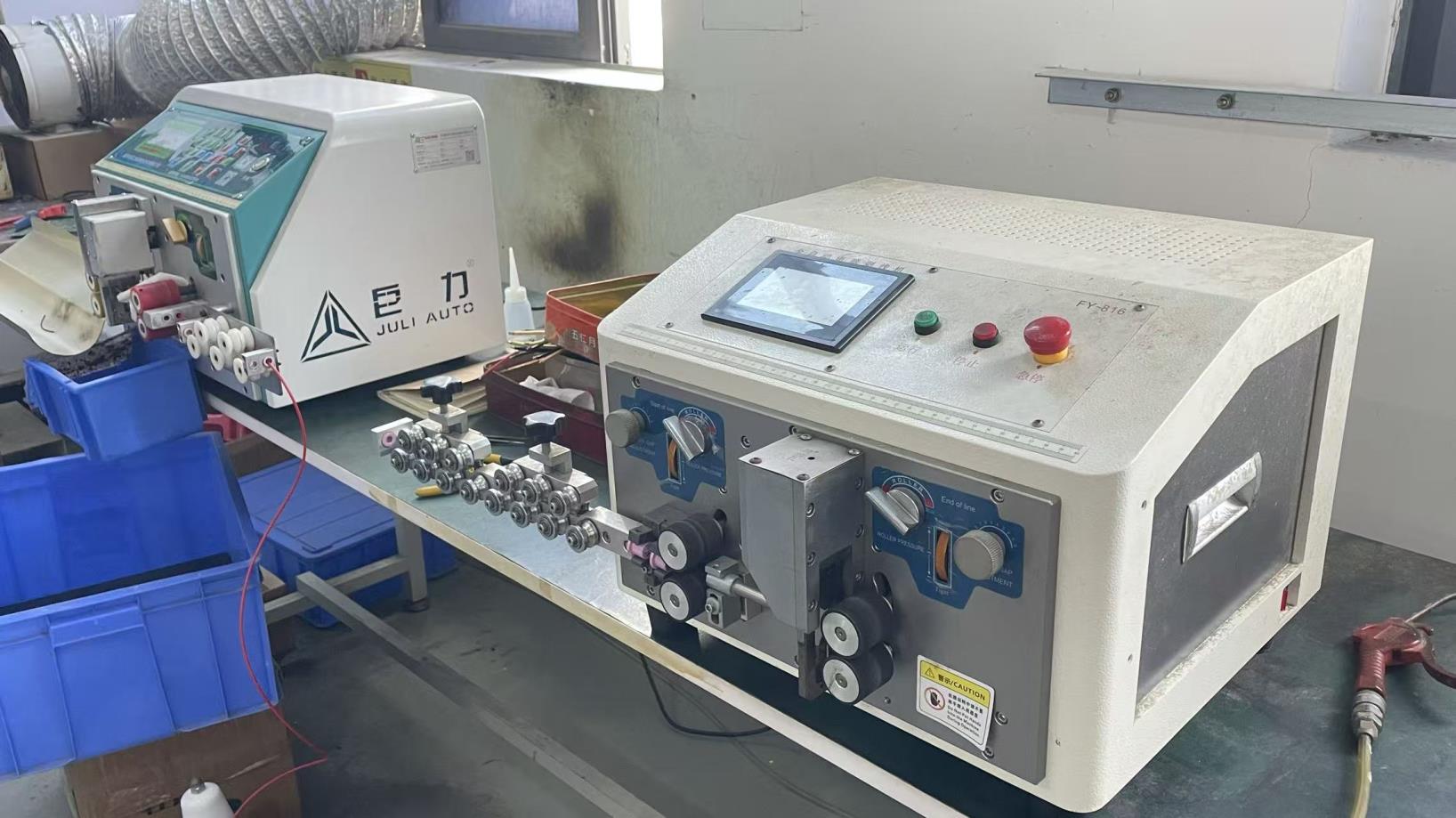
Tracing the path of raw silicon and magnetic copper to fully certified industrial cabinet systems.

Top 10 DVR Manufacturers: Selection & Evaluation Matrix
How Global Procurement Teams Assess Factory Quality and Engineering Execution Capabilities
Selecting the best Dynamic Voltage Restorer factory goes beyond evaluating initial component cost. EPCs (Engineering, Procurement, and Construction) and global manufacturing firms weigh their decisions against a strict matrix of operational capabilities. Below are the key indicators for evaluating the top manufacturers:
1. Dynamic Tracking Algorithms
Top factories write proprietary control algorithms using DSPs or FPGAs. This allows systems to transition from standard tracking mode to compensation mode in less than 2ms, minimizing trans-harmonic leakage during switching phases.
2. Energy Storage Options
The top tier manufacturers offer scalable DC link designs that can accept supercapacitors (for high-current short-duration discharges) or lithium iron phosphate (LiFePO4) chemistries (for extended backup capabilities).
3. Thermal Cycle Management
Because dynamic voltage stabilizers handle high active currents during sag events, look for manufacturers who implement forced air cooling loops or oil-immersed structures, ensuring thermal stability under extreme ambient environments.
An authoritative evaluation protocol for selecting the top 10 global manufacturers of dynamic voltage conditioners includes assessing their R&D patents, production line automated testing systems, and their field service engineering presence in regions like Southeast Asia, Europe, and the Americas.
Localized Applications & Critical Case Scenarios for DVR Systems
Depending on the industry and local grid reliability, dynamic voltage conditioners are configured to address specific electrical challenges. Here is how they are deployed across different sectors:
Semiconductor Manufacturing Fabs
In silicon wafer fabrication facilities, photolithography tools and chemical vapor deposition chambers cannot tolerate voltage variations exceeding 10% of nominal rating for more than 5 milliseconds. A DVR acts as a safeguard, injecting missing phase-voltage elements to prevent equipment lockups and protect expensive production batches.
Petrochemical Continuous Processing
Extruders, high-output pumps, and automated compressor units used in chemical processing plants will trip out under grid sag conditions. Installing a medium-voltage series DVR on incoming feed lines keeps crucial motor-drive systems online, preventing unplanned line shutdowns and material wastage.
Automotive Robotic Assembly Lines
Multi-axis robots and precision welding stations require synchronous power supplies. A phase-voltage unbalance caused by high-voltage grid switching will trigger a shutdown of the entire assembly sequence. Modern modular DVR units maintain balanced three-phase voltage, preserving line productivity.
Frequently Asked Questions: Industrial DVR Systems
Technical Answers to Common Questions on Specification, Installation, and Operation of Sag Mitigation Units
A standard Double-Conversion UPS runs continuous load power through rectifier and inverter stages, resulting in 8-12% energy loss. It is designed for long outage backups. A DVR connects in series with the grid. Under normal conditions, it operates in standby with losses under 1%. It is designed to inject missing voltage during sags (which represent 90%+ of power issues) using internal supercapacitors, providing high efficiency and low maintenance.
Advanced DVRs equipped with FPGA-driven digital signal processors detect grid anomalies in less than 1 millisecond. Complete voltage injection is achieved within 2 milliseconds. This response speed is faster than the contactor dropout threshold of industrial machinery, keeping operations online during voltage dips.
Yes. Modern dynamic voltage restorer systems use independent phase control. Each of the three phases is monitored and compensated individually. If only Phase A experiences a sag, the inverter injects voltage onto Phase A, preventing system imbalances.
For installations in industrial regions, equipment must meet certifications such as CE (Europe), UL 508A (Americas), IEC 61000-4-34 (compliance for voltage sags and dips), and IEEE 519 (harmonics limits). Our Guangzhou manufacturing center produces systems built to satisfy these international standards.
Industrial Grade Stabilizers, Regulators & Power Supplies