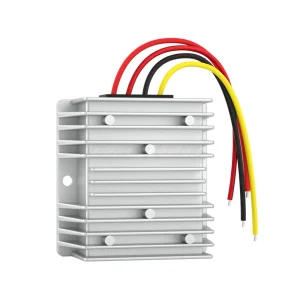
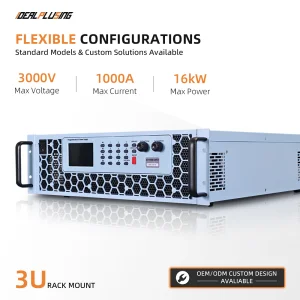
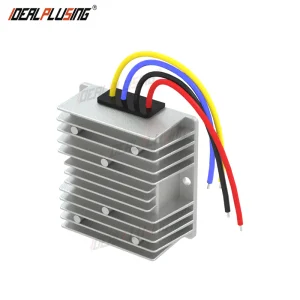
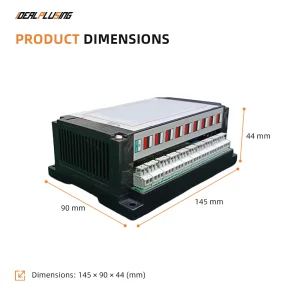
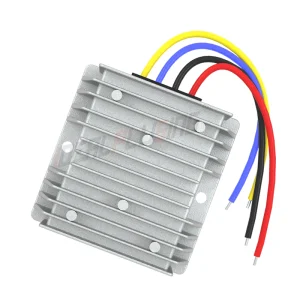
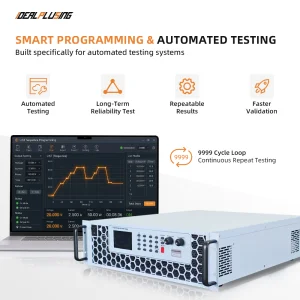
Featured Power Conversion Solutions
Precision Engineering for Sustainable Energy Infrastructure
Whitepaper: The Future of Solar Power Conversion
Decoding Solar Charge Controllers in the Age of Net Zero
Global Market Context
As the world pivots toward renewable energy, the Solar Charge Controller has evolved from a simple battery regulator to the "brain" of off-grid and hybrid energy systems. In 2024, the demand for high-efficiency MPPT (Maximum Power Point Tracking) controllers is surging in Commercial and Industrial (C&I) sectors, where energy harvesting efficiency must exceed 99% to ensure ROI.
Industrial Resilience
Supply chain reliability is the cornerstone of large-scale solar projects. Our Guangzhou-based manufacturing hub integrates over 20 specialized partner factories, providing a diverse portfolio of over 10,000 models. This "Supply Chain Resilience" ensures that whether it's a 12VDC rural lighting system or a 1000VDC industrial microgrid, the power conversion stage remains the most stable link in the chain.
Localized Applications
From the extreme heat of MENA region solar farms to the humid conditions of Southeast Asian aquaculture, our controllers are engineered with IP67 protection and advanced thermal management. By providing Information Gain through localized performance data, we help exporters navigate regional grid codes and environmental challenges effectively.
Technical Roadmap & Innovation
The Engineering Behind Our 99.8% Conversion Efficiency
Stage 1: Adaptive MPPT Algorithms
Moving beyond static tracking, our latest controllers utilize machine learning to predict shading patterns and adjust the Power Point in milliseconds, maximizing energy harvest in volatile weather.
Stage 2: Wide Voltage Adaptability
Bridging the gap between 12V residential systems and 1000V+ utility-scale requirements. Our modular DC-DC converters handle a wide input range from 8V to 1000VDC with consistent stability.
Stage 3: IoT & Remote Diagnostic Integration
Real-time monitoring via RS485/CAN/Bluetooth protocols allows for predictive maintenance, reducing O&M costs for large-scale solar exporters and installers.
Corporate Strength & Manufacturing Excellence
EEAT: Expertise, Experience, Authoritativeness, and Trustworthiness
10k+
Models Available
20+
Cooperation Factories
60+
Expert Workers
200kv
Max Voltage Capability
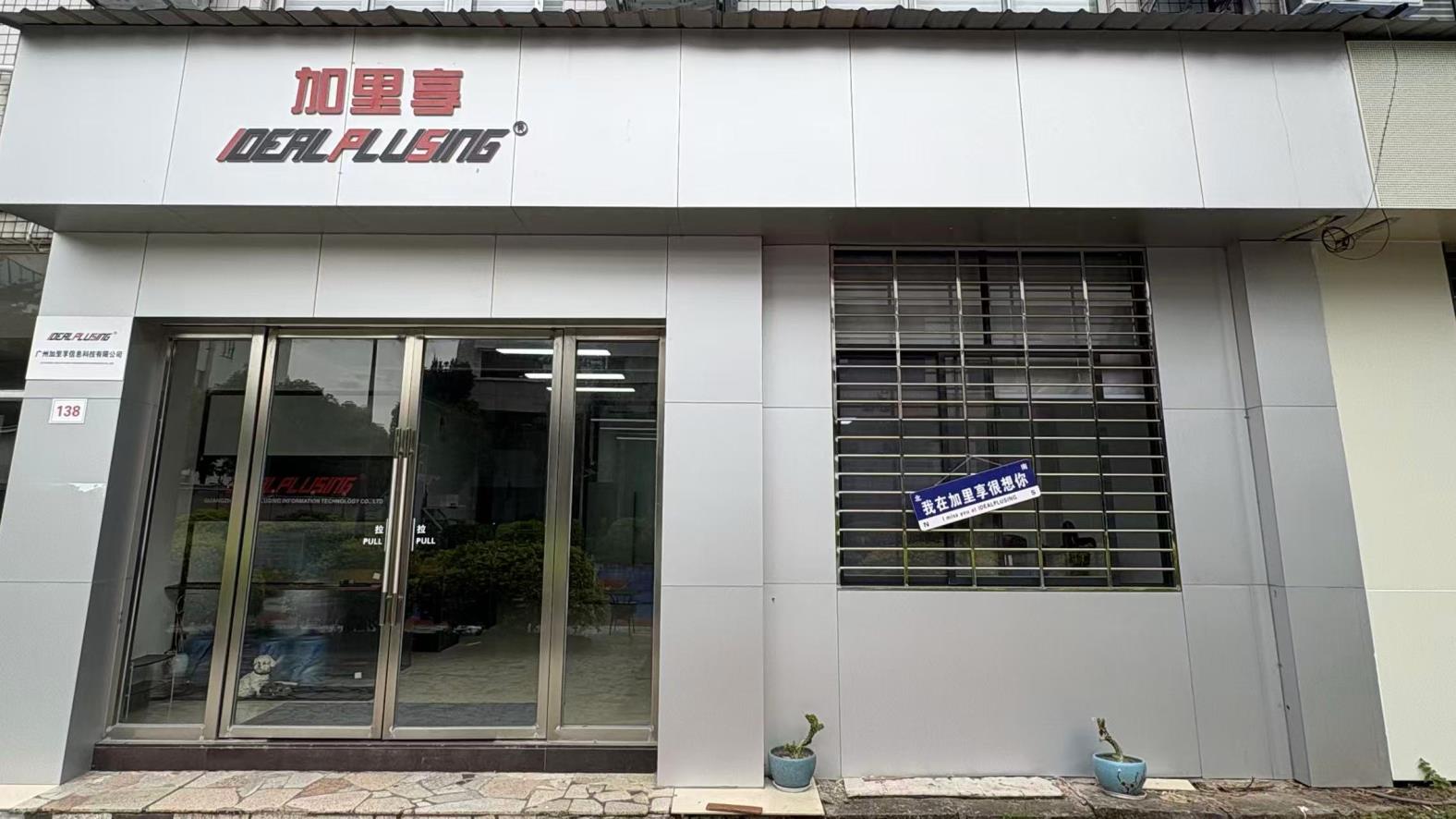
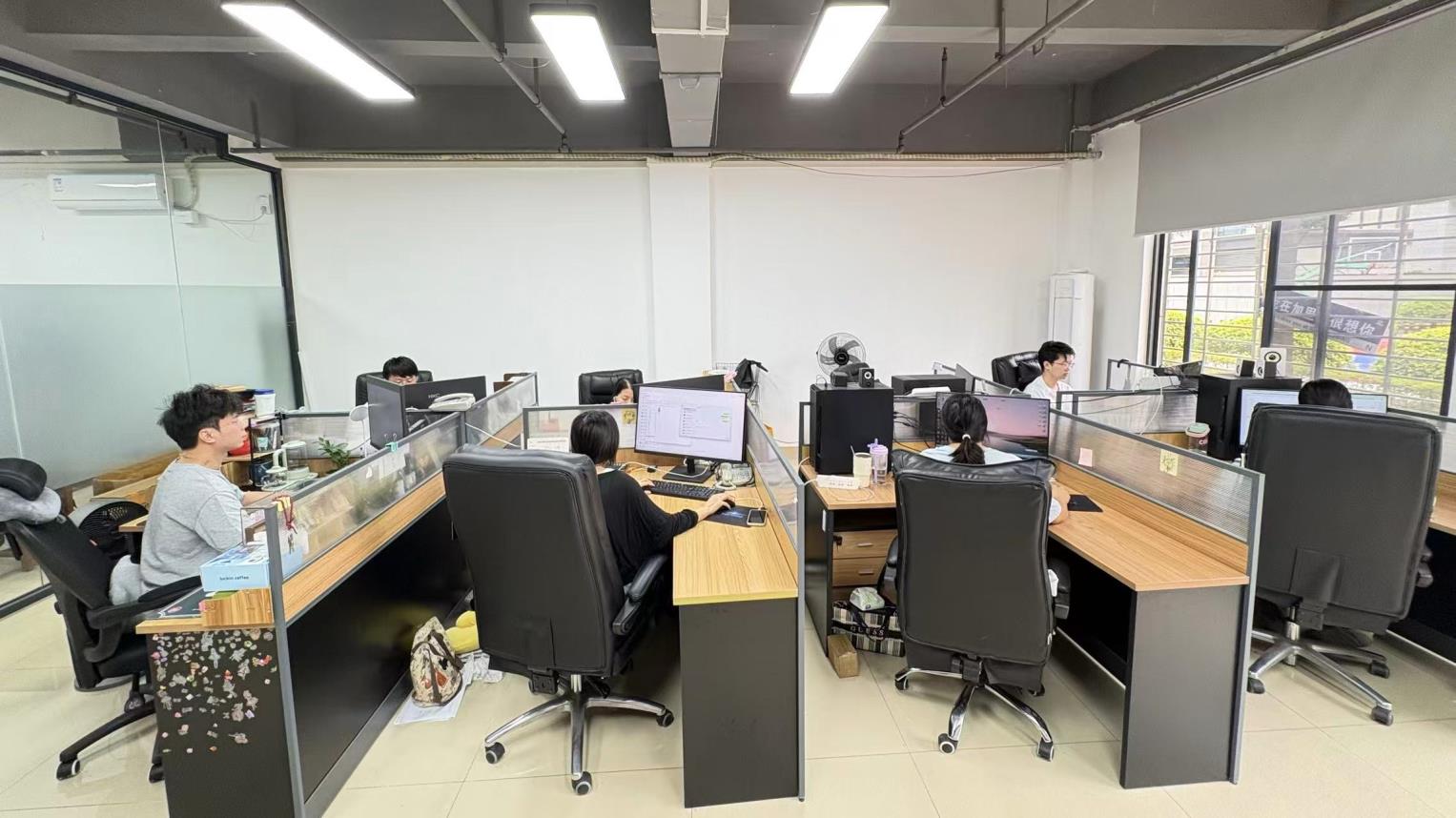
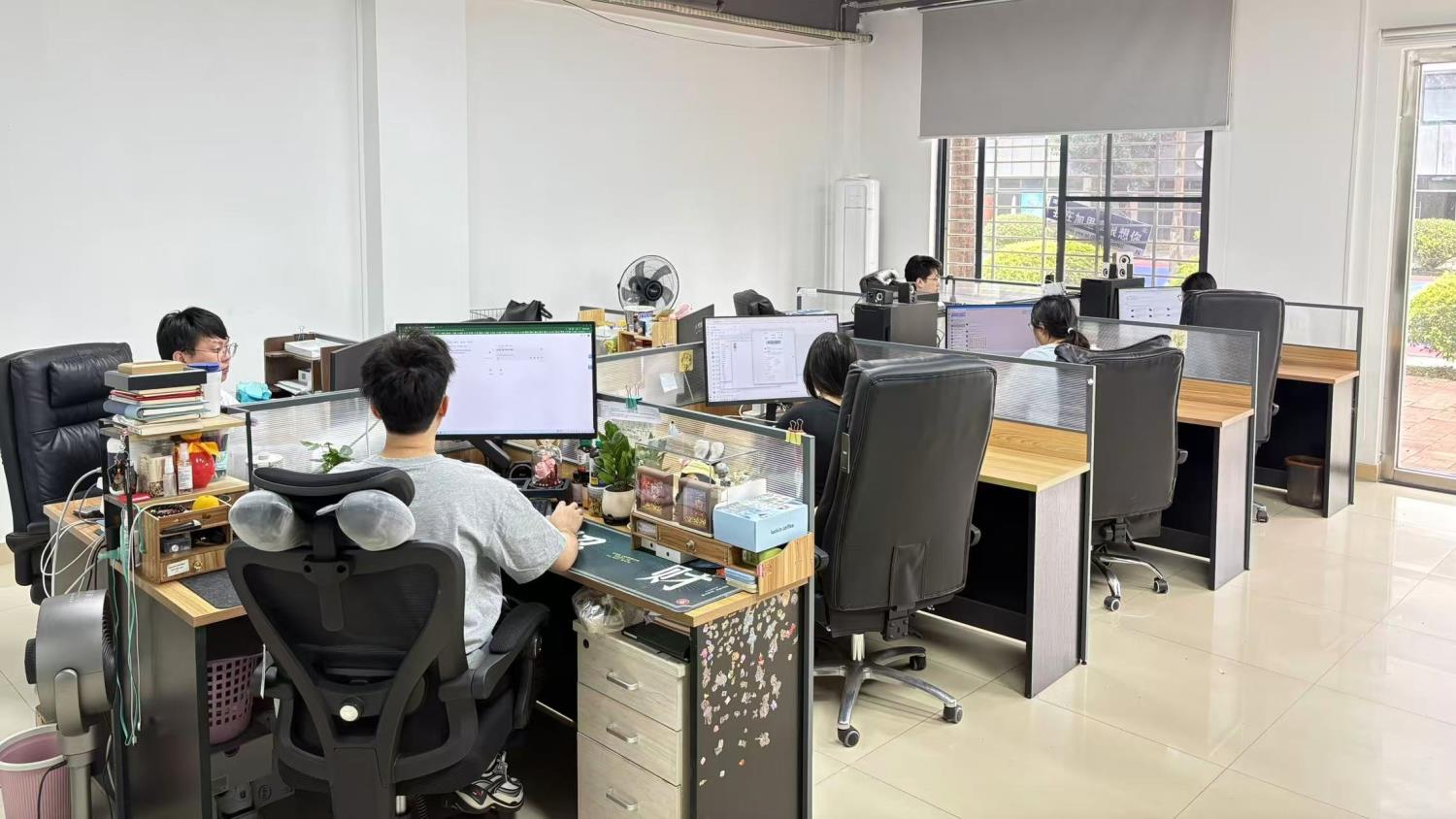
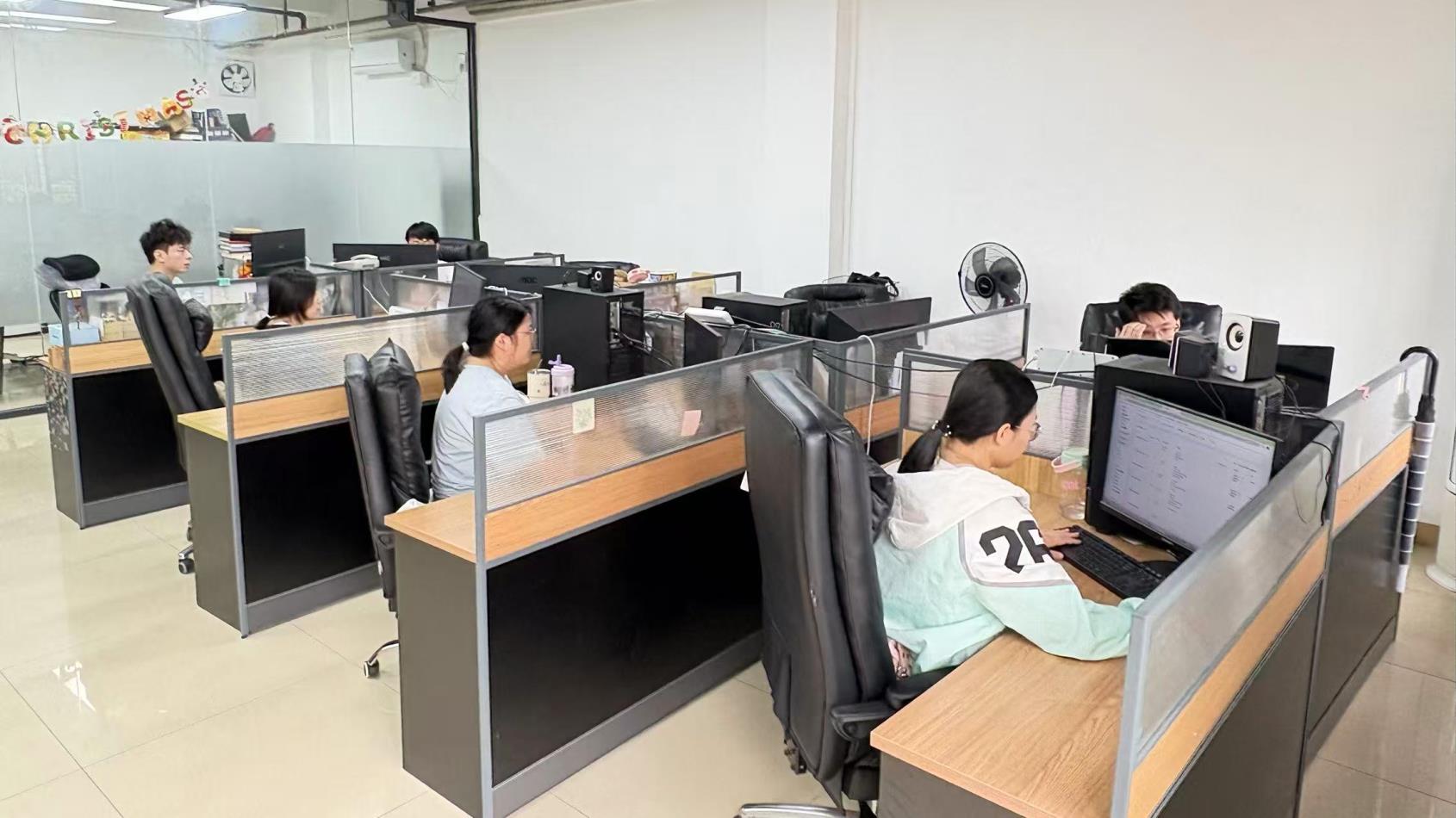
Who we are? We are one of the leading suppliers in integrating, developing, manufacturing, sales, engineering design, and construction for various power supplies. Based in Guangzhou, China, we strictly implement the operation guideline of “Leading Technology, Reliable Quality, Satisfactory Service & Customers First!”
What do we do? Our core competencies include:
- DC-DC converter (Isolated and non-isolated), 12vdc to 1000vdc, 1-200kw.
- AC DC power supply, voltage from 0 to 200kv, current from 0-20k amps.
- DC AC inverter, 12vdc to 2000vdc, 100w to 500kw.
- AC AC power source, single or 3 phases, 10-500hz, 1kva to 500kva.
- AC DC Ground Power Unit, from 300 amps to 50000 amps.
Production & Quality Control Process
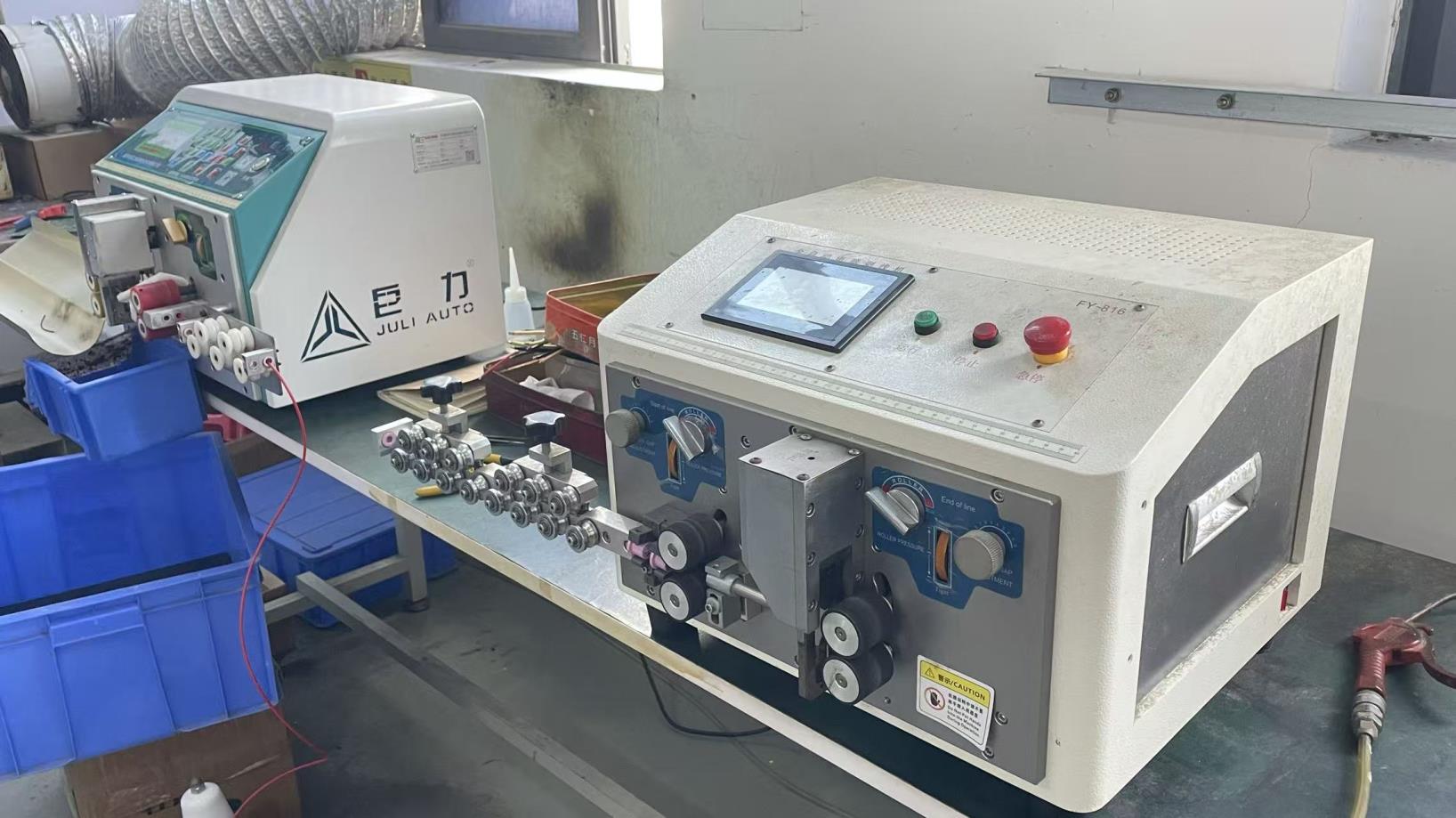 Wire Cutting
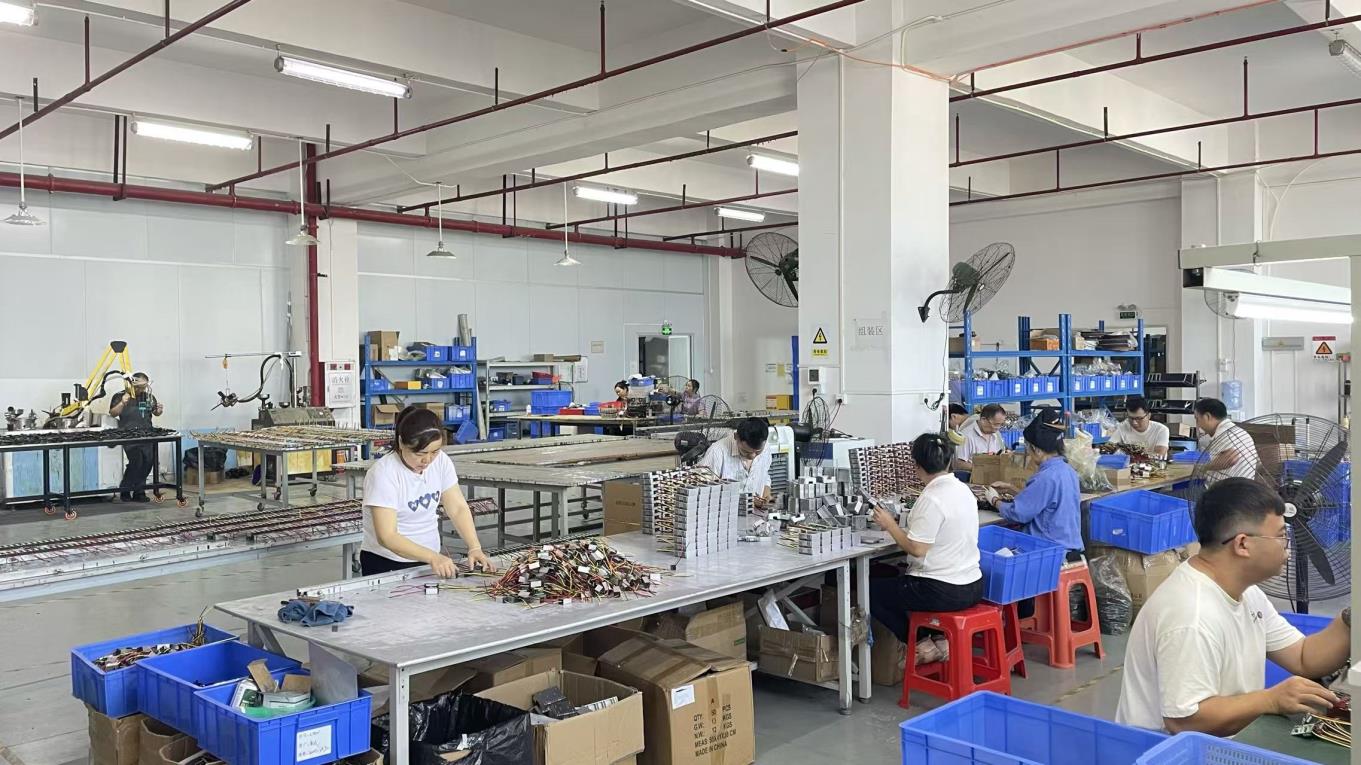 Plug-In
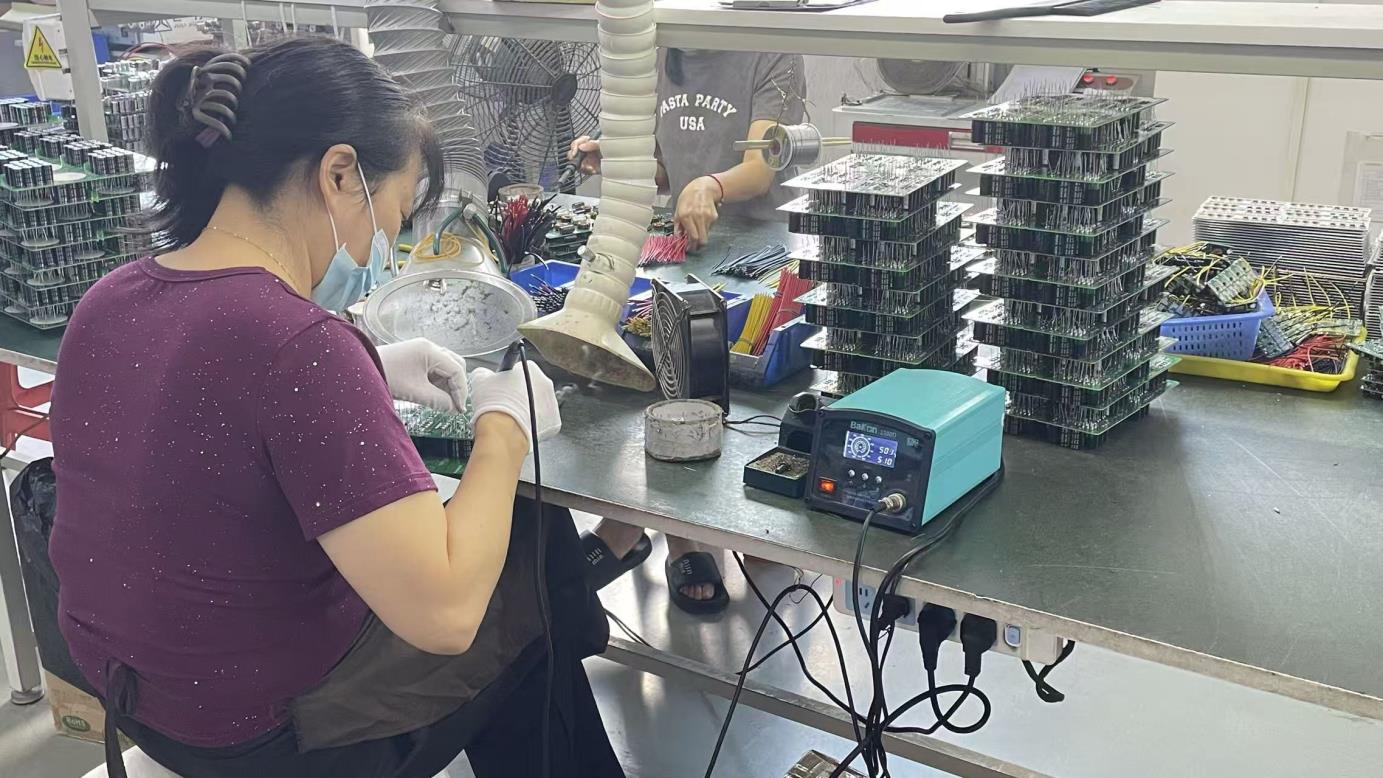 Soldering Tin
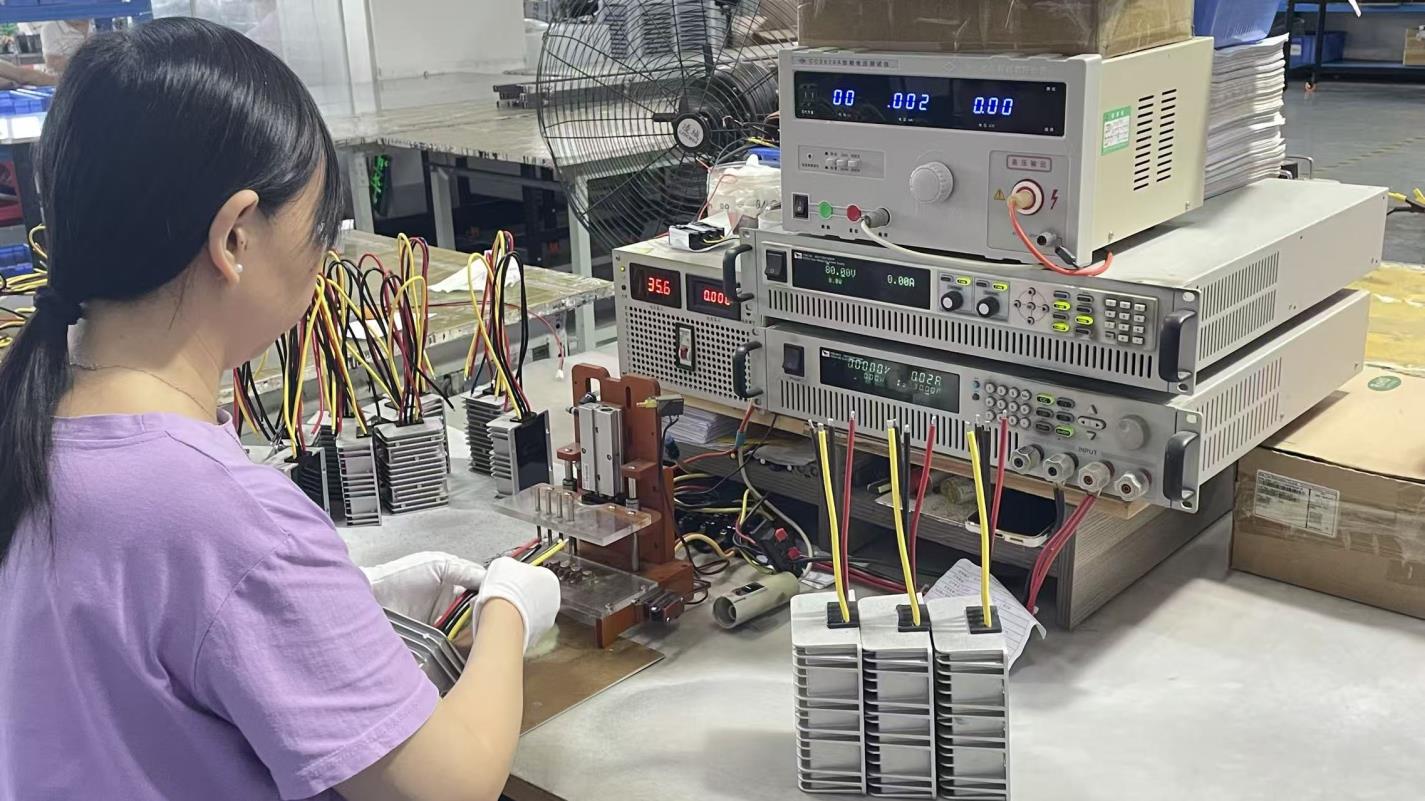 Test
Test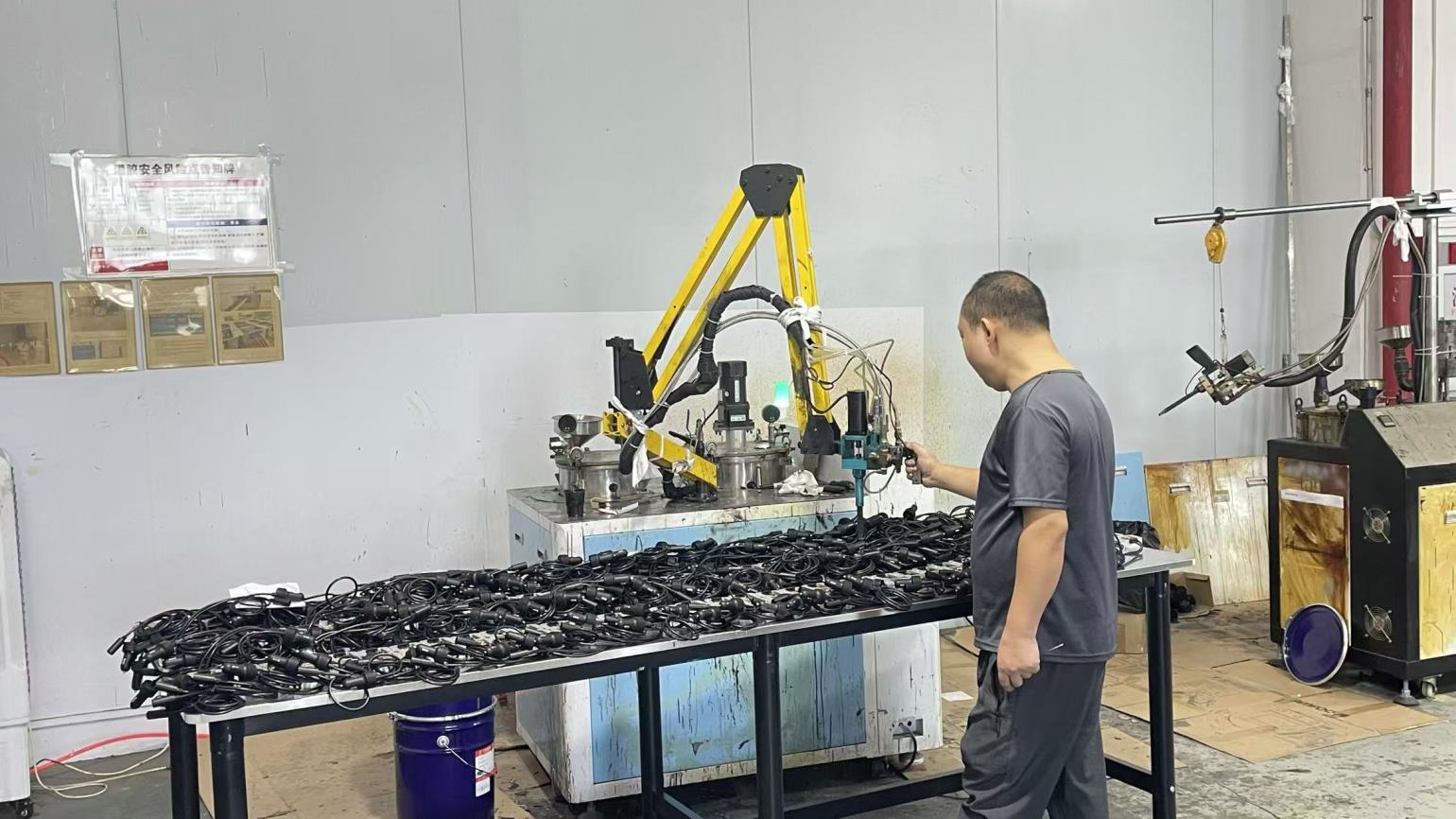 Glue Filling
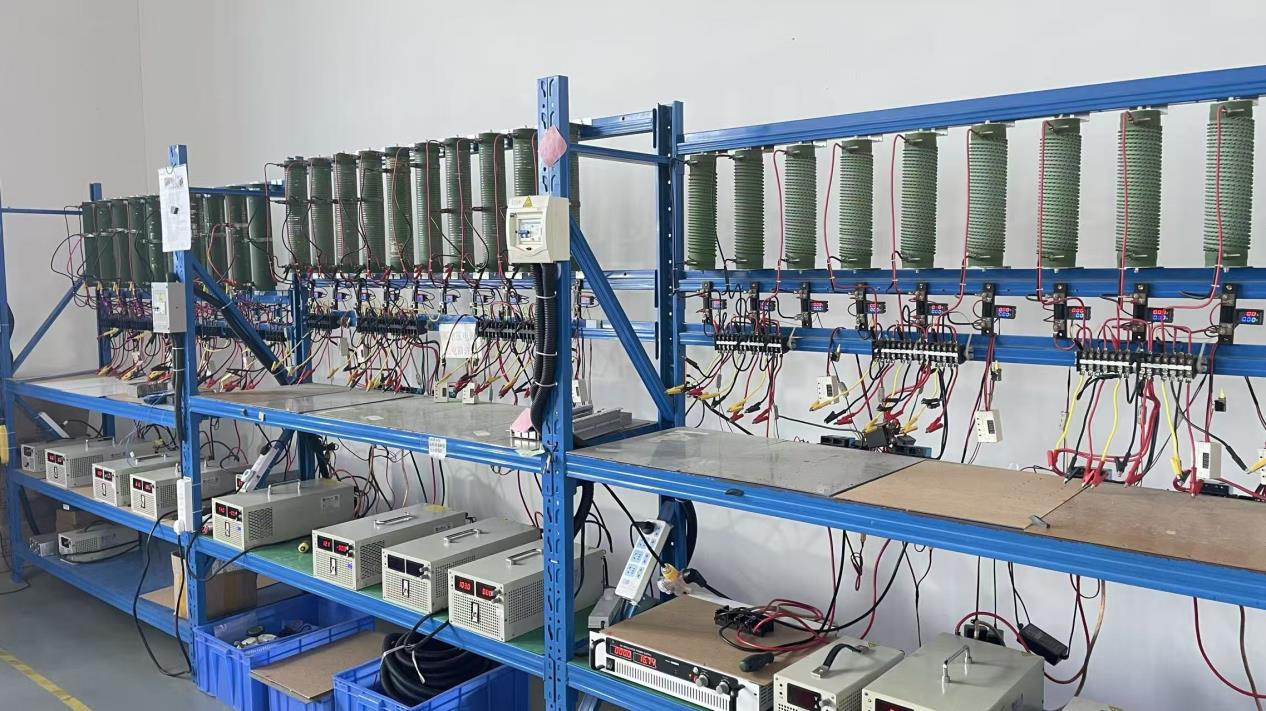 Burn-In Test
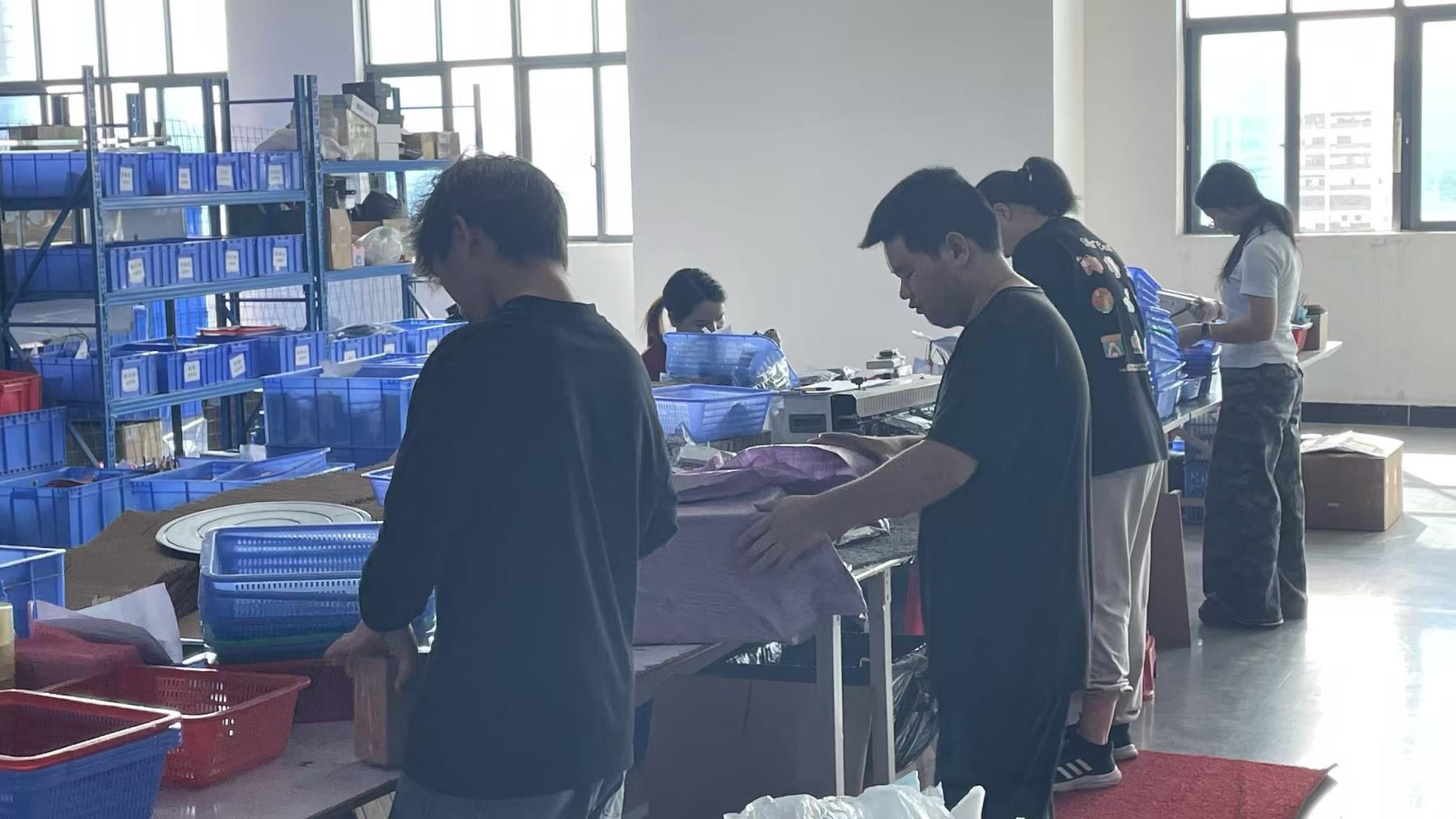 Packaging
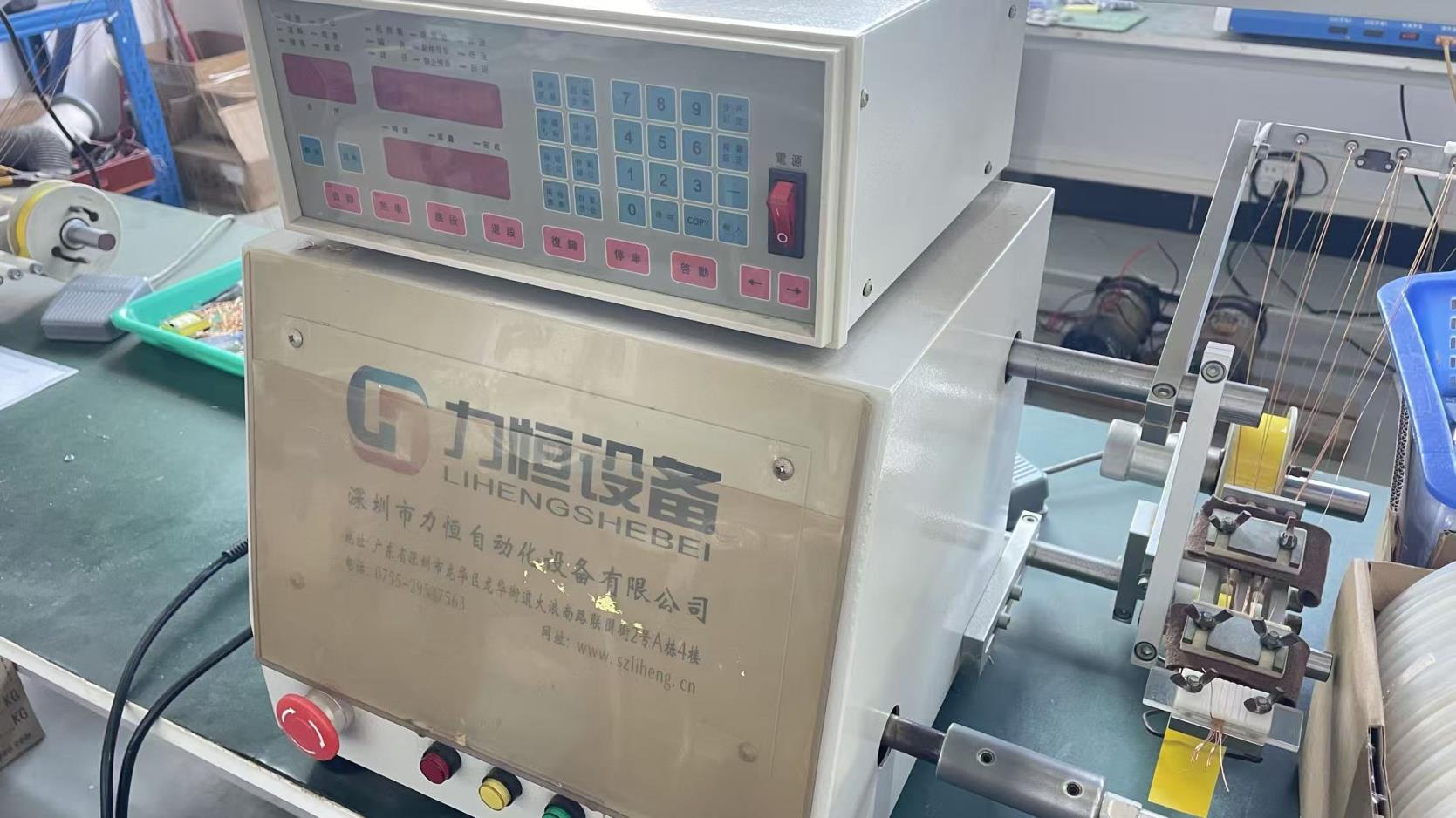 Winding Machine
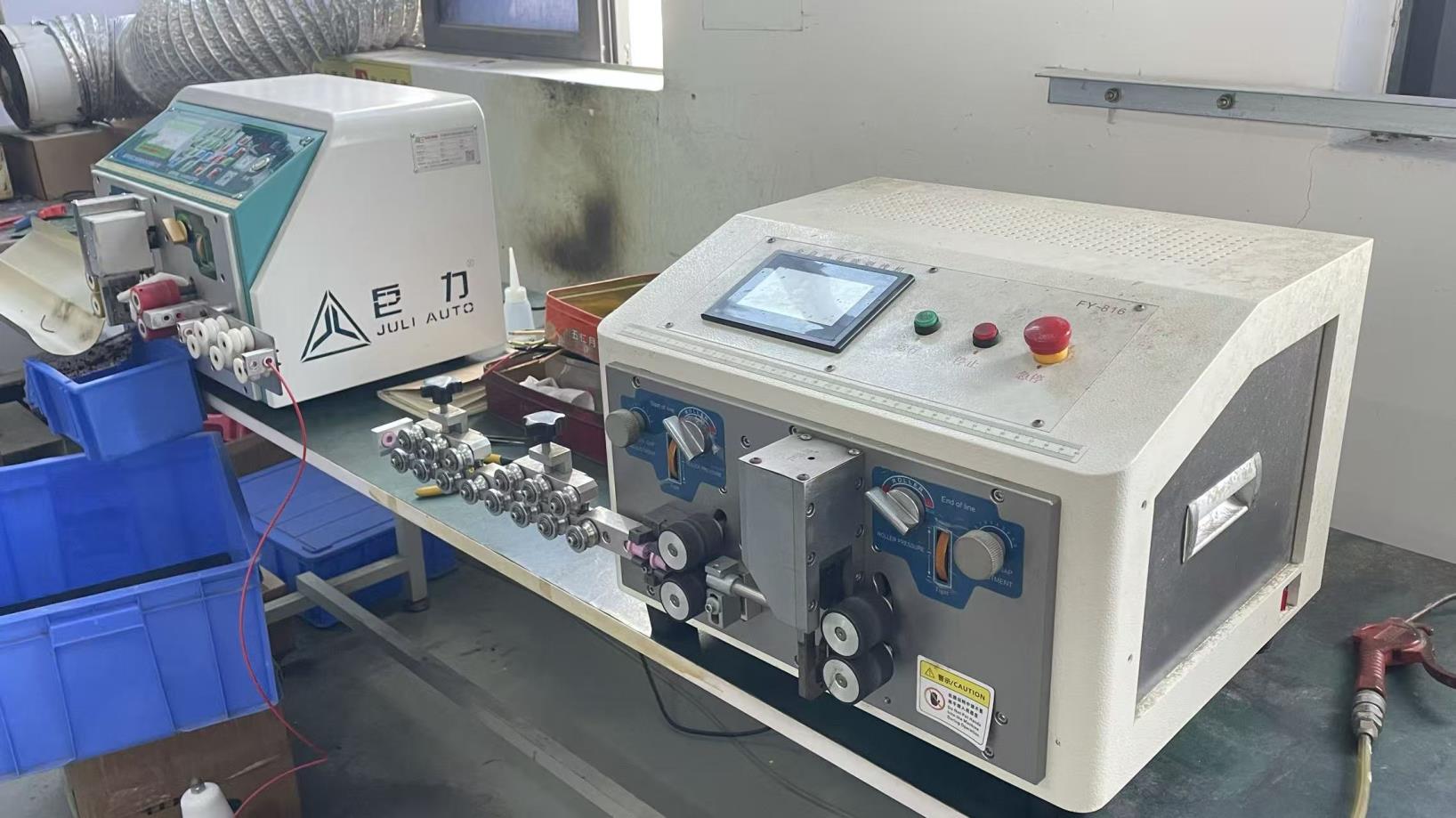 Wire Cutting Machine
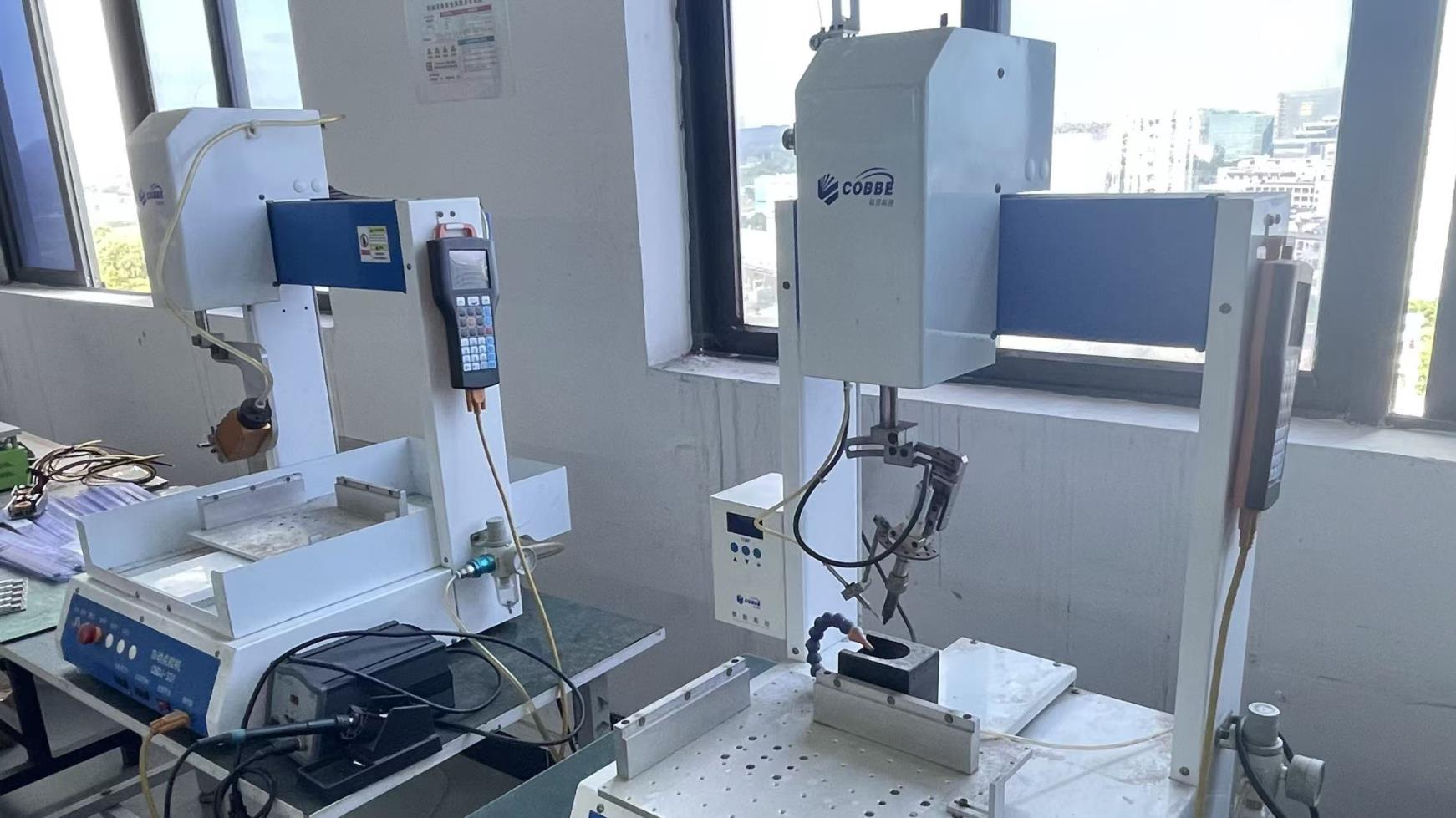 Automatic Soldering Machine
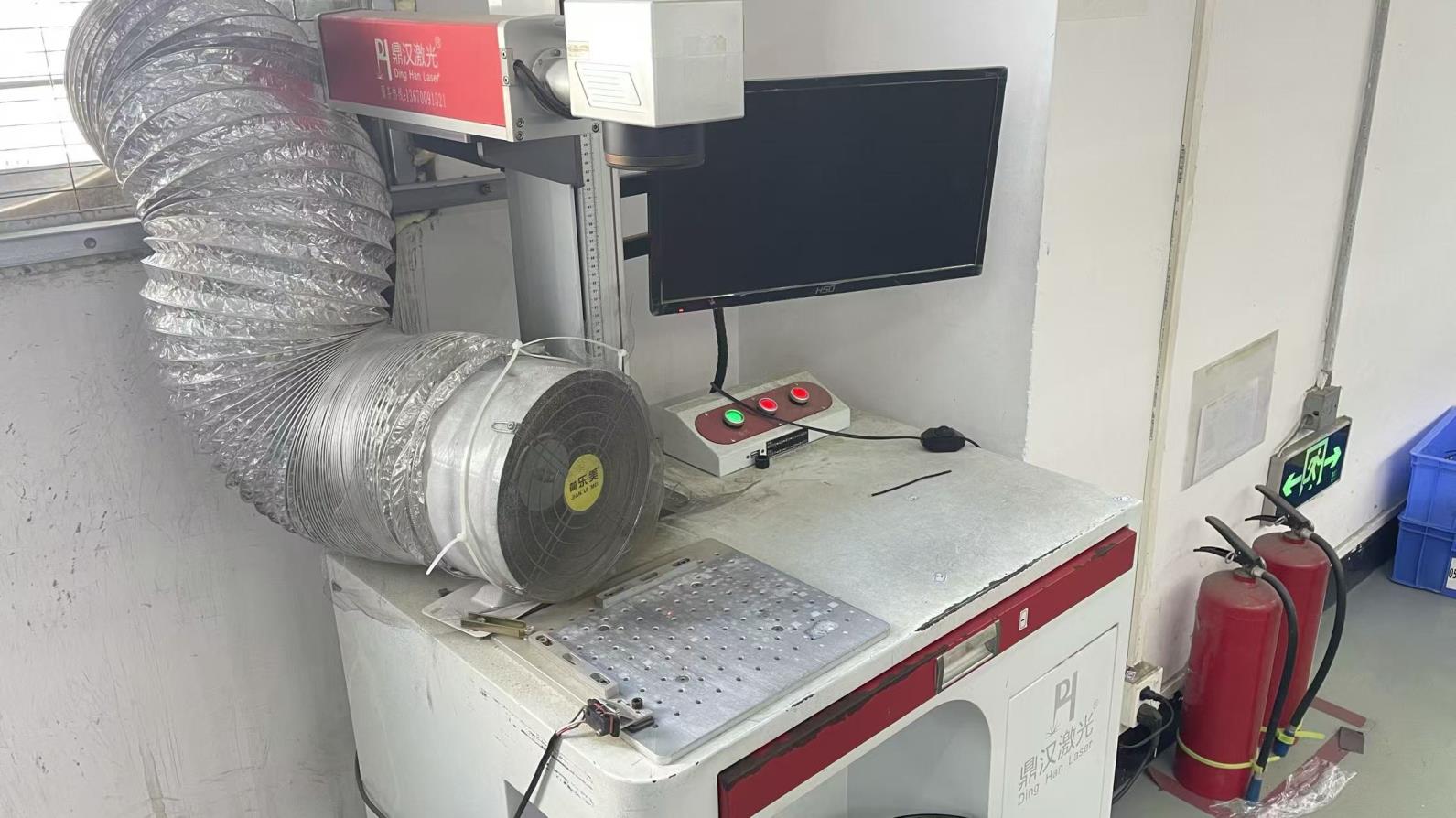 Laser Engraving Machine
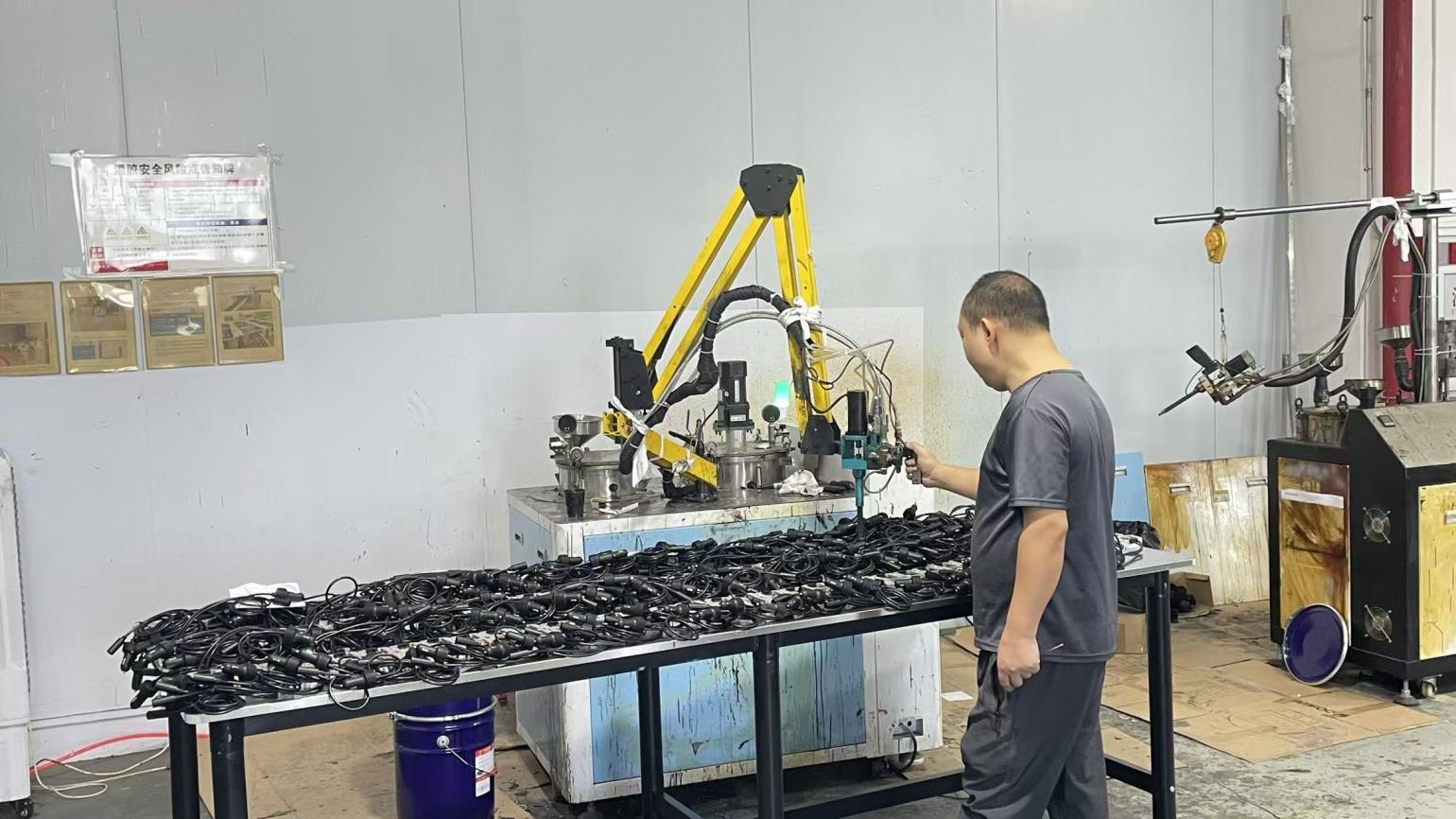 Canning machine
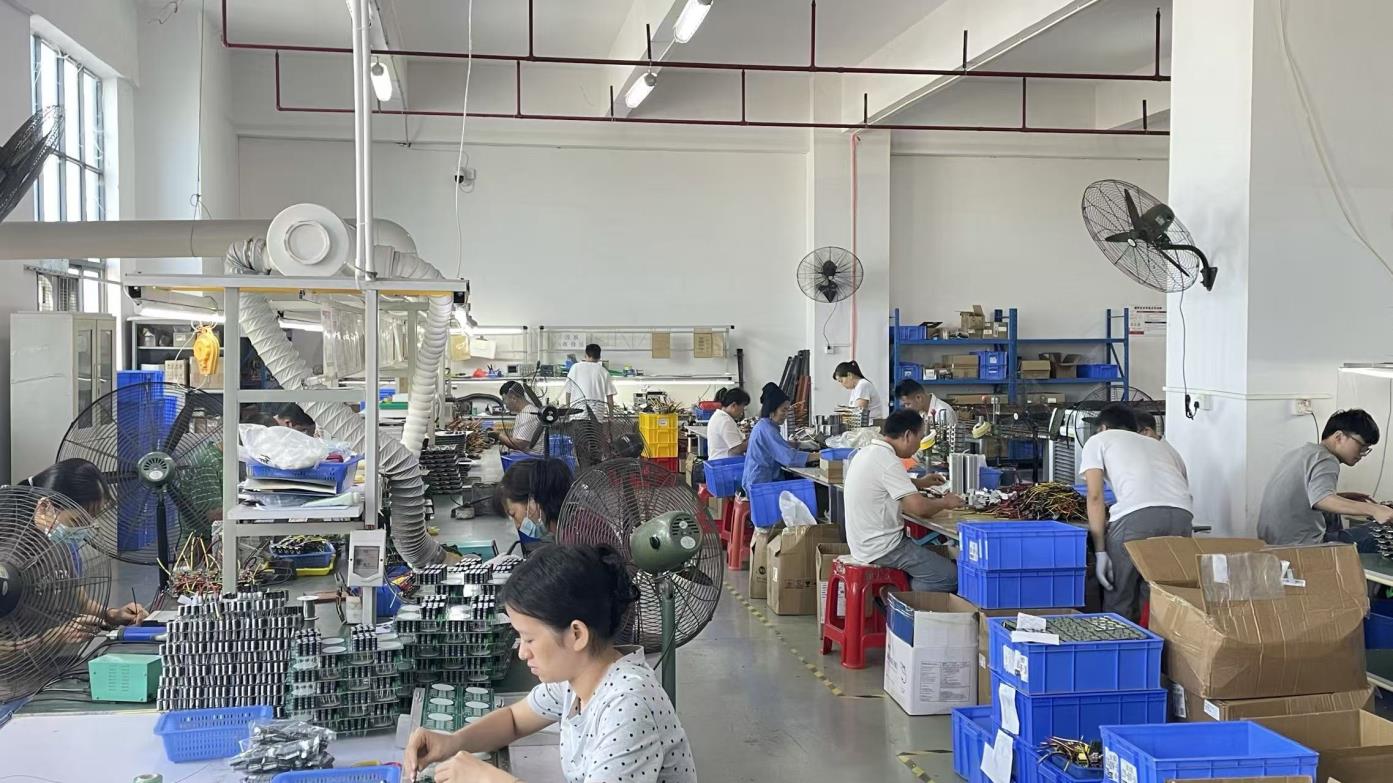 Assembly Line
Advanced Testing Equipment
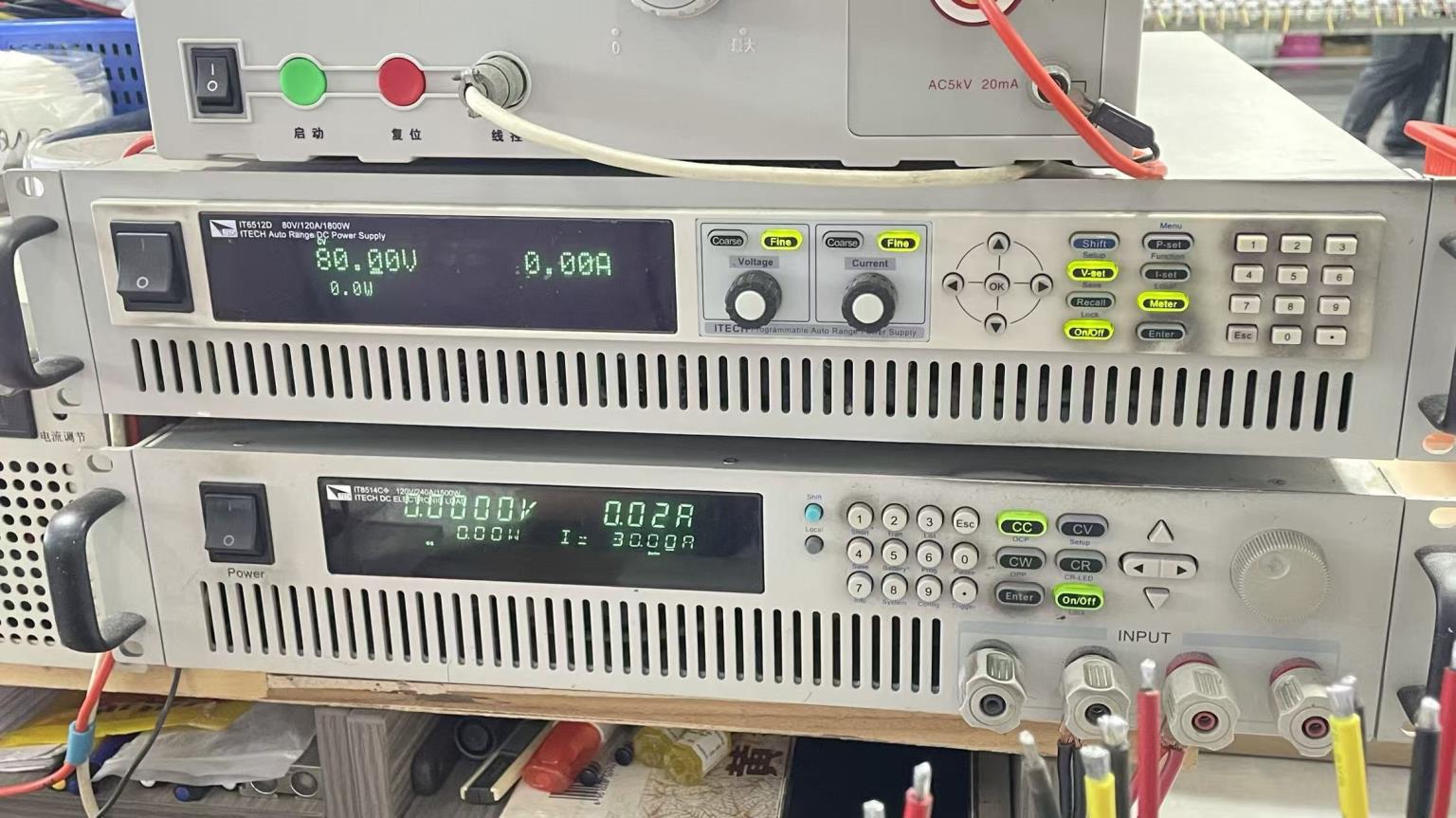 DC Power Supply Tester
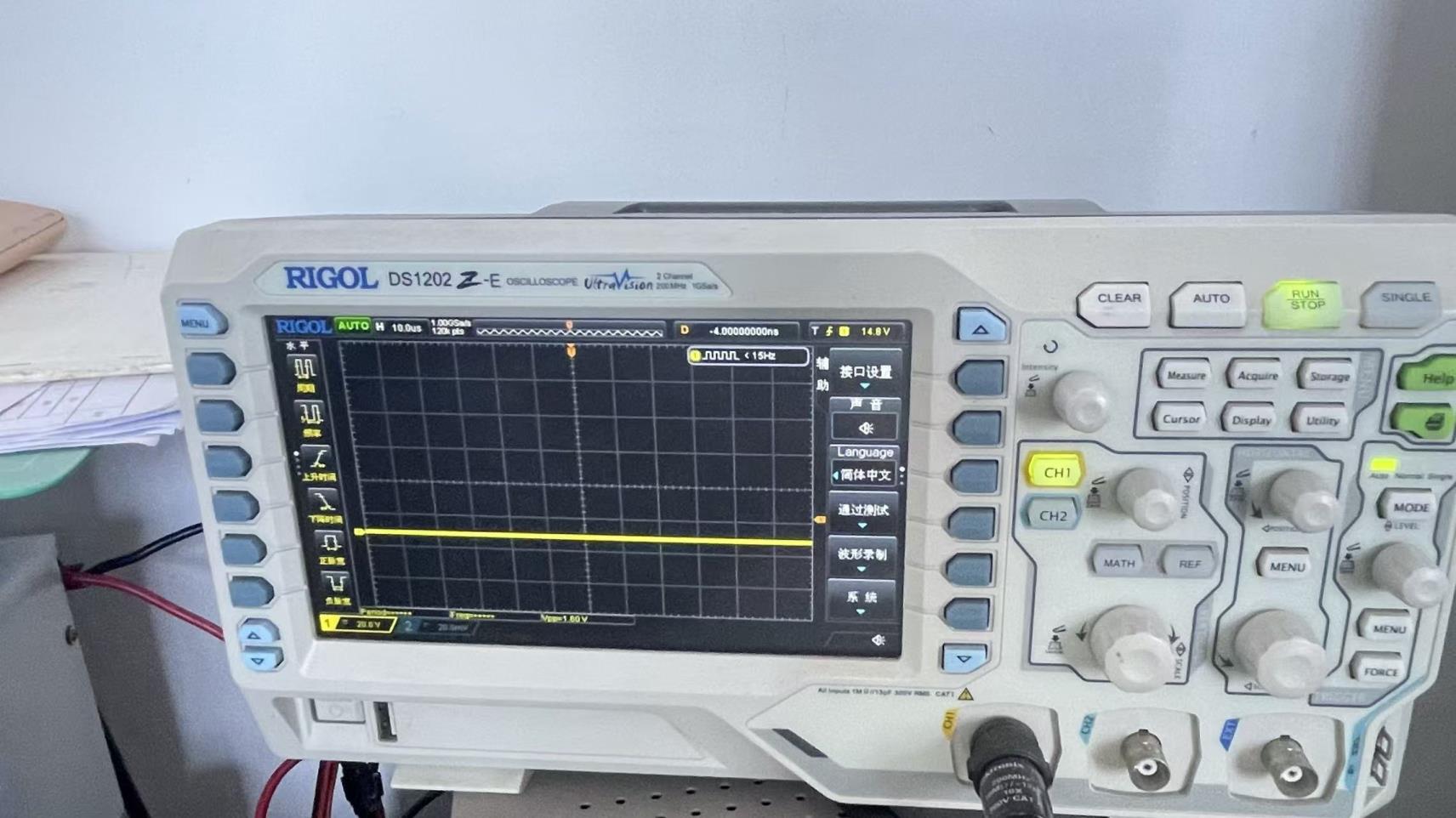 AC Withstand Voltage Tester
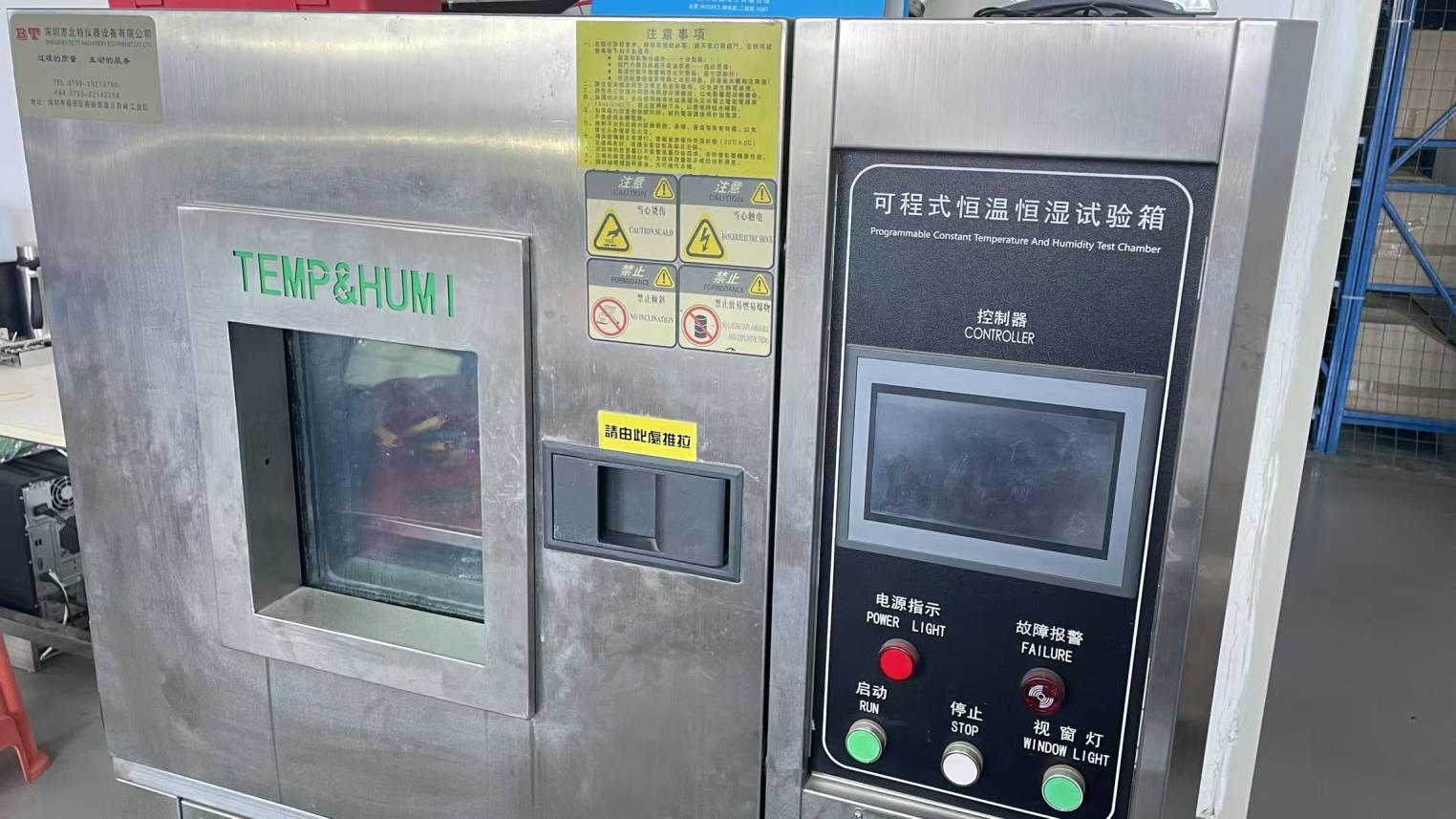 Constant Temp & Humidity Chamber
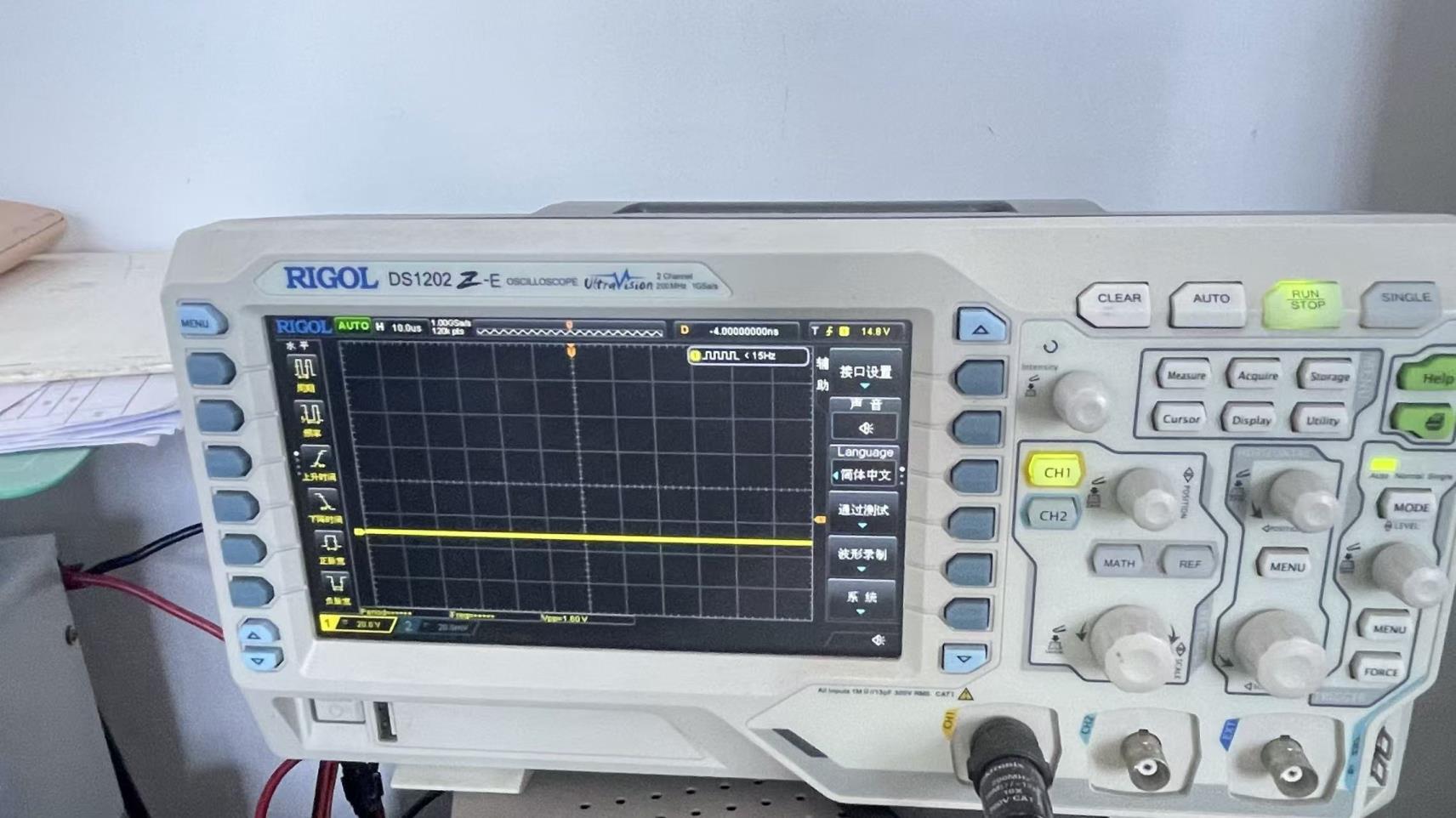 Optical Microscope
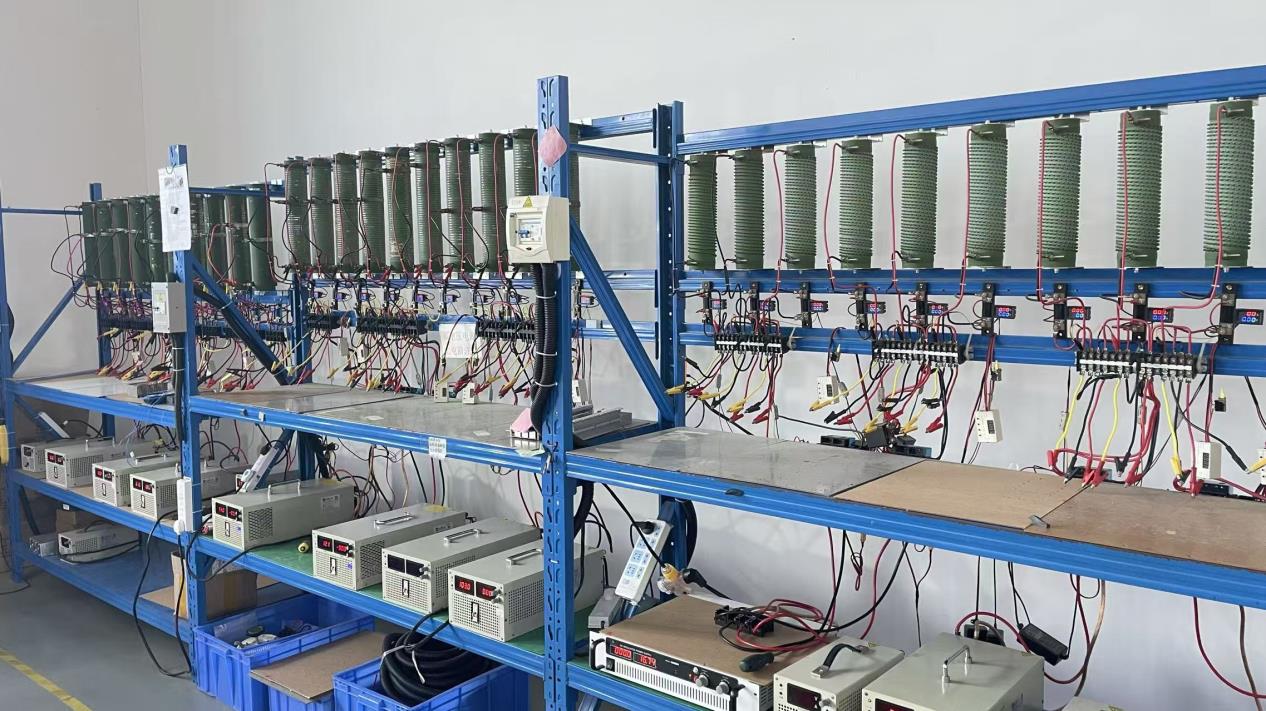 Aging Test
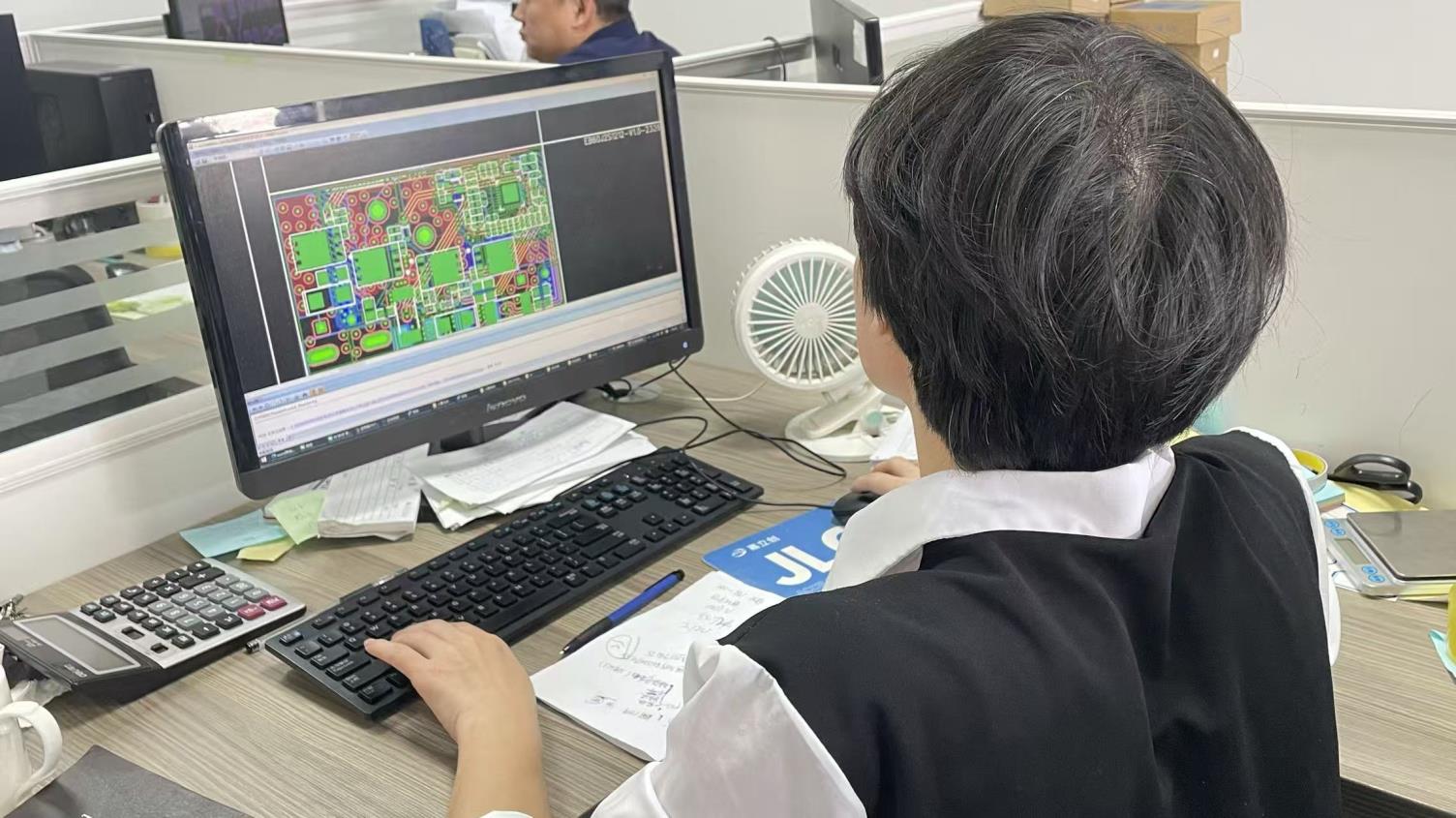 R&D Design
Expert Insights: Q&A for B2B Buyers
Answering Critical Questions on Solar Charge Controller Procurement
MPPT (Maximum Power Point Tracking) technology provides 20-30% more efficiency by dynamically matching the electrical relationship between the solar array and the batteries. For exporters, this means smaller panel arrays can produce the same power, significantly reducing shipping costs and installation footprints.
We utilize a "Glue Filling" (Potting) process and "Burn-In" testing for at least 48 hours under full load. Our components are sourced from automotive-grade suppliers to withstand temperatures from -40°C to +85°C, ensuring compliance with global outdoor standards.
Yes. With over 10,000 models and an in-house R&D team, we can modify input/output voltages (up to 200kv) and frequency ranges (10-500hz) to meet the specific certification needs of different countries, including CE, RoHS, and FCC standards.
Isolated converters provide a galvanic barrier that protects sensitive equipment from input-side surges and noise, which is critical for telecommunications and medical solar applications. Non-isolated stabilizers offer higher efficiency and lower cost for automotive and basic LED applications.
Complete Power Inventory
Browse Our Full Range of Switching & Programmable Solutions